Strategic Importance of Strengthening Iran-Turkey Relations

2023/06/10 | Note, Politics, top news

Strategic Council Online - Guest opinion: In the West Asian region, the number of countries that have democratic systems and real and free elections may not even reach the number of the fingers of one hand, and when those elections are related to an active and proactive country in the region, such as Turkey, its importance and analytical value multiplies. Dr. Mohammad Mehdi Mazaheri - University professor

On May 28, 2023, Turkish leader Recep Tayyip Erdogan won the second round of the Turkish presidential elections against his rival, Kemal Kilicdaroglu. Erdogan has been in power since 2003, first as the prime minister and then as the president of Turkey since 2014.

His latest victory in the recent elections also gives him the possibility of another five-year term for the presidency. This victory and the results of the parliamentary elections on May 14, which caused the pro-Erdogan parties to gain an acceptable majority in the legislative assembly of that country, have given Erdogan a particular position, and the consequences of this influential position will not be limited only within the borders of Turkey.

Since the Turkish presidential elections did not change the power factors among the country’s political elites and led to Erdogan’s re-victory, it can be said that in the next five years, we will see the continuation of Turkey’s foreign policy in the West Asian region.

Of course, this claim has a serious if and but, influenced by “Erdogan’s pragmatic and flexible political personality,” which caused key and serious developments in Turkey’s foreign policy under his leadership at certain times. Whenever Erdogan realizes that his policies are wrong, costly, or have little impact on Turkey’s national interests, without the reservations and stubbornness that many politicians in the region have, he does not shy away from 180-degree changes in his government’s foreign policy and with a sudden turn he changes and corrects the direction of his country towards the desired goals; however, like many West Asian politicians, he does not believe in explaining such changes or a possible apology for past mistakes.

But in general, Erdogan is expected to continue his previous policies in the West Asian region in the next five years. Therefore, the Islamic Republic of Iran will continue to face Turkey’s same policies and approaches.

Such policies include trying to strengthen Turkey’s influence in the region, supporting Turkey-related groups in Syria, Libya, and the Caucasus, continuing to play a role in the Karabakh crisis and relations between the Republic of Azerbaijan and Armenia, exploiting the Ukraine crisis to regulate Turkey’s relationship with Russia and The European Union as well as trying to improve relations with the Israeli regime.

Of course, in addition to the policies mentioned above, maintaining relations with Iran is also very important for the Turkish government, and this issue can open the door to many knots and problems.

In international and regional relations, although consultation and dialogue is the solution to many competitions, conflicts, and crises, as long as such dialogues do not lead to concrete benefits and privileges for the parties, they usually do not end in significant and effective results.

Therefore, it seems that the way of successful interaction between Iran and Turkey under Erdogan’s leadership in the new era is to create advantages and mutual benefits that cannot be ignored in bilateral relations and show Iran’s power and capacity to reduce the problems of that country in the regional and international arena.

Turkey is currently facing many challenges in the field of its foreign policy; the following are some to mention:

  1. Relations with the West: Although Turkey is a member of NATO, its relations with the West have been tense due to issues such as human rights and democracy, as well as its approach to Greece and Cyprus, and the case may continue in the future.
  2. Turkey is worried about its position in Syria: Since Russia withdrew a large number of its forces from Syria due to the war in Ukraine, Turkey interprets this issue as an opportunity to increase Iran’s influence and presence in Syria and to maintain its position in that country and maybe, in its opinion, has tried to prevent the spread of Iran’s influence in that country to get closer to the Israeli regime.
  3. The Kurdistan issue: Turkey is against the movements of the Kurds and has targeted those movements in recent years with military attacks on Kurdish areas in Syria and Iraq.
  4. Economic problems: Turkey has been facing many economic challenges in recent years, including severe inflation and devaluation of its national currency, and it needs to cooperate with other countries to solve those challenges.
  5. Turkey’s relations with the influential countries of the Arab world, such as Saudi Arabia and Egypt, have become cold and tense due to the country’s regional policies and support for the Muslim Brotherhood and Erdogan, in continuation of his recent policies, seeks to restore and repair such relations.
  6. Immigration problem: Due to the crises in the region’s countries, including Syria and Afghanistan, Turkey is facing the entry of illegal immigrants into its country, and it needs to cooperate with other countries to manage this problem.

The cases mentioned above are part of the problems and concerns of Turkey’s foreign policy at the current stage and in the years to come. The Islamic Republic of Iran can solve Turkey’s concerns in many fields with active and innovative planning and policy-making and lead this important and influential country to cooperation and shared interests in the region. Collaboration and synergy in Syria, mutual efforts to circumvent and neutralize Western sanctions and pressures against the two countries, cooperation in the field of rational and effective confrontation with the Kurds in the region, and joint planning to deal with the crisis of illegal migrants are some of the areas in which Iran and Turkey have common interests and working on them can bring the approach of the two countries closer to each other and resolve the mutual concerns of the two sides.
0 Comments

Submit a Comment

Your email address will not be published. Required fields are marked *

LATEST CONTENT

Commercial Exploitation of Peace; The Gaza Committee in Confrontation with International Legitimacy

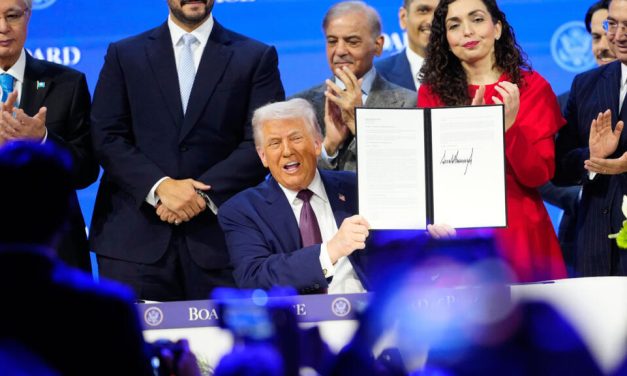
Strategic Council Online – Report: While the second phase of the implementation of the Gaza ceasefire has begun, the establishment of the “Peace Board” chaired by Donald Trump on the sidelines of the Davos meeting (22 January 2026) has become more than a technical mechanism for reconstruction and has turned into a test for the future of the international order.
Despite the signing of the charter by 22 out of 60 invited countries, the limited presence of global leaders at the Davos ceremony and the non-acceptance of this body by the European Union and key Western countries indicate a deep divide in global perceptions of the legitimacy of this mechanism.
In this report, drawing on the analysis of Hadi Borhani, a regional affairs expert, and international data, three strategic questions are addressed: Is the Peace Board an instrument for implementing UN Security Council Resolution 2803 or a substitute for the United Nations? How does the hierarchical architecture of this committee intensify executive challenges in Gaza? And finally, can this body create sustainable peace without the cooperation of Palestinians and with the concentration of power in the hands of a single individual?

America’s Zero-Sum Game in Iraq

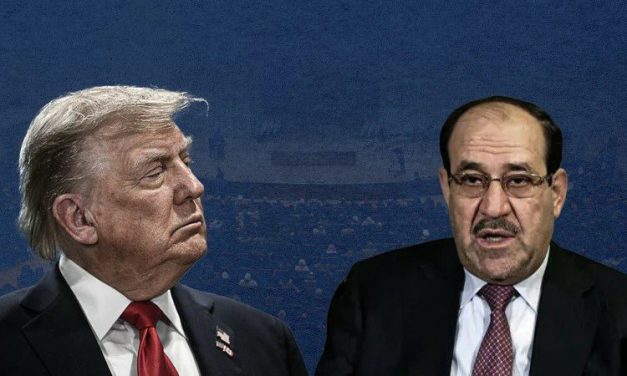
Online Strategic Council – Memoir: The swift selection of Nouri al-Maliki for the premiership constitutes a new phase in Iraq’s political sphere. Multiple factors have played a role in this process, the most important being the prevailing situation in Iraq and the region. Under such circumstances, Iraq requires a powerful and experienced prime minister who can keep the country away from the dangers of wars and crises.

America’s Strategy for Creating Tension in the Asia-Pacific

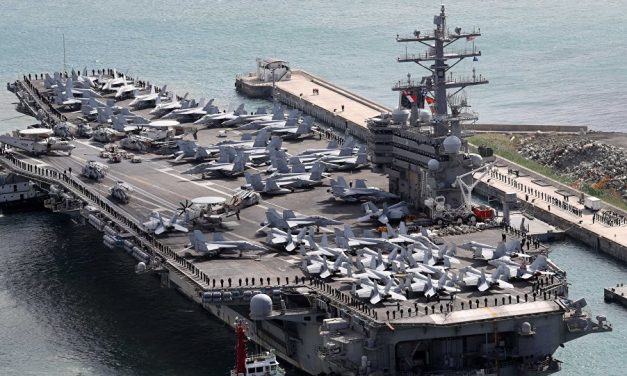
Strategic Council Online – Opinion: Relations between some countries in the Asia-Pacific region, such as China and Japan or China and Australia, which were previously relatively normal, are trending towards deterioration, and the primary reason for this is the aggressive policies of the United States of America.

The Collapse of the European Security Illusion with the Continuation of the Ukraine War?

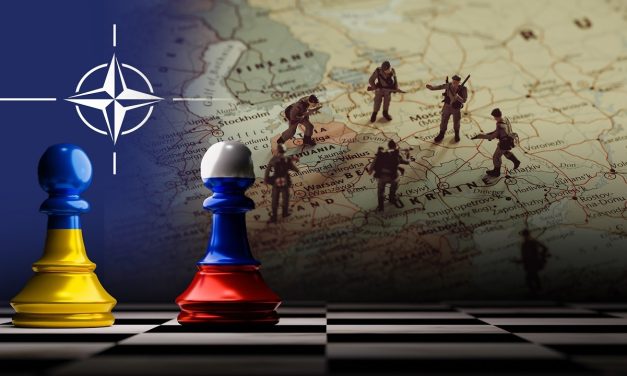
Strategic Council Online – Interview: The Ukraine war has become a new turning point in the political, security, and even commercial relations of allies on both sides of the Atlantic. While this war is nearing its fourth year, many questions still remain regarding its future and its consequences; among them, will the continuation of the Ukraine war lead to the collapse of the European security illusion?

Loading

Últimas publicaciones

Commercial Exploitation of Peace; The Gaza Committee in Confrontation with International Legitimacy

Strategic Council Online – Report: While the second phase of the implementation of the Gaza ceasefire has begun, the establishment of the “Peace Board” chaired by Donald Trump on the sidelines of the Davos meeting (22 January 2026) has become more than a technical mechanism for reconstruction and has turned into a test for the future of the international order.
Despite the signing of the charter by 22 out of 60 invited countries, the limited presence of global leaders at the Davos ceremony and the non-acceptance of this body by the European Union and key Western countries indicate a deep divide in global perceptions of the legitimacy of this mechanism.
In this report, drawing on the analysis of Hadi Borhani, a regional affairs expert, and international data, three strategic questions are addressed: Is the Peace Board an instrument for implementing UN Security Council Resolution 2803 or a substitute for the United Nations? How does the hierarchical architecture of this committee intensify executive challenges in Gaza? And finally, can this body create sustainable peace without the cooperation of Palestinians and with the concentration of power in the hands of a single individual?

America’s Zero-Sum Game in Iraq

Online Strategic Council – Memoir: The swift selection of Nouri al-Maliki for the premiership constitutes a new phase in Iraq’s political sphere. Multiple factors have played a role in this process, the most important being the prevailing situation in Iraq and the region. Under such circumstances, Iraq requires a powerful and experienced prime minister who can keep the country away from the dangers of wars and crises.

America’s Strategy for Creating Tension in the Asia-Pacific

Strategic Council Online – Opinion: Relations between some countries in the Asia-Pacific region, such as China and Japan or China and Australia, which were previously relatively normal, are trending towards deterioration, and the primary reason for this is the aggressive policies of the United States of America.

The Collapse of the European Security Illusion with the Continuation of the Ukraine War?

Strategic Council Online – Interview: The Ukraine war has become a new turning point in the political, security, and even commercial relations of allies on both sides of the Atlantic. While this war is nearing its fourth year, many questions still remain regarding its future and its consequences; among them, will the continuation of the Ukraine war lead to the collapse of the European security illusion?

Loading

DERNIER CONTENU

Commercial Exploitation of Peace; The Gaza Committee in Confrontation with International Legitimacy

Strategic Council Online – Report: While the second phase of the implementation of the Gaza ceasefire has begun, the establishment of the “Peace Board” chaired by Donald Trump on the sidelines of the Davos meeting (22 January 2026) has become more than a technical mechanism for reconstruction and has turned into a test for the future of the international order.
Despite the signing of the charter by 22 out of 60 invited countries, the limited presence of global leaders at the Davos ceremony and the non-acceptance of this body by the European Union and key Western countries indicate a deep divide in global perceptions of the legitimacy of this mechanism.
In this report, drawing on the analysis of Hadi Borhani, a regional affairs expert, and international data, three strategic questions are addressed: Is the Peace Board an instrument for implementing UN Security Council Resolution 2803 or a substitute for the United Nations? How does the hierarchical architecture of this committee intensify executive challenges in Gaza? And finally, can this body create sustainable peace without the cooperation of Palestinians and with the concentration of power in the hands of a single individual?

America’s Zero-Sum Game in Iraq

Online Strategic Council – Memoir: The swift selection of Nouri al-Maliki for the premiership constitutes a new phase in Iraq’s political sphere. Multiple factors have played a role in this process, the most important being the prevailing situation in Iraq and the region. Under such circumstances, Iraq requires a powerful and experienced prime minister who can keep the country away from the dangers of wars and crises.

America’s Strategy for Creating Tension in the Asia-Pacific

Strategic Council Online – Opinion: Relations between some countries in the Asia-Pacific region, such as China and Japan or China and Australia, which were previously relatively normal, are trending towards deterioration, and the primary reason for this is the aggressive policies of the United States of America.

The Collapse of the European Security Illusion with the Continuation of the Ukraine War?

Strategic Council Online – Interview: The Ukraine war has become a new turning point in the political, security, and even commercial relations of allies on both sides of the Atlantic. While this war is nearing its fourth year, many questions still remain regarding its future and its consequences; among them, will the continuation of the Ukraine war lead to the collapse of the European security illusion?

Loading

DERNIER CONTENU

Commercial Exploitation of Peace; The Gaza Committee in Confrontation with International Legitimacy

Strategic Council Online – Report: While the second phase of the implementation of the Gaza ceasefire has begun, the establishment of the “Peace Board” chaired by Donald Trump on the sidelines of the Davos meeting (22 January 2026) has become more than a technical mechanism for reconstruction and has turned into a test for the future of the international order.
Despite the signing of the charter by 22 out of 60 invited countries, the limited presence of global leaders at the Davos ceremony and the non-acceptance of this body by the European Union and key Western countries indicate a deep divide in global perceptions of the legitimacy of this mechanism.
In this report, drawing on the analysis of Hadi Borhani, a regional affairs expert, and international data, three strategic questions are addressed: Is the Peace Board an instrument for implementing UN Security Council Resolution 2803 or a substitute for the United Nations? How does the hierarchical architecture of this committee intensify executive challenges in Gaza? And finally, can this body create sustainable peace without the cooperation of Palestinians and with the concentration of power in the hands of a single individual?

America’s Zero-Sum Game in Iraq

Online Strategic Council – Memoir: The swift selection of Nouri al-Maliki for the premiership constitutes a new phase in Iraq’s political sphere. Multiple factors have played a role in this process, the most important being the prevailing situation in Iraq and the region. Under such circumstances, Iraq requires a powerful and experienced prime minister who can keep the country away from the dangers of wars and crises.

America’s Strategy for Creating Tension in the Asia-Pacific

Strategic Council Online – Opinion: Relations between some countries in the Asia-Pacific region, such as China and Japan or China and Australia, which were previously relatively normal, are trending towards deterioration, and the primary reason for this is the aggressive policies of the United States of America.

The Collapse of the European Security Illusion with the Continuation of the Ukraine War?

Strategic Council Online – Interview: The Ukraine war has become a new turning point in the political, security, and even commercial relations of allies on both sides of the Atlantic. While this war is nearing its fourth year, many questions still remain regarding its future and its consequences; among them, will the continuation of the Ukraine war lead to the collapse of the European security illusion?

Loading

DERNIER CONTENU

Commercial Exploitation of Peace; The Gaza Committee in Confrontation with International Legitimacy

Strategic Council Online – Report: While the second phase of the implementation of the Gaza ceasefire has begun, the establishment of the “Peace Board” chaired by Donald Trump on the sidelines of the Davos meeting (22 January 2026) has become more than a technical mechanism for reconstruction and has turned into a test for the future of the international order.
Despite the signing of the charter by 22 out of 60 invited countries, the limited presence of global leaders at the Davos ceremony and the non-acceptance of this body by the European Union and key Western countries indicate a deep divide in global perceptions of the legitimacy of this mechanism.
In this report, drawing on the analysis of Hadi Borhani, a regional affairs expert, and international data, three strategic questions are addressed: Is the Peace Board an instrument for implementing UN Security Council Resolution 2803 or a substitute for the United Nations? How does the hierarchical architecture of this committee intensify executive challenges in Gaza? And finally, can this body create sustainable peace without the cooperation of Palestinians and with the concentration of power in the hands of a single individual?

America’s Zero-Sum Game in Iraq

Online Strategic Council – Memoir: The swift selection of Nouri al-Maliki for the premiership constitutes a new phase in Iraq’s political sphere. Multiple factors have played a role in this process, the most important being the prevailing situation in Iraq and the region. Under such circumstances, Iraq requires a powerful and experienced prime minister who can keep the country away from the dangers of wars and crises.

America’s Strategy for Creating Tension in the Asia-Pacific

Strategic Council Online – Opinion: Relations between some countries in the Asia-Pacific region, such as China and Japan or China and Australia, which were previously relatively normal, are trending towards deterioration, and the primary reason for this is the aggressive policies of the United States of America.

The Collapse of the European Security Illusion with the Continuation of the Ukraine War?

Strategic Council Online – Interview: The Ukraine war has become a new turning point in the political, security, and even commercial relations of allies on both sides of the Atlantic. While this war is nearing its fourth year, many questions still remain regarding its future and its consequences; among them, will the continuation of the Ukraine war lead to the collapse of the European security illusion?

Loading