جدیدترین مطالب

Iran’s Potential Levers of Power

SCFRonline– Opinion: Iran’s geopolitical power is not limited solely to oil and the Strait of Hormuz; the unintended emergence of disruptions in the future global food and energy security chains can also demonstrate Iran’s strategic importance.


The Inseparability of the Lebanese Front from the Axis of Resistance

SCFR Online–Opinion: By providing an extensive network of social, healthcare, educational, and post-war reconstruction services, Hezbollah has established a strong social base for itself among Lebanon’s Shiites and Sunnis, and even beyond that, among other segments of Lebanese society, including Christians. Hezbollah has never been an external actor imposed upon Lebanon; rather, it is a phenomenon fundamentally born out of the occupation and crimes of the Zionist regime and itself influenced by popular resistance.

The Increasing Efforts of the Zionist Regime to Redefine Borders and the Regional Order and Its Consequences

SCFR Online– Opinion: Security and military developments in the region over recent months indicate that the ongoing crises and wars in Gaza, southern Lebanon, and parts of Syrian territory encompass broader dimensions of geopolitical and geostrategic transformations. In this context, the increased military presence and control of the Zionist regime over parts of the territories of these areas, along with proposals regarding the creation of buffer zones or even the expansion of security borders, have raised serious questions about the future of the regional order and its consequences for the countries of West Asia.

The Components of Iran’s Deterrence Power

SCFR Online – Opinion: At a time when regional security equations have reached a sensitive stage under the influence of Iran’s strategic confrontation with the United States and the Zionist regime, the question of the nature of Tehran’s defensive power has gained greater significance than ever before. While Washington and Tel Aviv rely on their technological superiority, the Islamic Republic of Iran has presented a model of deterrence that extends beyond the material calculations of the world’s classical militaries. This power, rooted in the connection between “the field” and “the people,” has not only altered the balance of power in recent conflicts but has also disrupted adversaries’ calculations when confronting Iran’s strategic depth.

Loading

Dr. Mohammad Mehdi Mazaheri

The Necessity of Utilizing the Security-Creating Capacity of the Persian Gulf Countries

The Necessity of Utilizing the Security-Creating Capacity of the Persian Gulf Countries

Strategic Council Online: Before the illegitimate attack by the Israeli and American regimes on our country’s nuclear and military centers, Iran’s diplomatic apparatus had adopted an active and multilateral regional policy. This policy aimed to gain and maintain the trust and cooperation of important and influential regional countries, including Saudi Arabia, by keeping them informed about the progress and process of nuclear negotiations with the United States. This policy has proven to be effective. Unlike in previous instances when it was highly likely that these countries would remain silent or even cooperate with attacks on our nuclear facilities, we recently observed a unanimous condemnation of the Israeli regime’s attack on our nation by the Persian Gulf Cooperation Council.

The Necessity of Assessing the Zionist Regime’s Aggression and Utilizing the Emergence of New Opportunities

The Necessity of Assessing the Zionist Regime’s Aggression and Utilizing the Emergence of New Opportunities

Strategic Council Online– Opinion: In recent weeks, we witnessed how the Israeli regime disrupted the peace-seeking negotiations between our country’s officials and the U.S., and out of concern that diplomatic agreements might not secure its interests and objectives, it launched an aggressive attack on our soil. This regime, which had convinced Donald Trump to withdraw from the JCPOA in 2018, also persuaded him in this attack to cover up the weaknesses of the Israeli regime and, using its superior military equipment, target Iran’s nuclear facilities, which were under the supervision of the International Atomic Energy Agency.

Economy & Security: Connecting Links between Turkey and Persian Gulf States

Economy & Security: Connecting Links between Turkey and Persian Gulf States

Strategic Council Online – Opinion: Since 2000, Turkey has gradually shifted its foreign policy from the “Looking East” approach to the more traditional “Looking West” foreign policy. The most important reasons for this change in the structure of Turkey’s foreign policy were the developments in Iraq, the Syrian crisis, and Ankara’s failure to become a member state of the European Union. In addition to the above, the influence of people like President Erdogan and Davutoglu (former PM) on the change in Turkey’s foreign policy has been undeniable.

Europe’s Confusion in Securing Bab al-Mandab Strait and the Red Sea

Europe’s Confusion in Securing Bab al-Mandab Strait and the Red Sea

Strategic Council Online – Opinion: The strategic Strait of Bab al-Mandab and the Red Sea have recently faced serious problems and crises due to the Gaza war. This is because of the protectionist approach of the Yemeni army forces toward Palestine, which, since the beginning of the Israeli regime’s attacks on the Gaza Strip, has included attacks on ships bound for or from the origin of the regime in the Red Sea.
They said they will continue their attacks until the Israeli regime’s military aggression in the Gaza Strip ends. The United States, as the most important supporter of the Israeli regime, was the first country to respond to this policy of Yemeni army forces and tried to form a global coalition to counter these attacks under the cover of supporting freedom of navigation, which, of course, failed because of conflicts of interests of Western countries and ended in the actions of the US and British attacks on positions in Yemen. Of course, although European countries were not seriously involved in the American coalition, they have numerous and complex interests in this inflammatory, and as a result, have adopted a particular and independent approach.
Dr. Mohammad Mehdi Mazaheri – University Professor

The strategy of the Israeli regime to get rid of the defeat in Gaza

The strategy of the Israeli regime to get rid of the defeat in Gaza

Strategic Council Online-Opinion: It has been about six months since the Israeli regime attacked the Gaza Strip in October 2023. In the initial weeks and months of the attack, many analysts believed that the Israeli regime, based on its usual practice in wars after the Palestinian intifada, would agree to a truce and end the war after inflicting multiple casualties and damages.
Mohammad Mehdi Mazaheri—University professor

Important Legal, Political Dimensions of ICJ Ruling against the Zionist Regime of Israel

Important Legal, Political Dimensions of ICJ Ruling against the Zionist Regime of Israel

Strategic Council Online – Note: The International Court of Justice on Friday, 26 January 2024, announced its interim verdict regarding South Africa’s case against Israel for “committing the crime of genocide in Gaza” and the need to take extraordinary measures. According to this ruling, there is evidence of genocide in Gaza; Therefore, the court rejected a request by Israel to throw out the case.
Dr. Mohammad Mehdi Mazaheri – University Professor

America’s Imperfect Coalition, Future of Peace, Stability in the Region

America’s Imperfect Coalition, Future of Peace, Stability in the Region

Strategic Council Online – Opinion: In a situation where Western countries and the United States are not ready to take action to stop the crimes of the Zionist regime in Gaza, apparently, the only concern they have is the freedom of trade and shipping in the Red Sea!
Dr. Mohammad Mehdi Mazaheri – University professor

COP 28, Need for Strategic Transition of West Asia Region

COP 28, Need for Strategic Transition of West Asia Region

Strategic Council Online – Opinion: In the past two weeks, the leaders and officials of the countries participating in the United Nations Climate Change Conference known as COP28 gathered in Dubai, United Arab Emirates, to make efforts to limit global warming and increase the reduction of the role of fossil fuels in the world. Although the heavy shadow of the Israeli regime’s inhumane attacks on the Gaza Strip has cast a shadow on the conference, this year’s dry autumn and low rainfall and the dark and low rainfall winters of the past few years remind us that attention to climate change and addressing its causes and reasons is no longer a luxury or an unimportant issue, and neglecting it can directly endanger the food security, welfare, and life of the citizens of different countries, and as a result, face those governments with serious risks.
Dr. Mohammad Mehdi Mazaheri – University professor

US interests and goals in the Gaza war

US interests and goals in the Gaza war

Strategic Council Online-Opinion: During the past few days, the Gaza Strip witnessed a temporary ceasefire for the mutual release of Zionist and Palestinian prisoners and limited aid to Gaza. The ceasefire was finally implemented not because of respect for the UN General Assembly vote or the Security Council resolution but because of political negotiations, the mediation of Qatar, and the United States’s green light.
Mohammad Mehdi Mazaheri—University professor

Reasons for Ineffectiveness of Riyadh Summit Concerning Expectations of Gazans

Reasons for Ineffectiveness of Riyadh Summit Concerning Expectations of Gazans

Strategic Council Online – Opinion: Recently, we witnessed an extraordinary summit of Islamic countries in Riyadh. The Palestinians, especially the people of Gaza, had built hope on the meeting, and it was expected that at the end of it, we would see a collective, serious, and deterrent decision by the Islamic countries. But, unfortunately, such expectations were not met.
Dr. Mohammad Mehdi Mazaheri – University professor

أحدث الوظائف

Iran’s Potential Levers of Power

SCFRonline– Opinion: Iran’s geopolitical power is not limited solely to oil and the Strait of Hormuz; the unintended emergence of disruptions in the future global food and energy security chains can also demonstrate Iran’s strategic importance.
The Inseparability of the Lebanese Front from the Axis of Resistance

SCFR Online–Opinion: By providing an extensive network of social, healthcare, educational, and post-war reconstruction services, Hezbollah has established a strong social base for itself among Lebanon’s Shiites and Sunnis, and even beyond that, among other segments of Lebanese society, including Christians. Hezbollah has never been an external actor imposed upon Lebanon; rather, it is a phenomenon fundamentally born out of the occupation and crimes of the Zionist regime and itself influenced by popular resistance.

The Increasing Efforts of the Zionist Regime to Redefine Borders and the Regional Order and Its Consequences

SCFR Online– Opinion: Security and military developments in the region over recent months indicate that the ongoing crises and wars in Gaza, southern Lebanon, and parts of Syrian territory encompass broader dimensions of geopolitical and geostrategic transformations. In this context, the increased military presence and control of the Zionist regime over parts of the territories of these areas, along with proposals regarding the creation of buffer zones or even the expansion of security borders, have raised serious questions about the future of the regional order and its consequences for the countries of West Asia.

The Components of Iran’s Deterrence Power

SCFR Online – Opinion: At a time when regional security equations have reached a sensitive stage under the influence of Iran’s strategic confrontation with the United States and the Zionist regime, the question of the nature of Tehran’s defensive power has gained greater significance than ever before. While Washington and Tel Aviv rely on their technological superiority, the Islamic Republic of Iran has presented a model of deterrence that extends beyond the material calculations of the world’s classical militaries. This power, rooted in the connection between “the field” and “the people,” has not only altered the balance of power in recent conflicts but has also disrupted adversaries’ calculations when confronting Iran’s strategic depth.

Loading

Dr. Mohammad Mehdi Mazaheri

The Necessity of Utilizing the Security-Creating Capacity of the Persian Gulf Countries

The Necessity of Utilizing the Security-Creating Capacity of the Persian Gulf Countries

Strategic Council Online: Before the illegitimate attack by the Israeli and American regimes on our country’s nuclear and military centers, Iran’s diplomatic apparatus had adopted an active and multilateral regional policy. This policy aimed to gain and maintain the trust and cooperation of important and influential regional countries, including Saudi Arabia, by keeping them informed about the progress and process of nuclear negotiations with the United States. This policy has proven to be effective. Unlike in previous instances when it was highly likely that these countries would remain silent or even cooperate with attacks on our nuclear facilities, we recently observed a unanimous condemnation of the Israeli regime’s attack on our nation by the Persian Gulf Cooperation Council.

The Necessity of Assessing the Zionist Regime’s Aggression and Utilizing the Emergence of New Opportunities

The Necessity of Assessing the Zionist Regime’s Aggression and Utilizing the Emergence of New Opportunities

Strategic Council Online– Opinion: In recent weeks, we witnessed how the Israeli regime disrupted the peace-seeking negotiations between our country’s officials and the U.S., and out of concern that diplomatic agreements might not secure its interests and objectives, it launched an aggressive attack on our soil. This regime, which had convinced Donald Trump to withdraw from the JCPOA in 2018, also persuaded him in this attack to cover up the weaknesses of the Israeli regime and, using its superior military equipment, target Iran’s nuclear facilities, which were under the supervision of the International Atomic Energy Agency.

Economy & Security: Connecting Links between Turkey and Persian Gulf States

Economy & Security: Connecting Links between Turkey and Persian Gulf States

Strategic Council Online – Opinion: Since 2000, Turkey has gradually shifted its foreign policy from the “Looking East” approach to the more traditional “Looking West” foreign policy. The most important reasons for this change in the structure of Turkey’s foreign policy were the developments in Iraq, the Syrian crisis, and Ankara’s failure to become a member state of the European Union. In addition to the above, the influence of people like President Erdogan and Davutoglu (former PM) on the change in Turkey’s foreign policy has been undeniable.

Europe’s Confusion in Securing Bab al-Mandab Strait and the Red Sea

Europe’s Confusion in Securing Bab al-Mandab Strait and the Red Sea

Strategic Council Online – Opinion: The strategic Strait of Bab al-Mandab and the Red Sea have recently faced serious problems and crises due to the Gaza war. This is because of the protectionist approach of the Yemeni army forces toward Palestine, which, since the beginning of the Israeli regime’s attacks on the Gaza Strip, has included attacks on ships bound for or from the origin of the regime in the Red Sea.
They said they will continue their attacks until the Israeli regime’s military aggression in the Gaza Strip ends. The United States, as the most important supporter of the Israeli regime, was the first country to respond to this policy of Yemeni army forces and tried to form a global coalition to counter these attacks under the cover of supporting freedom of navigation, which, of course, failed because of conflicts of interests of Western countries and ended in the actions of the US and British attacks on positions in Yemen. Of course, although European countries were not seriously involved in the American coalition, they have numerous and complex interests in this inflammatory, and as a result, have adopted a particular and independent approach.
Dr. Mohammad Mehdi Mazaheri – University Professor

The strategy of the Israeli regime to get rid of the defeat in Gaza

The strategy of the Israeli regime to get rid of the defeat in Gaza

Strategic Council Online-Opinion: It has been about six months since the Israeli regime attacked the Gaza Strip in October 2023. In the initial weeks and months of the attack, many analysts believed that the Israeli regime, based on its usual practice in wars after the Palestinian intifada, would agree to a truce and end the war after inflicting multiple casualties and damages.
Mohammad Mehdi Mazaheri—University professor

Important Legal, Political Dimensions of ICJ Ruling against the Zionist Regime of Israel

Important Legal, Political Dimensions of ICJ Ruling against the Zionist Regime of Israel

Strategic Council Online – Note: The International Court of Justice on Friday, 26 January 2024, announced its interim verdict regarding South Africa’s case against Israel for “committing the crime of genocide in Gaza” and the need to take extraordinary measures. According to this ruling, there is evidence of genocide in Gaza; Therefore, the court rejected a request by Israel to throw out the case.
Dr. Mohammad Mehdi Mazaheri – University Professor

America’s Imperfect Coalition, Future of Peace, Stability in the Region

America’s Imperfect Coalition, Future of Peace, Stability in the Region

Strategic Council Online – Opinion: In a situation where Western countries and the United States are not ready to take action to stop the crimes of the Zionist regime in Gaza, apparently, the only concern they have is the freedom of trade and shipping in the Red Sea!
Dr. Mohammad Mehdi Mazaheri – University professor

COP 28, Need for Strategic Transition of West Asia Region

COP 28, Need for Strategic Transition of West Asia Region

Strategic Council Online – Opinion: In the past two weeks, the leaders and officials of the countries participating in the United Nations Climate Change Conference known as COP28 gathered in Dubai, United Arab Emirates, to make efforts to limit global warming and increase the reduction of the role of fossil fuels in the world. Although the heavy shadow of the Israeli regime’s inhumane attacks on the Gaza Strip has cast a shadow on the conference, this year’s dry autumn and low rainfall and the dark and low rainfall winters of the past few years remind us that attention to climate change and addressing its causes and reasons is no longer a luxury or an unimportant issue, and neglecting it can directly endanger the food security, welfare, and life of the citizens of different countries, and as a result, face those governments with serious risks.
Dr. Mohammad Mehdi Mazaheri – University professor

US interests and goals in the Gaza war

US interests and goals in the Gaza war

Strategic Council Online-Opinion: During the past few days, the Gaza Strip witnessed a temporary ceasefire for the mutual release of Zionist and Palestinian prisoners and limited aid to Gaza. The ceasefire was finally implemented not because of respect for the UN General Assembly vote or the Security Council resolution but because of political negotiations, the mediation of Qatar, and the United States’s green light.
Mohammad Mehdi Mazaheri—University professor

Reasons for Ineffectiveness of Riyadh Summit Concerning Expectations of Gazans

Reasons for Ineffectiveness of Riyadh Summit Concerning Expectations of Gazans

Strategic Council Online – Opinion: Recently, we witnessed an extraordinary summit of Islamic countries in Riyadh. The Palestinians, especially the people of Gaza, had built hope on the meeting, and it was expected that at the end of it, we would see a collective, serious, and deterrent decision by the Islamic countries. But, unfortunately, such expectations were not met.
Dr. Mohammad Mehdi Mazaheri – University professor

Dr. Mohammad Mehdi Mazaheri

The Necessity of Utilizing the Security-Creating Capacity of the Persian Gulf Countries

The Necessity of Utilizing the Security-Creating Capacity of the Persian Gulf Countries

Strategic Council Online: Before the illegitimate attack by the Israeli and American regimes on our country’s nuclear and military centers, Iran’s diplomatic apparatus had adopted an active and multilateral regional policy. This policy aimed to gain and maintain the trust and cooperation of important and influential regional countries, including Saudi Arabia, by keeping them informed about the progress and process of nuclear negotiations with the United States. This policy has proven to be effective. Unlike in previous instances when it was highly likely that these countries would remain silent or even cooperate with attacks on our nuclear facilities, we recently observed a unanimous condemnation of the Israeli regime’s attack on our nation by the Persian Gulf Cooperation Council.

The Necessity of Assessing the Zionist Regime’s Aggression and Utilizing the Emergence of New Opportunities

The Necessity of Assessing the Zionist Regime’s Aggression and Utilizing the Emergence of New Opportunities

Strategic Council Online– Opinion: In recent weeks, we witnessed how the Israeli regime disrupted the peace-seeking negotiations between our country’s officials and the U.S., and out of concern that diplomatic agreements might not secure its interests and objectives, it launched an aggressive attack on our soil. This regime, which had convinced Donald Trump to withdraw from the JCPOA in 2018, also persuaded him in this attack to cover up the weaknesses of the Israeli regime and, using its superior military equipment, target Iran’s nuclear facilities, which were under the supervision of the International Atomic Energy Agency.

Economy & Security: Connecting Links between Turkey and Persian Gulf States

Economy & Security: Connecting Links between Turkey and Persian Gulf States

Strategic Council Online – Opinion: Since 2000, Turkey has gradually shifted its foreign policy from the “Looking East” approach to the more traditional “Looking West” foreign policy. The most important reasons for this change in the structure of Turkey’s foreign policy were the developments in Iraq, the Syrian crisis, and Ankara’s failure to become a member state of the European Union. In addition to the above, the influence of people like President Erdogan and Davutoglu (former PM) on the change in Turkey’s foreign policy has been undeniable.

Europe’s Confusion in Securing Bab al-Mandab Strait and the Red Sea

Europe’s Confusion in Securing Bab al-Mandab Strait and the Red Sea

Strategic Council Online – Opinion: The strategic Strait of Bab al-Mandab and the Red Sea have recently faced serious problems and crises due to the Gaza war. This is because of the protectionist approach of the Yemeni army forces toward Palestine, which, since the beginning of the Israeli regime’s attacks on the Gaza Strip, has included attacks on ships bound for or from the origin of the regime in the Red Sea.
They said they will continue their attacks until the Israeli regime’s military aggression in the Gaza Strip ends. The United States, as the most important supporter of the Israeli regime, was the first country to respond to this policy of Yemeni army forces and tried to form a global coalition to counter these attacks under the cover of supporting freedom of navigation, which, of course, failed because of conflicts of interests of Western countries and ended in the actions of the US and British attacks on positions in Yemen. Of course, although European countries were not seriously involved in the American coalition, they have numerous and complex interests in this inflammatory, and as a result, have adopted a particular and independent approach.
Dr. Mohammad Mehdi Mazaheri – University Professor

The strategy of the Israeli regime to get rid of the defeat in Gaza

The strategy of the Israeli regime to get rid of the defeat in Gaza

Strategic Council Online-Opinion: It has been about six months since the Israeli regime attacked the Gaza Strip in October 2023. In the initial weeks and months of the attack, many analysts believed that the Israeli regime, based on its usual practice in wars after the Palestinian intifada, would agree to a truce and end the war after inflicting multiple casualties and damages.
Mohammad Mehdi Mazaheri—University professor

Important Legal, Political Dimensions of ICJ Ruling against the Zionist Regime of Israel

Important Legal, Political Dimensions of ICJ Ruling against the Zionist Regime of Israel

Strategic Council Online – Note: The International Court of Justice on Friday, 26 January 2024, announced its interim verdict regarding South Africa’s case against Israel for “committing the crime of genocide in Gaza” and the need to take extraordinary measures. According to this ruling, there is evidence of genocide in Gaza; Therefore, the court rejected a request by Israel to throw out the case.
Dr. Mohammad Mehdi Mazaheri – University Professor

America’s Imperfect Coalition, Future of Peace, Stability in the Region

America’s Imperfect Coalition, Future of Peace, Stability in the Region

Strategic Council Online – Opinion: In a situation where Western countries and the United States are not ready to take action to stop the crimes of the Zionist regime in Gaza, apparently, the only concern they have is the freedom of trade and shipping in the Red Sea!
Dr. Mohammad Mehdi Mazaheri – University professor

COP 28, Need for Strategic Transition of West Asia Region

COP 28, Need for Strategic Transition of West Asia Region

Strategic Council Online – Opinion: In the past two weeks, the leaders and officials of the countries participating in the United Nations Climate Change Conference known as COP28 gathered in Dubai, United Arab Emirates, to make efforts to limit global warming and increase the reduction of the role of fossil fuels in the world. Although the heavy shadow of the Israeli regime’s inhumane attacks on the Gaza Strip has cast a shadow on the conference, this year’s dry autumn and low rainfall and the dark and low rainfall winters of the past few years remind us that attention to climate change and addressing its causes and reasons is no longer a luxury or an unimportant issue, and neglecting it can directly endanger the food security, welfare, and life of the citizens of different countries, and as a result, face those governments with serious risks.
Dr. Mohammad Mehdi Mazaheri – University professor

US interests and goals in the Gaza war

US interests and goals in the Gaza war

Strategic Council Online-Opinion: During the past few days, the Gaza Strip witnessed a temporary ceasefire for the mutual release of Zionist and Palestinian prisoners and limited aid to Gaza. The ceasefire was finally implemented not because of respect for the UN General Assembly vote or the Security Council resolution but because of political negotiations, the mediation of Qatar, and the United States’s green light.
Mohammad Mehdi Mazaheri—University professor

Reasons for Ineffectiveness of Riyadh Summit Concerning Expectations of Gazans

Reasons for Ineffectiveness of Riyadh Summit Concerning Expectations of Gazans

Strategic Council Online – Opinion: Recently, we witnessed an extraordinary summit of Islamic countries in Riyadh. The Palestinians, especially the people of Gaza, had built hope on the meeting, and it was expected that at the end of it, we would see a collective, serious, and deterrent decision by the Islamic countries. But, unfortunately, such expectations were not met.
Dr. Mohammad Mehdi Mazaheri – University professor

LATEST CONTENT

Iran’s Potential Levers of Power

SCFRonline– Opinion: Iran’s geopolitical power is not limited solely to oil and the Strait of Hormuz; the unintended emergence of disruptions in the future global food and energy security chains can also demonstrate Iran’s strategic importance.
The Inseparability of the Lebanese Front from the Axis of Resistance

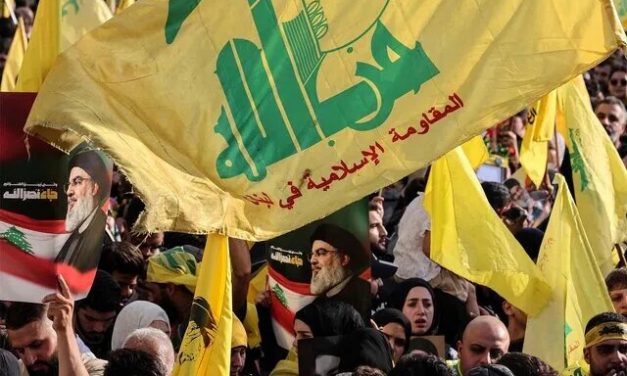
SCFR Online–Opinion: By providing an extensive network of social, healthcare, educational, and post-war reconstruction services, Hezbollah has established a strong social base for itself among Lebanon’s Shiites and Sunnis, and even beyond that, among other segments of Lebanese society, including Christians. Hezbollah has never been an external actor imposed upon Lebanon; rather, it is a phenomenon fundamentally born out of the occupation and crimes of the Zionist regime and itself influenced by popular resistance.

The Increasing Efforts of the Zionist Regime to Redefine Borders and the Regional Order and Its Consequences

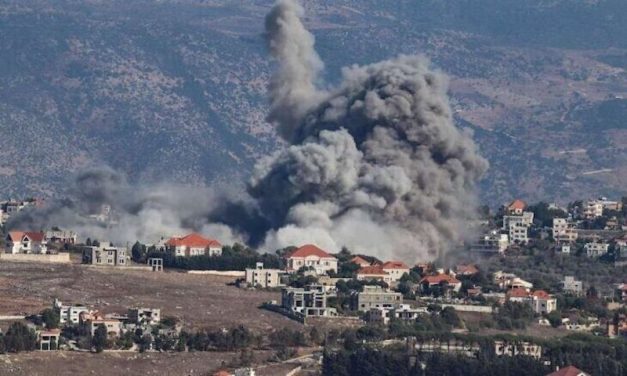
SCFR Online– Opinion: Security and military developments in the region over recent months indicate that the ongoing crises and wars in Gaza, southern Lebanon, and parts of Syrian territory encompass broader dimensions of geopolitical and geostrategic transformations. In this context, the increased military presence and control of the Zionist regime over parts of the territories of these areas, along with proposals regarding the creation of buffer zones or even the expansion of security borders, have raised serious questions about the future of the regional order and its consequences for the countries of West Asia.

The Components of Iran’s Deterrence Power

SCFR Online – Opinion: At a time when regional security equations have reached a sensitive stage under the influence of Iran’s strategic confrontation with the United States and the Zionist regime, the question of the nature of Tehran’s defensive power has gained greater significance than ever before. While Washington and Tel Aviv rely on their technological superiority, the Islamic Republic of Iran has presented a model of deterrence that extends beyond the material calculations of the world’s classical militaries. This power, rooted in the connection between “the field” and “the people,” has not only altered the balance of power in recent conflicts but has also disrupted adversaries’ calculations when confronting Iran’s strategic depth.

Loading

Dr. Mohammad Mehdi Mazaheri

The Necessity of Utilizing the Security-Creating Capacity of the Persian Gulf Countries

The Necessity of Utilizing the Security-Creating Capacity of the Persian Gulf Countries

Strategic Council Online: Before the illegitimate attack by the Israeli and American regimes on our country’s nuclear and military centers, Iran’s diplomatic apparatus had adopted an active and multilateral regional policy. This policy aimed to gain and maintain the trust and cooperation of important and influential regional countries, including Saudi Arabia, by keeping them informed about the progress and process of nuclear negotiations with the United States. This policy has proven to be effective. Unlike in previous instances when it was highly likely that these countries would remain silent or even cooperate with attacks on our nuclear facilities, we recently observed a unanimous condemnation of the Israeli regime’s attack on our nation by the Persian Gulf Cooperation Council.

The Necessity of Assessing the Zionist Regime’s Aggression and Utilizing the Emergence of New Opportunities

The Necessity of Assessing the Zionist Regime’s Aggression and Utilizing the Emergence of New Opportunities

Strategic Council Online– Opinion: In recent weeks, we witnessed how the Israeli regime disrupted the peace-seeking negotiations between our country’s officials and the U.S., and out of concern that diplomatic agreements might not secure its interests and objectives, it launched an aggressive attack on our soil. This regime, which had convinced Donald Trump to withdraw from the JCPOA in 2018, also persuaded him in this attack to cover up the weaknesses of the Israeli regime and, using its superior military equipment, target Iran’s nuclear facilities, which were under the supervision of the International Atomic Energy Agency.

Economy & Security: Connecting Links between Turkey and Persian Gulf States

Economy & Security: Connecting Links between Turkey and Persian Gulf States

Strategic Council Online – Opinion: Since 2000, Turkey has gradually shifted its foreign policy from the “Looking East” approach to the more traditional “Looking West” foreign policy. The most important reasons for this change in the structure of Turkey’s foreign policy were the developments in Iraq, the Syrian crisis, and Ankara’s failure to become a member state of the European Union. In addition to the above, the influence of people like President Erdogan and Davutoglu (former PM) on the change in Turkey’s foreign policy has been undeniable.

Europe’s Confusion in Securing Bab al-Mandab Strait and the Red Sea

Europe’s Confusion in Securing Bab al-Mandab Strait and the Red Sea

Strategic Council Online – Opinion: The strategic Strait of Bab al-Mandab and the Red Sea have recently faced serious problems and crises due to the Gaza war. This is because of the protectionist approach of the Yemeni army forces toward Palestine, which, since the beginning of the Israeli regime’s attacks on the Gaza Strip, has included attacks on ships bound for or from the origin of the regime in the Red Sea.
They said they will continue their attacks until the Israeli regime’s military aggression in the Gaza Strip ends. The United States, as the most important supporter of the Israeli regime, was the first country to respond to this policy of Yemeni army forces and tried to form a global coalition to counter these attacks under the cover of supporting freedom of navigation, which, of course, failed because of conflicts of interests of Western countries and ended in the actions of the US and British attacks on positions in Yemen. Of course, although European countries were not seriously involved in the American coalition, they have numerous and complex interests in this inflammatory, and as a result, have adopted a particular and independent approach.
Dr. Mohammad Mehdi Mazaheri – University Professor

The strategy of the Israeli regime to get rid of the defeat in Gaza

The strategy of the Israeli regime to get rid of the defeat in Gaza

Strategic Council Online-Opinion: It has been about six months since the Israeli regime attacked the Gaza Strip in October 2023. In the initial weeks and months of the attack, many analysts believed that the Israeli regime, based on its usual practice in wars after the Palestinian intifada, would agree to a truce and end the war after inflicting multiple casualties and damages.
Mohammad Mehdi Mazaheri—University professor

Important Legal, Political Dimensions of ICJ Ruling against the Zionist Regime of Israel

Important Legal, Political Dimensions of ICJ Ruling against the Zionist Regime of Israel

Strategic Council Online – Note: The International Court of Justice on Friday, 26 January 2024, announced its interim verdict regarding South Africa’s case against Israel for “committing the crime of genocide in Gaza” and the need to take extraordinary measures. According to this ruling, there is evidence of genocide in Gaza; Therefore, the court rejected a request by Israel to throw out the case.
Dr. Mohammad Mehdi Mazaheri – University Professor

America’s Imperfect Coalition, Future of Peace, Stability in the Region

America’s Imperfect Coalition, Future of Peace, Stability in the Region

Strategic Council Online – Opinion: In a situation where Western countries and the United States are not ready to take action to stop the crimes of the Zionist regime in Gaza, apparently, the only concern they have is the freedom of trade and shipping in the Red Sea!
Dr. Mohammad Mehdi Mazaheri – University professor

COP 28, Need for Strategic Transition of West Asia Region

COP 28, Need for Strategic Transition of West Asia Region

Strategic Council Online – Opinion: In the past two weeks, the leaders and officials of the countries participating in the United Nations Climate Change Conference known as COP28 gathered in Dubai, United Arab Emirates, to make efforts to limit global warming and increase the reduction of the role of fossil fuels in the world. Although the heavy shadow of the Israeli regime’s inhumane attacks on the Gaza Strip has cast a shadow on the conference, this year’s dry autumn and low rainfall and the dark and low rainfall winters of the past few years remind us that attention to climate change and addressing its causes and reasons is no longer a luxury or an unimportant issue, and neglecting it can directly endanger the food security, welfare, and life of the citizens of different countries, and as a result, face those governments with serious risks.
Dr. Mohammad Mehdi Mazaheri – University professor

US interests and goals in the Gaza war

US interests and goals in the Gaza war

Strategic Council Online-Opinion: During the past few days, the Gaza Strip witnessed a temporary ceasefire for the mutual release of Zionist and Palestinian prisoners and limited aid to Gaza. The ceasefire was finally implemented not because of respect for the UN General Assembly vote or the Security Council resolution but because of political negotiations, the mediation of Qatar, and the United States’s green light.
Mohammad Mehdi Mazaheri—University professor

Reasons for Ineffectiveness of Riyadh Summit Concerning Expectations of Gazans

Reasons for Ineffectiveness of Riyadh Summit Concerning Expectations of Gazans

Strategic Council Online – Opinion: Recently, we witnessed an extraordinary summit of Islamic countries in Riyadh. The Palestinians, especially the people of Gaza, had built hope on the meeting, and it was expected that at the end of it, we would see a collective, serious, and deterrent decision by the Islamic countries. But, unfortunately, such expectations were not met.
Dr. Mohammad Mehdi Mazaheri – University professor

ÚLTIMAS PUBLICACIONES

Iran’s Potential Levers of Power

SCFRonline– Opinion: Iran’s geopolitical power is not limited solely to oil and the Strait of Hormuz; the unintended emergence of disruptions in the future global food and energy security chains can also demonstrate Iran’s strategic importance.
The Inseparability of the Lebanese Front from the Axis of Resistance

SCFR Online–Opinion: By providing an extensive network of social, healthcare, educational, and post-war reconstruction services, Hezbollah has established a strong social base for itself among Lebanon’s Shiites and Sunnis, and even beyond that, among other segments of Lebanese society, including Christians. Hezbollah has never been an external actor imposed upon Lebanon; rather, it is a phenomenon fundamentally born out of the occupation and crimes of the Zionist regime and itself influenced by popular resistance.

The Increasing Efforts of the Zionist Regime to Redefine Borders and the Regional Order and Its Consequences

SCFR Online– Opinion: Security and military developments in the region over recent months indicate that the ongoing crises and wars in Gaza, southern Lebanon, and parts of Syrian territory encompass broader dimensions of geopolitical and geostrategic transformations. In this context, the increased military presence and control of the Zionist regime over parts of the territories of these areas, along with proposals regarding the creation of buffer zones or even the expansion of security borders, have raised serious questions about the future of the regional order and its consequences for the countries of West Asia.

The Components of Iran’s Deterrence Power

SCFR Online – Opinion: At a time when regional security equations have reached a sensitive stage under the influence of Iran’s strategic confrontation with the United States and the Zionist regime, the question of the nature of Tehran’s defensive power has gained greater significance than ever before. While Washington and Tel Aviv rely on their technological superiority, the Islamic Republic of Iran has presented a model of deterrence that extends beyond the material calculations of the world’s classical militaries. This power, rooted in the connection between “the field” and “the people,” has not only altered the balance of power in recent conflicts but has also disrupted adversaries’ calculations when confronting Iran’s strategic depth.

Loading

Dr. Mohammad Mehdi Mazaheri

The Necessity of Utilizing the Security-Creating Capacity of the Persian Gulf Countries

The Necessity of Utilizing the Security-Creating Capacity of the Persian Gulf Countries

Strategic Council Online: Before the illegitimate attack by the Israeli and American regimes on our country’s nuclear and military centers, Iran’s diplomatic apparatus had adopted an active and multilateral regional policy. This policy aimed to gain and maintain the trust and cooperation of important and influential regional countries, including Saudi Arabia, by keeping them informed about the progress and process of nuclear negotiations with the United States. This policy has proven to be effective. Unlike in previous instances when it was highly likely that these countries would remain silent or even cooperate with attacks on our nuclear facilities, we recently observed a unanimous condemnation of the Israeli regime’s attack on our nation by the Persian Gulf Cooperation Council.

The Necessity of Assessing the Zionist Regime’s Aggression and Utilizing the Emergence of New Opportunities

The Necessity of Assessing the Zionist Regime’s Aggression and Utilizing the Emergence of New Opportunities

Strategic Council Online– Opinion: In recent weeks, we witnessed how the Israeli regime disrupted the peace-seeking negotiations between our country’s officials and the U.S., and out of concern that diplomatic agreements might not secure its interests and objectives, it launched an aggressive attack on our soil. This regime, which had convinced Donald Trump to withdraw from the JCPOA in 2018, also persuaded him in this attack to cover up the weaknesses of the Israeli regime and, using its superior military equipment, target Iran’s nuclear facilities, which were under the supervision of the International Atomic Energy Agency.

Economy & Security: Connecting Links between Turkey and Persian Gulf States

Economy & Security: Connecting Links between Turkey and Persian Gulf States

Strategic Council Online – Opinion: Since 2000, Turkey has gradually shifted its foreign policy from the “Looking East” approach to the more traditional “Looking West” foreign policy. The most important reasons for this change in the structure of Turkey’s foreign policy were the developments in Iraq, the Syrian crisis, and Ankara’s failure to become a member state of the European Union. In addition to the above, the influence of people like President Erdogan and Davutoglu (former PM) on the change in Turkey’s foreign policy has been undeniable.

Europe’s Confusion in Securing Bab al-Mandab Strait and the Red Sea

Europe’s Confusion in Securing Bab al-Mandab Strait and the Red Sea

Strategic Council Online – Opinion: The strategic Strait of Bab al-Mandab and the Red Sea have recently faced serious problems and crises due to the Gaza war. This is because of the protectionist approach of the Yemeni army forces toward Palestine, which, since the beginning of the Israeli regime’s attacks on the Gaza Strip, has included attacks on ships bound for or from the origin of the regime in the Red Sea.
They said they will continue their attacks until the Israeli regime’s military aggression in the Gaza Strip ends. The United States, as the most important supporter of the Israeli regime, was the first country to respond to this policy of Yemeni army forces and tried to form a global coalition to counter these attacks under the cover of supporting freedom of navigation, which, of course, failed because of conflicts of interests of Western countries and ended in the actions of the US and British attacks on positions in Yemen. Of course, although European countries were not seriously involved in the American coalition, they have numerous and complex interests in this inflammatory, and as a result, have adopted a particular and independent approach.
Dr. Mohammad Mehdi Mazaheri – University Professor

The strategy of the Israeli regime to get rid of the defeat in Gaza

The strategy of the Israeli regime to get rid of the defeat in Gaza

Strategic Council Online-Opinion: It has been about six months since the Israeli regime attacked the Gaza Strip in October 2023. In the initial weeks and months of the attack, many analysts believed that the Israeli regime, based on its usual practice in wars after the Palestinian intifada, would agree to a truce and end the war after inflicting multiple casualties and damages.
Mohammad Mehdi Mazaheri—University professor

Important Legal, Political Dimensions of ICJ Ruling against the Zionist Regime of Israel

Important Legal, Political Dimensions of ICJ Ruling against the Zionist Regime of Israel

Strategic Council Online – Note: The International Court of Justice on Friday, 26 January 2024, announced its interim verdict regarding South Africa’s case against Israel for “committing the crime of genocide in Gaza” and the need to take extraordinary measures. According to this ruling, there is evidence of genocide in Gaza; Therefore, the court rejected a request by Israel to throw out the case.
Dr. Mohammad Mehdi Mazaheri – University Professor

America’s Imperfect Coalition, Future of Peace, Stability in the Region

America’s Imperfect Coalition, Future of Peace, Stability in the Region

Strategic Council Online – Opinion: In a situation where Western countries and the United States are not ready to take action to stop the crimes of the Zionist regime in Gaza, apparently, the only concern they have is the freedom of trade and shipping in the Red Sea!
Dr. Mohammad Mehdi Mazaheri – University professor

COP 28, Need for Strategic Transition of West Asia Region

COP 28, Need for Strategic Transition of West Asia Region

Strategic Council Online – Opinion: In the past two weeks, the leaders and officials of the countries participating in the United Nations Climate Change Conference known as COP28 gathered in Dubai, United Arab Emirates, to make efforts to limit global warming and increase the reduction of the role of fossil fuels in the world. Although the heavy shadow of the Israeli regime’s inhumane attacks on the Gaza Strip has cast a shadow on the conference, this year’s dry autumn and low rainfall and the dark and low rainfall winters of the past few years remind us that attention to climate change and addressing its causes and reasons is no longer a luxury or an unimportant issue, and neglecting it can directly endanger the food security, welfare, and life of the citizens of different countries, and as a result, face those governments with serious risks.
Dr. Mohammad Mehdi Mazaheri – University professor

US interests and goals in the Gaza war

US interests and goals in the Gaza war

Strategic Council Online-Opinion: During the past few days, the Gaza Strip witnessed a temporary ceasefire for the mutual release of Zionist and Palestinian prisoners and limited aid to Gaza. The ceasefire was finally implemented not because of respect for the UN General Assembly vote or the Security Council resolution but because of political negotiations, the mediation of Qatar, and the United States’s green light.
Mohammad Mehdi Mazaheri—University professor

Reasons for Ineffectiveness of Riyadh Summit Concerning Expectations of Gazans

Reasons for Ineffectiveness of Riyadh Summit Concerning Expectations of Gazans

Strategic Council Online – Opinion: Recently, we witnessed an extraordinary summit of Islamic countries in Riyadh. The Palestinians, especially the people of Gaza, had built hope on the meeting, and it was expected that at the end of it, we would see a collective, serious, and deterrent decision by the Islamic countries. But, unfortunately, such expectations were not met.
Dr. Mohammad Mehdi Mazaheri – University professor

ÚLTIMAS PUBLICACIONES

Iran’s Potential Levers of Power

SCFRonline– Opinion: Iran’s geopolitical power is not limited solely to oil and the Strait of Hormuz; the unintended emergence of disruptions in the future global food and energy security chains can also demonstrate Iran’s strategic importance.
The Inseparability of the Lebanese Front from the Axis of Resistance

SCFR Online–Opinion: By providing an extensive network of social, healthcare, educational, and post-war reconstruction services, Hezbollah has established a strong social base for itself among Lebanon’s Shiites and Sunnis, and even beyond that, among other segments of Lebanese society, including Christians. Hezbollah has never been an external actor imposed upon Lebanon; rather, it is a phenomenon fundamentally born out of the occupation and crimes of the Zionist regime and itself influenced by popular resistance.

The Increasing Efforts of the Zionist Regime to Redefine Borders and the Regional Order and Its Consequences

SCFR Online– Opinion: Security and military developments in the region over recent months indicate that the ongoing crises and wars in Gaza, southern Lebanon, and parts of Syrian territory encompass broader dimensions of geopolitical and geostrategic transformations. In this context, the increased military presence and control of the Zionist regime over parts of the territories of these areas, along with proposals regarding the creation of buffer zones or even the expansion of security borders, have raised serious questions about the future of the regional order and its consequences for the countries of West Asia.

The Components of Iran’s Deterrence Power

SCFR Online – Opinion: At a time when regional security equations have reached a sensitive stage under the influence of Iran’s strategic confrontation with the United States and the Zionist regime, the question of the nature of Tehran’s defensive power has gained greater significance than ever before. While Washington and Tel Aviv rely on their technological superiority, the Islamic Republic of Iran has presented a model of deterrence that extends beyond the material calculations of the world’s classical militaries. This power, rooted in the connection between “the field” and “the people,” has not only altered the balance of power in recent conflicts but has also disrupted adversaries’ calculations when confronting Iran’s strategic depth.

Loading

Dr. Mohammad Mehdi Mazaheri

The Necessity of Utilizing the Security-Creating Capacity of the Persian Gulf Countries

The Necessity of Utilizing the Security-Creating Capacity of the Persian Gulf Countries

Strategic Council Online: Before the illegitimate attack by the Israeli and American regimes on our country’s nuclear and military centers, Iran’s diplomatic apparatus had adopted an active and multilateral regional policy. This policy aimed to gain and maintain the trust and cooperation of important and influential regional countries, including Saudi Arabia, by keeping them informed about the progress and process of nuclear negotiations with the United States. This policy has proven to be effective. Unlike in previous instances when it was highly likely that these countries would remain silent or even cooperate with attacks on our nuclear facilities, we recently observed a unanimous condemnation of the Israeli regime’s attack on our nation by the Persian Gulf Cooperation Council.

The Necessity of Assessing the Zionist Regime’s Aggression and Utilizing the Emergence of New Opportunities

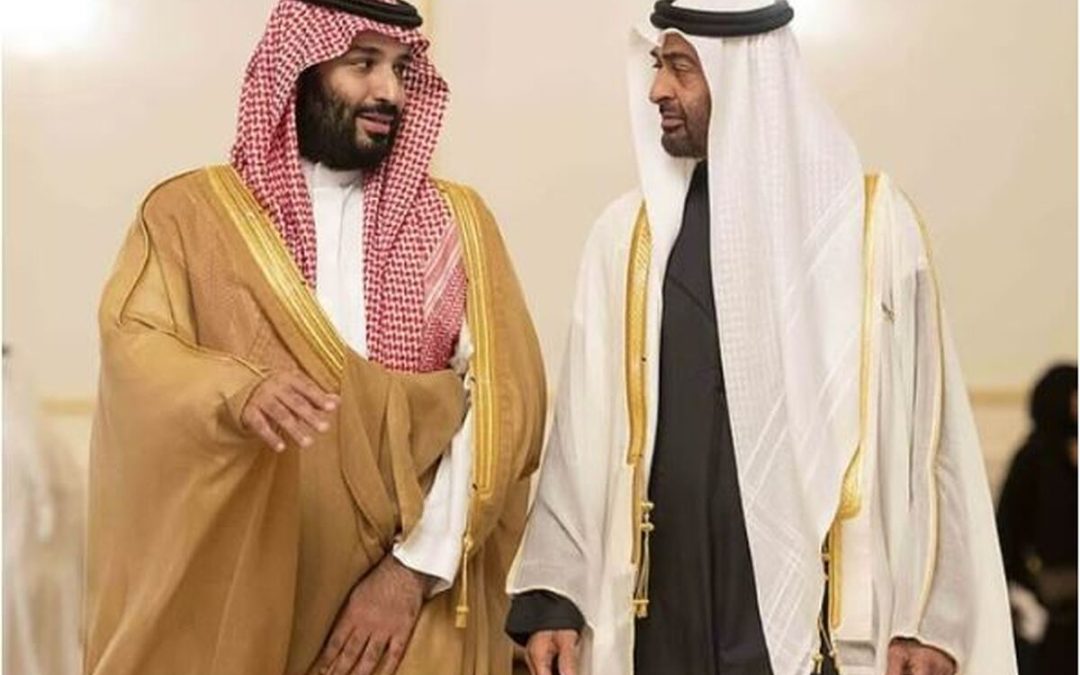
The Necessity of Assessing the Zionist Regime’s Aggression and Utilizing the Emergence of New Opportunities

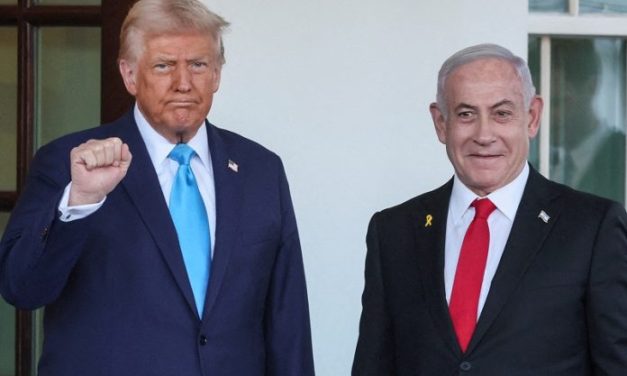
Strategic Council Online– Opinion: In recent weeks, we witnessed how the Israeli regime disrupted the peace-seeking negotiations between our country’s officials and the U.S., and out of concern that diplomatic agreements might not secure its interests and objectives, it launched an aggressive attack on our soil. This regime, which had convinced Donald Trump to withdraw from the JCPOA in 2018, also persuaded him in this attack to cover up the weaknesses of the Israeli regime and, using its superior military equipment, target Iran’s nuclear facilities, which were under the supervision of the International Atomic Energy Agency.

Economy & Security: Connecting Links between Turkey and Persian Gulf States

Economy & Security: Connecting Links between Turkey and Persian Gulf States

Strategic Council Online – Opinion: Since 2000, Turkey has gradually shifted its foreign policy from the “Looking East” approach to the more traditional “Looking West” foreign policy. The most important reasons for this change in the structure of Turkey’s foreign policy were the developments in Iraq, the Syrian crisis, and Ankara’s failure to become a member state of the European Union. In addition to the above, the influence of people like President Erdogan and Davutoglu (former PM) on the change in Turkey’s foreign policy has been undeniable.

Europe’s Confusion in Securing Bab al-Mandab Strait and the Red Sea

Europe’s Confusion in Securing Bab al-Mandab Strait and the Red Sea

Strategic Council Online – Opinion: The strategic Strait of Bab al-Mandab and the Red Sea have recently faced serious problems and crises due to the Gaza war. This is because of the protectionist approach of the Yemeni army forces toward Palestine, which, since the beginning of the Israeli regime’s attacks on the Gaza Strip, has included attacks on ships bound for or from the origin of the regime in the Red Sea.
They said they will continue their attacks until the Israeli regime’s military aggression in the Gaza Strip ends. The United States, as the most important supporter of the Israeli regime, was the first country to respond to this policy of Yemeni army forces and tried to form a global coalition to counter these attacks under the cover of supporting freedom of navigation, which, of course, failed because of conflicts of interests of Western countries and ended in the actions of the US and British attacks on positions in Yemen. Of course, although European countries were not seriously involved in the American coalition, they have numerous and complex interests in this inflammatory, and as a result, have adopted a particular and independent approach.
Dr. Mohammad Mehdi Mazaheri – University Professor

The strategy of the Israeli regime to get rid of the defeat in Gaza

The strategy of the Israeli regime to get rid of the defeat in Gaza

Strategic Council Online-Opinion: It has been about six months since the Israeli regime attacked the Gaza Strip in October 2023. In the initial weeks and months of the attack, many analysts believed that the Israeli regime, based on its usual practice in wars after the Palestinian intifada, would agree to a truce and end the war after inflicting multiple casualties and damages.
Mohammad Mehdi Mazaheri—University professor

Important Legal, Political Dimensions of ICJ Ruling against the Zionist Regime of Israel

Important Legal, Political Dimensions of ICJ Ruling against the Zionist Regime of Israel

Strategic Council Online – Note: The International Court of Justice on Friday, 26 January 2024, announced its interim verdict regarding South Africa’s case against Israel for “committing the crime of genocide in Gaza” and the need to take extraordinary measures. According to this ruling, there is evidence of genocide in Gaza; Therefore, the court rejected a request by Israel to throw out the case.
Dr. Mohammad Mehdi Mazaheri – University Professor

America’s Imperfect Coalition, Future of Peace, Stability in the Region

America’s Imperfect Coalition, Future of Peace, Stability in the Region

Strategic Council Online – Opinion: In a situation where Western countries and the United States are not ready to take action to stop the crimes of the Zionist regime in Gaza, apparently, the only concern they have is the freedom of trade and shipping in the Red Sea!
Dr. Mohammad Mehdi Mazaheri – University professor

COP 28, Need for Strategic Transition of West Asia Region

COP 28, Need for Strategic Transition of West Asia Region

Strategic Council Online – Opinion: In the past two weeks, the leaders and officials of the countries participating in the United Nations Climate Change Conference known as COP28 gathered in Dubai, United Arab Emirates, to make efforts to limit global warming and increase the reduction of the role of fossil fuels in the world. Although the heavy shadow of the Israeli regime’s inhumane attacks on the Gaza Strip has cast a shadow on the conference, this year’s dry autumn and low rainfall and the dark and low rainfall winters of the past few years remind us that attention to climate change and addressing its causes and reasons is no longer a luxury or an unimportant issue, and neglecting it can directly endanger the food security, welfare, and life of the citizens of different countries, and as a result, face those governments with serious risks.
Dr. Mohammad Mehdi Mazaheri – University professor

US interests and goals in the Gaza war

US interests and goals in the Gaza war

Strategic Council Online-Opinion: During the past few days, the Gaza Strip witnessed a temporary ceasefire for the mutual release of Zionist and Palestinian prisoners and limited aid to Gaza. The ceasefire was finally implemented not because of respect for the UN General Assembly vote or the Security Council resolution but because of political negotiations, the mediation of Qatar, and the United States’s green light.
Mohammad Mehdi Mazaheri—University professor

Reasons for Ineffectiveness of Riyadh Summit Concerning Expectations of Gazans

Reasons for Ineffectiveness of Riyadh Summit Concerning Expectations of Gazans

Strategic Council Online – Opinion: Recently, we witnessed an extraordinary summit of Islamic countries in Riyadh. The Palestinians, especially the people of Gaza, had built hope on the meeting, and it was expected that at the end of it, we would see a collective, serious, and deterrent decision by the Islamic countries. But, unfortunately, such expectations were not met.
Dr. Mohammad Mehdi Mazaheri – University professor

ÚLTIMAS PUBLICACIONES

Iran’s Potential Levers of Power

SCFRonline– Opinion: Iran’s geopolitical power is not limited solely to oil and the Strait of Hormuz; the unintended emergence of disruptions in the future global food and energy security chains can also demonstrate Iran’s strategic importance.

The Inseparability of the Lebanese Front from the Axis of Resistance

SCFR Online–Opinion: By providing an extensive network of social, healthcare, educational, and post-war reconstruction services, Hezbollah has established a strong social base for itself among Lebanon’s Shiites and Sunnis, and even beyond that, among other segments of Lebanese society, including Christians. Hezbollah has never been an external actor imposed upon Lebanon; rather, it is a phenomenon fundamentally born out of the occupation and crimes of the Zionist regime and itself influenced by popular resistance.

The Increasing Efforts of the Zionist Regime to Redefine Borders and the Regional Order and Its Consequences

SCFR Online– Opinion: Security and military developments in the region over recent months indicate that the ongoing crises and wars in Gaza, southern Lebanon, and parts of Syrian territory encompass broader dimensions of geopolitical and geostrategic transformations. In this context, the increased military presence and control of the Zionist regime over parts of the territories of these areas, along with proposals regarding the creation of buffer zones or even the expansion of security borders, have raised serious questions about the future of the regional order and its consequences for the countries of West Asia.

The Components of Iran’s Deterrence Power

SCFR Online – Opinion: At a time when regional security equations have reached a sensitive stage under the influence of Iran’s strategic confrontation with the United States and the Zionist regime, the question of the nature of Tehran’s defensive power has gained greater significance than ever before. While Washington and Tel Aviv rely on their technological superiority, the Islamic Republic of Iran has presented a model of deterrence that extends beyond the material calculations of the world’s classical militaries. This power, rooted in the connection between “the field” and “the people,” has not only altered the balance of power in recent conflicts but has also disrupted adversaries’ calculations when confronting Iran’s strategic depth.

Loading

Dr. Mohammad Mehdi Mazaheri

The Necessity of Utilizing the Security-Creating Capacity of the Persian Gulf Countries

The Necessity of Utilizing the Security-Creating Capacity of the Persian Gulf Countries

Strategic Council Online: Before the illegitimate attack by the Israeli and American regimes on our country’s nuclear and military centers, Iran’s diplomatic apparatus had adopted an active and multilateral regional policy. This policy aimed to gain and maintain the trust and cooperation of important and influential regional countries, including Saudi Arabia, by keeping them informed about the progress and process of nuclear negotiations with the United States. This policy has proven to be effective. Unlike in previous instances when it was highly likely that these countries would remain silent or even cooperate with attacks on our nuclear facilities, we recently observed a unanimous condemnation of the Israeli regime’s attack on our nation by the Persian Gulf Cooperation Council.

The Necessity of Assessing the Zionist Regime’s Aggression and Utilizing the Emergence of New Opportunities

The Necessity of Assessing the Zionist Regime’s Aggression and Utilizing the Emergence of New Opportunities

Strategic Council Online– Opinion: In recent weeks, we witnessed how the Israeli regime disrupted the peace-seeking negotiations between our country’s officials and the U.S., and out of concern that diplomatic agreements might not secure its interests and objectives, it launched an aggressive attack on our soil. This regime, which had convinced Donald Trump to withdraw from the JCPOA in 2018, also persuaded him in this attack to cover up the weaknesses of the Israeli regime and, using its superior military equipment, target Iran’s nuclear facilities, which were under the supervision of the International Atomic Energy Agency.

Economy & Security: Connecting Links between Turkey and Persian Gulf States

Economy & Security: Connecting Links between Turkey and Persian Gulf States

Strategic Council Online – Opinion: Since 2000, Turkey has gradually shifted its foreign policy from the “Looking East” approach to the more traditional “Looking West” foreign policy. The most important reasons for this change in the structure of Turkey’s foreign policy were the developments in Iraq, the Syrian crisis, and Ankara’s failure to become a member state of the European Union. In addition to the above, the influence of people like President Erdogan and Davutoglu (former PM) on the change in Turkey’s foreign policy has been undeniable.

Europe’s Confusion in Securing Bab al-Mandab Strait and the Red Sea

Europe’s Confusion in Securing Bab al-Mandab Strait and the Red Sea

Strategic Council Online – Opinion: The strategic Strait of Bab al-Mandab and the Red Sea have recently faced serious problems and crises due to the Gaza war. This is because of the protectionist approach of the Yemeni army forces toward Palestine, which, since the beginning of the Israeli regime’s attacks on the Gaza Strip, has included attacks on ships bound for or from the origin of the regime in the Red Sea.
They said they will continue their attacks until the Israeli regime’s military aggression in the Gaza Strip ends. The United States, as the most important supporter of the Israeli regime, was the first country to respond to this policy of Yemeni army forces and tried to form a global coalition to counter these attacks under the cover of supporting freedom of navigation, which, of course, failed because of conflicts of interests of Western countries and ended in the actions of the US and British attacks on positions in Yemen. Of course, although European countries were not seriously involved in the American coalition, they have numerous and complex interests in this inflammatory, and as a result, have adopted a particular and independent approach.
Dr. Mohammad Mehdi Mazaheri – University Professor

The strategy of the Israeli regime to get rid of the defeat in Gaza

The strategy of the Israeli regime to get rid of the defeat in Gaza

Strategic Council Online-Opinion: It has been about six months since the Israeli regime attacked the Gaza Strip in October 2023. In the initial weeks and months of the attack, many analysts believed that the Israeli regime, based on its usual practice in wars after the Palestinian intifada, would agree to a truce and end the war after inflicting multiple casualties and damages.
Mohammad Mehdi Mazaheri—University professor

Important Legal, Political Dimensions of ICJ Ruling against the Zionist Regime of Israel

Important Legal, Political Dimensions of ICJ Ruling against the Zionist Regime of Israel

Strategic Council Online – Note: The International Court of Justice on Friday, 26 January 2024, announced its interim verdict regarding South Africa’s case against Israel for “committing the crime of genocide in Gaza” and the need to take extraordinary measures. According to this ruling, there is evidence of genocide in Gaza; Therefore, the court rejected a request by Israel to throw out the case.
Dr. Mohammad Mehdi Mazaheri – University Professor

America’s Imperfect Coalition, Future of Peace, Stability in the Region

America’s Imperfect Coalition, Future of Peace, Stability in the Region

Strategic Council Online – Opinion: In a situation where Western countries and the United States are not ready to take action to stop the crimes of the Zionist regime in Gaza, apparently, the only concern they have is the freedom of trade and shipping in the Red Sea!
Dr. Mohammad Mehdi Mazaheri – University professor

COP 28, Need for Strategic Transition of West Asia Region

COP 28, Need for Strategic Transition of West Asia Region

Strategic Council Online – Opinion: In the past two weeks, the leaders and officials of the countries participating in the United Nations Climate Change Conference known as COP28 gathered in Dubai, United Arab Emirates, to make efforts to limit global warming and increase the reduction of the role of fossil fuels in the world. Although the heavy shadow of the Israeli regime’s inhumane attacks on the Gaza Strip has cast a shadow on the conference, this year’s dry autumn and low rainfall and the dark and low rainfall winters of the past few years remind us that attention to climate change and addressing its causes and reasons is no longer a luxury or an unimportant issue, and neglecting it can directly endanger the food security, welfare, and life of the citizens of different countries, and as a result, face those governments with serious risks.
Dr. Mohammad Mehdi Mazaheri – University professor

US interests and goals in the Gaza war

US interests and goals in the Gaza war

Strategic Council Online-Opinion: During the past few days, the Gaza Strip witnessed a temporary ceasefire for the mutual release of Zionist and Palestinian prisoners and limited aid to Gaza. The ceasefire was finally implemented not because of respect for the UN General Assembly vote or the Security Council resolution but because of political negotiations, the mediation of Qatar, and the United States’s green light.
Mohammad Mehdi Mazaheri—University professor

Reasons for Ineffectiveness of Riyadh Summit Concerning Expectations of Gazans

Reasons for Ineffectiveness of Riyadh Summit Concerning Expectations of Gazans

Strategic Council Online – Opinion: Recently, we witnessed an extraordinary summit of Islamic countries in Riyadh. The Palestinians, especially the people of Gaza, had built hope on the meeting, and it was expected that at the end of it, we would see a collective, serious, and deterrent decision by the Islamic countries. But, unfortunately, such expectations were not met.
Dr. Mohammad Mehdi Mazaheri – University professor

ÚLTIMAS PUBLICACIONES

Iran’s Potential Levers of Power

SCFRonline– Opinion: Iran’s geopolitical power is not limited solely to oil and the Strait of Hormuz; the unintended emergence of disruptions in the future global food and energy security chains can also demonstrate Iran’s strategic importance.
The Inseparability of the Lebanese Front from the Axis of Resistance

SCFR Online–Opinion: By providing an extensive network of social, healthcare, educational, and post-war reconstruction services, Hezbollah has established a strong social base for itself among Lebanon’s Shiites and Sunnis, and even beyond that, among other segments of Lebanese society, including Christians. Hezbollah has never been an external actor imposed upon Lebanon; rather, it is a phenomenon fundamentally born out of the occupation and crimes of the Zionist regime and itself influenced by popular resistance.

The Increasing Efforts of the Zionist Regime to Redefine Borders and the Regional Order and Its Consequences

SCFR Online– Opinion: Security and military developments in the region over recent months indicate that the ongoing crises and wars in Gaza, southern Lebanon, and parts of Syrian territory encompass broader dimensions of geopolitical and geostrategic transformations. In this context, the increased military presence and control of the Zionist regime over parts of the territories of these areas, along with proposals regarding the creation of buffer zones or even the expansion of security borders, have raised serious questions about the future of the regional order and its consequences for the countries of West Asia.

The Components of Iran’s Deterrence Power

SCFR Online – Opinion: At a time when regional security equations have reached a sensitive stage under the influence of Iran’s strategic confrontation with the United States and the Zionist regime, the question of the nature of Tehran’s defensive power has gained greater significance than ever before. While Washington and Tel Aviv rely on their technological superiority, the Islamic Republic of Iran has presented a model of deterrence that extends beyond the material calculations of the world’s classical militaries. This power, rooted in the connection between “the field” and “the people,” has not only altered the balance of power in recent conflicts but has also disrupted adversaries’ calculations when confronting Iran’s strategic depth.

Loading