Reasons for the Ineffectiveness of Trump’s “Economic War” against Iran
SCFR Online – Opinion: The intensification of U.S. sanctions against Iran on the eve of the U.S. midterm elections indicates Washington’s inability to achieve its war objectives.


SCFR Online – Opinion: The intensification of U.S. sanctions against Iran on the eve of the U.S. midterm elections indicates Washington’s inability to achieve its war objectives.

SCFR Online – Opinion: The competition between Washington and Beijing over chips and artificial intelligence, simultaneously with the shifting of technological balances, has taken on new economic and security dimensions.
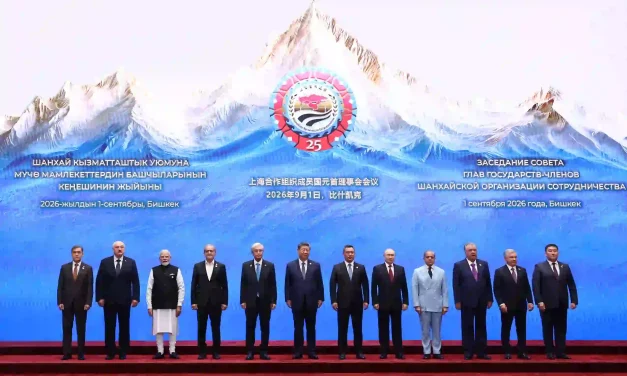
SCFR Online – Opinion: The Shanghai Cooperation Organization summit has created a new opportunity for Iran to transform its membership from a political achievement into economic and transit cooperation.
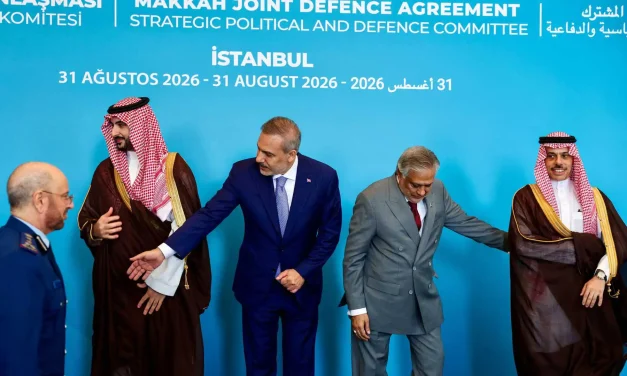
Strategic Council Online – Note: The Makkah Defense Pact can be seen as a sign of regional countries’ efforts to reduce security dependence on extra-regional powers and redefine the balance in West Asia.
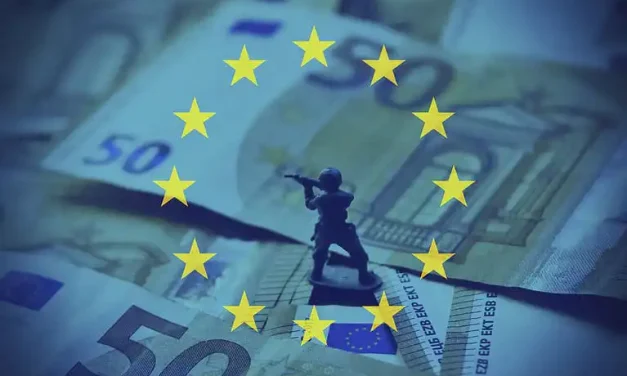
SCFR Online – Opinion: The Ukraine war, by exhausting US military capability on one hand and strengthening European defense capacity on the other, has altered the balance of power in the European continent, cast uncertainty over NATO’s future, and is driving it toward a European NATO.
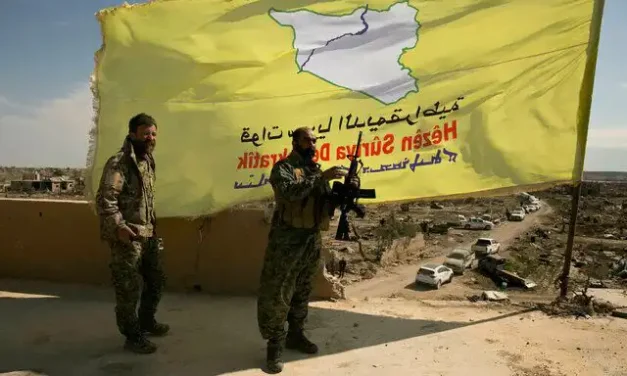
SCFR Online – Opinion: The dissolution of the SDF, although considered an achievement for Turkey’s security, does not put an end to the challenges arising from the Israeli regime’s aggression and expansionism, refugees, and Syria’s fragility.
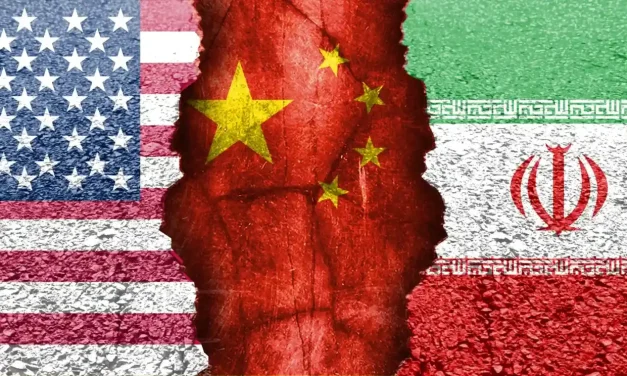
SCFR Online – Opinion: Concurrent with the official commencement of the United States’ economic war against our country, focusing on sanctions instruments, isolation, and economic pressure, what has now become increasingly important is the lack of alignment of other major global powers, especially China, with this policy.
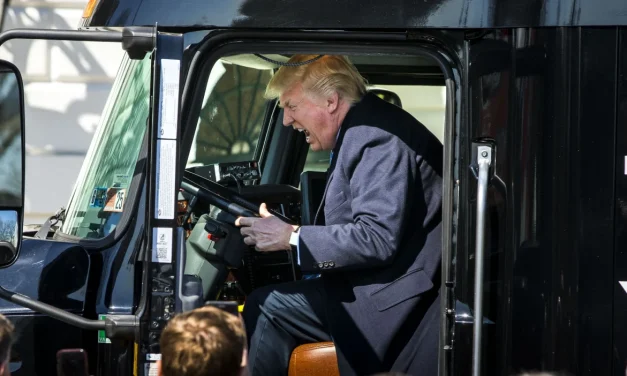
SCFR Online – Opinion: The new US sanctions against Iran, despite extensive propaganda, face serious obstacles to success due to the ineffectiveness of sanctions tools and opposition from some of Tehran’s trading partners.


Strategic Council Online – Opinion: The disclosure of the news on the meeting of the Libyan foreign minister with her Israeli counterpart has sparked a wave of protests in various Libyan cities, including Misrata, Al-Zantan, and Tripoli.
Barsam Mohammadi – Expert on regional affairs

Strategic Council Online – Opinion: After a decade of severance of diplomatic relations, Turkey and Egypt announced in a joint statement promotion of their political ties and nominated their ambassadors in Ankara and Cairo. The two sides announced that their goal behind “normalization and expansion of relations” is in line with the interests of the people of the two countries. From the point of view of the two countries, the re-normalization of relations will show the mutual will to develop bilateral relations in line with providing the interests of the people of Turkey and Egypt. The normalization was welcomed by the Secretary General of the Arab League, who considered it a positive development to create peace in the region and strengthen diplomatic relations to solve problems effectively.
Mahmoud Fazeli – Analyst of international affairs

Strategic Council Online – Guest opinion: In the West Asian region, the number of countries that have democratic systems and real and free elections may not even reach the number of the fingers of one hand, and when those elections are related to an active and proactive country in the region, such as Turkey, its importance and analytical value multiplies.
Dr. Mohammad Mehdi Mazaheri – University professor

Strategic Council Online – Interview: An analyst of international affairs commenting on the European Union’s request that North Korea should take credible and verifiable steps with an aim of complete and irreversible denuclearization of the country said: The issue that European countries, under the current situation, are trying to make comments over North Korea’s missile and nuclear weapons, is a matter of great consideration.

Strategic Council Online – Evidence shows that developments in Afghanistan, Libya, Egypt, Cyprus and Greece will overshadow Turkey’s foreign policy in the coming months.
Mahmoud Fazeli – Analyst of international affairs

Strategic Council Online—Editorial: With Joe Biden going to the oval office in the White House next January, NATO is hoping to re-establish warm relations between the US and Europe after the end of the Trump tenure, and the presence of Biden as the President of the United States would increase hopes for the amelioration of trans-Atlantic relations. NATO Secretary-General Jens Stoltenberg announced an extraordinary session of the NATO Summit at the beginning of 2021 with the participation of Joe Biden after he assumes power in Washington. Many in Europe are waiting for fundamental changes in NATO after the remarks of the French president who described NATO as facing brain death—something suggestive of the depth of internal differences in this military alliance. Paris is also demanding a revision in the activities and objectives of NATO as a military coalition organization.
Mahmoud Fazeli, expert of European affairs

Strategic Council Online – An international affairs expert said that the resolution to end the conflict in the context of the corona outbreak, like most Security Council resolutions, does not provide an executive guarantee, adding that UNSC members often have conflicting political stances and it is very difficult to agree on a text. At the same time there is not strong political resolve to implement these interpretive texts.

Strategic Council Online: A former ambassador and Middle East expert says the recent developments in Arab states against Turkey are expected to create a new balance of power. “If Erdogan fails to pay attention to the issue, the axis is likely to boost its status against Turkey in the future.

Strategic Council Online: Despite the geographical, strategic and economic importance of Libya for Turkey, the Mediterranean movements of Ankara occur within the framework of a new policy Recep Tayyip Erdogan seeks to apply.
Siamak Kakai – Turkey Affairs expert
Strategic Council Online: The scenario of the West’s intervention and the presence of European armies in the Libyan soil are among the assumptions cited in some analyses because as pointed out by experts on North African affairs if Libya’s oil-rich resources fall into the hands of Muslim groups and popular organizations, European governments will inevitably begin to engage in direct military intervention in Libya; Of course, such an assumption seems highly unlikely considering the problems the West is now facing.
Jafar Ghanadbashi – North African Affairs Expert
SCFR Online – Opinion: The intensification of U.S. sanctions against Iran on the eve of the U.S. midterm elections indicates Washington’s inability to achieve its war objectives.
SCFR Online – Opinion: The competition between Washington and Beijing over chips and artificial intelligence, simultaneously with the shifting of technological balances, has taken on new economic and security dimensions.
SCFR Online – Opinion: The Shanghai Cooperation Organization summit has created a new opportunity for Iran to transform its membership from a political achievement into economic and transit cooperation.
Strategic Council Online – Note: The Makkah Defense Pact can be seen as a sign of regional countries’ efforts to reduce security dependence on extra-regional powers and redefine the balance in West Asia.
SCFR Online – Opinion: The Ukraine war, by exhausting US military capability on one hand and strengthening European defense capacity on the other, has altered the balance of power in the European continent, cast uncertainty over NATO’s future, and is driving it toward a European NATO.
SCFR Online – Opinion: The dissolution of the SDF, although considered an achievement for Turkey’s security, does not put an end to the challenges arising from the Israeli regime’s aggression and expansionism, refugees, and Syria’s fragility.
SCFR Online – Opinion: Concurrent with the official commencement of the United States’ economic war against our country, focusing on sanctions instruments, isolation, and economic pressure, what has now become increasingly important is the lack of alignment of other major global powers, especially China, with this policy.
SCFR Online – Opinion: The new US sanctions against Iran, despite extensive propaganda, face serious obstacles to success due to the ineffectiveness of sanctions tools and opposition from some of Tehran’s trading partners.
Strategic Council Online – Opinion: The disclosure of the news on the meeting of the Libyan foreign minister with her Israeli counterpart has sparked a wave of protests in various Libyan cities, including Misrata, Al-Zantan, and Tripoli.
Barsam Mohammadi – Expert on regional affairs
Strategic Council Online – Opinion: After a decade of severance of diplomatic relations, Turkey and Egypt announced in a joint statement promotion of their political ties and nominated their ambassadors in Ankara and Cairo. The two sides announced that their goal behind “normalization and expansion of relations” is in line with the interests of the people of the two countries. From the point of view of the two countries, the re-normalization of relations will show the mutual will to develop bilateral relations in line with providing the interests of the people of Turkey and Egypt. The normalization was welcomed by the Secretary General of the Arab League, who considered it a positive development to create peace in the region and strengthen diplomatic relations to solve problems effectively.
Mahmoud Fazeli – Analyst of international affairs
Strategic Council Online – Guest opinion: In the West Asian region, the number of countries that have democratic systems and real and free elections may not even reach the number of the fingers of one hand, and when those elections are related to an active and proactive country in the region, such as Turkey, its importance and analytical value multiplies.
Dr. Mohammad Mehdi Mazaheri – University professor
Strategic Council Online – Interview: An analyst of international affairs commenting on the European Union’s request that North Korea should take credible and verifiable steps with an aim of complete and irreversible denuclearization of the country said: The issue that European countries, under the current situation, are trying to make comments over North Korea’s missile and nuclear weapons, is a matter of great consideration.
Strategic Council Online – Evidence shows that developments in Afghanistan, Libya, Egypt, Cyprus and Greece will overshadow Turkey’s foreign policy in the coming months.
Mahmoud Fazeli – Analyst of international affairs
Strategic Council Online—Editorial: With Joe Biden going to the oval office in the White House next January, NATO is hoping to re-establish warm relations between the US and Europe after the end of the Trump tenure, and the presence of Biden as the President of the United States would increase hopes for the amelioration of trans-Atlantic relations. NATO Secretary-General Jens Stoltenberg announced an extraordinary session of the NATO Summit at the beginning of 2021 with the participation of Joe Biden after he assumes power in Washington. Many in Europe are waiting for fundamental changes in NATO after the remarks of the French president who described NATO as facing brain death—something suggestive of the depth of internal differences in this military alliance. Paris is also demanding a revision in the activities and objectives of NATO as a military coalition organization.
Mahmoud Fazeli, expert of European affairs
Strategic Council Online – An international affairs expert said that the resolution to end the conflict in the context of the corona outbreak, like most Security Council resolutions, does not provide an executive guarantee, adding that UNSC members often have conflicting political stances and it is very difficult to agree on a text. At the same time there is not strong political resolve to implement these interpretive texts.
Strategic Council Online: A former ambassador and Middle East expert says the recent developments in Arab states against Turkey are expected to create a new balance of power. “If Erdogan fails to pay attention to the issue, the axis is likely to boost its status against Turkey in the future.
Strategic Council Online: Despite the geographical, strategic and economic importance of Libya for Turkey, the Mediterranean movements of Ankara occur within the framework of a new policy Recep Tayyip Erdogan seeks to apply.
Siamak Kakai – Turkey Affairs expert
Strategic Council Online: The scenario of the West’s intervention and the presence of European armies in the Libyan soil are among the assumptions cited in some analyses because as pointed out by experts on North African affairs if Libya’s oil-rich resources fall into the hands of Muslim groups and popular organizations, European governments will inevitably begin to engage in direct military intervention in Libya; Of course, such an assumption seems highly unlikely considering the problems the West is now facing.
Jafar Ghanadbashi – North African Affairs Expert
Strategic Council Online – Opinion: The disclosure of the news on the meeting of the Libyan foreign minister with her Israeli counterpart has sparked a wave of protests in various Libyan cities, including Misrata, Al-Zantan, and Tripoli.
Barsam Mohammadi – Expert on regional affairs
Strategic Council Online – Opinion: After a decade of severance of diplomatic relations, Turkey and Egypt announced in a joint statement promotion of their political ties and nominated their ambassadors in Ankara and Cairo. The two sides announced that their goal behind “normalization and expansion of relations” is in line with the interests of the people of the two countries. From the point of view of the two countries, the re-normalization of relations will show the mutual will to develop bilateral relations in line with providing the interests of the people of Turkey and Egypt. The normalization was welcomed by the Secretary General of the Arab League, who considered it a positive development to create peace in the region and strengthen diplomatic relations to solve problems effectively.
Mahmoud Fazeli – Analyst of international affairs
Strategic Council Online – Guest opinion: In the West Asian region, the number of countries that have democratic systems and real and free elections may not even reach the number of the fingers of one hand, and when those elections are related to an active and proactive country in the region, such as Turkey, its importance and analytical value multiplies.
Dr. Mohammad Mehdi Mazaheri – University professor
Strategic Council Online – Interview: An analyst of international affairs commenting on the European Union’s request that North Korea should take credible and verifiable steps with an aim of complete and irreversible denuclearization of the country said: The issue that European countries, under the current situation, are trying to make comments over North Korea’s missile and nuclear weapons, is a matter of great consideration.
Strategic Council Online – Evidence shows that developments in Afghanistan, Libya, Egypt, Cyprus and Greece will overshadow Turkey’s foreign policy in the coming months.
Mahmoud Fazeli – Analyst of international affairs
Strategic Council Online—Editorial: With Joe Biden going to the oval office in the White House next January, NATO is hoping to re-establish warm relations between the US and Europe after the end of the Trump tenure, and the presence of Biden as the President of the United States would increase hopes for the amelioration of trans-Atlantic relations. NATO Secretary-General Jens Stoltenberg announced an extraordinary session of the NATO Summit at the beginning of 2021 with the participation of Joe Biden after he assumes power in Washington. Many in Europe are waiting for fundamental changes in NATO after the remarks of the French president who described NATO as facing brain death—something suggestive of the depth of internal differences in this military alliance. Paris is also demanding a revision in the activities and objectives of NATO as a military coalition organization.
Mahmoud Fazeli, expert of European affairs
Strategic Council Online – An international affairs expert said that the resolution to end the conflict in the context of the corona outbreak, like most Security Council resolutions, does not provide an executive guarantee, adding that UNSC members often have conflicting political stances and it is very difficult to agree on a text. At the same time there is not strong political resolve to implement these interpretive texts.
Strategic Council Online: A former ambassador and Middle East expert says the recent developments in Arab states against Turkey are expected to create a new balance of power. “If Erdogan fails to pay attention to the issue, the axis is likely to boost its status against Turkey in the future.
Strategic Council Online: Despite the geographical, strategic and economic importance of Libya for Turkey, the Mediterranean movements of Ankara occur within the framework of a new policy Recep Tayyip Erdogan seeks to apply.
Siamak Kakai – Turkey Affairs expert
Strategic Council Online: The scenario of the West’s intervention and the presence of European armies in the Libyan soil are among the assumptions cited in some analyses because as pointed out by experts on North African affairs if Libya’s oil-rich resources fall into the hands of Muslim groups and popular organizations, European governments will inevitably begin to engage in direct military intervention in Libya; Of course, such an assumption seems highly unlikely considering the problems the West is now facing.
Jafar Ghanadbashi – North African Affairs Expert
SCFR Online – Opinion: The intensification of U.S. sanctions against Iran on the eve of the U.S. midterm elections indicates Washington’s inability to achieve its war objectives.
SCFR Online – Opinion: The competition between Washington and Beijing over chips and artificial intelligence, simultaneously with the shifting of technological balances, has taken on new economic and security dimensions.
SCFR Online – Opinion: The Shanghai Cooperation Organization summit has created a new opportunity for Iran to transform its membership from a political achievement into economic and transit cooperation.
Strategic Council Online – Note: The Makkah Defense Pact can be seen as a sign of regional countries’ efforts to reduce security dependence on extra-regional powers and redefine the balance in West Asia.
SCFR Online – Opinion: The Ukraine war, by exhausting US military capability on one hand and strengthening European defense capacity on the other, has altered the balance of power in the European continent, cast uncertainty over NATO’s future, and is driving it toward a European NATO.
SCFR Online – Opinion: The dissolution of the SDF, although considered an achievement for Turkey’s security, does not put an end to the challenges arising from the Israeli regime’s aggression and expansionism, refugees, and Syria’s fragility.
SCFR Online – Opinion: Concurrent with the official commencement of the United States’ economic war against our country, focusing on sanctions instruments, isolation, and economic pressure, what has now become increasingly important is the lack of alignment of other major global powers, especially China, with this policy.
SCFR Online – Opinion: The new US sanctions against Iran, despite extensive propaganda, face serious obstacles to success due to the ineffectiveness of sanctions tools and opposition from some of Tehran’s trading partners.
Strategic Council Online – Opinion: The disclosure of the news on the meeting of the Libyan foreign minister with her Israeli counterpart has sparked a wave of protests in various Libyan cities, including Misrata, Al-Zantan, and Tripoli.
Barsam Mohammadi – Expert on regional affairs
Strategic Council Online – Opinion: After a decade of severance of diplomatic relations, Turkey and Egypt announced in a joint statement promotion of their political ties and nominated their ambassadors in Ankara and Cairo. The two sides announced that their goal behind “normalization and expansion of relations” is in line with the interests of the people of the two countries. From the point of view of the two countries, the re-normalization of relations will show the mutual will to develop bilateral relations in line with providing the interests of the people of Turkey and Egypt. The normalization was welcomed by the Secretary General of the Arab League, who considered it a positive development to create peace in the region and strengthen diplomatic relations to solve problems effectively.
Mahmoud Fazeli – Analyst of international affairs
Strategic Council Online – Guest opinion: In the West Asian region, the number of countries that have democratic systems and real and free elections may not even reach the number of the fingers of one hand, and when those elections are related to an active and proactive country in the region, such as Turkey, its importance and analytical value multiplies.
Dr. Mohammad Mehdi Mazaheri – University professor
Strategic Council Online – Interview: An analyst of international affairs commenting on the European Union’s request that North Korea should take credible and verifiable steps with an aim of complete and irreversible denuclearization of the country said: The issue that European countries, under the current situation, are trying to make comments over North Korea’s missile and nuclear weapons, is a matter of great consideration.
Strategic Council Online – Evidence shows that developments in Afghanistan, Libya, Egypt, Cyprus and Greece will overshadow Turkey’s foreign policy in the coming months.
Mahmoud Fazeli – Analyst of international affairs
Strategic Council Online—Editorial: With Joe Biden going to the oval office in the White House next January, NATO is hoping to re-establish warm relations between the US and Europe after the end of the Trump tenure, and the presence of Biden as the President of the United States would increase hopes for the amelioration of trans-Atlantic relations. NATO Secretary-General Jens Stoltenberg announced an extraordinary session of the NATO Summit at the beginning of 2021 with the participation of Joe Biden after he assumes power in Washington. Many in Europe are waiting for fundamental changes in NATO after the remarks of the French president who described NATO as facing brain death—something suggestive of the depth of internal differences in this military alliance. Paris is also demanding a revision in the activities and objectives of NATO as a military coalition organization.
Mahmoud Fazeli, expert of European affairs
Strategic Council Online – An international affairs expert said that the resolution to end the conflict in the context of the corona outbreak, like most Security Council resolutions, does not provide an executive guarantee, adding that UNSC members often have conflicting political stances and it is very difficult to agree on a text. At the same time there is not strong political resolve to implement these interpretive texts.
Strategic Council Online: A former ambassador and Middle East expert says the recent developments in Arab states against Turkey are expected to create a new balance of power. “If Erdogan fails to pay attention to the issue, the axis is likely to boost its status against Turkey in the future.
Strategic Council Online: Despite the geographical, strategic and economic importance of Libya for Turkey, the Mediterranean movements of Ankara occur within the framework of a new policy Recep Tayyip Erdogan seeks to apply.
Siamak Kakai – Turkey Affairs expert
Strategic Council Online: The scenario of the West’s intervention and the presence of European armies in the Libyan soil are among the assumptions cited in some analyses because as pointed out by experts on North African affairs if Libya’s oil-rich resources fall into the hands of Muslim groups and popular organizations, European governments will inevitably begin to engage in direct military intervention in Libya; Of course, such an assumption seems highly unlikely considering the problems the West is now facing.
Jafar Ghanadbashi – North African Affairs Expert
SCFR Online – Opinion: The intensification of U.S. sanctions against Iran on the eve of the U.S. midterm elections indicates Washington’s inability to achieve its war objectives.
SCFR Online – Opinion: The competition between Washington and Beijing over chips and artificial intelligence, simultaneously with the shifting of technological balances, has taken on new economic and security dimensions.
SCFR Online – Opinion: The Shanghai Cooperation Organization summit has created a new opportunity for Iran to transform its membership from a political achievement into economic and transit cooperation.
Strategic Council Online – Note: The Makkah Defense Pact can be seen as a sign of regional countries’ efforts to reduce security dependence on extra-regional powers and redefine the balance in West Asia.
SCFR Online – Opinion: The Ukraine war, by exhausting US military capability on one hand and strengthening European defense capacity on the other, has altered the balance of power in the European continent, cast uncertainty over NATO’s future, and is driving it toward a European NATO.
SCFR Online – Opinion: The dissolution of the SDF, although considered an achievement for Turkey’s security, does not put an end to the challenges arising from the Israeli regime’s aggression and expansionism, refugees, and Syria’s fragility.
SCFR Online – Opinion: Concurrent with the official commencement of the United States’ economic war against our country, focusing on sanctions instruments, isolation, and economic pressure, what has now become increasingly important is the lack of alignment of other major global powers, especially China, with this policy.
SCFR Online – Opinion: The new US sanctions against Iran, despite extensive propaganda, face serious obstacles to success due to the ineffectiveness of sanctions tools and opposition from some of Tehran’s trading partners.
Strategic Council Online – Opinion: The disclosure of the news on the meeting of the Libyan foreign minister with her Israeli counterpart has sparked a wave of protests in various Libyan cities, including Misrata, Al-Zantan, and Tripoli.
Barsam Mohammadi – Expert on regional affairs
Strategic Council Online – Opinion: After a decade of severance of diplomatic relations, Turkey and Egypt announced in a joint statement promotion of their political ties and nominated their ambassadors in Ankara and Cairo. The two sides announced that their goal behind “normalization and expansion of relations” is in line with the interests of the people of the two countries. From the point of view of the two countries, the re-normalization of relations will show the mutual will to develop bilateral relations in line with providing the interests of the people of Turkey and Egypt. The normalization was welcomed by the Secretary General of the Arab League, who considered it a positive development to create peace in the region and strengthen diplomatic relations to solve problems effectively.
Mahmoud Fazeli – Analyst of international affairs
Strategic Council Online – Guest opinion: In the West Asian region, the number of countries that have democratic systems and real and free elections may not even reach the number of the fingers of one hand, and when those elections are related to an active and proactive country in the region, such as Turkey, its importance and analytical value multiplies.
Dr. Mohammad Mehdi Mazaheri – University professor
Strategic Council Online – Interview: An analyst of international affairs commenting on the European Union’s request that North Korea should take credible and verifiable steps with an aim of complete and irreversible denuclearization of the country said: The issue that European countries, under the current situation, are trying to make comments over North Korea’s missile and nuclear weapons, is a matter of great consideration.
Strategic Council Online – Evidence shows that developments in Afghanistan, Libya, Egypt, Cyprus and Greece will overshadow Turkey’s foreign policy in the coming months.
Mahmoud Fazeli – Analyst of international affairs
Strategic Council Online—Editorial: With Joe Biden going to the oval office in the White House next January, NATO is hoping to re-establish warm relations between the US and Europe after the end of the Trump tenure, and the presence of Biden as the President of the United States would increase hopes for the amelioration of trans-Atlantic relations. NATO Secretary-General Jens Stoltenberg announced an extraordinary session of the NATO Summit at the beginning of 2021 with the participation of Joe Biden after he assumes power in Washington. Many in Europe are waiting for fundamental changes in NATO after the remarks of the French president who described NATO as facing brain death—something suggestive of the depth of internal differences in this military alliance. Paris is also demanding a revision in the activities and objectives of NATO as a military coalition organization.
Mahmoud Fazeli, expert of European affairs
Strategic Council Online – An international affairs expert said that the resolution to end the conflict in the context of the corona outbreak, like most Security Council resolutions, does not provide an executive guarantee, adding that UNSC members often have conflicting political stances and it is very difficult to agree on a text. At the same time there is not strong political resolve to implement these interpretive texts.
Strategic Council Online: A former ambassador and Middle East expert says the recent developments in Arab states against Turkey are expected to create a new balance of power. “If Erdogan fails to pay attention to the issue, the axis is likely to boost its status against Turkey in the future.
Strategic Council Online: Despite the geographical, strategic and economic importance of Libya for Turkey, the Mediterranean movements of Ankara occur within the framework of a new policy Recep Tayyip Erdogan seeks to apply.
Siamak Kakai – Turkey Affairs expert
Strategic Council Online: The scenario of the West’s intervention and the presence of European armies in the Libyan soil are among the assumptions cited in some analyses because as pointed out by experts on North African affairs if Libya’s oil-rich resources fall into the hands of Muslim groups and popular organizations, European governments will inevitably begin to engage in direct military intervention in Libya; Of course, such an assumption seems highly unlikely considering the problems the West is now facing.
Jafar Ghanadbashi – North African Affairs Expert
SCFR Online – Opinion: The intensification of U.S. sanctions against Iran on the eve of the U.S. midterm elections indicates Washington’s inability to achieve its war objectives.
SCFR Online – Opinion: The competition between Washington and Beijing over chips and artificial intelligence, simultaneously with the shifting of technological balances, has taken on new economic and security dimensions.
SCFR Online – Opinion: The Shanghai Cooperation Organization summit has created a new opportunity for Iran to transform its membership from a political achievement into economic and transit cooperation.
Strategic Council Online – Note: The Makkah Defense Pact can be seen as a sign of regional countries’ efforts to reduce security dependence on extra-regional powers and redefine the balance in West Asia.
SCFR Online – Opinion: The Ukraine war, by exhausting US military capability on one hand and strengthening European defense capacity on the other, has altered the balance of power in the European continent, cast uncertainty over NATO’s future, and is driving it toward a European NATO.
SCFR Online – Opinion: The dissolution of the SDF, although considered an achievement for Turkey’s security, does not put an end to the challenges arising from the Israeli regime’s aggression and expansionism, refugees, and Syria’s fragility.
SCFR Online – Opinion: Concurrent with the official commencement of the United States’ economic war against our country, focusing on sanctions instruments, isolation, and economic pressure, what has now become increasingly important is the lack of alignment of other major global powers, especially China, with this policy.
SCFR Online – Opinion: The new US sanctions against Iran, despite extensive propaganda, face serious obstacles to success due to the ineffectiveness of sanctions tools and opposition from some of Tehran’s trading partners.
Strategic Council Online – Opinion: The disclosure of the news on the meeting of the Libyan foreign minister with her Israeli counterpart has sparked a wave of protests in various Libyan cities, including Misrata, Al-Zantan, and Tripoli.
Barsam Mohammadi – Expert on regional affairs
Strategic Council Online – Opinion: After a decade of severance of diplomatic relations, Turkey and Egypt announced in a joint statement promotion of their political ties and nominated their ambassadors in Ankara and Cairo. The two sides announced that their goal behind “normalization and expansion of relations” is in line with the interests of the people of the two countries. From the point of view of the two countries, the re-normalization of relations will show the mutual will to develop bilateral relations in line with providing the interests of the people of Turkey and Egypt. The normalization was welcomed by the Secretary General of the Arab League, who considered it a positive development to create peace in the region and strengthen diplomatic relations to solve problems effectively.
Mahmoud Fazeli – Analyst of international affairs
Strategic Council Online – Guest opinion: In the West Asian region, the number of countries that have democratic systems and real and free elections may not even reach the number of the fingers of one hand, and when those elections are related to an active and proactive country in the region, such as Turkey, its importance and analytical value multiplies.
Dr. Mohammad Mehdi Mazaheri – University professor
Strategic Council Online – Interview: An analyst of international affairs commenting on the European Union’s request that North Korea should take credible and verifiable steps with an aim of complete and irreversible denuclearization of the country said: The issue that European countries, under the current situation, are trying to make comments over North Korea’s missile and nuclear weapons, is a matter of great consideration.
Strategic Council Online – Evidence shows that developments in Afghanistan, Libya, Egypt, Cyprus and Greece will overshadow Turkey’s foreign policy in the coming months.
Mahmoud Fazeli – Analyst of international affairs
Strategic Council Online—Editorial: With Joe Biden going to the oval office in the White House next January, NATO is hoping to re-establish warm relations between the US and Europe after the end of the Trump tenure, and the presence of Biden as the President of the United States would increase hopes for the amelioration of trans-Atlantic relations. NATO Secretary-General Jens Stoltenberg announced an extraordinary session of the NATO Summit at the beginning of 2021 with the participation of Joe Biden after he assumes power in Washington. Many in Europe are waiting for fundamental changes in NATO after the remarks of the French president who described NATO as facing brain death—something suggestive of the depth of internal differences in this military alliance. Paris is also demanding a revision in the activities and objectives of NATO as a military coalition organization.
Mahmoud Fazeli, expert of European affairs
Strategic Council Online – An international affairs expert said that the resolution to end the conflict in the context of the corona outbreak, like most Security Council resolutions, does not provide an executive guarantee, adding that UNSC members often have conflicting political stances and it is very difficult to agree on a text. At the same time there is not strong political resolve to implement these interpretive texts.
Strategic Council Online: A former ambassador and Middle East expert says the recent developments in Arab states against Turkey are expected to create a new balance of power. “If Erdogan fails to pay attention to the issue, the axis is likely to boost its status against Turkey in the future.
Strategic Council Online: Despite the geographical, strategic and economic importance of Libya for Turkey, the Mediterranean movements of Ankara occur within the framework of a new policy Recep Tayyip Erdogan seeks to apply.
Siamak Kakai – Turkey Affairs expert
Strategic Council Online: The scenario of the West’s intervention and the presence of European armies in the Libyan soil are among the assumptions cited in some analyses because as pointed out by experts on North African affairs if Libya’s oil-rich resources fall into the hands of Muslim groups and popular organizations, European governments will inevitably begin to engage in direct military intervention in Libya; Of course, such an assumption seems highly unlikely considering the problems the West is now facing.
Jafar Ghanadbashi – North African Affairs Expert
SCFR Online – Opinion: The intensification of U.S. sanctions against Iran on the eve of the U.S. midterm elections indicates Washington’s inability to achieve its war objectives.
SCFR Online – Opinion: The competition between Washington and Beijing over chips and artificial intelligence, simultaneously with the shifting of technological balances, has taken on new economic and security dimensions.
SCFR Online – Opinion: The Shanghai Cooperation Organization summit has created a new opportunity for Iran to transform its membership from a political achievement into economic and transit cooperation.
Strategic Council Online – Note: The Makkah Defense Pact can be seen as a sign of regional countries’ efforts to reduce security dependence on extra-regional powers and redefine the balance in West Asia.
SCFR Online – Opinion: The Ukraine war, by exhausting US military capability on one hand and strengthening European defense capacity on the other, has altered the balance of power in the European continent, cast uncertainty over NATO’s future, and is driving it toward a European NATO.
SCFR Online – Opinion: The dissolution of the SDF, although considered an achievement for Turkey’s security, does not put an end to the challenges arising from the Israeli regime’s aggression and expansionism, refugees, and Syria’s fragility.
SCFR Online – Opinion: Concurrent with the official commencement of the United States’ economic war against our country, focusing on sanctions instruments, isolation, and economic pressure, what has now become increasingly important is the lack of alignment of other major global powers, especially China, with this policy.
SCFR Online – Opinion: The new US sanctions against Iran, despite extensive propaganda, face serious obstacles to success due to the ineffectiveness of sanctions tools and opposition from some of Tehran’s trading partners.
Strategic Council Online – Opinion: The disclosure of the news on the meeting of the Libyan foreign minister with her Israeli counterpart has sparked a wave of protests in various Libyan cities, including Misrata, Al-Zantan, and Tripoli.
Barsam Mohammadi – Expert on regional affairs
Strategic Council Online – Opinion: After a decade of severance of diplomatic relations, Turkey and Egypt announced in a joint statement promotion of their political ties and nominated their ambassadors in Ankara and Cairo. The two sides announced that their goal behind “normalization and expansion of relations” is in line with the interests of the people of the two countries. From the point of view of the two countries, the re-normalization of relations will show the mutual will to develop bilateral relations in line with providing the interests of the people of Turkey and Egypt. The normalization was welcomed by the Secretary General of the Arab League, who considered it a positive development to create peace in the region and strengthen diplomatic relations to solve problems effectively.
Mahmoud Fazeli – Analyst of international affairs
Strategic Council Online – Guest opinion: In the West Asian region, the number of countries that have democratic systems and real and free elections may not even reach the number of the fingers of one hand, and when those elections are related to an active and proactive country in the region, such as Turkey, its importance and analytical value multiplies.
Dr. Mohammad Mehdi Mazaheri – University professor
Strategic Council Online – Interview: An analyst of international affairs commenting on the European Union’s request that North Korea should take credible and verifiable steps with an aim of complete and irreversible denuclearization of the country said: The issue that European countries, under the current situation, are trying to make comments over North Korea’s missile and nuclear weapons, is a matter of great consideration.
Strategic Council Online – Evidence shows that developments in Afghanistan, Libya, Egypt, Cyprus and Greece will overshadow Turkey’s foreign policy in the coming months.
Mahmoud Fazeli – Analyst of international affairs
Strategic Council Online—Editorial: With Joe Biden going to the oval office in the White House next January, NATO is hoping to re-establish warm relations between the US and Europe after the end of the Trump tenure, and the presence of Biden as the President of the United States would increase hopes for the amelioration of trans-Atlantic relations. NATO Secretary-General Jens Stoltenberg announced an extraordinary session of the NATO Summit at the beginning of 2021 with the participation of Joe Biden after he assumes power in Washington. Many in Europe are waiting for fundamental changes in NATO after the remarks of the French president who described NATO as facing brain death—something suggestive of the depth of internal differences in this military alliance. Paris is also demanding a revision in the activities and objectives of NATO as a military coalition organization.
Mahmoud Fazeli, expert of European affairs
Strategic Council Online – An international affairs expert said that the resolution to end the conflict in the context of the corona outbreak, like most Security Council resolutions, does not provide an executive guarantee, adding that UNSC members often have conflicting political stances and it is very difficult to agree on a text. At the same time there is not strong political resolve to implement these interpretive texts.
Strategic Council Online: A former ambassador and Middle East expert says the recent developments in Arab states against Turkey are expected to create a new balance of power. “If Erdogan fails to pay attention to the issue, the axis is likely to boost its status against Turkey in the future.
Strategic Council Online: Despite the geographical, strategic and economic importance of Libya for Turkey, the Mediterranean movements of Ankara occur within the framework of a new policy Recep Tayyip Erdogan seeks to apply.
Siamak Kakai – Turkey Affairs expert
Strategic Council Online: The scenario of the West’s intervention and the presence of European armies in the Libyan soil are among the assumptions cited in some analyses because as pointed out by experts on North African affairs if Libya’s oil-rich resources fall into the hands of Muslim groups and popular organizations, European governments will inevitably begin to engage in direct military intervention in Libya; Of course, such an assumption seems highly unlikely considering the problems the West is now facing.
Jafar Ghanadbashi – North African Affairs Expert
SCFR Online – Opinion: The intensification of U.S. sanctions against Iran on the eve of the U.S. midterm elections indicates Washington’s inability to achieve its war objectives.
SCFR Online – Opinion: The competition between Washington and Beijing over chips and artificial intelligence, simultaneously with the shifting of technological balances, has taken on new economic and security dimensions.
SCFR Online – Opinion: The Shanghai Cooperation Organization summit has created a new opportunity for Iran to transform its membership from a political achievement into economic and transit cooperation.
Strategic Council Online – Note: The Makkah Defense Pact can be seen as a sign of regional countries’ efforts to reduce security dependence on extra-regional powers and redefine the balance in West Asia.
SCFR Online – Opinion: The Ukraine war, by exhausting US military capability on one hand and strengthening European defense capacity on the other, has altered the balance of power in the European continent, cast uncertainty over NATO’s future, and is driving it toward a European NATO.
SCFR Online – Opinion: The dissolution of the SDF, although considered an achievement for Turkey’s security, does not put an end to the challenges arising from the Israeli regime’s aggression and expansionism, refugees, and Syria’s fragility.
SCFR Online – Opinion: Concurrent with the official commencement of the United States’ economic war against our country, focusing on sanctions instruments, isolation, and economic pressure, what has now become increasingly important is the lack of alignment of other major global powers, especially China, with this policy.
SCFR Online – Opinion: The new US sanctions against Iran, despite extensive propaganda, face serious obstacles to success due to the ineffectiveness of sanctions tools and opposition from some of Tehran’s trading partners.