جدیدترین مطالب

Europe’s Enduring Dependence on Persian Gulf Energy

SCFR Online – Opinion: The dominant discourse in the field of European energy security over the past two decades has revolved around diversification of supply sources and the gradual reduction of dependence on fossil fuels. This narrative, which gained particular momentum after the Ukraine gas crisis in 2006 and its intensification in 2014 and 2022, was based on the assumption that Europe could free itself from the geopolitical vulnerabilities arising from dependence on specific suppliers through investment in renewable energy, imports of liquefied natural gas from diversified sources, and the establishment of new infrastructure. However, a closer analysis of energy trade data and the structure of the global oil and gas supply chain presents a different picture. Europe has not only failed to meaningfully reduce its dependence on the Persian Gulf, but in some sectors — particularly in liquefied natural gas imports — this dependence has deepened. This reality, which is often overlooked in public discourse, raises fundamental questions about the sustainability of Europe’s energy security strategies and their impact on regional power equations.

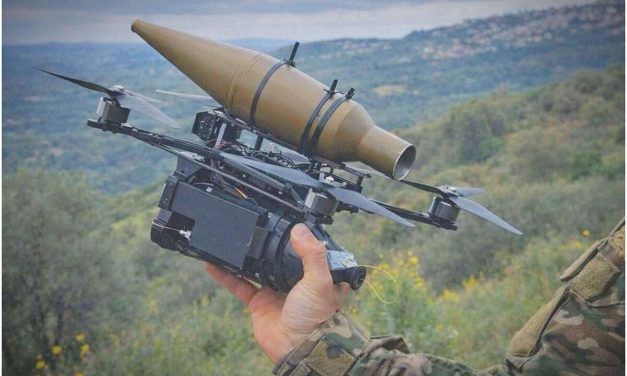
The Challenge of Hezbollah’s Low-Cost “FPV” Drones for the Zionist Regime

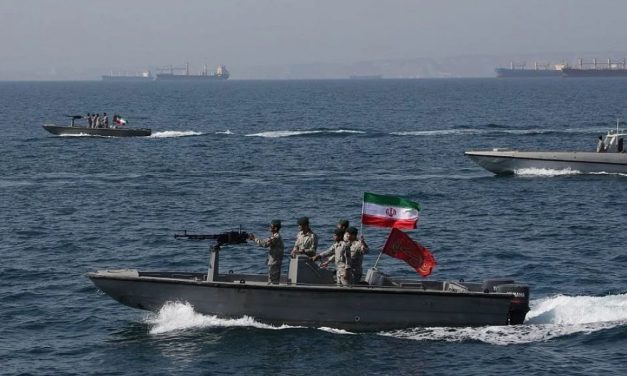
SCFR Online – Opinion: In modern warfare, it has always been assumed that the more expensive, and advanced the weapon—particularly from well-known companies—the more certain the victory will be. However, developments on the northern front of occupied Palestine in recent months have challenged this long-held belief. Here, the Zionist regime’s military, despite possessing the most advanced defense systems such as Iron Dome, David’s Sling, and Arrow, as well as fifth-generation F-35 fighter jets, Merkava tanks, and other modern equipment found in few countries worldwide, has effectively been rendered helpless against Hezbollah Lebanon’s few-hundred-dollar drones. Benjamin Netanyahu’s bitter admission regarding the inability to counter this threat, and his order to allocate an unlimited budget to find a solution, underscores the reality that the era of pure superiority through expensive technologies has come to an end.

The Impact of West Asian Developments on the Ukraine War

SCFR Online – Note: Vladimir Putin, President of Russia, recently announced—more than four years after the commencement of military aggression against Ukraine—that he believes the conflict between Russia and Ukraine is drawing to a close.

Temporary China–U.S. Trade Truce in the Shadow of Fundamental Distrust

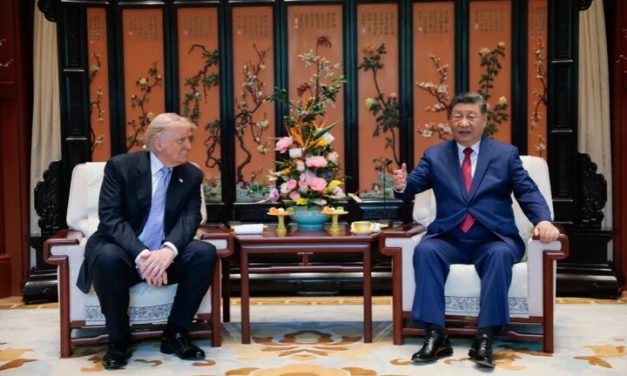
SCFR Online – Opinion: The recent visit of the President of the United States to China is significant from various aspects; because China is recognized as the world’s second-largest economic power and a growing economy. The Chinese are also advancing in various fields, including the space sector, artificial intelligence, and military industries; to the extent that in the military sector, whereas they previously lacked an aircraft carrier, they now possess their third aircraft carrier. On the other hand, the United States, as a superpower, has always regarded China as its rival and continues to view it as such today.

Loading

Caucasus

An Analysis of Iran’s Strategy in Central Asia and the Caucasus

An Analysis of Iran’s Strategy in Central Asia and the Caucasus

Online Strategic Council – Interview: An international affairs expert stated that Iran, by relying on its geo-economic capacities across various fields, should strive to solidify its position as a bridge connecting the Persian Gulf to Eurasia. However, regional and extra-regional competition for influence in Azerbaijan and Armenia has reached a critical point, where Iran’s security considerations and geopolitical red lines could turn the advancement of a multi-faceted strategy into a real test for the diplomatic apparatus.

Zangezur: A Test for Regional and International Players

Zangezur: A Test for Regional and International Players

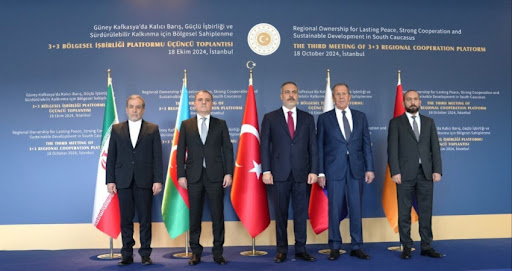
Strategic Council Online – Analysis: On the verge of finalizing the Baku-Yerevan peace agreement, the recent remarks by Mnatsakan Safaryan, Armenia’s Deputy Foreign Minister, regarding the potential handover of the “logistical management” of the Zangezur route to a foreign company have pushed the status of this 32-kilometer strip into a critical phase. The discussion of a foreign operator’s involvement coincides with the meeting between Nikol Pashinyan and Ilham Aliyev in Abu Dhabi—a meeting that, according to regional media, primarily focused on this blocked route.

Withdrawal of Russian Forces from South Caucasus; Strategy or Tactic?

Withdrawal of Russian Forces from South Caucasus; Strategy or Tactic?

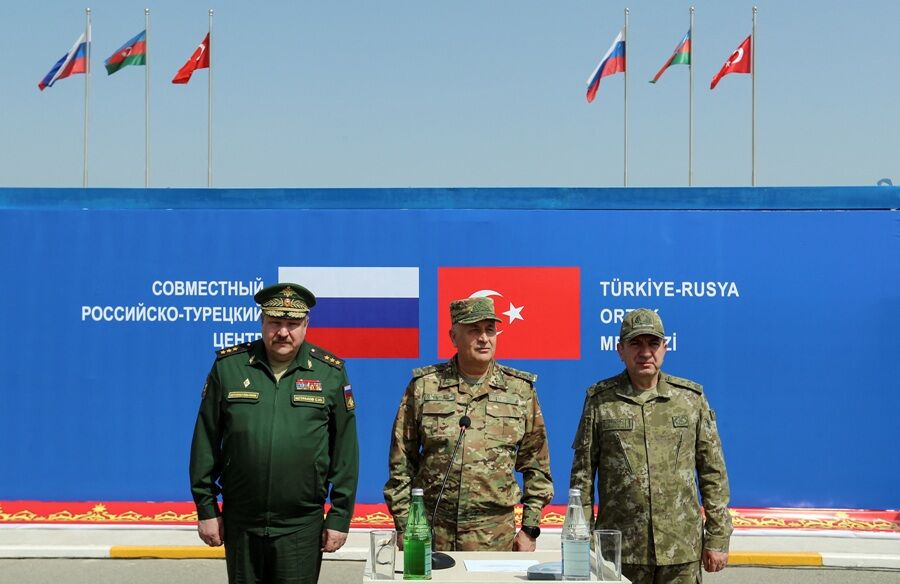
Strategic Council Online – Interview: An expert on Caucasus affairs said: Following news reports that the Kremlin has implicitly confirmed that Russian peacekeepers are withdrawing from the Nagorno-Karabakh region and taking their weapons and equipment with them, this question is seriously raised: Does Russia want to hand over the South Caucasus region to the West?

The Outlook of Geopolitical Competition Among Major Powers in the Caucasus

The Outlook of Geopolitical Competition Among Major Powers in the Caucasus

Strategic Council Online – Interview: A Caucasus affairs expert said: “If the trend of divergence among regional countries, especially Armenia and Azerbaijan, from Russia accelerates, Russians may show a more serious reaction and even prevent the traditional regional order change using force.”

Opportunities & Challenges of NATO on Its 75th Birthday

Opportunities & Challenges of NATO on Its 75th Birthday

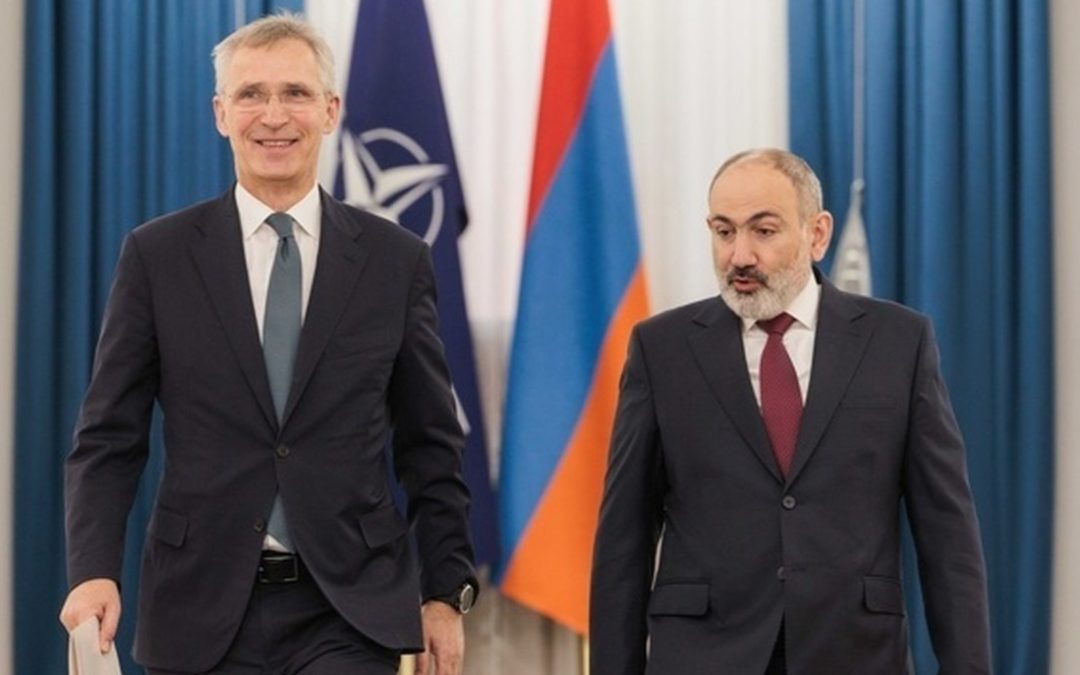
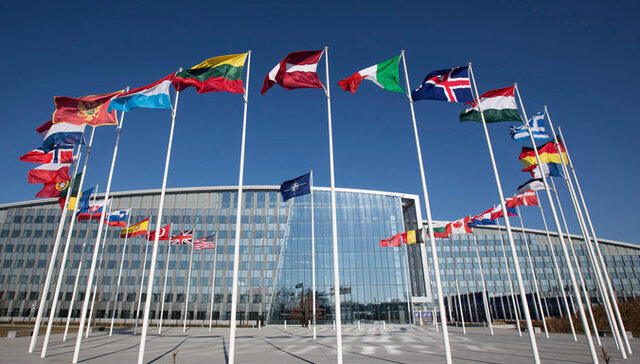
Strategic Council Online—Opinion: An expert on international affairs said: Although NATO, on its 75th birthday, has become more cohesive than three decades ago due to Russia’s attack on Ukraine, this does not mean it will not face challenges in its future prospects.

Consequences of the escalation of militarization in the South Caucasus

Consequences of the escalation of militarization in the South Caucasus

Strategic Council Online—Opinion: In recent months, we have seen Armenia and Azerbaijan strengthen new military-security arrangements. The two countries are developing military and security relations and exchanges with European and extra-regional countries within an “escalating process.” Strengthening the weapons arsenals, reviewing membership in some military pacts, and increasing military purchases are among these measures.
Barsam Mohammadi- Expert of regional issues

Can the Middle Corridor Replace the Red Sea Route?

Can the Middle Corridor Replace the Red Sea Route?

Strategic Council Online: The tensions in the Red Sea have made the plan to transfer goods transportation route from the Red Sea and Bab al-Mandab Strait to the “Middle Corridor” in the Caucasus the talk of the town.

Objectives & Consequences of China’s Energy Agreement with the Republic of Azerbaijan

Objectives & Consequences of China’s Energy Agreement with the Republic of Azerbaijan

Strategic Council Online – Interview: A researcher of geopolitical affairs considered cooperation in the field of energy as the main priority of relations between Beijing and Baku and stated: The recent agreement between the Republic of Azerbaijan and China, while covering issues related to the import and export of oil and gas and development of new energies, also helps to advance China’s approach in resolving or reducing tensions in the Caucasus.

Analysis of French Role in Developments of the Caucasus Region

France, with a Cautious Approach, a Forerunner of the EU Policy towards Baku

Strategic Council Online—Interview: An expert on European affairs stated that the institutional actions of the European Union against the Republic of Azerbaijan are followed cautiously, and saying that, on the one hand, the European Union does not want to act passively regarding the Caucasus issues, but on the other hand, Europe’s need for this country’s gas has caused it to take cautious steps regarding the sending of military equipment to Armenia, and in this regard, all the military equipment that was made in the agreement between France and Armenia has not been sent. Only defense systems, which are very cautious and more limited than the previous agreement, have been sent.

أحدث الوظائف

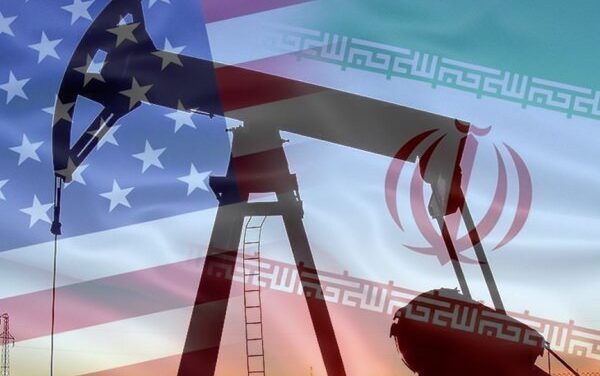
Europe’s Enduring Dependence on Persian Gulf Energy

SCFR Online – Opinion: The dominant discourse in the field of European energy security over the past two decades has revolved around diversification of supply sources and the gradual reduction of dependence on fossil fuels. This narrative, which gained particular momentum after the Ukraine gas crisis in 2006 and its intensification in 2014 and 2022, was based on the assumption that Europe could free itself from the geopolitical vulnerabilities arising from dependence on specific suppliers through investment in renewable energy, imports of liquefied natural gas from diversified sources, and the establishment of new infrastructure. However, a closer analysis of energy trade data and the structure of the global oil and gas supply chain presents a different picture. Europe has not only failed to meaningfully reduce its dependence on the Persian Gulf, but in some sectors — particularly in liquefied natural gas imports — this dependence has deepened. This reality, which is often overlooked in public discourse, raises fundamental questions about the sustainability of Europe’s energy security strategies and their impact on regional power equations.
The Challenge of Hezbollah’s Low-Cost “FPV” Drones for the Zionist Regime

SCFR Online – Opinion: In modern warfare, it has always been assumed that the more expensive, and advanced the weapon—particularly from well-known companies—the more certain the victory will be. However, developments on the northern front of occupied Palestine in recent months have challenged this long-held belief. Here, the Zionist regime’s military, despite possessing the most advanced defense systems such as Iron Dome, David’s Sling, and Arrow, as well as fifth-generation F-35 fighter jets, Merkava tanks, and other modern equipment found in few countries worldwide, has effectively been rendered helpless against Hezbollah Lebanon’s few-hundred-dollar drones. Benjamin Netanyahu’s bitter admission regarding the inability to counter this threat, and his order to allocate an unlimited budget to find a solution, underscores the reality that the era of pure superiority through expensive technologies has come to an end.

The Impact of West Asian Developments on the Ukraine War

SCFR Online – Note: Vladimir Putin, President of Russia, recently announced—more than four years after the commencement of military aggression against Ukraine—that he believes the conflict between Russia and Ukraine is drawing to a close.

Temporary China–U.S. Trade Truce in the Shadow of Fundamental Distrust

SCFR Online – Opinion: The recent visit of the President of the United States to China is significant from various aspects; because China is recognized as the world’s second-largest economic power and a growing economy. The Chinese are also advancing in various fields, including the space sector, artificial intelligence, and military industries; to the extent that in the military sector, whereas they previously lacked an aircraft carrier, they now possess their third aircraft carrier. On the other hand, the United States, as a superpower, has always regarded China as its rival and continues to view it as such today.

Loading

Caucasus

An Analysis of Iran’s Strategy in Central Asia and the Caucasus

An Analysis of Iran’s Strategy in Central Asia and the Caucasus

Online Strategic Council – Interview: An international affairs expert stated that Iran, by relying on its geo-economic capacities across various fields, should strive to solidify its position as a bridge connecting the Persian Gulf to Eurasia. However, regional and extra-regional competition for influence in Azerbaijan and Armenia has reached a critical point, where Iran’s security considerations and geopolitical red lines could turn the advancement of a multi-faceted strategy into a real test for the diplomatic apparatus.

Zangezur: A Test for Regional and International Players

Zangezur: A Test for Regional and International Players

Strategic Council Online – Analysis: On the verge of finalizing the Baku-Yerevan peace agreement, the recent remarks by Mnatsakan Safaryan, Armenia’s Deputy Foreign Minister, regarding the potential handover of the “logistical management” of the Zangezur route to a foreign company have pushed the status of this 32-kilometer strip into a critical phase. The discussion of a foreign operator’s involvement coincides with the meeting between Nikol Pashinyan and Ilham Aliyev in Abu Dhabi—a meeting that, according to regional media, primarily focused on this blocked route.

Withdrawal of Russian Forces from South Caucasus; Strategy or Tactic?

Withdrawal of Russian Forces from South Caucasus; Strategy or Tactic?

Strategic Council Online – Interview: An expert on Caucasus affairs said: Following news reports that the Kremlin has implicitly confirmed that Russian peacekeepers are withdrawing from the Nagorno-Karabakh region and taking their weapons and equipment with them, this question is seriously raised: Does Russia want to hand over the South Caucasus region to the West?

The Outlook of Geopolitical Competition Among Major Powers in the Caucasus

The Outlook of Geopolitical Competition Among Major Powers in the Caucasus

Strategic Council Online – Interview: A Caucasus affairs expert said: “If the trend of divergence among regional countries, especially Armenia and Azerbaijan, from Russia accelerates, Russians may show a more serious reaction and even prevent the traditional regional order change using force.”

Opportunities & Challenges of NATO on Its 75th Birthday

Opportunities & Challenges of NATO on Its 75th Birthday

Strategic Council Online—Opinion: An expert on international affairs said: Although NATO, on its 75th birthday, has become more cohesive than three decades ago due to Russia’s attack on Ukraine, this does not mean it will not face challenges in its future prospects.

Consequences of the escalation of militarization in the South Caucasus

Consequences of the escalation of militarization in the South Caucasus

Strategic Council Online—Opinion: In recent months, we have seen Armenia and Azerbaijan strengthen new military-security arrangements. The two countries are developing military and security relations and exchanges with European and extra-regional countries within an “escalating process.” Strengthening the weapons arsenals, reviewing membership in some military pacts, and increasing military purchases are among these measures.
Barsam Mohammadi- Expert of regional issues

Can the Middle Corridor Replace the Red Sea Route?

Can the Middle Corridor Replace the Red Sea Route?

Strategic Council Online: The tensions in the Red Sea have made the plan to transfer goods transportation route from the Red Sea and Bab al-Mandab Strait to the “Middle Corridor” in the Caucasus the talk of the town.

Objectives & Consequences of China’s Energy Agreement with the Republic of Azerbaijan

Objectives & Consequences of China’s Energy Agreement with the Republic of Azerbaijan

Strategic Council Online – Interview: A researcher of geopolitical affairs considered cooperation in the field of energy as the main priority of relations between Beijing and Baku and stated: The recent agreement between the Republic of Azerbaijan and China, while covering issues related to the import and export of oil and gas and development of new energies, also helps to advance China’s approach in resolving or reducing tensions in the Caucasus.

Analysis of French Role in Developments of the Caucasus Region

France, with a Cautious Approach, a Forerunner of the EU Policy towards Baku

Strategic Council Online—Interview: An expert on European affairs stated that the institutional actions of the European Union against the Republic of Azerbaijan are followed cautiously, and saying that, on the one hand, the European Union does not want to act passively regarding the Caucasus issues, but on the other hand, Europe’s need for this country’s gas has caused it to take cautious steps regarding the sending of military equipment to Armenia, and in this regard, all the military equipment that was made in the agreement between France and Armenia has not been sent. Only defense systems, which are very cautious and more limited than the previous agreement, have been sent.

Caucasus

An Analysis of Iran’s Strategy in Central Asia and the Caucasus

An Analysis of Iran’s Strategy in Central Asia and the Caucasus

Online Strategic Council – Interview: An international affairs expert stated that Iran, by relying on its geo-economic capacities across various fields, should strive to solidify its position as a bridge connecting the Persian Gulf to Eurasia. However, regional and extra-regional competition for influence in Azerbaijan and Armenia has reached a critical point, where Iran’s security considerations and geopolitical red lines could turn the advancement of a multi-faceted strategy into a real test for the diplomatic apparatus.

Zangezur: A Test for Regional and International Players

Zangezur: A Test for Regional and International Players

Strategic Council Online – Analysis: On the verge of finalizing the Baku-Yerevan peace agreement, the recent remarks by Mnatsakan Safaryan, Armenia’s Deputy Foreign Minister, regarding the potential handover of the “logistical management” of the Zangezur route to a foreign company have pushed the status of this 32-kilometer strip into a critical phase. The discussion of a foreign operator’s involvement coincides with the meeting between Nikol Pashinyan and Ilham Aliyev in Abu Dhabi—a meeting that, according to regional media, primarily focused on this blocked route.

Withdrawal of Russian Forces from South Caucasus; Strategy or Tactic?

Withdrawal of Russian Forces from South Caucasus; Strategy or Tactic?

Strategic Council Online – Interview: An expert on Caucasus affairs said: Following news reports that the Kremlin has implicitly confirmed that Russian peacekeepers are withdrawing from the Nagorno-Karabakh region and taking their weapons and equipment with them, this question is seriously raised: Does Russia want to hand over the South Caucasus region to the West?

The Outlook of Geopolitical Competition Among Major Powers in the Caucasus

The Outlook of Geopolitical Competition Among Major Powers in the Caucasus

Strategic Council Online – Interview: A Caucasus affairs expert said: “If the trend of divergence among regional countries, especially Armenia and Azerbaijan, from Russia accelerates, Russians may show a more serious reaction and even prevent the traditional regional order change using force.”

Opportunities & Challenges of NATO on Its 75th Birthday

Opportunities & Challenges of NATO on Its 75th Birthday

Strategic Council Online—Opinion: An expert on international affairs said: Although NATO, on its 75th birthday, has become more cohesive than three decades ago due to Russia’s attack on Ukraine, this does not mean it will not face challenges in its future prospects.

Consequences of the escalation of militarization in the South Caucasus

Consequences of the escalation of militarization in the South Caucasus

Strategic Council Online—Opinion: In recent months, we have seen Armenia and Azerbaijan strengthen new military-security arrangements. The two countries are developing military and security relations and exchanges with European and extra-regional countries within an “escalating process.” Strengthening the weapons arsenals, reviewing membership in some military pacts, and increasing military purchases are among these measures.
Barsam Mohammadi- Expert of regional issues

Can the Middle Corridor Replace the Red Sea Route?

Can the Middle Corridor Replace the Red Sea Route?

Strategic Council Online: The tensions in the Red Sea have made the plan to transfer goods transportation route from the Red Sea and Bab al-Mandab Strait to the “Middle Corridor” in the Caucasus the talk of the town.

Objectives & Consequences of China’s Energy Agreement with the Republic of Azerbaijan

Objectives & Consequences of China’s Energy Agreement with the Republic of Azerbaijan

Strategic Council Online – Interview: A researcher of geopolitical affairs considered cooperation in the field of energy as the main priority of relations between Beijing and Baku and stated: The recent agreement between the Republic of Azerbaijan and China, while covering issues related to the import and export of oil and gas and development of new energies, also helps to advance China’s approach in resolving or reducing tensions in the Caucasus.

Analysis of French Role in Developments of the Caucasus Region

France, with a Cautious Approach, a Forerunner of the EU Policy towards Baku

Strategic Council Online—Interview: An expert on European affairs stated that the institutional actions of the European Union against the Republic of Azerbaijan are followed cautiously, and saying that, on the one hand, the European Union does not want to act passively regarding the Caucasus issues, but on the other hand, Europe’s need for this country’s gas has caused it to take cautious steps regarding the sending of military equipment to Armenia, and in this regard, all the military equipment that was made in the agreement between France and Armenia has not been sent. Only defense systems, which are very cautious and more limited than the previous agreement, have been sent.

LATEST CONTENT

Europe’s Enduring Dependence on Persian Gulf Energy

SCFR Online – Opinion: The dominant discourse in the field of European energy security over the past two decades has revolved around diversification of supply sources and the gradual reduction of dependence on fossil fuels. This narrative, which gained particular momentum after the Ukraine gas crisis in 2006 and its intensification in 2014 and 2022, was based on the assumption that Europe could free itself from the geopolitical vulnerabilities arising from dependence on specific suppliers through investment in renewable energy, imports of liquefied natural gas from diversified sources, and the establishment of new infrastructure. However, a closer analysis of energy trade data and the structure of the global oil and gas supply chain presents a different picture. Europe has not only failed to meaningfully reduce its dependence on the Persian Gulf, but in some sectors — particularly in liquefied natural gas imports — this dependence has deepened. This reality, which is often overlooked in public discourse, raises fundamental questions about the sustainability of Europe’s energy security strategies and their impact on regional power equations.
The Challenge of Hezbollah’s Low-Cost “FPV” Drones for the Zionist Regime

SCFR Online – Opinion: In modern warfare, it has always been assumed that the more expensive, and advanced the weapon—particularly from well-known companies—the more certain the victory will be. However, developments on the northern front of occupied Palestine in recent months have challenged this long-held belief. Here, the Zionist regime’s military, despite possessing the most advanced defense systems such as Iron Dome, David’s Sling, and Arrow, as well as fifth-generation F-35 fighter jets, Merkava tanks, and other modern equipment found in few countries worldwide, has effectively been rendered helpless against Hezbollah Lebanon’s few-hundred-dollar drones. Benjamin Netanyahu’s bitter admission regarding the inability to counter this threat, and his order to allocate an unlimited budget to find a solution, underscores the reality that the era of pure superiority through expensive technologies has come to an end.

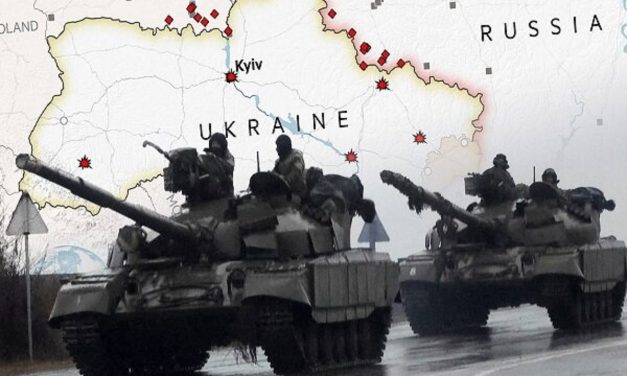
The Impact of West Asian Developments on the Ukraine War

SCFR Online – Note: Vladimir Putin, President of Russia, recently announced—more than four years after the commencement of military aggression against Ukraine—that he believes the conflict between Russia and Ukraine is drawing to a close.

Temporary China–U.S. Trade Truce in the Shadow of Fundamental Distrust

SCFR Online – Opinion: The recent visit of the President of the United States to China is significant from various aspects; because China is recognized as the world’s second-largest economic power and a growing economy. The Chinese are also advancing in various fields, including the space sector, artificial intelligence, and military industries; to the extent that in the military sector, whereas they previously lacked an aircraft carrier, they now possess their third aircraft carrier. On the other hand, the United States, as a superpower, has always regarded China as its rival and continues to view it as such today.

Loading

Caucasus

An Analysis of Iran’s Strategy in Central Asia and the Caucasus

An Analysis of Iran’s Strategy in Central Asia and the Caucasus

Online Strategic Council – Interview: An international affairs expert stated that Iran, by relying on its geo-economic capacities across various fields, should strive to solidify its position as a bridge connecting the Persian Gulf to Eurasia. However, regional and extra-regional competition for influence in Azerbaijan and Armenia has reached a critical point, where Iran’s security considerations and geopolitical red lines could turn the advancement of a multi-faceted strategy into a real test for the diplomatic apparatus.

Zangezur: A Test for Regional and International Players

Zangezur: A Test for Regional and International Players

Strategic Council Online – Analysis: On the verge of finalizing the Baku-Yerevan peace agreement, the recent remarks by Mnatsakan Safaryan, Armenia’s Deputy Foreign Minister, regarding the potential handover of the “logistical management” of the Zangezur route to a foreign company have pushed the status of this 32-kilometer strip into a critical phase. The discussion of a foreign operator’s involvement coincides with the meeting between Nikol Pashinyan and Ilham Aliyev in Abu Dhabi—a meeting that, according to regional media, primarily focused on this blocked route.

Withdrawal of Russian Forces from South Caucasus; Strategy or Tactic?

Withdrawal of Russian Forces from South Caucasus; Strategy or Tactic?

Strategic Council Online – Interview: An expert on Caucasus affairs said: Following news reports that the Kremlin has implicitly confirmed that Russian peacekeepers are withdrawing from the Nagorno-Karabakh region and taking their weapons and equipment with them, this question is seriously raised: Does Russia want to hand over the South Caucasus region to the West?

The Outlook of Geopolitical Competition Among Major Powers in the Caucasus

The Outlook of Geopolitical Competition Among Major Powers in the Caucasus

Strategic Council Online – Interview: A Caucasus affairs expert said: “If the trend of divergence among regional countries, especially Armenia and Azerbaijan, from Russia accelerates, Russians may show a more serious reaction and even prevent the traditional regional order change using force.”

Opportunities & Challenges of NATO on Its 75th Birthday

Opportunities & Challenges of NATO on Its 75th Birthday

Strategic Council Online—Opinion: An expert on international affairs said: Although NATO, on its 75th birthday, has become more cohesive than three decades ago due to Russia’s attack on Ukraine, this does not mean it will not face challenges in its future prospects.

Consequences of the escalation of militarization in the South Caucasus

Consequences of the escalation of militarization in the South Caucasus

Strategic Council Online—Opinion: In recent months, we have seen Armenia and Azerbaijan strengthen new military-security arrangements. The two countries are developing military and security relations and exchanges with European and extra-regional countries within an “escalating process.” Strengthening the weapons arsenals, reviewing membership in some military pacts, and increasing military purchases are among these measures.
Barsam Mohammadi- Expert of regional issues

Can the Middle Corridor Replace the Red Sea Route?

Can the Middle Corridor Replace the Red Sea Route?

Strategic Council Online: The tensions in the Red Sea have made the plan to transfer goods transportation route from the Red Sea and Bab al-Mandab Strait to the “Middle Corridor” in the Caucasus the talk of the town.

Objectives & Consequences of China’s Energy Agreement with the Republic of Azerbaijan

Objectives & Consequences of China’s Energy Agreement with the Republic of Azerbaijan

Strategic Council Online – Interview: A researcher of geopolitical affairs considered cooperation in the field of energy as the main priority of relations between Beijing and Baku and stated: The recent agreement between the Republic of Azerbaijan and China, while covering issues related to the import and export of oil and gas and development of new energies, also helps to advance China’s approach in resolving or reducing tensions in the Caucasus.

Analysis of French Role in Developments of the Caucasus Region

France, with a Cautious Approach, a Forerunner of the EU Policy towards Baku

Strategic Council Online—Interview: An expert on European affairs stated that the institutional actions of the European Union against the Republic of Azerbaijan are followed cautiously, and saying that, on the one hand, the European Union does not want to act passively regarding the Caucasus issues, but on the other hand, Europe’s need for this country’s gas has caused it to take cautious steps regarding the sending of military equipment to Armenia, and in this regard, all the military equipment that was made in the agreement between France and Armenia has not been sent. Only defense systems, which are very cautious and more limited than the previous agreement, have been sent.

ÚLTIMAS PUBLICACIONES

Europe’s Enduring Dependence on Persian Gulf Energy

SCFR Online – Opinion: The dominant discourse in the field of European energy security over the past two decades has revolved around diversification of supply sources and the gradual reduction of dependence on fossil fuels. This narrative, which gained particular momentum after the Ukraine gas crisis in 2006 and its intensification in 2014 and 2022, was based on the assumption that Europe could free itself from the geopolitical vulnerabilities arising from dependence on specific suppliers through investment in renewable energy, imports of liquefied natural gas from diversified sources, and the establishment of new infrastructure. However, a closer analysis of energy trade data and the structure of the global oil and gas supply chain presents a different picture. Europe has not only failed to meaningfully reduce its dependence on the Persian Gulf, but in some sectors — particularly in liquefied natural gas imports — this dependence has deepened. This reality, which is often overlooked in public discourse, raises fundamental questions about the sustainability of Europe’s energy security strategies and their impact on regional power equations.
The Challenge of Hezbollah’s Low-Cost “FPV” Drones for the Zionist Regime

SCFR Online – Opinion: In modern warfare, it has always been assumed that the more expensive, and advanced the weapon—particularly from well-known companies—the more certain the victory will be. However, developments on the northern front of occupied Palestine in recent months have challenged this long-held belief. Here, the Zionist regime’s military, despite possessing the most advanced defense systems such as Iron Dome, David’s Sling, and Arrow, as well as fifth-generation F-35 fighter jets, Merkava tanks, and other modern equipment found in few countries worldwide, has effectively been rendered helpless against Hezbollah Lebanon’s few-hundred-dollar drones. Benjamin Netanyahu’s bitter admission regarding the inability to counter this threat, and his order to allocate an unlimited budget to find a solution, underscores the reality that the era of pure superiority through expensive technologies has come to an end.

The Impact of West Asian Developments on the Ukraine War

SCFR Online – Note: Vladimir Putin, President of Russia, recently announced—more than four years after the commencement of military aggression against Ukraine—that he believes the conflict between Russia and Ukraine is drawing to a close.

Temporary China–U.S. Trade Truce in the Shadow of Fundamental Distrust

SCFR Online – Opinion: The recent visit of the President of the United States to China is significant from various aspects; because China is recognized as the world’s second-largest economic power and a growing economy. The Chinese are also advancing in various fields, including the space sector, artificial intelligence, and military industries; to the extent that in the military sector, whereas they previously lacked an aircraft carrier, they now possess their third aircraft carrier. On the other hand, the United States, as a superpower, has always regarded China as its rival and continues to view it as such today.

Loading

Caucasus

An Analysis of Iran’s Strategy in Central Asia and the Caucasus

An Analysis of Iran’s Strategy in Central Asia and the Caucasus

Online Strategic Council – Interview: An international affairs expert stated that Iran, by relying on its geo-economic capacities across various fields, should strive to solidify its position as a bridge connecting the Persian Gulf to Eurasia. However, regional and extra-regional competition for influence in Azerbaijan and Armenia has reached a critical point, where Iran’s security considerations and geopolitical red lines could turn the advancement of a multi-faceted strategy into a real test for the diplomatic apparatus.

Zangezur: A Test for Regional and International Players

Zangezur: A Test for Regional and International Players

Strategic Council Online – Analysis: On the verge of finalizing the Baku-Yerevan peace agreement, the recent remarks by Mnatsakan Safaryan, Armenia’s Deputy Foreign Minister, regarding the potential handover of the “logistical management” of the Zangezur route to a foreign company have pushed the status of this 32-kilometer strip into a critical phase. The discussion of a foreign operator’s involvement coincides with the meeting between Nikol Pashinyan and Ilham Aliyev in Abu Dhabi—a meeting that, according to regional media, primarily focused on this blocked route.

Withdrawal of Russian Forces from South Caucasus; Strategy or Tactic?

Withdrawal of Russian Forces from South Caucasus; Strategy or Tactic?

Strategic Council Online – Interview: An expert on Caucasus affairs said: Following news reports that the Kremlin has implicitly confirmed that Russian peacekeepers are withdrawing from the Nagorno-Karabakh region and taking their weapons and equipment with them, this question is seriously raised: Does Russia want to hand over the South Caucasus region to the West?

The Outlook of Geopolitical Competition Among Major Powers in the Caucasus

The Outlook of Geopolitical Competition Among Major Powers in the Caucasus

Strategic Council Online – Interview: A Caucasus affairs expert said: “If the trend of divergence among regional countries, especially Armenia and Azerbaijan, from Russia accelerates, Russians may show a more serious reaction and even prevent the traditional regional order change using force.”

Opportunities & Challenges of NATO on Its 75th Birthday

Opportunities & Challenges of NATO on Its 75th Birthday

Strategic Council Online—Opinion: An expert on international affairs said: Although NATO, on its 75th birthday, has become more cohesive than three decades ago due to Russia’s attack on Ukraine, this does not mean it will not face challenges in its future prospects.

Consequences of the escalation of militarization in the South Caucasus

Consequences of the escalation of militarization in the South Caucasus

Strategic Council Online—Opinion: In recent months, we have seen Armenia and Azerbaijan strengthen new military-security arrangements. The two countries are developing military and security relations and exchanges with European and extra-regional countries within an “escalating process.” Strengthening the weapons arsenals, reviewing membership in some military pacts, and increasing military purchases are among these measures.
Barsam Mohammadi- Expert of regional issues

Can the Middle Corridor Replace the Red Sea Route?

Can the Middle Corridor Replace the Red Sea Route?

Strategic Council Online: The tensions in the Red Sea have made the plan to transfer goods transportation route from the Red Sea and Bab al-Mandab Strait to the “Middle Corridor” in the Caucasus the talk of the town.

Objectives & Consequences of China’s Energy Agreement with the Republic of Azerbaijan

Objectives & Consequences of China’s Energy Agreement with the Republic of Azerbaijan

Strategic Council Online – Interview: A researcher of geopolitical affairs considered cooperation in the field of energy as the main priority of relations between Beijing and Baku and stated: The recent agreement between the Republic of Azerbaijan and China, while covering issues related to the import and export of oil and gas and development of new energies, also helps to advance China’s approach in resolving or reducing tensions in the Caucasus.

Analysis of French Role in Developments of the Caucasus Region

France, with a Cautious Approach, a Forerunner of the EU Policy towards Baku

Strategic Council Online—Interview: An expert on European affairs stated that the institutional actions of the European Union against the Republic of Azerbaijan are followed cautiously, and saying that, on the one hand, the European Union does not want to act passively regarding the Caucasus issues, but on the other hand, Europe’s need for this country’s gas has caused it to take cautious steps regarding the sending of military equipment to Armenia, and in this regard, all the military equipment that was made in the agreement between France and Armenia has not been sent. Only defense systems, which are very cautious and more limited than the previous agreement, have been sent.

ÚLTIMAS PUBLICACIONES

Europe’s Enduring Dependence on Persian Gulf Energy

SCFR Online – Opinion: The dominant discourse in the field of European energy security over the past two decades has revolved around diversification of supply sources and the gradual reduction of dependence on fossil fuels. This narrative, which gained particular momentum after the Ukraine gas crisis in 2006 and its intensification in 2014 and 2022, was based on the assumption that Europe could free itself from the geopolitical vulnerabilities arising from dependence on specific suppliers through investment in renewable energy, imports of liquefied natural gas from diversified sources, and the establishment of new infrastructure. However, a closer analysis of energy trade data and the structure of the global oil and gas supply chain presents a different picture. Europe has not only failed to meaningfully reduce its dependence on the Persian Gulf, but in some sectors — particularly in liquefied natural gas imports — this dependence has deepened. This reality, which is often overlooked in public discourse, raises fundamental questions about the sustainability of Europe’s energy security strategies and their impact on regional power equations.
The Challenge of Hezbollah’s Low-Cost “FPV” Drones for the Zionist Regime

SCFR Online – Opinion: In modern warfare, it has always been assumed that the more expensive, and advanced the weapon—particularly from well-known companies—the more certain the victory will be. However, developments on the northern front of occupied Palestine in recent months have challenged this long-held belief. Here, the Zionist regime’s military, despite possessing the most advanced defense systems such as Iron Dome, David’s Sling, and Arrow, as well as fifth-generation F-35 fighter jets, Merkava tanks, and other modern equipment found in few countries worldwide, has effectively been rendered helpless against Hezbollah Lebanon’s few-hundred-dollar drones. Benjamin Netanyahu’s bitter admission regarding the inability to counter this threat, and his order to allocate an unlimited budget to find a solution, underscores the reality that the era of pure superiority through expensive technologies has come to an end.

The Impact of West Asian Developments on the Ukraine War

SCFR Online – Note: Vladimir Putin, President of Russia, recently announced—more than four years after the commencement of military aggression against Ukraine—that he believes the conflict between Russia and Ukraine is drawing to a close.

Temporary China–U.S. Trade Truce in the Shadow of Fundamental Distrust

SCFR Online – Opinion: The recent visit of the President of the United States to China is significant from various aspects; because China is recognized as the world’s second-largest economic power and a growing economy. The Chinese are also advancing in various fields, including the space sector, artificial intelligence, and military industries; to the extent that in the military sector, whereas they previously lacked an aircraft carrier, they now possess their third aircraft carrier. On the other hand, the United States, as a superpower, has always regarded China as its rival and continues to view it as such today.

Loading

Caucasus

An Analysis of Iran’s Strategy in Central Asia and the Caucasus

An Analysis of Iran’s Strategy in Central Asia and the Caucasus

Online Strategic Council – Interview: An international affairs expert stated that Iran, by relying on its geo-economic capacities across various fields, should strive to solidify its position as a bridge connecting the Persian Gulf to Eurasia. However, regional and extra-regional competition for influence in Azerbaijan and Armenia has reached a critical point, where Iran’s security considerations and geopolitical red lines could turn the advancement of a multi-faceted strategy into a real test for the diplomatic apparatus.

Zangezur: A Test for Regional and International Players

Zangezur: A Test for Regional and International Players

Strategic Council Online – Analysis: On the verge of finalizing the Baku-Yerevan peace agreement, the recent remarks by Mnatsakan Safaryan, Armenia’s Deputy Foreign Minister, regarding the potential handover of the “logistical management” of the Zangezur route to a foreign company have pushed the status of this 32-kilometer strip into a critical phase. The discussion of a foreign operator’s involvement coincides with the meeting between Nikol Pashinyan and Ilham Aliyev in Abu Dhabi—a meeting that, according to regional media, primarily focused on this blocked route.

Withdrawal of Russian Forces from South Caucasus; Strategy or Tactic?

Withdrawal of Russian Forces from South Caucasus; Strategy or Tactic?

Strategic Council Online – Interview: An expert on Caucasus affairs said: Following news reports that the Kremlin has implicitly confirmed that Russian peacekeepers are withdrawing from the Nagorno-Karabakh region and taking their weapons and equipment with them, this question is seriously raised: Does Russia want to hand over the South Caucasus region to the West?

The Outlook of Geopolitical Competition Among Major Powers in the Caucasus

The Outlook of Geopolitical Competition Among Major Powers in the Caucasus

Strategic Council Online – Interview: A Caucasus affairs expert said: “If the trend of divergence among regional countries, especially Armenia and Azerbaijan, from Russia accelerates, Russians may show a more serious reaction and even prevent the traditional regional order change using force.”

Opportunities & Challenges of NATO on Its 75th Birthday

Opportunities & Challenges of NATO on Its 75th Birthday

Strategic Council Online—Opinion: An expert on international affairs said: Although NATO, on its 75th birthday, has become more cohesive than three decades ago due to Russia’s attack on Ukraine, this does not mean it will not face challenges in its future prospects.

Consequences of the escalation of militarization in the South Caucasus

Consequences of the escalation of militarization in the South Caucasus

Strategic Council Online—Opinion: In recent months, we have seen Armenia and Azerbaijan strengthen new military-security arrangements. The two countries are developing military and security relations and exchanges with European and extra-regional countries within an “escalating process.” Strengthening the weapons arsenals, reviewing membership in some military pacts, and increasing military purchases are among these measures.
Barsam Mohammadi- Expert of regional issues

Can the Middle Corridor Replace the Red Sea Route?

Can the Middle Corridor Replace the Red Sea Route?

Strategic Council Online: The tensions in the Red Sea have made the plan to transfer goods transportation route from the Red Sea and Bab al-Mandab Strait to the “Middle Corridor” in the Caucasus the talk of the town.

Objectives & Consequences of China’s Energy Agreement with the Republic of Azerbaijan

Objectives & Consequences of China’s Energy Agreement with the Republic of Azerbaijan

Strategic Council Online – Interview: A researcher of geopolitical affairs considered cooperation in the field of energy as the main priority of relations between Beijing and Baku and stated: The recent agreement between the Republic of Azerbaijan and China, while covering issues related to the import and export of oil and gas and development of new energies, also helps to advance China’s approach in resolving or reducing tensions in the Caucasus.

Analysis of French Role in Developments of the Caucasus Region

France, with a Cautious Approach, a Forerunner of the EU Policy towards Baku

Strategic Council Online—Interview: An expert on European affairs stated that the institutional actions of the European Union against the Republic of Azerbaijan are followed cautiously, and saying that, on the one hand, the European Union does not want to act passively regarding the Caucasus issues, but on the other hand, Europe’s need for this country’s gas has caused it to take cautious steps regarding the sending of military equipment to Armenia, and in this regard, all the military equipment that was made in the agreement between France and Armenia has not been sent. Only defense systems, which are very cautious and more limited than the previous agreement, have been sent.

ÚLTIMAS PUBLICACIONES

Europe’s Enduring Dependence on Persian Gulf Energy

SCFR Online – Opinion: The dominant discourse in the field of European energy security over the past two decades has revolved around diversification of supply sources and the gradual reduction of dependence on fossil fuels. This narrative, which gained particular momentum after the Ukraine gas crisis in 2006 and its intensification in 2014 and 2022, was based on the assumption that Europe could free itself from the geopolitical vulnerabilities arising from dependence on specific suppliers through investment in renewable energy, imports of liquefied natural gas from diversified sources, and the establishment of new infrastructure. However, a closer analysis of energy trade data and the structure of the global oil and gas supply chain presents a different picture. Europe has not only failed to meaningfully reduce its dependence on the Persian Gulf, but in some sectors — particularly in liquefied natural gas imports — this dependence has deepened. This reality, which is often overlooked in public discourse, raises fundamental questions about the sustainability of Europe’s energy security strategies and their impact on regional power equations.
The Challenge of Hezbollah’s Low-Cost “FPV” Drones for the Zionist Regime

SCFR Online – Opinion: In modern warfare, it has always been assumed that the more expensive, and advanced the weapon—particularly from well-known companies—the more certain the victory will be. However, developments on the northern front of occupied Palestine in recent months have challenged this long-held belief. Here, the Zionist regime’s military, despite possessing the most advanced defense systems such as Iron Dome, David’s Sling, and Arrow, as well as fifth-generation F-35 fighter jets, Merkava tanks, and other modern equipment found in few countries worldwide, has effectively been rendered helpless against Hezbollah Lebanon’s few-hundred-dollar drones. Benjamin Netanyahu’s bitter admission regarding the inability to counter this threat, and his order to allocate an unlimited budget to find a solution, underscores the reality that the era of pure superiority through expensive technologies has come to an end.

The Impact of West Asian Developments on the Ukraine War

SCFR Online – Note: Vladimir Putin, President of Russia, recently announced—more than four years after the commencement of military aggression against Ukraine—that he believes the conflict between Russia and Ukraine is drawing to a close.

Temporary China–U.S. Trade Truce in the Shadow of Fundamental Distrust

SCFR Online – Opinion: The recent visit of the President of the United States to China is significant from various aspects; because China is recognized as the world’s second-largest economic power and a growing economy. The Chinese are also advancing in various fields, including the space sector, artificial intelligence, and military industries; to the extent that in the military sector, whereas they previously lacked an aircraft carrier, they now possess their third aircraft carrier. On the other hand, the United States, as a superpower, has always regarded China as its rival and continues to view it as such today.

Loading

Caucasus

An Analysis of Iran’s Strategy in Central Asia and the Caucasus

An Analysis of Iran’s Strategy in Central Asia and the Caucasus

Online Strategic Council – Interview: An international affairs expert stated that Iran, by relying on its geo-economic capacities across various fields, should strive to solidify its position as a bridge connecting the Persian Gulf to Eurasia. However, regional and extra-regional competition for influence in Azerbaijan and Armenia has reached a critical point, where Iran’s security considerations and geopolitical red lines could turn the advancement of a multi-faceted strategy into a real test for the diplomatic apparatus.

Zangezur: A Test for Regional and International Players

Zangezur: A Test for Regional and International Players

Strategic Council Online – Analysis: On the verge of finalizing the Baku-Yerevan peace agreement, the recent remarks by Mnatsakan Safaryan, Armenia’s Deputy Foreign Minister, regarding the potential handover of the “logistical management” of the Zangezur route to a foreign company have pushed the status of this 32-kilometer strip into a critical phase. The discussion of a foreign operator’s involvement coincides with the meeting between Nikol Pashinyan and Ilham Aliyev in Abu Dhabi—a meeting that, according to regional media, primarily focused on this blocked route.

Withdrawal of Russian Forces from South Caucasus; Strategy or Tactic?

Withdrawal of Russian Forces from South Caucasus; Strategy or Tactic?

Strategic Council Online – Interview: An expert on Caucasus affairs said: Following news reports that the Kremlin has implicitly confirmed that Russian peacekeepers are withdrawing from the Nagorno-Karabakh region and taking their weapons and equipment with them, this question is seriously raised: Does Russia want to hand over the South Caucasus region to the West?

The Outlook of Geopolitical Competition Among Major Powers in the Caucasus

The Outlook of Geopolitical Competition Among Major Powers in the Caucasus

Strategic Council Online – Interview: A Caucasus affairs expert said: “If the trend of divergence among regional countries, especially Armenia and Azerbaijan, from Russia accelerates, Russians may show a more serious reaction and even prevent the traditional regional order change using force.”

Opportunities & Challenges of NATO on Its 75th Birthday

Opportunities & Challenges of NATO on Its 75th Birthday

Strategic Council Online—Opinion: An expert on international affairs said: Although NATO, on its 75th birthday, has become more cohesive than three decades ago due to Russia’s attack on Ukraine, this does not mean it will not face challenges in its future prospects.

Consequences of the escalation of militarization in the South Caucasus

Consequences of the escalation of militarization in the South Caucasus

Strategic Council Online—Opinion: In recent months, we have seen Armenia and Azerbaijan strengthen new military-security arrangements. The two countries are developing military and security relations and exchanges with European and extra-regional countries within an “escalating process.” Strengthening the weapons arsenals, reviewing membership in some military pacts, and increasing military purchases are among these measures.
Barsam Mohammadi- Expert of regional issues

Can the Middle Corridor Replace the Red Sea Route?

Can the Middle Corridor Replace the Red Sea Route?

Strategic Council Online: The tensions in the Red Sea have made the plan to transfer goods transportation route from the Red Sea and Bab al-Mandab Strait to the “Middle Corridor” in the Caucasus the talk of the town.

Objectives & Consequences of China’s Energy Agreement with the Republic of Azerbaijan

Objectives & Consequences of China’s Energy Agreement with the Republic of Azerbaijan

Strategic Council Online – Interview: A researcher of geopolitical affairs considered cooperation in the field of energy as the main priority of relations between Beijing and Baku and stated: The recent agreement between the Republic of Azerbaijan and China, while covering issues related to the import and export of oil and gas and development of new energies, also helps to advance China’s approach in resolving or reducing tensions in the Caucasus.

Analysis of French Role in Developments of the Caucasus Region

France, with a Cautious Approach, a Forerunner of the EU Policy towards Baku

Strategic Council Online—Interview: An expert on European affairs stated that the institutional actions of the European Union against the Republic of Azerbaijan are followed cautiously, and saying that, on the one hand, the European Union does not want to act passively regarding the Caucasus issues, but on the other hand, Europe’s need for this country’s gas has caused it to take cautious steps regarding the sending of military equipment to Armenia, and in this regard, all the military equipment that was made in the agreement between France and Armenia has not been sent. Only defense systems, which are very cautious and more limited than the previous agreement, have been sent.

ÚLTIMAS PUBLICACIONES

Europe’s Enduring Dependence on Persian Gulf Energy

SCFR Online – Opinion: The dominant discourse in the field of European energy security over the past two decades has revolved around diversification of supply sources and the gradual reduction of dependence on fossil fuels. This narrative, which gained particular momentum after the Ukraine gas crisis in 2006 and its intensification in 2014 and 2022, was based on the assumption that Europe could free itself from the geopolitical vulnerabilities arising from dependence on specific suppliers through investment in renewable energy, imports of liquefied natural gas from diversified sources, and the establishment of new infrastructure. However, a closer analysis of energy trade data and the structure of the global oil and gas supply chain presents a different picture. Europe has not only failed to meaningfully reduce its dependence on the Persian Gulf, but in some sectors — particularly in liquefied natural gas imports — this dependence has deepened. This reality, which is often overlooked in public discourse, raises fundamental questions about the sustainability of Europe’s energy security strategies and their impact on regional power equations.

The Challenge of Hezbollah’s Low-Cost “FPV” Drones for the Zionist Regime

SCFR Online – Opinion: In modern warfare, it has always been assumed that the more expensive, and advanced the weapon—particularly from well-known companies—the more certain the victory will be. However, developments on the northern front of occupied Palestine in recent months have challenged this long-held belief. Here, the Zionist regime’s military, despite possessing the most advanced defense systems such as Iron Dome, David’s Sling, and Arrow, as well as fifth-generation F-35 fighter jets, Merkava tanks, and other modern equipment found in few countries worldwide, has effectively been rendered helpless against Hezbollah Lebanon’s few-hundred-dollar drones. Benjamin Netanyahu’s bitter admission regarding the inability to counter this threat, and his order to allocate an unlimited budget to find a solution, underscores the reality that the era of pure superiority through expensive technologies has come to an end.

The Impact of West Asian Developments on the Ukraine War

SCFR Online – Note: Vladimir Putin, President of Russia, recently announced—more than four years after the commencement of military aggression against Ukraine—that he believes the conflict between Russia and Ukraine is drawing to a close.

Temporary China–U.S. Trade Truce in the Shadow of Fundamental Distrust

SCFR Online – Opinion: The recent visit of the President of the United States to China is significant from various aspects; because China is recognized as the world’s second-largest economic power and a growing economy. The Chinese are also advancing in various fields, including the space sector, artificial intelligence, and military industries; to the extent that in the military sector, whereas they previously lacked an aircraft carrier, they now possess their third aircraft carrier. On the other hand, the United States, as a superpower, has always regarded China as its rival and continues to view it as such today.

Loading