Iraq; Challenges Facing Mustafa al-Kazemi Government

2020/05/26 | Note, Politics, top news

Strategic Council Online: The new Iraqi government is facing several challenges, while the economic situation in Iraq is not favorable due to the decrease in oil prices and the economic situation Iraq has been facing in the past. Siamak Kakai - Expert on Iraqi Affairs

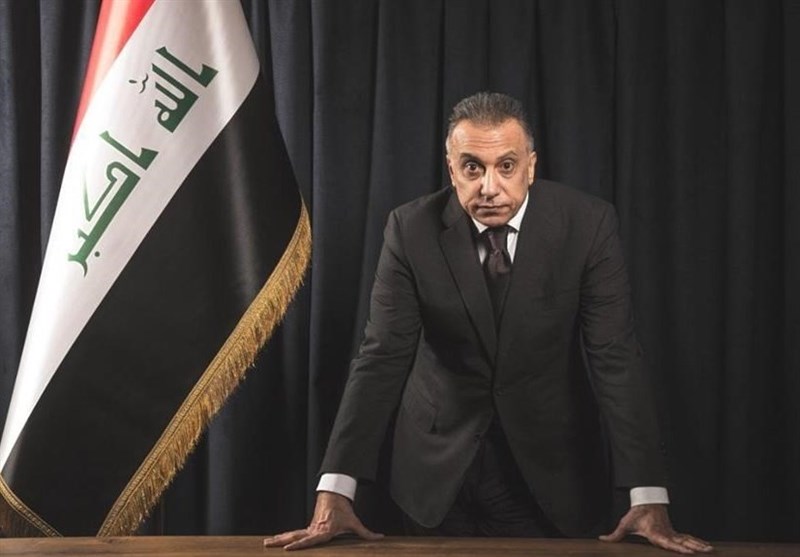
There are many speculations about the prospect of the government of the new Iraqi prime minister who has just introduced his cabinet ministers and in the meantime we can evaluate some issues as challenges he will be facing.

First of all, it should be noted that the Al-Kazemi government has started working in a situation where the members of the government are not yet complete and the two important portfolios of the Ministry of Foreign Affairs and the Petroleum Ministry are still vacant; But apart from this, several issues are very important for Al-Kazemi, and they can be mentioned as major issues facing the new government.

The first is a review of the Iraqi social scene; In fact, it was in November last year that the protests in Iraq took shape and continued. Eventually, those protests led to the resignation of Adel Abdul-Mahdi’s government. Protests continued afterwards, with two of the most prominent issues raised by protesters. One is the people’s livelihood issues and the other is the financial and administrative corruption in Iraq.

In fact, these issues and demands were such that they must be heeded by the government taking over the administration of Abdul Mahdi; Therefore, how to organize the situation, persuade the public opinion and the Iraqi social scene is the most important issue that will involve the new government. This is a social demand for economic and livelihood issues. However, given the decline in oil prices and the economic situation that Iraq has faced in the past, the economy in Iraq is not in good shape. The question of whether Al-Kazemi will be able to fulfill the demands of the protesters and provide a platform for improving the living conditions of the people is open to question.

Another issue is whether there will be a kind of social restraint in the social scene by protesters who have taken to the streets and have been waiting for the situation to improve over the past few months. In fact, the question is whether they will give the new government a chance to address the issues.

Given that there have been rumors of renewed protests in recent days it appears that there will be popular protests behind the doors of the government and with the normalization of the situation in Iraq that is overcoming the corona pandemic conditions will be provided that the new government too may resort to the popular protests.

The second issue for the new government is the US presence in Iraq and how to handle and settle this issue. The Americans are said to be seeking talks with the Iraqi government over their continued military presence.

Inside Iraq, however, there are differing views on whether to agree to continued US presence in Iraq. There are many groups that want the United States to withdraw from Iraq, and even a resolution has been passed in parliament to that effect.

The question now is whether the Al-Kazemi government wants to get out of this situation and gain the consent of the political groups in this regard. Also, will an agreement be reached or not, and what will be the outcome?

But the third point to keep in mind is that the nature of the Al-Kazemi government is a transitional government; That is, the government that must provide the conditions for the transition from the status quo and the holding of parliamentary elections and the new conditions in which Iraq finds itself.

Of course, this transition and its duration will depend on two factors; first is what will be the level of consensus and cooperation of political groups with the Al-Kazemi government? Will they help maintain a form of consensus, and help the government achieve its goal, or will political inconsistencies resurface in the government and among groups, and the government of Mustafa al-Kazemi will suffer the fate of previous governments? Especially now that people like Nouri al-Maliki are among his strong opponents and some groups are either watching Al-Kazemi’s actions or are currently silent; therefore, these issues are still present in the Iraqi political scene as in the past.

The fourth factor that should be considered by the government and the new cabinet in Baghdad is the economic situation because the scene of the Iraqi economy is now extremely volatile, and the reconstruction of the infrastructure inside the country and how to organize the livelihoods of the people who have been protesting for months should be a priority for the government. If Al-Kazemi’s government is reluctant to comply with these demands, Iraq may once again be the scene of serious unrest, and these protests may put the new Iraqi government in the hands of previous governments.

0 Comments

Submit a Comment

Your email address will not be published. Required fields are marked *

LATEST CONTENT

An Analysis of Iran’s Missile Capability

Strategic Council Online – Interview: A strategic affairs analyst said: Iran’s missile doctrine is not only part of its deterrent capability but also part of the security identity of the Islamic Republic of Iran and should not be weakened.

Japan-China Tensions Over Taiwan

Strategic Council Online – Interview: An international affairs expert said that U.S. President Donald Trump, in a phone call this week with Sanae Takaichi, asked her not to further escalate disputes with China. Earlier this month, Takaichi created a rare tension with Beijing by stating that “a potential Chinese attack on Taiwan could lead to military action by Japan,” remarks that drew a sharp reaction from China. Beijing demanded that she retract these statements, but the Japanese Prime Minister has not done so thus far, and Tokyo has only emphasized that its policy regarding Taiwan has not changed.

A Look at bin Salman’s Recent Trip to America

Strategic Council Online – Opinion: The recent trip of the Saudi Crown Prince to America was a targeted effort to solidify the strategic partnership with Washington, reduce political uncertainties, and strengthen Riyadh’s political role-playing.

Creating the Right Narrative: A Principled Strategy for Countering the Enemy’s Soft War

Strategic Council Online – Interview: A media expert stated: Given the intensification of the West’s soft war and psychological operations against Iran, our country’s primary strategy must be based on public education, strengthening national cohesion, developing international media, and countering the distortion of history through creating the right narrative.

F-35 Sale to Saudi Arabia: From Promise to Reality

Strategic Council Online – Interview: An international affairs analyst said: The issue of selling the F-35 to Saudi Arabia is not merely a military case, but rather part of a regional engineering that Washington is trying to advance.

Caspian Sea Water Level Drop; A Geopolitical Harm for Coastal Countries

Strategic Council Online – Interview: An expert in geopolitics stated, “The unprecedented drop in the Caspian Sea water level is not only an environmental threat but also a geopolitical alarm bell for Iran and the coastal countries, requiring urgent multilateral cooperation.”

Loading

Últimas publicaciones

An Analysis of Iran’s Missile Capability

Strategic Council Online – Interview: A strategic affairs analyst said: Iran’s missile doctrine is not only part of its deterrent capability but also part of the security identity of the Islamic Republic of Iran and should not be weakened.

Japan-China Tensions Over Taiwan

Strategic Council Online – Interview: An international affairs expert said that U.S. President Donald Trump, in a phone call this week with Sanae Takaichi, asked her not to further escalate disputes with China. Earlier this month, Takaichi created a rare tension with Beijing by stating that “a potential Chinese attack on Taiwan could lead to military action by Japan,” remarks that drew a sharp reaction from China. Beijing demanded that she retract these statements, but the Japanese Prime Minister has not done so thus far, and Tokyo has only emphasized that its policy regarding Taiwan has not changed.

A Look at bin Salman’s Recent Trip to America

Strategic Council Online – Opinion: The recent trip of the Saudi Crown Prince to America was a targeted effort to solidify the strategic partnership with Washington, reduce political uncertainties, and strengthen Riyadh’s political role-playing.

Creating the Right Narrative: A Principled Strategy for Countering the Enemy’s Soft War

Strategic Council Online – Interview: A media expert stated: Given the intensification of the West’s soft war and psychological operations against Iran, our country’s primary strategy must be based on public education, strengthening national cohesion, developing international media, and countering the distortion of history through creating the right narrative.

F-35 Sale to Saudi Arabia: From Promise to Reality

Strategic Council Online – Interview: An international affairs analyst said: The issue of selling the F-35 to Saudi Arabia is not merely a military case, but rather part of a regional engineering that Washington is trying to advance.

Caspian Sea Water Level Drop; A Geopolitical Harm for Coastal Countries

Strategic Council Online – Interview: An expert in geopolitics stated, “The unprecedented drop in the Caspian Sea water level is not only an environmental threat but also a geopolitical alarm bell for Iran and the coastal countries, requiring urgent multilateral cooperation.”

Loading

DERNIER CONTENU

An Analysis of Iran’s Missile Capability

Strategic Council Online – Interview: A strategic affairs analyst said: Iran’s missile doctrine is not only part of its deterrent capability but also part of the security identity of the Islamic Republic of Iran and should not be weakened.

Japan-China Tensions Over Taiwan

Strategic Council Online – Interview: An international affairs expert said that U.S. President Donald Trump, in a phone call this week with Sanae Takaichi, asked her not to further escalate disputes with China. Earlier this month, Takaichi created a rare tension with Beijing by stating that “a potential Chinese attack on Taiwan could lead to military action by Japan,” remarks that drew a sharp reaction from China. Beijing demanded that she retract these statements, but the Japanese Prime Minister has not done so thus far, and Tokyo has only emphasized that its policy regarding Taiwan has not changed.

A Look at bin Salman’s Recent Trip to America

Strategic Council Online – Opinion: The recent trip of the Saudi Crown Prince to America was a targeted effort to solidify the strategic partnership with Washington, reduce political uncertainties, and strengthen Riyadh’s political role-playing.

Creating the Right Narrative: A Principled Strategy for Countering the Enemy’s Soft War

Strategic Council Online – Interview: A media expert stated: Given the intensification of the West’s soft war and psychological operations against Iran, our country’s primary strategy must be based on public education, strengthening national cohesion, developing international media, and countering the distortion of history through creating the right narrative.

F-35 Sale to Saudi Arabia: From Promise to Reality

Strategic Council Online – Interview: An international affairs analyst said: The issue of selling the F-35 to Saudi Arabia is not merely a military case, but rather part of a regional engineering that Washington is trying to advance.

Caspian Sea Water Level Drop; A Geopolitical Harm for Coastal Countries

Strategic Council Online – Interview: An expert in geopolitics stated, “The unprecedented drop in the Caspian Sea water level is not only an environmental threat but also a geopolitical alarm bell for Iran and the coastal countries, requiring urgent multilateral cooperation.”

Loading