Reasons for the Ineffectiveness of Trump’s “Economic War” against Iran
SCFR Online – Opinion: The intensification of U.S. sanctions against Iran on the eve of the U.S. midterm elections indicates Washington’s inability to achieve its war objectives.


SCFR Online – Opinion: The intensification of U.S. sanctions against Iran on the eve of the U.S. midterm elections indicates Washington’s inability to achieve its war objectives.

SCFR Online – Opinion: The competition between Washington and Beijing over chips and artificial intelligence, simultaneously with the shifting of technological balances, has taken on new economic and security dimensions.
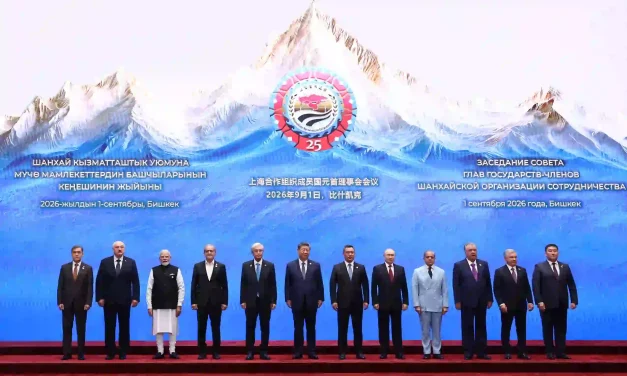
SCFR Online – Opinion: The Shanghai Cooperation Organization summit has created a new opportunity for Iran to transform its membership from a political achievement into economic and transit cooperation.
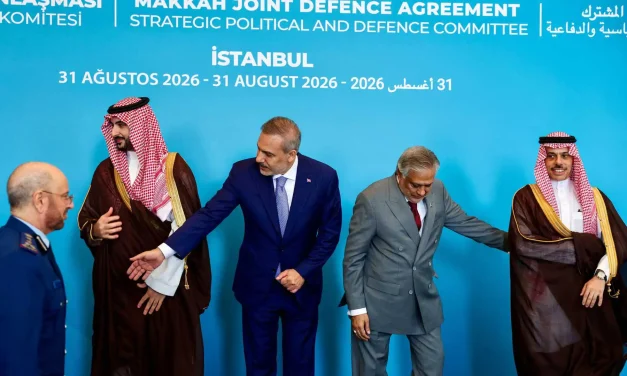
Strategic Council Online – Note: The Makkah Defense Pact can be seen as a sign of regional countries’ efforts to reduce security dependence on extra-regional powers and redefine the balance in West Asia.
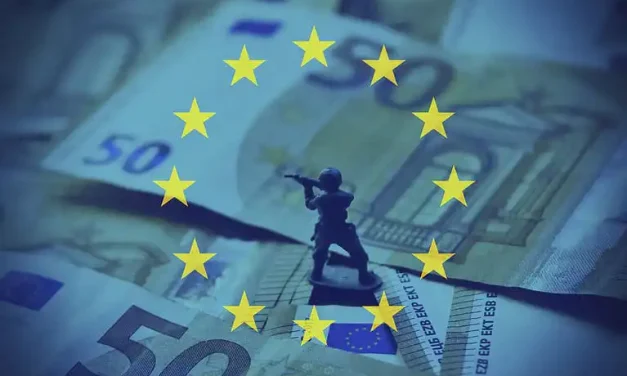
SCFR Online – Opinion: The Ukraine war, by exhausting US military capability on one hand and strengthening European defense capacity on the other, has altered the balance of power in the European continent, cast uncertainty over NATO’s future, and is driving it toward a European NATO.
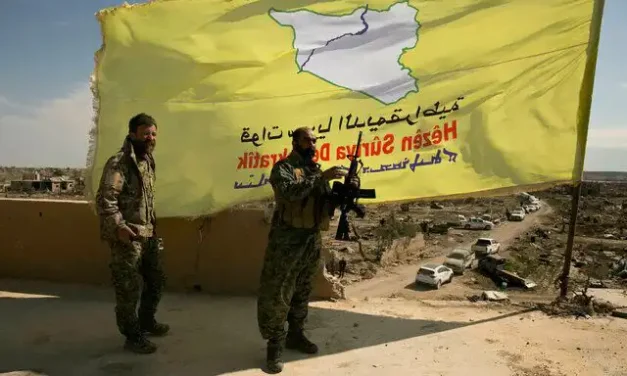
SCFR Online – Opinion: The dissolution of the SDF, although considered an achievement for Turkey’s security, does not put an end to the challenges arising from the Israeli regime’s aggression and expansionism, refugees, and Syria’s fragility.
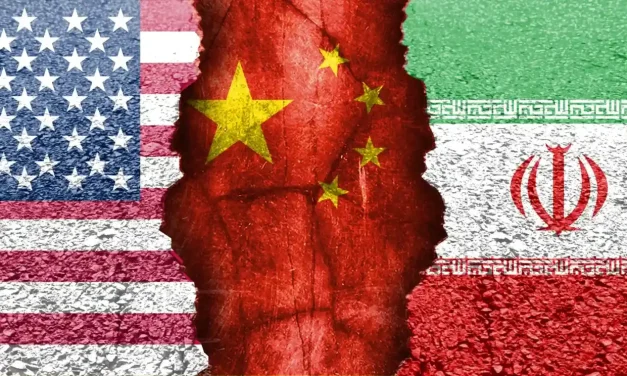
SCFR Online – Opinion: Concurrent with the official commencement of the United States’ economic war against our country, focusing on sanctions instruments, isolation, and economic pressure, what has now become increasingly important is the lack of alignment of other major global powers, especially China, with this policy.
SCFR Online – Opinion: The new US sanctions against Iran, despite extensive propaganda, face serious obstacles to success due to the ineffectiveness of sanctions tools and opposition from some of Tehran’s trading partners.


Strategic Council Online– Interview: A senior Iraqi affairs analyst stated that the recent action by the US Department of State in placing four Iraqi Shiite groups on the list of foreign terrorist organizations has not only seriously challenged Iraq’s security dimension but has also broadly overshadowed Baghdad’s political and diplomatic equations. This decision, interpreted as a continuation of Washington’s policy of maximum pressure in the region, could have multi-layered consequences for Iraq’s internal security, foreign relations, and even the balance of power. The groups affected by this decision are part of the official structure of the Popular Mobilization Forces (PMF) and were key players in the defeat of ISIS; therefore, their placement on the terrorist list is not only considered a threat against US interests but also calls into question the legitimacy and cohesion of Iraq’s security forces. This move could cast a shadow over the process of withdrawing US forces from Iraq and provide a pretext for the continuation of Washington’s military presence. Similarly, at the regional level, it further frees the hands of the Israeli regime for aggressive actions.

Strategic Council Online – Interview: An expert on West Asia affairs called the central message of the US defense secretary’s visit to Baghdad as the declaration of their desire to maintain the presence of their troops in Iraq and stressed: The United States still wants and insists that its forces remain in Iraq. Even though it declared policy, Iraq’s prime minister stated that Baghdad needed no presence of foreign troops, and this policy would only stay at the announcement level.

Strategic Council Online – Interview: Having stated that the recent movements in Iraq show that ISIS has a serious presence in regions among Kirkuk, Diyala and Salah-Adin provinces, a university professor said:” with mounting dissatisfactions in Iraq and the weakness of the central government in the country, the possibility to recruit forces and re-organization by ISIS as well as other terrorist groups will increase.

Strategic Council Online – Opinion: December 31, 2021 was the deadline for the withdrawal of US troops from Iraq under an agreement reached in July last year. However, five days before the deadline, the International Coalition by issuing a statement announced the end of the role of its combat forces in Iraq.
Seyed Reza Qazvini Ghorabi – Expert on Iraq affairs

Strategic Council Online – Interview: An analyst of West Asia affairs, explaining the new US strategy in Iraq after troop withdrawal, said: The United States seeks to change the military, security, and political arrangements in Iraq and build capacity for a possible normalization of Baghdad’s relations with the Zionist regime.

Strategic Council Online – Interview: An expert on Iraq affairs said: Supporters of the US presence in Iraq think that with the withdrawal of America conditions similar to those created in Afghanistan will emerge and armed groups or similar ones will gain power in Iraq; but there are major differences between Iraq and Afghanistan.

Strategic Council Online – Interview: An expert on West Asia affairs commenting on the reasons for the evacuation of three US military bases in Syria said: The United States is a traditional ally of the Syrian Kurds and through supporting Kurdish autonomy has made efforts and is still making in order to have a place to infiltrate Syria, especially in the oil rich areas; but nevertheless, the Syrian army’s domination on most areas has forced them to end their occupation of three military bases in Deir ez-Zor and al-Hasakah provinces.

Strategic Council Online- Interview: An expert on Iraq commented on the recent visit of Mostafa Al-Kazemi, Iraqi Premier to Tehran and said:” Mostafa Al-Kazemi visit to Iran was his first visit after President Raisi took office. From political point of view, the visit was made one month before holding the Iraqi election, and is important for Al-Kazem who has made several counselling visits to regional countries.

Strategic Council Online – Interview: An analyst of Iraq affairs, examining the political factions and the competition between parties and groups in the parliamentary elections to be held in Iraq in October, said: Due to the efforts of some currents and political figures in Iraq to postpone the elections, it seems that the elections in October are faced with ambiguities.

Strategic Council Online – Director of the Institute of International Relations, referring to the published news about the US effort to continue its presence in Iraq’s apparently, and based on its allegations, as an advisor, said: Given that such presence is at the request of the Iraqi government, the US forces will consider greater legitimacy for themselves and will be more open to gaining more concessions and imposing their favorable conditions.
SCFR Online – Opinion: The intensification of U.S. sanctions against Iran on the eve of the U.S. midterm elections indicates Washington’s inability to achieve its war objectives.
SCFR Online – Opinion: The competition between Washington and Beijing over chips and artificial intelligence, simultaneously with the shifting of technological balances, has taken on new economic and security dimensions.
SCFR Online – Opinion: The Shanghai Cooperation Organization summit has created a new opportunity for Iran to transform its membership from a political achievement into economic and transit cooperation.
Strategic Council Online – Note: The Makkah Defense Pact can be seen as a sign of regional countries’ efforts to reduce security dependence on extra-regional powers and redefine the balance in West Asia.
SCFR Online – Opinion: The Ukraine war, by exhausting US military capability on one hand and strengthening European defense capacity on the other, has altered the balance of power in the European continent, cast uncertainty over NATO’s future, and is driving it toward a European NATO.
SCFR Online – Opinion: The dissolution of the SDF, although considered an achievement for Turkey’s security, does not put an end to the challenges arising from the Israeli regime’s aggression and expansionism, refugees, and Syria’s fragility.
SCFR Online – Opinion: Concurrent with the official commencement of the United States’ economic war against our country, focusing on sanctions instruments, isolation, and economic pressure, what has now become increasingly important is the lack of alignment of other major global powers, especially China, with this policy.
SCFR Online – Opinion: The new US sanctions against Iran, despite extensive propaganda, face serious obstacles to success due to the ineffectiveness of sanctions tools and opposition from some of Tehran’s trading partners.
Strategic Council Online– Interview: A senior Iraqi affairs analyst stated that the recent action by the US Department of State in placing four Iraqi Shiite groups on the list of foreign terrorist organizations has not only seriously challenged Iraq’s security dimension but has also broadly overshadowed Baghdad’s political and diplomatic equations. This decision, interpreted as a continuation of Washington’s policy of maximum pressure in the region, could have multi-layered consequences for Iraq’s internal security, foreign relations, and even the balance of power. The groups affected by this decision are part of the official structure of the Popular Mobilization Forces (PMF) and were key players in the defeat of ISIS; therefore, their placement on the terrorist list is not only considered a threat against US interests but also calls into question the legitimacy and cohesion of Iraq’s security forces. This move could cast a shadow over the process of withdrawing US forces from Iraq and provide a pretext for the continuation of Washington’s military presence. Similarly, at the regional level, it further frees the hands of the Israeli regime for aggressive actions.
Strategic Council Online – Interview: An expert on West Asia affairs called the central message of the US defense secretary’s visit to Baghdad as the declaration of their desire to maintain the presence of their troops in Iraq and stressed: The United States still wants and insists that its forces remain in Iraq. Even though it declared policy, Iraq’s prime minister stated that Baghdad needed no presence of foreign troops, and this policy would only stay at the announcement level.
Strategic Council Online – Interview: Having stated that the recent movements in Iraq show that ISIS has a serious presence in regions among Kirkuk, Diyala and Salah-Adin provinces, a university professor said:” with mounting dissatisfactions in Iraq and the weakness of the central government in the country, the possibility to recruit forces and re-organization by ISIS as well as other terrorist groups will increase.
Strategic Council Online – Opinion: December 31, 2021 was the deadline for the withdrawal of US troops from Iraq under an agreement reached in July last year. However, five days before the deadline, the International Coalition by issuing a statement announced the end of the role of its combat forces in Iraq.
Seyed Reza Qazvini Ghorabi – Expert on Iraq affairs
Strategic Council Online – Interview: An analyst of West Asia affairs, explaining the new US strategy in Iraq after troop withdrawal, said: The United States seeks to change the military, security, and political arrangements in Iraq and build capacity for a possible normalization of Baghdad’s relations with the Zionist regime.
Strategic Council Online – Interview: An expert on Iraq affairs said: Supporters of the US presence in Iraq think that with the withdrawal of America conditions similar to those created in Afghanistan will emerge and armed groups or similar ones will gain power in Iraq; but there are major differences between Iraq and Afghanistan.
Strategic Council Online – Interview: An expert on West Asia affairs commenting on the reasons for the evacuation of three US military bases in Syria said: The United States is a traditional ally of the Syrian Kurds and through supporting Kurdish autonomy has made efforts and is still making in order to have a place to infiltrate Syria, especially in the oil rich areas; but nevertheless, the Syrian army’s domination on most areas has forced them to end their occupation of three military bases in Deir ez-Zor and al-Hasakah provinces.
Strategic Council Online- Interview: An expert on Iraq commented on the recent visit of Mostafa Al-Kazemi, Iraqi Premier to Tehran and said:” Mostafa Al-Kazemi visit to Iran was his first visit after President Raisi took office. From political point of view, the visit was made one month before holding the Iraqi election, and is important for Al-Kazem who has made several counselling visits to regional countries.
Strategic Council Online – Interview: An analyst of Iraq affairs, examining the political factions and the competition between parties and groups in the parliamentary elections to be held in Iraq in October, said: Due to the efforts of some currents and political figures in Iraq to postpone the elections, it seems that the elections in October are faced with ambiguities.
Strategic Council Online – Director of the Institute of International Relations, referring to the published news about the US effort to continue its presence in Iraq’s apparently, and based on its allegations, as an advisor, said: Given that such presence is at the request of the Iraqi government, the US forces will consider greater legitimacy for themselves and will be more open to gaining more concessions and imposing their favorable conditions.
Strategic Council Online– Interview: A senior Iraqi affairs analyst stated that the recent action by the US Department of State in placing four Iraqi Shiite groups on the list of foreign terrorist organizations has not only seriously challenged Iraq’s security dimension but has also broadly overshadowed Baghdad’s political and diplomatic equations. This decision, interpreted as a continuation of Washington’s policy of maximum pressure in the region, could have multi-layered consequences for Iraq’s internal security, foreign relations, and even the balance of power. The groups affected by this decision are part of the official structure of the Popular Mobilization Forces (PMF) and were key players in the defeat of ISIS; therefore, their placement on the terrorist list is not only considered a threat against US interests but also calls into question the legitimacy and cohesion of Iraq’s security forces. This move could cast a shadow over the process of withdrawing US forces from Iraq and provide a pretext for the continuation of Washington’s military presence. Similarly, at the regional level, it further frees the hands of the Israeli regime for aggressive actions.
Strategic Council Online – Interview: An expert on West Asia affairs called the central message of the US defense secretary’s visit to Baghdad as the declaration of their desire to maintain the presence of their troops in Iraq and stressed: The United States still wants and insists that its forces remain in Iraq. Even though it declared policy, Iraq’s prime minister stated that Baghdad needed no presence of foreign troops, and this policy would only stay at the announcement level.
Strategic Council Online – Interview: Having stated that the recent movements in Iraq show that ISIS has a serious presence in regions among Kirkuk, Diyala and Salah-Adin provinces, a university professor said:” with mounting dissatisfactions in Iraq and the weakness of the central government in the country, the possibility to recruit forces and re-organization by ISIS as well as other terrorist groups will increase.
Strategic Council Online – Opinion: December 31, 2021 was the deadline for the withdrawal of US troops from Iraq under an agreement reached in July last year. However, five days before the deadline, the International Coalition by issuing a statement announced the end of the role of its combat forces in Iraq.
Seyed Reza Qazvini Ghorabi – Expert on Iraq affairs
Strategic Council Online – Interview: An analyst of West Asia affairs, explaining the new US strategy in Iraq after troop withdrawal, said: The United States seeks to change the military, security, and political arrangements in Iraq and build capacity for a possible normalization of Baghdad’s relations with the Zionist regime.
Strategic Council Online – Interview: An expert on Iraq affairs said: Supporters of the US presence in Iraq think that with the withdrawal of America conditions similar to those created in Afghanistan will emerge and armed groups or similar ones will gain power in Iraq; but there are major differences between Iraq and Afghanistan.
Strategic Council Online – Interview: An expert on West Asia affairs commenting on the reasons for the evacuation of three US military bases in Syria said: The United States is a traditional ally of the Syrian Kurds and through supporting Kurdish autonomy has made efforts and is still making in order to have a place to infiltrate Syria, especially in the oil rich areas; but nevertheless, the Syrian army’s domination on most areas has forced them to end their occupation of three military bases in Deir ez-Zor and al-Hasakah provinces.
Strategic Council Online- Interview: An expert on Iraq commented on the recent visit of Mostafa Al-Kazemi, Iraqi Premier to Tehran and said:” Mostafa Al-Kazemi visit to Iran was his first visit after President Raisi took office. From political point of view, the visit was made one month before holding the Iraqi election, and is important for Al-Kazem who has made several counselling visits to regional countries.
Strategic Council Online – Interview: An analyst of Iraq affairs, examining the political factions and the competition between parties and groups in the parliamentary elections to be held in Iraq in October, said: Due to the efforts of some currents and political figures in Iraq to postpone the elections, it seems that the elections in October are faced with ambiguities.
Strategic Council Online – Director of the Institute of International Relations, referring to the published news about the US effort to continue its presence in Iraq’s apparently, and based on its allegations, as an advisor, said: Given that such presence is at the request of the Iraqi government, the US forces will consider greater legitimacy for themselves and will be more open to gaining more concessions and imposing their favorable conditions.
SCFR Online – Opinion: The intensification of U.S. sanctions against Iran on the eve of the U.S. midterm elections indicates Washington’s inability to achieve its war objectives.
SCFR Online – Opinion: The competition between Washington and Beijing over chips and artificial intelligence, simultaneously with the shifting of technological balances, has taken on new economic and security dimensions.
SCFR Online – Opinion: The Shanghai Cooperation Organization summit has created a new opportunity for Iran to transform its membership from a political achievement into economic and transit cooperation.
Strategic Council Online – Note: The Makkah Defense Pact can be seen as a sign of regional countries’ efforts to reduce security dependence on extra-regional powers and redefine the balance in West Asia.
SCFR Online – Opinion: The Ukraine war, by exhausting US military capability on one hand and strengthening European defense capacity on the other, has altered the balance of power in the European continent, cast uncertainty over NATO’s future, and is driving it toward a European NATO.
SCFR Online – Opinion: The dissolution of the SDF, although considered an achievement for Turkey’s security, does not put an end to the challenges arising from the Israeli regime’s aggression and expansionism, refugees, and Syria’s fragility.
SCFR Online – Opinion: Concurrent with the official commencement of the United States’ economic war against our country, focusing on sanctions instruments, isolation, and economic pressure, what has now become increasingly important is the lack of alignment of other major global powers, especially China, with this policy.
SCFR Online – Opinion: The new US sanctions against Iran, despite extensive propaganda, face serious obstacles to success due to the ineffectiveness of sanctions tools and opposition from some of Tehran’s trading partners.
Strategic Council Online– Interview: A senior Iraqi affairs analyst stated that the recent action by the US Department of State in placing four Iraqi Shiite groups on the list of foreign terrorist organizations has not only seriously challenged Iraq’s security dimension but has also broadly overshadowed Baghdad’s political and diplomatic equations. This decision, interpreted as a continuation of Washington’s policy of maximum pressure in the region, could have multi-layered consequences for Iraq’s internal security, foreign relations, and even the balance of power. The groups affected by this decision are part of the official structure of the Popular Mobilization Forces (PMF) and were key players in the defeat of ISIS; therefore, their placement on the terrorist list is not only considered a threat against US interests but also calls into question the legitimacy and cohesion of Iraq’s security forces. This move could cast a shadow over the process of withdrawing US forces from Iraq and provide a pretext for the continuation of Washington’s military presence. Similarly, at the regional level, it further frees the hands of the Israeli regime for aggressive actions.
Strategic Council Online – Interview: An expert on West Asia affairs called the central message of the US defense secretary’s visit to Baghdad as the declaration of their desire to maintain the presence of their troops in Iraq and stressed: The United States still wants and insists that its forces remain in Iraq. Even though it declared policy, Iraq’s prime minister stated that Baghdad needed no presence of foreign troops, and this policy would only stay at the announcement level.
Strategic Council Online – Interview: Having stated that the recent movements in Iraq show that ISIS has a serious presence in regions among Kirkuk, Diyala and Salah-Adin provinces, a university professor said:” with mounting dissatisfactions in Iraq and the weakness of the central government in the country, the possibility to recruit forces and re-organization by ISIS as well as other terrorist groups will increase.
Strategic Council Online – Opinion: December 31, 2021 was the deadline for the withdrawal of US troops from Iraq under an agreement reached in July last year. However, five days before the deadline, the International Coalition by issuing a statement announced the end of the role of its combat forces in Iraq.
Seyed Reza Qazvini Ghorabi – Expert on Iraq affairs
Strategic Council Online – Interview: An analyst of West Asia affairs, explaining the new US strategy in Iraq after troop withdrawal, said: The United States seeks to change the military, security, and political arrangements in Iraq and build capacity for a possible normalization of Baghdad’s relations with the Zionist regime.
Strategic Council Online – Interview: An expert on Iraq affairs said: Supporters of the US presence in Iraq think that with the withdrawal of America conditions similar to those created in Afghanistan will emerge and armed groups or similar ones will gain power in Iraq; but there are major differences between Iraq and Afghanistan.
Strategic Council Online – Interview: An expert on West Asia affairs commenting on the reasons for the evacuation of three US military bases in Syria said: The United States is a traditional ally of the Syrian Kurds and through supporting Kurdish autonomy has made efforts and is still making in order to have a place to infiltrate Syria, especially in the oil rich areas; but nevertheless, the Syrian army’s domination on most areas has forced them to end their occupation of three military bases in Deir ez-Zor and al-Hasakah provinces.
Strategic Council Online- Interview: An expert on Iraq commented on the recent visit of Mostafa Al-Kazemi, Iraqi Premier to Tehran and said:” Mostafa Al-Kazemi visit to Iran was his first visit after President Raisi took office. From political point of view, the visit was made one month before holding the Iraqi election, and is important for Al-Kazem who has made several counselling visits to regional countries.
Strategic Council Online – Interview: An analyst of Iraq affairs, examining the political factions and the competition between parties and groups in the parliamentary elections to be held in Iraq in October, said: Due to the efforts of some currents and political figures in Iraq to postpone the elections, it seems that the elections in October are faced with ambiguities.
Strategic Council Online – Director of the Institute of International Relations, referring to the published news about the US effort to continue its presence in Iraq’s apparently, and based on its allegations, as an advisor, said: Given that such presence is at the request of the Iraqi government, the US forces will consider greater legitimacy for themselves and will be more open to gaining more concessions and imposing their favorable conditions.
SCFR Online – Opinion: The intensification of U.S. sanctions against Iran on the eve of the U.S. midterm elections indicates Washington’s inability to achieve its war objectives.
SCFR Online – Opinion: The competition between Washington and Beijing over chips and artificial intelligence, simultaneously with the shifting of technological balances, has taken on new economic and security dimensions.
SCFR Online – Opinion: The Shanghai Cooperation Organization summit has created a new opportunity for Iran to transform its membership from a political achievement into economic and transit cooperation.
Strategic Council Online – Note: The Makkah Defense Pact can be seen as a sign of regional countries’ efforts to reduce security dependence on extra-regional powers and redefine the balance in West Asia.
SCFR Online – Opinion: The Ukraine war, by exhausting US military capability on one hand and strengthening European defense capacity on the other, has altered the balance of power in the European continent, cast uncertainty over NATO’s future, and is driving it toward a European NATO.
SCFR Online – Opinion: The dissolution of the SDF, although considered an achievement for Turkey’s security, does not put an end to the challenges arising from the Israeli regime’s aggression and expansionism, refugees, and Syria’s fragility.
SCFR Online – Opinion: Concurrent with the official commencement of the United States’ economic war against our country, focusing on sanctions instruments, isolation, and economic pressure, what has now become increasingly important is the lack of alignment of other major global powers, especially China, with this policy.
SCFR Online – Opinion: The new US sanctions against Iran, despite extensive propaganda, face serious obstacles to success due to the ineffectiveness of sanctions tools and opposition from some of Tehran’s trading partners.
Strategic Council Online– Interview: A senior Iraqi affairs analyst stated that the recent action by the US Department of State in placing four Iraqi Shiite groups on the list of foreign terrorist organizations has not only seriously challenged Iraq’s security dimension but has also broadly overshadowed Baghdad’s political and diplomatic equations. This decision, interpreted as a continuation of Washington’s policy of maximum pressure in the region, could have multi-layered consequences for Iraq’s internal security, foreign relations, and even the balance of power. The groups affected by this decision are part of the official structure of the Popular Mobilization Forces (PMF) and were key players in the defeat of ISIS; therefore, their placement on the terrorist list is not only considered a threat against US interests but also calls into question the legitimacy and cohesion of Iraq’s security forces. This move could cast a shadow over the process of withdrawing US forces from Iraq and provide a pretext for the continuation of Washington’s military presence. Similarly, at the regional level, it further frees the hands of the Israeli regime for aggressive actions.
Strategic Council Online – Interview: An expert on West Asia affairs called the central message of the US defense secretary’s visit to Baghdad as the declaration of their desire to maintain the presence of their troops in Iraq and stressed: The United States still wants and insists that its forces remain in Iraq. Even though it declared policy, Iraq’s prime minister stated that Baghdad needed no presence of foreign troops, and this policy would only stay at the announcement level.
Strategic Council Online – Interview: Having stated that the recent movements in Iraq show that ISIS has a serious presence in regions among Kirkuk, Diyala and Salah-Adin provinces, a university professor said:” with mounting dissatisfactions in Iraq and the weakness of the central government in the country, the possibility to recruit forces and re-organization by ISIS as well as other terrorist groups will increase.
Strategic Council Online – Opinion: December 31, 2021 was the deadline for the withdrawal of US troops from Iraq under an agreement reached in July last year. However, five days before the deadline, the International Coalition by issuing a statement announced the end of the role of its combat forces in Iraq.
Seyed Reza Qazvini Ghorabi – Expert on Iraq affairs
Strategic Council Online – Interview: An analyst of West Asia affairs, explaining the new US strategy in Iraq after troop withdrawal, said: The United States seeks to change the military, security, and political arrangements in Iraq and build capacity for a possible normalization of Baghdad’s relations with the Zionist regime.
Strategic Council Online – Interview: An expert on Iraq affairs said: Supporters of the US presence in Iraq think that with the withdrawal of America conditions similar to those created in Afghanistan will emerge and armed groups or similar ones will gain power in Iraq; but there are major differences between Iraq and Afghanistan.
Strategic Council Online – Interview: An expert on West Asia affairs commenting on the reasons for the evacuation of three US military bases in Syria said: The United States is a traditional ally of the Syrian Kurds and through supporting Kurdish autonomy has made efforts and is still making in order to have a place to infiltrate Syria, especially in the oil rich areas; but nevertheless, the Syrian army’s domination on most areas has forced them to end their occupation of three military bases in Deir ez-Zor and al-Hasakah provinces.
Strategic Council Online- Interview: An expert on Iraq commented on the recent visit of Mostafa Al-Kazemi, Iraqi Premier to Tehran and said:” Mostafa Al-Kazemi visit to Iran was his first visit after President Raisi took office. From political point of view, the visit was made one month before holding the Iraqi election, and is important for Al-Kazem who has made several counselling visits to regional countries.
Strategic Council Online – Interview: An analyst of Iraq affairs, examining the political factions and the competition between parties and groups in the parliamentary elections to be held in Iraq in October, said: Due to the efforts of some currents and political figures in Iraq to postpone the elections, it seems that the elections in October are faced with ambiguities.
Strategic Council Online – Director of the Institute of International Relations, referring to the published news about the US effort to continue its presence in Iraq’s apparently, and based on its allegations, as an advisor, said: Given that such presence is at the request of the Iraqi government, the US forces will consider greater legitimacy for themselves and will be more open to gaining more concessions and imposing their favorable conditions.
SCFR Online – Opinion: The intensification of U.S. sanctions against Iran on the eve of the U.S. midterm elections indicates Washington’s inability to achieve its war objectives.
SCFR Online – Opinion: The competition between Washington and Beijing over chips and artificial intelligence, simultaneously with the shifting of technological balances, has taken on new economic and security dimensions.
SCFR Online – Opinion: The Shanghai Cooperation Organization summit has created a new opportunity for Iran to transform its membership from a political achievement into economic and transit cooperation.
Strategic Council Online – Note: The Makkah Defense Pact can be seen as a sign of regional countries’ efforts to reduce security dependence on extra-regional powers and redefine the balance in West Asia.
SCFR Online – Opinion: The Ukraine war, by exhausting US military capability on one hand and strengthening European defense capacity on the other, has altered the balance of power in the European continent, cast uncertainty over NATO’s future, and is driving it toward a European NATO.
SCFR Online – Opinion: The dissolution of the SDF, although considered an achievement for Turkey’s security, does not put an end to the challenges arising from the Israeli regime’s aggression and expansionism, refugees, and Syria’s fragility.
SCFR Online – Opinion: Concurrent with the official commencement of the United States’ economic war against our country, focusing on sanctions instruments, isolation, and economic pressure, what has now become increasingly important is the lack of alignment of other major global powers, especially China, with this policy.
SCFR Online – Opinion: The new US sanctions against Iran, despite extensive propaganda, face serious obstacles to success due to the ineffectiveness of sanctions tools and opposition from some of Tehran’s trading partners.
Strategic Council Online– Interview: A senior Iraqi affairs analyst stated that the recent action by the US Department of State in placing four Iraqi Shiite groups on the list of foreign terrorist organizations has not only seriously challenged Iraq’s security dimension but has also broadly overshadowed Baghdad’s political and diplomatic equations. This decision, interpreted as a continuation of Washington’s policy of maximum pressure in the region, could have multi-layered consequences for Iraq’s internal security, foreign relations, and even the balance of power. The groups affected by this decision are part of the official structure of the Popular Mobilization Forces (PMF) and were key players in the defeat of ISIS; therefore, their placement on the terrorist list is not only considered a threat against US interests but also calls into question the legitimacy and cohesion of Iraq’s security forces. This move could cast a shadow over the process of withdrawing US forces from Iraq and provide a pretext for the continuation of Washington’s military presence. Similarly, at the regional level, it further frees the hands of the Israeli regime for aggressive actions.
Strategic Council Online – Interview: An expert on West Asia affairs called the central message of the US defense secretary’s visit to Baghdad as the declaration of their desire to maintain the presence of their troops in Iraq and stressed: The United States still wants and insists that its forces remain in Iraq. Even though it declared policy, Iraq’s prime minister stated that Baghdad needed no presence of foreign troops, and this policy would only stay at the announcement level.
Strategic Council Online – Interview: Having stated that the recent movements in Iraq show that ISIS has a serious presence in regions among Kirkuk, Diyala and Salah-Adin provinces, a university professor said:” with mounting dissatisfactions in Iraq and the weakness of the central government in the country, the possibility to recruit forces and re-organization by ISIS as well as other terrorist groups will increase.
Strategic Council Online – Opinion: December 31, 2021 was the deadline for the withdrawal of US troops from Iraq under an agreement reached in July last year. However, five days before the deadline, the International Coalition by issuing a statement announced the end of the role of its combat forces in Iraq.
Seyed Reza Qazvini Ghorabi – Expert on Iraq affairs
Strategic Council Online – Interview: An analyst of West Asia affairs, explaining the new US strategy in Iraq after troop withdrawal, said: The United States seeks to change the military, security, and political arrangements in Iraq and build capacity for a possible normalization of Baghdad’s relations with the Zionist regime.
Strategic Council Online – Interview: An expert on Iraq affairs said: Supporters of the US presence in Iraq think that with the withdrawal of America conditions similar to those created in Afghanistan will emerge and armed groups or similar ones will gain power in Iraq; but there are major differences between Iraq and Afghanistan.
Strategic Council Online – Interview: An expert on West Asia affairs commenting on the reasons for the evacuation of three US military bases in Syria said: The United States is a traditional ally of the Syrian Kurds and through supporting Kurdish autonomy has made efforts and is still making in order to have a place to infiltrate Syria, especially in the oil rich areas; but nevertheless, the Syrian army’s domination on most areas has forced them to end their occupation of three military bases in Deir ez-Zor and al-Hasakah provinces.
Strategic Council Online- Interview: An expert on Iraq commented on the recent visit of Mostafa Al-Kazemi, Iraqi Premier to Tehran and said:” Mostafa Al-Kazemi visit to Iran was his first visit after President Raisi took office. From political point of view, the visit was made one month before holding the Iraqi election, and is important for Al-Kazem who has made several counselling visits to regional countries.
Strategic Council Online – Interview: An analyst of Iraq affairs, examining the political factions and the competition between parties and groups in the parliamentary elections to be held in Iraq in October, said: Due to the efforts of some currents and political figures in Iraq to postpone the elections, it seems that the elections in October are faced with ambiguities.
Strategic Council Online – Director of the Institute of International Relations, referring to the published news about the US effort to continue its presence in Iraq’s apparently, and based on its allegations, as an advisor, said: Given that such presence is at the request of the Iraqi government, the US forces will consider greater legitimacy for themselves and will be more open to gaining more concessions and imposing their favorable conditions.
SCFR Online – Opinion: The intensification of U.S. sanctions against Iran on the eve of the U.S. midterm elections indicates Washington’s inability to achieve its war objectives.
SCFR Online – Opinion: The competition between Washington and Beijing over chips and artificial intelligence, simultaneously with the shifting of technological balances, has taken on new economic and security dimensions.
SCFR Online – Opinion: The Shanghai Cooperation Organization summit has created a new opportunity for Iran to transform its membership from a political achievement into economic and transit cooperation.
Strategic Council Online – Note: The Makkah Defense Pact can be seen as a sign of regional countries’ efforts to reduce security dependence on extra-regional powers and redefine the balance in West Asia.
SCFR Online – Opinion: The Ukraine war, by exhausting US military capability on one hand and strengthening European defense capacity on the other, has altered the balance of power in the European continent, cast uncertainty over NATO’s future, and is driving it toward a European NATO.
SCFR Online – Opinion: The dissolution of the SDF, although considered an achievement for Turkey’s security, does not put an end to the challenges arising from the Israeli regime’s aggression and expansionism, refugees, and Syria’s fragility.
SCFR Online – Opinion: Concurrent with the official commencement of the United States’ economic war against our country, focusing on sanctions instruments, isolation, and economic pressure, what has now become increasingly important is the lack of alignment of other major global powers, especially China, with this policy.
SCFR Online – Opinion: The new US sanctions against Iran, despite extensive propaganda, face serious obstacles to success due to the ineffectiveness of sanctions tools and opposition from some of Tehran’s trading partners.
Strategic Council Online– Interview: A senior Iraqi affairs analyst stated that the recent action by the US Department of State in placing four Iraqi Shiite groups on the list of foreign terrorist organizations has not only seriously challenged Iraq’s security dimension but has also broadly overshadowed Baghdad’s political and diplomatic equations. This decision, interpreted as a continuation of Washington’s policy of maximum pressure in the region, could have multi-layered consequences for Iraq’s internal security, foreign relations, and even the balance of power. The groups affected by this decision are part of the official structure of the Popular Mobilization Forces (PMF) and were key players in the defeat of ISIS; therefore, their placement on the terrorist list is not only considered a threat against US interests but also calls into question the legitimacy and cohesion of Iraq’s security forces. This move could cast a shadow over the process of withdrawing US forces from Iraq and provide a pretext for the continuation of Washington’s military presence. Similarly, at the regional level, it further frees the hands of the Israeli regime for aggressive actions.
Strategic Council Online – Interview: An expert on West Asia affairs called the central message of the US defense secretary’s visit to Baghdad as the declaration of their desire to maintain the presence of their troops in Iraq and stressed: The United States still wants and insists that its forces remain in Iraq. Even though it declared policy, Iraq’s prime minister stated that Baghdad needed no presence of foreign troops, and this policy would only stay at the announcement level.
Strategic Council Online – Interview: Having stated that the recent movements in Iraq show that ISIS has a serious presence in regions among Kirkuk, Diyala and Salah-Adin provinces, a university professor said:” with mounting dissatisfactions in Iraq and the weakness of the central government in the country, the possibility to recruit forces and re-organization by ISIS as well as other terrorist groups will increase.
Strategic Council Online – Opinion: December 31, 2021 was the deadline for the withdrawal of US troops from Iraq under an agreement reached in July last year. However, five days before the deadline, the International Coalition by issuing a statement announced the end of the role of its combat forces in Iraq.
Seyed Reza Qazvini Ghorabi – Expert on Iraq affairs
Strategic Council Online – Interview: An analyst of West Asia affairs, explaining the new US strategy in Iraq after troop withdrawal, said: The United States seeks to change the military, security, and political arrangements in Iraq and build capacity for a possible normalization of Baghdad’s relations with the Zionist regime.
Strategic Council Online – Interview: An expert on Iraq affairs said: Supporters of the US presence in Iraq think that with the withdrawal of America conditions similar to those created in Afghanistan will emerge and armed groups or similar ones will gain power in Iraq; but there are major differences between Iraq and Afghanistan.
Strategic Council Online – Interview: An expert on West Asia affairs commenting on the reasons for the evacuation of three US military bases in Syria said: The United States is a traditional ally of the Syrian Kurds and through supporting Kurdish autonomy has made efforts and is still making in order to have a place to infiltrate Syria, especially in the oil rich areas; but nevertheless, the Syrian army’s domination on most areas has forced them to end their occupation of three military bases in Deir ez-Zor and al-Hasakah provinces.
Strategic Council Online- Interview: An expert on Iraq commented on the recent visit of Mostafa Al-Kazemi, Iraqi Premier to Tehran and said:” Mostafa Al-Kazemi visit to Iran was his first visit after President Raisi took office. From political point of view, the visit was made one month before holding the Iraqi election, and is important for Al-Kazem who has made several counselling visits to regional countries.
Strategic Council Online – Interview: An analyst of Iraq affairs, examining the political factions and the competition between parties and groups in the parliamentary elections to be held in Iraq in October, said: Due to the efforts of some currents and political figures in Iraq to postpone the elections, it seems that the elections in October are faced with ambiguities.
Strategic Council Online – Director of the Institute of International Relations, referring to the published news about the US effort to continue its presence in Iraq’s apparently, and based on its allegations, as an advisor, said: Given that such presence is at the request of the Iraqi government, the US forces will consider greater legitimacy for themselves and will be more open to gaining more concessions and imposing their favorable conditions.
SCFR Online – Opinion: The intensification of U.S. sanctions against Iran on the eve of the U.S. midterm elections indicates Washington’s inability to achieve its war objectives.
SCFR Online – Opinion: The competition between Washington and Beijing over chips and artificial intelligence, simultaneously with the shifting of technological balances, has taken on new economic and security dimensions.
SCFR Online – Opinion: The Shanghai Cooperation Organization summit has created a new opportunity for Iran to transform its membership from a political achievement into economic and transit cooperation.
Strategic Council Online – Note: The Makkah Defense Pact can be seen as a sign of regional countries’ efforts to reduce security dependence on extra-regional powers and redefine the balance in West Asia.
SCFR Online – Opinion: The Ukraine war, by exhausting US military capability on one hand and strengthening European defense capacity on the other, has altered the balance of power in the European continent, cast uncertainty over NATO’s future, and is driving it toward a European NATO.
SCFR Online – Opinion: The dissolution of the SDF, although considered an achievement for Turkey’s security, does not put an end to the challenges arising from the Israeli regime’s aggression and expansionism, refugees, and Syria’s fragility.
SCFR Online – Opinion: Concurrent with the official commencement of the United States’ economic war against our country, focusing on sanctions instruments, isolation, and economic pressure, what has now become increasingly important is the lack of alignment of other major global powers, especially China, with this policy.
SCFR Online – Opinion: The new US sanctions against Iran, despite extensive propaganda, face serious obstacles to success due to the ineffectiveness of sanctions tools and opposition from some of Tehran’s trading partners.