Reasons for the Ineffectiveness of Trump’s “Economic War” against Iran
SCFR Online – Opinion: The intensification of U.S. sanctions against Iran on the eve of the U.S. midterm elections indicates Washington’s inability to achieve its war objectives.


SCFR Online – Opinion: The intensification of U.S. sanctions against Iran on the eve of the U.S. midterm elections indicates Washington’s inability to achieve its war objectives.

SCFR Online – Opinion: The competition between Washington and Beijing over chips and artificial intelligence, simultaneously with the shifting of technological balances, has taken on new economic and security dimensions.
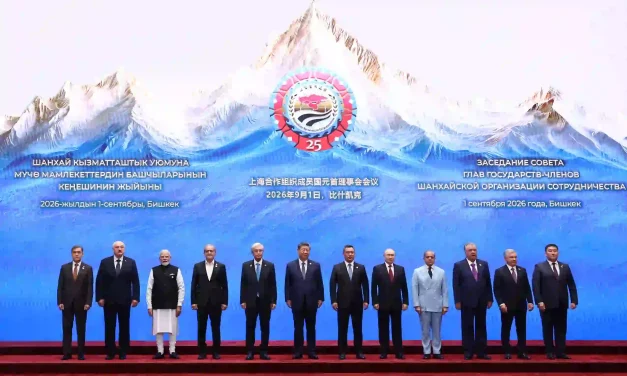
SCFR Online – Opinion: The Shanghai Cooperation Organization summit has created a new opportunity for Iran to transform its membership from a political achievement into economic and transit cooperation.
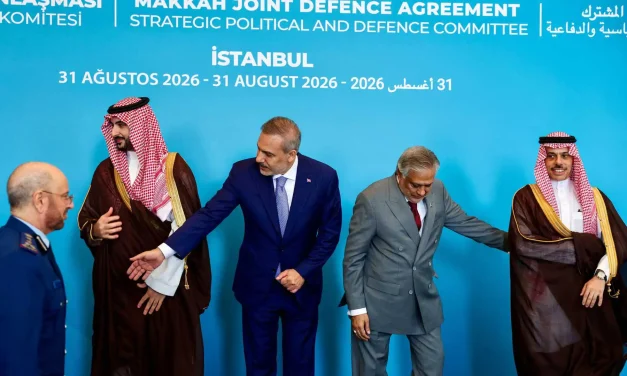
Strategic Council Online – Note: The Makkah Defense Pact can be seen as a sign of regional countries’ efforts to reduce security dependence on extra-regional powers and redefine the balance in West Asia.

SCFR Online – Opinion: The Ukraine war, by exhausting US military capability on one hand and strengthening European defense capacity on the other, has altered the balance of power in the European continent, cast uncertainty over NATO’s future, and is driving it toward a European NATO.
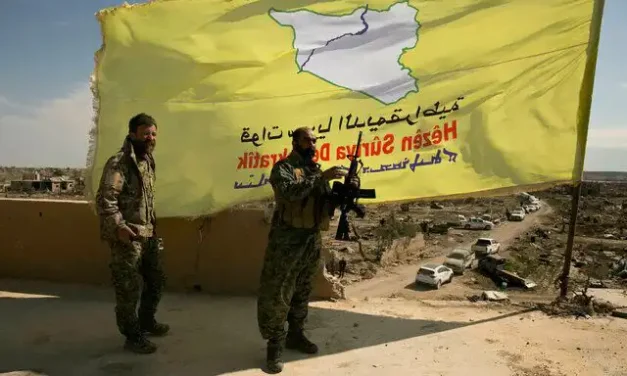
SCFR Online – Opinion: The dissolution of the SDF, although considered an achievement for Turkey’s security, does not put an end to the challenges arising from the Israeli regime’s aggression and expansionism, refugees, and Syria’s fragility.
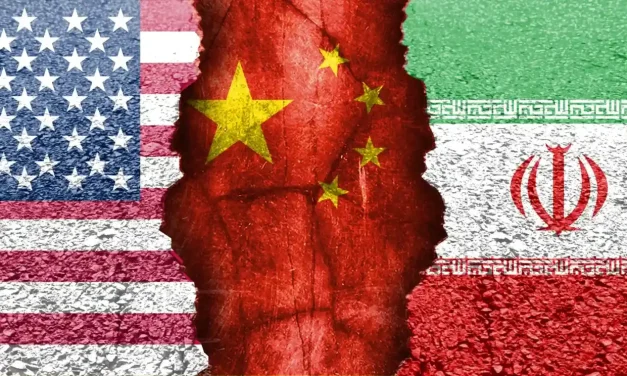
SCFR Online – Opinion: Concurrent with the official commencement of the United States’ economic war against our country, focusing on sanctions instruments, isolation, and economic pressure, what has now become increasingly important is the lack of alignment of other major global powers, especially China, with this policy.
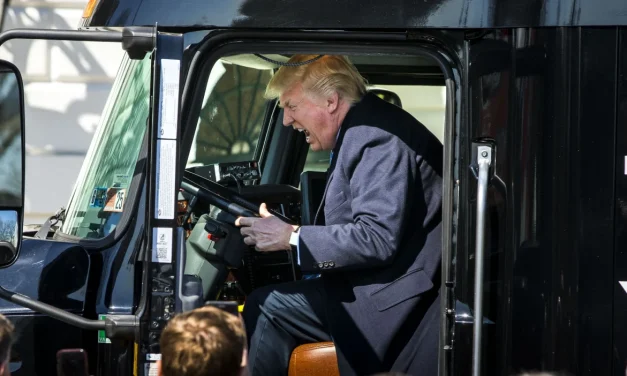
SCFR Online – Opinion: The new US sanctions against Iran, despite extensive propaganda, face serious obstacles to success due to the ineffectiveness of sanctions tools and opposition from some of Tehran’s trading partners.


Strategic Council Online – Interview: An expert on Iraq affairs, saying that the winning groups in the Iraqi elections do not have a stable theoretical and ideological basis and the only factor of consensus between them is common interests, noted: Analysts close to Mustafa al-Kadhimi’s government have acknowledged that his government was in fact the government of the Sadr movement; therefore, the government that is to be formed in the future will be in line with the al-Kadhimi’s government.

Strategic Council Online – Opinion: Staying of the US covering forces in Iraq in the future could lead to the escalation of the divisions and internal differences in the country.
Tahmoures Gholami – Expert on the US affairs

Strategic Council Online-Opinion: Iraq has entered a new round of political, security and field developments. The safe and peaceful conduct of the parliamentary elections and the announcement of the final results, which in the broadest sense were in the national interest of Iraq, not only did not meet US expectations; Rather, there appeared in spite of the efforts of the United States and some Arab regimes in the region to abort the elections.
Hamid Khoshayand—Expert of regional issues

Strategic Council Online- Interview: The Expert of Middle East affairs commented on the political status in Iraq after the recent election and said:” Despite political challenges and protests of various trends about the results of the recent parliamentary election, it was finally finished. Saairun trend led by Muqtada Al-Sadr was recognized as the victor of the election with 73 seats”.

Strategic Council Online – Interview: A professor at the University of Tehran believes that the general arrangement reflected in the vote-counting in the Iraqi elections indicates a serious fragmentation of the Iraqi society in the field of politics.

Strategic Council Online- Opinion: The result of the Iraqi parliamentary election drew the attention of observers and political circles because it has changed the political arrangement of the Parliament of the country.
Siamak Kakaei, Expert on Iraq affairs

Strategic Council Online- Interview: An expert on Iraq commented on the recent visit of Mostafa Al-Kazemi, Iraqi Premier to Tehran and said:” Mostafa Al-Kazemi visit to Iran was his first visit after President Raisi took office. From political point of view, the visit was made one month before holding the Iraqi election, and is important for Al-Kazem who has made several counselling visits to regional countries.

Strategic Council Online-Opinion: On 28 August 2021, Baghdad was host to one of the most important regional meetings entitled the Baghdad Conference for Cooperation and Partnership. Guests participating in this one-day meeting included high-ranking officials from influential Arab and non-Arab states. The Baghdad conference was highly significant from two respects: first, the level and arrangement of participants that have deep differences bilaterally, trilaterally and on many aspects, second, the goals which were pursued in the meeting at domestic, regional and international levels.
Barsam Mohammadi—International issues analyst

Strategic Council Online – A researcher on Iraq affairs saying that Iraq, Egypt, and Jordan have strong economic incentives for trilateral cooperation within the framework of the “New Levant” plan, pointed to the challenges facing the cooperation of the three countries and noted: If the effectiveness of the agreement becomes clear to Iraq, there is the possibility that the cooperation may be extended to other political, security and military fields.

Strategic Council Online – An analyst of Iraq affairs called the presence of NATO forces in Iraq contrary to the principle of sovereignty and a factor in increasing internal disputes in that country and said: Iraqi groups, the Iraqi parliament, and the government of Mr. Al-Kazemi should note that there is no difference between the NATO and the United States and, while considering strategic implications of that presence, they must confront NATO forces with a more prudent policy.
SCFR Online – Opinion: The intensification of U.S. sanctions against Iran on the eve of the U.S. midterm elections indicates Washington’s inability to achieve its war objectives.
SCFR Online – Opinion: The competition between Washington and Beijing over chips and artificial intelligence, simultaneously with the shifting of technological balances, has taken on new economic and security dimensions.
SCFR Online – Opinion: The Shanghai Cooperation Organization summit has created a new opportunity for Iran to transform its membership from a political achievement into economic and transit cooperation.
Strategic Council Online – Note: The Makkah Defense Pact can be seen as a sign of regional countries’ efforts to reduce security dependence on extra-regional powers and redefine the balance in West Asia.
SCFR Online – Opinion: The Ukraine war, by exhausting US military capability on one hand and strengthening European defense capacity on the other, has altered the balance of power in the European continent, cast uncertainty over NATO’s future, and is driving it toward a European NATO.
SCFR Online – Opinion: The dissolution of the SDF, although considered an achievement for Turkey’s security, does not put an end to the challenges arising from the Israeli regime’s aggression and expansionism, refugees, and Syria’s fragility.
SCFR Online – Opinion: Concurrent with the official commencement of the United States’ economic war against our country, focusing on sanctions instruments, isolation, and economic pressure, what has now become increasingly important is the lack of alignment of other major global powers, especially China, with this policy.
SCFR Online – Opinion: The new US sanctions against Iran, despite extensive propaganda, face serious obstacles to success due to the ineffectiveness of sanctions tools and opposition from some of Tehran’s trading partners.
Strategic Council Online – Interview: An expert on Iraq affairs, saying that the winning groups in the Iraqi elections do not have a stable theoretical and ideological basis and the only factor of consensus between them is common interests, noted: Analysts close to Mustafa al-Kadhimi’s government have acknowledged that his government was in fact the government of the Sadr movement; therefore, the government that is to be formed in the future will be in line with the al-Kadhimi’s government.
Strategic Council Online – Opinion: Staying of the US covering forces in Iraq in the future could lead to the escalation of the divisions and internal differences in the country.
Tahmoures Gholami – Expert on the US affairs
Strategic Council Online-Opinion: Iraq has entered a new round of political, security and field developments. The safe and peaceful conduct of the parliamentary elections and the announcement of the final results, which in the broadest sense were in the national interest of Iraq, not only did not meet US expectations; Rather, there appeared in spite of the efforts of the United States and some Arab regimes in the region to abort the elections.
Hamid Khoshayand—Expert of regional issues
Strategic Council Online- Interview: The Expert of Middle East affairs commented on the political status in Iraq after the recent election and said:” Despite political challenges and protests of various trends about the results of the recent parliamentary election, it was finally finished. Saairun trend led by Muqtada Al-Sadr was recognized as the victor of the election with 73 seats”.
Strategic Council Online – Interview: A professor at the University of Tehran believes that the general arrangement reflected in the vote-counting in the Iraqi elections indicates a serious fragmentation of the Iraqi society in the field of politics.
Strategic Council Online- Opinion: The result of the Iraqi parliamentary election drew the attention of observers and political circles because it has changed the political arrangement of the Parliament of the country.
Siamak Kakaei, Expert on Iraq affairs
Strategic Council Online- Interview: An expert on Iraq commented on the recent visit of Mostafa Al-Kazemi, Iraqi Premier to Tehran and said:” Mostafa Al-Kazemi visit to Iran was his first visit after President Raisi took office. From political point of view, the visit was made one month before holding the Iraqi election, and is important for Al-Kazem who has made several counselling visits to regional countries.
Strategic Council Online-Opinion: On 28 August 2021, Baghdad was host to one of the most important regional meetings entitled the Baghdad Conference for Cooperation and Partnership. Guests participating in this one-day meeting included high-ranking officials from influential Arab and non-Arab states. The Baghdad conference was highly significant from two respects: first, the level and arrangement of participants that have deep differences bilaterally, trilaterally and on many aspects, second, the goals which were pursued in the meeting at domestic, regional and international levels.
Barsam Mohammadi—International issues analyst
Strategic Council Online – A researcher on Iraq affairs saying that Iraq, Egypt, and Jordan have strong economic incentives for trilateral cooperation within the framework of the “New Levant” plan, pointed to the challenges facing the cooperation of the three countries and noted: If the effectiveness of the agreement becomes clear to Iraq, there is the possibility that the cooperation may be extended to other political, security and military fields.
Strategic Council Online – An analyst of Iraq affairs called the presence of NATO forces in Iraq contrary to the principle of sovereignty and a factor in increasing internal disputes in that country and said: Iraqi groups, the Iraqi parliament, and the government of Mr. Al-Kazemi should note that there is no difference between the NATO and the United States and, while considering strategic implications of that presence, they must confront NATO forces with a more prudent policy.
Strategic Council Online – Interview: An expert on Iraq affairs, saying that the winning groups in the Iraqi elections do not have a stable theoretical and ideological basis and the only factor of consensus between them is common interests, noted: Analysts close to Mustafa al-Kadhimi’s government have acknowledged that his government was in fact the government of the Sadr movement; therefore, the government that is to be formed in the future will be in line with the al-Kadhimi’s government.
Strategic Council Online – Opinion: Staying of the US covering forces in Iraq in the future could lead to the escalation of the divisions and internal differences in the country.
Tahmoures Gholami – Expert on the US affairs
Strategic Council Online-Opinion: Iraq has entered a new round of political, security and field developments. The safe and peaceful conduct of the parliamentary elections and the announcement of the final results, which in the broadest sense were in the national interest of Iraq, not only did not meet US expectations; Rather, there appeared in spite of the efforts of the United States and some Arab regimes in the region to abort the elections.
Hamid Khoshayand—Expert of regional issues
Strategic Council Online- Interview: The Expert of Middle East affairs commented on the political status in Iraq after the recent election and said:” Despite political challenges and protests of various trends about the results of the recent parliamentary election, it was finally finished. Saairun trend led by Muqtada Al-Sadr was recognized as the victor of the election with 73 seats”.
Strategic Council Online – Interview: A professor at the University of Tehran believes that the general arrangement reflected in the vote-counting in the Iraqi elections indicates a serious fragmentation of the Iraqi society in the field of politics.
Strategic Council Online- Opinion: The result of the Iraqi parliamentary election drew the attention of observers and political circles because it has changed the political arrangement of the Parliament of the country.
Siamak Kakaei, Expert on Iraq affairs
Strategic Council Online- Interview: An expert on Iraq commented on the recent visit of Mostafa Al-Kazemi, Iraqi Premier to Tehran and said:” Mostafa Al-Kazemi visit to Iran was his first visit after President Raisi took office. From political point of view, the visit was made one month before holding the Iraqi election, and is important for Al-Kazem who has made several counselling visits to regional countries.
Strategic Council Online-Opinion: On 28 August 2021, Baghdad was host to one of the most important regional meetings entitled the Baghdad Conference for Cooperation and Partnership. Guests participating in this one-day meeting included high-ranking officials from influential Arab and non-Arab states. The Baghdad conference was highly significant from two respects: first, the level and arrangement of participants that have deep differences bilaterally, trilaterally and on many aspects, second, the goals which were pursued in the meeting at domestic, regional and international levels.
Barsam Mohammadi—International issues analyst
Strategic Council Online – A researcher on Iraq affairs saying that Iraq, Egypt, and Jordan have strong economic incentives for trilateral cooperation within the framework of the “New Levant” plan, pointed to the challenges facing the cooperation of the three countries and noted: If the effectiveness of the agreement becomes clear to Iraq, there is the possibility that the cooperation may be extended to other political, security and military fields.
Strategic Council Online – An analyst of Iraq affairs called the presence of NATO forces in Iraq contrary to the principle of sovereignty and a factor in increasing internal disputes in that country and said: Iraqi groups, the Iraqi parliament, and the government of Mr. Al-Kazemi should note that there is no difference between the NATO and the United States and, while considering strategic implications of that presence, they must confront NATO forces with a more prudent policy.
SCFR Online – Opinion: The intensification of U.S. sanctions against Iran on the eve of the U.S. midterm elections indicates Washington’s inability to achieve its war objectives.
SCFR Online – Opinion: The competition between Washington and Beijing over chips and artificial intelligence, simultaneously with the shifting of technological balances, has taken on new economic and security dimensions.
SCFR Online – Opinion: The Shanghai Cooperation Organization summit has created a new opportunity for Iran to transform its membership from a political achievement into economic and transit cooperation.
Strategic Council Online – Note: The Makkah Defense Pact can be seen as a sign of regional countries’ efforts to reduce security dependence on extra-regional powers and redefine the balance in West Asia.
SCFR Online – Opinion: The Ukraine war, by exhausting US military capability on one hand and strengthening European defense capacity on the other, has altered the balance of power in the European continent, cast uncertainty over NATO’s future, and is driving it toward a European NATO.
SCFR Online – Opinion: The dissolution of the SDF, although considered an achievement for Turkey’s security, does not put an end to the challenges arising from the Israeli regime’s aggression and expansionism, refugees, and Syria’s fragility.
SCFR Online – Opinion: Concurrent with the official commencement of the United States’ economic war against our country, focusing on sanctions instruments, isolation, and economic pressure, what has now become increasingly important is the lack of alignment of other major global powers, especially China, with this policy.
SCFR Online – Opinion: The new US sanctions against Iran, despite extensive propaganda, face serious obstacles to success due to the ineffectiveness of sanctions tools and opposition from some of Tehran’s trading partners.
Strategic Council Online – Interview: An expert on Iraq affairs, saying that the winning groups in the Iraqi elections do not have a stable theoretical and ideological basis and the only factor of consensus between them is common interests, noted: Analysts close to Mustafa al-Kadhimi’s government have acknowledged that his government was in fact the government of the Sadr movement; therefore, the government that is to be formed in the future will be in line with the al-Kadhimi’s government.
Strategic Council Online – Opinion: Staying of the US covering forces in Iraq in the future could lead to the escalation of the divisions and internal differences in the country.
Tahmoures Gholami – Expert on the US affairs
Strategic Council Online-Opinion: Iraq has entered a new round of political, security and field developments. The safe and peaceful conduct of the parliamentary elections and the announcement of the final results, which in the broadest sense were in the national interest of Iraq, not only did not meet US expectations; Rather, there appeared in spite of the efforts of the United States and some Arab regimes in the region to abort the elections.
Hamid Khoshayand—Expert of regional issues
Strategic Council Online- Interview: The Expert of Middle East affairs commented on the political status in Iraq after the recent election and said:” Despite political challenges and protests of various trends about the results of the recent parliamentary election, it was finally finished. Saairun trend led by Muqtada Al-Sadr was recognized as the victor of the election with 73 seats”.
Strategic Council Online – Interview: A professor at the University of Tehran believes that the general arrangement reflected in the vote-counting in the Iraqi elections indicates a serious fragmentation of the Iraqi society in the field of politics.
Strategic Council Online- Opinion: The result of the Iraqi parliamentary election drew the attention of observers and political circles because it has changed the political arrangement of the Parliament of the country.
Siamak Kakaei, Expert on Iraq affairs
Strategic Council Online- Interview: An expert on Iraq commented on the recent visit of Mostafa Al-Kazemi, Iraqi Premier to Tehran and said:” Mostafa Al-Kazemi visit to Iran was his first visit after President Raisi took office. From political point of view, the visit was made one month before holding the Iraqi election, and is important for Al-Kazem who has made several counselling visits to regional countries.
Strategic Council Online-Opinion: On 28 August 2021, Baghdad was host to one of the most important regional meetings entitled the Baghdad Conference for Cooperation and Partnership. Guests participating in this one-day meeting included high-ranking officials from influential Arab and non-Arab states. The Baghdad conference was highly significant from two respects: first, the level and arrangement of participants that have deep differences bilaterally, trilaterally and on many aspects, second, the goals which were pursued in the meeting at domestic, regional and international levels.
Barsam Mohammadi—International issues analyst
Strategic Council Online – A researcher on Iraq affairs saying that Iraq, Egypt, and Jordan have strong economic incentives for trilateral cooperation within the framework of the “New Levant” plan, pointed to the challenges facing the cooperation of the three countries and noted: If the effectiveness of the agreement becomes clear to Iraq, there is the possibility that the cooperation may be extended to other political, security and military fields.
Strategic Council Online – An analyst of Iraq affairs called the presence of NATO forces in Iraq contrary to the principle of sovereignty and a factor in increasing internal disputes in that country and said: Iraqi groups, the Iraqi parliament, and the government of Mr. Al-Kazemi should note that there is no difference between the NATO and the United States and, while considering strategic implications of that presence, they must confront NATO forces with a more prudent policy.
SCFR Online – Opinion: The intensification of U.S. sanctions against Iran on the eve of the U.S. midterm elections indicates Washington’s inability to achieve its war objectives.
SCFR Online – Opinion: The competition between Washington and Beijing over chips and artificial intelligence, simultaneously with the shifting of technological balances, has taken on new economic and security dimensions.
SCFR Online – Opinion: The Shanghai Cooperation Organization summit has created a new opportunity for Iran to transform its membership from a political achievement into economic and transit cooperation.
Strategic Council Online – Note: The Makkah Defense Pact can be seen as a sign of regional countries’ efforts to reduce security dependence on extra-regional powers and redefine the balance in West Asia.
SCFR Online – Opinion: The Ukraine war, by exhausting US military capability on one hand and strengthening European defense capacity on the other, has altered the balance of power in the European continent, cast uncertainty over NATO’s future, and is driving it toward a European NATO.
SCFR Online – Opinion: The dissolution of the SDF, although considered an achievement for Turkey’s security, does not put an end to the challenges arising from the Israeli regime’s aggression and expansionism, refugees, and Syria’s fragility.
SCFR Online – Opinion: Concurrent with the official commencement of the United States’ economic war against our country, focusing on sanctions instruments, isolation, and economic pressure, what has now become increasingly important is the lack of alignment of other major global powers, especially China, with this policy.
SCFR Online – Opinion: The new US sanctions against Iran, despite extensive propaganda, face serious obstacles to success due to the ineffectiveness of sanctions tools and opposition from some of Tehran’s trading partners.
Strategic Council Online – Interview: An expert on Iraq affairs, saying that the winning groups in the Iraqi elections do not have a stable theoretical and ideological basis and the only factor of consensus between them is common interests, noted: Analysts close to Mustafa al-Kadhimi’s government have acknowledged that his government was in fact the government of the Sadr movement; therefore, the government that is to be formed in the future will be in line with the al-Kadhimi’s government.
Strategic Council Online – Opinion: Staying of the US covering forces in Iraq in the future could lead to the escalation of the divisions and internal differences in the country.
Tahmoures Gholami – Expert on the US affairs
Strategic Council Online-Opinion: Iraq has entered a new round of political, security and field developments. The safe and peaceful conduct of the parliamentary elections and the announcement of the final results, which in the broadest sense were in the national interest of Iraq, not only did not meet US expectations; Rather, there appeared in spite of the efforts of the United States and some Arab regimes in the region to abort the elections.
Hamid Khoshayand—Expert of regional issues
Strategic Council Online- Interview: The Expert of Middle East affairs commented on the political status in Iraq after the recent election and said:” Despite political challenges and protests of various trends about the results of the recent parliamentary election, it was finally finished. Saairun trend led by Muqtada Al-Sadr was recognized as the victor of the election with 73 seats”.
Strategic Council Online – Interview: A professor at the University of Tehran believes that the general arrangement reflected in the vote-counting in the Iraqi elections indicates a serious fragmentation of the Iraqi society in the field of politics.
Strategic Council Online- Opinion: The result of the Iraqi parliamentary election drew the attention of observers and political circles because it has changed the political arrangement of the Parliament of the country.
Siamak Kakaei, Expert on Iraq affairs
Strategic Council Online- Interview: An expert on Iraq commented on the recent visit of Mostafa Al-Kazemi, Iraqi Premier to Tehran and said:” Mostafa Al-Kazemi visit to Iran was his first visit after President Raisi took office. From political point of view, the visit was made one month before holding the Iraqi election, and is important for Al-Kazem who has made several counselling visits to regional countries.
Strategic Council Online-Opinion: On 28 August 2021, Baghdad was host to one of the most important regional meetings entitled the Baghdad Conference for Cooperation and Partnership. Guests participating in this one-day meeting included high-ranking officials from influential Arab and non-Arab states. The Baghdad conference was highly significant from two respects: first, the level and arrangement of participants that have deep differences bilaterally, trilaterally and on many aspects, second, the goals which were pursued in the meeting at domestic, regional and international levels.
Barsam Mohammadi—International issues analyst
Strategic Council Online – A researcher on Iraq affairs saying that Iraq, Egypt, and Jordan have strong economic incentives for trilateral cooperation within the framework of the “New Levant” plan, pointed to the challenges facing the cooperation of the three countries and noted: If the effectiveness of the agreement becomes clear to Iraq, there is the possibility that the cooperation may be extended to other political, security and military fields.
Strategic Council Online – An analyst of Iraq affairs called the presence of NATO forces in Iraq contrary to the principle of sovereignty and a factor in increasing internal disputes in that country and said: Iraqi groups, the Iraqi parliament, and the government of Mr. Al-Kazemi should note that there is no difference between the NATO and the United States and, while considering strategic implications of that presence, they must confront NATO forces with a more prudent policy.
SCFR Online – Opinion: The intensification of U.S. sanctions against Iran on the eve of the U.S. midterm elections indicates Washington’s inability to achieve its war objectives.
SCFR Online – Opinion: The competition between Washington and Beijing over chips and artificial intelligence, simultaneously with the shifting of technological balances, has taken on new economic and security dimensions.
SCFR Online – Opinion: The Shanghai Cooperation Organization summit has created a new opportunity for Iran to transform its membership from a political achievement into economic and transit cooperation.
Strategic Council Online – Note: The Makkah Defense Pact can be seen as a sign of regional countries’ efforts to reduce security dependence on extra-regional powers and redefine the balance in West Asia.
SCFR Online – Opinion: The Ukraine war, by exhausting US military capability on one hand and strengthening European defense capacity on the other, has altered the balance of power in the European continent, cast uncertainty over NATO’s future, and is driving it toward a European NATO.
SCFR Online – Opinion: The dissolution of the SDF, although considered an achievement for Turkey’s security, does not put an end to the challenges arising from the Israeli regime’s aggression and expansionism, refugees, and Syria’s fragility.
SCFR Online – Opinion: Concurrent with the official commencement of the United States’ economic war against our country, focusing on sanctions instruments, isolation, and economic pressure, what has now become increasingly important is the lack of alignment of other major global powers, especially China, with this policy.
SCFR Online – Opinion: The new US sanctions against Iran, despite extensive propaganda, face serious obstacles to success due to the ineffectiveness of sanctions tools and opposition from some of Tehran’s trading partners.
Strategic Council Online – Interview: An expert on Iraq affairs, saying that the winning groups in the Iraqi elections do not have a stable theoretical and ideological basis and the only factor of consensus between them is common interests, noted: Analysts close to Mustafa al-Kadhimi’s government have acknowledged that his government was in fact the government of the Sadr movement; therefore, the government that is to be formed in the future will be in line with the al-Kadhimi’s government.
Strategic Council Online – Opinion: Staying of the US covering forces in Iraq in the future could lead to the escalation of the divisions and internal differences in the country.
Tahmoures Gholami – Expert on the US affairs
Strategic Council Online-Opinion: Iraq has entered a new round of political, security and field developments. The safe and peaceful conduct of the parliamentary elections and the announcement of the final results, which in the broadest sense were in the national interest of Iraq, not only did not meet US expectations; Rather, there appeared in spite of the efforts of the United States and some Arab regimes in the region to abort the elections.
Hamid Khoshayand—Expert of regional issues
Strategic Council Online- Interview: The Expert of Middle East affairs commented on the political status in Iraq after the recent election and said:” Despite political challenges and protests of various trends about the results of the recent parliamentary election, it was finally finished. Saairun trend led by Muqtada Al-Sadr was recognized as the victor of the election with 73 seats”.
Strategic Council Online – Interview: A professor at the University of Tehran believes that the general arrangement reflected in the vote-counting in the Iraqi elections indicates a serious fragmentation of the Iraqi society in the field of politics.
Strategic Council Online- Opinion: The result of the Iraqi parliamentary election drew the attention of observers and political circles because it has changed the political arrangement of the Parliament of the country.
Siamak Kakaei, Expert on Iraq affairs
Strategic Council Online- Interview: An expert on Iraq commented on the recent visit of Mostafa Al-Kazemi, Iraqi Premier to Tehran and said:” Mostafa Al-Kazemi visit to Iran was his first visit after President Raisi took office. From political point of view, the visit was made one month before holding the Iraqi election, and is important for Al-Kazem who has made several counselling visits to regional countries.
Strategic Council Online-Opinion: On 28 August 2021, Baghdad was host to one of the most important regional meetings entitled the Baghdad Conference for Cooperation and Partnership. Guests participating in this one-day meeting included high-ranking officials from influential Arab and non-Arab states. The Baghdad conference was highly significant from two respects: first, the level and arrangement of participants that have deep differences bilaterally, trilaterally and on many aspects, second, the goals which were pursued in the meeting at domestic, regional and international levels.
Barsam Mohammadi—International issues analyst
Strategic Council Online – A researcher on Iraq affairs saying that Iraq, Egypt, and Jordan have strong economic incentives for trilateral cooperation within the framework of the “New Levant” plan, pointed to the challenges facing the cooperation of the three countries and noted: If the effectiveness of the agreement becomes clear to Iraq, there is the possibility that the cooperation may be extended to other political, security and military fields.
Strategic Council Online – An analyst of Iraq affairs called the presence of NATO forces in Iraq contrary to the principle of sovereignty and a factor in increasing internal disputes in that country and said: Iraqi groups, the Iraqi parliament, and the government of Mr. Al-Kazemi should note that there is no difference between the NATO and the United States and, while considering strategic implications of that presence, they must confront NATO forces with a more prudent policy.
SCFR Online – Opinion: The intensification of U.S. sanctions against Iran on the eve of the U.S. midterm elections indicates Washington’s inability to achieve its war objectives.
SCFR Online – Opinion: The competition between Washington and Beijing over chips and artificial intelligence, simultaneously with the shifting of technological balances, has taken on new economic and security dimensions.
SCFR Online – Opinion: The Shanghai Cooperation Organization summit has created a new opportunity for Iran to transform its membership from a political achievement into economic and transit cooperation.
Strategic Council Online – Note: The Makkah Defense Pact can be seen as a sign of regional countries’ efforts to reduce security dependence on extra-regional powers and redefine the balance in West Asia.
SCFR Online – Opinion: The Ukraine war, by exhausting US military capability on one hand and strengthening European defense capacity on the other, has altered the balance of power in the European continent, cast uncertainty over NATO’s future, and is driving it toward a European NATO.
SCFR Online – Opinion: The dissolution of the SDF, although considered an achievement for Turkey’s security, does not put an end to the challenges arising from the Israeli regime’s aggression and expansionism, refugees, and Syria’s fragility.
SCFR Online – Opinion: Concurrent with the official commencement of the United States’ economic war against our country, focusing on sanctions instruments, isolation, and economic pressure, what has now become increasingly important is the lack of alignment of other major global powers, especially China, with this policy.
SCFR Online – Opinion: The new US sanctions against Iran, despite extensive propaganda, face serious obstacles to success due to the ineffectiveness of sanctions tools and opposition from some of Tehran’s trading partners.
Strategic Council Online – Interview: An expert on Iraq affairs, saying that the winning groups in the Iraqi elections do not have a stable theoretical and ideological basis and the only factor of consensus between them is common interests, noted: Analysts close to Mustafa al-Kadhimi’s government have acknowledged that his government was in fact the government of the Sadr movement; therefore, the government that is to be formed in the future will be in line with the al-Kadhimi’s government.
Strategic Council Online – Opinion: Staying of the US covering forces in Iraq in the future could lead to the escalation of the divisions and internal differences in the country.
Tahmoures Gholami – Expert on the US affairs
Strategic Council Online-Opinion: Iraq has entered a new round of political, security and field developments. The safe and peaceful conduct of the parliamentary elections and the announcement of the final results, which in the broadest sense were in the national interest of Iraq, not only did not meet US expectations; Rather, there appeared in spite of the efforts of the United States and some Arab regimes in the region to abort the elections.
Hamid Khoshayand—Expert of regional issues
Strategic Council Online- Interview: The Expert of Middle East affairs commented on the political status in Iraq after the recent election and said:” Despite political challenges and protests of various trends about the results of the recent parliamentary election, it was finally finished. Saairun trend led by Muqtada Al-Sadr was recognized as the victor of the election with 73 seats”.
Strategic Council Online – Interview: A professor at the University of Tehran believes that the general arrangement reflected in the vote-counting in the Iraqi elections indicates a serious fragmentation of the Iraqi society in the field of politics.
Strategic Council Online- Opinion: The result of the Iraqi parliamentary election drew the attention of observers and political circles because it has changed the political arrangement of the Parliament of the country.
Siamak Kakaei, Expert on Iraq affairs
Strategic Council Online- Interview: An expert on Iraq commented on the recent visit of Mostafa Al-Kazemi, Iraqi Premier to Tehran and said:” Mostafa Al-Kazemi visit to Iran was his first visit after President Raisi took office. From political point of view, the visit was made one month before holding the Iraqi election, and is important for Al-Kazem who has made several counselling visits to regional countries.
Strategic Council Online-Opinion: On 28 August 2021, Baghdad was host to one of the most important regional meetings entitled the Baghdad Conference for Cooperation and Partnership. Guests participating in this one-day meeting included high-ranking officials from influential Arab and non-Arab states. The Baghdad conference was highly significant from two respects: first, the level and arrangement of participants that have deep differences bilaterally, trilaterally and on many aspects, second, the goals which were pursued in the meeting at domestic, regional and international levels.
Barsam Mohammadi—International issues analyst
Strategic Council Online – A researcher on Iraq affairs saying that Iraq, Egypt, and Jordan have strong economic incentives for trilateral cooperation within the framework of the “New Levant” plan, pointed to the challenges facing the cooperation of the three countries and noted: If the effectiveness of the agreement becomes clear to Iraq, there is the possibility that the cooperation may be extended to other political, security and military fields.
Strategic Council Online – An analyst of Iraq affairs called the presence of NATO forces in Iraq contrary to the principle of sovereignty and a factor in increasing internal disputes in that country and said: Iraqi groups, the Iraqi parliament, and the government of Mr. Al-Kazemi should note that there is no difference between the NATO and the United States and, while considering strategic implications of that presence, they must confront NATO forces with a more prudent policy.
SCFR Online – Opinion: The intensification of U.S. sanctions against Iran on the eve of the U.S. midterm elections indicates Washington’s inability to achieve its war objectives.
SCFR Online – Opinion: The competition between Washington and Beijing over chips and artificial intelligence, simultaneously with the shifting of technological balances, has taken on new economic and security dimensions.
SCFR Online – Opinion: The Shanghai Cooperation Organization summit has created a new opportunity for Iran to transform its membership from a political achievement into economic and transit cooperation.
Strategic Council Online – Note: The Makkah Defense Pact can be seen as a sign of regional countries’ efforts to reduce security dependence on extra-regional powers and redefine the balance in West Asia.
SCFR Online – Opinion: The Ukraine war, by exhausting US military capability on one hand and strengthening European defense capacity on the other, has altered the balance of power in the European continent, cast uncertainty over NATO’s future, and is driving it toward a European NATO.
SCFR Online – Opinion: The dissolution of the SDF, although considered an achievement for Turkey’s security, does not put an end to the challenges arising from the Israeli regime’s aggression and expansionism, refugees, and Syria’s fragility.
SCFR Online – Opinion: Concurrent with the official commencement of the United States’ economic war against our country, focusing on sanctions instruments, isolation, and economic pressure, what has now become increasingly important is the lack of alignment of other major global powers, especially China, with this policy.
SCFR Online – Opinion: The new US sanctions against Iran, despite extensive propaganda, face serious obstacles to success due to the ineffectiveness of sanctions tools and opposition from some of Tehran’s trading partners.