Reasons for the Ineffectiveness of Trump’s “Economic War” against Iran
SCFR Online – Opinion: The intensification of U.S. sanctions against Iran on the eve of the U.S. midterm elections indicates Washington’s inability to achieve its war objectives.


SCFR Online – Opinion: The intensification of U.S. sanctions against Iran on the eve of the U.S. midterm elections indicates Washington’s inability to achieve its war objectives.

SCFR Online – Opinion: The competition between Washington and Beijing over chips and artificial intelligence, simultaneously with the shifting of technological balances, has taken on new economic and security dimensions.
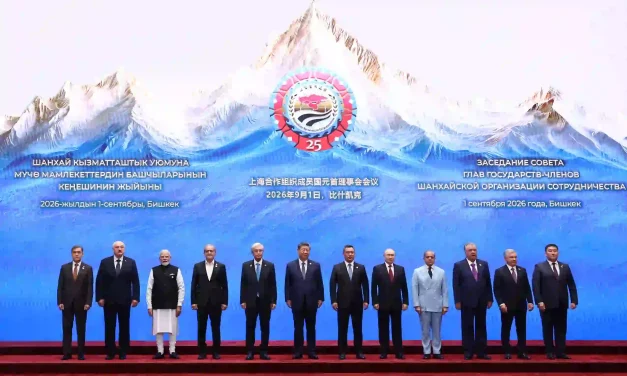
SCFR Online – Opinion: The Shanghai Cooperation Organization summit has created a new opportunity for Iran to transform its membership from a political achievement into economic and transit cooperation.
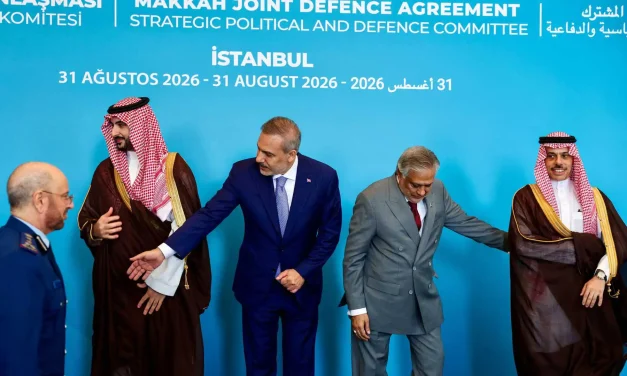
Strategic Council Online – Note: The Makkah Defense Pact can be seen as a sign of regional countries’ efforts to reduce security dependence on extra-regional powers and redefine the balance in West Asia.
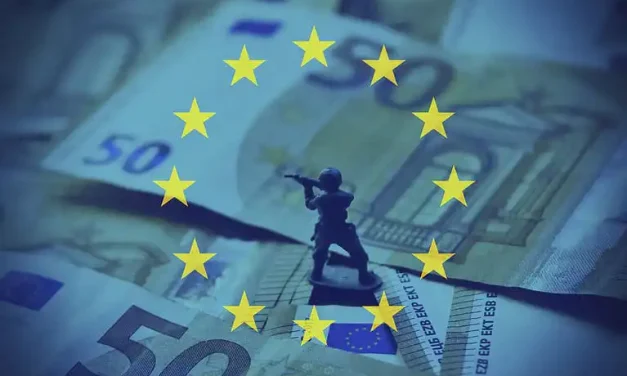
SCFR Online – Opinion: The Ukraine war, by exhausting US military capability on one hand and strengthening European defense capacity on the other, has altered the balance of power in the European continent, cast uncertainty over NATO’s future, and is driving it toward a European NATO.
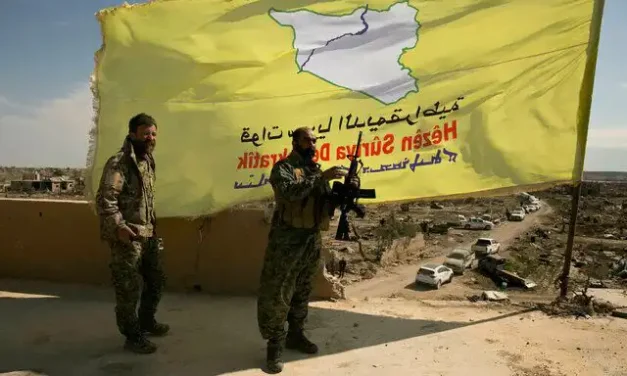
SCFR Online – Opinion: The dissolution of the SDF, although considered an achievement for Turkey’s security, does not put an end to the challenges arising from the Israeli regime’s aggression and expansionism, refugees, and Syria’s fragility.
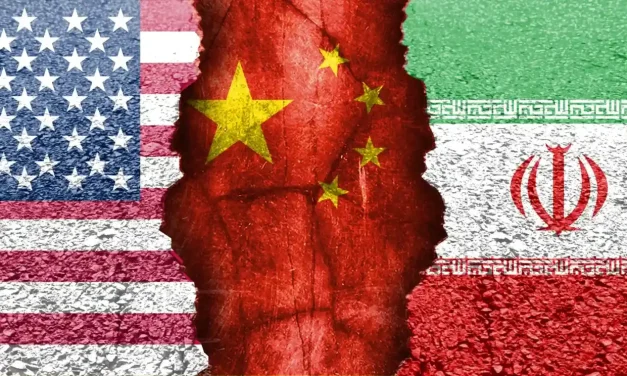
SCFR Online – Opinion: Concurrent with the official commencement of the United States’ economic war against our country, focusing on sanctions instruments, isolation, and economic pressure, what has now become increasingly important is the lack of alignment of other major global powers, especially China, with this policy.
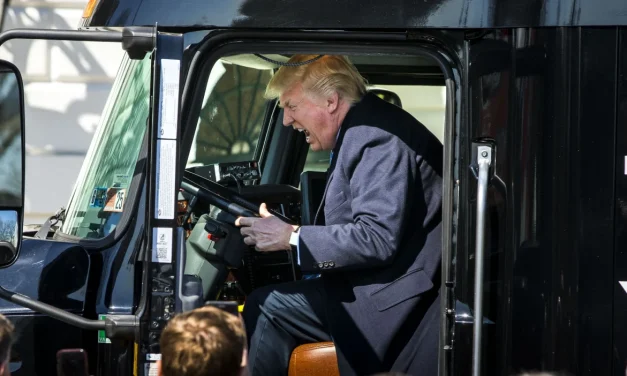
SCFR Online – Opinion: The new US sanctions against Iran, despite extensive propaganda, face serious obstacles to success due to the ineffectiveness of sanctions tools and opposition from some of Tehran’s trading partners.


Strategic Council Online—Opinion: Recently, the Turkish Minister of Commerce confirmed that Turkish customs have been completely closed to trade with the Zionist Regime. This news was met with many comments and questions, and one of the most important questions was why Turkey decided to take such a step, how serious it is in practice, and what will be its consequences on the relations between the parties.
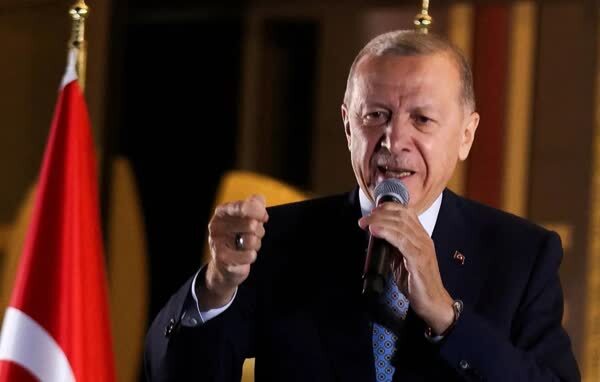
Strategic Council Online—Opinion: Recep Tayyip Erdogan, the President of Turkiye, on the same night that he won the second round of the presidential elections in May 2023, told the crowd of his supporters, “We love Istanbul, we started our journey to this city, and we will continue it.” At the same time, he wanted to take back the Istanbul Municipality from the rival and kept repeating that we will take back Istanbul. Erdogan referred to the Istanbul Municipality, which his party lost in 2019 elections of this metropolis and the economic capital of Turkiye, to his Republican opponent, Akram Imamoglu.
Siyamak Kakaee—Researcher of Turkiye affairs
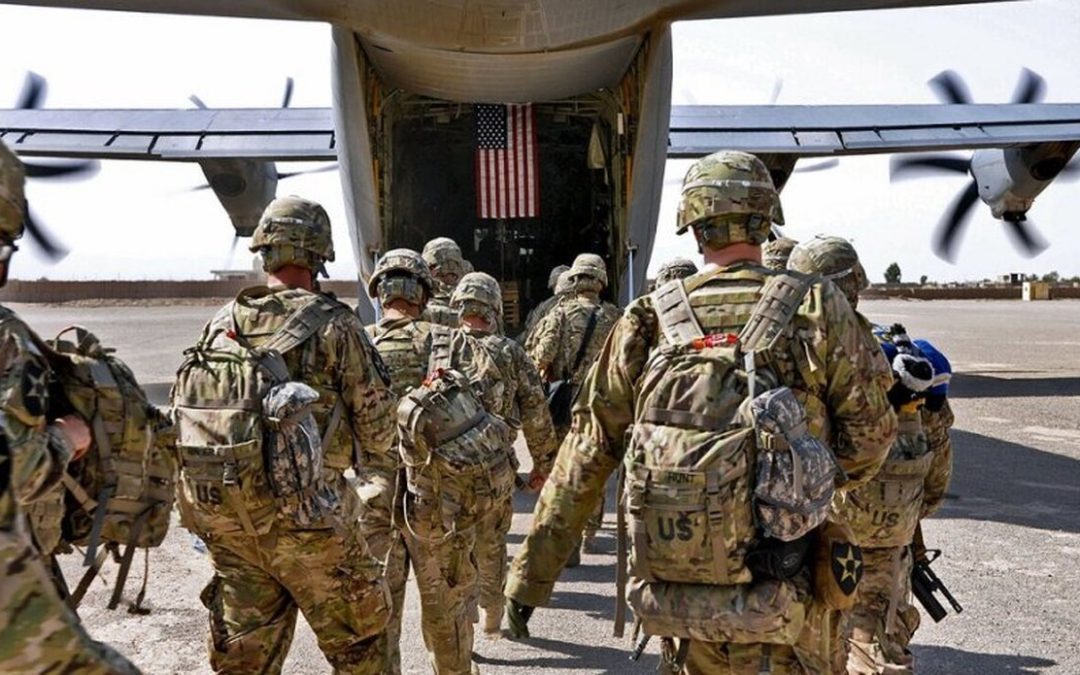
Strategic Council Online – Opinion: Although most currents, politicians and even ordinary people in Iraq call for withdrawal of American military forces from their country, there are sometimes differences of opinion regarding the time of this withdrawal. On the one hand, Mohammad Shia al-Sudani, the Prime Minister of Iraq, is very serious in demanding the withdrawal of American troops from Iraq. Still, he wants to achieve this goal through “negotiation and political deal”. On the other hand, the Iraqi Resistance groups want the Americans to leave this country as soon as possible. The American side is also talking about a military withdrawal from Iraq in the next three years.
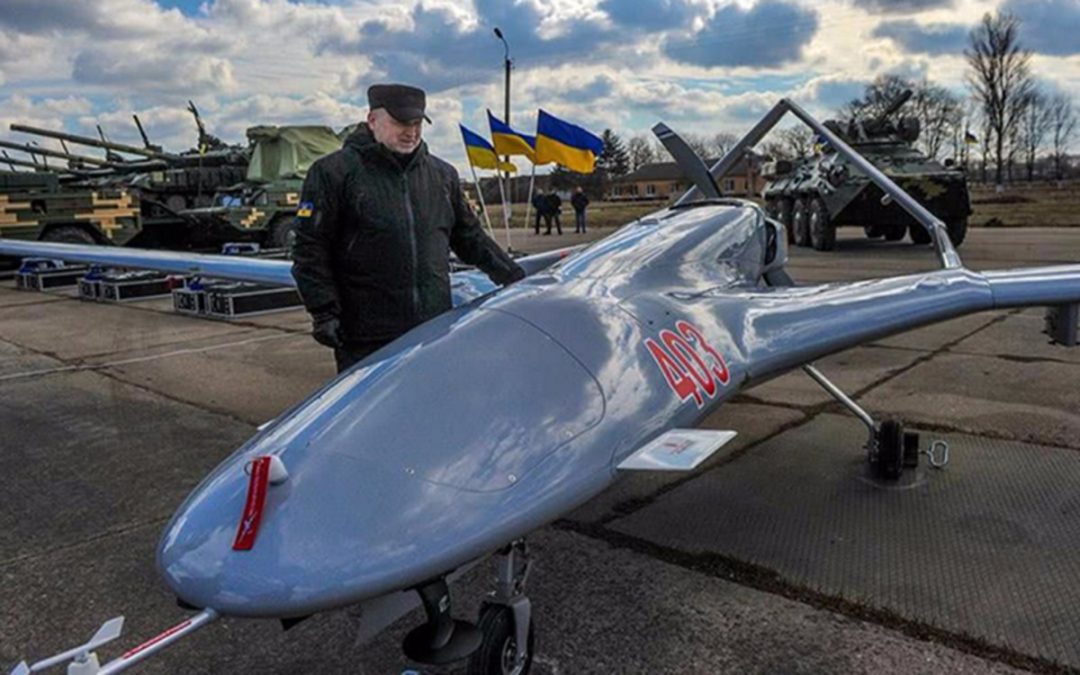
Strategic Council Online—Interview: A Turkish issues researcher said that Turkiye’s military cooperation with Ukraine, especially in the field of building unmanned aerial vehicles, is not a simple matter but based on a multifaceted policy that Turkiye has taken since the beginning of the war in Ukraine, Ankara is trying to maintain its role in creating regional and global balance by playing a role in the Ukraine crisis.

Strategic Council Online – Interview: An expert on Turkey affairs, commenting about the zigzag policies of Recep Tayyip Erdoğan’s government towards the Syrian government, said: Turkey’s president started great efforts to change his regional policies almost from the middle of 2022; efforts that were visible in the normalization of relations with the Zionist regime, Saudi Arabia and the UAE, and then the effort to normalize relations with Egypt. At the same time, recently there were murmurs about holding high-level talks between Turkey and Syria.

Strategic Council Online—Interview: An expert of Turkish issues says Turkey and Saudi Arabia, after one decade of severing relations, have once again talked about a new opening in their relations, adding that Erdogan’s visit to Saudi Arabia indicates review and a new era in Ankara-Riyadh relations.

Strategic Council Online—Interview: An expert of Iraq issues says with the passage of six months after the parliamentary elections in Iraq, the formation of the new Iraqi government remains ambiguous.

Strategic Council Online – Interview: An expert on Iraq affairs, commenting on why, despite the elapse of more than three months since the elections in Iraq, the task of important positions in that country such as the presidency and the prime minister has not been determined yet, said: The issue of the division of the main positions of the Iraqi government in this period has also been faced with a fundamental complexity.

Strategic Council Online – Interview: An expert on Turkey affairs, commenting on the recent efforts by Turkish President Recep Tayyip Erdogan to resolve the Ukraine crisis, said: As tensions between Russia and Ukraine increase, consultations were made in the form of mediation by some countries, including the Europeans, to reduce tensions between the two countries, and in the midst of such consultations, Turkey’s involvement in that issue was significant.

Strategic Council Online – Interview: An expert on Turkey affairs referring to the Saudi Arabia and Turkey relations that are moving closer after years of coldness and the fact that Ankara seeks to reduce its foreign policy concerns to zero and get out of its economic challenges said: A new era in Turkey’s Middle East policy has begun after a decade of tension and conflict. In the meantime, the nature and level of the return of Riyadh-Ankara relations to the former deep economic and political cooperation is very important for Erdogan.
SCFR Online – Opinion: The intensification of U.S. sanctions against Iran on the eve of the U.S. midterm elections indicates Washington’s inability to achieve its war objectives.
SCFR Online – Opinion: The competition between Washington and Beijing over chips and artificial intelligence, simultaneously with the shifting of technological balances, has taken on new economic and security dimensions.
SCFR Online – Opinion: The Shanghai Cooperation Organization summit has created a new opportunity for Iran to transform its membership from a political achievement into economic and transit cooperation.
Strategic Council Online – Note: The Makkah Defense Pact can be seen as a sign of regional countries’ efforts to reduce security dependence on extra-regional powers and redefine the balance in West Asia.
SCFR Online – Opinion: The Ukraine war, by exhausting US military capability on one hand and strengthening European defense capacity on the other, has altered the balance of power in the European continent, cast uncertainty over NATO’s future, and is driving it toward a European NATO.
SCFR Online – Opinion: The dissolution of the SDF, although considered an achievement for Turkey’s security, does not put an end to the challenges arising from the Israeli regime’s aggression and expansionism, refugees, and Syria’s fragility.
SCFR Online – Opinion: Concurrent with the official commencement of the United States’ economic war against our country, focusing on sanctions instruments, isolation, and economic pressure, what has now become increasingly important is the lack of alignment of other major global powers, especially China, with this policy.
SCFR Online – Opinion: The new US sanctions against Iran, despite extensive propaganda, face serious obstacles to success due to the ineffectiveness of sanctions tools and opposition from some of Tehran’s trading partners.
Strategic Council Online—Opinion: Recently, the Turkish Minister of Commerce confirmed that Turkish customs have been completely closed to trade with the Zionist Regime. This news was met with many comments and questions, and one of the most important questions was why Turkey decided to take such a step, how serious it is in practice, and what will be its consequences on the relations between the parties.
Strategic Council Online—Opinion: Recep Tayyip Erdogan, the President of Turkiye, on the same night that he won the second round of the presidential elections in May 2023, told the crowd of his supporters, “We love Istanbul, we started our journey to this city, and we will continue it.” At the same time, he wanted to take back the Istanbul Municipality from the rival and kept repeating that we will take back Istanbul. Erdogan referred to the Istanbul Municipality, which his party lost in 2019 elections of this metropolis and the economic capital of Turkiye, to his Republican opponent, Akram Imamoglu.
Siyamak Kakaee—Researcher of Turkiye affairs
Strategic Council Online – Opinion: Although most currents, politicians and even ordinary people in Iraq call for withdrawal of American military forces from their country, there are sometimes differences of opinion regarding the time of this withdrawal. On the one hand, Mohammad Shia al-Sudani, the Prime Minister of Iraq, is very serious in demanding the withdrawal of American troops from Iraq. Still, he wants to achieve this goal through “negotiation and political deal”. On the other hand, the Iraqi Resistance groups want the Americans to leave this country as soon as possible. The American side is also talking about a military withdrawal from Iraq in the next three years.
Strategic Council Online—Interview: A Turkish issues researcher said that Turkiye’s military cooperation with Ukraine, especially in the field of building unmanned aerial vehicles, is not a simple matter but based on a multifaceted policy that Turkiye has taken since the beginning of the war in Ukraine, Ankara is trying to maintain its role in creating regional and global balance by playing a role in the Ukraine crisis.
Strategic Council Online – Interview: An expert on Turkey affairs, commenting about the zigzag policies of Recep Tayyip Erdoğan’s government towards the Syrian government, said: Turkey’s president started great efforts to change his regional policies almost from the middle of 2022; efforts that were visible in the normalization of relations with the Zionist regime, Saudi Arabia and the UAE, and then the effort to normalize relations with Egypt. At the same time, recently there were murmurs about holding high-level talks between Turkey and Syria.
Strategic Council Online—Interview: An expert of Turkish issues says Turkey and Saudi Arabia, after one decade of severing relations, have once again talked about a new opening in their relations, adding that Erdogan’s visit to Saudi Arabia indicates review and a new era in Ankara-Riyadh relations.
Strategic Council Online—Interview: An expert of Iraq issues says with the passage of six months after the parliamentary elections in Iraq, the formation of the new Iraqi government remains ambiguous.
Strategic Council Online – Interview: An expert on Iraq affairs, commenting on why, despite the elapse of more than three months since the elections in Iraq, the task of important positions in that country such as the presidency and the prime minister has not been determined yet, said: The issue of the division of the main positions of the Iraqi government in this period has also been faced with a fundamental complexity.
Strategic Council Online – Interview: An expert on Turkey affairs, commenting on the recent efforts by Turkish President Recep Tayyip Erdogan to resolve the Ukraine crisis, said: As tensions between Russia and Ukraine increase, consultations were made in the form of mediation by some countries, including the Europeans, to reduce tensions between the two countries, and in the midst of such consultations, Turkey’s involvement in that issue was significant.
Strategic Council Online – Interview: An expert on Turkey affairs referring to the Saudi Arabia and Turkey relations that are moving closer after years of coldness and the fact that Ankara seeks to reduce its foreign policy concerns to zero and get out of its economic challenges said: A new era in Turkey’s Middle East policy has begun after a decade of tension and conflict. In the meantime, the nature and level of the return of Riyadh-Ankara relations to the former deep economic and political cooperation is very important for Erdogan.
Strategic Council Online—Opinion: Recently, the Turkish Minister of Commerce confirmed that Turkish customs have been completely closed to trade with the Zionist Regime. This news was met with many comments and questions, and one of the most important questions was why Turkey decided to take such a step, how serious it is in practice, and what will be its consequences on the relations between the parties.
Strategic Council Online—Opinion: Recep Tayyip Erdogan, the President of Turkiye, on the same night that he won the second round of the presidential elections in May 2023, told the crowd of his supporters, “We love Istanbul, we started our journey to this city, and we will continue it.” At the same time, he wanted to take back the Istanbul Municipality from the rival and kept repeating that we will take back Istanbul. Erdogan referred to the Istanbul Municipality, which his party lost in 2019 elections of this metropolis and the economic capital of Turkiye, to his Republican opponent, Akram Imamoglu.
Siyamak Kakaee—Researcher of Turkiye affairs
Strategic Council Online – Opinion: Although most currents, politicians and even ordinary people in Iraq call for withdrawal of American military forces from their country, there are sometimes differences of opinion regarding the time of this withdrawal. On the one hand, Mohammad Shia al-Sudani, the Prime Minister of Iraq, is very serious in demanding the withdrawal of American troops from Iraq. Still, he wants to achieve this goal through “negotiation and political deal”. On the other hand, the Iraqi Resistance groups want the Americans to leave this country as soon as possible. The American side is also talking about a military withdrawal from Iraq in the next three years.
Strategic Council Online—Interview: A Turkish issues researcher said that Turkiye’s military cooperation with Ukraine, especially in the field of building unmanned aerial vehicles, is not a simple matter but based on a multifaceted policy that Turkiye has taken since the beginning of the war in Ukraine, Ankara is trying to maintain its role in creating regional and global balance by playing a role in the Ukraine crisis.
Strategic Council Online – Interview: An expert on Turkey affairs, commenting about the zigzag policies of Recep Tayyip Erdoğan’s government towards the Syrian government, said: Turkey’s president started great efforts to change his regional policies almost from the middle of 2022; efforts that were visible in the normalization of relations with the Zionist regime, Saudi Arabia and the UAE, and then the effort to normalize relations with Egypt. At the same time, recently there were murmurs about holding high-level talks between Turkey and Syria.
Strategic Council Online—Interview: An expert of Turkish issues says Turkey and Saudi Arabia, after one decade of severing relations, have once again talked about a new opening in their relations, adding that Erdogan’s visit to Saudi Arabia indicates review and a new era in Ankara-Riyadh relations.
Strategic Council Online—Interview: An expert of Iraq issues says with the passage of six months after the parliamentary elections in Iraq, the formation of the new Iraqi government remains ambiguous.
Strategic Council Online – Interview: An expert on Iraq affairs, commenting on why, despite the elapse of more than three months since the elections in Iraq, the task of important positions in that country such as the presidency and the prime minister has not been determined yet, said: The issue of the division of the main positions of the Iraqi government in this period has also been faced with a fundamental complexity.
Strategic Council Online – Interview: An expert on Turkey affairs, commenting on the recent efforts by Turkish President Recep Tayyip Erdogan to resolve the Ukraine crisis, said: As tensions between Russia and Ukraine increase, consultations were made in the form of mediation by some countries, including the Europeans, to reduce tensions between the two countries, and in the midst of such consultations, Turkey’s involvement in that issue was significant.
Strategic Council Online – Interview: An expert on Turkey affairs referring to the Saudi Arabia and Turkey relations that are moving closer after years of coldness and the fact that Ankara seeks to reduce its foreign policy concerns to zero and get out of its economic challenges said: A new era in Turkey’s Middle East policy has begun after a decade of tension and conflict. In the meantime, the nature and level of the return of Riyadh-Ankara relations to the former deep economic and political cooperation is very important for Erdogan.
SCFR Online – Opinion: The intensification of U.S. sanctions against Iran on the eve of the U.S. midterm elections indicates Washington’s inability to achieve its war objectives.
SCFR Online – Opinion: The competition between Washington and Beijing over chips and artificial intelligence, simultaneously with the shifting of technological balances, has taken on new economic and security dimensions.
SCFR Online – Opinion: The Shanghai Cooperation Organization summit has created a new opportunity for Iran to transform its membership from a political achievement into economic and transit cooperation.
Strategic Council Online – Note: The Makkah Defense Pact can be seen as a sign of regional countries’ efforts to reduce security dependence on extra-regional powers and redefine the balance in West Asia.
SCFR Online – Opinion: The Ukraine war, by exhausting US military capability on one hand and strengthening European defense capacity on the other, has altered the balance of power in the European continent, cast uncertainty over NATO’s future, and is driving it toward a European NATO.
SCFR Online – Opinion: The dissolution of the SDF, although considered an achievement for Turkey’s security, does not put an end to the challenges arising from the Israeli regime’s aggression and expansionism, refugees, and Syria’s fragility.
SCFR Online – Opinion: Concurrent with the official commencement of the United States’ economic war against our country, focusing on sanctions instruments, isolation, and economic pressure, what has now become increasingly important is the lack of alignment of other major global powers, especially China, with this policy.
SCFR Online – Opinion: The new US sanctions against Iran, despite extensive propaganda, face serious obstacles to success due to the ineffectiveness of sanctions tools and opposition from some of Tehran’s trading partners.
Strategic Council Online—Opinion: Recently, the Turkish Minister of Commerce confirmed that Turkish customs have been completely closed to trade with the Zionist Regime. This news was met with many comments and questions, and one of the most important questions was why Turkey decided to take such a step, how serious it is in practice, and what will be its consequences on the relations between the parties.
Strategic Council Online—Opinion: Recep Tayyip Erdogan, the President of Turkiye, on the same night that he won the second round of the presidential elections in May 2023, told the crowd of his supporters, “We love Istanbul, we started our journey to this city, and we will continue it.” At the same time, he wanted to take back the Istanbul Municipality from the rival and kept repeating that we will take back Istanbul. Erdogan referred to the Istanbul Municipality, which his party lost in 2019 elections of this metropolis and the economic capital of Turkiye, to his Republican opponent, Akram Imamoglu.
Siyamak Kakaee—Researcher of Turkiye affairs
Strategic Council Online – Opinion: Although most currents, politicians and even ordinary people in Iraq call for withdrawal of American military forces from their country, there are sometimes differences of opinion regarding the time of this withdrawal. On the one hand, Mohammad Shia al-Sudani, the Prime Minister of Iraq, is very serious in demanding the withdrawal of American troops from Iraq. Still, he wants to achieve this goal through “negotiation and political deal”. On the other hand, the Iraqi Resistance groups want the Americans to leave this country as soon as possible. The American side is also talking about a military withdrawal from Iraq in the next three years.
Strategic Council Online—Interview: A Turkish issues researcher said that Turkiye’s military cooperation with Ukraine, especially in the field of building unmanned aerial vehicles, is not a simple matter but based on a multifaceted policy that Turkiye has taken since the beginning of the war in Ukraine, Ankara is trying to maintain its role in creating regional and global balance by playing a role in the Ukraine crisis.
Strategic Council Online – Interview: An expert on Turkey affairs, commenting about the zigzag policies of Recep Tayyip Erdoğan’s government towards the Syrian government, said: Turkey’s president started great efforts to change his regional policies almost from the middle of 2022; efforts that were visible in the normalization of relations with the Zionist regime, Saudi Arabia and the UAE, and then the effort to normalize relations with Egypt. At the same time, recently there were murmurs about holding high-level talks between Turkey and Syria.
Strategic Council Online—Interview: An expert of Turkish issues says Turkey and Saudi Arabia, after one decade of severing relations, have once again talked about a new opening in their relations, adding that Erdogan’s visit to Saudi Arabia indicates review and a new era in Ankara-Riyadh relations.
Strategic Council Online—Interview: An expert of Iraq issues says with the passage of six months after the parliamentary elections in Iraq, the formation of the new Iraqi government remains ambiguous.
Strategic Council Online – Interview: An expert on Iraq affairs, commenting on why, despite the elapse of more than three months since the elections in Iraq, the task of important positions in that country such as the presidency and the prime minister has not been determined yet, said: The issue of the division of the main positions of the Iraqi government in this period has also been faced with a fundamental complexity.
Strategic Council Online – Interview: An expert on Turkey affairs, commenting on the recent efforts by Turkish President Recep Tayyip Erdogan to resolve the Ukraine crisis, said: As tensions between Russia and Ukraine increase, consultations were made in the form of mediation by some countries, including the Europeans, to reduce tensions between the two countries, and in the midst of such consultations, Turkey’s involvement in that issue was significant.
Strategic Council Online – Interview: An expert on Turkey affairs referring to the Saudi Arabia and Turkey relations that are moving closer after years of coldness and the fact that Ankara seeks to reduce its foreign policy concerns to zero and get out of its economic challenges said: A new era in Turkey’s Middle East policy has begun after a decade of tension and conflict. In the meantime, the nature and level of the return of Riyadh-Ankara relations to the former deep economic and political cooperation is very important for Erdogan.
SCFR Online – Opinion: The intensification of U.S. sanctions against Iran on the eve of the U.S. midterm elections indicates Washington’s inability to achieve its war objectives.
SCFR Online – Opinion: The competition between Washington and Beijing over chips and artificial intelligence, simultaneously with the shifting of technological balances, has taken on new economic and security dimensions.
SCFR Online – Opinion: The Shanghai Cooperation Organization summit has created a new opportunity for Iran to transform its membership from a political achievement into economic and transit cooperation.
Strategic Council Online – Note: The Makkah Defense Pact can be seen as a sign of regional countries’ efforts to reduce security dependence on extra-regional powers and redefine the balance in West Asia.
SCFR Online – Opinion: The Ukraine war, by exhausting US military capability on one hand and strengthening European defense capacity on the other, has altered the balance of power in the European continent, cast uncertainty over NATO’s future, and is driving it toward a European NATO.
SCFR Online – Opinion: The dissolution of the SDF, although considered an achievement for Turkey’s security, does not put an end to the challenges arising from the Israeli regime’s aggression and expansionism, refugees, and Syria’s fragility.
SCFR Online – Opinion: Concurrent with the official commencement of the United States’ economic war against our country, focusing on sanctions instruments, isolation, and economic pressure, what has now become increasingly important is the lack of alignment of other major global powers, especially China, with this policy.
SCFR Online – Opinion: The new US sanctions against Iran, despite extensive propaganda, face serious obstacles to success due to the ineffectiveness of sanctions tools and opposition from some of Tehran’s trading partners.
Strategic Council Online—Opinion: Recently, the Turkish Minister of Commerce confirmed that Turkish customs have been completely closed to trade with the Zionist Regime. This news was met with many comments and questions, and one of the most important questions was why Turkey decided to take such a step, how serious it is in practice, and what will be its consequences on the relations between the parties.
Strategic Council Online—Opinion: Recep Tayyip Erdogan, the President of Turkiye, on the same night that he won the second round of the presidential elections in May 2023, told the crowd of his supporters, “We love Istanbul, we started our journey to this city, and we will continue it.” At the same time, he wanted to take back the Istanbul Municipality from the rival and kept repeating that we will take back Istanbul. Erdogan referred to the Istanbul Municipality, which his party lost in 2019 elections of this metropolis and the economic capital of Turkiye, to his Republican opponent, Akram Imamoglu.
Siyamak Kakaee—Researcher of Turkiye affairs
Strategic Council Online – Opinion: Although most currents, politicians and even ordinary people in Iraq call for withdrawal of American military forces from their country, there are sometimes differences of opinion regarding the time of this withdrawal. On the one hand, Mohammad Shia al-Sudani, the Prime Minister of Iraq, is very serious in demanding the withdrawal of American troops from Iraq. Still, he wants to achieve this goal through “negotiation and political deal”. On the other hand, the Iraqi Resistance groups want the Americans to leave this country as soon as possible. The American side is also talking about a military withdrawal from Iraq in the next three years.
Strategic Council Online—Interview: A Turkish issues researcher said that Turkiye’s military cooperation with Ukraine, especially in the field of building unmanned aerial vehicles, is not a simple matter but based on a multifaceted policy that Turkiye has taken since the beginning of the war in Ukraine, Ankara is trying to maintain its role in creating regional and global balance by playing a role in the Ukraine crisis.
Strategic Council Online – Interview: An expert on Turkey affairs, commenting about the zigzag policies of Recep Tayyip Erdoğan’s government towards the Syrian government, said: Turkey’s president started great efforts to change his regional policies almost from the middle of 2022; efforts that were visible in the normalization of relations with the Zionist regime, Saudi Arabia and the UAE, and then the effort to normalize relations with Egypt. At the same time, recently there were murmurs about holding high-level talks between Turkey and Syria.
Strategic Council Online—Interview: An expert of Turkish issues says Turkey and Saudi Arabia, after one decade of severing relations, have once again talked about a new opening in their relations, adding that Erdogan’s visit to Saudi Arabia indicates review and a new era in Ankara-Riyadh relations.
Strategic Council Online—Interview: An expert of Iraq issues says with the passage of six months after the parliamentary elections in Iraq, the formation of the new Iraqi government remains ambiguous.
Strategic Council Online – Interview: An expert on Iraq affairs, commenting on why, despite the elapse of more than three months since the elections in Iraq, the task of important positions in that country such as the presidency and the prime minister has not been determined yet, said: The issue of the division of the main positions of the Iraqi government in this period has also been faced with a fundamental complexity.
Strategic Council Online – Interview: An expert on Turkey affairs, commenting on the recent efforts by Turkish President Recep Tayyip Erdogan to resolve the Ukraine crisis, said: As tensions between Russia and Ukraine increase, consultations were made in the form of mediation by some countries, including the Europeans, to reduce tensions between the two countries, and in the midst of such consultations, Turkey’s involvement in that issue was significant.
Strategic Council Online – Interview: An expert on Turkey affairs referring to the Saudi Arabia and Turkey relations that are moving closer after years of coldness and the fact that Ankara seeks to reduce its foreign policy concerns to zero and get out of its economic challenges said: A new era in Turkey’s Middle East policy has begun after a decade of tension and conflict. In the meantime, the nature and level of the return of Riyadh-Ankara relations to the former deep economic and political cooperation is very important for Erdogan.
SCFR Online – Opinion: The intensification of U.S. sanctions against Iran on the eve of the U.S. midterm elections indicates Washington’s inability to achieve its war objectives.
SCFR Online – Opinion: The competition between Washington and Beijing over chips and artificial intelligence, simultaneously with the shifting of technological balances, has taken on new economic and security dimensions.
SCFR Online – Opinion: The Shanghai Cooperation Organization summit has created a new opportunity for Iran to transform its membership from a political achievement into economic and transit cooperation.
Strategic Council Online – Note: The Makkah Defense Pact can be seen as a sign of regional countries’ efforts to reduce security dependence on extra-regional powers and redefine the balance in West Asia.
SCFR Online – Opinion: The Ukraine war, by exhausting US military capability on one hand and strengthening European defense capacity on the other, has altered the balance of power in the European continent, cast uncertainty over NATO’s future, and is driving it toward a European NATO.
SCFR Online – Opinion: The dissolution of the SDF, although considered an achievement for Turkey’s security, does not put an end to the challenges arising from the Israeli regime’s aggression and expansionism, refugees, and Syria’s fragility.
SCFR Online – Opinion: Concurrent with the official commencement of the United States’ economic war against our country, focusing on sanctions instruments, isolation, and economic pressure, what has now become increasingly important is the lack of alignment of other major global powers, especially China, with this policy.
SCFR Online – Opinion: The new US sanctions against Iran, despite extensive propaganda, face serious obstacles to success due to the ineffectiveness of sanctions tools and opposition from some of Tehran’s trading partners.
Strategic Council Online—Opinion: Recently, the Turkish Minister of Commerce confirmed that Turkish customs have been completely closed to trade with the Zionist Regime. This news was met with many comments and questions, and one of the most important questions was why Turkey decided to take such a step, how serious it is in practice, and what will be its consequences on the relations between the parties.
Strategic Council Online—Opinion: Recep Tayyip Erdogan, the President of Turkiye, on the same night that he won the second round of the presidential elections in May 2023, told the crowd of his supporters, “We love Istanbul, we started our journey to this city, and we will continue it.” At the same time, he wanted to take back the Istanbul Municipality from the rival and kept repeating that we will take back Istanbul. Erdogan referred to the Istanbul Municipality, which his party lost in 2019 elections of this metropolis and the economic capital of Turkiye, to his Republican opponent, Akram Imamoglu.
Siyamak Kakaee—Researcher of Turkiye affairs
Strategic Council Online – Opinion: Although most currents, politicians and even ordinary people in Iraq call for withdrawal of American military forces from their country, there are sometimes differences of opinion regarding the time of this withdrawal. On the one hand, Mohammad Shia al-Sudani, the Prime Minister of Iraq, is very serious in demanding the withdrawal of American troops from Iraq. Still, he wants to achieve this goal through “negotiation and political deal”. On the other hand, the Iraqi Resistance groups want the Americans to leave this country as soon as possible. The American side is also talking about a military withdrawal from Iraq in the next three years.
Strategic Council Online—Interview: A Turkish issues researcher said that Turkiye’s military cooperation with Ukraine, especially in the field of building unmanned aerial vehicles, is not a simple matter but based on a multifaceted policy that Turkiye has taken since the beginning of the war in Ukraine, Ankara is trying to maintain its role in creating regional and global balance by playing a role in the Ukraine crisis.
Strategic Council Online – Interview: An expert on Turkey affairs, commenting about the zigzag policies of Recep Tayyip Erdoğan’s government towards the Syrian government, said: Turkey’s president started great efforts to change his regional policies almost from the middle of 2022; efforts that were visible in the normalization of relations with the Zionist regime, Saudi Arabia and the UAE, and then the effort to normalize relations with Egypt. At the same time, recently there were murmurs about holding high-level talks between Turkey and Syria.
Strategic Council Online—Interview: An expert of Turkish issues says Turkey and Saudi Arabia, after one decade of severing relations, have once again talked about a new opening in their relations, adding that Erdogan’s visit to Saudi Arabia indicates review and a new era in Ankara-Riyadh relations.
Strategic Council Online—Interview: An expert of Iraq issues says with the passage of six months after the parliamentary elections in Iraq, the formation of the new Iraqi government remains ambiguous.
Strategic Council Online – Interview: An expert on Iraq affairs, commenting on why, despite the elapse of more than three months since the elections in Iraq, the task of important positions in that country such as the presidency and the prime minister has not been determined yet, said: The issue of the division of the main positions of the Iraqi government in this period has also been faced with a fundamental complexity.
Strategic Council Online – Interview: An expert on Turkey affairs, commenting on the recent efforts by Turkish President Recep Tayyip Erdogan to resolve the Ukraine crisis, said: As tensions between Russia and Ukraine increase, consultations were made in the form of mediation by some countries, including the Europeans, to reduce tensions between the two countries, and in the midst of such consultations, Turkey’s involvement in that issue was significant.
Strategic Council Online – Interview: An expert on Turkey affairs referring to the Saudi Arabia and Turkey relations that are moving closer after years of coldness and the fact that Ankara seeks to reduce its foreign policy concerns to zero and get out of its economic challenges said: A new era in Turkey’s Middle East policy has begun after a decade of tension and conflict. In the meantime, the nature and level of the return of Riyadh-Ankara relations to the former deep economic and political cooperation is very important for Erdogan.
SCFR Online – Opinion: The intensification of U.S. sanctions against Iran on the eve of the U.S. midterm elections indicates Washington’s inability to achieve its war objectives.
SCFR Online – Opinion: The competition between Washington and Beijing over chips and artificial intelligence, simultaneously with the shifting of technological balances, has taken on new economic and security dimensions.
SCFR Online – Opinion: The Shanghai Cooperation Organization summit has created a new opportunity for Iran to transform its membership from a political achievement into economic and transit cooperation.
Strategic Council Online – Note: The Makkah Defense Pact can be seen as a sign of regional countries’ efforts to reduce security dependence on extra-regional powers and redefine the balance in West Asia.
SCFR Online – Opinion: The Ukraine war, by exhausting US military capability on one hand and strengthening European defense capacity on the other, has altered the balance of power in the European continent, cast uncertainty over NATO’s future, and is driving it toward a European NATO.
SCFR Online – Opinion: The dissolution of the SDF, although considered an achievement for Turkey’s security, does not put an end to the challenges arising from the Israeli regime’s aggression and expansionism, refugees, and Syria’s fragility.
SCFR Online – Opinion: Concurrent with the official commencement of the United States’ economic war against our country, focusing on sanctions instruments, isolation, and economic pressure, what has now become increasingly important is the lack of alignment of other major global powers, especially China, with this policy.
SCFR Online – Opinion: The new US sanctions against Iran, despite extensive propaganda, face serious obstacles to success due to the ineffectiveness of sanctions tools and opposition from some of Tehran’s trading partners.
Strategic Council Online—Opinion: Recently, the Turkish Minister of Commerce confirmed that Turkish customs have been completely closed to trade with the Zionist Regime. This news was met with many comments and questions, and one of the most important questions was why Turkey decided to take such a step, how serious it is in practice, and what will be its consequences on the relations between the parties.
Strategic Council Online—Opinion: Recep Tayyip Erdogan, the President of Turkiye, on the same night that he won the second round of the presidential elections in May 2023, told the crowd of his supporters, “We love Istanbul, we started our journey to this city, and we will continue it.” At the same time, he wanted to take back the Istanbul Municipality from the rival and kept repeating that we will take back Istanbul. Erdogan referred to the Istanbul Municipality, which his party lost in 2019 elections of this metropolis and the economic capital of Turkiye, to his Republican opponent, Akram Imamoglu.
Siyamak Kakaee—Researcher of Turkiye affairs
Strategic Council Online – Opinion: Although most currents, politicians and even ordinary people in Iraq call for withdrawal of American military forces from their country, there are sometimes differences of opinion regarding the time of this withdrawal. On the one hand, Mohammad Shia al-Sudani, the Prime Minister of Iraq, is very serious in demanding the withdrawal of American troops from Iraq. Still, he wants to achieve this goal through “negotiation and political deal”. On the other hand, the Iraqi Resistance groups want the Americans to leave this country as soon as possible. The American side is also talking about a military withdrawal from Iraq in the next three years.
Strategic Council Online—Interview: A Turkish issues researcher said that Turkiye’s military cooperation with Ukraine, especially in the field of building unmanned aerial vehicles, is not a simple matter but based on a multifaceted policy that Turkiye has taken since the beginning of the war in Ukraine, Ankara is trying to maintain its role in creating regional and global balance by playing a role in the Ukraine crisis.
Strategic Council Online – Interview: An expert on Turkey affairs, commenting about the zigzag policies of Recep Tayyip Erdoğan’s government towards the Syrian government, said: Turkey’s president started great efforts to change his regional policies almost from the middle of 2022; efforts that were visible in the normalization of relations with the Zionist regime, Saudi Arabia and the UAE, and then the effort to normalize relations with Egypt. At the same time, recently there were murmurs about holding high-level talks between Turkey and Syria.
Strategic Council Online—Interview: An expert of Turkish issues says Turkey and Saudi Arabia, after one decade of severing relations, have once again talked about a new opening in their relations, adding that Erdogan’s visit to Saudi Arabia indicates review and a new era in Ankara-Riyadh relations.
Strategic Council Online—Interview: An expert of Iraq issues says with the passage of six months after the parliamentary elections in Iraq, the formation of the new Iraqi government remains ambiguous.
Strategic Council Online – Interview: An expert on Iraq affairs, commenting on why, despite the elapse of more than three months since the elections in Iraq, the task of important positions in that country such as the presidency and the prime minister has not been determined yet, said: The issue of the division of the main positions of the Iraqi government in this period has also been faced with a fundamental complexity.
Strategic Council Online – Interview: An expert on Turkey affairs, commenting on the recent efforts by Turkish President Recep Tayyip Erdogan to resolve the Ukraine crisis, said: As tensions between Russia and Ukraine increase, consultations were made in the form of mediation by some countries, including the Europeans, to reduce tensions between the two countries, and in the midst of such consultations, Turkey’s involvement in that issue was significant.
Strategic Council Online – Interview: An expert on Turkey affairs referring to the Saudi Arabia and Turkey relations that are moving closer after years of coldness and the fact that Ankara seeks to reduce its foreign policy concerns to zero and get out of its economic challenges said: A new era in Turkey’s Middle East policy has begun after a decade of tension and conflict. In the meantime, the nature and level of the return of Riyadh-Ankara relations to the former deep economic and political cooperation is very important for Erdogan.
SCFR Online – Opinion: The intensification of U.S. sanctions against Iran on the eve of the U.S. midterm elections indicates Washington’s inability to achieve its war objectives.
SCFR Online – Opinion: The competition between Washington and Beijing over chips and artificial intelligence, simultaneously with the shifting of technological balances, has taken on new economic and security dimensions.
SCFR Online – Opinion: The Shanghai Cooperation Organization summit has created a new opportunity for Iran to transform its membership from a political achievement into economic and transit cooperation.
Strategic Council Online – Note: The Makkah Defense Pact can be seen as a sign of regional countries’ efforts to reduce security dependence on extra-regional powers and redefine the balance in West Asia.
SCFR Online – Opinion: The Ukraine war, by exhausting US military capability on one hand and strengthening European defense capacity on the other, has altered the balance of power in the European continent, cast uncertainty over NATO’s future, and is driving it toward a European NATO.
SCFR Online – Opinion: The dissolution of the SDF, although considered an achievement for Turkey’s security, does not put an end to the challenges arising from the Israeli regime’s aggression and expansionism, refugees, and Syria’s fragility.
SCFR Online – Opinion: Concurrent with the official commencement of the United States’ economic war against our country, focusing on sanctions instruments, isolation, and economic pressure, what has now become increasingly important is the lack of alignment of other major global powers, especially China, with this policy.
SCFR Online – Opinion: The new US sanctions against Iran, despite extensive propaganda, face serious obstacles to success due to the ineffectiveness of sanctions tools and opposition from some of Tehran’s trading partners.