Analysis of Ankara’s Policy towards Damascus, Importance of Turkey’s Military Withdrawal from Syria

Strategic Council Online - Interview: An expert on Syria affairs, stating that Turkey’s approach to northern Syria can still make Syria face many security challenges and will have wide-ranging consequences in Syria and the region, noted: It seems that after Bashar Assad’s opposition and announcement of his conditions and with the end of the Turkish presidential elections, Ankara’s position against Syria has become more inflexible.

In an interview with the website of the Strategic Council on Foreign Relations, Mostafa Najafi, referring to the statements of Recep Tayyip Erdogan regarding the fact that Turkey wants to meet with Bashar Assad but will not withdraw its military forces from northern Syria, clarified: Before the Turkish presidential elections the Turks and Mr. Erdogan personally tried hard to restore relations with Syria at every level to cover up the negative consequences of Ankara’s strategy towards the developments in Syria, as well as the implications of the widespread presence of Syrian immigrants in Turkey, to use this step in the presidential campaign of Mr. Erdogan.

Recalling that Bashar Assad opposed the meeting with Erdogan for various reasons, including being informed of Erdogan’s personal exploitation of the situation, Turkey’s tactical view on the restoration of relations and the meeting of the presidents of the two countries, as well as non-acceptance of the Syrian government’s conditions by Ankara, he said: It seems that after Bashar Assad’s opposition and the announcement of his conditions, and with the end of the Turkish presidential elections, Ankara’s position has become more inflexible. The recent statements of Mr. Erdogan, in which he emphasized that Turkey will not withdraw from northern Syria, are also evaluated in line with the toughening of Turkey’s positions.

The analyst of Syria affairs continued: Although Syria has a strategic and urgent need to restore relations with all countries, especially its neighbors and Turkey, the main condition of Syria is that any restoration of ties depends on the withdrawal of Turkish occupying forces from the northern regions of Syria. But unfortunately, the Turkish government and Mr. Erdogan personally have not accepted such a condition so far, and it seems unlikely that Bashar Assad wants to solve the problems of his government or get out of isolation in a way that would endanger the territorial integrity of Syria.

Najafi stressed: If Syria wants to restore relations with Turkey by taking this privilege from Turkey and the Turks do not withdraw their forces from northern Syria, it means recognizing Turkey’s military presence in northern Syria.

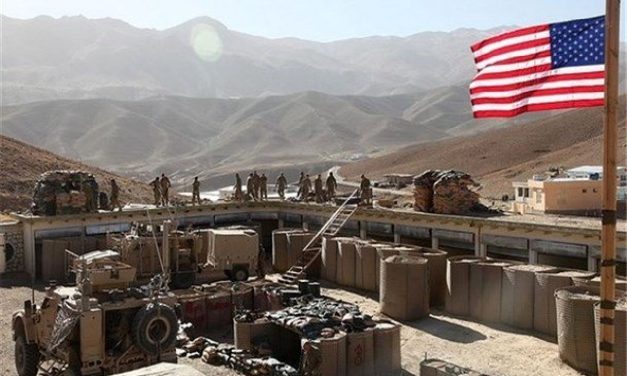
While explaining the consequences of Turkey’s continued military presence in northern Syria, he said: Turkey has established more than a hundred military bases in the north and dominates important crossings in that region. They are unwilling to stop supporting the terrorist groups in those areas or retreat. This military occupation has had many security-political consequences for the Syrian government. Now, Idlib is the only area in northern Syria that remains in the hands of the opposition and terrorist groups. Turkey supports those groups, and their presence has continued and intensified instability.

The analyst of Syria affairs emphasized that Turkey’s approach towards northern Syria is destabilizing and can continue to cause Syria many security challenges. In the current situation, such challenges and the continuation of the military presence will have wide consequences in Syria and the region. The Syrian government and army have managed to regain control over Syria’s entire security and field environment. Still, in the Idlib region, this control has not been possible due to Turkey’s intervention. In addition, the issue of Syrian refugees is also an essential point for the region. Syria must be able to create a basis for the return of refugees, rebuild infrastructure, and sustainably provide education, health, and water for its people.

Najafi stated: It does not seem that Assad will meet with Erdogan before the departure of Turkish military forces. The political negotiations between the two countries may continue, but restoring relations and returning to the relations before 2011 will not be realized.

The expert on Syria affairs, emphasizing that Turkey’s military presence in northern Syria is a playing card in the hands of the Turkish government, which goes beyond Ankara’s relations with Damascus, explained: Turkey has many benefits from its presence in northern Syria, and in these years, it has played several games against Russia and the US with this regional card. Even now, the Russians cannot put much pressure on Ankara to withdraw their military forces due to their considerations in relations with Turkey in the post-war situation of Ukraine. The Syrian government alone cannot provide the necessary leverage for Turkey’s withdrawal from northern Syria.

Najafi pointed to the efforts of Iran and Russia to hold the second quadrilateral meeting with the presence of Turkey and Syria in the coming days and said: Such meetings are primarily aimed at reducing or managing tensions and conflicts in northern Syria, and so far, the meetings in Astana and Sochi are mostly held in cases which have created tension or intensified it. The Turkish Foreign Minister stated that a road map and a set of measures were agreed upon at the Moscow meeting, and based on them, Turkey is looking at the conditions put forward by the Assad government.

While referring to Turkey’s expectations of receiving concessions from Russia and Syria, he stated: On the eve of Moscow’s quadrilateral meeting on Syria, Turkey sent a large military convoy, including military, support and armored equipment, tanks, and rocket launchers, to its bases in the past days in the Jabal al-Zawiyah area, in the south of Idlib and the contact lines with the Syrian army. In this situation, the Syrian government will try to put the necessary pressure on the Turkish government by using the opportunity to restore relations with the Arab League and Arab governments. We are witnessing Jordan’s efforts to advance the “step by step” strategy.

The analyst of international affairs explained the reasons for the importance of Turkey’s relations with Arab countries in the economic and political fields, as well as the necessity of the withdrawal of Turkish military forces from Syria in this regard, and reminded: Communication highways between the Arab countries and Turkey play an essential role for both sides. The opening of the M-5 highway, which connects Syria to Jordan, depends on its total control by the Syrian government and its connection to the Turkish border. The opening of this highway along with the M-4 highway, which connected Turkey to the Persian Gulf countries before the Syrian crisis, is considered part of the gradual process of Turkey’s withdrawal from Syria and is also of great advantage for Jordan.
0 Comments

LATEST CONTENT

Commercial Exploitation of Peace; The Gaza Committee in Confrontation with International Legitimacy

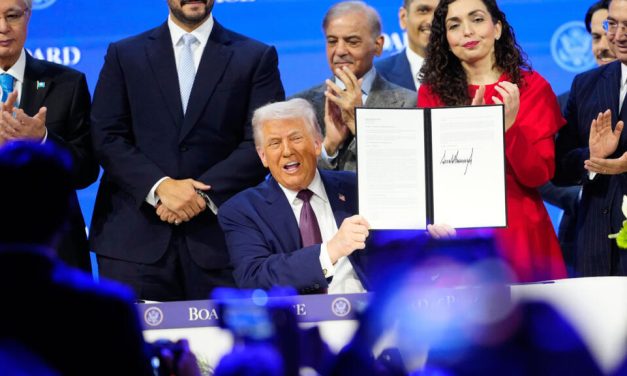
Strategic Council Online – Report: While the second phase of the implementation of the Gaza ceasefire has begun, the establishment of the “Peace Board” chaired by Donald Trump on the sidelines of the Davos meeting (22 January 2026) has become more than a technical mechanism for reconstruction and has turned into a test for the future of the international order.
Despite the signing of the charter by 22 out of 60 invited countries, the limited presence of global leaders at the Davos ceremony and the non-acceptance of this body by the European Union and key Western countries indicate a deep divide in global perceptions of the legitimacy of this mechanism.
In this report, drawing on the analysis of Hadi Borhani, a regional affairs expert, and international data, three strategic questions are addressed: Is the Peace Board an instrument for implementing UN Security Council Resolution 2803 or a substitute for the United Nations? How does the hierarchical architecture of this committee intensify executive challenges in Gaza? And finally, can this body create sustainable peace without the cooperation of Palestinians and with the concentration of power in the hands of a single individual?

America’s Zero-Sum Game in Iraq

Online Strategic Council – Memoir: The swift selection of Nouri al-Maliki for the premiership constitutes a new phase in Iraq’s political sphere. Multiple factors have played a role in this process, the most important being the prevailing situation in Iraq and the region. Under such circumstances, Iraq requires a powerful and experienced prime minister who can keep the country away from the dangers of wars and crises.

America’s Strategy for Creating Tension in the Asia-Pacific

Strategic Council Online – Opinion: Relations between some countries in the Asia-Pacific region, such as China and Japan or China and Australia, which were previously relatively normal, are trending towards deterioration, and the primary reason for this is the aggressive policies of the United States of America.

The Collapse of the European Security Illusion with the Continuation of the Ukraine War?

Strategic Council Online – Interview: The Ukraine war has become a new turning point in the political, security, and even commercial relations of allies on both sides of the Atlantic. While this war is nearing its fourth year, many questions still remain regarding its future and its consequences; among them, will the continuation of the Ukraine war lead to the collapse of the European security illusion?

Loading

Últimas publicaciones

Commercial Exploitation of Peace; The Gaza Committee in Confrontation with International Legitimacy

Strategic Council Online – Report: While the second phase of the implementation of the Gaza ceasefire has begun, the establishment of the “Peace Board” chaired by Donald Trump on the sidelines of the Davos meeting (22 January 2026) has become more than a technical mechanism for reconstruction and has turned into a test for the future of the international order.
Despite the signing of the charter by 22 out of 60 invited countries, the limited presence of global leaders at the Davos ceremony and the non-acceptance of this body by the European Union and key Western countries indicate a deep divide in global perceptions of the legitimacy of this mechanism.
In this report, drawing on the analysis of Hadi Borhani, a regional affairs expert, and international data, three strategic questions are addressed: Is the Peace Board an instrument for implementing UN Security Council Resolution 2803 or a substitute for the United Nations? How does the hierarchical architecture of this committee intensify executive challenges in Gaza? And finally, can this body create sustainable peace without the cooperation of Palestinians and with the concentration of power in the hands of a single individual?

America’s Zero-Sum Game in Iraq

Online Strategic Council – Memoir: The swift selection of Nouri al-Maliki for the premiership constitutes a new phase in Iraq’s political sphere. Multiple factors have played a role in this process, the most important being the prevailing situation in Iraq and the region. Under such circumstances, Iraq requires a powerful and experienced prime minister who can keep the country away from the dangers of wars and crises.

America’s Strategy for Creating Tension in the Asia-Pacific

Strategic Council Online – Opinion: Relations between some countries in the Asia-Pacific region, such as China and Japan or China and Australia, which were previously relatively normal, are trending towards deterioration, and the primary reason for this is the aggressive policies of the United States of America.

The Collapse of the European Security Illusion with the Continuation of the Ukraine War?

Strategic Council Online – Interview: The Ukraine war has become a new turning point in the political, security, and even commercial relations of allies on both sides of the Atlantic. While this war is nearing its fourth year, many questions still remain regarding its future and its consequences; among them, will the continuation of the Ukraine war lead to the collapse of the European security illusion?

Loading

DERNIER CONTENU

Commercial Exploitation of Peace; The Gaza Committee in Confrontation with International Legitimacy

Strategic Council Online – Report: While the second phase of the implementation of the Gaza ceasefire has begun, the establishment of the “Peace Board” chaired by Donald Trump on the sidelines of the Davos meeting (22 January 2026) has become more than a technical mechanism for reconstruction and has turned into a test for the future of the international order.
Despite the signing of the charter by 22 out of 60 invited countries, the limited presence of global leaders at the Davos ceremony and the non-acceptance of this body by the European Union and key Western countries indicate a deep divide in global perceptions of the legitimacy of this mechanism.
In this report, drawing on the analysis of Hadi Borhani, a regional affairs expert, and international data, three strategic questions are addressed: Is the Peace Board an instrument for implementing UN Security Council Resolution 2803 or a substitute for the United Nations? How does the hierarchical architecture of this committee intensify executive challenges in Gaza? And finally, can this body create sustainable peace without the cooperation of Palestinians and with the concentration of power in the hands of a single individual?

America’s Zero-Sum Game in Iraq

Online Strategic Council – Memoir: The swift selection of Nouri al-Maliki for the premiership constitutes a new phase in Iraq’s political sphere. Multiple factors have played a role in this process, the most important being the prevailing situation in Iraq and the region. Under such circumstances, Iraq requires a powerful and experienced prime minister who can keep the country away from the dangers of wars and crises.

America’s Strategy for Creating Tension in the Asia-Pacific

Strategic Council Online – Opinion: Relations between some countries in the Asia-Pacific region, such as China and Japan or China and Australia, which were previously relatively normal, are trending towards deterioration, and the primary reason for this is the aggressive policies of the United States of America.

The Collapse of the European Security Illusion with the Continuation of the Ukraine War?

Strategic Council Online – Interview: The Ukraine war has become a new turning point in the political, security, and even commercial relations of allies on both sides of the Atlantic. While this war is nearing its fourth year, many questions still remain regarding its future and its consequences; among them, will the continuation of the Ukraine war lead to the collapse of the European security illusion?

Loading

DERNIER CONTENU

Commercial Exploitation of Peace; The Gaza Committee in Confrontation with International Legitimacy

Strategic Council Online – Report: While the second phase of the implementation of the Gaza ceasefire has begun, the establishment of the “Peace Board” chaired by Donald Trump on the sidelines of the Davos meeting (22 January 2026) has become more than a technical mechanism for reconstruction and has turned into a test for the future of the international order.
Despite the signing of the charter by 22 out of 60 invited countries, the limited presence of global leaders at the Davos ceremony and the non-acceptance of this body by the European Union and key Western countries indicate a deep divide in global perceptions of the legitimacy of this mechanism.
In this report, drawing on the analysis of Hadi Borhani, a regional affairs expert, and international data, three strategic questions are addressed: Is the Peace Board an instrument for implementing UN Security Council Resolution 2803 or a substitute for the United Nations? How does the hierarchical architecture of this committee intensify executive challenges in Gaza? And finally, can this body create sustainable peace without the cooperation of Palestinians and with the concentration of power in the hands of a single individual?

America’s Zero-Sum Game in Iraq

Online Strategic Council – Memoir: The swift selection of Nouri al-Maliki for the premiership constitutes a new phase in Iraq’s political sphere. Multiple factors have played a role in this process, the most important being the prevailing situation in Iraq and the region. Under such circumstances, Iraq requires a powerful and experienced prime minister who can keep the country away from the dangers of wars and crises.

America’s Strategy for Creating Tension in the Asia-Pacific

Strategic Council Online – Opinion: Relations between some countries in the Asia-Pacific region, such as China and Japan or China and Australia, which were previously relatively normal, are trending towards deterioration, and the primary reason for this is the aggressive policies of the United States of America.

The Collapse of the European Security Illusion with the Continuation of the Ukraine War?

Strategic Council Online – Interview: The Ukraine war has become a new turning point in the political, security, and even commercial relations of allies on both sides of the Atlantic. While this war is nearing its fourth year, many questions still remain regarding its future and its consequences; among them, will the continuation of the Ukraine war lead to the collapse of the European security illusion?

Loading

DERNIER CONTENU

Commercial Exploitation of Peace; The Gaza Committee in Confrontation with International Legitimacy

Strategic Council Online – Report: While the second phase of the implementation of the Gaza ceasefire has begun, the establishment of the “Peace Board” chaired by Donald Trump on the sidelines of the Davos meeting (22 January 2026) has become more than a technical mechanism for reconstruction and has turned into a test for the future of the international order.
Despite the signing of the charter by 22 out of 60 invited countries, the limited presence of global leaders at the Davos ceremony and the non-acceptance of this body by the European Union and key Western countries indicate a deep divide in global perceptions of the legitimacy of this mechanism.
In this report, drawing on the analysis of Hadi Borhani, a regional affairs expert, and international data, three strategic questions are addressed: Is the Peace Board an instrument for implementing UN Security Council Resolution 2803 or a substitute for the United Nations? How does the hierarchical architecture of this committee intensify executive challenges in Gaza? And finally, can this body create sustainable peace without the cooperation of Palestinians and with the concentration of power in the hands of a single individual?

America’s Zero-Sum Game in Iraq

Online Strategic Council – Memoir: The swift selection of Nouri al-Maliki for the premiership constitutes a new phase in Iraq’s political sphere. Multiple factors have played a role in this process, the most important being the prevailing situation in Iraq and the region. Under such circumstances, Iraq requires a powerful and experienced prime minister who can keep the country away from the dangers of wars and crises.

America’s Strategy for Creating Tension in the Asia-Pacific

Strategic Council Online – Opinion: Relations between some countries in the Asia-Pacific region, such as China and Japan or China and Australia, which were previously relatively normal, are trending towards deterioration, and the primary reason for this is the aggressive policies of the United States of America.

The Collapse of the European Security Illusion with the Continuation of the Ukraine War?

Strategic Council Online – Interview: The Ukraine war has become a new turning point in the political, security, and even commercial relations of allies on both sides of the Atlantic. While this war is nearing its fourth year, many questions still remain regarding its future and its consequences; among them, will the continuation of the Ukraine war lead to the collapse of the European security illusion?

Loading