Reasons for the Ineffectiveness of Trump’s “Economic War” against Iran
SCFR Online – Opinion: The intensification of U.S. sanctions against Iran on the eve of the U.S. midterm elections indicates Washington’s inability to achieve its war objectives.


SCFR Online – Opinion: The intensification of U.S. sanctions against Iran on the eve of the U.S. midterm elections indicates Washington’s inability to achieve its war objectives.

SCFR Online – Opinion: The competition between Washington and Beijing over chips and artificial intelligence, simultaneously with the shifting of technological balances, has taken on new economic and security dimensions.
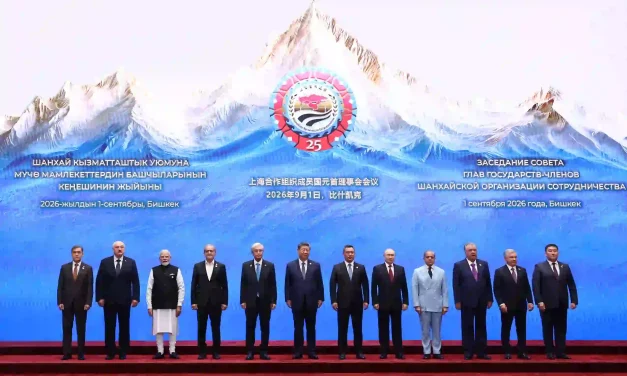
SCFR Online – Opinion: The Shanghai Cooperation Organization summit has created a new opportunity for Iran to transform its membership from a political achievement into economic and transit cooperation.
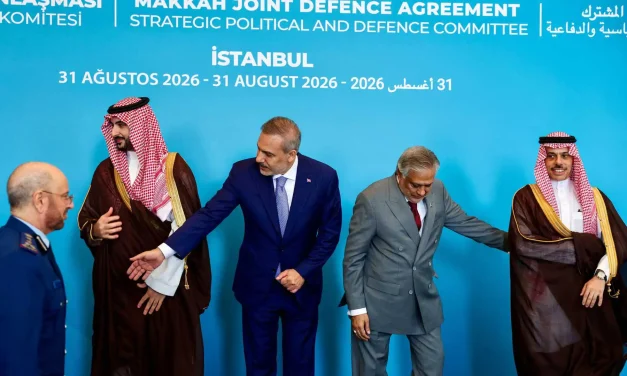
Strategic Council Online – Note: The Makkah Defense Pact can be seen as a sign of regional countries’ efforts to reduce security dependence on extra-regional powers and redefine the balance in West Asia.

SCFR Online – Opinion: The Ukraine war, by exhausting US military capability on one hand and strengthening European defense capacity on the other, has altered the balance of power in the European continent, cast uncertainty over NATO’s future, and is driving it toward a European NATO.
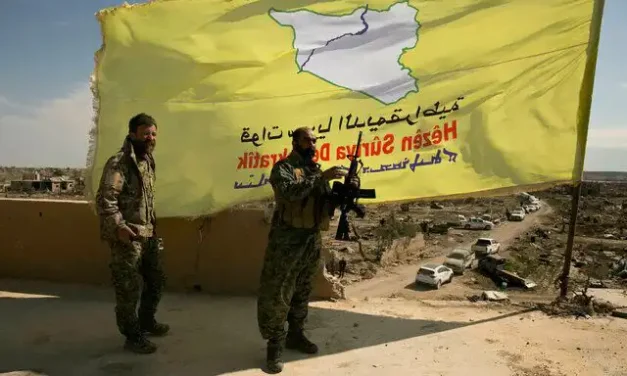
SCFR Online – Opinion: The dissolution of the SDF, although considered an achievement for Turkey’s security, does not put an end to the challenges arising from the Israeli regime’s aggression and expansionism, refugees, and Syria’s fragility.
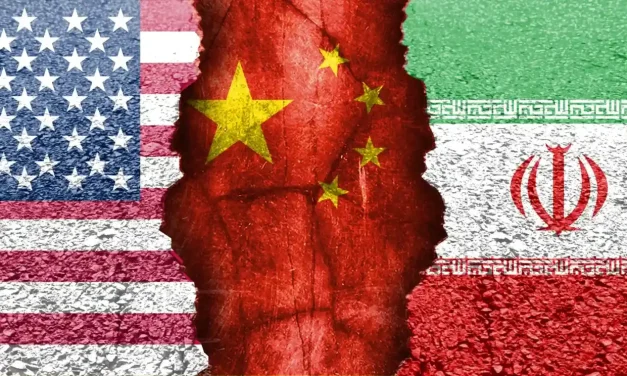
SCFR Online – Opinion: Concurrent with the official commencement of the United States’ economic war against our country, focusing on sanctions instruments, isolation, and economic pressure, what has now become increasingly important is the lack of alignment of other major global powers, especially China, with this policy.
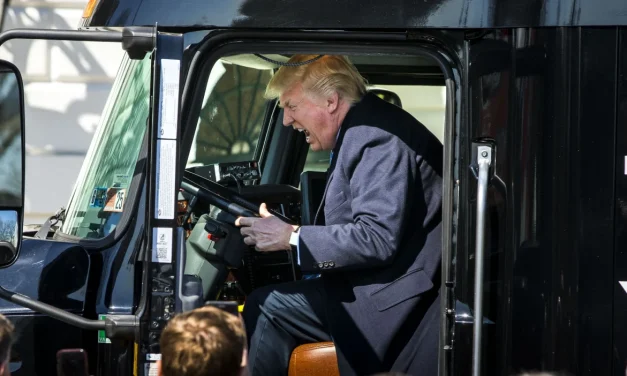
SCFR Online – Opinion: The new US sanctions against Iran, despite extensive propaganda, face serious obstacles to success due to the ineffectiveness of sanctions tools and opposition from some of Tehran’s trading partners.


Strategic Council Online – Interview: An expert on Turkish affairs said: The power vacuum in the region after the US military withdrawal from Iraq and its intensification after the withdrawal from Afghanistan opened up space for maneuvering by regional powers, especially Turkey. In the meantime, Ankara, relying on national power, an active foreign policy, and cooperation with the main power blocs in the international system, turned towards ambition and role-playing in the affairs of countries and regional issues, the most important example of which we are witnessing today in Syria.

Strategic Council Online – Interview: An expert on West Asian issues said Russian President Vladimir Putin and Syrian President Bashar Assad recently met and conferred in the Kremlin Palace. In a part of this meeting, Putin said he had not met with Assad for a long time and had many issues to discuss. Apparently, in this meeting, the parties discussed commercial and economic relations and upcoming developments. According to the presidents of Russia and Syria, this meeting was of special importance.

Strategic Council Online – Opinion: Turkey’s foreign policy approach towards Syria in the past decade has caused many problems and costs for Ankara in terms of national, economic, political, and demographic security.

Strategic Council Online – Interview: An expert on West Asia affairs said China’s purpose of inviting Assad to Beijing in the current situation is more political and in line with the determination of the Chinese to strengthen their political and geopolitical role in the Middle East, especially in critical areas and disputed cases, adding: The signing of the memorandum with general titles without clear economic agreements is indicative of the fact that China currently has no intention of doing serious economic work in Syria and what is more likely is the implementation of small scale projects rather than macroeconomic plan.
Strategic Council Online – Interview: An expert on Syria affairs, stating that Turkey’s approach to northern Syria can still make Syria face many security challenges and will have wide-ranging consequences in Syria and the region, noted: It seems that after Bashar Assad’s opposition and announcement of his conditions and with the end of the Turkish presidential elections, Ankara’s position against Syria has become more inflexible.

Strategic Council Online – Opinion: The recent meeting of the Arab League in Jeddah had two “main differences” from previous meetings; first, the presence of Syrian President Bashar Assad, and second, the speech delivered by Ukrainian President Zelensky at the Summit.
Hamid Khoshayand – Expert on regional affairs

Strategic Council Online – Interview: An expert on Middle East affairs commenting on the process of rapprochement of the Arabs and Syria and the developments that have taken place in this regard, said: Normalization of the relations of Arabs, especially Saudi Arabia and Syria, on the one hand, is due to global developments, especially the war in Ukraine and the US focus on that war and, the other, returns to the change in the policies of Riyadh.

Strategic Council Online – Opinion: The official invitation of King Salman bin Abdulaziz, the King of Saudi Arabia, extended to Bashar Assad, the President of Syria, to participate in the meeting of the heads of the Arab League in Riyadh is indicative of Syria’s final transition from the 12-year-old crisis.
Hassan Hanizadeh – Expert on Middle East affairs

Strategic Council Online—Opinion: In recent weeks, the “suspicious movements” of the US in Syria have spread. So that the movement of American political and intelligence officials to areas in the northeast of Syria, as well as the holding of meetings to exchange views with the opposition of the Damascus government outside of Syria, have increased.
Hamid Khoshayand-Regional affairs expert
Strategic Council Online—Opinion: In recent weeks, the “suspicious movements” of the US in Syria have spread. So that the movement of American political and intelligence officials to areas in the northeast of Syria, as well as the holding of meetings to exchange views with the opposition of the Damascus government outside of Syria, have increased.
Hamid Khoshayand-Regional affairs expert
SCFR Online – Opinion: The intensification of U.S. sanctions against Iran on the eve of the U.S. midterm elections indicates Washington’s inability to achieve its war objectives.
SCFR Online – Opinion: The competition between Washington and Beijing over chips and artificial intelligence, simultaneously with the shifting of technological balances, has taken on new economic and security dimensions.
SCFR Online – Opinion: The Shanghai Cooperation Organization summit has created a new opportunity for Iran to transform its membership from a political achievement into economic and transit cooperation.
Strategic Council Online – Note: The Makkah Defense Pact can be seen as a sign of regional countries’ efforts to reduce security dependence on extra-regional powers and redefine the balance in West Asia.
SCFR Online – Opinion: The Ukraine war, by exhausting US military capability on one hand and strengthening European defense capacity on the other, has altered the balance of power in the European continent, cast uncertainty over NATO’s future, and is driving it toward a European NATO.
SCFR Online – Opinion: The dissolution of the SDF, although considered an achievement for Turkey’s security, does not put an end to the challenges arising from the Israeli regime’s aggression and expansionism, refugees, and Syria’s fragility.
SCFR Online – Opinion: Concurrent with the official commencement of the United States’ economic war against our country, focusing on sanctions instruments, isolation, and economic pressure, what has now become increasingly important is the lack of alignment of other major global powers, especially China, with this policy.
SCFR Online – Opinion: The new US sanctions against Iran, despite extensive propaganda, face serious obstacles to success due to the ineffectiveness of sanctions tools and opposition from some of Tehran’s trading partners.
Strategic Council Online – Interview: An expert on Turkish affairs said: The power vacuum in the region after the US military withdrawal from Iraq and its intensification after the withdrawal from Afghanistan opened up space for maneuvering by regional powers, especially Turkey. In the meantime, Ankara, relying on national power, an active foreign policy, and cooperation with the main power blocs in the international system, turned towards ambition and role-playing in the affairs of countries and regional issues, the most important example of which we are witnessing today in Syria.
Strategic Council Online – Interview: An expert on West Asian issues said Russian President Vladimir Putin and Syrian President Bashar Assad recently met and conferred in the Kremlin Palace. In a part of this meeting, Putin said he had not met with Assad for a long time and had many issues to discuss. Apparently, in this meeting, the parties discussed commercial and economic relations and upcoming developments. According to the presidents of Russia and Syria, this meeting was of special importance.
Strategic Council Online – Opinion: Turkey’s foreign policy approach towards Syria in the past decade has caused many problems and costs for Ankara in terms of national, economic, political, and demographic security.
Strategic Council Online – Interview: An expert on West Asia affairs said China’s purpose of inviting Assad to Beijing in the current situation is more political and in line with the determination of the Chinese to strengthen their political and geopolitical role in the Middle East, especially in critical areas and disputed cases, adding: The signing of the memorandum with general titles without clear economic agreements is indicative of the fact that China currently has no intention of doing serious economic work in Syria and what is more likely is the implementation of small scale projects rather than macroeconomic plan.
Strategic Council Online – Interview: An expert on Syria affairs, stating that Turkey’s approach to northern Syria can still make Syria face many security challenges and will have wide-ranging consequences in Syria and the region, noted: It seems that after Bashar Assad’s opposition and announcement of his conditions and with the end of the Turkish presidential elections, Ankara’s position against Syria has become more inflexible.
Strategic Council Online – Opinion: The recent meeting of the Arab League in Jeddah had two “main differences” from previous meetings; first, the presence of Syrian President Bashar Assad, and second, the speech delivered by Ukrainian President Zelensky at the Summit.
Hamid Khoshayand – Expert on regional affairs
Strategic Council Online – Interview: An expert on Middle East affairs commenting on the process of rapprochement of the Arabs and Syria and the developments that have taken place in this regard, said: Normalization of the relations of Arabs, especially Saudi Arabia and Syria, on the one hand, is due to global developments, especially the war in Ukraine and the US focus on that war and, the other, returns to the change in the policies of Riyadh.
Strategic Council Online – Opinion: The official invitation of King Salman bin Abdulaziz, the King of Saudi Arabia, extended to Bashar Assad, the President of Syria, to participate in the meeting of the heads of the Arab League in Riyadh is indicative of Syria’s final transition from the 12-year-old crisis.
Hassan Hanizadeh – Expert on Middle East affairs
Strategic Council Online—Opinion: In recent weeks, the “suspicious movements” of the US in Syria have spread. So that the movement of American political and intelligence officials to areas in the northeast of Syria, as well as the holding of meetings to exchange views with the opposition of the Damascus government outside of Syria, have increased.
Hamid Khoshayand-Regional affairs expert
Strategic Council Online—Opinion: In recent weeks, the “suspicious movements” of the US in Syria have spread. So that the movement of American political and intelligence officials to areas in the northeast of Syria, as well as the holding of meetings to exchange views with the opposition of the Damascus government outside of Syria, have increased.
Hamid Khoshayand-Regional affairs expert
Strategic Council Online – Interview: An expert on Turkish affairs said: The power vacuum in the region after the US military withdrawal from Iraq and its intensification after the withdrawal from Afghanistan opened up space for maneuvering by regional powers, especially Turkey. In the meantime, Ankara, relying on national power, an active foreign policy, and cooperation with the main power blocs in the international system, turned towards ambition and role-playing in the affairs of countries and regional issues, the most important example of which we are witnessing today in Syria.
Strategic Council Online – Interview: An expert on West Asian issues said Russian President Vladimir Putin and Syrian President Bashar Assad recently met and conferred in the Kremlin Palace. In a part of this meeting, Putin said he had not met with Assad for a long time and had many issues to discuss. Apparently, in this meeting, the parties discussed commercial and economic relations and upcoming developments. According to the presidents of Russia and Syria, this meeting was of special importance.
Strategic Council Online – Opinion: Turkey’s foreign policy approach towards Syria in the past decade has caused many problems and costs for Ankara in terms of national, economic, political, and demographic security.
Strategic Council Online – Interview: An expert on West Asia affairs said China’s purpose of inviting Assad to Beijing in the current situation is more political and in line with the determination of the Chinese to strengthen their political and geopolitical role in the Middle East, especially in critical areas and disputed cases, adding: The signing of the memorandum with general titles without clear economic agreements is indicative of the fact that China currently has no intention of doing serious economic work in Syria and what is more likely is the implementation of small scale projects rather than macroeconomic plan.
Strategic Council Online – Interview: An expert on Syria affairs, stating that Turkey’s approach to northern Syria can still make Syria face many security challenges and will have wide-ranging consequences in Syria and the region, noted: It seems that after Bashar Assad’s opposition and announcement of his conditions and with the end of the Turkish presidential elections, Ankara’s position against Syria has become more inflexible.
Strategic Council Online – Opinion: The recent meeting of the Arab League in Jeddah had two “main differences” from previous meetings; first, the presence of Syrian President Bashar Assad, and second, the speech delivered by Ukrainian President Zelensky at the Summit.
Hamid Khoshayand – Expert on regional affairs
Strategic Council Online – Interview: An expert on Middle East affairs commenting on the process of rapprochement of the Arabs and Syria and the developments that have taken place in this regard, said: Normalization of the relations of Arabs, especially Saudi Arabia and Syria, on the one hand, is due to global developments, especially the war in Ukraine and the US focus on that war and, the other, returns to the change in the policies of Riyadh.
Strategic Council Online – Opinion: The official invitation of King Salman bin Abdulaziz, the King of Saudi Arabia, extended to Bashar Assad, the President of Syria, to participate in the meeting of the heads of the Arab League in Riyadh is indicative of Syria’s final transition from the 12-year-old crisis.
Hassan Hanizadeh – Expert on Middle East affairs
Strategic Council Online—Opinion: In recent weeks, the “suspicious movements” of the US in Syria have spread. So that the movement of American political and intelligence officials to areas in the northeast of Syria, as well as the holding of meetings to exchange views with the opposition of the Damascus government outside of Syria, have increased.
Hamid Khoshayand-Regional affairs expert
Strategic Council Online—Opinion: In recent weeks, the “suspicious movements” of the US in Syria have spread. So that the movement of American political and intelligence officials to areas in the northeast of Syria, as well as the holding of meetings to exchange views with the opposition of the Damascus government outside of Syria, have increased.
Hamid Khoshayand-Regional affairs expert
SCFR Online – Opinion: The intensification of U.S. sanctions against Iran on the eve of the U.S. midterm elections indicates Washington’s inability to achieve its war objectives.
SCFR Online – Opinion: The competition between Washington and Beijing over chips and artificial intelligence, simultaneously with the shifting of technological balances, has taken on new economic and security dimensions.
SCFR Online – Opinion: The Shanghai Cooperation Organization summit has created a new opportunity for Iran to transform its membership from a political achievement into economic and transit cooperation.
Strategic Council Online – Note: The Makkah Defense Pact can be seen as a sign of regional countries’ efforts to reduce security dependence on extra-regional powers and redefine the balance in West Asia.
SCFR Online – Opinion: The Ukraine war, by exhausting US military capability on one hand and strengthening European defense capacity on the other, has altered the balance of power in the European continent, cast uncertainty over NATO’s future, and is driving it toward a European NATO.
SCFR Online – Opinion: The dissolution of the SDF, although considered an achievement for Turkey’s security, does not put an end to the challenges arising from the Israeli regime’s aggression and expansionism, refugees, and Syria’s fragility.
SCFR Online – Opinion: Concurrent with the official commencement of the United States’ economic war against our country, focusing on sanctions instruments, isolation, and economic pressure, what has now become increasingly important is the lack of alignment of other major global powers, especially China, with this policy.
SCFR Online – Opinion: The new US sanctions against Iran, despite extensive propaganda, face serious obstacles to success due to the ineffectiveness of sanctions tools and opposition from some of Tehran’s trading partners.
Strategic Council Online – Interview: An expert on Turkish affairs said: The power vacuum in the region after the US military withdrawal from Iraq and its intensification after the withdrawal from Afghanistan opened up space for maneuvering by regional powers, especially Turkey. In the meantime, Ankara, relying on national power, an active foreign policy, and cooperation with the main power blocs in the international system, turned towards ambition and role-playing in the affairs of countries and regional issues, the most important example of which we are witnessing today in Syria.
Strategic Council Online – Interview: An expert on West Asian issues said Russian President Vladimir Putin and Syrian President Bashar Assad recently met and conferred in the Kremlin Palace. In a part of this meeting, Putin said he had not met with Assad for a long time and had many issues to discuss. Apparently, in this meeting, the parties discussed commercial and economic relations and upcoming developments. According to the presidents of Russia and Syria, this meeting was of special importance.
Strategic Council Online – Opinion: Turkey’s foreign policy approach towards Syria in the past decade has caused many problems and costs for Ankara in terms of national, economic, political, and demographic security.
Strategic Council Online – Interview: An expert on West Asia affairs said China’s purpose of inviting Assad to Beijing in the current situation is more political and in line with the determination of the Chinese to strengthen their political and geopolitical role in the Middle East, especially in critical areas and disputed cases, adding: The signing of the memorandum with general titles without clear economic agreements is indicative of the fact that China currently has no intention of doing serious economic work in Syria and what is more likely is the implementation of small scale projects rather than macroeconomic plan.
Strategic Council Online – Interview: An expert on Syria affairs, stating that Turkey’s approach to northern Syria can still make Syria face many security challenges and will have wide-ranging consequences in Syria and the region, noted: It seems that after Bashar Assad’s opposition and announcement of his conditions and with the end of the Turkish presidential elections, Ankara’s position against Syria has become more inflexible.
Strategic Council Online – Opinion: The recent meeting of the Arab League in Jeddah had two “main differences” from previous meetings; first, the presence of Syrian President Bashar Assad, and second, the speech delivered by Ukrainian President Zelensky at the Summit.
Hamid Khoshayand – Expert on regional affairs
Strategic Council Online – Interview: An expert on Middle East affairs commenting on the process of rapprochement of the Arabs and Syria and the developments that have taken place in this regard, said: Normalization of the relations of Arabs, especially Saudi Arabia and Syria, on the one hand, is due to global developments, especially the war in Ukraine and the US focus on that war and, the other, returns to the change in the policies of Riyadh.
Strategic Council Online – Opinion: The official invitation of King Salman bin Abdulaziz, the King of Saudi Arabia, extended to Bashar Assad, the President of Syria, to participate in the meeting of the heads of the Arab League in Riyadh is indicative of Syria’s final transition from the 12-year-old crisis.
Hassan Hanizadeh – Expert on Middle East affairs
Strategic Council Online—Opinion: In recent weeks, the “suspicious movements” of the US in Syria have spread. So that the movement of American political and intelligence officials to areas in the northeast of Syria, as well as the holding of meetings to exchange views with the opposition of the Damascus government outside of Syria, have increased.
Hamid Khoshayand-Regional affairs expert
Strategic Council Online—Opinion: In recent weeks, the “suspicious movements” of the US in Syria have spread. So that the movement of American political and intelligence officials to areas in the northeast of Syria, as well as the holding of meetings to exchange views with the opposition of the Damascus government outside of Syria, have increased.
Hamid Khoshayand-Regional affairs expert
SCFR Online – Opinion: The intensification of U.S. sanctions against Iran on the eve of the U.S. midterm elections indicates Washington’s inability to achieve its war objectives.
SCFR Online – Opinion: The competition between Washington and Beijing over chips and artificial intelligence, simultaneously with the shifting of technological balances, has taken on new economic and security dimensions.
SCFR Online – Opinion: The Shanghai Cooperation Organization summit has created a new opportunity for Iran to transform its membership from a political achievement into economic and transit cooperation.
Strategic Council Online – Note: The Makkah Defense Pact can be seen as a sign of regional countries’ efforts to reduce security dependence on extra-regional powers and redefine the balance in West Asia.
SCFR Online – Opinion: The Ukraine war, by exhausting US military capability on one hand and strengthening European defense capacity on the other, has altered the balance of power in the European continent, cast uncertainty over NATO’s future, and is driving it toward a European NATO.
SCFR Online – Opinion: The dissolution of the SDF, although considered an achievement for Turkey’s security, does not put an end to the challenges arising from the Israeli regime’s aggression and expansionism, refugees, and Syria’s fragility.
SCFR Online – Opinion: Concurrent with the official commencement of the United States’ economic war against our country, focusing on sanctions instruments, isolation, and economic pressure, what has now become increasingly important is the lack of alignment of other major global powers, especially China, with this policy.
SCFR Online – Opinion: The new US sanctions against Iran, despite extensive propaganda, face serious obstacles to success due to the ineffectiveness of sanctions tools and opposition from some of Tehran’s trading partners.
Strategic Council Online – Interview: An expert on Turkish affairs said: The power vacuum in the region after the US military withdrawal from Iraq and its intensification after the withdrawal from Afghanistan opened up space for maneuvering by regional powers, especially Turkey. In the meantime, Ankara, relying on national power, an active foreign policy, and cooperation with the main power blocs in the international system, turned towards ambition and role-playing in the affairs of countries and regional issues, the most important example of which we are witnessing today in Syria.
Strategic Council Online – Interview: An expert on West Asian issues said Russian President Vladimir Putin and Syrian President Bashar Assad recently met and conferred in the Kremlin Palace. In a part of this meeting, Putin said he had not met with Assad for a long time and had many issues to discuss. Apparently, in this meeting, the parties discussed commercial and economic relations and upcoming developments. According to the presidents of Russia and Syria, this meeting was of special importance.
Strategic Council Online – Opinion: Turkey’s foreign policy approach towards Syria in the past decade has caused many problems and costs for Ankara in terms of national, economic, political, and demographic security.
Strategic Council Online – Interview: An expert on West Asia affairs said China’s purpose of inviting Assad to Beijing in the current situation is more political and in line with the determination of the Chinese to strengthen their political and geopolitical role in the Middle East, especially in critical areas and disputed cases, adding: The signing of the memorandum with general titles without clear economic agreements is indicative of the fact that China currently has no intention of doing serious economic work in Syria and what is more likely is the implementation of small scale projects rather than macroeconomic plan.
Strategic Council Online – Interview: An expert on Syria affairs, stating that Turkey’s approach to northern Syria can still make Syria face many security challenges and will have wide-ranging consequences in Syria and the region, noted: It seems that after Bashar Assad’s opposition and announcement of his conditions and with the end of the Turkish presidential elections, Ankara’s position against Syria has become more inflexible.
Strategic Council Online – Opinion: The recent meeting of the Arab League in Jeddah had two “main differences” from previous meetings; first, the presence of Syrian President Bashar Assad, and second, the speech delivered by Ukrainian President Zelensky at the Summit.
Hamid Khoshayand – Expert on regional affairs
Strategic Council Online – Interview: An expert on Middle East affairs commenting on the process of rapprochement of the Arabs and Syria and the developments that have taken place in this regard, said: Normalization of the relations of Arabs, especially Saudi Arabia and Syria, on the one hand, is due to global developments, especially the war in Ukraine and the US focus on that war and, the other, returns to the change in the policies of Riyadh.
Strategic Council Online – Opinion: The official invitation of King Salman bin Abdulaziz, the King of Saudi Arabia, extended to Bashar Assad, the President of Syria, to participate in the meeting of the heads of the Arab League in Riyadh is indicative of Syria’s final transition from the 12-year-old crisis.
Hassan Hanizadeh – Expert on Middle East affairs
Strategic Council Online—Opinion: In recent weeks, the “suspicious movements” of the US in Syria have spread. So that the movement of American political and intelligence officials to areas in the northeast of Syria, as well as the holding of meetings to exchange views with the opposition of the Damascus government outside of Syria, have increased.
Hamid Khoshayand-Regional affairs expert
Strategic Council Online—Opinion: In recent weeks, the “suspicious movements” of the US in Syria have spread. So that the movement of American political and intelligence officials to areas in the northeast of Syria, as well as the holding of meetings to exchange views with the opposition of the Damascus government outside of Syria, have increased.
Hamid Khoshayand-Regional affairs expert
SCFR Online – Opinion: The intensification of U.S. sanctions against Iran on the eve of the U.S. midterm elections indicates Washington’s inability to achieve its war objectives.
SCFR Online – Opinion: The competition between Washington and Beijing over chips and artificial intelligence, simultaneously with the shifting of technological balances, has taken on new economic and security dimensions.
SCFR Online – Opinion: The Shanghai Cooperation Organization summit has created a new opportunity for Iran to transform its membership from a political achievement into economic and transit cooperation.
Strategic Council Online – Note: The Makkah Defense Pact can be seen as a sign of regional countries’ efforts to reduce security dependence on extra-regional powers and redefine the balance in West Asia.
SCFR Online – Opinion: The Ukraine war, by exhausting US military capability on one hand and strengthening European defense capacity on the other, has altered the balance of power in the European continent, cast uncertainty over NATO’s future, and is driving it toward a European NATO.
SCFR Online – Opinion: The dissolution of the SDF, although considered an achievement for Turkey’s security, does not put an end to the challenges arising from the Israeli regime’s aggression and expansionism, refugees, and Syria’s fragility.
SCFR Online – Opinion: Concurrent with the official commencement of the United States’ economic war against our country, focusing on sanctions instruments, isolation, and economic pressure, what has now become increasingly important is the lack of alignment of other major global powers, especially China, with this policy.
SCFR Online – Opinion: The new US sanctions against Iran, despite extensive propaganda, face serious obstacles to success due to the ineffectiveness of sanctions tools and opposition from some of Tehran’s trading partners.
Strategic Council Online – Interview: An expert on Turkish affairs said: The power vacuum in the region after the US military withdrawal from Iraq and its intensification after the withdrawal from Afghanistan opened up space for maneuvering by regional powers, especially Turkey. In the meantime, Ankara, relying on national power, an active foreign policy, and cooperation with the main power blocs in the international system, turned towards ambition and role-playing in the affairs of countries and regional issues, the most important example of which we are witnessing today in Syria.
Strategic Council Online – Interview: An expert on West Asian issues said Russian President Vladimir Putin and Syrian President Bashar Assad recently met and conferred in the Kremlin Palace. In a part of this meeting, Putin said he had not met with Assad for a long time and had many issues to discuss. Apparently, in this meeting, the parties discussed commercial and economic relations and upcoming developments. According to the presidents of Russia and Syria, this meeting was of special importance.
Strategic Council Online – Opinion: Turkey’s foreign policy approach towards Syria in the past decade has caused many problems and costs for Ankara in terms of national, economic, political, and demographic security.
Strategic Council Online – Interview: An expert on West Asia affairs said China’s purpose of inviting Assad to Beijing in the current situation is more political and in line with the determination of the Chinese to strengthen their political and geopolitical role in the Middle East, especially in critical areas and disputed cases, adding: The signing of the memorandum with general titles without clear economic agreements is indicative of the fact that China currently has no intention of doing serious economic work in Syria and what is more likely is the implementation of small scale projects rather than macroeconomic plan.
Strategic Council Online – Interview: An expert on Syria affairs, stating that Turkey’s approach to northern Syria can still make Syria face many security challenges and will have wide-ranging consequences in Syria and the region, noted: It seems that after Bashar Assad’s opposition and announcement of his conditions and with the end of the Turkish presidential elections, Ankara’s position against Syria has become more inflexible.
Strategic Council Online – Opinion: The recent meeting of the Arab League in Jeddah had two “main differences” from previous meetings; first, the presence of Syrian President Bashar Assad, and second, the speech delivered by Ukrainian President Zelensky at the Summit.
Hamid Khoshayand – Expert on regional affairs
Strategic Council Online – Interview: An expert on Middle East affairs commenting on the process of rapprochement of the Arabs and Syria and the developments that have taken place in this regard, said: Normalization of the relations of Arabs, especially Saudi Arabia and Syria, on the one hand, is due to global developments, especially the war in Ukraine and the US focus on that war and, the other, returns to the change in the policies of Riyadh.
Strategic Council Online – Opinion: The official invitation of King Salman bin Abdulaziz, the King of Saudi Arabia, extended to Bashar Assad, the President of Syria, to participate in the meeting of the heads of the Arab League in Riyadh is indicative of Syria’s final transition from the 12-year-old crisis.
Hassan Hanizadeh – Expert on Middle East affairs
Strategic Council Online—Opinion: In recent weeks, the “suspicious movements” of the US in Syria have spread. So that the movement of American political and intelligence officials to areas in the northeast of Syria, as well as the holding of meetings to exchange views with the opposition of the Damascus government outside of Syria, have increased.
Hamid Khoshayand-Regional affairs expert
Strategic Council Online—Opinion: In recent weeks, the “suspicious movements” of the US in Syria have spread. So that the movement of American political and intelligence officials to areas in the northeast of Syria, as well as the holding of meetings to exchange views with the opposition of the Damascus government outside of Syria, have increased.
Hamid Khoshayand-Regional affairs expert
SCFR Online – Opinion: The intensification of U.S. sanctions against Iran on the eve of the U.S. midterm elections indicates Washington’s inability to achieve its war objectives.
SCFR Online – Opinion: The competition between Washington and Beijing over chips and artificial intelligence, simultaneously with the shifting of technological balances, has taken on new economic and security dimensions.
SCFR Online – Opinion: The Shanghai Cooperation Organization summit has created a new opportunity for Iran to transform its membership from a political achievement into economic and transit cooperation.
Strategic Council Online – Note: The Makkah Defense Pact can be seen as a sign of regional countries’ efforts to reduce security dependence on extra-regional powers and redefine the balance in West Asia.
SCFR Online – Opinion: The Ukraine war, by exhausting US military capability on one hand and strengthening European defense capacity on the other, has altered the balance of power in the European continent, cast uncertainty over NATO’s future, and is driving it toward a European NATO.
SCFR Online – Opinion: The dissolution of the SDF, although considered an achievement for Turkey’s security, does not put an end to the challenges arising from the Israeli regime’s aggression and expansionism, refugees, and Syria’s fragility.
SCFR Online – Opinion: Concurrent with the official commencement of the United States’ economic war against our country, focusing on sanctions instruments, isolation, and economic pressure, what has now become increasingly important is the lack of alignment of other major global powers, especially China, with this policy.
SCFR Online – Opinion: The new US sanctions against Iran, despite extensive propaganda, face serious obstacles to success due to the ineffectiveness of sanctions tools and opposition from some of Tehran’s trading partners.
Strategic Council Online – Interview: An expert on Turkish affairs said: The power vacuum in the region after the US military withdrawal from Iraq and its intensification after the withdrawal from Afghanistan opened up space for maneuvering by regional powers, especially Turkey. In the meantime, Ankara, relying on national power, an active foreign policy, and cooperation with the main power blocs in the international system, turned towards ambition and role-playing in the affairs of countries and regional issues, the most important example of which we are witnessing today in Syria.
Strategic Council Online – Interview: An expert on West Asian issues said Russian President Vladimir Putin and Syrian President Bashar Assad recently met and conferred in the Kremlin Palace. In a part of this meeting, Putin said he had not met with Assad for a long time and had many issues to discuss. Apparently, in this meeting, the parties discussed commercial and economic relations and upcoming developments. According to the presidents of Russia and Syria, this meeting was of special importance.
Strategic Council Online – Opinion: Turkey’s foreign policy approach towards Syria in the past decade has caused many problems and costs for Ankara in terms of national, economic, political, and demographic security.
Strategic Council Online – Interview: An expert on West Asia affairs said China’s purpose of inviting Assad to Beijing in the current situation is more political and in line with the determination of the Chinese to strengthen their political and geopolitical role in the Middle East, especially in critical areas and disputed cases, adding: The signing of the memorandum with general titles without clear economic agreements is indicative of the fact that China currently has no intention of doing serious economic work in Syria and what is more likely is the implementation of small scale projects rather than macroeconomic plan.
Strategic Council Online – Interview: An expert on Syria affairs, stating that Turkey’s approach to northern Syria can still make Syria face many security challenges and will have wide-ranging consequences in Syria and the region, noted: It seems that after Bashar Assad’s opposition and announcement of his conditions and with the end of the Turkish presidential elections, Ankara’s position against Syria has become more inflexible.
Strategic Council Online – Opinion: The recent meeting of the Arab League in Jeddah had two “main differences” from previous meetings; first, the presence of Syrian President Bashar Assad, and second, the speech delivered by Ukrainian President Zelensky at the Summit.
Hamid Khoshayand – Expert on regional affairs
Strategic Council Online – Interview: An expert on Middle East affairs commenting on the process of rapprochement of the Arabs and Syria and the developments that have taken place in this regard, said: Normalization of the relations of Arabs, especially Saudi Arabia and Syria, on the one hand, is due to global developments, especially the war in Ukraine and the US focus on that war and, the other, returns to the change in the policies of Riyadh.
Strategic Council Online – Opinion: The official invitation of King Salman bin Abdulaziz, the King of Saudi Arabia, extended to Bashar Assad, the President of Syria, to participate in the meeting of the heads of the Arab League in Riyadh is indicative of Syria’s final transition from the 12-year-old crisis.
Hassan Hanizadeh – Expert on Middle East affairs
Strategic Council Online—Opinion: In recent weeks, the “suspicious movements” of the US in Syria have spread. So that the movement of American political and intelligence officials to areas in the northeast of Syria, as well as the holding of meetings to exchange views with the opposition of the Damascus government outside of Syria, have increased.
Hamid Khoshayand-Regional affairs expert
Strategic Council Online—Opinion: In recent weeks, the “suspicious movements” of the US in Syria have spread. So that the movement of American political and intelligence officials to areas in the northeast of Syria, as well as the holding of meetings to exchange views with the opposition of the Damascus government outside of Syria, have increased.
Hamid Khoshayand-Regional affairs expert
SCFR Online – Opinion: The intensification of U.S. sanctions against Iran on the eve of the U.S. midterm elections indicates Washington’s inability to achieve its war objectives.
SCFR Online – Opinion: The competition between Washington and Beijing over chips and artificial intelligence, simultaneously with the shifting of technological balances, has taken on new economic and security dimensions.
SCFR Online – Opinion: The Shanghai Cooperation Organization summit has created a new opportunity for Iran to transform its membership from a political achievement into economic and transit cooperation.
Strategic Council Online – Note: The Makkah Defense Pact can be seen as a sign of regional countries’ efforts to reduce security dependence on extra-regional powers and redefine the balance in West Asia.
SCFR Online – Opinion: The Ukraine war, by exhausting US military capability on one hand and strengthening European defense capacity on the other, has altered the balance of power in the European continent, cast uncertainty over NATO’s future, and is driving it toward a European NATO.
SCFR Online – Opinion: The dissolution of the SDF, although considered an achievement for Turkey’s security, does not put an end to the challenges arising from the Israeli regime’s aggression and expansionism, refugees, and Syria’s fragility.
SCFR Online – Opinion: Concurrent with the official commencement of the United States’ economic war against our country, focusing on sanctions instruments, isolation, and economic pressure, what has now become increasingly important is the lack of alignment of other major global powers, especially China, with this policy.
SCFR Online – Opinion: The new US sanctions against Iran, despite extensive propaganda, face serious obstacles to success due to the ineffectiveness of sanctions tools and opposition from some of Tehran’s trading partners.