Reasons for the Ineffectiveness of Trump’s “Economic War” against Iran
SCFR Online – Opinion: The intensification of U.S. sanctions against Iran on the eve of the U.S. midterm elections indicates Washington’s inability to achieve its war objectives.


SCFR Online – Opinion: The intensification of U.S. sanctions against Iran on the eve of the U.S. midterm elections indicates Washington’s inability to achieve its war objectives.

SCFR Online – Opinion: The competition between Washington and Beijing over chips and artificial intelligence, simultaneously with the shifting of technological balances, has taken on new economic and security dimensions.
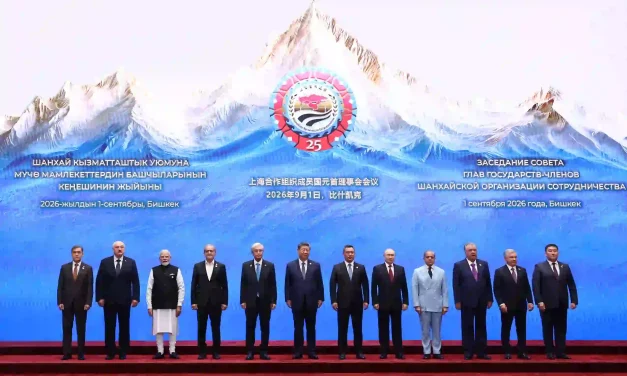
SCFR Online – Opinion: The Shanghai Cooperation Organization summit has created a new opportunity for Iran to transform its membership from a political achievement into economic and transit cooperation.
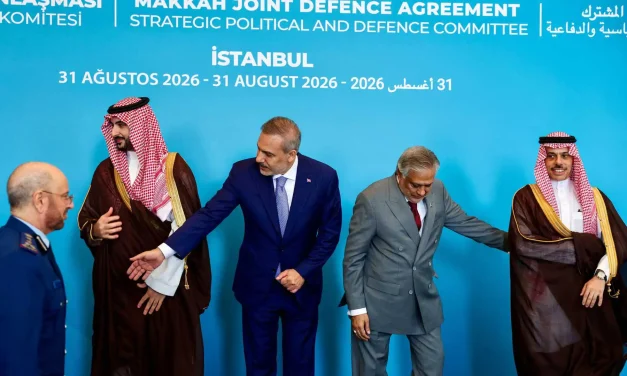
Strategic Council Online – Note: The Makkah Defense Pact can be seen as a sign of regional countries’ efforts to reduce security dependence on extra-regional powers and redefine the balance in West Asia.
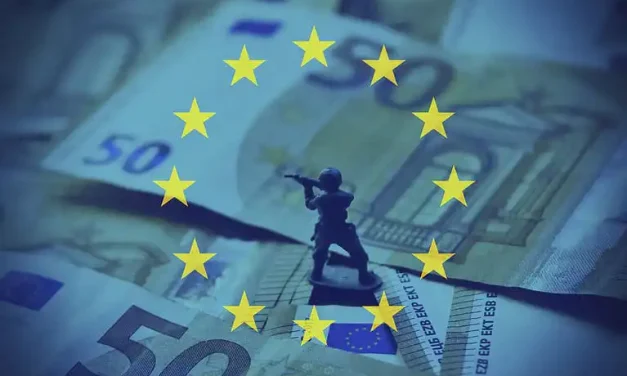
SCFR Online – Opinion: The Ukraine war, by exhausting US military capability on one hand and strengthening European defense capacity on the other, has altered the balance of power in the European continent, cast uncertainty over NATO’s future, and is driving it toward a European NATO.
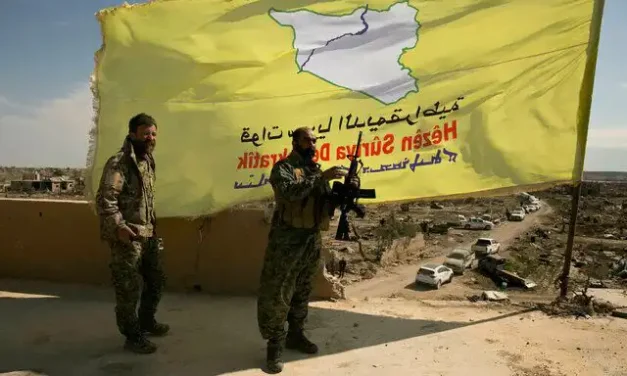
SCFR Online – Opinion: The dissolution of the SDF, although considered an achievement for Turkey’s security, does not put an end to the challenges arising from the Israeli regime’s aggression and expansionism, refugees, and Syria’s fragility.
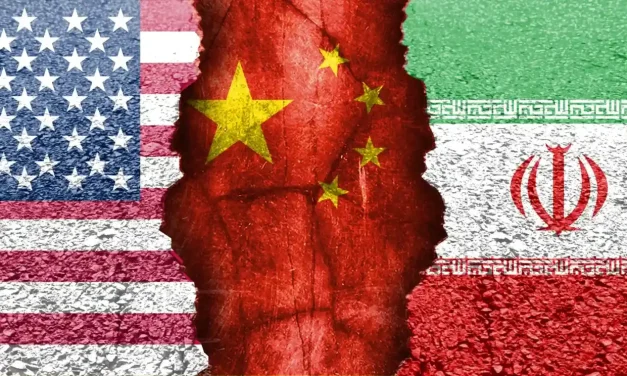
SCFR Online – Opinion: Concurrent with the official commencement of the United States’ economic war against our country, focusing on sanctions instruments, isolation, and economic pressure, what has now become increasingly important is the lack of alignment of other major global powers, especially China, with this policy.
SCFR Online – Opinion: The new US sanctions against Iran, despite extensive propaganda, face serious obstacles to success due to the ineffectiveness of sanctions tools and opposition from some of Tehran’s trading partners.

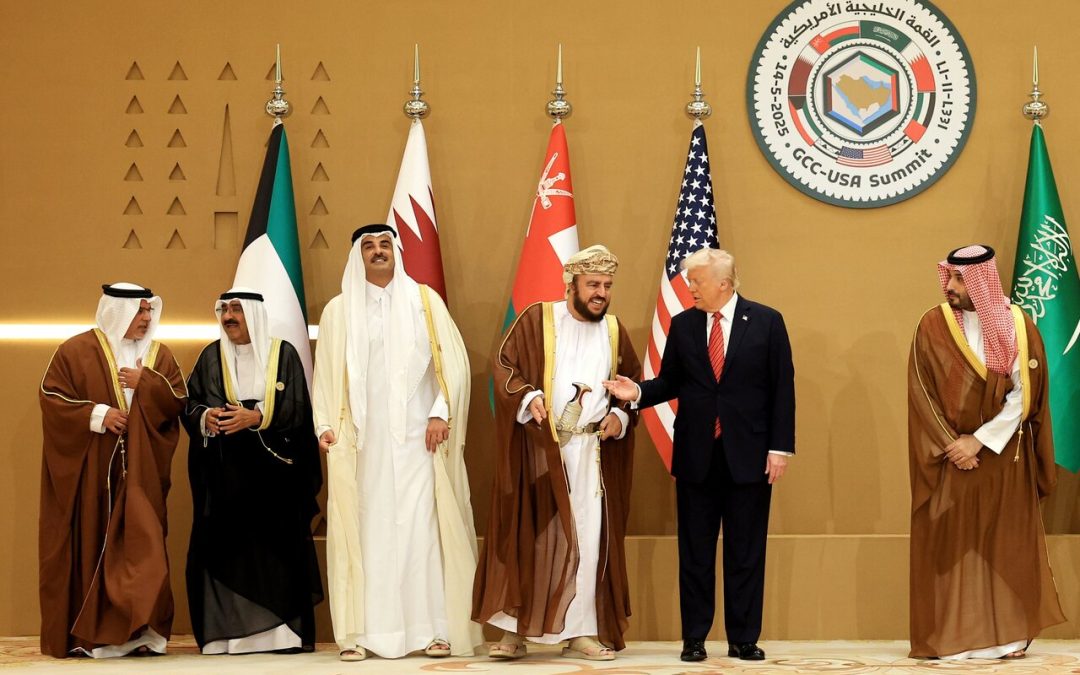
SCFR Online – Opinion: Iran’s display of power in the recent imposed war and Washington’s turning away from its traditional allies have pushed Persian Gulf countries toward new partners in the East.
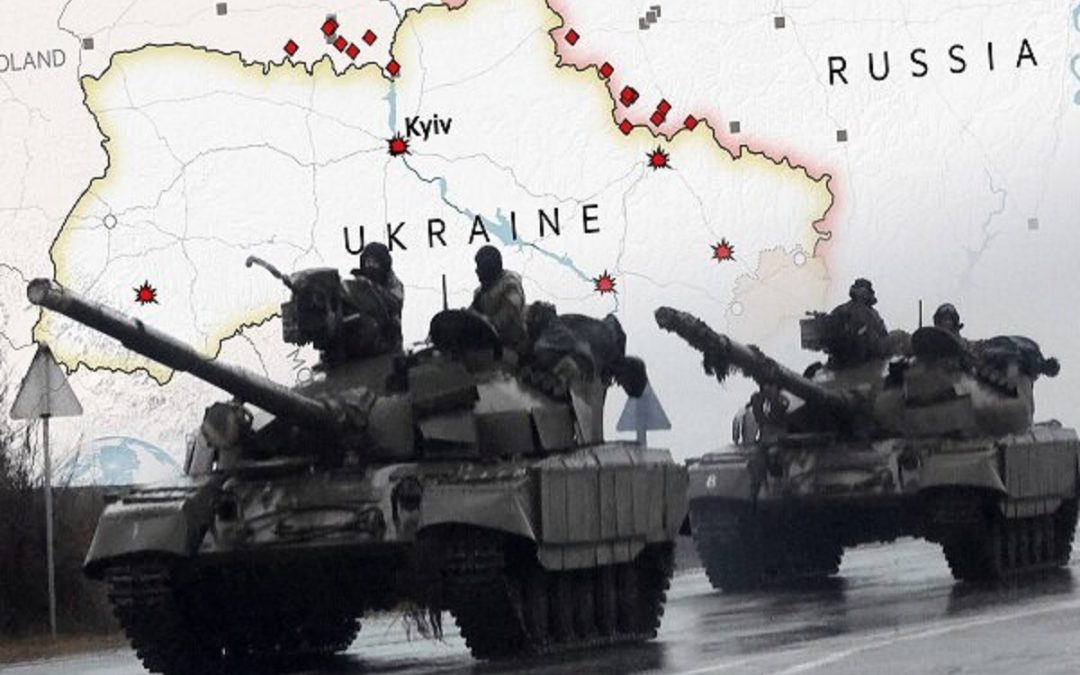
SCFR Online – Note: Vladimir Putin, President of Russia, recently announced—more than four years after the commencement of military aggression against Ukraine—that he believes the conflict between Russia and Ukraine is drawing to a close.

SCFR Online – Opinion: America’s inability to achieve a decisive victory over Iran and its unfortunate economic consequences have permanently shattered the belief in Washington’s global dominance.
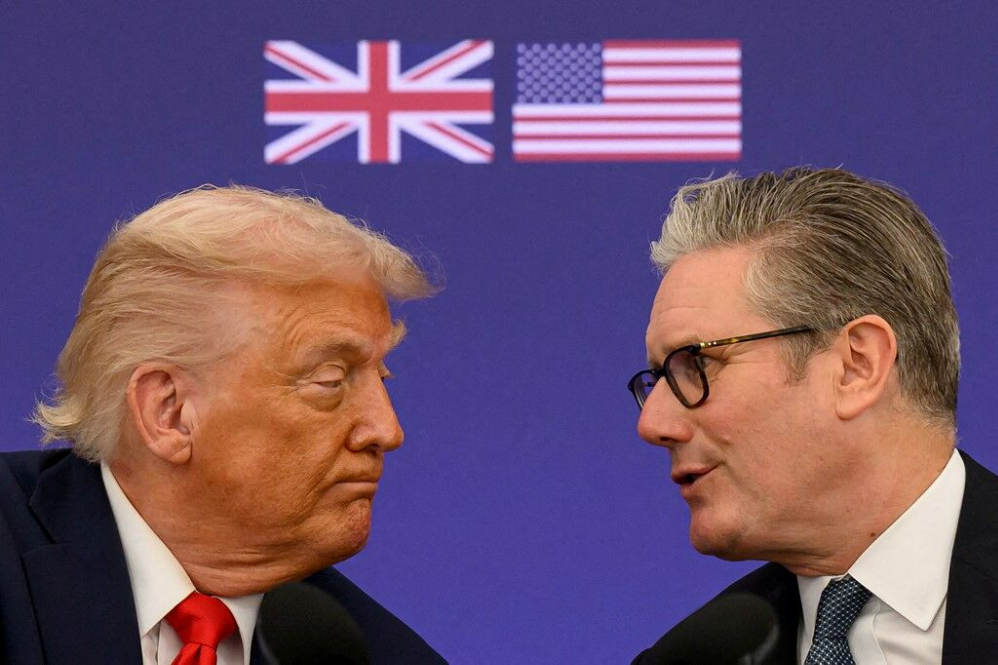
SCFR Online – Note: Europe’s refusal to align with the United States in the war against Iran is not a temporary tactic, but rather a sign of strategic divergence and a move toward forced autonomy.

Strategic Council Online – Opinion: The expiration of the New START treaty between the United States and Russia can be considered as the end of one of the most important mechanisms for regulating nuclear competition in the international system.

Strategic Council Online – Opinion: On the threshold of a new era of space competition between Beijing and Washington, the sky is no longer considered merely an arena for great-power conflict but has become a potential platform for the development of civilian defense applications for countries.

Strategic Council Online – Opinion: The tariff war and currency competition have propelled the global financial order into a phase where each shock can represent both a threat to the dollar and an opportunity for the rearrangement of global trade.

Strategic Council Online – Opinion: While Washington’s new strategic documents focus on competition with China and Russia, they also seek to transform West Asia into an arena for containing Iran through regional powers and asymmetric deterrence.

Strategic Council Online – Interview: The Ukraine war has become a new turning point in the political, security, and even commercial relations of allies on both sides of the Atlantic. While this war is nearing its fourth year, many questions still remain regarding its future and its consequences; among them, will the continuation of the Ukraine war lead to the collapse of the European security illusion?

Strategic Council Online – Interview: The former ambassador to Caracas stated: “Washington aims to curb the influence of China and Russia, reestablish dominance over Venezuela’s oil and gas resources, and demonstrate power in global competition, seeking to restore its lost hegemony in Latin America and the international system.”
SCFR Online – Opinion: The intensification of U.S. sanctions against Iran on the eve of the U.S. midterm elections indicates Washington’s inability to achieve its war objectives.
SCFR Online – Opinion: The competition between Washington and Beijing over chips and artificial intelligence, simultaneously with the shifting of technological balances, has taken on new economic and security dimensions.
SCFR Online – Opinion: The Shanghai Cooperation Organization summit has created a new opportunity for Iran to transform its membership from a political achievement into economic and transit cooperation.
Strategic Council Online – Note: The Makkah Defense Pact can be seen as a sign of regional countries’ efforts to reduce security dependence on extra-regional powers and redefine the balance in West Asia.
SCFR Online – Opinion: The Ukraine war, by exhausting US military capability on one hand and strengthening European defense capacity on the other, has altered the balance of power in the European continent, cast uncertainty over NATO’s future, and is driving it toward a European NATO.
SCFR Online – Opinion: The dissolution of the SDF, although considered an achievement for Turkey’s security, does not put an end to the challenges arising from the Israeli regime’s aggression and expansionism, refugees, and Syria’s fragility.
SCFR Online – Opinion: Concurrent with the official commencement of the United States’ economic war against our country, focusing on sanctions instruments, isolation, and economic pressure, what has now become increasingly important is the lack of alignment of other major global powers, especially China, with this policy.
SCFR Online – Opinion: The new US sanctions against Iran, despite extensive propaganda, face serious obstacles to success due to the ineffectiveness of sanctions tools and opposition from some of Tehran’s trading partners.
SCFR Online – Opinion: Iran’s display of power in the recent imposed war and Washington’s turning away from its traditional allies have pushed Persian Gulf countries toward new partners in the East.
SCFR Online – Note: Vladimir Putin, President of Russia, recently announced—more than four years after the commencement of military aggression against Ukraine—that he believes the conflict between Russia and Ukraine is drawing to a close.
SCFR Online – Opinion: America’s inability to achieve a decisive victory over Iran and its unfortunate economic consequences have permanently shattered the belief in Washington’s global dominance.
SCFR Online – Note: Europe’s refusal to align with the United States in the war against Iran is not a temporary tactic, but rather a sign of strategic divergence and a move toward forced autonomy.
Strategic Council Online – Opinion: The expiration of the New START treaty between the United States and Russia can be considered as the end of one of the most important mechanisms for regulating nuclear competition in the international system.
Strategic Council Online – Opinion: On the threshold of a new era of space competition between Beijing and Washington, the sky is no longer considered merely an arena for great-power conflict but has become a potential platform for the development of civilian defense applications for countries.
Strategic Council Online – Opinion: The tariff war and currency competition have propelled the global financial order into a phase where each shock can represent both a threat to the dollar and an opportunity for the rearrangement of global trade.
Strategic Council Online – Opinion: While Washington’s new strategic documents focus on competition with China and Russia, they also seek to transform West Asia into an arena for containing Iran through regional powers and asymmetric deterrence.
Strategic Council Online – Interview: The Ukraine war has become a new turning point in the political, security, and even commercial relations of allies on both sides of the Atlantic. While this war is nearing its fourth year, many questions still remain regarding its future and its consequences; among them, will the continuation of the Ukraine war lead to the collapse of the European security illusion?
Strategic Council Online – Interview: The former ambassador to Caracas stated: “Washington aims to curb the influence of China and Russia, reestablish dominance over Venezuela’s oil and gas resources, and demonstrate power in global competition, seeking to restore its lost hegemony in Latin America and the international system.”
SCFR Online – Opinion: Iran’s display of power in the recent imposed war and Washington’s turning away from its traditional allies have pushed Persian Gulf countries toward new partners in the East.
SCFR Online – Note: Vladimir Putin, President of Russia, recently announced—more than four years after the commencement of military aggression against Ukraine—that he believes the conflict between Russia and Ukraine is drawing to a close.
SCFR Online – Opinion: America’s inability to achieve a decisive victory over Iran and its unfortunate economic consequences have permanently shattered the belief in Washington’s global dominance.
SCFR Online – Note: Europe’s refusal to align with the United States in the war against Iran is not a temporary tactic, but rather a sign of strategic divergence and a move toward forced autonomy.
Strategic Council Online – Opinion: The expiration of the New START treaty between the United States and Russia can be considered as the end of one of the most important mechanisms for regulating nuclear competition in the international system.
Strategic Council Online – Opinion: On the threshold of a new era of space competition between Beijing and Washington, the sky is no longer considered merely an arena for great-power conflict but has become a potential platform for the development of civilian defense applications for countries.
Strategic Council Online – Opinion: The tariff war and currency competition have propelled the global financial order into a phase where each shock can represent both a threat to the dollar and an opportunity for the rearrangement of global trade.
Strategic Council Online – Opinion: While Washington’s new strategic documents focus on competition with China and Russia, they also seek to transform West Asia into an arena for containing Iran through regional powers and asymmetric deterrence.
Strategic Council Online – Interview: The Ukraine war has become a new turning point in the political, security, and even commercial relations of allies on both sides of the Atlantic. While this war is nearing its fourth year, many questions still remain regarding its future and its consequences; among them, will the continuation of the Ukraine war lead to the collapse of the European security illusion?
Strategic Council Online – Interview: The former ambassador to Caracas stated: “Washington aims to curb the influence of China and Russia, reestablish dominance over Venezuela’s oil and gas resources, and demonstrate power in global competition, seeking to restore its lost hegemony in Latin America and the international system.”
SCFR Online – Opinion: The intensification of U.S. sanctions against Iran on the eve of the U.S. midterm elections indicates Washington’s inability to achieve its war objectives.
SCFR Online – Opinion: The competition between Washington and Beijing over chips and artificial intelligence, simultaneously with the shifting of technological balances, has taken on new economic and security dimensions.
SCFR Online – Opinion: The Shanghai Cooperation Organization summit has created a new opportunity for Iran to transform its membership from a political achievement into economic and transit cooperation.
Strategic Council Online – Note: The Makkah Defense Pact can be seen as a sign of regional countries’ efforts to reduce security dependence on extra-regional powers and redefine the balance in West Asia.
SCFR Online – Opinion: The Ukraine war, by exhausting US military capability on one hand and strengthening European defense capacity on the other, has altered the balance of power in the European continent, cast uncertainty over NATO’s future, and is driving it toward a European NATO.
SCFR Online – Opinion: The dissolution of the SDF, although considered an achievement for Turkey’s security, does not put an end to the challenges arising from the Israeli regime’s aggression and expansionism, refugees, and Syria’s fragility.
SCFR Online – Opinion: Concurrent with the official commencement of the United States’ economic war against our country, focusing on sanctions instruments, isolation, and economic pressure, what has now become increasingly important is the lack of alignment of other major global powers, especially China, with this policy.
SCFR Online – Opinion: The new US sanctions against Iran, despite extensive propaganda, face serious obstacles to success due to the ineffectiveness of sanctions tools and opposition from some of Tehran’s trading partners.
SCFR Online – Opinion: Iran’s display of power in the recent imposed war and Washington’s turning away from its traditional allies have pushed Persian Gulf countries toward new partners in the East.
SCFR Online – Note: Vladimir Putin, President of Russia, recently announced—more than four years after the commencement of military aggression against Ukraine—that he believes the conflict between Russia and Ukraine is drawing to a close.
SCFR Online – Opinion: America’s inability to achieve a decisive victory over Iran and its unfortunate economic consequences have permanently shattered the belief in Washington’s global dominance.
SCFR Online – Note: Europe’s refusal to align with the United States in the war against Iran is not a temporary tactic, but rather a sign of strategic divergence and a move toward forced autonomy.
Strategic Council Online – Opinion: The expiration of the New START treaty between the United States and Russia can be considered as the end of one of the most important mechanisms for regulating nuclear competition in the international system.
Strategic Council Online – Opinion: On the threshold of a new era of space competition between Beijing and Washington, the sky is no longer considered merely an arena for great-power conflict but has become a potential platform for the development of civilian defense applications for countries.
Strategic Council Online – Opinion: The tariff war and currency competition have propelled the global financial order into a phase where each shock can represent both a threat to the dollar and an opportunity for the rearrangement of global trade.
Strategic Council Online – Opinion: While Washington’s new strategic documents focus on competition with China and Russia, they also seek to transform West Asia into an arena for containing Iran through regional powers and asymmetric deterrence.
Strategic Council Online – Interview: The Ukraine war has become a new turning point in the political, security, and even commercial relations of allies on both sides of the Atlantic. While this war is nearing its fourth year, many questions still remain regarding its future and its consequences; among them, will the continuation of the Ukraine war lead to the collapse of the European security illusion?
Strategic Council Online – Interview: The former ambassador to Caracas stated: “Washington aims to curb the influence of China and Russia, reestablish dominance over Venezuela’s oil and gas resources, and demonstrate power in global competition, seeking to restore its lost hegemony in Latin America and the international system.”
SCFR Online – Opinion: The intensification of U.S. sanctions against Iran on the eve of the U.S. midterm elections indicates Washington’s inability to achieve its war objectives.
SCFR Online – Opinion: The competition between Washington and Beijing over chips and artificial intelligence, simultaneously with the shifting of technological balances, has taken on new economic and security dimensions.
SCFR Online – Opinion: The Shanghai Cooperation Organization summit has created a new opportunity for Iran to transform its membership from a political achievement into economic and transit cooperation.
Strategic Council Online – Note: The Makkah Defense Pact can be seen as a sign of regional countries’ efforts to reduce security dependence on extra-regional powers and redefine the balance in West Asia.
SCFR Online – Opinion: The Ukraine war, by exhausting US military capability on one hand and strengthening European defense capacity on the other, has altered the balance of power in the European continent, cast uncertainty over NATO’s future, and is driving it toward a European NATO.
SCFR Online – Opinion: The dissolution of the SDF, although considered an achievement for Turkey’s security, does not put an end to the challenges arising from the Israeli regime’s aggression and expansionism, refugees, and Syria’s fragility.
SCFR Online – Opinion: Concurrent with the official commencement of the United States’ economic war against our country, focusing on sanctions instruments, isolation, and economic pressure, what has now become increasingly important is the lack of alignment of other major global powers, especially China, with this policy.
SCFR Online – Opinion: The new US sanctions against Iran, despite extensive propaganda, face serious obstacles to success due to the ineffectiveness of sanctions tools and opposition from some of Tehran’s trading partners.
SCFR Online – Opinion: Iran’s display of power in the recent imposed war and Washington’s turning away from its traditional allies have pushed Persian Gulf countries toward new partners in the East.
SCFR Online – Note: Vladimir Putin, President of Russia, recently announced—more than four years after the commencement of military aggression against Ukraine—that he believes the conflict between Russia and Ukraine is drawing to a close.
SCFR Online – Opinion: America’s inability to achieve a decisive victory over Iran and its unfortunate economic consequences have permanently shattered the belief in Washington’s global dominance.
SCFR Online – Note: Europe’s refusal to align with the United States in the war against Iran is not a temporary tactic, but rather a sign of strategic divergence and a move toward forced autonomy.
Strategic Council Online – Opinion: The expiration of the New START treaty between the United States and Russia can be considered as the end of one of the most important mechanisms for regulating nuclear competition in the international system.
Strategic Council Online – Opinion: On the threshold of a new era of space competition between Beijing and Washington, the sky is no longer considered merely an arena for great-power conflict but has become a potential platform for the development of civilian defense applications for countries.
Strategic Council Online – Opinion: The tariff war and currency competition have propelled the global financial order into a phase where each shock can represent both a threat to the dollar and an opportunity for the rearrangement of global trade.
Strategic Council Online – Opinion: While Washington’s new strategic documents focus on competition with China and Russia, they also seek to transform West Asia into an arena for containing Iran through regional powers and asymmetric deterrence.
Strategic Council Online – Interview: The Ukraine war has become a new turning point in the political, security, and even commercial relations of allies on both sides of the Atlantic. While this war is nearing its fourth year, many questions still remain regarding its future and its consequences; among them, will the continuation of the Ukraine war lead to the collapse of the European security illusion?
Strategic Council Online – Interview: The former ambassador to Caracas stated: “Washington aims to curb the influence of China and Russia, reestablish dominance over Venezuela’s oil and gas resources, and demonstrate power in global competition, seeking to restore its lost hegemony in Latin America and the international system.”
SCFR Online – Opinion: The intensification of U.S. sanctions against Iran on the eve of the U.S. midterm elections indicates Washington’s inability to achieve its war objectives.
SCFR Online – Opinion: The competition between Washington and Beijing over chips and artificial intelligence, simultaneously with the shifting of technological balances, has taken on new economic and security dimensions.
SCFR Online – Opinion: The Shanghai Cooperation Organization summit has created a new opportunity for Iran to transform its membership from a political achievement into economic and transit cooperation.
Strategic Council Online – Note: The Makkah Defense Pact can be seen as a sign of regional countries’ efforts to reduce security dependence on extra-regional powers and redefine the balance in West Asia.
SCFR Online – Opinion: The Ukraine war, by exhausting US military capability on one hand and strengthening European defense capacity on the other, has altered the balance of power in the European continent, cast uncertainty over NATO’s future, and is driving it toward a European NATO.
SCFR Online – Opinion: The dissolution of the SDF, although considered an achievement for Turkey’s security, does not put an end to the challenges arising from the Israeli regime’s aggression and expansionism, refugees, and Syria’s fragility.
SCFR Online – Opinion: Concurrent with the official commencement of the United States’ economic war against our country, focusing on sanctions instruments, isolation, and economic pressure, what has now become increasingly important is the lack of alignment of other major global powers, especially China, with this policy.
SCFR Online – Opinion: The new US sanctions against Iran, despite extensive propaganda, face serious obstacles to success due to the ineffectiveness of sanctions tools and opposition from some of Tehran’s trading partners.
SCFR Online – Opinion: Iran’s display of power in the recent imposed war and Washington’s turning away from its traditional allies have pushed Persian Gulf countries toward new partners in the East.
SCFR Online – Note: Vladimir Putin, President of Russia, recently announced—more than four years after the commencement of military aggression against Ukraine—that he believes the conflict between Russia and Ukraine is drawing to a close.
SCFR Online – Opinion: America’s inability to achieve a decisive victory over Iran and its unfortunate economic consequences have permanently shattered the belief in Washington’s global dominance.
SCFR Online – Note: Europe’s refusal to align with the United States in the war against Iran is not a temporary tactic, but rather a sign of strategic divergence and a move toward forced autonomy.
Strategic Council Online – Opinion: The expiration of the New START treaty between the United States and Russia can be considered as the end of one of the most important mechanisms for regulating nuclear competition in the international system.
Strategic Council Online – Opinion: On the threshold of a new era of space competition between Beijing and Washington, the sky is no longer considered merely an arena for great-power conflict but has become a potential platform for the development of civilian defense applications for countries.
Strategic Council Online – Opinion: The tariff war and currency competition have propelled the global financial order into a phase where each shock can represent both a threat to the dollar and an opportunity for the rearrangement of global trade.
Strategic Council Online – Opinion: While Washington’s new strategic documents focus on competition with China and Russia, they also seek to transform West Asia into an arena for containing Iran through regional powers and asymmetric deterrence.
Strategic Council Online – Interview: The Ukraine war has become a new turning point in the political, security, and even commercial relations of allies on both sides of the Atlantic. While this war is nearing its fourth year, many questions still remain regarding its future and its consequences; among them, will the continuation of the Ukraine war lead to the collapse of the European security illusion?
Strategic Council Online – Interview: The former ambassador to Caracas stated: “Washington aims to curb the influence of China and Russia, reestablish dominance over Venezuela’s oil and gas resources, and demonstrate power in global competition, seeking to restore its lost hegemony in Latin America and the international system.”
SCFR Online – Opinion: The intensification of U.S. sanctions against Iran on the eve of the U.S. midterm elections indicates Washington’s inability to achieve its war objectives.
SCFR Online – Opinion: The competition between Washington and Beijing over chips and artificial intelligence, simultaneously with the shifting of technological balances, has taken on new economic and security dimensions.
SCFR Online – Opinion: The Shanghai Cooperation Organization summit has created a new opportunity for Iran to transform its membership from a political achievement into economic and transit cooperation.
Strategic Council Online – Note: The Makkah Defense Pact can be seen as a sign of regional countries’ efforts to reduce security dependence on extra-regional powers and redefine the balance in West Asia.
SCFR Online – Opinion: The Ukraine war, by exhausting US military capability on one hand and strengthening European defense capacity on the other, has altered the balance of power in the European continent, cast uncertainty over NATO’s future, and is driving it toward a European NATO.
SCFR Online – Opinion: The dissolution of the SDF, although considered an achievement for Turkey’s security, does not put an end to the challenges arising from the Israeli regime’s aggression and expansionism, refugees, and Syria’s fragility.
SCFR Online – Opinion: Concurrent with the official commencement of the United States’ economic war against our country, focusing on sanctions instruments, isolation, and economic pressure, what has now become increasingly important is the lack of alignment of other major global powers, especially China, with this policy.
SCFR Online – Opinion: The new US sanctions against Iran, despite extensive propaganda, face serious obstacles to success due to the ineffectiveness of sanctions tools and opposition from some of Tehran’s trading partners.
SCFR Online – Opinion: Iran’s display of power in the recent imposed war and Washington’s turning away from its traditional allies have pushed Persian Gulf countries toward new partners in the East.
SCFR Online – Note: Vladimir Putin, President of Russia, recently announced—more than four years after the commencement of military aggression against Ukraine—that he believes the conflict between Russia and Ukraine is drawing to a close.
SCFR Online – Opinion: America’s inability to achieve a decisive victory over Iran and its unfortunate economic consequences have permanently shattered the belief in Washington’s global dominance.
SCFR Online – Note: Europe’s refusal to align with the United States in the war against Iran is not a temporary tactic, but rather a sign of strategic divergence and a move toward forced autonomy.
Strategic Council Online – Opinion: The expiration of the New START treaty between the United States and Russia can be considered as the end of one of the most important mechanisms for regulating nuclear competition in the international system.
Strategic Council Online – Opinion: On the threshold of a new era of space competition between Beijing and Washington, the sky is no longer considered merely an arena for great-power conflict but has become a potential platform for the development of civilian defense applications for countries.
Strategic Council Online – Opinion: The tariff war and currency competition have propelled the global financial order into a phase where each shock can represent both a threat to the dollar and an opportunity for the rearrangement of global trade.
Strategic Council Online – Opinion: While Washington’s new strategic documents focus on competition with China and Russia, they also seek to transform West Asia into an arena for containing Iran through regional powers and asymmetric deterrence.
Strategic Council Online – Interview: The Ukraine war has become a new turning point in the political, security, and even commercial relations of allies on both sides of the Atlantic. While this war is nearing its fourth year, many questions still remain regarding its future and its consequences; among them, will the continuation of the Ukraine war lead to the collapse of the European security illusion?
Strategic Council Online – Interview: The former ambassador to Caracas stated: “Washington aims to curb the influence of China and Russia, reestablish dominance over Venezuela’s oil and gas resources, and demonstrate power in global competition, seeking to restore its lost hegemony in Latin America and the international system.”
SCFR Online – Opinion: The intensification of U.S. sanctions against Iran on the eve of the U.S. midterm elections indicates Washington’s inability to achieve its war objectives.
SCFR Online – Opinion: The competition between Washington and Beijing over chips and artificial intelligence, simultaneously with the shifting of technological balances, has taken on new economic and security dimensions.
SCFR Online – Opinion: The Shanghai Cooperation Organization summit has created a new opportunity for Iran to transform its membership from a political achievement into economic and transit cooperation.
Strategic Council Online – Note: The Makkah Defense Pact can be seen as a sign of regional countries’ efforts to reduce security dependence on extra-regional powers and redefine the balance in West Asia.
SCFR Online – Opinion: The Ukraine war, by exhausting US military capability on one hand and strengthening European defense capacity on the other, has altered the balance of power in the European continent, cast uncertainty over NATO’s future, and is driving it toward a European NATO.
SCFR Online – Opinion: The dissolution of the SDF, although considered an achievement for Turkey’s security, does not put an end to the challenges arising from the Israeli regime’s aggression and expansionism, refugees, and Syria’s fragility.
SCFR Online – Opinion: Concurrent with the official commencement of the United States’ economic war against our country, focusing on sanctions instruments, isolation, and economic pressure, what has now become increasingly important is the lack of alignment of other major global powers, especially China, with this policy.
SCFR Online – Opinion: The new US sanctions against Iran, despite extensive propaganda, face serious obstacles to success due to the ineffectiveness of sanctions tools and opposition from some of Tehran’s trading partners.