Objectives of Reviving Turkey’s Relations with UAE

2021/12/11 | Note, Politics, top news

Strategic Council Online - Opinion: The recent visit of the UAE Crown Prince Mohammed bin Zayed Al Nahyan to Ankara and the consequences of this visit in Turkish foreign policy shows that the Turkish president, despite his decisive vision in domestic politics, has become more realistic in foreign policy in recent years and the new round of relations with the UAE is important in economic, political, and regional terms and in strengthening Ankara’s position in the international arena. Mahmoud Fazeli – Analyst of international affairs

Following Erdogan’s meeting with the UAE Crown Prince, a 10 billion dollars investment in Turkey was promised. The investment comes at a time when Turkey is facing a serious shortage of foreign funding due to a 30% devaluation of the Turkish lira over the past two months. The UAE’s objective in making investment in Turkey is to take advantage of low-cost economic opportunities and prepare for the post-Erdogan era. Perhaps Erdogan wants to sign a similar agreement with the UAE, like the swap agreements he made with Qatar and China in the past, and find a solution in the short term. Some countries inject liquidity into the Turkish economy, regardless of reasonable commercial reasons, simply because of the geopolitical realities through swap agreements.

The last time Qatar did this was in 2018, and the value of the Turkish lira rose by 6%. Perhaps if a similar agreement is signed with the UAE, the value of the Turkish lira will increase to some extent, but given the policies that are being implemented and Erdogan’s policy, perhaps any optimism is a misplaced expectation. In essence, Erdogan needs the cash and currency that goes into the central bank.

The main purpose of the UAE Crown Prince’s visit to Turkey is to help improve relations between the two countries by developing trade and trade cooperation and guaranteeing sustainable investments.

The UAE aims to build partnerships in energy, health, agriculture, transportation, industry, infrastructure, finance, tourism, energy, water, and food security. The UAE is Turkey’s largest trading partner in the region. From 2019 to 2020, the UAE exports to Turkey increased by more than 110 percent and total trade between the two countries rose by 21 percent. Turkish investment in the UAE has also focused on construction, auto parts and renewable energy. Erdogan sees the normalization of relations with the UAE as the beginning of a new era between the two countries, and with a 10 billion dollars investment, he predicts a different future between the two countries.

Now Erdogan’s top priority is to maintain his sovereignty in the 2023 elections. For this purpose, the economy must be reorganized. The idea of ​​selling foreign currency through the central bank to keep the exchange rate low has failed, and they have now allowed the Turkish lira to continue to fall freely, trying to find a way to earn foreign currency through exports. In order to control the reaction of the people, or at least their own electors, they have launched a new psychological operation called the “Economic Liberation War”.

Ankara, which until a decade ago boasted of zero issues with its neighbors, struggled in its relations with all its neighbors in 2013, but these days it seems that Turkey wants to restore relations with other countries. Reasons for accelerating the normalization of relations with the UAE can be “geopolitical changes, the impact of Turkish-Qatari cooperation in the region, the failure of the UAE-Saudi Arabia partnership, the failure of Haftar and the Turkish-backed ceasefire in Libya, the US government’s distance from the UAE, decreased tension in the Middle East, Afghanistan and Caucasus, the UAE willingness to participate in the process of activating Kabul Airport and the important results from normalization of relations between Turkey and the UAE in the Mediterranean.

Until a few months ago, Erdogan blamed the UAE for all the attacks on Turkey. Both sides had reciprocal feelings. The Crown Prince of the UAE, along with Qatar, considered Erdogan one of the most important supporters of the Muslim Brotherhood. According to Erdogan, bin Zayed was involved in the overthrow of former Egyptian President Mohamed Morsi as a result of the 2012 military coup, and in the July 15, 2016 coup in Turkey, he provided financial assistance to Fethullah Gulen.

In Libya, before the Libyan government forces which were supported by Turkey, stood Russia, Egypt and the United Arab Emirates. Turkey and the UAE also supported different sides in Libya. The open stance against Turkey in Syria, the attempt to reconcile Bashar Assad with the Arab world, and the reconciliation of the Zionist regime with the Arab world after the decades-long isolation of Tel Aviv are among the issues that placed the two countries against each other.

Although the UAE increased its military-armaments measures in most countries, most notably Yemen and Libya, attempts to wage war or conflict and support for them were costly, and military intervention was ineffective. Turkey and the UAE, which accused each other of hostile behavior in the international arena and in the region, accelerated the normalization of bilateral relations. Many countries, including Turkey, the UAE, Qatar, Saudi Arabia, the Zionist regime, and Egypt, preferred to make significant changes in their foreign policy after Biden came to power.

The most important factor in the severance of relations between Turkey and the UAE was the ouster of Egyptian President-elect Mohamed Morsi as a result of a military coup in July 2013. Morsi’s coming to power as a member of the Muslim Brotherhood in Egypt, where the Arab Spring was strongly felt; forced Saudi Arabia and the UAE that were concerned democratic aspirations would deal a blow on them, to support Abdel Fattah al-Sisi’s coup in Egypt.

Erdogan reacted most strongly to the Egyptian coup at that time. Isolation in foreign policy is Turkey’s main reason for normalizing relations with the UAE. Turkey’s isolation in the eastern Mediterranean is in the wake of developments such as the UAE military rapprochement with Saudi Arabia to Greece and the efforts of Greek Cyprus with Israel and Egypt.
0 Comments

Submit a Comment

Your email address will not be published. Required fields are marked *

LATEST CONTENT

America’s Zero-Sum Game in Iraq

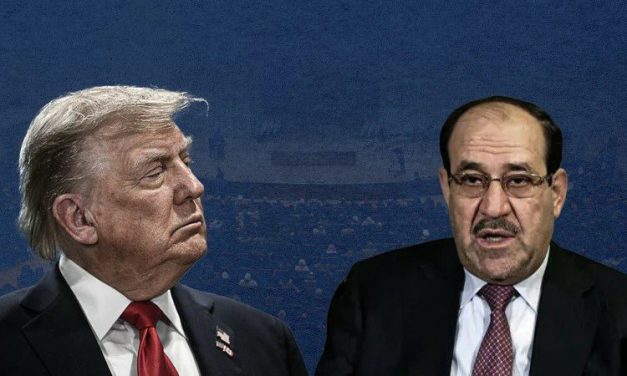
Online Strategic Council – Memoir: The swift selection of Nouri al-Maliki for the premiership constitutes a new phase in Iraq’s political sphere. Multiple factors have played a role in this process, the most important being the prevailing situation in Iraq and the region. Under such circumstances, Iraq requires a powerful and experienced prime minister who can keep the country away from the dangers of wars and crises.

America’s Strategy for Creating Tension in the Asia-Pacific

Strategic Council Online – Opinion: Relations between some countries in the Asia-Pacific region, such as China and Japan or China and Australia, which were previously relatively normal, are trending towards deterioration, and the primary reason for this is the aggressive policies of the United States of America.

The Collapse of the European Security Illusion with the Continuation of the Ukraine War?

Strategic Council Online – Interview: The Ukraine war has become a new turning point in the political, security, and even commercial relations of allies on both sides of the Atlantic. While this war is nearing its fourth year, many questions still remain regarding its future and its consequences; among them, will the continuation of the Ukraine war lead to the collapse of the European security illusion?

Is Greenland Pushing Europe Toward China?

Strategic Council Online – Interview: A European affairs expert believes that the seizure of Greenland will certainly weaken America’s relations with Europe and its allies. Donald Trump’s view is that he does not need these countries, but if Europe faces significant pressure from the United States, it is natural for it to move toward China.

Alarm Bells Sound for ISIS Revival in Syria: Threat to Iraq and West Asia

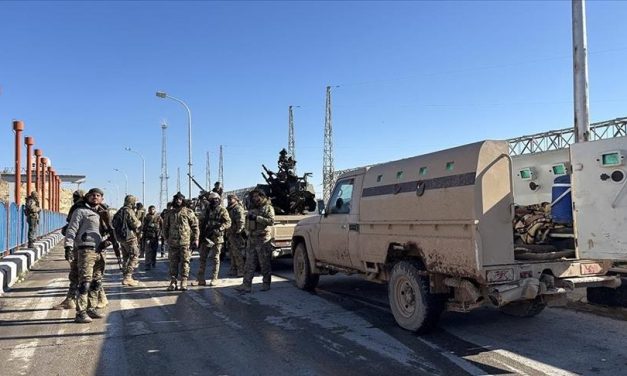
Strategic Council Online – Opinion: Numerous documents and pieces of evidence indicate that ISIS, which in recent years has been the region’s biggest threat to security and stability after the Zionist regime, has once again in recent months become a focal point for political and security exploitation by American and Zionist regime security, intelligence, and political circles.

Afghanistan’s Effective Role in the Economy of Eurasia

Strategic Council Online – Interview: A regional affairs researcher stated: Despite projects such as the Khaf-Herat railway and the Herat-Balkh-Mazar-i-Sharif corridor being on the agenda, insecurity and the absence of an inclusive government remain the most significant obstacles to realizing transit corridors and Afghanistan playing an effective role in the economy of Eurasia.

Loading

Últimas publicaciones

America’s Zero-Sum Game in Iraq

Online Strategic Council – Memoir: The swift selection of Nouri al-Maliki for the premiership constitutes a new phase in Iraq’s political sphere. Multiple factors have played a role in this process, the most important being the prevailing situation in Iraq and the region. Under such circumstances, Iraq requires a powerful and experienced prime minister who can keep the country away from the dangers of wars and crises.

America’s Strategy for Creating Tension in the Asia-Pacific

Strategic Council Online – Opinion: Relations between some countries in the Asia-Pacific region, such as China and Japan or China and Australia, which were previously relatively normal, are trending towards deterioration, and the primary reason for this is the aggressive policies of the United States of America.

The Collapse of the European Security Illusion with the Continuation of the Ukraine War?

Strategic Council Online – Interview: The Ukraine war has become a new turning point in the political, security, and even commercial relations of allies on both sides of the Atlantic. While this war is nearing its fourth year, many questions still remain regarding its future and its consequences; among them, will the continuation of the Ukraine war lead to the collapse of the European security illusion?

Is Greenland Pushing Europe Toward China?

Strategic Council Online – Interview: A European affairs expert believes that the seizure of Greenland will certainly weaken America’s relations with Europe and its allies. Donald Trump’s view is that he does not need these countries, but if Europe faces significant pressure from the United States, it is natural for it to move toward China.

Alarm Bells Sound for ISIS Revival in Syria: Threat to Iraq and West Asia

Strategic Council Online – Opinion: Numerous documents and pieces of evidence indicate that ISIS, which in recent years has been the region’s biggest threat to security and stability after the Zionist regime, has once again in recent months become a focal point for political and security exploitation by American and Zionist regime security, intelligence, and political circles.

Afghanistan’s Effective Role in the Economy of Eurasia

Strategic Council Online – Interview: A regional affairs researcher stated: Despite projects such as the Khaf-Herat railway and the Herat-Balkh-Mazar-i-Sharif corridor being on the agenda, insecurity and the absence of an inclusive government remain the most significant obstacles to realizing transit corridors and Afghanistan playing an effective role in the economy of Eurasia.

Loading

DERNIER CONTENU

America’s Zero-Sum Game in Iraq

Online Strategic Council – Memoir: The swift selection of Nouri al-Maliki for the premiership constitutes a new phase in Iraq’s political sphere. Multiple factors have played a role in this process, the most important being the prevailing situation in Iraq and the region. Under such circumstances, Iraq requires a powerful and experienced prime minister who can keep the country away from the dangers of wars and crises.

America’s Strategy for Creating Tension in the Asia-Pacific

Strategic Council Online – Opinion: Relations between some countries in the Asia-Pacific region, such as China and Japan or China and Australia, which were previously relatively normal, are trending towards deterioration, and the primary reason for this is the aggressive policies of the United States of America.

The Collapse of the European Security Illusion with the Continuation of the Ukraine War?

Strategic Council Online – Interview: The Ukraine war has become a new turning point in the political, security, and even commercial relations of allies on both sides of the Atlantic. While this war is nearing its fourth year, many questions still remain regarding its future and its consequences; among them, will the continuation of the Ukraine war lead to the collapse of the European security illusion?

Is Greenland Pushing Europe Toward China?

Strategic Council Online – Interview: A European affairs expert believes that the seizure of Greenland will certainly weaken America’s relations with Europe and its allies. Donald Trump’s view is that he does not need these countries, but if Europe faces significant pressure from the United States, it is natural for it to move toward China.

Alarm Bells Sound for ISIS Revival in Syria: Threat to Iraq and West Asia

Strategic Council Online – Opinion: Numerous documents and pieces of evidence indicate that ISIS, which in recent years has been the region’s biggest threat to security and stability after the Zionist regime, has once again in recent months become a focal point for political and security exploitation by American and Zionist regime security, intelligence, and political circles.

Afghanistan’s Effective Role in the Economy of Eurasia

Strategic Council Online – Interview: A regional affairs researcher stated: Despite projects such as the Khaf-Herat railway and the Herat-Balkh-Mazar-i-Sharif corridor being on the agenda, insecurity and the absence of an inclusive government remain the most significant obstacles to realizing transit corridors and Afghanistan playing an effective role in the economy of Eurasia.

Loading