Reasons for the Ineffectiveness of Trump’s “Economic War” against Iran
SCFR Online – Opinion: The intensification of U.S. sanctions against Iran on the eve of the U.S. midterm elections indicates Washington’s inability to achieve its war objectives.


SCFR Online – Opinion: The intensification of U.S. sanctions against Iran on the eve of the U.S. midterm elections indicates Washington’s inability to achieve its war objectives.

SCFR Online – Opinion: The competition between Washington and Beijing over chips and artificial intelligence, simultaneously with the shifting of technological balances, has taken on new economic and security dimensions.
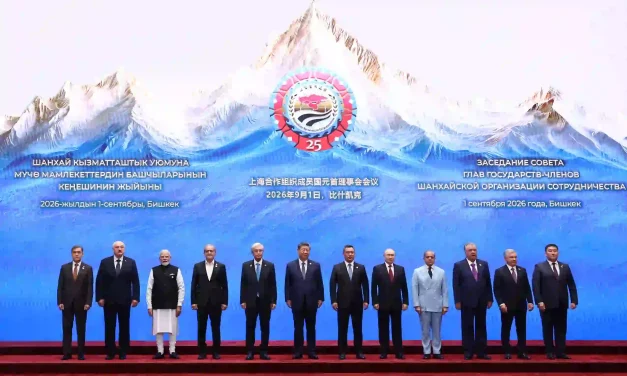
SCFR Online – Opinion: The Shanghai Cooperation Organization summit has created a new opportunity for Iran to transform its membership from a political achievement into economic and transit cooperation.
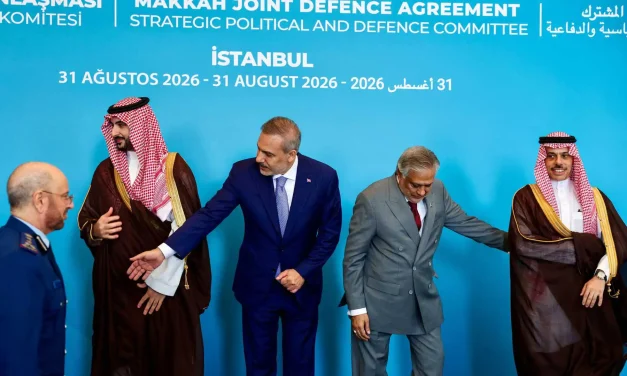
Strategic Council Online – Note: The Makkah Defense Pact can be seen as a sign of regional countries’ efforts to reduce security dependence on extra-regional powers and redefine the balance in West Asia.

SCFR Online – Opinion: The Ukraine war, by exhausting US military capability on one hand and strengthening European defense capacity on the other, has altered the balance of power in the European continent, cast uncertainty over NATO’s future, and is driving it toward a European NATO.
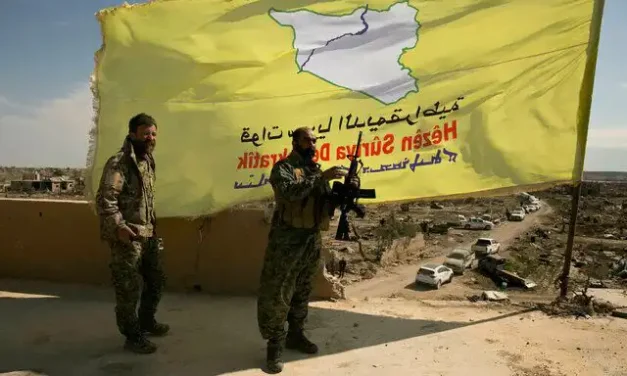
SCFR Online – Opinion: The dissolution of the SDF, although considered an achievement for Turkey’s security, does not put an end to the challenges arising from the Israeli regime’s aggression and expansionism, refugees, and Syria’s fragility.
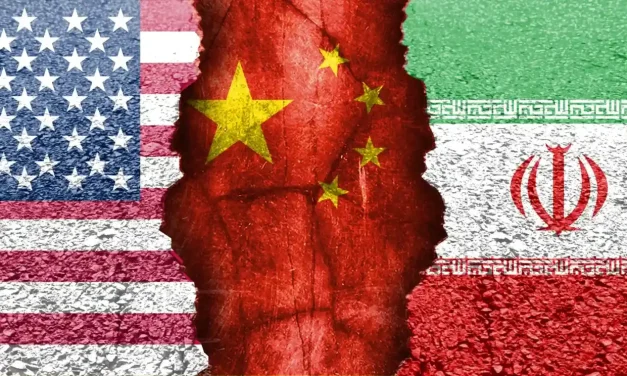
SCFR Online – Opinion: Concurrent with the official commencement of the United States’ economic war against our country, focusing on sanctions instruments, isolation, and economic pressure, what has now become increasingly important is the lack of alignment of other major global powers, especially China, with this policy.
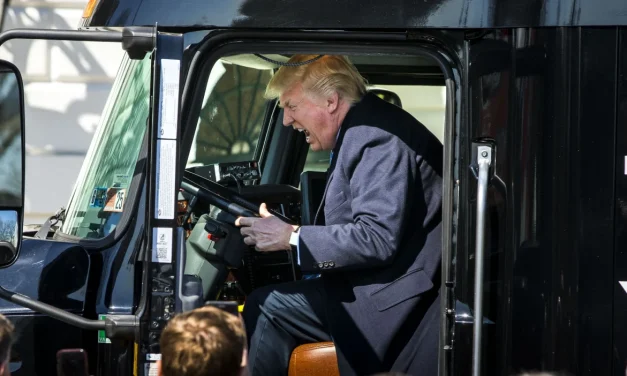
SCFR Online – Opinion: The new US sanctions against Iran, despite extensive propaganda, face serious obstacles to success due to the ineffectiveness of sanctions tools and opposition from some of Tehran’s trading partners.

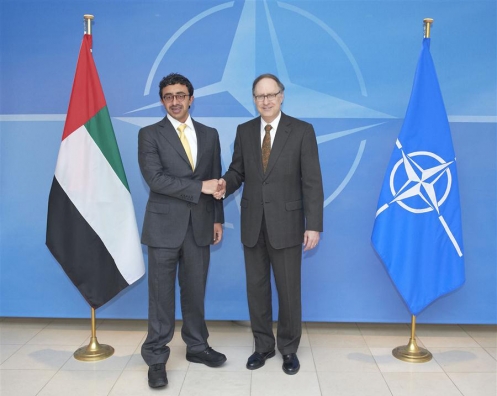
SCFR Online – Opinion: The recent mobilization by certain members of the Persian Gulf Cooperation Council toward more active participation in NATO security arrangements should not be interpreted as a sudden shift or fundamental transformation in these countries’ foreign policies.
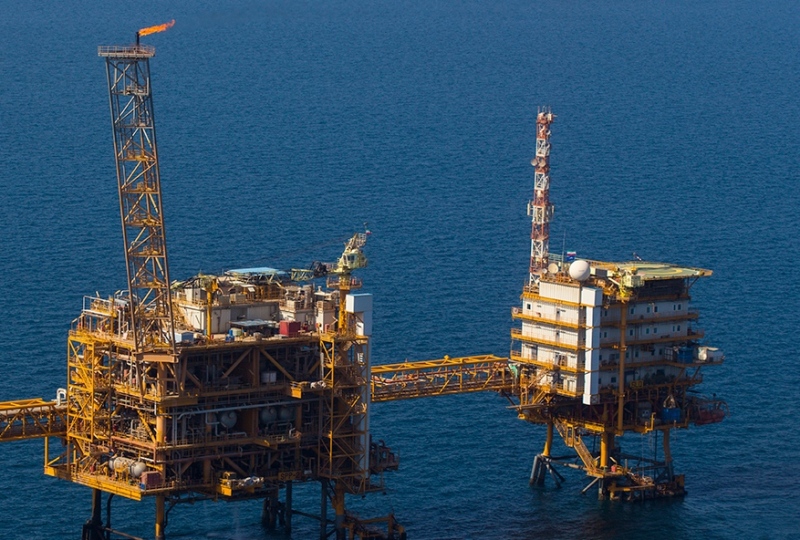
SCFR Online – Opinion: The dominant discourse in the field of European energy security over the past two decades has revolved around diversification of supply sources and the gradual reduction of dependence on fossil fuels. This narrative, which gained particular momentum after the Ukraine gas crisis in 2006 and its intensification in 2014 and 2022, was based on the assumption that Europe could free itself from the geopolitical vulnerabilities arising from dependence on specific suppliers through investment in renewable energy, imports of liquefied natural gas from diversified sources, and the establishment of new infrastructure. However, a closer analysis of energy trade data and the structure of the global oil and gas supply chain presents a different picture. Europe has not only failed to meaningfully reduce its dependence on the Persian Gulf, but in some sectors — particularly in liquefied natural gas imports — this dependence has deepened. This reality, which is often overlooked in public discourse, raises fundamental questions about the sustainability of Europe’s energy security strategies and their impact on regional power equations.

Strategic Council Online – Interview: A regional security researcher said: If the security of the Persian Gulf becomes an area of cooperation among governments, many political and security misunderstandings will also be eliminated.

Strategic Council Online– Opinion: Erdogan’s strategic visit to the Persian Gulf creates an opportunity to strengthen Turkey’s regional role, alongside the economic consequences.
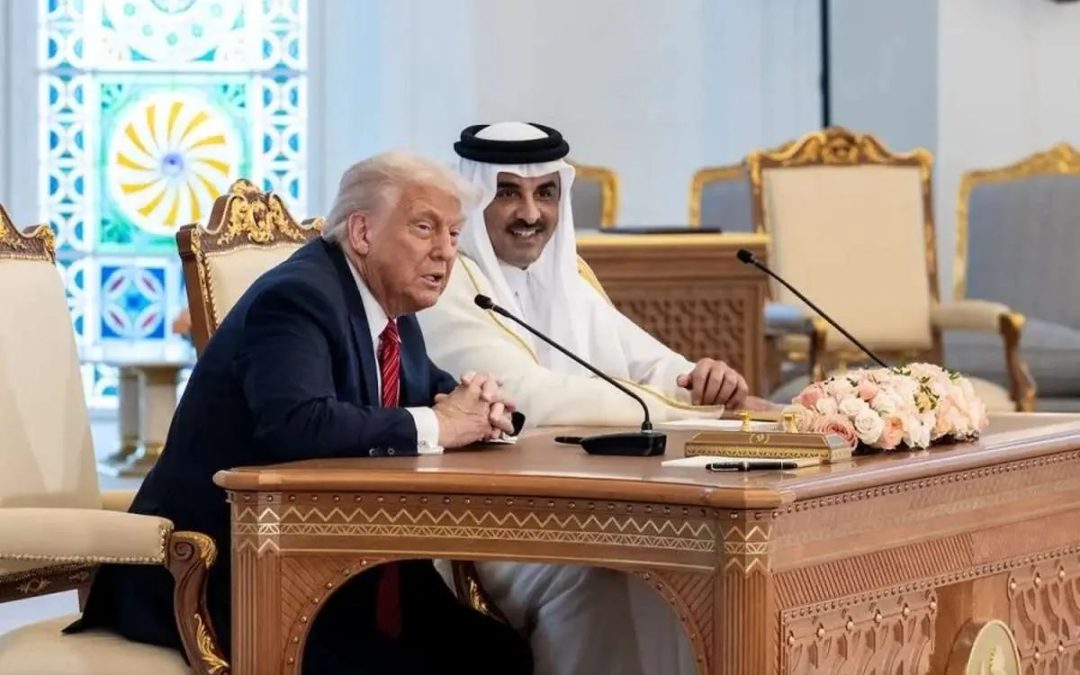
Online Strategic Council – Interview: An expert on Persian Gulf regional issues stated: The White House recently announced that Trump signed an executive order guaranteeing Qatar’s security. The order states that U.S. policy is to deter and respond to any external attack on Qatar’s security and territorial integrity.
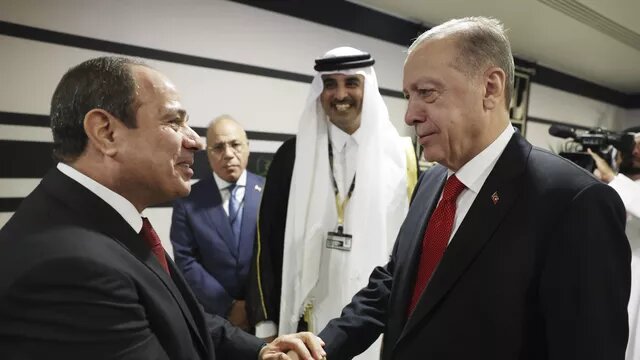
Online Strategic Council – Interview: A senior Egyptian affairs analyst stated that Egypt, the first Arab country to sign a peace agreement with the Zionist regime in 1979, has now adopted a new strategy due to concerns about the regime’s expansionist policies. The developments following the 2023 Gaza war revealed that Tel Aviv, with the unconditional support of the United States, seeks to alter the balance of power in West Asia —a matter that has compelled Cairo to expand its relations with Iran and Turkey, two significant regional powers. By holding joint military exercises with Turkey, mediating in Iran’s nuclear dossier, and seeking military and technological cooperation, Egypt is trying to prevent the Zionists’ hegemony in the region. Although the formation of a trilateral military alliance seems unlikely for now, Cairo’s rapprochement with Tehran and Ankara is considered a potential threat to the Israeli regime. In fact, in the face of regional pressures and border crises, Egypt is seeking to create a strategic balance to curb Tel Aviv’s influence and enhance its own position in the West Asian equations.

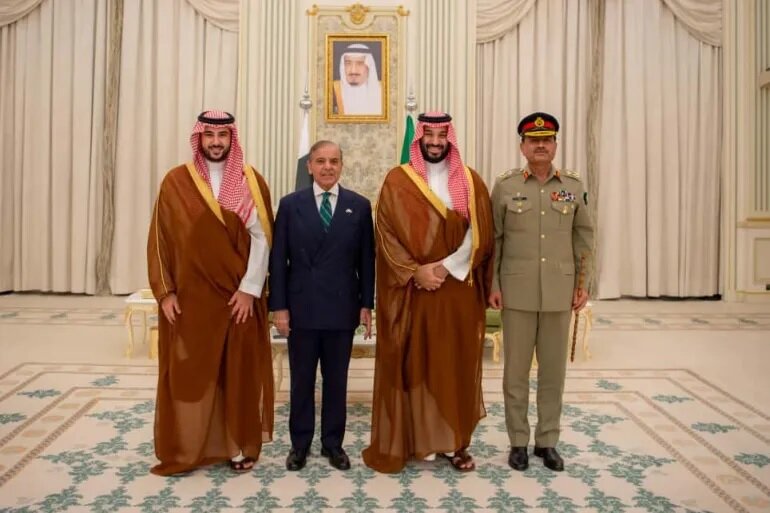
Online Strategic Council – Interview: A senior West Asia affairs analyst stated that recent developments in West Asia indicate that the region’s security equations have entered a new stage. The Israeli regime’s attack on Qatar, as a security shock, has made the Arab countries of the Persian Gulf aware of new vulnerabilities and forced them to reconsider their defense strategies. Now, relying on American security guarantees no longer seems sufficient, because emerging regional threats have become more complex and multi-layered than in the past. In this context, Pakistan, with its special position as the only atomic power in the Islamic world, has quickly found a strategic place in the security calculations of the Arab countries. The signing of the strategic defense agreement between Riyadh and Islamabad, followed by a military cooperation meeting between Bahrain and Pakistan in Manama, indicates an increasing trend in security convergence. These cooperations are defined not only to strengthen joint deterrence and counter potential threats, especially from the Israeli regime, but also indicate a shift in the balance of power in the region. Pakistan’s entry into the West Asian equations could have broader implications; on the one hand, it could reduce America’s monopoly on providing regional security, and on the other hand, it could create new axes of cooperation among Islamic powers. Thus, by moving closer to Islamabad, Saudi Arabia and Bahrain are seeking to develop an indigenous defense shield which, in addition to guaranteeing their own security, sends a clear message to regional rivals: the power equations are being rewritten and new actors have entered the scene.
Online Strategic Council – Dialogue: After October 7, 2023, and the start of the cycle of killing and aggression by the Israeli regime, the equations of the Middle East entered a new and more complex stage. This development not only altered the security and diplomatic balances but also impacted the region’s geopolitical structure, and over the past two years, has led to the emergence of a new regional architecture. Today, the Middle East has become a multi-layered arena with changing conflicts and alliances.
The Gaza crisis and the reaction of public opinion in the region’s countries have also altered the internal calculations of governments and put their foreign policies under pressure from public opinion. The wave of official recognition of the state of Palestine, along with the experience of the Israeli regime’s aggression against Iran and Tehran’s decisive response, has made the current situation completely different from the past. It appears that in the near future, the new regional architecture will require multilateral interactions and a redefinition of power relations beyond traditional equations.

Strategic Council Online – Interview: A regional affairs expert stated that Europe has taken no action to increase political, economic, and security pressure on the Israeli regime to counter its genocide in Gaza, and it is unlikely to take any action in this regard in the future, although even at this level, support for Palestine and opposition to the crimes and genocide of the Israeli regime in Gaza are unprecedented in Europe.
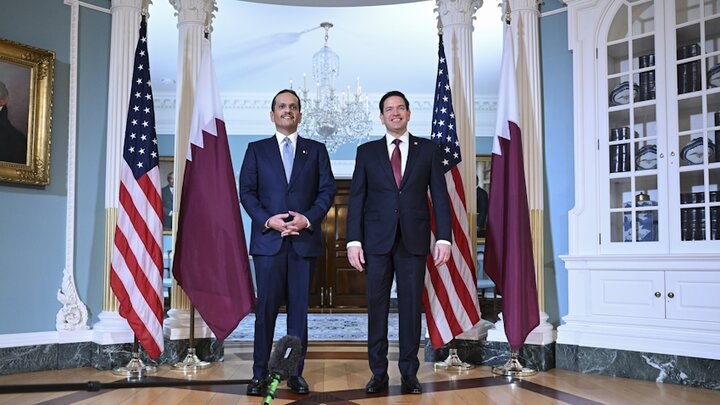
Strategic Council Online – Opinion: Contrary to the Trump administration’s claim that it was unaware of and had no role in the Israeli regime’s attack on Qatar, the reality is that the Zionist regime, with the U.S. green light, targeted a country that was a pioneer in normalizing relations with this regime. It is a given that the Zionist regime, especially regarding military and security actions against a U.S. ally, takes no action without coordination with the U.S. government.
SCFR Online – Opinion: The intensification of U.S. sanctions against Iran on the eve of the U.S. midterm elections indicates Washington’s inability to achieve its war objectives.
SCFR Online – Opinion: The competition between Washington and Beijing over chips and artificial intelligence, simultaneously with the shifting of technological balances, has taken on new economic and security dimensions.
SCFR Online – Opinion: The Shanghai Cooperation Organization summit has created a new opportunity for Iran to transform its membership from a political achievement into economic and transit cooperation.
Strategic Council Online – Note: The Makkah Defense Pact can be seen as a sign of regional countries’ efforts to reduce security dependence on extra-regional powers and redefine the balance in West Asia.
SCFR Online – Opinion: The Ukraine war, by exhausting US military capability on one hand and strengthening European defense capacity on the other, has altered the balance of power in the European continent, cast uncertainty over NATO’s future, and is driving it toward a European NATO.
SCFR Online – Opinion: The dissolution of the SDF, although considered an achievement for Turkey’s security, does not put an end to the challenges arising from the Israeli regime’s aggression and expansionism, refugees, and Syria’s fragility.
SCFR Online – Opinion: Concurrent with the official commencement of the United States’ economic war against our country, focusing on sanctions instruments, isolation, and economic pressure, what has now become increasingly important is the lack of alignment of other major global powers, especially China, with this policy.
SCFR Online – Opinion: The new US sanctions against Iran, despite extensive propaganda, face serious obstacles to success due to the ineffectiveness of sanctions tools and opposition from some of Tehran’s trading partners.
SCFR Online – Opinion: The recent mobilization by certain members of the Persian Gulf Cooperation Council toward more active participation in NATO security arrangements should not be interpreted as a sudden shift or fundamental transformation in these countries’ foreign policies.
SCFR Online – Opinion: The dominant discourse in the field of European energy security over the past two decades has revolved around diversification of supply sources and the gradual reduction of dependence on fossil fuels. This narrative, which gained particular momentum after the Ukraine gas crisis in 2006 and its intensification in 2014 and 2022, was based on the assumption that Europe could free itself from the geopolitical vulnerabilities arising from dependence on specific suppliers through investment in renewable energy, imports of liquefied natural gas from diversified sources, and the establishment of new infrastructure. However, a closer analysis of energy trade data and the structure of the global oil and gas supply chain presents a different picture. Europe has not only failed to meaningfully reduce its dependence on the Persian Gulf, but in some sectors — particularly in liquefied natural gas imports — this dependence has deepened. This reality, which is often overlooked in public discourse, raises fundamental questions about the sustainability of Europe’s energy security strategies and their impact on regional power equations.
Strategic Council Online – Interview: A regional security researcher said: If the security of the Persian Gulf becomes an area of cooperation among governments, many political and security misunderstandings will also be eliminated.
Strategic Council Online– Opinion: Erdogan’s strategic visit to the Persian Gulf creates an opportunity to strengthen Turkey’s regional role, alongside the economic consequences.
Online Strategic Council – Interview: An expert on Persian Gulf regional issues stated: The White House recently announced that Trump signed an executive order guaranteeing Qatar’s security. The order states that U.S. policy is to deter and respond to any external attack on Qatar’s security and territorial integrity.
Online Strategic Council – Interview: A senior Egyptian affairs analyst stated that Egypt, the first Arab country to sign a peace agreement with the Zionist regime in 1979, has now adopted a new strategy due to concerns about the regime’s expansionist policies. The developments following the 2023 Gaza war revealed that Tel Aviv, with the unconditional support of the United States, seeks to alter the balance of power in West Asia —a matter that has compelled Cairo to expand its relations with Iran and Turkey, two significant regional powers. By holding joint military exercises with Turkey, mediating in Iran’s nuclear dossier, and seeking military and technological cooperation, Egypt is trying to prevent the Zionists’ hegemony in the region. Although the formation of a trilateral military alliance seems unlikely for now, Cairo’s rapprochement with Tehran and Ankara is considered a potential threat to the Israeli regime. In fact, in the face of regional pressures and border crises, Egypt is seeking to create a strategic balance to curb Tel Aviv’s influence and enhance its own position in the West Asian equations.
Online Strategic Council – Interview: A senior West Asia affairs analyst stated that recent developments in West Asia indicate that the region’s security equations have entered a new stage. The Israeli regime’s attack on Qatar, as a security shock, has made the Arab countries of the Persian Gulf aware of new vulnerabilities and forced them to reconsider their defense strategies. Now, relying on American security guarantees no longer seems sufficient, because emerging regional threats have become more complex and multi-layered than in the past. In this context, Pakistan, with its special position as the only atomic power in the Islamic world, has quickly found a strategic place in the security calculations of the Arab countries. The signing of the strategic defense agreement between Riyadh and Islamabad, followed by a military cooperation meeting between Bahrain and Pakistan in Manama, indicates an increasing trend in security convergence. These cooperations are defined not only to strengthen joint deterrence and counter potential threats, especially from the Israeli regime, but also indicate a shift in the balance of power in the region. Pakistan’s entry into the West Asian equations could have broader implications; on the one hand, it could reduce America’s monopoly on providing regional security, and on the other hand, it could create new axes of cooperation among Islamic powers. Thus, by moving closer to Islamabad, Saudi Arabia and Bahrain are seeking to develop an indigenous defense shield which, in addition to guaranteeing their own security, sends a clear message to regional rivals: the power equations are being rewritten and new actors have entered the scene.
Online Strategic Council – Dialogue: After October 7, 2023, and the start of the cycle of killing and aggression by the Israeli regime, the equations of the Middle East entered a new and more complex stage. This development not only altered the security and diplomatic balances but also impacted the region’s geopolitical structure, and over the past two years, has led to the emergence of a new regional architecture. Today, the Middle East has become a multi-layered arena with changing conflicts and alliances.
The Gaza crisis and the reaction of public opinion in the region’s countries have also altered the internal calculations of governments and put their foreign policies under pressure from public opinion. The wave of official recognition of the state of Palestine, along with the experience of the Israeli regime’s aggression against Iran and Tehran’s decisive response, has made the current situation completely different from the past. It appears that in the near future, the new regional architecture will require multilateral interactions and a redefinition of power relations beyond traditional equations.
Strategic Council Online – Interview: A regional affairs expert stated that Europe has taken no action to increase political, economic, and security pressure on the Israeli regime to counter its genocide in Gaza, and it is unlikely to take any action in this regard in the future, although even at this level, support for Palestine and opposition to the crimes and genocide of the Israeli regime in Gaza are unprecedented in Europe.
Strategic Council Online – Opinion: Contrary to the Trump administration’s claim that it was unaware of and had no role in the Israeli regime’s attack on Qatar, the reality is that the Zionist regime, with the U.S. green light, targeted a country that was a pioneer in normalizing relations with this regime. It is a given that the Zionist regime, especially regarding military and security actions against a U.S. ally, takes no action without coordination with the U.S. government.
SCFR Online – Opinion: The recent mobilization by certain members of the Persian Gulf Cooperation Council toward more active participation in NATO security arrangements should not be interpreted as a sudden shift or fundamental transformation in these countries’ foreign policies.
SCFR Online – Opinion: The dominant discourse in the field of European energy security over the past two decades has revolved around diversification of supply sources and the gradual reduction of dependence on fossil fuels. This narrative, which gained particular momentum after the Ukraine gas crisis in 2006 and its intensification in 2014 and 2022, was based on the assumption that Europe could free itself from the geopolitical vulnerabilities arising from dependence on specific suppliers through investment in renewable energy, imports of liquefied natural gas from diversified sources, and the establishment of new infrastructure. However, a closer analysis of energy trade data and the structure of the global oil and gas supply chain presents a different picture. Europe has not only failed to meaningfully reduce its dependence on the Persian Gulf, but in some sectors — particularly in liquefied natural gas imports — this dependence has deepened. This reality, which is often overlooked in public discourse, raises fundamental questions about the sustainability of Europe’s energy security strategies and their impact on regional power equations.
Strategic Council Online – Interview: A regional security researcher said: If the security of the Persian Gulf becomes an area of cooperation among governments, many political and security misunderstandings will also be eliminated.
Strategic Council Online– Opinion: Erdogan’s strategic visit to the Persian Gulf creates an opportunity to strengthen Turkey’s regional role, alongside the economic consequences.
Online Strategic Council – Interview: An expert on Persian Gulf regional issues stated: The White House recently announced that Trump signed an executive order guaranteeing Qatar’s security. The order states that U.S. policy is to deter and respond to any external attack on Qatar’s security and territorial integrity.
Online Strategic Council – Interview: A senior Egyptian affairs analyst stated that Egypt, the first Arab country to sign a peace agreement with the Zionist regime in 1979, has now adopted a new strategy due to concerns about the regime’s expansionist policies. The developments following the 2023 Gaza war revealed that Tel Aviv, with the unconditional support of the United States, seeks to alter the balance of power in West Asia —a matter that has compelled Cairo to expand its relations with Iran and Turkey, two significant regional powers. By holding joint military exercises with Turkey, mediating in Iran’s nuclear dossier, and seeking military and technological cooperation, Egypt is trying to prevent the Zionists’ hegemony in the region. Although the formation of a trilateral military alliance seems unlikely for now, Cairo’s rapprochement with Tehran and Ankara is considered a potential threat to the Israeli regime. In fact, in the face of regional pressures and border crises, Egypt is seeking to create a strategic balance to curb Tel Aviv’s influence and enhance its own position in the West Asian equations.
Online Strategic Council – Interview: A senior West Asia affairs analyst stated that recent developments in West Asia indicate that the region’s security equations have entered a new stage. The Israeli regime’s attack on Qatar, as a security shock, has made the Arab countries of the Persian Gulf aware of new vulnerabilities and forced them to reconsider their defense strategies. Now, relying on American security guarantees no longer seems sufficient, because emerging regional threats have become more complex and multi-layered than in the past. In this context, Pakistan, with its special position as the only atomic power in the Islamic world, has quickly found a strategic place in the security calculations of the Arab countries. The signing of the strategic defense agreement between Riyadh and Islamabad, followed by a military cooperation meeting between Bahrain and Pakistan in Manama, indicates an increasing trend in security convergence. These cooperations are defined not only to strengthen joint deterrence and counter potential threats, especially from the Israeli regime, but also indicate a shift in the balance of power in the region. Pakistan’s entry into the West Asian equations could have broader implications; on the one hand, it could reduce America’s monopoly on providing regional security, and on the other hand, it could create new axes of cooperation among Islamic powers. Thus, by moving closer to Islamabad, Saudi Arabia and Bahrain are seeking to develop an indigenous defense shield which, in addition to guaranteeing their own security, sends a clear message to regional rivals: the power equations are being rewritten and new actors have entered the scene.
Online Strategic Council – Dialogue: After October 7, 2023, and the start of the cycle of killing and aggression by the Israeli regime, the equations of the Middle East entered a new and more complex stage. This development not only altered the security and diplomatic balances but also impacted the region’s geopolitical structure, and over the past two years, has led to the emergence of a new regional architecture. Today, the Middle East has become a multi-layered arena with changing conflicts and alliances.
The Gaza crisis and the reaction of public opinion in the region’s countries have also altered the internal calculations of governments and put their foreign policies under pressure from public opinion. The wave of official recognition of the state of Palestine, along with the experience of the Israeli regime’s aggression against Iran and Tehran’s decisive response, has made the current situation completely different from the past. It appears that in the near future, the new regional architecture will require multilateral interactions and a redefinition of power relations beyond traditional equations.
Strategic Council Online – Interview: A regional affairs expert stated that Europe has taken no action to increase political, economic, and security pressure on the Israeli regime to counter its genocide in Gaza, and it is unlikely to take any action in this regard in the future, although even at this level, support for Palestine and opposition to the crimes and genocide of the Israeli regime in Gaza are unprecedented in Europe.
Strategic Council Online – Opinion: Contrary to the Trump administration’s claim that it was unaware of and had no role in the Israeli regime’s attack on Qatar, the reality is that the Zionist regime, with the U.S. green light, targeted a country that was a pioneer in normalizing relations with this regime. It is a given that the Zionist regime, especially regarding military and security actions against a U.S. ally, takes no action without coordination with the U.S. government.
SCFR Online – Opinion: The intensification of U.S. sanctions against Iran on the eve of the U.S. midterm elections indicates Washington’s inability to achieve its war objectives.
SCFR Online – Opinion: The competition between Washington and Beijing over chips and artificial intelligence, simultaneously with the shifting of technological balances, has taken on new economic and security dimensions.
SCFR Online – Opinion: The Shanghai Cooperation Organization summit has created a new opportunity for Iran to transform its membership from a political achievement into economic and transit cooperation.
Strategic Council Online – Note: The Makkah Defense Pact can be seen as a sign of regional countries’ efforts to reduce security dependence on extra-regional powers and redefine the balance in West Asia.
SCFR Online – Opinion: The Ukraine war, by exhausting US military capability on one hand and strengthening European defense capacity on the other, has altered the balance of power in the European continent, cast uncertainty over NATO’s future, and is driving it toward a European NATO.
SCFR Online – Opinion: The dissolution of the SDF, although considered an achievement for Turkey’s security, does not put an end to the challenges arising from the Israeli regime’s aggression and expansionism, refugees, and Syria’s fragility.
SCFR Online – Opinion: Concurrent with the official commencement of the United States’ economic war against our country, focusing on sanctions instruments, isolation, and economic pressure, what has now become increasingly important is the lack of alignment of other major global powers, especially China, with this policy.
SCFR Online – Opinion: The new US sanctions against Iran, despite extensive propaganda, face serious obstacles to success due to the ineffectiveness of sanctions tools and opposition from some of Tehran’s trading partners.
SCFR Online – Opinion: The recent mobilization by certain members of the Persian Gulf Cooperation Council toward more active participation in NATO security arrangements should not be interpreted as a sudden shift or fundamental transformation in these countries’ foreign policies.
SCFR Online – Opinion: The dominant discourse in the field of European energy security over the past two decades has revolved around diversification of supply sources and the gradual reduction of dependence on fossil fuels. This narrative, which gained particular momentum after the Ukraine gas crisis in 2006 and its intensification in 2014 and 2022, was based on the assumption that Europe could free itself from the geopolitical vulnerabilities arising from dependence on specific suppliers through investment in renewable energy, imports of liquefied natural gas from diversified sources, and the establishment of new infrastructure. However, a closer analysis of energy trade data and the structure of the global oil and gas supply chain presents a different picture. Europe has not only failed to meaningfully reduce its dependence on the Persian Gulf, but in some sectors — particularly in liquefied natural gas imports — this dependence has deepened. This reality, which is often overlooked in public discourse, raises fundamental questions about the sustainability of Europe’s energy security strategies and their impact on regional power equations.
Strategic Council Online – Interview: A regional security researcher said: If the security of the Persian Gulf becomes an area of cooperation among governments, many political and security misunderstandings will also be eliminated.
Strategic Council Online– Opinion: Erdogan’s strategic visit to the Persian Gulf creates an opportunity to strengthen Turkey’s regional role, alongside the economic consequences.
Online Strategic Council – Interview: An expert on Persian Gulf regional issues stated: The White House recently announced that Trump signed an executive order guaranteeing Qatar’s security. The order states that U.S. policy is to deter and respond to any external attack on Qatar’s security and territorial integrity.
Online Strategic Council – Interview: A senior Egyptian affairs analyst stated that Egypt, the first Arab country to sign a peace agreement with the Zionist regime in 1979, has now adopted a new strategy due to concerns about the regime’s expansionist policies. The developments following the 2023 Gaza war revealed that Tel Aviv, with the unconditional support of the United States, seeks to alter the balance of power in West Asia —a matter that has compelled Cairo to expand its relations with Iran and Turkey, two significant regional powers. By holding joint military exercises with Turkey, mediating in Iran’s nuclear dossier, and seeking military and technological cooperation, Egypt is trying to prevent the Zionists’ hegemony in the region. Although the formation of a trilateral military alliance seems unlikely for now, Cairo’s rapprochement with Tehran and Ankara is considered a potential threat to the Israeli regime. In fact, in the face of regional pressures and border crises, Egypt is seeking to create a strategic balance to curb Tel Aviv’s influence and enhance its own position in the West Asian equations.
Online Strategic Council – Interview: A senior West Asia affairs analyst stated that recent developments in West Asia indicate that the region’s security equations have entered a new stage. The Israeli regime’s attack on Qatar, as a security shock, has made the Arab countries of the Persian Gulf aware of new vulnerabilities and forced them to reconsider their defense strategies. Now, relying on American security guarantees no longer seems sufficient, because emerging regional threats have become more complex and multi-layered than in the past. In this context, Pakistan, with its special position as the only atomic power in the Islamic world, has quickly found a strategic place in the security calculations of the Arab countries. The signing of the strategic defense agreement between Riyadh and Islamabad, followed by a military cooperation meeting between Bahrain and Pakistan in Manama, indicates an increasing trend in security convergence. These cooperations are defined not only to strengthen joint deterrence and counter potential threats, especially from the Israeli regime, but also indicate a shift in the balance of power in the region. Pakistan’s entry into the West Asian equations could have broader implications; on the one hand, it could reduce America’s monopoly on providing regional security, and on the other hand, it could create new axes of cooperation among Islamic powers. Thus, by moving closer to Islamabad, Saudi Arabia and Bahrain are seeking to develop an indigenous defense shield which, in addition to guaranteeing their own security, sends a clear message to regional rivals: the power equations are being rewritten and new actors have entered the scene.
Online Strategic Council – Dialogue: After October 7, 2023, and the start of the cycle of killing and aggression by the Israeli regime, the equations of the Middle East entered a new and more complex stage. This development not only altered the security and diplomatic balances but also impacted the region’s geopolitical structure, and over the past two years, has led to the emergence of a new regional architecture. Today, the Middle East has become a multi-layered arena with changing conflicts and alliances.
The Gaza crisis and the reaction of public opinion in the region’s countries have also altered the internal calculations of governments and put their foreign policies under pressure from public opinion. The wave of official recognition of the state of Palestine, along with the experience of the Israeli regime’s aggression against Iran and Tehran’s decisive response, has made the current situation completely different from the past. It appears that in the near future, the new regional architecture will require multilateral interactions and a redefinition of power relations beyond traditional equations.
Strategic Council Online – Interview: A regional affairs expert stated that Europe has taken no action to increase political, economic, and security pressure on the Israeli regime to counter its genocide in Gaza, and it is unlikely to take any action in this regard in the future, although even at this level, support for Palestine and opposition to the crimes and genocide of the Israeli regime in Gaza are unprecedented in Europe.
Strategic Council Online – Opinion: Contrary to the Trump administration’s claim that it was unaware of and had no role in the Israeli regime’s attack on Qatar, the reality is that the Zionist regime, with the U.S. green light, targeted a country that was a pioneer in normalizing relations with this regime. It is a given that the Zionist regime, especially regarding military and security actions against a U.S. ally, takes no action without coordination with the U.S. government.
SCFR Online – Opinion: The intensification of U.S. sanctions against Iran on the eve of the U.S. midterm elections indicates Washington’s inability to achieve its war objectives.
SCFR Online – Opinion: The competition between Washington and Beijing over chips and artificial intelligence, simultaneously with the shifting of technological balances, has taken on new economic and security dimensions.
SCFR Online – Opinion: The Shanghai Cooperation Organization summit has created a new opportunity for Iran to transform its membership from a political achievement into economic and transit cooperation.
Strategic Council Online – Note: The Makkah Defense Pact can be seen as a sign of regional countries’ efforts to reduce security dependence on extra-regional powers and redefine the balance in West Asia.
SCFR Online – Opinion: The Ukraine war, by exhausting US military capability on one hand and strengthening European defense capacity on the other, has altered the balance of power in the European continent, cast uncertainty over NATO’s future, and is driving it toward a European NATO.
SCFR Online – Opinion: The dissolution of the SDF, although considered an achievement for Turkey’s security, does not put an end to the challenges arising from the Israeli regime’s aggression and expansionism, refugees, and Syria’s fragility.
SCFR Online – Opinion: Concurrent with the official commencement of the United States’ economic war against our country, focusing on sanctions instruments, isolation, and economic pressure, what has now become increasingly important is the lack of alignment of other major global powers, especially China, with this policy.
SCFR Online – Opinion: The new US sanctions against Iran, despite extensive propaganda, face serious obstacles to success due to the ineffectiveness of sanctions tools and opposition from some of Tehran’s trading partners.
SCFR Online – Opinion: The recent mobilization by certain members of the Persian Gulf Cooperation Council toward more active participation in NATO security arrangements should not be interpreted as a sudden shift or fundamental transformation in these countries’ foreign policies.
SCFR Online – Opinion: The dominant discourse in the field of European energy security over the past two decades has revolved around diversification of supply sources and the gradual reduction of dependence on fossil fuels. This narrative, which gained particular momentum after the Ukraine gas crisis in 2006 and its intensification in 2014 and 2022, was based on the assumption that Europe could free itself from the geopolitical vulnerabilities arising from dependence on specific suppliers through investment in renewable energy, imports of liquefied natural gas from diversified sources, and the establishment of new infrastructure. However, a closer analysis of energy trade data and the structure of the global oil and gas supply chain presents a different picture. Europe has not only failed to meaningfully reduce its dependence on the Persian Gulf, but in some sectors — particularly in liquefied natural gas imports — this dependence has deepened. This reality, which is often overlooked in public discourse, raises fundamental questions about the sustainability of Europe’s energy security strategies and their impact on regional power equations.
Strategic Council Online – Interview: A regional security researcher said: If the security of the Persian Gulf becomes an area of cooperation among governments, many political and security misunderstandings will also be eliminated.
Strategic Council Online– Opinion: Erdogan’s strategic visit to the Persian Gulf creates an opportunity to strengthen Turkey’s regional role, alongside the economic consequences.
Online Strategic Council – Interview: An expert on Persian Gulf regional issues stated: The White House recently announced that Trump signed an executive order guaranteeing Qatar’s security. The order states that U.S. policy is to deter and respond to any external attack on Qatar’s security and territorial integrity.
Online Strategic Council – Interview: A senior Egyptian affairs analyst stated that Egypt, the first Arab country to sign a peace agreement with the Zionist regime in 1979, has now adopted a new strategy due to concerns about the regime’s expansionist policies. The developments following the 2023 Gaza war revealed that Tel Aviv, with the unconditional support of the United States, seeks to alter the balance of power in West Asia —a matter that has compelled Cairo to expand its relations with Iran and Turkey, two significant regional powers. By holding joint military exercises with Turkey, mediating in Iran’s nuclear dossier, and seeking military and technological cooperation, Egypt is trying to prevent the Zionists’ hegemony in the region. Although the formation of a trilateral military alliance seems unlikely for now, Cairo’s rapprochement with Tehran and Ankara is considered a potential threat to the Israeli regime. In fact, in the face of regional pressures and border crises, Egypt is seeking to create a strategic balance to curb Tel Aviv’s influence and enhance its own position in the West Asian equations.
Online Strategic Council – Interview: A senior West Asia affairs analyst stated that recent developments in West Asia indicate that the region’s security equations have entered a new stage. The Israeli regime’s attack on Qatar, as a security shock, has made the Arab countries of the Persian Gulf aware of new vulnerabilities and forced them to reconsider their defense strategies. Now, relying on American security guarantees no longer seems sufficient, because emerging regional threats have become more complex and multi-layered than in the past. In this context, Pakistan, with its special position as the only atomic power in the Islamic world, has quickly found a strategic place in the security calculations of the Arab countries. The signing of the strategic defense agreement between Riyadh and Islamabad, followed by a military cooperation meeting between Bahrain and Pakistan in Manama, indicates an increasing trend in security convergence. These cooperations are defined not only to strengthen joint deterrence and counter potential threats, especially from the Israeli regime, but also indicate a shift in the balance of power in the region. Pakistan’s entry into the West Asian equations could have broader implications; on the one hand, it could reduce America’s monopoly on providing regional security, and on the other hand, it could create new axes of cooperation among Islamic powers. Thus, by moving closer to Islamabad, Saudi Arabia and Bahrain are seeking to develop an indigenous defense shield which, in addition to guaranteeing their own security, sends a clear message to regional rivals: the power equations are being rewritten and new actors have entered the scene.
Online Strategic Council – Dialogue: After October 7, 2023, and the start of the cycle of killing and aggression by the Israeli regime, the equations of the Middle East entered a new and more complex stage. This development not only altered the security and diplomatic balances but also impacted the region’s geopolitical structure, and over the past two years, has led to the emergence of a new regional architecture. Today, the Middle East has become a multi-layered arena with changing conflicts and alliances.
The Gaza crisis and the reaction of public opinion in the region’s countries have also altered the internal calculations of governments and put their foreign policies under pressure from public opinion. The wave of official recognition of the state of Palestine, along with the experience of the Israeli regime’s aggression against Iran and Tehran’s decisive response, has made the current situation completely different from the past. It appears that in the near future, the new regional architecture will require multilateral interactions and a redefinition of power relations beyond traditional equations.
Strategic Council Online – Interview: A regional affairs expert stated that Europe has taken no action to increase political, economic, and security pressure on the Israeli regime to counter its genocide in Gaza, and it is unlikely to take any action in this regard in the future, although even at this level, support for Palestine and opposition to the crimes and genocide of the Israeli regime in Gaza are unprecedented in Europe.
Strategic Council Online – Opinion: Contrary to the Trump administration’s claim that it was unaware of and had no role in the Israeli regime’s attack on Qatar, the reality is that the Zionist regime, with the U.S. green light, targeted a country that was a pioneer in normalizing relations with this regime. It is a given that the Zionist regime, especially regarding military and security actions against a U.S. ally, takes no action without coordination with the U.S. government.
SCFR Online – Opinion: The intensification of U.S. sanctions against Iran on the eve of the U.S. midterm elections indicates Washington’s inability to achieve its war objectives.
SCFR Online – Opinion: The competition between Washington and Beijing over chips and artificial intelligence, simultaneously with the shifting of technological balances, has taken on new economic and security dimensions.
SCFR Online – Opinion: The Shanghai Cooperation Organization summit has created a new opportunity for Iran to transform its membership from a political achievement into economic and transit cooperation.
Strategic Council Online – Note: The Makkah Defense Pact can be seen as a sign of regional countries’ efforts to reduce security dependence on extra-regional powers and redefine the balance in West Asia.
SCFR Online – Opinion: The Ukraine war, by exhausting US military capability on one hand and strengthening European defense capacity on the other, has altered the balance of power in the European continent, cast uncertainty over NATO’s future, and is driving it toward a European NATO.
SCFR Online – Opinion: The dissolution of the SDF, although considered an achievement for Turkey’s security, does not put an end to the challenges arising from the Israeli regime’s aggression and expansionism, refugees, and Syria’s fragility.
SCFR Online – Opinion: Concurrent with the official commencement of the United States’ economic war against our country, focusing on sanctions instruments, isolation, and economic pressure, what has now become increasingly important is the lack of alignment of other major global powers, especially China, with this policy.
SCFR Online – Opinion: The new US sanctions against Iran, despite extensive propaganda, face serious obstacles to success due to the ineffectiveness of sanctions tools and opposition from some of Tehran’s trading partners.
SCFR Online – Opinion: The recent mobilization by certain members of the Persian Gulf Cooperation Council toward more active participation in NATO security arrangements should not be interpreted as a sudden shift or fundamental transformation in these countries’ foreign policies.
SCFR Online – Opinion: The dominant discourse in the field of European energy security over the past two decades has revolved around diversification of supply sources and the gradual reduction of dependence on fossil fuels. This narrative, which gained particular momentum after the Ukraine gas crisis in 2006 and its intensification in 2014 and 2022, was based on the assumption that Europe could free itself from the geopolitical vulnerabilities arising from dependence on specific suppliers through investment in renewable energy, imports of liquefied natural gas from diversified sources, and the establishment of new infrastructure. However, a closer analysis of energy trade data and the structure of the global oil and gas supply chain presents a different picture. Europe has not only failed to meaningfully reduce its dependence on the Persian Gulf, but in some sectors — particularly in liquefied natural gas imports — this dependence has deepened. This reality, which is often overlooked in public discourse, raises fundamental questions about the sustainability of Europe’s energy security strategies and their impact on regional power equations.
Strategic Council Online – Interview: A regional security researcher said: If the security of the Persian Gulf becomes an area of cooperation among governments, many political and security misunderstandings will also be eliminated.
Strategic Council Online– Opinion: Erdogan’s strategic visit to the Persian Gulf creates an opportunity to strengthen Turkey’s regional role, alongside the economic consequences.
Online Strategic Council – Interview: An expert on Persian Gulf regional issues stated: The White House recently announced that Trump signed an executive order guaranteeing Qatar’s security. The order states that U.S. policy is to deter and respond to any external attack on Qatar’s security and territorial integrity.
Online Strategic Council – Interview: A senior Egyptian affairs analyst stated that Egypt, the first Arab country to sign a peace agreement with the Zionist regime in 1979, has now adopted a new strategy due to concerns about the regime’s expansionist policies. The developments following the 2023 Gaza war revealed that Tel Aviv, with the unconditional support of the United States, seeks to alter the balance of power in West Asia —a matter that has compelled Cairo to expand its relations with Iran and Turkey, two significant regional powers. By holding joint military exercises with Turkey, mediating in Iran’s nuclear dossier, and seeking military and technological cooperation, Egypt is trying to prevent the Zionists’ hegemony in the region. Although the formation of a trilateral military alliance seems unlikely for now, Cairo’s rapprochement with Tehran and Ankara is considered a potential threat to the Israeli regime. In fact, in the face of regional pressures and border crises, Egypt is seeking to create a strategic balance to curb Tel Aviv’s influence and enhance its own position in the West Asian equations.
Online Strategic Council – Interview: A senior West Asia affairs analyst stated that recent developments in West Asia indicate that the region’s security equations have entered a new stage. The Israeli regime’s attack on Qatar, as a security shock, has made the Arab countries of the Persian Gulf aware of new vulnerabilities and forced them to reconsider their defense strategies. Now, relying on American security guarantees no longer seems sufficient, because emerging regional threats have become more complex and multi-layered than in the past. In this context, Pakistan, with its special position as the only atomic power in the Islamic world, has quickly found a strategic place in the security calculations of the Arab countries. The signing of the strategic defense agreement between Riyadh and Islamabad, followed by a military cooperation meeting between Bahrain and Pakistan in Manama, indicates an increasing trend in security convergence. These cooperations are defined not only to strengthen joint deterrence and counter potential threats, especially from the Israeli regime, but also indicate a shift in the balance of power in the region. Pakistan’s entry into the West Asian equations could have broader implications; on the one hand, it could reduce America’s monopoly on providing regional security, and on the other hand, it could create new axes of cooperation among Islamic powers. Thus, by moving closer to Islamabad, Saudi Arabia and Bahrain are seeking to develop an indigenous defense shield which, in addition to guaranteeing their own security, sends a clear message to regional rivals: the power equations are being rewritten and new actors have entered the scene.
Online Strategic Council – Dialogue: After October 7, 2023, and the start of the cycle of killing and aggression by the Israeli regime, the equations of the Middle East entered a new and more complex stage. This development not only altered the security and diplomatic balances but also impacted the region’s geopolitical structure, and over the past two years, has led to the emergence of a new regional architecture. Today, the Middle East has become a multi-layered arena with changing conflicts and alliances.
The Gaza crisis and the reaction of public opinion in the region’s countries have also altered the internal calculations of governments and put their foreign policies under pressure from public opinion. The wave of official recognition of the state of Palestine, along with the experience of the Israeli regime’s aggression against Iran and Tehran’s decisive response, has made the current situation completely different from the past. It appears that in the near future, the new regional architecture will require multilateral interactions and a redefinition of power relations beyond traditional equations.
Strategic Council Online – Interview: A regional affairs expert stated that Europe has taken no action to increase political, economic, and security pressure on the Israeli regime to counter its genocide in Gaza, and it is unlikely to take any action in this regard in the future, although even at this level, support for Palestine and opposition to the crimes and genocide of the Israeli regime in Gaza are unprecedented in Europe.
Strategic Council Online – Opinion: Contrary to the Trump administration’s claim that it was unaware of and had no role in the Israeli regime’s attack on Qatar, the reality is that the Zionist regime, with the U.S. green light, targeted a country that was a pioneer in normalizing relations with this regime. It is a given that the Zionist regime, especially regarding military and security actions against a U.S. ally, takes no action without coordination with the U.S. government.
SCFR Online – Opinion: The intensification of U.S. sanctions against Iran on the eve of the U.S. midterm elections indicates Washington’s inability to achieve its war objectives.
SCFR Online – Opinion: The competition between Washington and Beijing over chips and artificial intelligence, simultaneously with the shifting of technological balances, has taken on new economic and security dimensions.
SCFR Online – Opinion: The Shanghai Cooperation Organization summit has created a new opportunity for Iran to transform its membership from a political achievement into economic and transit cooperation.
Strategic Council Online – Note: The Makkah Defense Pact can be seen as a sign of regional countries’ efforts to reduce security dependence on extra-regional powers and redefine the balance in West Asia.
SCFR Online – Opinion: The Ukraine war, by exhausting US military capability on one hand and strengthening European defense capacity on the other, has altered the balance of power in the European continent, cast uncertainty over NATO’s future, and is driving it toward a European NATO.
SCFR Online – Opinion: The dissolution of the SDF, although considered an achievement for Turkey’s security, does not put an end to the challenges arising from the Israeli regime’s aggression and expansionism, refugees, and Syria’s fragility.
SCFR Online – Opinion: Concurrent with the official commencement of the United States’ economic war against our country, focusing on sanctions instruments, isolation, and economic pressure, what has now become increasingly important is the lack of alignment of other major global powers, especially China, with this policy.
SCFR Online – Opinion: The new US sanctions against Iran, despite extensive propaganda, face serious obstacles to success due to the ineffectiveness of sanctions tools and opposition from some of Tehran’s trading partners.
SCFR Online – Opinion: The recent mobilization by certain members of the Persian Gulf Cooperation Council toward more active participation in NATO security arrangements should not be interpreted as a sudden shift or fundamental transformation in these countries’ foreign policies.
SCFR Online – Opinion: The dominant discourse in the field of European energy security over the past two decades has revolved around diversification of supply sources and the gradual reduction of dependence on fossil fuels. This narrative, which gained particular momentum after the Ukraine gas crisis in 2006 and its intensification in 2014 and 2022, was based on the assumption that Europe could free itself from the geopolitical vulnerabilities arising from dependence on specific suppliers through investment in renewable energy, imports of liquefied natural gas from diversified sources, and the establishment of new infrastructure. However, a closer analysis of energy trade data and the structure of the global oil and gas supply chain presents a different picture. Europe has not only failed to meaningfully reduce its dependence on the Persian Gulf, but in some sectors — particularly in liquefied natural gas imports — this dependence has deepened. This reality, which is often overlooked in public discourse, raises fundamental questions about the sustainability of Europe’s energy security strategies and their impact on regional power equations.
Strategic Council Online – Interview: A regional security researcher said: If the security of the Persian Gulf becomes an area of cooperation among governments, many political and security misunderstandings will also be eliminated.
Strategic Council Online– Opinion: Erdogan’s strategic visit to the Persian Gulf creates an opportunity to strengthen Turkey’s regional role, alongside the economic consequences.
Online Strategic Council – Interview: An expert on Persian Gulf regional issues stated: The White House recently announced that Trump signed an executive order guaranteeing Qatar’s security. The order states that U.S. policy is to deter and respond to any external attack on Qatar’s security and territorial integrity.
Online Strategic Council – Interview: A senior Egyptian affairs analyst stated that Egypt, the first Arab country to sign a peace agreement with the Zionist regime in 1979, has now adopted a new strategy due to concerns about the regime’s expansionist policies. The developments following the 2023 Gaza war revealed that Tel Aviv, with the unconditional support of the United States, seeks to alter the balance of power in West Asia —a matter that has compelled Cairo to expand its relations with Iran and Turkey, two significant regional powers. By holding joint military exercises with Turkey, mediating in Iran’s nuclear dossier, and seeking military and technological cooperation, Egypt is trying to prevent the Zionists’ hegemony in the region. Although the formation of a trilateral military alliance seems unlikely for now, Cairo’s rapprochement with Tehran and Ankara is considered a potential threat to the Israeli regime. In fact, in the face of regional pressures and border crises, Egypt is seeking to create a strategic balance to curb Tel Aviv’s influence and enhance its own position in the West Asian equations.
Online Strategic Council – Interview: A senior West Asia affairs analyst stated that recent developments in West Asia indicate that the region’s security equations have entered a new stage. The Israeli regime’s attack on Qatar, as a security shock, has made the Arab countries of the Persian Gulf aware of new vulnerabilities and forced them to reconsider their defense strategies. Now, relying on American security guarantees no longer seems sufficient, because emerging regional threats have become more complex and multi-layered than in the past. In this context, Pakistan, with its special position as the only atomic power in the Islamic world, has quickly found a strategic place in the security calculations of the Arab countries. The signing of the strategic defense agreement between Riyadh and Islamabad, followed by a military cooperation meeting between Bahrain and Pakistan in Manama, indicates an increasing trend in security convergence. These cooperations are defined not only to strengthen joint deterrence and counter potential threats, especially from the Israeli regime, but also indicate a shift in the balance of power in the region. Pakistan’s entry into the West Asian equations could have broader implications; on the one hand, it could reduce America’s monopoly on providing regional security, and on the other hand, it could create new axes of cooperation among Islamic powers. Thus, by moving closer to Islamabad, Saudi Arabia and Bahrain are seeking to develop an indigenous defense shield which, in addition to guaranteeing their own security, sends a clear message to regional rivals: the power equations are being rewritten and new actors have entered the scene.
Online Strategic Council – Dialogue: After October 7, 2023, and the start of the cycle of killing and aggression by the Israeli regime, the equations of the Middle East entered a new and more complex stage. This development not only altered the security and diplomatic balances but also impacted the region’s geopolitical structure, and over the past two years, has led to the emergence of a new regional architecture. Today, the Middle East has become a multi-layered arena with changing conflicts and alliances.
The Gaza crisis and the reaction of public opinion in the region’s countries have also altered the internal calculations of governments and put their foreign policies under pressure from public opinion. The wave of official recognition of the state of Palestine, along with the experience of the Israeli regime’s aggression against Iran and Tehran’s decisive response, has made the current situation completely different from the past. It appears that in the near future, the new regional architecture will require multilateral interactions and a redefinition of power relations beyond traditional equations.
Strategic Council Online – Interview: A regional affairs expert stated that Europe has taken no action to increase political, economic, and security pressure on the Israeli regime to counter its genocide in Gaza, and it is unlikely to take any action in this regard in the future, although even at this level, support for Palestine and opposition to the crimes and genocide of the Israeli regime in Gaza are unprecedented in Europe.
Strategic Council Online – Opinion: Contrary to the Trump administration’s claim that it was unaware of and had no role in the Israeli regime’s attack on Qatar, the reality is that the Zionist regime, with the U.S. green light, targeted a country that was a pioneer in normalizing relations with this regime. It is a given that the Zionist regime, especially regarding military and security actions against a U.S. ally, takes no action without coordination with the U.S. government.
SCFR Online – Opinion: The intensification of U.S. sanctions against Iran on the eve of the U.S. midterm elections indicates Washington’s inability to achieve its war objectives.
SCFR Online – Opinion: The competition between Washington and Beijing over chips and artificial intelligence, simultaneously with the shifting of technological balances, has taken on new economic and security dimensions.
SCFR Online – Opinion: The Shanghai Cooperation Organization summit has created a new opportunity for Iran to transform its membership from a political achievement into economic and transit cooperation.
Strategic Council Online – Note: The Makkah Defense Pact can be seen as a sign of regional countries’ efforts to reduce security dependence on extra-regional powers and redefine the balance in West Asia.
SCFR Online – Opinion: The Ukraine war, by exhausting US military capability on one hand and strengthening European defense capacity on the other, has altered the balance of power in the European continent, cast uncertainty over NATO’s future, and is driving it toward a European NATO.
SCFR Online – Opinion: The dissolution of the SDF, although considered an achievement for Turkey’s security, does not put an end to the challenges arising from the Israeli regime’s aggression and expansionism, refugees, and Syria’s fragility.
SCFR Online – Opinion: Concurrent with the official commencement of the United States’ economic war against our country, focusing on sanctions instruments, isolation, and economic pressure, what has now become increasingly important is the lack of alignment of other major global powers, especially China, with this policy.
SCFR Online – Opinion: The new US sanctions against Iran, despite extensive propaganda, face serious obstacles to success due to the ineffectiveness of sanctions tools and opposition from some of Tehran’s trading partners.