Reasons for the Ineffectiveness of Trump’s “Economic War” against Iran
SCFR Online – Opinion: The intensification of U.S. sanctions against Iran on the eve of the U.S. midterm elections indicates Washington’s inability to achieve its war objectives.


SCFR Online – Opinion: The intensification of U.S. sanctions against Iran on the eve of the U.S. midterm elections indicates Washington’s inability to achieve its war objectives.

SCFR Online – Opinion: The competition between Washington and Beijing over chips and artificial intelligence, simultaneously with the shifting of technological balances, has taken on new economic and security dimensions.
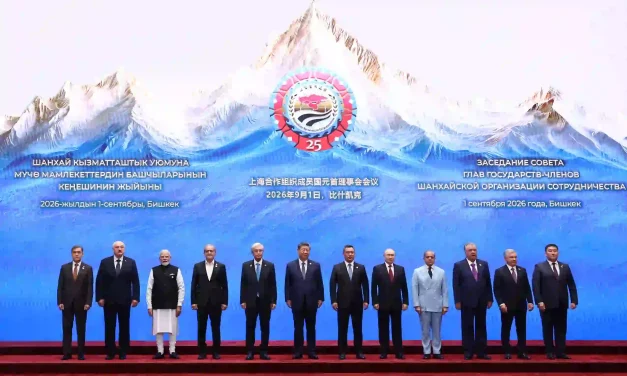
SCFR Online – Opinion: The Shanghai Cooperation Organization summit has created a new opportunity for Iran to transform its membership from a political achievement into economic and transit cooperation.
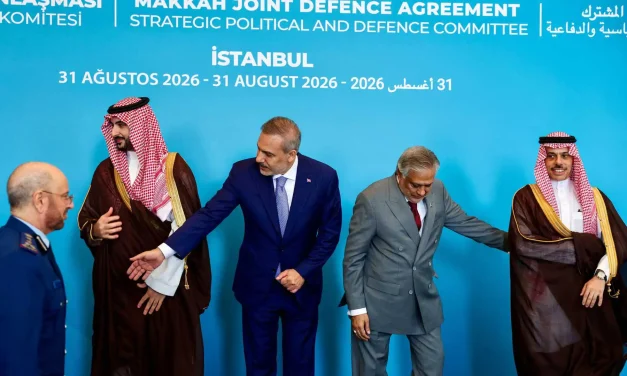
Strategic Council Online – Note: The Makkah Defense Pact can be seen as a sign of regional countries’ efforts to reduce security dependence on extra-regional powers and redefine the balance in West Asia.

SCFR Online – Opinion: The Ukraine war, by exhausting US military capability on one hand and strengthening European defense capacity on the other, has altered the balance of power in the European continent, cast uncertainty over NATO’s future, and is driving it toward a European NATO.
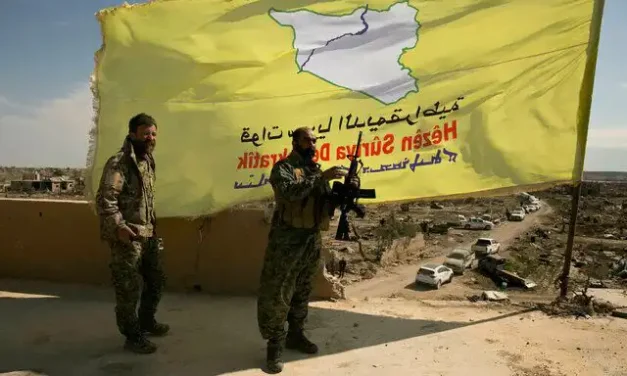
SCFR Online – Opinion: The dissolution of the SDF, although considered an achievement for Turkey’s security, does not put an end to the challenges arising from the Israeli regime’s aggression and expansionism, refugees, and Syria’s fragility.
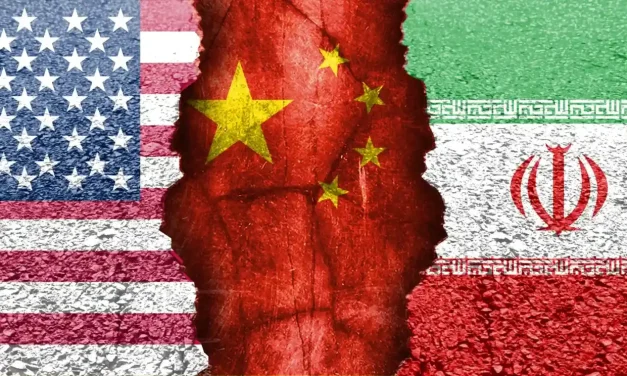
SCFR Online – Opinion: Concurrent with the official commencement of the United States’ economic war against our country, focusing on sanctions instruments, isolation, and economic pressure, what has now become increasingly important is the lack of alignment of other major global powers, especially China, with this policy.
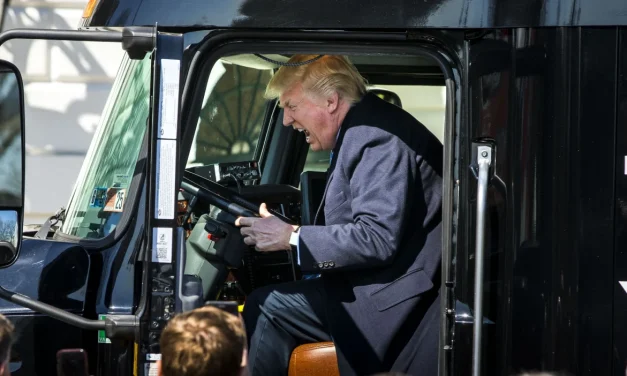
SCFR Online – Opinion: The new US sanctions against Iran, despite extensive propaganda, face serious obstacles to success due to the ineffectiveness of sanctions tools and opposition from some of Tehran’s trading partners.

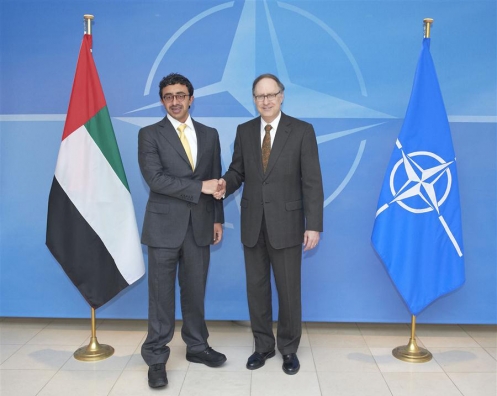
SCFR Online – Opinion: The recent mobilization by certain members of the Persian Gulf Cooperation Council toward more active participation in NATO security arrangements should not be interpreted as a sudden shift or fundamental transformation in these countries’ foreign policies.

Strategic Council Online – Opinion: In the strategic geography of the global economy, certain regions attain such significance that they effectively become determining factors of the international order. The Strait of Hormuz is among these points; a narrow yet vital passage through which a considerable portion of the world’s energy transits, and whose stability is directly intertwined with the interests and economic security of many countries. However, the importance of the Strait of Hormuz is not limited solely to the volume of energy passing through it. This strait is also a stage upon which the limitations and challenges of great power politics are revealed. From China’s perspective, the policy of the United States regarding the security of this strategic chokepoint, rather than reflecting a stable order, demonstrates a set of contradictions and strategic difficulties that Washington faces in managing the regional order.

Strategic Council Online – Opinion: Despite the rivalries and the negative, hostile relations between the United States and Iran over the past nearly five decades, the past year was the most tense period in relations between the two countries.
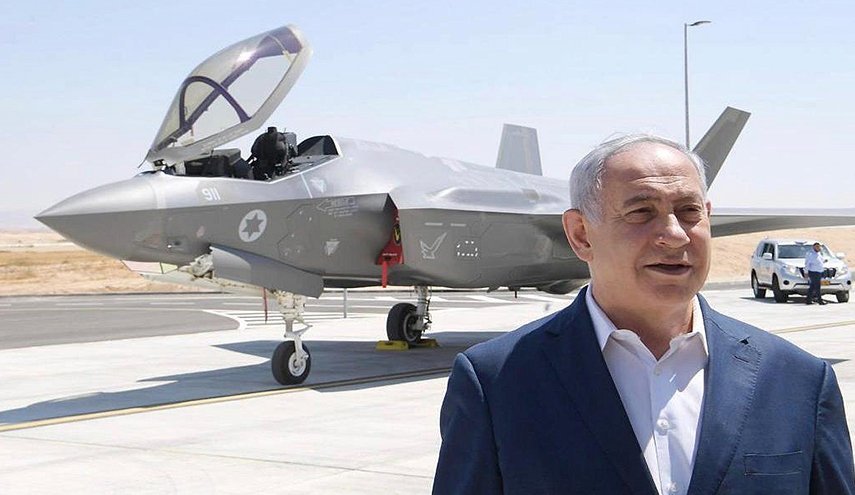
Strategic Council Online – Opinion: New U.S. moves to sell F-35s to Turkey and Saudi Arabia have seriously challenged the regional air balance and intensified the security concerns of the Zionist regime.
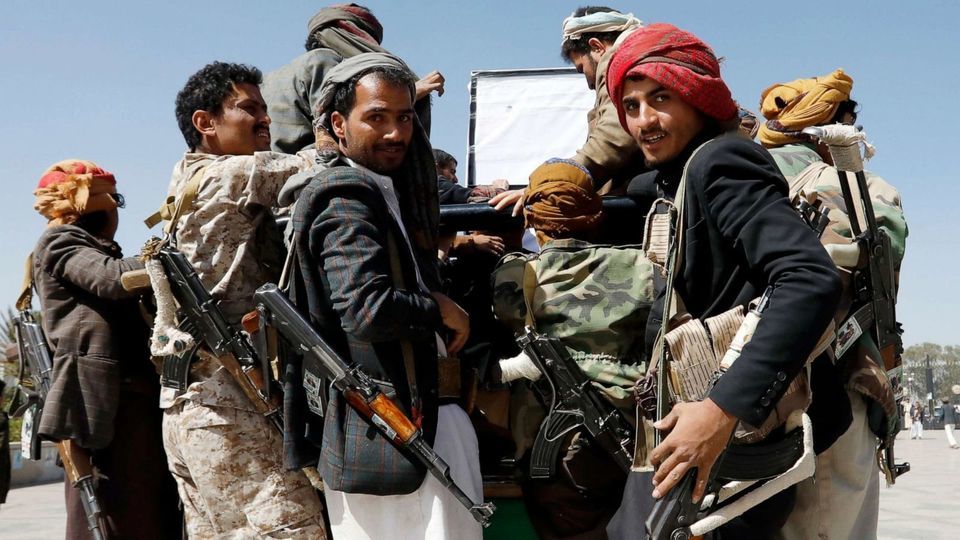
Strategic Council Online – Opinion: The Southern Transitional Council’s field activities in eastern Yemen are part of the UAE’s strategy to contain the Axis of Resistance in the region.

Strategic Council Online – Opinion: The recent trip of the Saudi Crown Prince to America was a targeted effort to solidify the strategic partnership with Washington, reduce political uncertainties, and strengthen Riyadh’s political role-playing.
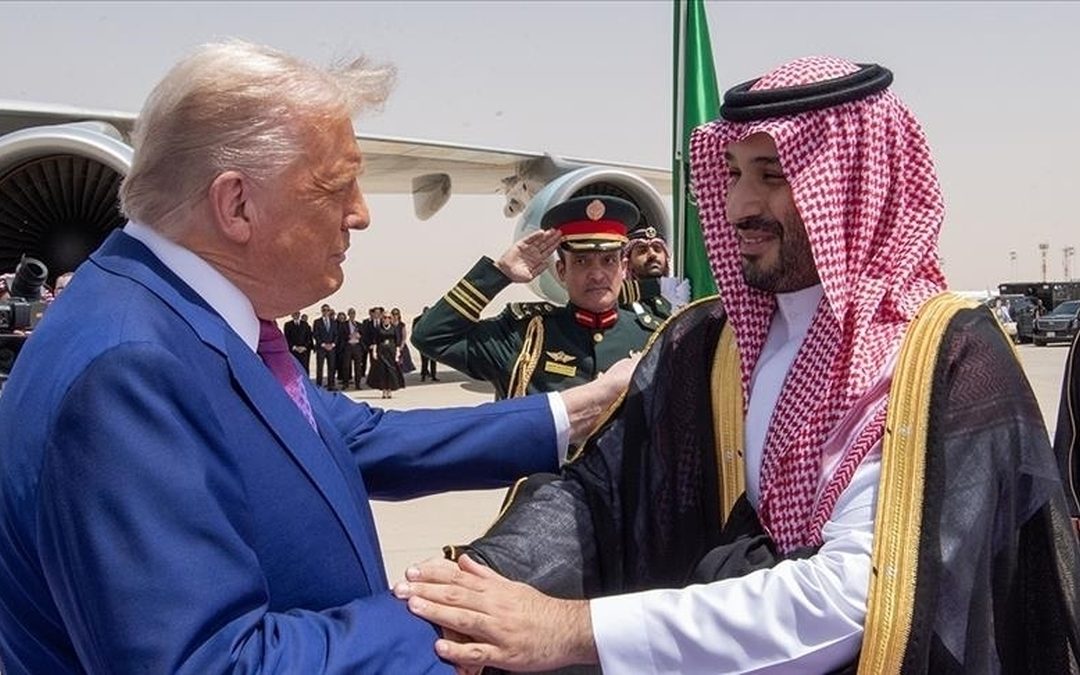
Strategic Council Online – Interview: An international affairs analyst said: The issue of selling the F-35 to Saudi Arabia is not merely a military case, but rather part of a regional engineering that Washington is trying to advance.

Strategic Council Online – Interview: A regional security researcher said: If the security of the Persian Gulf becomes an area of cooperation among governments, many political and security misunderstandings will also be eliminated.

Strategic Council Online – Interview: An Egyptian affairs expert stated that Cairo has recently established a direct role in mediating the reduction of regional tensions, as well as in reducing or managing tensions between Iran and the West and with the International Atomic Energy Agency.
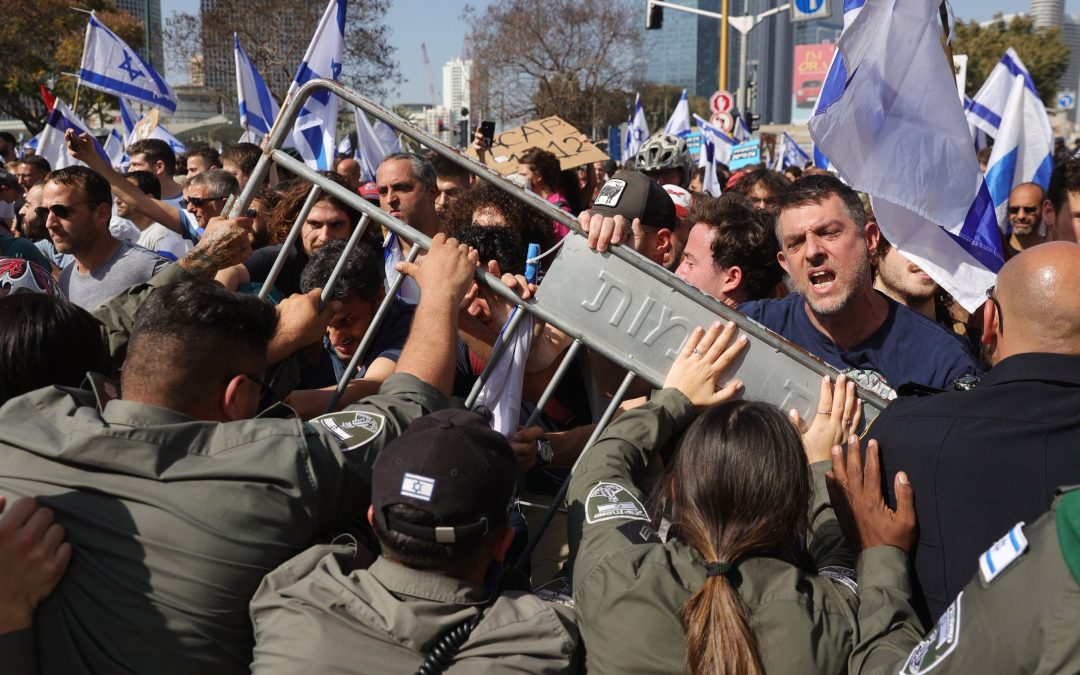
Online Strategic Council – Interview: The crisis of legitimacy of the Israeli regime, both internationally and domestically, has become one of its main challenges during the two years of relentless crime in Gaza. The Zionist regime, once considered a strategic ally of the West and particularly the United States, has now clearly lost its legitimacy due to committing unprecedented massacres, escalating settlement activities, and racist behavior. This trend has led Arab and Islamic countries, and even some former allies, to view the Zionist regime as the leading cause of regional instability and to level widespread criticism against its policies.
SCFR Online – Opinion: The intensification of U.S. sanctions against Iran on the eve of the U.S. midterm elections indicates Washington’s inability to achieve its war objectives.
SCFR Online – Opinion: The competition between Washington and Beijing over chips and artificial intelligence, simultaneously with the shifting of technological balances, has taken on new economic and security dimensions.
SCFR Online – Opinion: The Shanghai Cooperation Organization summit has created a new opportunity for Iran to transform its membership from a political achievement into economic and transit cooperation.
Strategic Council Online – Note: The Makkah Defense Pact can be seen as a sign of regional countries’ efforts to reduce security dependence on extra-regional powers and redefine the balance in West Asia.
SCFR Online – Opinion: The Ukraine war, by exhausting US military capability on one hand and strengthening European defense capacity on the other, has altered the balance of power in the European continent, cast uncertainty over NATO’s future, and is driving it toward a European NATO.
SCFR Online – Opinion: The dissolution of the SDF, although considered an achievement for Turkey’s security, does not put an end to the challenges arising from the Israeli regime’s aggression and expansionism, refugees, and Syria’s fragility.
SCFR Online – Opinion: Concurrent with the official commencement of the United States’ economic war against our country, focusing on sanctions instruments, isolation, and economic pressure, what has now become increasingly important is the lack of alignment of other major global powers, especially China, with this policy.
SCFR Online – Opinion: The new US sanctions against Iran, despite extensive propaganda, face serious obstacles to success due to the ineffectiveness of sanctions tools and opposition from some of Tehran’s trading partners.
SCFR Online – Opinion: The recent mobilization by certain members of the Persian Gulf Cooperation Council toward more active participation in NATO security arrangements should not be interpreted as a sudden shift or fundamental transformation in these countries’ foreign policies.
Strategic Council Online – Opinion: In the strategic geography of the global economy, certain regions attain such significance that they effectively become determining factors of the international order. The Strait of Hormuz is among these points; a narrow yet vital passage through which a considerable portion of the world’s energy transits, and whose stability is directly intertwined with the interests and economic security of many countries. However, the importance of the Strait of Hormuz is not limited solely to the volume of energy passing through it. This strait is also a stage upon which the limitations and challenges of great power politics are revealed. From China’s perspective, the policy of the United States regarding the security of this strategic chokepoint, rather than reflecting a stable order, demonstrates a set of contradictions and strategic difficulties that Washington faces in managing the regional order.
Strategic Council Online – Opinion: Despite the rivalries and the negative, hostile relations between the United States and Iran over the past nearly five decades, the past year was the most tense period in relations between the two countries.
Strategic Council Online – Opinion: New U.S. moves to sell F-35s to Turkey and Saudi Arabia have seriously challenged the regional air balance and intensified the security concerns of the Zionist regime.
Strategic Council Online – Opinion: The Southern Transitional Council’s field activities in eastern Yemen are part of the UAE’s strategy to contain the Axis of Resistance in the region.
Strategic Council Online – Opinion: The recent trip of the Saudi Crown Prince to America was a targeted effort to solidify the strategic partnership with Washington, reduce political uncertainties, and strengthen Riyadh’s political role-playing.
Strategic Council Online – Interview: An international affairs analyst said: The issue of selling the F-35 to Saudi Arabia is not merely a military case, but rather part of a regional engineering that Washington is trying to advance.
Strategic Council Online – Interview: A regional security researcher said: If the security of the Persian Gulf becomes an area of cooperation among governments, many political and security misunderstandings will also be eliminated.
Strategic Council Online – Interview: An Egyptian affairs expert stated that Cairo has recently established a direct role in mediating the reduction of regional tensions, as well as in reducing or managing tensions between Iran and the West and with the International Atomic Energy Agency.
Online Strategic Council – Interview: The crisis of legitimacy of the Israeli regime, both internationally and domestically, has become one of its main challenges during the two years of relentless crime in Gaza. The Zionist regime, once considered a strategic ally of the West and particularly the United States, has now clearly lost its legitimacy due to committing unprecedented massacres, escalating settlement activities, and racist behavior. This trend has led Arab and Islamic countries, and even some former allies, to view the Zionist regime as the leading cause of regional instability and to level widespread criticism against its policies.
SCFR Online – Opinion: The recent mobilization by certain members of the Persian Gulf Cooperation Council toward more active participation in NATO security arrangements should not be interpreted as a sudden shift or fundamental transformation in these countries’ foreign policies.
Strategic Council Online – Opinion: In the strategic geography of the global economy, certain regions attain such significance that they effectively become determining factors of the international order. The Strait of Hormuz is among these points; a narrow yet vital passage through which a considerable portion of the world’s energy transits, and whose stability is directly intertwined with the interests and economic security of many countries. However, the importance of the Strait of Hormuz is not limited solely to the volume of energy passing through it. This strait is also a stage upon which the limitations and challenges of great power politics are revealed. From China’s perspective, the policy of the United States regarding the security of this strategic chokepoint, rather than reflecting a stable order, demonstrates a set of contradictions and strategic difficulties that Washington faces in managing the regional order.
Strategic Council Online – Opinion: Despite the rivalries and the negative, hostile relations between the United States and Iran over the past nearly five decades, the past year was the most tense period in relations between the two countries.
Strategic Council Online – Opinion: New U.S. moves to sell F-35s to Turkey and Saudi Arabia have seriously challenged the regional air balance and intensified the security concerns of the Zionist regime.
Strategic Council Online – Opinion: The Southern Transitional Council’s field activities in eastern Yemen are part of the UAE’s strategy to contain the Axis of Resistance in the region.
Strategic Council Online – Opinion: The recent trip of the Saudi Crown Prince to America was a targeted effort to solidify the strategic partnership with Washington, reduce political uncertainties, and strengthen Riyadh’s political role-playing.
Strategic Council Online – Interview: An international affairs analyst said: The issue of selling the F-35 to Saudi Arabia is not merely a military case, but rather part of a regional engineering that Washington is trying to advance.
Strategic Council Online – Interview: A regional security researcher said: If the security of the Persian Gulf becomes an area of cooperation among governments, many political and security misunderstandings will also be eliminated.
Strategic Council Online – Interview: An Egyptian affairs expert stated that Cairo has recently established a direct role in mediating the reduction of regional tensions, as well as in reducing or managing tensions between Iran and the West and with the International Atomic Energy Agency.
Online Strategic Council – Interview: The crisis of legitimacy of the Israeli regime, both internationally and domestically, has become one of its main challenges during the two years of relentless crime in Gaza. The Zionist regime, once considered a strategic ally of the West and particularly the United States, has now clearly lost its legitimacy due to committing unprecedented massacres, escalating settlement activities, and racist behavior. This trend has led Arab and Islamic countries, and even some former allies, to view the Zionist regime as the leading cause of regional instability and to level widespread criticism against its policies.
SCFR Online – Opinion: The intensification of U.S. sanctions against Iran on the eve of the U.S. midterm elections indicates Washington’s inability to achieve its war objectives.
SCFR Online – Opinion: The competition between Washington and Beijing over chips and artificial intelligence, simultaneously with the shifting of technological balances, has taken on new economic and security dimensions.
SCFR Online – Opinion: The Shanghai Cooperation Organization summit has created a new opportunity for Iran to transform its membership from a political achievement into economic and transit cooperation.
Strategic Council Online – Note: The Makkah Defense Pact can be seen as a sign of regional countries’ efforts to reduce security dependence on extra-regional powers and redefine the balance in West Asia.
SCFR Online – Opinion: The Ukraine war, by exhausting US military capability on one hand and strengthening European defense capacity on the other, has altered the balance of power in the European continent, cast uncertainty over NATO’s future, and is driving it toward a European NATO.
SCFR Online – Opinion: The dissolution of the SDF, although considered an achievement for Turkey’s security, does not put an end to the challenges arising from the Israeli regime’s aggression and expansionism, refugees, and Syria’s fragility.
SCFR Online – Opinion: Concurrent with the official commencement of the United States’ economic war against our country, focusing on sanctions instruments, isolation, and economic pressure, what has now become increasingly important is the lack of alignment of other major global powers, especially China, with this policy.
SCFR Online – Opinion: The new US sanctions against Iran, despite extensive propaganda, face serious obstacles to success due to the ineffectiveness of sanctions tools and opposition from some of Tehran’s trading partners.
SCFR Online – Opinion: The recent mobilization by certain members of the Persian Gulf Cooperation Council toward more active participation in NATO security arrangements should not be interpreted as a sudden shift or fundamental transformation in these countries’ foreign policies.
Strategic Council Online – Opinion: In the strategic geography of the global economy, certain regions attain such significance that they effectively become determining factors of the international order. The Strait of Hormuz is among these points; a narrow yet vital passage through which a considerable portion of the world’s energy transits, and whose stability is directly intertwined with the interests and economic security of many countries. However, the importance of the Strait of Hormuz is not limited solely to the volume of energy passing through it. This strait is also a stage upon which the limitations and challenges of great power politics are revealed. From China’s perspective, the policy of the United States regarding the security of this strategic chokepoint, rather than reflecting a stable order, demonstrates a set of contradictions and strategic difficulties that Washington faces in managing the regional order.
Strategic Council Online – Opinion: Despite the rivalries and the negative, hostile relations between the United States and Iran over the past nearly five decades, the past year was the most tense period in relations between the two countries.
Strategic Council Online – Opinion: New U.S. moves to sell F-35s to Turkey and Saudi Arabia have seriously challenged the regional air balance and intensified the security concerns of the Zionist regime.
Strategic Council Online – Opinion: The Southern Transitional Council’s field activities in eastern Yemen are part of the UAE’s strategy to contain the Axis of Resistance in the region.
Strategic Council Online – Opinion: The recent trip of the Saudi Crown Prince to America was a targeted effort to solidify the strategic partnership with Washington, reduce political uncertainties, and strengthen Riyadh’s political role-playing.
Strategic Council Online – Interview: An international affairs analyst said: The issue of selling the F-35 to Saudi Arabia is not merely a military case, but rather part of a regional engineering that Washington is trying to advance.
Strategic Council Online – Interview: A regional security researcher said: If the security of the Persian Gulf becomes an area of cooperation among governments, many political and security misunderstandings will also be eliminated.
Strategic Council Online – Interview: An Egyptian affairs expert stated that Cairo has recently established a direct role in mediating the reduction of regional tensions, as well as in reducing or managing tensions between Iran and the West and with the International Atomic Energy Agency.
Online Strategic Council – Interview: The crisis of legitimacy of the Israeli regime, both internationally and domestically, has become one of its main challenges during the two years of relentless crime in Gaza. The Zionist regime, once considered a strategic ally of the West and particularly the United States, has now clearly lost its legitimacy due to committing unprecedented massacres, escalating settlement activities, and racist behavior. This trend has led Arab and Islamic countries, and even some former allies, to view the Zionist regime as the leading cause of regional instability and to level widespread criticism against its policies.
SCFR Online – Opinion: The intensification of U.S. sanctions against Iran on the eve of the U.S. midterm elections indicates Washington’s inability to achieve its war objectives.
SCFR Online – Opinion: The competition between Washington and Beijing over chips and artificial intelligence, simultaneously with the shifting of technological balances, has taken on new economic and security dimensions.
SCFR Online – Opinion: The Shanghai Cooperation Organization summit has created a new opportunity for Iran to transform its membership from a political achievement into economic and transit cooperation.
Strategic Council Online – Note: The Makkah Defense Pact can be seen as a sign of regional countries’ efforts to reduce security dependence on extra-regional powers and redefine the balance in West Asia.
SCFR Online – Opinion: The Ukraine war, by exhausting US military capability on one hand and strengthening European defense capacity on the other, has altered the balance of power in the European continent, cast uncertainty over NATO’s future, and is driving it toward a European NATO.
SCFR Online – Opinion: The dissolution of the SDF, although considered an achievement for Turkey’s security, does not put an end to the challenges arising from the Israeli regime’s aggression and expansionism, refugees, and Syria’s fragility.
SCFR Online – Opinion: Concurrent with the official commencement of the United States’ economic war against our country, focusing on sanctions instruments, isolation, and economic pressure, what has now become increasingly important is the lack of alignment of other major global powers, especially China, with this policy.
SCFR Online – Opinion: The new US sanctions against Iran, despite extensive propaganda, face serious obstacles to success due to the ineffectiveness of sanctions tools and opposition from some of Tehran’s trading partners.
SCFR Online – Opinion: The recent mobilization by certain members of the Persian Gulf Cooperation Council toward more active participation in NATO security arrangements should not be interpreted as a sudden shift or fundamental transformation in these countries’ foreign policies.
Strategic Council Online – Opinion: In the strategic geography of the global economy, certain regions attain such significance that they effectively become determining factors of the international order. The Strait of Hormuz is among these points; a narrow yet vital passage through which a considerable portion of the world’s energy transits, and whose stability is directly intertwined with the interests and economic security of many countries. However, the importance of the Strait of Hormuz is not limited solely to the volume of energy passing through it. This strait is also a stage upon which the limitations and challenges of great power politics are revealed. From China’s perspective, the policy of the United States regarding the security of this strategic chokepoint, rather than reflecting a stable order, demonstrates a set of contradictions and strategic difficulties that Washington faces in managing the regional order.
Strategic Council Online – Opinion: Despite the rivalries and the negative, hostile relations between the United States and Iran over the past nearly five decades, the past year was the most tense period in relations between the two countries.
Strategic Council Online – Opinion: New U.S. moves to sell F-35s to Turkey and Saudi Arabia have seriously challenged the regional air balance and intensified the security concerns of the Zionist regime.
Strategic Council Online – Opinion: The Southern Transitional Council’s field activities in eastern Yemen are part of the UAE’s strategy to contain the Axis of Resistance in the region.
Strategic Council Online – Opinion: The recent trip of the Saudi Crown Prince to America was a targeted effort to solidify the strategic partnership with Washington, reduce political uncertainties, and strengthen Riyadh’s political role-playing.
Strategic Council Online – Interview: An international affairs analyst said: The issue of selling the F-35 to Saudi Arabia is not merely a military case, but rather part of a regional engineering that Washington is trying to advance.
Strategic Council Online – Interview: A regional security researcher said: If the security of the Persian Gulf becomes an area of cooperation among governments, many political and security misunderstandings will also be eliminated.
Strategic Council Online – Interview: An Egyptian affairs expert stated that Cairo has recently established a direct role in mediating the reduction of regional tensions, as well as in reducing or managing tensions between Iran and the West and with the International Atomic Energy Agency.
Online Strategic Council – Interview: The crisis of legitimacy of the Israeli regime, both internationally and domestically, has become one of its main challenges during the two years of relentless crime in Gaza. The Zionist regime, once considered a strategic ally of the West and particularly the United States, has now clearly lost its legitimacy due to committing unprecedented massacres, escalating settlement activities, and racist behavior. This trend has led Arab and Islamic countries, and even some former allies, to view the Zionist regime as the leading cause of regional instability and to level widespread criticism against its policies.
SCFR Online – Opinion: The intensification of U.S. sanctions against Iran on the eve of the U.S. midterm elections indicates Washington’s inability to achieve its war objectives.
SCFR Online – Opinion: The competition between Washington and Beijing over chips and artificial intelligence, simultaneously with the shifting of technological balances, has taken on new economic and security dimensions.
SCFR Online – Opinion: The Shanghai Cooperation Organization summit has created a new opportunity for Iran to transform its membership from a political achievement into economic and transit cooperation.
Strategic Council Online – Note: The Makkah Defense Pact can be seen as a sign of regional countries’ efforts to reduce security dependence on extra-regional powers and redefine the balance in West Asia.
SCFR Online – Opinion: The Ukraine war, by exhausting US military capability on one hand and strengthening European defense capacity on the other, has altered the balance of power in the European continent, cast uncertainty over NATO’s future, and is driving it toward a European NATO.
SCFR Online – Opinion: The dissolution of the SDF, although considered an achievement for Turkey’s security, does not put an end to the challenges arising from the Israeli regime’s aggression and expansionism, refugees, and Syria’s fragility.
SCFR Online – Opinion: Concurrent with the official commencement of the United States’ economic war against our country, focusing on sanctions instruments, isolation, and economic pressure, what has now become increasingly important is the lack of alignment of other major global powers, especially China, with this policy.
SCFR Online – Opinion: The new US sanctions against Iran, despite extensive propaganda, face serious obstacles to success due to the ineffectiveness of sanctions tools and opposition from some of Tehran’s trading partners.
SCFR Online – Opinion: The recent mobilization by certain members of the Persian Gulf Cooperation Council toward more active participation in NATO security arrangements should not be interpreted as a sudden shift or fundamental transformation in these countries’ foreign policies.
Strategic Council Online – Opinion: In the strategic geography of the global economy, certain regions attain such significance that they effectively become determining factors of the international order. The Strait of Hormuz is among these points; a narrow yet vital passage through which a considerable portion of the world’s energy transits, and whose stability is directly intertwined with the interests and economic security of many countries. However, the importance of the Strait of Hormuz is not limited solely to the volume of energy passing through it. This strait is also a stage upon which the limitations and challenges of great power politics are revealed. From China’s perspective, the policy of the United States regarding the security of this strategic chokepoint, rather than reflecting a stable order, demonstrates a set of contradictions and strategic difficulties that Washington faces in managing the regional order.
Strategic Council Online – Opinion: Despite the rivalries and the negative, hostile relations between the United States and Iran over the past nearly five decades, the past year was the most tense period in relations between the two countries.
Strategic Council Online – Opinion: New U.S. moves to sell F-35s to Turkey and Saudi Arabia have seriously challenged the regional air balance and intensified the security concerns of the Zionist regime.
Strategic Council Online – Opinion: The Southern Transitional Council’s field activities in eastern Yemen are part of the UAE’s strategy to contain the Axis of Resistance in the region.
Strategic Council Online – Opinion: The recent trip of the Saudi Crown Prince to America was a targeted effort to solidify the strategic partnership with Washington, reduce political uncertainties, and strengthen Riyadh’s political role-playing.
Strategic Council Online – Interview: An international affairs analyst said: The issue of selling the F-35 to Saudi Arabia is not merely a military case, but rather part of a regional engineering that Washington is trying to advance.
Strategic Council Online – Interview: A regional security researcher said: If the security of the Persian Gulf becomes an area of cooperation among governments, many political and security misunderstandings will also be eliminated.
Strategic Council Online – Interview: An Egyptian affairs expert stated that Cairo has recently established a direct role in mediating the reduction of regional tensions, as well as in reducing or managing tensions between Iran and the West and with the International Atomic Energy Agency.
Online Strategic Council – Interview: The crisis of legitimacy of the Israeli regime, both internationally and domestically, has become one of its main challenges during the two years of relentless crime in Gaza. The Zionist regime, once considered a strategic ally of the West and particularly the United States, has now clearly lost its legitimacy due to committing unprecedented massacres, escalating settlement activities, and racist behavior. This trend has led Arab and Islamic countries, and even some former allies, to view the Zionist regime as the leading cause of regional instability and to level widespread criticism against its policies.
SCFR Online – Opinion: The intensification of U.S. sanctions against Iran on the eve of the U.S. midterm elections indicates Washington’s inability to achieve its war objectives.
SCFR Online – Opinion: The competition between Washington and Beijing over chips and artificial intelligence, simultaneously with the shifting of technological balances, has taken on new economic and security dimensions.
SCFR Online – Opinion: The Shanghai Cooperation Organization summit has created a new opportunity for Iran to transform its membership from a political achievement into economic and transit cooperation.
Strategic Council Online – Note: The Makkah Defense Pact can be seen as a sign of regional countries’ efforts to reduce security dependence on extra-regional powers and redefine the balance in West Asia.
SCFR Online – Opinion: The Ukraine war, by exhausting US military capability on one hand and strengthening European defense capacity on the other, has altered the balance of power in the European continent, cast uncertainty over NATO’s future, and is driving it toward a European NATO.
SCFR Online – Opinion: The dissolution of the SDF, although considered an achievement for Turkey’s security, does not put an end to the challenges arising from the Israeli regime’s aggression and expansionism, refugees, and Syria’s fragility.
SCFR Online – Opinion: Concurrent with the official commencement of the United States’ economic war against our country, focusing on sanctions instruments, isolation, and economic pressure, what has now become increasingly important is the lack of alignment of other major global powers, especially China, with this policy.
SCFR Online – Opinion: The new US sanctions against Iran, despite extensive propaganda, face serious obstacles to success due to the ineffectiveness of sanctions tools and opposition from some of Tehran’s trading partners.
SCFR Online – Opinion: The recent mobilization by certain members of the Persian Gulf Cooperation Council toward more active participation in NATO security arrangements should not be interpreted as a sudden shift or fundamental transformation in these countries’ foreign policies.
Strategic Council Online – Opinion: In the strategic geography of the global economy, certain regions attain such significance that they effectively become determining factors of the international order. The Strait of Hormuz is among these points; a narrow yet vital passage through which a considerable portion of the world’s energy transits, and whose stability is directly intertwined with the interests and economic security of many countries. However, the importance of the Strait of Hormuz is not limited solely to the volume of energy passing through it. This strait is also a stage upon which the limitations and challenges of great power politics are revealed. From China’s perspective, the policy of the United States regarding the security of this strategic chokepoint, rather than reflecting a stable order, demonstrates a set of contradictions and strategic difficulties that Washington faces in managing the regional order.
Strategic Council Online – Opinion: Despite the rivalries and the negative, hostile relations between the United States and Iran over the past nearly five decades, the past year was the most tense period in relations between the two countries.
Strategic Council Online – Opinion: New U.S. moves to sell F-35s to Turkey and Saudi Arabia have seriously challenged the regional air balance and intensified the security concerns of the Zionist regime.
Strategic Council Online – Opinion: The Southern Transitional Council’s field activities in eastern Yemen are part of the UAE’s strategy to contain the Axis of Resistance in the region.
Strategic Council Online – Opinion: The recent trip of the Saudi Crown Prince to America was a targeted effort to solidify the strategic partnership with Washington, reduce political uncertainties, and strengthen Riyadh’s political role-playing.
Strategic Council Online – Interview: An international affairs analyst said: The issue of selling the F-35 to Saudi Arabia is not merely a military case, but rather part of a regional engineering that Washington is trying to advance.
Strategic Council Online – Interview: A regional security researcher said: If the security of the Persian Gulf becomes an area of cooperation among governments, many political and security misunderstandings will also be eliminated.
Strategic Council Online – Interview: An Egyptian affairs expert stated that Cairo has recently established a direct role in mediating the reduction of regional tensions, as well as in reducing or managing tensions between Iran and the West and with the International Atomic Energy Agency.
Online Strategic Council – Interview: The crisis of legitimacy of the Israeli regime, both internationally and domestically, has become one of its main challenges during the two years of relentless crime in Gaza. The Zionist regime, once considered a strategic ally of the West and particularly the United States, has now clearly lost its legitimacy due to committing unprecedented massacres, escalating settlement activities, and racist behavior. This trend has led Arab and Islamic countries, and even some former allies, to view the Zionist regime as the leading cause of regional instability and to level widespread criticism against its policies.
SCFR Online – Opinion: The intensification of U.S. sanctions against Iran on the eve of the U.S. midterm elections indicates Washington’s inability to achieve its war objectives.
SCFR Online – Opinion: The competition between Washington and Beijing over chips and artificial intelligence, simultaneously with the shifting of technological balances, has taken on new economic and security dimensions.
SCFR Online – Opinion: The Shanghai Cooperation Organization summit has created a new opportunity for Iran to transform its membership from a political achievement into economic and transit cooperation.
Strategic Council Online – Note: The Makkah Defense Pact can be seen as a sign of regional countries’ efforts to reduce security dependence on extra-regional powers and redefine the balance in West Asia.
SCFR Online – Opinion: The Ukraine war, by exhausting US military capability on one hand and strengthening European defense capacity on the other, has altered the balance of power in the European continent, cast uncertainty over NATO’s future, and is driving it toward a European NATO.
SCFR Online – Opinion: The dissolution of the SDF, although considered an achievement for Turkey’s security, does not put an end to the challenges arising from the Israeli regime’s aggression and expansionism, refugees, and Syria’s fragility.
SCFR Online – Opinion: Concurrent with the official commencement of the United States’ economic war against our country, focusing on sanctions instruments, isolation, and economic pressure, what has now become increasingly important is the lack of alignment of other major global powers, especially China, with this policy.
SCFR Online – Opinion: The new US sanctions against Iran, despite extensive propaganda, face serious obstacles to success due to the ineffectiveness of sanctions tools and opposition from some of Tehran’s trading partners.