The approach of Riyadh and Abu Dhabi in OPEC and its consequences

2023/03/29 | Economy, Note, top news

Strategic Council Online—Interview: An energy economics expert stated that the statements made regarding considering the UAE's withdrawal from OPEC seem to be just a negotiating tactic, adding that disagreements have always existed in OPEC, and it is not a new issue. It is not the case that a country announces that it will leave OPEC to increase its production. Both UAE and Saudi Arabia have already produced much more than their quotas and have added to it, and they have not left OPEC either.

Narsi Qorban told the Strategic Council on Foreign Relations that the news by the Wall Street Journal on UAE’s consideration of exiting OPEC was denied, adding that the UAE is not considering this due to deepening gap and difference with Saudi Arabia over foreign investment, oil and the war in Yemen.

He added that with the publication of the report on the possible exit of the UAE from OPEC, the price of Brent oil decreased by 2.8 percent, which, of course, was offset by the immediate denial of the UAE. Previously, the UAE has announced publicly and privately that it adheres to the agreement of OPEC+ coalition members to reduce daily supply by 2 million barrels, which will remain in force until the end of 2023.

Recalling that speculations about leaving OPEC and the OPEC+ alliance by the UAE go back at least two years, he explained the differences between Riyadh and Abu Dhabi regarding the war in Yemen. He added that Abu Dhabi wants to maintain its position on the southern coast of Yemen and dominate the Red Sea. Additionally, this country seeks to establish a military base on an island in the Bab al-Mandeb Strait at the southern end of the Red Sea, and Saudi Arabia has opposed these goals.

This energy economy expert said that the UAE is one of the essential OPEC members, the third largest producer of this organization after Saudi Arabia and Iraq, and one of the few OPEC member countries that does not fully use its production capacity. Considering that OPEC, Russia, and other non-member countries in the OPEC+ alliance signed an agreement to reduce production by 2 million barrels, which includes about 2 percent of the global oil demand, it seems that the UAE is willing to advance its oil production and sales plans according to its national interests.

At the same time, referring to the withdrawal of Qatar from OPEC in 2019, Qorban reminded that Qatar’s exit from OPEC was not due to political differences and issues. Still, Doha wanted to focus more on gas production and export, while this country had limited oil production. The UAE currently has high oil production, so deciding to leave OPEC will not be easy.

He added that the UAE needs OPEC, and OPEC also needs UAE. As a result, the issues raised are only speculations, and it seems that the UAE is looking to get more points from Saudi Arabia or other parties in OPEC.

This energy economy analyst pointed to a Wall Street Journal report that stated that the UAE supported OPEC+ in public circles. Still, Saudi officials said that the Emiratis told them in behind-the-scenes meetings that they wanted more oil production per Washington’s request. He stated that differences of opinion have always existed in OPEC, and it is not a new issue. It is not the case that a country can increase its production only by leaving OPEC. Both UAE and Saudi Arabia have already produced much more than their quotas and have added to it, and they have not left OPEC either.

The Abu Dhabi National Oil Company announced a daily production target of 5 million barrels by 2027. Qorban said that the UAE initially wanted to increase its production base from 3.2 million barrels to 3.8 million daily. Still, according to its agreement with Saudi Arabia, Abu Dhabi increased its production base level to 3.65 million barrels per day from April 2022. Although this agreement was reached, the gap between the two countries with economic and geopolitical competition still stands out.

He said that the recent agreement between Iran and Saudi Arabia would bring about changes in the region, adding that this is not the first time that the dispute between Saudi Arabia and the UAE in oil fields has arisen. Instead, in July 2021, the UAE also opposed Saudi Arabia’s proposal to increase production by two million barrels per day, a proposal that Riyadh had presented to compensate for the economic recession caused by the spread of the Coronavirus. At that time, the Saudi oil minister, without naming the UAE, strongly criticized the UAE and called for rational and equal decisions.

Emphasizing that the statements of UAE officials to consider leaving OPEC are only negotiation tactics, this energy economy expert said that the UAE has a quota in OPEC and can increase its production. Indeed, the quotas are not the reasons for leaving OPEC; if they were, Saudi Arabia should have left OPEC sooner; Because this country had a high production capacity and has been producing less than this capacity for years.

Regarding the possibility of the UAE insisting on this lever of pressure in the event of an increase in political tension with Saudi Arabia, Qorban said that the differences between the UAE and Saudi Arabia have gradually become more public in the past years; There are many regional issues, and now the UAE is worried that it will be left out of the consultations on the future of Yemen. However, the oil issue is one of the issues between Saudi Arabia and the UAE, and these two countries cooperate in many other cases. They also have competition with each other, and there has been this competition and cooperation in the past. It seems that these two countries are in a competition-cooperation situation, and this cooperation will bring more benefits for both countries.

He emphasized that due to the production of more or less oil, the UAE will not go in the direction of creating a crisis in its relations with its neighbors or in regional organizations. In any case, the disadvantages and harms of leaving OPEC for the UAE outweigh the benefits it enjoys now.
0 Comments

Submit a Comment

Your email address will not be published. Required fields are marked *

LATEST CONTENT

Commercial Exploitation of Peace; The Gaza Committee in Confrontation with International Legitimacy

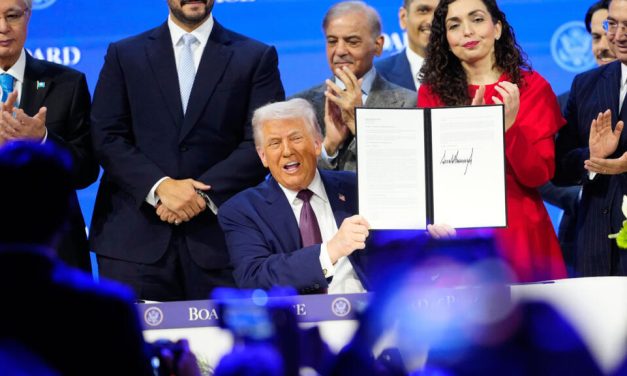
Strategic Council Online – Report: While the second phase of the implementation of the Gaza ceasefire has begun, the establishment of the “Peace Board” chaired by Donald Trump on the sidelines of the Davos meeting (22 January 2026) has become more than a technical mechanism for reconstruction and has turned into a test for the future of the international order.
Despite the signing of the charter by 22 out of 60 invited countries, the limited presence of global leaders at the Davos ceremony and the non-acceptance of this body by the European Union and key Western countries indicate a deep divide in global perceptions of the legitimacy of this mechanism.
In this report, drawing on the analysis of Hadi Borhani, a regional affairs expert, and international data, three strategic questions are addressed: Is the Peace Board an instrument for implementing UN Security Council Resolution 2803 or a substitute for the United Nations? How does the hierarchical architecture of this committee intensify executive challenges in Gaza? And finally, can this body create sustainable peace without the cooperation of Palestinians and with the concentration of power in the hands of a single individual?

America’s Zero-Sum Game in Iraq

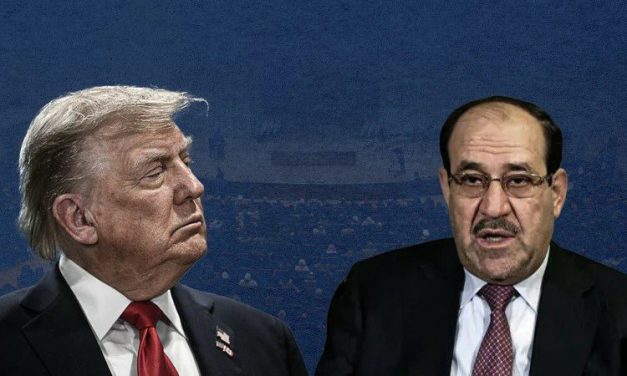
Online Strategic Council – Memoir: The swift selection of Nouri al-Maliki for the premiership constitutes a new phase in Iraq’s political sphere. Multiple factors have played a role in this process, the most important being the prevailing situation in Iraq and the region. Under such circumstances, Iraq requires a powerful and experienced prime minister who can keep the country away from the dangers of wars and crises.

America’s Strategy for Creating Tension in the Asia-Pacific

Strategic Council Online – Opinion: Relations between some countries in the Asia-Pacific region, such as China and Japan or China and Australia, which were previously relatively normal, are trending towards deterioration, and the primary reason for this is the aggressive policies of the United States of America.

The Collapse of the European Security Illusion with the Continuation of the Ukraine War?

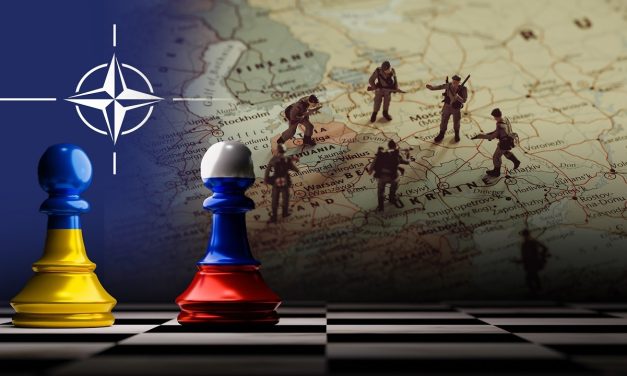
Strategic Council Online – Interview: The Ukraine war has become a new turning point in the political, security, and even commercial relations of allies on both sides of the Atlantic. While this war is nearing its fourth year, many questions still remain regarding its future and its consequences; among them, will the continuation of the Ukraine war lead to the collapse of the European security illusion?

Loading

Últimas publicaciones

Commercial Exploitation of Peace; The Gaza Committee in Confrontation with International Legitimacy

Strategic Council Online – Report: While the second phase of the implementation of the Gaza ceasefire has begun, the establishment of the “Peace Board” chaired by Donald Trump on the sidelines of the Davos meeting (22 January 2026) has become more than a technical mechanism for reconstruction and has turned into a test for the future of the international order.
Despite the signing of the charter by 22 out of 60 invited countries, the limited presence of global leaders at the Davos ceremony and the non-acceptance of this body by the European Union and key Western countries indicate a deep divide in global perceptions of the legitimacy of this mechanism.
In this report, drawing on the analysis of Hadi Borhani, a regional affairs expert, and international data, three strategic questions are addressed: Is the Peace Board an instrument for implementing UN Security Council Resolution 2803 or a substitute for the United Nations? How does the hierarchical architecture of this committee intensify executive challenges in Gaza? And finally, can this body create sustainable peace without the cooperation of Palestinians and with the concentration of power in the hands of a single individual?

America’s Zero-Sum Game in Iraq

Online Strategic Council – Memoir: The swift selection of Nouri al-Maliki for the premiership constitutes a new phase in Iraq’s political sphere. Multiple factors have played a role in this process, the most important being the prevailing situation in Iraq and the region. Under such circumstances, Iraq requires a powerful and experienced prime minister who can keep the country away from the dangers of wars and crises.

America’s Strategy for Creating Tension in the Asia-Pacific

Strategic Council Online – Opinion: Relations between some countries in the Asia-Pacific region, such as China and Japan or China and Australia, which were previously relatively normal, are trending towards deterioration, and the primary reason for this is the aggressive policies of the United States of America.

The Collapse of the European Security Illusion with the Continuation of the Ukraine War?

Strategic Council Online – Interview: The Ukraine war has become a new turning point in the political, security, and even commercial relations of allies on both sides of the Atlantic. While this war is nearing its fourth year, many questions still remain regarding its future and its consequences; among them, will the continuation of the Ukraine war lead to the collapse of the European security illusion?

Loading

DERNIER CONTENU

Commercial Exploitation of Peace; The Gaza Committee in Confrontation with International Legitimacy

Strategic Council Online – Report: While the second phase of the implementation of the Gaza ceasefire has begun, the establishment of the “Peace Board” chaired by Donald Trump on the sidelines of the Davos meeting (22 January 2026) has become more than a technical mechanism for reconstruction and has turned into a test for the future of the international order.
Despite the signing of the charter by 22 out of 60 invited countries, the limited presence of global leaders at the Davos ceremony and the non-acceptance of this body by the European Union and key Western countries indicate a deep divide in global perceptions of the legitimacy of this mechanism.
In this report, drawing on the analysis of Hadi Borhani, a regional affairs expert, and international data, three strategic questions are addressed: Is the Peace Board an instrument for implementing UN Security Council Resolution 2803 or a substitute for the United Nations? How does the hierarchical architecture of this committee intensify executive challenges in Gaza? And finally, can this body create sustainable peace without the cooperation of Palestinians and with the concentration of power in the hands of a single individual?

America’s Zero-Sum Game in Iraq

Online Strategic Council – Memoir: The swift selection of Nouri al-Maliki for the premiership constitutes a new phase in Iraq’s political sphere. Multiple factors have played a role in this process, the most important being the prevailing situation in Iraq and the region. Under such circumstances, Iraq requires a powerful and experienced prime minister who can keep the country away from the dangers of wars and crises.

America’s Strategy for Creating Tension in the Asia-Pacific

Strategic Council Online – Opinion: Relations between some countries in the Asia-Pacific region, such as China and Japan or China and Australia, which were previously relatively normal, are trending towards deterioration, and the primary reason for this is the aggressive policies of the United States of America.

The Collapse of the European Security Illusion with the Continuation of the Ukraine War?

Strategic Council Online – Interview: The Ukraine war has become a new turning point in the political, security, and even commercial relations of allies on both sides of the Atlantic. While this war is nearing its fourth year, many questions still remain regarding its future and its consequences; among them, will the continuation of the Ukraine war lead to the collapse of the European security illusion?

Loading

DERNIER CONTENU

Commercial Exploitation of Peace; The Gaza Committee in Confrontation with International Legitimacy

Strategic Council Online – Report: While the second phase of the implementation of the Gaza ceasefire has begun, the establishment of the “Peace Board” chaired by Donald Trump on the sidelines of the Davos meeting (22 January 2026) has become more than a technical mechanism for reconstruction and has turned into a test for the future of the international order.
Despite the signing of the charter by 22 out of 60 invited countries, the limited presence of global leaders at the Davos ceremony and the non-acceptance of this body by the European Union and key Western countries indicate a deep divide in global perceptions of the legitimacy of this mechanism.
In this report, drawing on the analysis of Hadi Borhani, a regional affairs expert, and international data, three strategic questions are addressed: Is the Peace Board an instrument for implementing UN Security Council Resolution 2803 or a substitute for the United Nations? How does the hierarchical architecture of this committee intensify executive challenges in Gaza? And finally, can this body create sustainable peace without the cooperation of Palestinians and with the concentration of power in the hands of a single individual?

America’s Zero-Sum Game in Iraq

Online Strategic Council – Memoir: The swift selection of Nouri al-Maliki for the premiership constitutes a new phase in Iraq’s political sphere. Multiple factors have played a role in this process, the most important being the prevailing situation in Iraq and the region. Under such circumstances, Iraq requires a powerful and experienced prime minister who can keep the country away from the dangers of wars and crises.

America’s Strategy for Creating Tension in the Asia-Pacific

Strategic Council Online – Opinion: Relations between some countries in the Asia-Pacific region, such as China and Japan or China and Australia, which were previously relatively normal, are trending towards deterioration, and the primary reason for this is the aggressive policies of the United States of America.

The Collapse of the European Security Illusion with the Continuation of the Ukraine War?

Strategic Council Online – Interview: The Ukraine war has become a new turning point in the political, security, and even commercial relations of allies on both sides of the Atlantic. While this war is nearing its fourth year, many questions still remain regarding its future and its consequences; among them, will the continuation of the Ukraine war lead to the collapse of the European security illusion?

Loading

DERNIER CONTENU

Commercial Exploitation of Peace; The Gaza Committee in Confrontation with International Legitimacy

Strategic Council Online – Report: While the second phase of the implementation of the Gaza ceasefire has begun, the establishment of the “Peace Board” chaired by Donald Trump on the sidelines of the Davos meeting (22 January 2026) has become more than a technical mechanism for reconstruction and has turned into a test for the future of the international order.
Despite the signing of the charter by 22 out of 60 invited countries, the limited presence of global leaders at the Davos ceremony and the non-acceptance of this body by the European Union and key Western countries indicate a deep divide in global perceptions of the legitimacy of this mechanism.
In this report, drawing on the analysis of Hadi Borhani, a regional affairs expert, and international data, three strategic questions are addressed: Is the Peace Board an instrument for implementing UN Security Council Resolution 2803 or a substitute for the United Nations? How does the hierarchical architecture of this committee intensify executive challenges in Gaza? And finally, can this body create sustainable peace without the cooperation of Palestinians and with the concentration of power in the hands of a single individual?

America’s Zero-Sum Game in Iraq

Online Strategic Council – Memoir: The swift selection of Nouri al-Maliki for the premiership constitutes a new phase in Iraq’s political sphere. Multiple factors have played a role in this process, the most important being the prevailing situation in Iraq and the region. Under such circumstances, Iraq requires a powerful and experienced prime minister who can keep the country away from the dangers of wars and crises.

America’s Strategy for Creating Tension in the Asia-Pacific

Strategic Council Online – Opinion: Relations between some countries in the Asia-Pacific region, such as China and Japan or China and Australia, which were previously relatively normal, are trending towards deterioration, and the primary reason for this is the aggressive policies of the United States of America.

The Collapse of the European Security Illusion with the Continuation of the Ukraine War?

Strategic Council Online – Interview: The Ukraine war has become a new turning point in the political, security, and even commercial relations of allies on both sides of the Atlantic. While this war is nearing its fourth year, many questions still remain regarding its future and its consequences; among them, will the continuation of the Ukraine war lead to the collapse of the European security illusion?

Loading