جدیدترین مطالب

Europe’s Enduring Dependence on Persian Gulf Energy

SCFR Online – Opinion: The dominant discourse in the field of European energy security over the past two decades has revolved around diversification of supply sources and the gradual reduction of dependence on fossil fuels. This narrative, which gained particular momentum after the Ukraine gas crisis in 2006 and its intensification in 2014 and 2022, was based on the assumption that Europe could free itself from the geopolitical vulnerabilities arising from dependence on specific suppliers through investment in renewable energy, imports of liquefied natural gas from diversified sources, and the establishment of new infrastructure. However, a closer analysis of energy trade data and the structure of the global oil and gas supply chain presents a different picture. Europe has not only failed to meaningfully reduce its dependence on the Persian Gulf, but in some sectors — particularly in liquefied natural gas imports — this dependence has deepened. This reality, which is often overlooked in public discourse, raises fundamental questions about the sustainability of Europe’s energy security strategies and their impact on regional power equations.

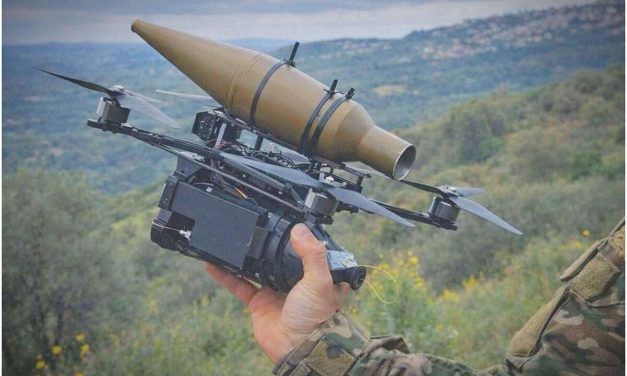
The Challenge of Hezbollah’s Low-Cost “FPV” Drones for the Zionist Regime

SCFR Online – Opinion: In modern warfare, it has always been assumed that the more expensive, and advanced the weapon—particularly from well-known companies—the more certain the victory will be. However, developments on the northern front of occupied Palestine in recent months have challenged this long-held belief. Here, the Zionist regime’s military, despite possessing the most advanced defense systems such as Iron Dome, David’s Sling, and Arrow, as well as fifth-generation F-35 fighter jets, Merkava tanks, and other modern equipment found in few countries worldwide, has effectively been rendered helpless against Hezbollah Lebanon’s few-hundred-dollar drones. Benjamin Netanyahu’s bitter admission regarding the inability to counter this threat, and his order to allocate an unlimited budget to find a solution, underscores the reality that the era of pure superiority through expensive technologies has come to an end.

The Impact of West Asian Developments on the Ukraine War

SCFR Online – Note: Vladimir Putin, President of Russia, recently announced—more than four years after the commencement of military aggression against Ukraine—that he believes the conflict between Russia and Ukraine is drawing to a close.

Temporary China–U.S. Trade Truce in the Shadow of Fundamental Distrust

SCFR Online – Opinion: The recent visit of the President of the United States to China is significant from various aspects; because China is recognized as the world’s second-largest economic power and a growing economy. The Chinese are also advancing in various fields, including the space sector, artificial intelligence, and military industries; to the extent that in the military sector, whereas they previously lacked an aircraft carrier, they now possess their third aircraft carrier. On the other hand, the United States, as a superpower, has always regarded China as its rival and continues to view it as such today.

Loading

Red Sea

Prospect of Military Confrontation Between Yemen’s Ansarullah and the Zionist Regime

Prospect of Military Confrontation Between Yemen’s Ansarullah and the Zionist Regime

Strategic Council Online – Interview: A senior West Asia affairs analyst stated that the recent ceasefire agreement between Yemen’s Ansarullah and the U.S., mediated by Oman, led to the cessation of Ansarullah’s attacks on non-Israeli ships in the Red Sea and the suspension of American airstrikes. This agreement, reached after weeks of intense clashes—during which Ansarullah targeted the USS Harry Truman aircraft carrier with missile and drone attacks, inflicting over a billion dollars in losses on the U.S.—marks a turning point in Yemen’s strategic equations. Ansarullah’s military successes, from downing MQ-9 Reaper drones to missile strikes on Ben Gurion Airport, which halted its operations and sent millions of Zionists to shelters, have solidified its position as a key player in the Axis of Resistance.

Europe’s Confusion in Securing Bab al-Mandab Strait and the Red Sea

Europe’s Confusion in Securing Bab al-Mandab Strait and the Red Sea

Strategic Council Online – Opinion: The strategic Strait of Bab al-Mandab and the Red Sea have recently faced serious problems and crises due to the Gaza war. This is because of the protectionist approach of the Yemeni army forces toward Palestine, which, since the beginning of the Israeli regime’s attacks on the Gaza Strip, has included attacks on ships bound for or from the origin of the regime in the Red Sea.
They said they will continue their attacks until the Israeli regime’s military aggression in the Gaza Strip ends. The United States, as the most important supporter of the Israeli regime, was the first country to respond to this policy of Yemeni army forces and tried to form a global coalition to counter these attacks under the cover of supporting freedom of navigation, which, of course, failed because of conflicts of interests of Western countries and ended in the actions of the US and British attacks on positions in Yemen. Of course, although European countries were not seriously involved in the American coalition, they have numerous and complex interests in this inflammatory, and as a result, have adopted a particular and independent approach.
Dr. Mohammad Mehdi Mazaheri – University Professor

Can the Middle Corridor Replace the Red Sea Route?

Can the Middle Corridor Replace the Red Sea Route?

Strategic Council Online: The tensions in the Red Sea have made the plan to transfer goods transportation route from the Red Sea and Bab al-Mandab Strait to the “Middle Corridor” in the Caucasus the talk of the town.

Yemen’s Future Reaction to Illegal US and UK Attacks

Yemen’s Future Reaction to Illegal US and UK Attacks

Strategic Council Online-Interview: An expert on American issues says the US-UK coalition attack on Yemen is unlikely to achieve their desired security in the Red Sea as well as the transit and traffic of cargo ships. Yemen’s response to the first strike of this coalition showed that Yemen would not give up its position regarding the ceasefire in Gaza and the end of Israeli attacks.

Status, Role of Deterrence of Yemeni Resistance in the Gaza War

Status, Role of Deterrence of Yemeni Resistance in the Gaza War

Strategic Council Online – Interview: An expert on West Asia affairs said: Yemeni Ansarollah have targeted some Zionist ships or other ships bound for the occupied territories in the Red Sea and the Bab al-Mandeb Strait in the past weeks in support of the resistance of the Palestinian people in the Gaza Strip. They have pledged to continue attacks on Israeli ships or ships bound for the occupied territories in the Red Sea until the Israeli regime stops its attacks on Gaza.

Greece’s domestic opposition to joining the US coalition in the Red Sea

Greece’s domestic opposition to joining the US coalition in the Red Sea

Strategic Council Online—Opinion– The passage of 21,000 vessels and the transit of 57% of the world’s energy through the Bab al-Mandeb route has turned this region into one of the most important routes for the transfer of goods globally. A considerable amount of crude oil, diesel, and other oil products from the Middle East are transported to Europe, and Russian oil goes to India and China through this route.
Mahmoud Fazeli—Analyst of international affairs

America’s Imperfect Coalition, Future of Peace, Stability in the Region

America’s Imperfect Coalition, Future of Peace, Stability in the Region

Strategic Council Online – Opinion: In a situation where Western countries and the United States are not ready to take action to stop the crimes of the Zionist regime in Gaza, apparently, the only concern they have is the freedom of trade and shipping in the Red Sea!
Dr. Mohammad Mehdi Mazaheri – University professor

The prospect of probable US military action in the Red Sea

The prospect of probable US military action in the Red Sea

Strategic Council Online—Interview: The United States of America has recently announced that it will form a regional naval coalition to face Yemen’s Ansarollah attacks in the Red Sea. A coalition that showed its weakness from the beginning by failing to have the support of the Arab countries, and among the Arab countries, only Bahrain joined it.

أحدث الوظائف

Europe’s Enduring Dependence on Persian Gulf Energy

SCFR Online – Opinion: The dominant discourse in the field of European energy security over the past two decades has revolved around diversification of supply sources and the gradual reduction of dependence on fossil fuels. This narrative, which gained particular momentum after the Ukraine gas crisis in 2006 and its intensification in 2014 and 2022, was based on the assumption that Europe could free itself from the geopolitical vulnerabilities arising from dependence on specific suppliers through investment in renewable energy, imports of liquefied natural gas from diversified sources, and the establishment of new infrastructure. However, a closer analysis of energy trade data and the structure of the global oil and gas supply chain presents a different picture. Europe has not only failed to meaningfully reduce its dependence on the Persian Gulf, but in some sectors — particularly in liquefied natural gas imports — this dependence has deepened. This reality, which is often overlooked in public discourse, raises fundamental questions about the sustainability of Europe’s energy security strategies and their impact on regional power equations.

The Challenge of Hezbollah’s Low-Cost “FPV” Drones for the Zionist Regime

SCFR Online – Opinion: In modern warfare, it has always been assumed that the more expensive, and advanced the weapon—particularly from well-known companies—the more certain the victory will be. However, developments on the northern front of occupied Palestine in recent months have challenged this long-held belief. Here, the Zionist regime’s military, despite possessing the most advanced defense systems such as Iron Dome, David’s Sling, and Arrow, as well as fifth-generation F-35 fighter jets, Merkava tanks, and other modern equipment found in few countries worldwide, has effectively been rendered helpless against Hezbollah Lebanon’s few-hundred-dollar drones. Benjamin Netanyahu’s bitter admission regarding the inability to counter this threat, and his order to allocate an unlimited budget to find a solution, underscores the reality that the era of pure superiority through expensive technologies has come to an end.

The Impact of West Asian Developments on the Ukraine War

SCFR Online – Note: Vladimir Putin, President of Russia, recently announced—more than four years after the commencement of military aggression against Ukraine—that he believes the conflict between Russia and Ukraine is drawing to a close.

Temporary China–U.S. Trade Truce in the Shadow of Fundamental Distrust

SCFR Online – Opinion: The recent visit of the President of the United States to China is significant from various aspects; because China is recognized as the world’s second-largest economic power and a growing economy. The Chinese are also advancing in various fields, including the space sector, artificial intelligence, and military industries; to the extent that in the military sector, whereas they previously lacked an aircraft carrier, they now possess their third aircraft carrier. On the other hand, the United States, as a superpower, has always regarded China as its rival and continues to view it as such today.

Loading

Red Sea

Prospect of Military Confrontation Between Yemen’s Ansarullah and the Zionist Regime

Prospect of Military Confrontation Between Yemen’s Ansarullah and the Zionist Regime

Strategic Council Online – Interview: A senior West Asia affairs analyst stated that the recent ceasefire agreement between Yemen’s Ansarullah and the U.S., mediated by Oman, led to the cessation of Ansarullah’s attacks on non-Israeli ships in the Red Sea and the suspension of American airstrikes. This agreement, reached after weeks of intense clashes—during which Ansarullah targeted the USS Harry Truman aircraft carrier with missile and drone attacks, inflicting over a billion dollars in losses on the U.S.—marks a turning point in Yemen’s strategic equations. Ansarullah’s military successes, from downing MQ-9 Reaper drones to missile strikes on Ben Gurion Airport, which halted its operations and sent millions of Zionists to shelters, have solidified its position as a key player in the Axis of Resistance.

Europe’s Confusion in Securing Bab al-Mandab Strait and the Red Sea

Europe’s Confusion in Securing Bab al-Mandab Strait and the Red Sea

Strategic Council Online – Opinion: The strategic Strait of Bab al-Mandab and the Red Sea have recently faced serious problems and crises due to the Gaza war. This is because of the protectionist approach of the Yemeni army forces toward Palestine, which, since the beginning of the Israeli regime’s attacks on the Gaza Strip, has included attacks on ships bound for or from the origin of the regime in the Red Sea.
They said they will continue their attacks until the Israeli regime’s military aggression in the Gaza Strip ends. The United States, as the most important supporter of the Israeli regime, was the first country to respond to this policy of Yemeni army forces and tried to form a global coalition to counter these attacks under the cover of supporting freedom of navigation, which, of course, failed because of conflicts of interests of Western countries and ended in the actions of the US and British attacks on positions in Yemen. Of course, although European countries were not seriously involved in the American coalition, they have numerous and complex interests in this inflammatory, and as a result, have adopted a particular and independent approach.
Dr. Mohammad Mehdi Mazaheri – University Professor

Can the Middle Corridor Replace the Red Sea Route?

Can the Middle Corridor Replace the Red Sea Route?

Strategic Council Online: The tensions in the Red Sea have made the plan to transfer goods transportation route from the Red Sea and Bab al-Mandab Strait to the “Middle Corridor” in the Caucasus the talk of the town.

Yemen’s Future Reaction to Illegal US and UK Attacks

Yemen’s Future Reaction to Illegal US and UK Attacks

Strategic Council Online-Interview: An expert on American issues says the US-UK coalition attack on Yemen is unlikely to achieve their desired security in the Red Sea as well as the transit and traffic of cargo ships. Yemen’s response to the first strike of this coalition showed that Yemen would not give up its position regarding the ceasefire in Gaza and the end of Israeli attacks.

Status, Role of Deterrence of Yemeni Resistance in the Gaza War

Status, Role of Deterrence of Yemeni Resistance in the Gaza War

Strategic Council Online – Interview: An expert on West Asia affairs said: Yemeni Ansarollah have targeted some Zionist ships or other ships bound for the occupied territories in the Red Sea and the Bab al-Mandeb Strait in the past weeks in support of the resistance of the Palestinian people in the Gaza Strip. They have pledged to continue attacks on Israeli ships or ships bound for the occupied territories in the Red Sea until the Israeli regime stops its attacks on Gaza.

Greece’s domestic opposition to joining the US coalition in the Red Sea

Greece’s domestic opposition to joining the US coalition in the Red Sea

Strategic Council Online—Opinion– The passage of 21,000 vessels and the transit of 57% of the world’s energy through the Bab al-Mandeb route has turned this region into one of the most important routes for the transfer of goods globally. A considerable amount of crude oil, diesel, and other oil products from the Middle East are transported to Europe, and Russian oil goes to India and China through this route.
Mahmoud Fazeli—Analyst of international affairs

America’s Imperfect Coalition, Future of Peace, Stability in the Region

America’s Imperfect Coalition, Future of Peace, Stability in the Region

Strategic Council Online – Opinion: In a situation where Western countries and the United States are not ready to take action to stop the crimes of the Zionist regime in Gaza, apparently, the only concern they have is the freedom of trade and shipping in the Red Sea!
Dr. Mohammad Mehdi Mazaheri – University professor

The prospect of probable US military action in the Red Sea

The prospect of probable US military action in the Red Sea

Strategic Council Online—Interview: The United States of America has recently announced that it will form a regional naval coalition to face Yemen’s Ansarollah attacks in the Red Sea. A coalition that showed its weakness from the beginning by failing to have the support of the Arab countries, and among the Arab countries, only Bahrain joined it.

Red Sea

Prospect of Military Confrontation Between Yemen’s Ansarullah and the Zionist Regime

Prospect of Military Confrontation Between Yemen’s Ansarullah and the Zionist Regime

Strategic Council Online – Interview: A senior West Asia affairs analyst stated that the recent ceasefire agreement between Yemen’s Ansarullah and the U.S., mediated by Oman, led to the cessation of Ansarullah’s attacks on non-Israeli ships in the Red Sea and the suspension of American airstrikes. This agreement, reached after weeks of intense clashes—during which Ansarullah targeted the USS Harry Truman aircraft carrier with missile and drone attacks, inflicting over a billion dollars in losses on the U.S.—marks a turning point in Yemen’s strategic equations. Ansarullah’s military successes, from downing MQ-9 Reaper drones to missile strikes on Ben Gurion Airport, which halted its operations and sent millions of Zionists to shelters, have solidified its position as a key player in the Axis of Resistance.

Europe’s Confusion in Securing Bab al-Mandab Strait and the Red Sea

Europe’s Confusion in Securing Bab al-Mandab Strait and the Red Sea

Strategic Council Online – Opinion: The strategic Strait of Bab al-Mandab and the Red Sea have recently faced serious problems and crises due to the Gaza war. This is because of the protectionist approach of the Yemeni army forces toward Palestine, which, since the beginning of the Israeli regime’s attacks on the Gaza Strip, has included attacks on ships bound for or from the origin of the regime in the Red Sea.
They said they will continue their attacks until the Israeli regime’s military aggression in the Gaza Strip ends. The United States, as the most important supporter of the Israeli regime, was the first country to respond to this policy of Yemeni army forces and tried to form a global coalition to counter these attacks under the cover of supporting freedom of navigation, which, of course, failed because of conflicts of interests of Western countries and ended in the actions of the US and British attacks on positions in Yemen. Of course, although European countries were not seriously involved in the American coalition, they have numerous and complex interests in this inflammatory, and as a result, have adopted a particular and independent approach.
Dr. Mohammad Mehdi Mazaheri – University Professor

Can the Middle Corridor Replace the Red Sea Route?

Can the Middle Corridor Replace the Red Sea Route?

Strategic Council Online: The tensions in the Red Sea have made the plan to transfer goods transportation route from the Red Sea and Bab al-Mandab Strait to the “Middle Corridor” in the Caucasus the talk of the town.

Yemen’s Future Reaction to Illegal US and UK Attacks

Yemen’s Future Reaction to Illegal US and UK Attacks

Strategic Council Online-Interview: An expert on American issues says the US-UK coalition attack on Yemen is unlikely to achieve their desired security in the Red Sea as well as the transit and traffic of cargo ships. Yemen’s response to the first strike of this coalition showed that Yemen would not give up its position regarding the ceasefire in Gaza and the end of Israeli attacks.

Status, Role of Deterrence of Yemeni Resistance in the Gaza War

Status, Role of Deterrence of Yemeni Resistance in the Gaza War

Strategic Council Online – Interview: An expert on West Asia affairs said: Yemeni Ansarollah have targeted some Zionist ships or other ships bound for the occupied territories in the Red Sea and the Bab al-Mandeb Strait in the past weeks in support of the resistance of the Palestinian people in the Gaza Strip. They have pledged to continue attacks on Israeli ships or ships bound for the occupied territories in the Red Sea until the Israeli regime stops its attacks on Gaza.

Greece’s domestic opposition to joining the US coalition in the Red Sea

Greece’s domestic opposition to joining the US coalition in the Red Sea

Strategic Council Online—Opinion– The passage of 21,000 vessels and the transit of 57% of the world’s energy through the Bab al-Mandeb route has turned this region into one of the most important routes for the transfer of goods globally. A considerable amount of crude oil, diesel, and other oil products from the Middle East are transported to Europe, and Russian oil goes to India and China through this route.
Mahmoud Fazeli—Analyst of international affairs

America’s Imperfect Coalition, Future of Peace, Stability in the Region

America’s Imperfect Coalition, Future of Peace, Stability in the Region

Strategic Council Online – Opinion: In a situation where Western countries and the United States are not ready to take action to stop the crimes of the Zionist regime in Gaza, apparently, the only concern they have is the freedom of trade and shipping in the Red Sea!
Dr. Mohammad Mehdi Mazaheri – University professor

The prospect of probable US military action in the Red Sea

The prospect of probable US military action in the Red Sea

Strategic Council Online—Interview: The United States of America has recently announced that it will form a regional naval coalition to face Yemen’s Ansarollah attacks in the Red Sea. A coalition that showed its weakness from the beginning by failing to have the support of the Arab countries, and among the Arab countries, only Bahrain joined it.

LATEST CONTENT

Europe’s Enduring Dependence on Persian Gulf Energy

SCFR Online – Opinion: The dominant discourse in the field of European energy security over the past two decades has revolved around diversification of supply sources and the gradual reduction of dependence on fossil fuels. This narrative, which gained particular momentum after the Ukraine gas crisis in 2006 and its intensification in 2014 and 2022, was based on the assumption that Europe could free itself from the geopolitical vulnerabilities arising from dependence on specific suppliers through investment in renewable energy, imports of liquefied natural gas from diversified sources, and the establishment of new infrastructure. However, a closer analysis of energy trade data and the structure of the global oil and gas supply chain presents a different picture. Europe has not only failed to meaningfully reduce its dependence on the Persian Gulf, but in some sectors — particularly in liquefied natural gas imports — this dependence has deepened. This reality, which is often overlooked in public discourse, raises fundamental questions about the sustainability of Europe’s energy security strategies and their impact on regional power equations.

The Challenge of Hezbollah’s Low-Cost “FPV” Drones for the Zionist Regime

SCFR Online – Opinion: In modern warfare, it has always been assumed that the more expensive, and advanced the weapon—particularly from well-known companies—the more certain the victory will be. However, developments on the northern front of occupied Palestine in recent months have challenged this long-held belief. Here, the Zionist regime’s military, despite possessing the most advanced defense systems such as Iron Dome, David’s Sling, and Arrow, as well as fifth-generation F-35 fighter jets, Merkava tanks, and other modern equipment found in few countries worldwide, has effectively been rendered helpless against Hezbollah Lebanon’s few-hundred-dollar drones. Benjamin Netanyahu’s bitter admission regarding the inability to counter this threat, and his order to allocate an unlimited budget to find a solution, underscores the reality that the era of pure superiority through expensive technologies has come to an end.

The Impact of West Asian Developments on the Ukraine War

SCFR Online – Note: Vladimir Putin, President of Russia, recently announced—more than four years after the commencement of military aggression against Ukraine—that he believes the conflict between Russia and Ukraine is drawing to a close.

Temporary China–U.S. Trade Truce in the Shadow of Fundamental Distrust

SCFR Online – Opinion: The recent visit of the President of the United States to China is significant from various aspects; because China is recognized as the world’s second-largest economic power and a growing economy. The Chinese are also advancing in various fields, including the space sector, artificial intelligence, and military industries; to the extent that in the military sector, whereas they previously lacked an aircraft carrier, they now possess their third aircraft carrier. On the other hand, the United States, as a superpower, has always regarded China as its rival and continues to view it as such today.

Loading

Red Sea

Prospect of Military Confrontation Between Yemen’s Ansarullah and the Zionist Regime

Prospect of Military Confrontation Between Yemen’s Ansarullah and the Zionist Regime

Strategic Council Online – Interview: A senior West Asia affairs analyst stated that the recent ceasefire agreement between Yemen’s Ansarullah and the U.S., mediated by Oman, led to the cessation of Ansarullah’s attacks on non-Israeli ships in the Red Sea and the suspension of American airstrikes. This agreement, reached after weeks of intense clashes—during which Ansarullah targeted the USS Harry Truman aircraft carrier with missile and drone attacks, inflicting over a billion dollars in losses on the U.S.—marks a turning point in Yemen’s strategic equations. Ansarullah’s military successes, from downing MQ-9 Reaper drones to missile strikes on Ben Gurion Airport, which halted its operations and sent millions of Zionists to shelters, have solidified its position as a key player in the Axis of Resistance.

Europe’s Confusion in Securing Bab al-Mandab Strait and the Red Sea

Europe’s Confusion in Securing Bab al-Mandab Strait and the Red Sea

Strategic Council Online – Opinion: The strategic Strait of Bab al-Mandab and the Red Sea have recently faced serious problems and crises due to the Gaza war. This is because of the protectionist approach of the Yemeni army forces toward Palestine, which, since the beginning of the Israeli regime’s attacks on the Gaza Strip, has included attacks on ships bound for or from the origin of the regime in the Red Sea.
They said they will continue their attacks until the Israeli regime’s military aggression in the Gaza Strip ends. The United States, as the most important supporter of the Israeli regime, was the first country to respond to this policy of Yemeni army forces and tried to form a global coalition to counter these attacks under the cover of supporting freedom of navigation, which, of course, failed because of conflicts of interests of Western countries and ended in the actions of the US and British attacks on positions in Yemen. Of course, although European countries were not seriously involved in the American coalition, they have numerous and complex interests in this inflammatory, and as a result, have adopted a particular and independent approach.
Dr. Mohammad Mehdi Mazaheri – University Professor

Can the Middle Corridor Replace the Red Sea Route?

Can the Middle Corridor Replace the Red Sea Route?

Strategic Council Online: The tensions in the Red Sea have made the plan to transfer goods transportation route from the Red Sea and Bab al-Mandab Strait to the “Middle Corridor” in the Caucasus the talk of the town.

Yemen’s Future Reaction to Illegal US and UK Attacks

Yemen’s Future Reaction to Illegal US and UK Attacks

Strategic Council Online-Interview: An expert on American issues says the US-UK coalition attack on Yemen is unlikely to achieve their desired security in the Red Sea as well as the transit and traffic of cargo ships. Yemen’s response to the first strike of this coalition showed that Yemen would not give up its position regarding the ceasefire in Gaza and the end of Israeli attacks.

Status, Role of Deterrence of Yemeni Resistance in the Gaza War

Status, Role of Deterrence of Yemeni Resistance in the Gaza War

Strategic Council Online – Interview: An expert on West Asia affairs said: Yemeni Ansarollah have targeted some Zionist ships or other ships bound for the occupied territories in the Red Sea and the Bab al-Mandeb Strait in the past weeks in support of the resistance of the Palestinian people in the Gaza Strip. They have pledged to continue attacks on Israeli ships or ships bound for the occupied territories in the Red Sea until the Israeli regime stops its attacks on Gaza.

Greece’s domestic opposition to joining the US coalition in the Red Sea

Greece’s domestic opposition to joining the US coalition in the Red Sea

Strategic Council Online—Opinion– The passage of 21,000 vessels and the transit of 57% of the world’s energy through the Bab al-Mandeb route has turned this region into one of the most important routes for the transfer of goods globally. A considerable amount of crude oil, diesel, and other oil products from the Middle East are transported to Europe, and Russian oil goes to India and China through this route.
Mahmoud Fazeli—Analyst of international affairs

America’s Imperfect Coalition, Future of Peace, Stability in the Region

America’s Imperfect Coalition, Future of Peace, Stability in the Region

Strategic Council Online – Opinion: In a situation where Western countries and the United States are not ready to take action to stop the crimes of the Zionist regime in Gaza, apparently, the only concern they have is the freedom of trade and shipping in the Red Sea!
Dr. Mohammad Mehdi Mazaheri – University professor

The prospect of probable US military action in the Red Sea

The prospect of probable US military action in the Red Sea

Strategic Council Online—Interview: The United States of America has recently announced that it will form a regional naval coalition to face Yemen’s Ansarollah attacks in the Red Sea. A coalition that showed its weakness from the beginning by failing to have the support of the Arab countries, and among the Arab countries, only Bahrain joined it.

ÚLTIMAS PUBLICACIONES

Europe’s Enduring Dependence on Persian Gulf Energy

SCFR Online – Opinion: The dominant discourse in the field of European energy security over the past two decades has revolved around diversification of supply sources and the gradual reduction of dependence on fossil fuels. This narrative, which gained particular momentum after the Ukraine gas crisis in 2006 and its intensification in 2014 and 2022, was based on the assumption that Europe could free itself from the geopolitical vulnerabilities arising from dependence on specific suppliers through investment in renewable energy, imports of liquefied natural gas from diversified sources, and the establishment of new infrastructure. However, a closer analysis of energy trade data and the structure of the global oil and gas supply chain presents a different picture. Europe has not only failed to meaningfully reduce its dependence on the Persian Gulf, but in some sectors — particularly in liquefied natural gas imports — this dependence has deepened. This reality, which is often overlooked in public discourse, raises fundamental questions about the sustainability of Europe’s energy security strategies and their impact on regional power equations.

The Challenge of Hezbollah’s Low-Cost “FPV” Drones for the Zionist Regime

SCFR Online – Opinion: In modern warfare, it has always been assumed that the more expensive, and advanced the weapon—particularly from well-known companies—the more certain the victory will be. However, developments on the northern front of occupied Palestine in recent months have challenged this long-held belief. Here, the Zionist regime’s military, despite possessing the most advanced defense systems such as Iron Dome, David’s Sling, and Arrow, as well as fifth-generation F-35 fighter jets, Merkava tanks, and other modern equipment found in few countries worldwide, has effectively been rendered helpless against Hezbollah Lebanon’s few-hundred-dollar drones. Benjamin Netanyahu’s bitter admission regarding the inability to counter this threat, and his order to allocate an unlimited budget to find a solution, underscores the reality that the era of pure superiority through expensive technologies has come to an end.

The Impact of West Asian Developments on the Ukraine War

SCFR Online – Note: Vladimir Putin, President of Russia, recently announced—more than four years after the commencement of military aggression against Ukraine—that he believes the conflict between Russia and Ukraine is drawing to a close.

Temporary China–U.S. Trade Truce in the Shadow of Fundamental Distrust

SCFR Online – Opinion: The recent visit of the President of the United States to China is significant from various aspects; because China is recognized as the world’s second-largest economic power and a growing economy. The Chinese are also advancing in various fields, including the space sector, artificial intelligence, and military industries; to the extent that in the military sector, whereas they previously lacked an aircraft carrier, they now possess their third aircraft carrier. On the other hand, the United States, as a superpower, has always regarded China as its rival and continues to view it as such today.

Loading

Red Sea

Prospect of Military Confrontation Between Yemen’s Ansarullah and the Zionist Regime

Prospect of Military Confrontation Between Yemen’s Ansarullah and the Zionist Regime

Strategic Council Online – Interview: A senior West Asia affairs analyst stated that the recent ceasefire agreement between Yemen’s Ansarullah and the U.S., mediated by Oman, led to the cessation of Ansarullah’s attacks on non-Israeli ships in the Red Sea and the suspension of American airstrikes. This agreement, reached after weeks of intense clashes—during which Ansarullah targeted the USS Harry Truman aircraft carrier with missile and drone attacks, inflicting over a billion dollars in losses on the U.S.—marks a turning point in Yemen’s strategic equations. Ansarullah’s military successes, from downing MQ-9 Reaper drones to missile strikes on Ben Gurion Airport, which halted its operations and sent millions of Zionists to shelters, have solidified its position as a key player in the Axis of Resistance.

Europe’s Confusion in Securing Bab al-Mandab Strait and the Red Sea

Europe’s Confusion in Securing Bab al-Mandab Strait and the Red Sea

Strategic Council Online – Opinion: The strategic Strait of Bab al-Mandab and the Red Sea have recently faced serious problems and crises due to the Gaza war. This is because of the protectionist approach of the Yemeni army forces toward Palestine, which, since the beginning of the Israeli regime’s attacks on the Gaza Strip, has included attacks on ships bound for or from the origin of the regime in the Red Sea.
They said they will continue their attacks until the Israeli regime’s military aggression in the Gaza Strip ends. The United States, as the most important supporter of the Israeli regime, was the first country to respond to this policy of Yemeni army forces and tried to form a global coalition to counter these attacks under the cover of supporting freedom of navigation, which, of course, failed because of conflicts of interests of Western countries and ended in the actions of the US and British attacks on positions in Yemen. Of course, although European countries were not seriously involved in the American coalition, they have numerous and complex interests in this inflammatory, and as a result, have adopted a particular and independent approach.
Dr. Mohammad Mehdi Mazaheri – University Professor

Can the Middle Corridor Replace the Red Sea Route?

Can the Middle Corridor Replace the Red Sea Route?

Strategic Council Online: The tensions in the Red Sea have made the plan to transfer goods transportation route from the Red Sea and Bab al-Mandab Strait to the “Middle Corridor” in the Caucasus the talk of the town.

Yemen’s Future Reaction to Illegal US and UK Attacks

Yemen’s Future Reaction to Illegal US and UK Attacks

Strategic Council Online-Interview: An expert on American issues says the US-UK coalition attack on Yemen is unlikely to achieve their desired security in the Red Sea as well as the transit and traffic of cargo ships. Yemen’s response to the first strike of this coalition showed that Yemen would not give up its position regarding the ceasefire in Gaza and the end of Israeli attacks.

Status, Role of Deterrence of Yemeni Resistance in the Gaza War

Status, Role of Deterrence of Yemeni Resistance in the Gaza War

Strategic Council Online – Interview: An expert on West Asia affairs said: Yemeni Ansarollah have targeted some Zionist ships or other ships bound for the occupied territories in the Red Sea and the Bab al-Mandeb Strait in the past weeks in support of the resistance of the Palestinian people in the Gaza Strip. They have pledged to continue attacks on Israeli ships or ships bound for the occupied territories in the Red Sea until the Israeli regime stops its attacks on Gaza.

Greece’s domestic opposition to joining the US coalition in the Red Sea

Greece’s domestic opposition to joining the US coalition in the Red Sea

Strategic Council Online—Opinion– The passage of 21,000 vessels and the transit of 57% of the world’s energy through the Bab al-Mandeb route has turned this region into one of the most important routes for the transfer of goods globally. A considerable amount of crude oil, diesel, and other oil products from the Middle East are transported to Europe, and Russian oil goes to India and China through this route.
Mahmoud Fazeli—Analyst of international affairs

America’s Imperfect Coalition, Future of Peace, Stability in the Region

America’s Imperfect Coalition, Future of Peace, Stability in the Region

Strategic Council Online – Opinion: In a situation where Western countries and the United States are not ready to take action to stop the crimes of the Zionist regime in Gaza, apparently, the only concern they have is the freedom of trade and shipping in the Red Sea!
Dr. Mohammad Mehdi Mazaheri – University professor

The prospect of probable US military action in the Red Sea

The prospect of probable US military action in the Red Sea

Strategic Council Online—Interview: The United States of America has recently announced that it will form a regional naval coalition to face Yemen’s Ansarollah attacks in the Red Sea. A coalition that showed its weakness from the beginning by failing to have the support of the Arab countries, and among the Arab countries, only Bahrain joined it.

ÚLTIMAS PUBLICACIONES

Europe’s Enduring Dependence on Persian Gulf Energy

SCFR Online – Opinion: The dominant discourse in the field of European energy security over the past two decades has revolved around diversification of supply sources and the gradual reduction of dependence on fossil fuels. This narrative, which gained particular momentum after the Ukraine gas crisis in 2006 and its intensification in 2014 and 2022, was based on the assumption that Europe could free itself from the geopolitical vulnerabilities arising from dependence on specific suppliers through investment in renewable energy, imports of liquefied natural gas from diversified sources, and the establishment of new infrastructure. However, a closer analysis of energy trade data and the structure of the global oil and gas supply chain presents a different picture. Europe has not only failed to meaningfully reduce its dependence on the Persian Gulf, but in some sectors — particularly in liquefied natural gas imports — this dependence has deepened. This reality, which is often overlooked in public discourse, raises fundamental questions about the sustainability of Europe’s energy security strategies and their impact on regional power equations.
The Challenge of Hezbollah’s Low-Cost “FPV” Drones for the Zionist Regime

SCFR Online – Opinion: In modern warfare, it has always been assumed that the more expensive, and advanced the weapon—particularly from well-known companies—the more certain the victory will be. However, developments on the northern front of occupied Palestine in recent months have challenged this long-held belief. Here, the Zionist regime’s military, despite possessing the most advanced defense systems such as Iron Dome, David’s Sling, and Arrow, as well as fifth-generation F-35 fighter jets, Merkava tanks, and other modern equipment found in few countries worldwide, has effectively been rendered helpless against Hezbollah Lebanon’s few-hundred-dollar drones. Benjamin Netanyahu’s bitter admission regarding the inability to counter this threat, and his order to allocate an unlimited budget to find a solution, underscores the reality that the era of pure superiority through expensive technologies has come to an end.

The Impact of West Asian Developments on the Ukraine War

SCFR Online – Note: Vladimir Putin, President of Russia, recently announced—more than four years after the commencement of military aggression against Ukraine—that he believes the conflict between Russia and Ukraine is drawing to a close.

Temporary China–U.S. Trade Truce in the Shadow of Fundamental Distrust

SCFR Online – Opinion: The recent visit of the President of the United States to China is significant from various aspects; because China is recognized as the world’s second-largest economic power and a growing economy. The Chinese are also advancing in various fields, including the space sector, artificial intelligence, and military industries; to the extent that in the military sector, whereas they previously lacked an aircraft carrier, they now possess their third aircraft carrier. On the other hand, the United States, as a superpower, has always regarded China as its rival and continues to view it as such today.

Loading

Red Sea

Prospect of Military Confrontation Between Yemen’s Ansarullah and the Zionist Regime

Prospect of Military Confrontation Between Yemen’s Ansarullah and the Zionist Regime

Strategic Council Online – Interview: A senior West Asia affairs analyst stated that the recent ceasefire agreement between Yemen’s Ansarullah and the U.S., mediated by Oman, led to the cessation of Ansarullah’s attacks on non-Israeli ships in the Red Sea and the suspension of American airstrikes. This agreement, reached after weeks of intense clashes—during which Ansarullah targeted the USS Harry Truman aircraft carrier with missile and drone attacks, inflicting over a billion dollars in losses on the U.S.—marks a turning point in Yemen’s strategic equations. Ansarullah’s military successes, from downing MQ-9 Reaper drones to missile strikes on Ben Gurion Airport, which halted its operations and sent millions of Zionists to shelters, have solidified its position as a key player in the Axis of Resistance.

Europe’s Confusion in Securing Bab al-Mandab Strait and the Red Sea

Europe’s Confusion in Securing Bab al-Mandab Strait and the Red Sea

Strategic Council Online – Opinion: The strategic Strait of Bab al-Mandab and the Red Sea have recently faced serious problems and crises due to the Gaza war. This is because of the protectionist approach of the Yemeni army forces toward Palestine, which, since the beginning of the Israeli regime’s attacks on the Gaza Strip, has included attacks on ships bound for or from the origin of the regime in the Red Sea.
They said they will continue their attacks until the Israeli regime’s military aggression in the Gaza Strip ends. The United States, as the most important supporter of the Israeli regime, was the first country to respond to this policy of Yemeni army forces and tried to form a global coalition to counter these attacks under the cover of supporting freedom of navigation, which, of course, failed because of conflicts of interests of Western countries and ended in the actions of the US and British attacks on positions in Yemen. Of course, although European countries were not seriously involved in the American coalition, they have numerous and complex interests in this inflammatory, and as a result, have adopted a particular and independent approach.
Dr. Mohammad Mehdi Mazaheri – University Professor

Can the Middle Corridor Replace the Red Sea Route?

Can the Middle Corridor Replace the Red Sea Route?

Strategic Council Online: The tensions in the Red Sea have made the plan to transfer goods transportation route from the Red Sea and Bab al-Mandab Strait to the “Middle Corridor” in the Caucasus the talk of the town.

Yemen’s Future Reaction to Illegal US and UK Attacks

Yemen’s Future Reaction to Illegal US and UK Attacks

Strategic Council Online-Interview: An expert on American issues says the US-UK coalition attack on Yemen is unlikely to achieve their desired security in the Red Sea as well as the transit and traffic of cargo ships. Yemen’s response to the first strike of this coalition showed that Yemen would not give up its position regarding the ceasefire in Gaza and the end of Israeli attacks.

Status, Role of Deterrence of Yemeni Resistance in the Gaza War

Status, Role of Deterrence of Yemeni Resistance in the Gaza War

Strategic Council Online – Interview: An expert on West Asia affairs said: Yemeni Ansarollah have targeted some Zionist ships or other ships bound for the occupied territories in the Red Sea and the Bab al-Mandeb Strait in the past weeks in support of the resistance of the Palestinian people in the Gaza Strip. They have pledged to continue attacks on Israeli ships or ships bound for the occupied territories in the Red Sea until the Israeli regime stops its attacks on Gaza.

Greece’s domestic opposition to joining the US coalition in the Red Sea

Greece’s domestic opposition to joining the US coalition in the Red Sea

Strategic Council Online—Opinion– The passage of 21,000 vessels and the transit of 57% of the world’s energy through the Bab al-Mandeb route has turned this region into one of the most important routes for the transfer of goods globally. A considerable amount of crude oil, diesel, and other oil products from the Middle East are transported to Europe, and Russian oil goes to India and China through this route.
Mahmoud Fazeli—Analyst of international affairs

America’s Imperfect Coalition, Future of Peace, Stability in the Region

America’s Imperfect Coalition, Future of Peace, Stability in the Region

Strategic Council Online – Opinion: In a situation where Western countries and the United States are not ready to take action to stop the crimes of the Zionist regime in Gaza, apparently, the only concern they have is the freedom of trade and shipping in the Red Sea!
Dr. Mohammad Mehdi Mazaheri – University professor

The prospect of probable US military action in the Red Sea

The prospect of probable US military action in the Red Sea

Strategic Council Online—Interview: The United States of America has recently announced that it will form a regional naval coalition to face Yemen’s Ansarollah attacks in the Red Sea. A coalition that showed its weakness from the beginning by failing to have the support of the Arab countries, and among the Arab countries, only Bahrain joined it.

ÚLTIMAS PUBLICACIONES

Europe’s Enduring Dependence on Persian Gulf Energy

SCFR Online – Opinion: The dominant discourse in the field of European energy security over the past two decades has revolved around diversification of supply sources and the gradual reduction of dependence on fossil fuels. This narrative, which gained particular momentum after the Ukraine gas crisis in 2006 and its intensification in 2014 and 2022, was based on the assumption that Europe could free itself from the geopolitical vulnerabilities arising from dependence on specific suppliers through investment in renewable energy, imports of liquefied natural gas from diversified sources, and the establishment of new infrastructure. However, a closer analysis of energy trade data and the structure of the global oil and gas supply chain presents a different picture. Europe has not only failed to meaningfully reduce its dependence on the Persian Gulf, but in some sectors — particularly in liquefied natural gas imports — this dependence has deepened. This reality, which is often overlooked in public discourse, raises fundamental questions about the sustainability of Europe’s energy security strategies and their impact on regional power equations.

The Challenge of Hezbollah’s Low-Cost “FPV” Drones for the Zionist Regime

SCFR Online – Opinion: In modern warfare, it has always been assumed that the more expensive, and advanced the weapon—particularly from well-known companies—the more certain the victory will be. However, developments on the northern front of occupied Palestine in recent months have challenged this long-held belief. Here, the Zionist regime’s military, despite possessing the most advanced defense systems such as Iron Dome, David’s Sling, and Arrow, as well as fifth-generation F-35 fighter jets, Merkava tanks, and other modern equipment found in few countries worldwide, has effectively been rendered helpless against Hezbollah Lebanon’s few-hundred-dollar drones. Benjamin Netanyahu’s bitter admission regarding the inability to counter this threat, and his order to allocate an unlimited budget to find a solution, underscores the reality that the era of pure superiority through expensive technologies has come to an end.

The Impact of West Asian Developments on the Ukraine War

SCFR Online – Note: Vladimir Putin, President of Russia, recently announced—more than four years after the commencement of military aggression against Ukraine—that he believes the conflict between Russia and Ukraine is drawing to a close.

Temporary China–U.S. Trade Truce in the Shadow of Fundamental Distrust

SCFR Online – Opinion: The recent visit of the President of the United States to China is significant from various aspects; because China is recognized as the world’s second-largest economic power and a growing economy. The Chinese are also advancing in various fields, including the space sector, artificial intelligence, and military industries; to the extent that in the military sector, whereas they previously lacked an aircraft carrier, they now possess their third aircraft carrier. On the other hand, the United States, as a superpower, has always regarded China as its rival and continues to view it as such today.

Loading

Red Sea

Prospect of Military Confrontation Between Yemen’s Ansarullah and the Zionist Regime

Prospect of Military Confrontation Between Yemen’s Ansarullah and the Zionist Regime

Strategic Council Online – Interview: A senior West Asia affairs analyst stated that the recent ceasefire agreement between Yemen’s Ansarullah and the U.S., mediated by Oman, led to the cessation of Ansarullah’s attacks on non-Israeli ships in the Red Sea and the suspension of American airstrikes. This agreement, reached after weeks of intense clashes—during which Ansarullah targeted the USS Harry Truman aircraft carrier with missile and drone attacks, inflicting over a billion dollars in losses on the U.S.—marks a turning point in Yemen’s strategic equations. Ansarullah’s military successes, from downing MQ-9 Reaper drones to missile strikes on Ben Gurion Airport, which halted its operations and sent millions of Zionists to shelters, have solidified its position as a key player in the Axis of Resistance.

Europe’s Confusion in Securing Bab al-Mandab Strait and the Red Sea

Europe’s Confusion in Securing Bab al-Mandab Strait and the Red Sea

Strategic Council Online – Opinion: The strategic Strait of Bab al-Mandab and the Red Sea have recently faced serious problems and crises due to the Gaza war. This is because of the protectionist approach of the Yemeni army forces toward Palestine, which, since the beginning of the Israeli regime’s attacks on the Gaza Strip, has included attacks on ships bound for or from the origin of the regime in the Red Sea.
They said they will continue their attacks until the Israeli regime’s military aggression in the Gaza Strip ends. The United States, as the most important supporter of the Israeli regime, was the first country to respond to this policy of Yemeni army forces and tried to form a global coalition to counter these attacks under the cover of supporting freedom of navigation, which, of course, failed because of conflicts of interests of Western countries and ended in the actions of the US and British attacks on positions in Yemen. Of course, although European countries were not seriously involved in the American coalition, they have numerous and complex interests in this inflammatory, and as a result, have adopted a particular and independent approach.
Dr. Mohammad Mehdi Mazaheri – University Professor

Can the Middle Corridor Replace the Red Sea Route?

Can the Middle Corridor Replace the Red Sea Route?

Strategic Council Online: The tensions in the Red Sea have made the plan to transfer goods transportation route from the Red Sea and Bab al-Mandab Strait to the “Middle Corridor” in the Caucasus the talk of the town.

Yemen’s Future Reaction to Illegal US and UK Attacks

Yemen’s Future Reaction to Illegal US and UK Attacks

Strategic Council Online-Interview: An expert on American issues says the US-UK coalition attack on Yemen is unlikely to achieve their desired security in the Red Sea as well as the transit and traffic of cargo ships. Yemen’s response to the first strike of this coalition showed that Yemen would not give up its position regarding the ceasefire in Gaza and the end of Israeli attacks.

Status, Role of Deterrence of Yemeni Resistance in the Gaza War

Status, Role of Deterrence of Yemeni Resistance in the Gaza War

Strategic Council Online – Interview: An expert on West Asia affairs said: Yemeni Ansarollah have targeted some Zionist ships or other ships bound for the occupied territories in the Red Sea and the Bab al-Mandeb Strait in the past weeks in support of the resistance of the Palestinian people in the Gaza Strip. They have pledged to continue attacks on Israeli ships or ships bound for the occupied territories in the Red Sea until the Israeli regime stops its attacks on Gaza.

Greece’s domestic opposition to joining the US coalition in the Red Sea

Greece’s domestic opposition to joining the US coalition in the Red Sea

Strategic Council Online—Opinion– The passage of 21,000 vessels and the transit of 57% of the world’s energy through the Bab al-Mandeb route has turned this region into one of the most important routes for the transfer of goods globally. A considerable amount of crude oil, diesel, and other oil products from the Middle East are transported to Europe, and Russian oil goes to India and China through this route.
Mahmoud Fazeli—Analyst of international affairs

America’s Imperfect Coalition, Future of Peace, Stability in the Region

America’s Imperfect Coalition, Future of Peace, Stability in the Region

Strategic Council Online – Opinion: In a situation where Western countries and the United States are not ready to take action to stop the crimes of the Zionist regime in Gaza, apparently, the only concern they have is the freedom of trade and shipping in the Red Sea!
Dr. Mohammad Mehdi Mazaheri – University professor

The prospect of probable US military action in the Red Sea

The prospect of probable US military action in the Red Sea

Strategic Council Online—Interview: The United States of America has recently announced that it will form a regional naval coalition to face Yemen’s Ansarollah attacks in the Red Sea. A coalition that showed its weakness from the beginning by failing to have the support of the Arab countries, and among the Arab countries, only Bahrain joined it.

ÚLTIMAS PUBLICACIONES

Europe’s Enduring Dependence on Persian Gulf Energy

SCFR Online – Opinion: The dominant discourse in the field of European energy security over the past two decades has revolved around diversification of supply sources and the gradual reduction of dependence on fossil fuels. This narrative, which gained particular momentum after the Ukraine gas crisis in 2006 and its intensification in 2014 and 2022, was based on the assumption that Europe could free itself from the geopolitical vulnerabilities arising from dependence on specific suppliers through investment in renewable energy, imports of liquefied natural gas from diversified sources, and the establishment of new infrastructure. However, a closer analysis of energy trade data and the structure of the global oil and gas supply chain presents a different picture. Europe has not only failed to meaningfully reduce its dependence on the Persian Gulf, but in some sectors — particularly in liquefied natural gas imports — this dependence has deepened. This reality, which is often overlooked in public discourse, raises fundamental questions about the sustainability of Europe’s energy security strategies and their impact on regional power equations.

The Challenge of Hezbollah’s Low-Cost “FPV” Drones for the Zionist Regime

SCFR Online – Opinion: In modern warfare, it has always been assumed that the more expensive, and advanced the weapon—particularly from well-known companies—the more certain the victory will be. However, developments on the northern front of occupied Palestine in recent months have challenged this long-held belief. Here, the Zionist regime’s military, despite possessing the most advanced defense systems such as Iron Dome, David’s Sling, and Arrow, as well as fifth-generation F-35 fighter jets, Merkava tanks, and other modern equipment found in few countries worldwide, has effectively been rendered helpless against Hezbollah Lebanon’s few-hundred-dollar drones. Benjamin Netanyahu’s bitter admission regarding the inability to counter this threat, and his order to allocate an unlimited budget to find a solution, underscores the reality that the era of pure superiority through expensive technologies has come to an end.

The Impact of West Asian Developments on the Ukraine War

SCFR Online – Note: Vladimir Putin, President of Russia, recently announced—more than four years after the commencement of military aggression against Ukraine—that he believes the conflict between Russia and Ukraine is drawing to a close.

Temporary China–U.S. Trade Truce in the Shadow of Fundamental Distrust

SCFR Online – Opinion: The recent visit of the President of the United States to China is significant from various aspects; because China is recognized as the world’s second-largest economic power and a growing economy. The Chinese are also advancing in various fields, including the space sector, artificial intelligence, and military industries; to the extent that in the military sector, whereas they previously lacked an aircraft carrier, they now possess their third aircraft carrier. On the other hand, the United States, as a superpower, has always regarded China as its rival and continues to view it as such today.

Loading