How Effective Are Western Economic Sanctions on Russia’s Strategy in the Ukraine War?

2024/08/11 | Economy, interview, top news

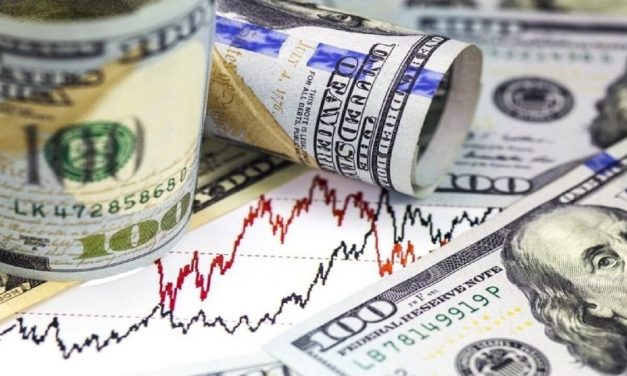
Strategic Council Online—Interview: An expert on international issues said European and American sanctions against Russia are not intended to deter or push Moscow back from its political and territorial positions in Ukraine but rather to pressure Russia to limit its actions against Ukraine.

In an interview with the website of the Strategic Council on Foreign Relations, Mahmoud Shouri said about the extension and strengthening of US and European Union sanctions against Russia in response to the continuation of the war with Ukraine: Western powers are using many tools to dissuade Russia from its actions in the war with Ukraine and are trying to force this country or at least force it to stop military conflict by using these tools, including financial support for Ukraine and sanctions against Russia.

He went on to say: “One of these tools is military support for Ukraine, but this support cannot be pervasive because they do not want to enter into a military conflict with Russia, which is a major nuclear power.” Because they may enter into a bigger war with Russia’s further provocation, therefore, their only tool is the various economic sanctions that we have seen applied against Russia in the past two years and multiple dimensions. Since the beginning of the war, nearly 20,000 sanctions have been imposed on Russia.

This expert on international issues said about the logic of the sanctions against Russia by the European Union and the United States: The logic of the European Union sanctions against Russia is that the West is not trying to deter or push back Russia from continuing attacks, but intending to create economic pressure is for Russia to limit its actions against Ukraine. Sanctions are an influential factor in Russian policies, although this is a secondary factor and will not be decisive on its own.

Shouri said about Russia’s reaction to the European and American sanctions, especially the interest withdrawal of the country’s blocked deposits in European banks: Russia’s conditions are such that it will not fail with these sanctions. Still, it will definitely make the situation more difficult for Russia. On the other hand, the message of these sanctions, which shows the unity of opinion among the powers supporting Ukraine, puts psychological pressure on Russia.

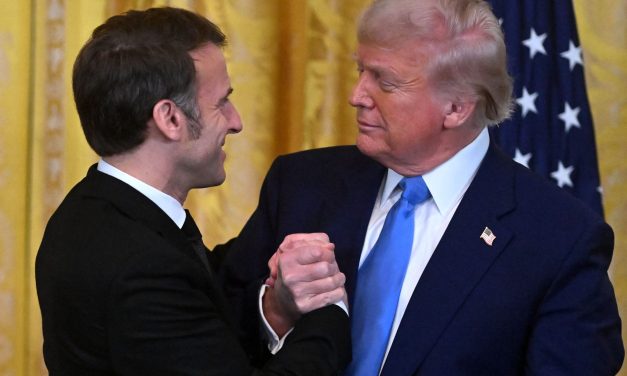
In response to the question, will Europe’s approach to Russia change if Donald Trump takes office? He stated that Americans are the most prominent designers of sanctions against Russia after the Ukraine war. It is natural that with the change of government in America if Trump comes to office, the policies will change a little. However, it is unlikely to have a serious impact in relation to the type of sanctions. These sanctions have been approved by the US Congress, and they cannot be canceled easily. In addition, due to several strategic reasons, it is unlikely that the next president of the United States, even if it is Trump, will seriously change the country’s general policy towards Russia.

This expert on international issues noted that although Trump’s inauguration is among the concerns of the Europeans and the current American government, the discussion of sanctions against Russia and the military and financial aid to Ukraine is a macro-policy that, in the two and a half years that have passed since the war, it has been followed by the European Union and America and will continue. Some changes may be made with the arrival of Trump, but this issue will not fundamentally change.

Shouri said about Russia’s reaction to the tightening of sanctions by Europe: Russia has adopted policies to deal with the political and economic pressures of the West in the two and a half years since the war. In connection with the war in Ukraine, it is a fact that Russia has not defined any way to return from the positions it has gained on the territory of Ukraine. Basically, it does not even think about this issue. Russia considers the parts of Ukraine that it has occupied as part of its territory, so it is unlikely that Russia will abandon these regions by its own will or under the pressure of American and European sanctions. Perhaps this is why the Europeans and the United States do not stop sanctioning Russia and intensify them daily.

He pointed out that after the war in Ukraine, the Western powers froze all Russian assets in Western banks and used a part of it and its profit in the form of aid to Ukraine, and stated: This is not a new trend in the relations between Russia and the West, and it has been trying to adapt its economy to the conditions of sanctions. Through its interactions with non-Western powers, especially within the framework of BRICS, Russia has tried to survive against sanctions and political and international pressures, which is definitely not a replacement for past relations. Still, it is the path that the Russians took. Until now, they have kept their economic conditions relatively stable and have not allowed the issue of sanctions to put great pressure on the economy of this country and the people.
0 Comments

LATEST CONTENT

European Independence from the United States; From Dream to Reality

Strategic Council Online – Opinion: Europe has spoken of “strategic autonomy” for years, but each new crisis reveals that the gap between its aspiration for self-reliance and the reality of its security dependence on the United States remains significantly unbridged.

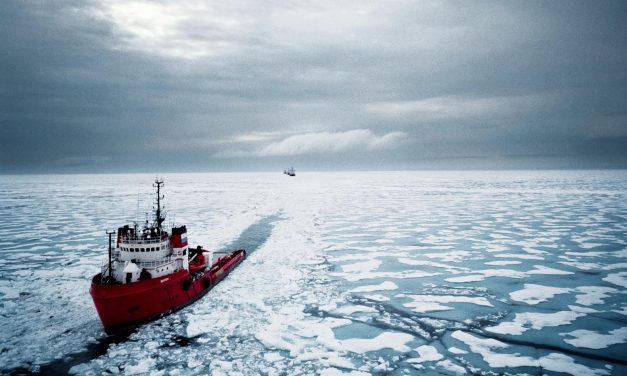
The Arctic; From Geographical Freezing to Geopolitical Boiling

Strategic Council Online – Opinion: The Arctic is no longer a frozen, remote periphery; it has become a live theater of great-power competition, where sea routes, port infrastructure, the law of the sea, and military deterrence are intertwined, shaping the future of maritime security.

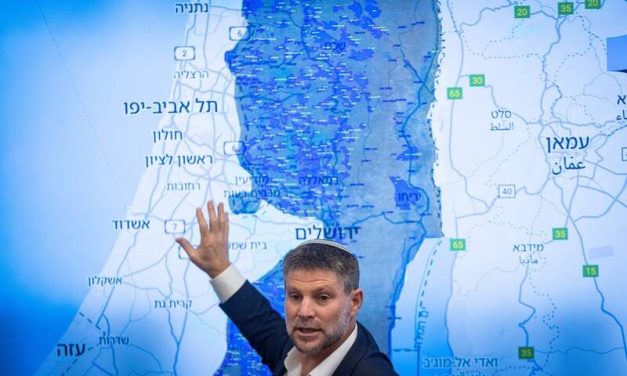
The Zionist Regime’s Time Bomb Activated in the West Bank

Strategic Council Online – Opinion: In the midst of America’s military deployment to West Asia and the Persian Gulf, which has increased tensions at the regional and global levels, the Zionist regime has seized the opportunity and accelerated the advancement of its ambitious projects, including the process of the illegal annexation of the West Bank to the occupied territories.

Loading

Últimas publicaciones

European Independence from the United States; From Dream to Reality

Strategic Council Online – Opinion: Europe has spoken of “strategic autonomy” for years, but each new crisis reveals that the gap between its aspiration for self-reliance and the reality of its security dependence on the United States remains significantly unbridged.

The Arctic; From Geographical Freezing to Geopolitical Boiling

Strategic Council Online – Opinion: The Arctic is no longer a frozen, remote periphery; it has become a live theater of great-power competition, where sea routes, port infrastructure, the law of the sea, and military deterrence are intertwined, shaping the future of maritime security.

The Zionist Regime’s Time Bomb Activated in the West Bank

Strategic Council Online – Opinion: In the midst of America’s military deployment to West Asia and the Persian Gulf, which has increased tensions at the regional and global levels, the Zionist regime has seized the opportunity and accelerated the advancement of its ambitious projects, including the process of the illegal annexation of the West Bank to the occupied territories.

Loading

DERNIER CONTENU

European Independence from the United States; From Dream to Reality

Strategic Council Online – Opinion: Europe has spoken of “strategic autonomy” for years, but each new crisis reveals that the gap between its aspiration for self-reliance and the reality of its security dependence on the United States remains significantly unbridged.

The Arctic; From Geographical Freezing to Geopolitical Boiling

Strategic Council Online – Opinion: The Arctic is no longer a frozen, remote periphery; it has become a live theater of great-power competition, where sea routes, port infrastructure, the law of the sea, and military deterrence are intertwined, shaping the future of maritime security.

The Zionist Regime’s Time Bomb Activated in the West Bank

Strategic Council Online – Opinion: In the midst of America’s military deployment to West Asia and the Persian Gulf, which has increased tensions at the regional and global levels, the Zionist regime has seized the opportunity and accelerated the advancement of its ambitious projects, including the process of the illegal annexation of the West Bank to the occupied territories.

Loading

DERNIER CONTENU

European Independence from the United States; From Dream to Reality

Strategic Council Online – Opinion: Europe has spoken of “strategic autonomy” for years, but each new crisis reveals that the gap between its aspiration for self-reliance and the reality of its security dependence on the United States remains significantly unbridged.

The Arctic; From Geographical Freezing to Geopolitical Boiling

Strategic Council Online – Opinion: The Arctic is no longer a frozen, remote periphery; it has become a live theater of great-power competition, where sea routes, port infrastructure, the law of the sea, and military deterrence are intertwined, shaping the future of maritime security.

The Zionist Regime’s Time Bomb Activated in the West Bank

Strategic Council Online – Opinion: In the midst of America’s military deployment to West Asia and the Persian Gulf, which has increased tensions at the regional and global levels, the Zionist regime has seized the opportunity and accelerated the advancement of its ambitious projects, including the process of the illegal annexation of the West Bank to the occupied territories.

Loading

DERNIER CONTENU

European Independence from the United States; From Dream to Reality

Strategic Council Online – Opinion: Europe has spoken of “strategic autonomy” for years, but each new crisis reveals that the gap between its aspiration for self-reliance and the reality of its security dependence on the United States remains significantly unbridged.

The Arctic; From Geographical Freezing to Geopolitical Boiling

Strategic Council Online – Opinion: The Arctic is no longer a frozen, remote periphery; it has become a live theater of great-power competition, where sea routes, port infrastructure, the law of the sea, and military deterrence are intertwined, shaping the future of maritime security.

The Zionist Regime’s Time Bomb Activated in the West Bank

Strategic Council Online – Opinion: In the midst of America’s military deployment to West Asia and the Persian Gulf, which has increased tensions at the regional and global levels, the Zionist regime has seized the opportunity and accelerated the advancement of its ambitious projects, including the process of the illegal annexation of the West Bank to the occupied territories.

Loading