جدیدترین مطالب

Consequences of Declining Trust in the Judiciary in Europe

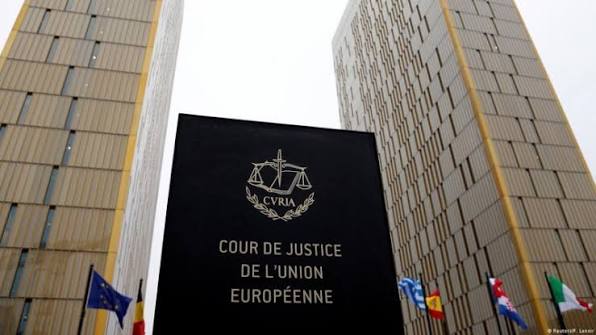
SCFRonline – Opinion: The increase in public distrust of the French judicial system, which in recent surveys has reached approximately two-thirds of citizens, should be analyzed within a framework broader than temporary dissatisfaction or an emotional reaction to a particular criminal case.
Iran’s Potential Levers of Power

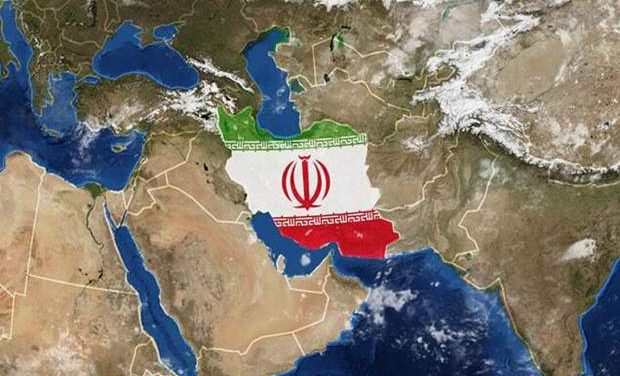
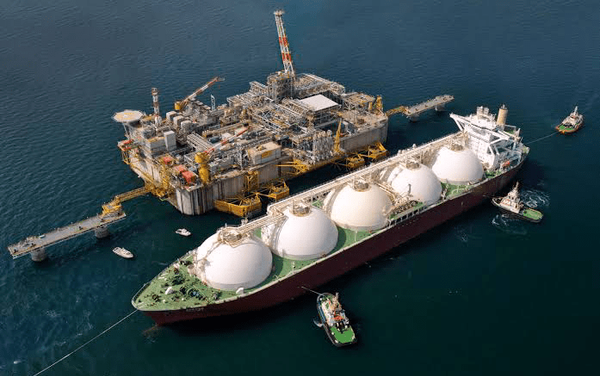
SCFRonline– Opinion: Iran’s geopolitical power is not limited solely to oil and the Strait of Hormuz; the unintended emergence of disruptions in the future global food and energy security chains can also demonstrate Iran’s strategic importance.

The Inseparability of the Lebanese Front from the Axis of Resistance

SCFR Online–Opinion: By providing an extensive network of social, healthcare, educational, and post-war reconstruction services, Hezbollah has established a strong social base for itself among Lebanon’s Shiites and Sunnis, and even beyond that, among other segments of Lebanese society, including Christians. Hezbollah has never been an external actor imposed upon Lebanon; rather, it is a phenomenon fundamentally born out of the occupation and crimes of the Zionist regime and itself influenced by popular resistance.

The Increasing Efforts of the Zionist Regime to Redefine Borders and the Regional Order and Its Consequences

SCFR Online– Opinion: Security and military developments in the region over recent months indicate that the ongoing crises and wars in Gaza, southern Lebanon, and parts of Syrian territory encompass broader dimensions of geopolitical and geostrategic transformations. In this context, the increased military presence and control of the Zionist regime over parts of the territories of these areas, along with proposals regarding the creation of buffer zones or even the expansion of security borders, have raised serious questions about the future of the regional order and its consequences for the countries of West Asia.

Loading

US withdrawal from JCPOA

Consequences of UN Secretary General’s Opposition to US -Sanctions against Iran

Consequences of UN Secretary General’s Opposition to US -Sanctions against Iran

Strategic Council Online – Interview: An expert on international affairs commenting on the UN Secretary General’s recent request to the United States to lift sanctions on Iran said: This request shows that international bodies, including the United Nations, the Security Council and the International Atomic Energy Agency, have gained a better understanding of Iran’s peaceful nuclear activity.

European Powers’ Policy towards Iran

European Powers’ Policy towards Iran

Strategic Council Online: Europe does not seem to tilt toward the United States, but at the same time INSTEX too is unlikely to take some effective action.
Abdolreza Faraji Rad – European Affairs Expert

Iran’s Nuclear Approach to Counter America

Iran’s Nuclear Approach to Counter America

Strategic Council Online: The Americans will revise their Iran policy once they find out that the anti-Iran sanctions have had either little impacts or are ineffective.
Hassan Beheshtipour – International Affairs Expert

Does Europe Want… But Can’t?

Strategic Council Online: We Iranians have a saying that “Where There Is a Will There Is a Way.” One year into the US pullout from the Iran Nuclear Agreement this Iranian proverb can serve as a good yardstick to examine the compliance of the European side with its commitment maintaining an agreement which Europe itself considers imperative to safeguard the security of the region.
Dr. Ali Karbalaie Hosseini – International Law Expert

Dr Kharrazi Proposes at Leaders for Peace Forum in ParisNeo-Multilateralism

Dr Kharrazi Proposes at Leaders for Peace Forum in Paris
Neo-Multilateralism

Strategic Council Online: President of the Strategic Council on Foreign Relations Dr Kamal Kharrazi says multilateralism is now on the brink of extinction as a result of the unilateral measures of the US administration. Therefore, he stressed, it is necessary to identify the roots of the failure of multilateralism and make collective efforts to give birth to neo-multilateralism.

Dr. Kharrazi meets chair of Committee on Foreign Affairs at French National Assembly
Europe’s Limited Chance to Prevent Death of JCPOA

Strategic Council Online: President of the Strategic Council on Foreign Relations, Dr Kamal Kharrazi, referring to Iran’s decision on partial suspension of its JCPOA commitments during 60 days said: “It’s a good opportunity for Europe to compensate for its past procrastination by accelerating the implementation of INSTEX and prevent the death of the JCPOA.”

INSTEX: Manifestation of Europe’s Attitude toward Iran

INSTEX: Manifestation of Europe’s Attitude toward Iran

Strategic Council Online: A review of what Europe has done to keep the Iran Nuclear Deal (also known as the Joint Comprehensive Plan of Action – JCPOA), with INSTEX (Instrument in Support of Trade Exchanges) being the latest example, shows that Europe wants to, but cannot afford or is not ready to pay the relevant costs.
Dr Behzad Ahmadi Laforki – Expert on European Affairs

Failed US-North Korea Summit & Korean Peninsula Developments

Strategic Council Online: The second US-North Korean summit ended in Vietnam without a clear conclusion and agreement. The main question occupying the minds of analysts is whether this summit meeting is the end of the first step of the two countries in trying diplomacy. Or is the end of diplomacy between the United States and North Korea due to the continuation of negotiations because of differences in approaches?
Assadollah Kaveh – East Asia Affairs Expert

Engaging, not Isolating, Iran is Essential to Middle East Stability

“It is fundamental and crucial for our security”. With these words, EU High Representative Federica Mogherini pushed back against renewed calls by the US to end Europe’s support for the Iran Nuclear Deal, or Joint Comprehensive Plan of Action (JCPOA) as it is formally called.
Andrea Dessì – Senior Fellow of IAI’s Mediterranean and Middle East programme

أحدث الوظائف

Consequences of Declining Trust in the Judiciary in Europe

SCFRonline – Opinion: The increase in public distrust of the French judicial system, which in recent surveys has reached approximately two-thirds of citizens, should be analyzed within a framework broader than temporary dissatisfaction or an emotional reaction to a particular criminal case.

Iran’s Potential Levers of Power

SCFRonline– Opinion: Iran’s geopolitical power is not limited solely to oil and the Strait of Hormuz; the unintended emergence of disruptions in the future global food and energy security chains can also demonstrate Iran’s strategic importance.

The Inseparability of the Lebanese Front from the Axis of Resistance

SCFR Online–Opinion: By providing an extensive network of social, healthcare, educational, and post-war reconstruction services, Hezbollah has established a strong social base for itself among Lebanon’s Shiites and Sunnis, and even beyond that, among other segments of Lebanese society, including Christians. Hezbollah has never been an external actor imposed upon Lebanon; rather, it is a phenomenon fundamentally born out of the occupation and crimes of the Zionist regime and itself influenced by popular resistance.

The Increasing Efforts of the Zionist Regime to Redefine Borders and the Regional Order and Its Consequences

SCFR Online– Opinion: Security and military developments in the region over recent months indicate that the ongoing crises and wars in Gaza, southern Lebanon, and parts of Syrian territory encompass broader dimensions of geopolitical and geostrategic transformations. In this context, the increased military presence and control of the Zionist regime over parts of the territories of these areas, along with proposals regarding the creation of buffer zones or even the expansion of security borders, have raised serious questions about the future of the regional order and its consequences for the countries of West Asia.

Loading

US withdrawal from JCPOA

Consequences of UN Secretary General’s Opposition to US -Sanctions against Iran

Consequences of UN Secretary General’s Opposition to US -Sanctions against Iran

Strategic Council Online – Interview: An expert on international affairs commenting on the UN Secretary General’s recent request to the United States to lift sanctions on Iran said: This request shows that international bodies, including the United Nations, the Security Council and the International Atomic Energy Agency, have gained a better understanding of Iran’s peaceful nuclear activity.

European Powers’ Policy towards Iran

European Powers’ Policy towards Iran

Strategic Council Online: Europe does not seem to tilt toward the United States, but at the same time INSTEX too is unlikely to take some effective action.
Abdolreza Faraji Rad – European Affairs Expert

Iran’s Nuclear Approach to Counter America

Iran’s Nuclear Approach to Counter America

Strategic Council Online: The Americans will revise their Iran policy once they find out that the anti-Iran sanctions have had either little impacts or are ineffective.
Hassan Beheshtipour – International Affairs Expert

Does Europe Want… But Can’t?

Strategic Council Online: We Iranians have a saying that “Where There Is a Will There Is a Way.” One year into the US pullout from the Iran Nuclear Agreement this Iranian proverb can serve as a good yardstick to examine the compliance of the European side with its commitment maintaining an agreement which Europe itself considers imperative to safeguard the security of the region.
Dr. Ali Karbalaie Hosseini – International Law Expert

Dr Kharrazi Proposes at Leaders for Peace Forum in ParisNeo-Multilateralism

Dr Kharrazi Proposes at Leaders for Peace Forum in Paris
Neo-Multilateralism

Strategic Council Online: President of the Strategic Council on Foreign Relations Dr Kamal Kharrazi says multilateralism is now on the brink of extinction as a result of the unilateral measures of the US administration. Therefore, he stressed, it is necessary to identify the roots of the failure of multilateralism and make collective efforts to give birth to neo-multilateralism.

Dr. Kharrazi meets chair of Committee on Foreign Affairs at French National Assembly
Europe’s Limited Chance to Prevent Death of JCPOA

Strategic Council Online: President of the Strategic Council on Foreign Relations, Dr Kamal Kharrazi, referring to Iran’s decision on partial suspension of its JCPOA commitments during 60 days said: “It’s a good opportunity for Europe to compensate for its past procrastination by accelerating the implementation of INSTEX and prevent the death of the JCPOA.”

INSTEX: Manifestation of Europe’s Attitude toward Iran

INSTEX: Manifestation of Europe’s Attitude toward Iran

Strategic Council Online: A review of what Europe has done to keep the Iran Nuclear Deal (also known as the Joint Comprehensive Plan of Action – JCPOA), with INSTEX (Instrument in Support of Trade Exchanges) being the latest example, shows that Europe wants to, but cannot afford or is not ready to pay the relevant costs.
Dr Behzad Ahmadi Laforki – Expert on European Affairs

Failed US-North Korea Summit & Korean Peninsula Developments

Strategic Council Online: The second US-North Korean summit ended in Vietnam without a clear conclusion and agreement. The main question occupying the minds of analysts is whether this summit meeting is the end of the first step of the two countries in trying diplomacy. Or is the end of diplomacy between the United States and North Korea due to the continuation of negotiations because of differences in approaches?
Assadollah Kaveh – East Asia Affairs Expert

Engaging, not Isolating, Iran is Essential to Middle East Stability

“It is fundamental and crucial for our security”. With these words, EU High Representative Federica Mogherini pushed back against renewed calls by the US to end Europe’s support for the Iran Nuclear Deal, or Joint Comprehensive Plan of Action (JCPOA) as it is formally called.
Andrea Dessì – Senior Fellow of IAI’s Mediterranean and Middle East programme

US withdrawal from JCPOA

Consequences of UN Secretary General’s Opposition to US -Sanctions against Iran

Consequences of UN Secretary General’s Opposition to US -Sanctions against Iran

Strategic Council Online – Interview: An expert on international affairs commenting on the UN Secretary General’s recent request to the United States to lift sanctions on Iran said: This request shows that international bodies, including the United Nations, the Security Council and the International Atomic Energy Agency, have gained a better understanding of Iran’s peaceful nuclear activity.

European Powers’ Policy towards Iran

European Powers’ Policy towards Iran

Strategic Council Online: Europe does not seem to tilt toward the United States, but at the same time INSTEX too is unlikely to take some effective action.
Abdolreza Faraji Rad – European Affairs Expert

Iran’s Nuclear Approach to Counter America

Iran’s Nuclear Approach to Counter America

Strategic Council Online: The Americans will revise their Iran policy once they find out that the anti-Iran sanctions have had either little impacts or are ineffective.
Hassan Beheshtipour – International Affairs Expert

Does Europe Want… But Can’t?

Strategic Council Online: We Iranians have a saying that “Where There Is a Will There Is a Way.” One year into the US pullout from the Iran Nuclear Agreement this Iranian proverb can serve as a good yardstick to examine the compliance of the European side with its commitment maintaining an agreement which Europe itself considers imperative to safeguard the security of the region.
Dr. Ali Karbalaie Hosseini – International Law Expert

Dr Kharrazi Proposes at Leaders for Peace Forum in ParisNeo-Multilateralism

Dr Kharrazi Proposes at Leaders for Peace Forum in Paris
Neo-Multilateralism

Strategic Council Online: President of the Strategic Council on Foreign Relations Dr Kamal Kharrazi says multilateralism is now on the brink of extinction as a result of the unilateral measures of the US administration. Therefore, he stressed, it is necessary to identify the roots of the failure of multilateralism and make collective efforts to give birth to neo-multilateralism.

Dr. Kharrazi meets chair of Committee on Foreign Affairs at French National Assembly
Europe’s Limited Chance to Prevent Death of JCPOA

Strategic Council Online: President of the Strategic Council on Foreign Relations, Dr Kamal Kharrazi, referring to Iran’s decision on partial suspension of its JCPOA commitments during 60 days said: “It’s a good opportunity for Europe to compensate for its past procrastination by accelerating the implementation of INSTEX and prevent the death of the JCPOA.”

INSTEX: Manifestation of Europe’s Attitude toward Iran

INSTEX: Manifestation of Europe’s Attitude toward Iran

Strategic Council Online: A review of what Europe has done to keep the Iran Nuclear Deal (also known as the Joint Comprehensive Plan of Action – JCPOA), with INSTEX (Instrument in Support of Trade Exchanges) being the latest example, shows that Europe wants to, but cannot afford or is not ready to pay the relevant costs.
Dr Behzad Ahmadi Laforki – Expert on European Affairs

Failed US-North Korea Summit & Korean Peninsula Developments

Strategic Council Online: The second US-North Korean summit ended in Vietnam without a clear conclusion and agreement. The main question occupying the minds of analysts is whether this summit meeting is the end of the first step of the two countries in trying diplomacy. Or is the end of diplomacy between the United States and North Korea due to the continuation of negotiations because of differences in approaches?
Assadollah Kaveh – East Asia Affairs Expert

Engaging, not Isolating, Iran is Essential to Middle East Stability

“It is fundamental and crucial for our security”. With these words, EU High Representative Federica Mogherini pushed back against renewed calls by the US to end Europe’s support for the Iran Nuclear Deal, or Joint Comprehensive Plan of Action (JCPOA) as it is formally called.
Andrea Dessì – Senior Fellow of IAI’s Mediterranean and Middle East programme

LATEST CONTENT

Consequences of Declining Trust in the Judiciary in Europe

SCFRonline – Opinion: The increase in public distrust of the French judicial system, which in recent surveys has reached approximately two-thirds of citizens, should be analyzed within a framework broader than temporary dissatisfaction or an emotional reaction to a particular criminal case.
Iran’s Potential Levers of Power

SCFRonline– Opinion: Iran’s geopolitical power is not limited solely to oil and the Strait of Hormuz; the unintended emergence of disruptions in the future global food and energy security chains can also demonstrate Iran’s strategic importance.

The Inseparability of the Lebanese Front from the Axis of Resistance

SCFR Online–Opinion: By providing an extensive network of social, healthcare, educational, and post-war reconstruction services, Hezbollah has established a strong social base for itself among Lebanon’s Shiites and Sunnis, and even beyond that, among other segments of Lebanese society, including Christians. Hezbollah has never been an external actor imposed upon Lebanon; rather, it is a phenomenon fundamentally born out of the occupation and crimes of the Zionist regime and itself influenced by popular resistance.

The Increasing Efforts of the Zionist Regime to Redefine Borders and the Regional Order and Its Consequences

SCFR Online– Opinion: Security and military developments in the region over recent months indicate that the ongoing crises and wars in Gaza, southern Lebanon, and parts of Syrian territory encompass broader dimensions of geopolitical and geostrategic transformations. In this context, the increased military presence and control of the Zionist regime over parts of the territories of these areas, along with proposals regarding the creation of buffer zones or even the expansion of security borders, have raised serious questions about the future of the regional order and its consequences for the countries of West Asia.

Loading

US withdrawal from JCPOA

Consequences of UN Secretary General’s Opposition to US -Sanctions against Iran

Consequences of UN Secretary General’s Opposition to US -Sanctions against Iran

Strategic Council Online – Interview: An expert on international affairs commenting on the UN Secretary General’s recent request to the United States to lift sanctions on Iran said: This request shows that international bodies, including the United Nations, the Security Council and the International Atomic Energy Agency, have gained a better understanding of Iran’s peaceful nuclear activity.

European Powers’ Policy towards Iran

European Powers’ Policy towards Iran

Strategic Council Online: Europe does not seem to tilt toward the United States, but at the same time INSTEX too is unlikely to take some effective action.
Abdolreza Faraji Rad – European Affairs Expert

Iran’s Nuclear Approach to Counter America

Iran’s Nuclear Approach to Counter America

Strategic Council Online: The Americans will revise their Iran policy once they find out that the anti-Iran sanctions have had either little impacts or are ineffective.
Hassan Beheshtipour – International Affairs Expert

Does Europe Want… But Can’t?

Strategic Council Online: We Iranians have a saying that “Where There Is a Will There Is a Way.” One year into the US pullout from the Iran Nuclear Agreement this Iranian proverb can serve as a good yardstick to examine the compliance of the European side with its commitment maintaining an agreement which Europe itself considers imperative to safeguard the security of the region.
Dr. Ali Karbalaie Hosseini – International Law Expert

Dr Kharrazi Proposes at Leaders for Peace Forum in ParisNeo-Multilateralism

Dr Kharrazi Proposes at Leaders for Peace Forum in Paris
Neo-Multilateralism

Strategic Council Online: President of the Strategic Council on Foreign Relations Dr Kamal Kharrazi says multilateralism is now on the brink of extinction as a result of the unilateral measures of the US administration. Therefore, he stressed, it is necessary to identify the roots of the failure of multilateralism and make collective efforts to give birth to neo-multilateralism.

Dr. Kharrazi meets chair of Committee on Foreign Affairs at French National Assembly
Europe’s Limited Chance to Prevent Death of JCPOA

Strategic Council Online: President of the Strategic Council on Foreign Relations, Dr Kamal Kharrazi, referring to Iran’s decision on partial suspension of its JCPOA commitments during 60 days said: “It’s a good opportunity for Europe to compensate for its past procrastination by accelerating the implementation of INSTEX and prevent the death of the JCPOA.”

INSTEX: Manifestation of Europe’s Attitude toward Iran

INSTEX: Manifestation of Europe’s Attitude toward Iran

Strategic Council Online: A review of what Europe has done to keep the Iran Nuclear Deal (also known as the Joint Comprehensive Plan of Action – JCPOA), with INSTEX (Instrument in Support of Trade Exchanges) being the latest example, shows that Europe wants to, but cannot afford or is not ready to pay the relevant costs.
Dr Behzad Ahmadi Laforki – Expert on European Affairs

Failed US-North Korea Summit & Korean Peninsula Developments

Strategic Council Online: The second US-North Korean summit ended in Vietnam without a clear conclusion and agreement. The main question occupying the minds of analysts is whether this summit meeting is the end of the first step of the two countries in trying diplomacy. Or is the end of diplomacy between the United States and North Korea due to the continuation of negotiations because of differences in approaches?
Assadollah Kaveh – East Asia Affairs Expert

Engaging, not Isolating, Iran is Essential to Middle East Stability

“It is fundamental and crucial for our security”. With these words, EU High Representative Federica Mogherini pushed back against renewed calls by the US to end Europe’s support for the Iran Nuclear Deal, or Joint Comprehensive Plan of Action (JCPOA) as it is formally called.
Andrea Dessì – Senior Fellow of IAI’s Mediterranean and Middle East programme

ÚLTIMAS PUBLICACIONES

Consequences of Declining Trust in the Judiciary in Europe

SCFRonline – Opinion: The increase in public distrust of the French judicial system, which in recent surveys has reached approximately two-thirds of citizens, should be analyzed within a framework broader than temporary dissatisfaction or an emotional reaction to a particular criminal case.
Iran’s Potential Levers of Power

SCFRonline– Opinion: Iran’s geopolitical power is not limited solely to oil and the Strait of Hormuz; the unintended emergence of disruptions in the future global food and energy security chains can also demonstrate Iran’s strategic importance.

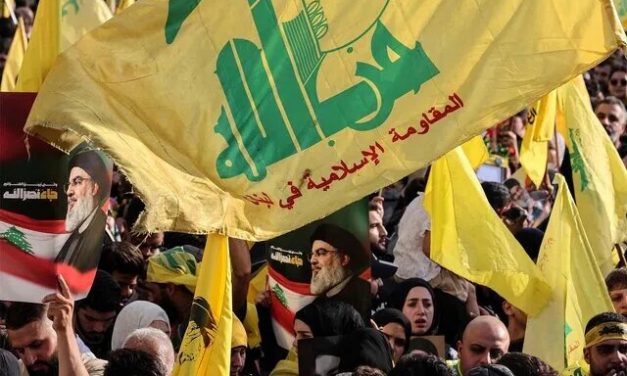
The Inseparability of the Lebanese Front from the Axis of Resistance

SCFR Online–Opinion: By providing an extensive network of social, healthcare, educational, and post-war reconstruction services, Hezbollah has established a strong social base for itself among Lebanon’s Shiites and Sunnis, and even beyond that, among other segments of Lebanese society, including Christians. Hezbollah has never been an external actor imposed upon Lebanon; rather, it is a phenomenon fundamentally born out of the occupation and crimes of the Zionist regime and itself influenced by popular resistance.

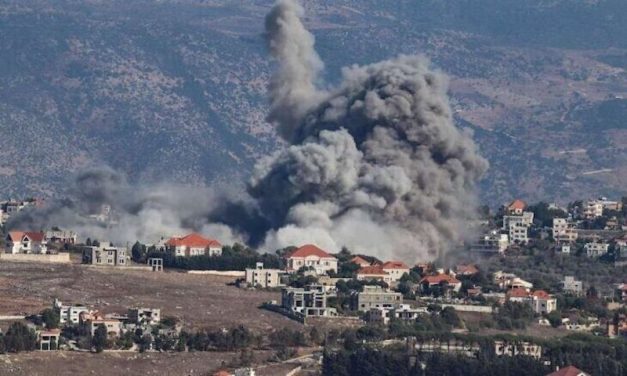
The Increasing Efforts of the Zionist Regime to Redefine Borders and the Regional Order and Its Consequences

SCFR Online– Opinion: Security and military developments in the region over recent months indicate that the ongoing crises and wars in Gaza, southern Lebanon, and parts of Syrian territory encompass broader dimensions of geopolitical and geostrategic transformations. In this context, the increased military presence and control of the Zionist regime over parts of the territories of these areas, along with proposals regarding the creation of buffer zones or even the expansion of security borders, have raised serious questions about the future of the regional order and its consequences for the countries of West Asia.

Loading

US withdrawal from JCPOA

Consequences of UN Secretary General’s Opposition to US -Sanctions against Iran

Consequences of UN Secretary General’s Opposition to US -Sanctions against Iran

Strategic Council Online – Interview: An expert on international affairs commenting on the UN Secretary General’s recent request to the United States to lift sanctions on Iran said: This request shows that international bodies, including the United Nations, the Security Council and the International Atomic Energy Agency, have gained a better understanding of Iran’s peaceful nuclear activity.

European Powers’ Policy towards Iran

European Powers’ Policy towards Iran

Strategic Council Online: Europe does not seem to tilt toward the United States, but at the same time INSTEX too is unlikely to take some effective action.
Abdolreza Faraji Rad – European Affairs Expert

Iran’s Nuclear Approach to Counter America

Iran’s Nuclear Approach to Counter America

Strategic Council Online: The Americans will revise their Iran policy once they find out that the anti-Iran sanctions have had either little impacts or are ineffective.
Hassan Beheshtipour – International Affairs Expert

Does Europe Want… But Can’t?

Strategic Council Online: We Iranians have a saying that “Where There Is a Will There Is a Way.” One year into the US pullout from the Iran Nuclear Agreement this Iranian proverb can serve as a good yardstick to examine the compliance of the European side with its commitment maintaining an agreement which Europe itself considers imperative to safeguard the security of the region.
Dr. Ali Karbalaie Hosseini – International Law Expert

Dr Kharrazi Proposes at Leaders for Peace Forum in ParisNeo-Multilateralism

Dr Kharrazi Proposes at Leaders for Peace Forum in Paris
Neo-Multilateralism

Strategic Council Online: President of the Strategic Council on Foreign Relations Dr Kamal Kharrazi says multilateralism is now on the brink of extinction as a result of the unilateral measures of the US administration. Therefore, he stressed, it is necessary to identify the roots of the failure of multilateralism and make collective efforts to give birth to neo-multilateralism.

Dr. Kharrazi meets chair of Committee on Foreign Affairs at French National Assembly
Europe’s Limited Chance to Prevent Death of JCPOA

Strategic Council Online: President of the Strategic Council on Foreign Relations, Dr Kamal Kharrazi, referring to Iran’s decision on partial suspension of its JCPOA commitments during 60 days said: “It’s a good opportunity for Europe to compensate for its past procrastination by accelerating the implementation of INSTEX and prevent the death of the JCPOA.”

INSTEX: Manifestation of Europe’s Attitude toward Iran

INSTEX: Manifestation of Europe’s Attitude toward Iran

Strategic Council Online: A review of what Europe has done to keep the Iran Nuclear Deal (also known as the Joint Comprehensive Plan of Action – JCPOA), with INSTEX (Instrument in Support of Trade Exchanges) being the latest example, shows that Europe wants to, but cannot afford or is not ready to pay the relevant costs.
Dr Behzad Ahmadi Laforki – Expert on European Affairs

Failed US-North Korea Summit & Korean Peninsula Developments

Strategic Council Online: The second US-North Korean summit ended in Vietnam without a clear conclusion and agreement. The main question occupying the minds of analysts is whether this summit meeting is the end of the first step of the two countries in trying diplomacy. Or is the end of diplomacy between the United States and North Korea due to the continuation of negotiations because of differences in approaches?
Assadollah Kaveh – East Asia Affairs Expert

Engaging, not Isolating, Iran is Essential to Middle East Stability

“It is fundamental and crucial for our security”. With these words, EU High Representative Federica Mogherini pushed back against renewed calls by the US to end Europe’s support for the Iran Nuclear Deal, or Joint Comprehensive Plan of Action (JCPOA) as it is formally called.
Andrea Dessì – Senior Fellow of IAI’s Mediterranean and Middle East programme

ÚLTIMAS PUBLICACIONES

Consequences of Declining Trust in the Judiciary in Europe

SCFRonline – Opinion: The increase in public distrust of the French judicial system, which in recent surveys has reached approximately two-thirds of citizens, should be analyzed within a framework broader than temporary dissatisfaction or an emotional reaction to a particular criminal case.
Iran’s Potential Levers of Power

SCFRonline– Opinion: Iran’s geopolitical power is not limited solely to oil and the Strait of Hormuz; the unintended emergence of disruptions in the future global food and energy security chains can also demonstrate Iran’s strategic importance.

The Inseparability of the Lebanese Front from the Axis of Resistance

SCFR Online–Opinion: By providing an extensive network of social, healthcare, educational, and post-war reconstruction services, Hezbollah has established a strong social base for itself among Lebanon’s Shiites and Sunnis, and even beyond that, among other segments of Lebanese society, including Christians. Hezbollah has never been an external actor imposed upon Lebanon; rather, it is a phenomenon fundamentally born out of the occupation and crimes of the Zionist regime and itself influenced by popular resistance.

The Increasing Efforts of the Zionist Regime to Redefine Borders and the Regional Order and Its Consequences

SCFR Online– Opinion: Security and military developments in the region over recent months indicate that the ongoing crises and wars in Gaza, southern Lebanon, and parts of Syrian territory encompass broader dimensions of geopolitical and geostrategic transformations. In this context, the increased military presence and control of the Zionist regime over parts of the territories of these areas, along with proposals regarding the creation of buffer zones or even the expansion of security borders, have raised serious questions about the future of the regional order and its consequences for the countries of West Asia.

Loading

US withdrawal from JCPOA

Consequences of UN Secretary General’s Opposition to US -Sanctions against Iran

Consequences of UN Secretary General’s Opposition to US -Sanctions against Iran

Strategic Council Online – Interview: An expert on international affairs commenting on the UN Secretary General’s recent request to the United States to lift sanctions on Iran said: This request shows that international bodies, including the United Nations, the Security Council and the International Atomic Energy Agency, have gained a better understanding of Iran’s peaceful nuclear activity.

European Powers’ Policy towards Iran

European Powers’ Policy towards Iran

Strategic Council Online: Europe does not seem to tilt toward the United States, but at the same time INSTEX too is unlikely to take some effective action.
Abdolreza Faraji Rad – European Affairs Expert

Iran’s Nuclear Approach to Counter America

Iran’s Nuclear Approach to Counter America

Strategic Council Online: The Americans will revise their Iran policy once they find out that the anti-Iran sanctions have had either little impacts or are ineffective.
Hassan Beheshtipour – International Affairs Expert

Does Europe Want… But Can’t?

Strategic Council Online: We Iranians have a saying that “Where There Is a Will There Is a Way.” One year into the US pullout from the Iran Nuclear Agreement this Iranian proverb can serve as a good yardstick to examine the compliance of the European side with its commitment maintaining an agreement which Europe itself considers imperative to safeguard the security of the region.
Dr. Ali Karbalaie Hosseini – International Law Expert

Dr Kharrazi Proposes at Leaders for Peace Forum in ParisNeo-Multilateralism

Dr Kharrazi Proposes at Leaders for Peace Forum in Paris
Neo-Multilateralism

Strategic Council Online: President of the Strategic Council on Foreign Relations Dr Kamal Kharrazi says multilateralism is now on the brink of extinction as a result of the unilateral measures of the US administration. Therefore, he stressed, it is necessary to identify the roots of the failure of multilateralism and make collective efforts to give birth to neo-multilateralism.

Dr. Kharrazi meets chair of Committee on Foreign Affairs at French National Assembly
Europe’s Limited Chance to Prevent Death of JCPOA

Strategic Council Online: President of the Strategic Council on Foreign Relations, Dr Kamal Kharrazi, referring to Iran’s decision on partial suspension of its JCPOA commitments during 60 days said: “It’s a good opportunity for Europe to compensate for its past procrastination by accelerating the implementation of INSTEX and prevent the death of the JCPOA.”

INSTEX: Manifestation of Europe’s Attitude toward Iran

INSTEX: Manifestation of Europe’s Attitude toward Iran

Strategic Council Online: A review of what Europe has done to keep the Iran Nuclear Deal (also known as the Joint Comprehensive Plan of Action – JCPOA), with INSTEX (Instrument in Support of Trade Exchanges) being the latest example, shows that Europe wants to, but cannot afford or is not ready to pay the relevant costs.
Dr Behzad Ahmadi Laforki – Expert on European Affairs

Failed US-North Korea Summit & Korean Peninsula Developments

Strategic Council Online: The second US-North Korean summit ended in Vietnam without a clear conclusion and agreement. The main question occupying the minds of analysts is whether this summit meeting is the end of the first step of the two countries in trying diplomacy. Or is the end of diplomacy between the United States and North Korea due to the continuation of negotiations because of differences in approaches?
Assadollah Kaveh – East Asia Affairs Expert

Engaging, not Isolating, Iran is Essential to Middle East Stability

“It is fundamental and crucial for our security”. With these words, EU High Representative Federica Mogherini pushed back against renewed calls by the US to end Europe’s support for the Iran Nuclear Deal, or Joint Comprehensive Plan of Action (JCPOA) as it is formally called.
Andrea Dessì – Senior Fellow of IAI’s Mediterranean and Middle East programme

ÚLTIMAS PUBLICACIONES

Consequences of Declining Trust in the Judiciary in Europe

SCFRonline – Opinion: The increase in public distrust of the French judicial system, which in recent surveys has reached approximately two-thirds of citizens, should be analyzed within a framework broader than temporary dissatisfaction or an emotional reaction to a particular criminal case.
Iran’s Potential Levers of Power

SCFRonline– Opinion: Iran’s geopolitical power is not limited solely to oil and the Strait of Hormuz; the unintended emergence of disruptions in the future global food and energy security chains can also demonstrate Iran’s strategic importance.

The Inseparability of the Lebanese Front from the Axis of Resistance

SCFR Online–Opinion: By providing an extensive network of social, healthcare, educational, and post-war reconstruction services, Hezbollah has established a strong social base for itself among Lebanon’s Shiites and Sunnis, and even beyond that, among other segments of Lebanese society, including Christians. Hezbollah has never been an external actor imposed upon Lebanon; rather, it is a phenomenon fundamentally born out of the occupation and crimes of the Zionist regime and itself influenced by popular resistance.

The Increasing Efforts of the Zionist Regime to Redefine Borders and the Regional Order and Its Consequences

SCFR Online– Opinion: Security and military developments in the region over recent months indicate that the ongoing crises and wars in Gaza, southern Lebanon, and parts of Syrian territory encompass broader dimensions of geopolitical and geostrategic transformations. In this context, the increased military presence and control of the Zionist regime over parts of the territories of these areas, along with proposals regarding the creation of buffer zones or even the expansion of security borders, have raised serious questions about the future of the regional order and its consequences for the countries of West Asia.

Loading

US withdrawal from JCPOA

Consequences of UN Secretary General’s Opposition to US -Sanctions against Iran

Consequences of UN Secretary General’s Opposition to US -Sanctions against Iran

Strategic Council Online – Interview: An expert on international affairs commenting on the UN Secretary General’s recent request to the United States to lift sanctions on Iran said: This request shows that international bodies, including the United Nations, the Security Council and the International Atomic Energy Agency, have gained a better understanding of Iran’s peaceful nuclear activity.

European Powers’ Policy towards Iran

European Powers’ Policy towards Iran

Strategic Council Online: Europe does not seem to tilt toward the United States, but at the same time INSTEX too is unlikely to take some effective action.
Abdolreza Faraji Rad – European Affairs Expert

Iran’s Nuclear Approach to Counter America

Iran’s Nuclear Approach to Counter America

Strategic Council Online: The Americans will revise their Iran policy once they find out that the anti-Iran sanctions have had either little impacts or are ineffective.
Hassan Beheshtipour – International Affairs Expert

Does Europe Want… But Can’t?

Strategic Council Online: We Iranians have a saying that “Where There Is a Will There Is a Way.” One year into the US pullout from the Iran Nuclear Agreement this Iranian proverb can serve as a good yardstick to examine the compliance of the European side with its commitment maintaining an agreement which Europe itself considers imperative to safeguard the security of the region.
Dr. Ali Karbalaie Hosseini – International Law Expert

Dr Kharrazi Proposes at Leaders for Peace Forum in ParisNeo-Multilateralism

Dr Kharrazi Proposes at Leaders for Peace Forum in Paris
Neo-Multilateralism

Strategic Council Online: President of the Strategic Council on Foreign Relations Dr Kamal Kharrazi says multilateralism is now on the brink of extinction as a result of the unilateral measures of the US administration. Therefore, he stressed, it is necessary to identify the roots of the failure of multilateralism and make collective efforts to give birth to neo-multilateralism.

Dr. Kharrazi meets chair of Committee on Foreign Affairs at French National Assembly
Europe’s Limited Chance to Prevent Death of JCPOA

Strategic Council Online: President of the Strategic Council on Foreign Relations, Dr Kamal Kharrazi, referring to Iran’s decision on partial suspension of its JCPOA commitments during 60 days said: “It’s a good opportunity for Europe to compensate for its past procrastination by accelerating the implementation of INSTEX and prevent the death of the JCPOA.”

INSTEX: Manifestation of Europe’s Attitude toward Iran

INSTEX: Manifestation of Europe’s Attitude toward Iran

Strategic Council Online: A review of what Europe has done to keep the Iran Nuclear Deal (also known as the Joint Comprehensive Plan of Action – JCPOA), with INSTEX (Instrument in Support of Trade Exchanges) being the latest example, shows that Europe wants to, but cannot afford or is not ready to pay the relevant costs.
Dr Behzad Ahmadi Laforki – Expert on European Affairs

Failed US-North Korea Summit & Korean Peninsula Developments

Strategic Council Online: The second US-North Korean summit ended in Vietnam without a clear conclusion and agreement. The main question occupying the minds of analysts is whether this summit meeting is the end of the first step of the two countries in trying diplomacy. Or is the end of diplomacy between the United States and North Korea due to the continuation of negotiations because of differences in approaches?
Assadollah Kaveh – East Asia Affairs Expert

Engaging, not Isolating, Iran is Essential to Middle East Stability

“It is fundamental and crucial for our security”. With these words, EU High Representative Federica Mogherini pushed back against renewed calls by the US to end Europe’s support for the Iran Nuclear Deal, or Joint Comprehensive Plan of Action (JCPOA) as it is formally called.
Andrea Dessì – Senior Fellow of IAI’s Mediterranean and Middle East programme

ÚLTIMAS PUBLICACIONES

Consequences of Declining Trust in the Judiciary in Europe

SCFRonline – Opinion: The increase in public distrust of the French judicial system, which in recent surveys has reached approximately two-thirds of citizens, should be analyzed within a framework broader than temporary dissatisfaction or an emotional reaction to a particular criminal case.

Iran’s Potential Levers of Power

SCFRonline– Opinion: Iran’s geopolitical power is not limited solely to oil and the Strait of Hormuz; the unintended emergence of disruptions in the future global food and energy security chains can also demonstrate Iran’s strategic importance.

The Inseparability of the Lebanese Front from the Axis of Resistance

SCFR Online–Opinion: By providing an extensive network of social, healthcare, educational, and post-war reconstruction services, Hezbollah has established a strong social base for itself among Lebanon’s Shiites and Sunnis, and even beyond that, among other segments of Lebanese society, including Christians. Hezbollah has never been an external actor imposed upon Lebanon; rather, it is a phenomenon fundamentally born out of the occupation and crimes of the Zionist regime and itself influenced by popular resistance.

The Increasing Efforts of the Zionist Regime to Redefine Borders and the Regional Order and Its Consequences

SCFR Online– Opinion: Security and military developments in the region over recent months indicate that the ongoing crises and wars in Gaza, southern Lebanon, and parts of Syrian territory encompass broader dimensions of geopolitical and geostrategic transformations. In this context, the increased military presence and control of the Zionist regime over parts of the territories of these areas, along with proposals regarding the creation of buffer zones or even the expansion of security borders, have raised serious questions about the future of the regional order and its consequences for the countries of West Asia.

Loading