

Morteza Makki – European Affairs Expert
As long as Joe Biden was in the White House, there were no fundamental differences between Europe and the United States in dealing with Russia. Both sides emphasized the approach of responding by imposing economic sanctions on Russia on one hand, and providing extensive financial and military aid to Ukraine on the other. They sought, through this, to bring Russia to its knees, both militarily and economically. However, with Donald Trump’s entry into the White House, the political equations in Brussels-Washington relations were deeply fractured. Unlike the Democrats, Trump believed that Russia’s attack on Ukraine was more of a challenge for Europe than a problem for the United States. With this perspective, he sought to end the Russia-Ukraine war within 24 hours. But Trump’s wish and dream did not materialize. Therefore, the U.S. president tried to achieve a framework for peace and reconciliation in Ukraine through extensive negotiations and bilateral engagements with Russian officials. In this endeavor, Trump essentially placed Putin’s agenda for Ukraine on the negotiation table to encourage and persuade Russia to agree to a ceasefire. But the Russians had maximal demands regarding the Ukraine war, and at the same time, there was a deep rift between Europe and the U.S. on one side, and the U.S. and Ukraine on the other, over how to deal with Russia.
Trump demanded that Ukraine make concessions to Russia and cede part of its territory in exchange for peace. But neither Ukraine nor its European allies agreed to this demand. In practice, Trump concluded that without the cooperation and alignment of Ukraine and Europe, and by ignoring the role of these two actors in a war that has now lasted for more than three years, he could not achieve his desired peace and reconciliation solely through a bilateral approach with Putin. Trump’s latest political move regarding Ukraine was meeting with Vladimir Putin in Alaska. The outcome of this meeting was largely contingent on U.S. negotiations with Ukraine and European governments.
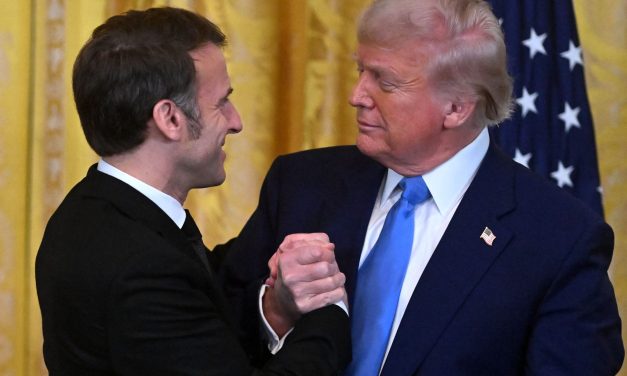
Three days after the meeting between Putin and Trump in Alaska, the U.S. president met with Volodymyr Zelenskyy and several European leaders at the White House, and these countries opposed any territorial concessions in exchange for peace with Putin. Effectively, the summits between the U.S. and Russia in Alaska and between the U.S. and Europe in Washington yielded no results regarding how to end the Ukraine war. European governments, in numerous meetings held at various levels, assessed that providing financial and military aid to Ukraine was the only way to pressure Russia to end the war.
Amidst this, Trump also tried, through repeatedly threatening Russia and imposing economic sanctions and providing military aid to Ukraine (albeit with European governments’ money), to somehow align with European capitals in pressuring Russia. But unlike before, Trump made military aid to Ukraine conditional on European governments covering its costs. At the same time, a serious difference of opinion emerged between Europe and the U.S. regarding the issue of economic sanctions against Russia; Trump constantly criticized European governments, asking how they could want to put economic pressure on Russia while still receiving gas from it.
Trump demanded that European governments, instead of buying gas from Russia, supply the gas they need from the United States, so that they could both cover the costs of the Ukraine war this way and also seriously subject Russia to economic sanctions. Although European governments have set a schedule to reduce Russian gas purchases to zero, there is no consensus among them on this. Some European governments, such as Slovakia and Hungary, demand the continued purchase of oil and gas from Russia and consider alternative energy supply routes to be very expensive. Furthermore, these governments have different approaches to the European Union’s stance on Russia and believe that this mode of European political action towards Moscow will not yield results, and that the ultimate losers of this war will be Ukraine and the European Union.
This line of thinking exists in some other European governments as well, but they do not explicitly announce it. Meanwhile, Eastern European countries like Poland still demand the intensification of military, economic, and political policies against the Kremlin.
Ultimately, the scenario of sanctions, economic pressure on Russia, and increased financial and military aid to Ukraine has so far yielded no results on the ground for Kyiv. On the contrary, Russia, by intensifying military attacks on Ukrainian infrastructure, including power plants, and flying drones over EU member states, has created a deep political and military challenge both among EU members and also raised concerns among European members regarding America’s commitment to supporting European governments against Russian military threats.
The Americans have so far tried to overlook the intensification of Russian military attacks in Ukraine and the flight of Russian drones over EU member states, and not consider this issue as a serious threat among NATO members. Because they well know that any reaction to these actions will entail serious costs for Washington. In reality, the movements and developments in the political and military arena of the Ukraine war indicate that this nearly four-year-old crisis still has a vague outlook and will remain the European Union’s most significant political and security challenge in the coming years.
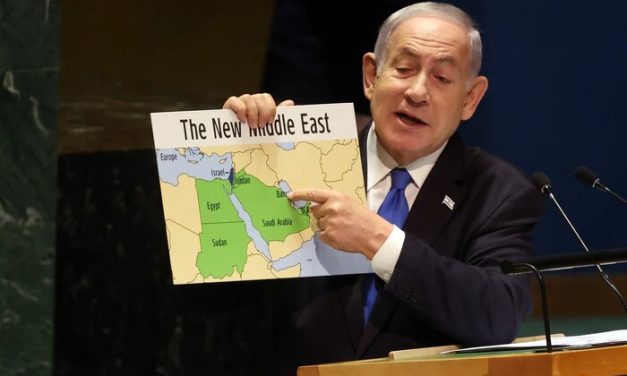
The US Ambassador Lifts the Veil; The Strategic Danger of the “Greater Israel” Project for West Asia
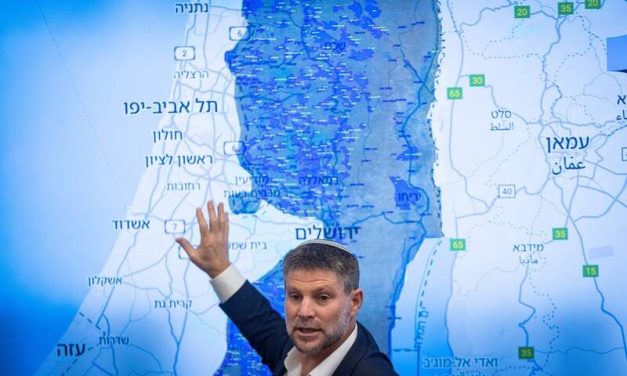
Strategic Council Online –Opinion: The “Greater Israel” project, whose realization requires the annexation of parts of the territory of regional countries into the occupied lands, has long passed the stage of theorization and, especially in recent months, has taken on an operational form. This plan, which was once discussed in extremist Zionist circles as an unattainable ideal, is today, with the explicit support of the United States, being transformed into an executive program targeting the regional order.



0 Comments