

The wave of recognizing Palestine: A real action or a political show?
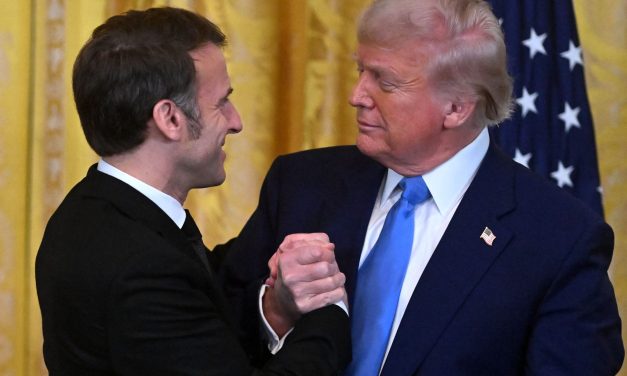
Asghar Zarei, in an interview with the Strategic Council on Foreign Relations’ website, described the recent wave of recognition of the State of Palestine by some European countries as more of a political and tactical move than a real step towards resolving the historical crisis of Palestine. According to him, although European countries like Belgium and France speak of recognizing the State of Palestine at the upcoming UN General Assembly session, these actions are more an attempt to respond to public opinion pressure in Europe after two years of slaughter and humanitarian crisis in Gaza than to bring about a fundamental change in the status of Palestine.
This expert emphasizes that even if these countries officially recognize Palestine at the UN, fundamental questions about the borders of the Palestinian territory, the status of East Jerusalem, the right of return for refugees, and even the possibility of forming an independent Palestinian army will remain unanswered. Zarei calls this process a “diplomatic trick” that not only fails to solve the problem of Palestine but could also be indirectly seen as legitimizing the occupation of the Israeli regime in large parts of the Occupied Territories.
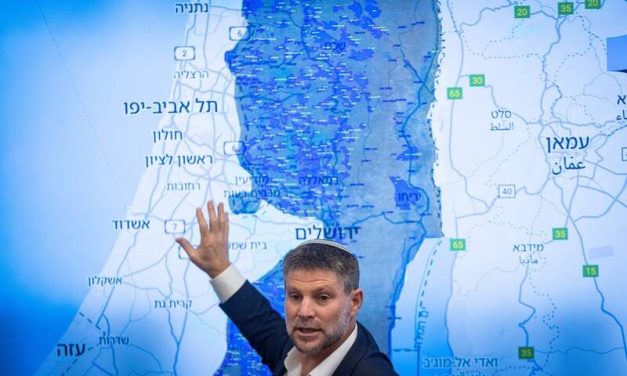
The West Asia analyst points in this regard to the policies of Tel Aviv in the Gaza Strip and the West Bank, including new plans by the Israeli regime to relocate Gaza residents, create free zones under direct control, and expand settlements in the West Bank with the aim of fragmenting the area and weakening the sovereignty of the Palestinian self-governing authority. He believes these policies show that the Israeli regime will never, in practice, agree to the establishment of a real Palestinian state, and any diplomatic action that ignores this reality will merely turn into a political show.
The role of America and the future outlook
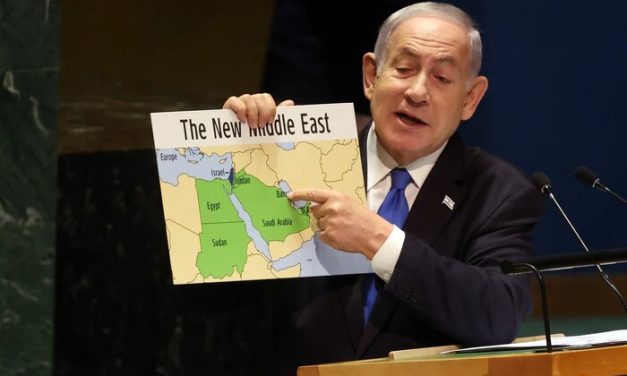
A significant part of Zarei’s analysis focuses on the role of the United States in the Palestinian equation. According to him, the Israeli regime and its extreme supporters in America and Europe are practically pursuing the path of forming a “Greater Israel,” a plan that includes parts of Jordan, Egypt, Syria, Iraq, and even Saudi Arabia, with its capital in Jerusalem. Within this framework, it is natural that the recognition of the State of Palestine with its 1967 borders by a few European countries will not have a significant impact on the broader equation, as Washington remains the leading player in this field. Without a change in US policies, no international action can change the balance of power in the region.
Zarei, referring to the media space and developments in public opinion in the West, says: Fortunately, today, thanks to social networks and independent media, the dimensions of the crimes of the Israeli regime in Gaza and the West Bank have been exposed more than ever, and a robust anti-Zionist discourse is forming. This discourse, rooted in widespread protests in Europe and North America, is now penetrating the structure of some governments and has created grounds for pressuring Western politicians to reconsider their unconditional support for the Israeli regime.
However, he warns that these pressures at the level of public opinion alone are not enough. Without binding international actions, including severe sanctions and political pressure on the Israeli regime, no real transformation will occur on the ground. Zarei believes the September UN session could be an opportunity to test this international will: whether Western countries are ready to move beyond symbolism and take practical action to end the occupation and crimes of the Israeli regime, or whether this session will be limited to diplomatic statements and political shows?
Ultimately, the West Asia analyst believes that the future of the Palestinian issue will be determined not in European capitals, but in the real field of battle in West Asia and at the level of the macro policies of the United States and its allies. He emphasizes that as long as Washington does not change its policies towards the Israeli regime, and as long as the expansionist projects of Tel Aviv continue in the region, even the official recognition of the State of Palestine by a few European countries cannot lead to the formation of a real and independent state for the Palestinian people.





0 Comments