جدیدترین مطالب

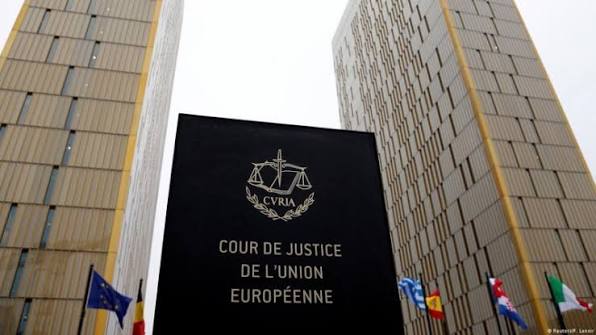
Consequences of Declining Trust in the Judiciary in Europe

SCFRonline – Opinion: The increase in public distrust of the French judicial system, which in recent surveys has reached approximately two-thirds of citizens, should be analyzed within a framework broader than temporary dissatisfaction or an emotional reaction to a particular criminal case.
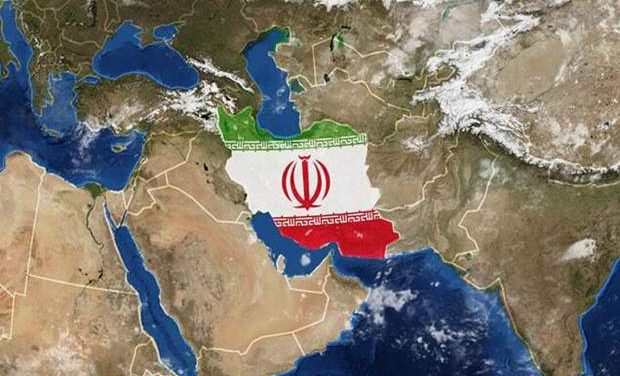

Iran’s Potential Levers of Power

SCFRonline– Opinion: Iran’s geopolitical power is not limited solely to oil and the Strait of Hormuz; the unintended emergence of disruptions in the future global food and energy security chains can also demonstrate Iran’s strategic importance.

The Inseparability of the Lebanese Front from the Axis of Resistance

SCFR Online–Opinion: By providing an extensive network of social, healthcare, educational, and post-war reconstruction services, Hezbollah has established a strong social base for itself among Lebanon’s Shiites and Sunnis, and even beyond that, among other segments of Lebanese society, including Christians. Hezbollah has never been an external actor imposed upon Lebanon; rather, it is a phenomenon fundamentally born out of the occupation and crimes of the Zionist regime and itself influenced by popular resistance.

The Increasing Efforts of the Zionist Regime to Redefine Borders and the Regional Order and Its Consequences

SCFR Online– Opinion: Security and military developments in the region over recent months indicate that the ongoing crises and wars in Gaza, southern Lebanon, and parts of Syrian territory encompass broader dimensions of geopolitical and geostrategic transformations. In this context, the increased military presence and control of the Zionist regime over parts of the territories of these areas, along with proposals regarding the creation of buffer zones or even the expansion of security borders, have raised serious questions about the future of the regional order and its consequences for the countries of West Asia.

Loading

UN General Assembly

Upcoming UNGA Session: A Test of International Will for Practical Action on Palestine

Upcoming UNGA Session: A Test of International Will for Practical Action on Palestine

Strategic Council Online – Interview: A senior analyst in West Asia affairs stated that while a wave of readiness for the official recognition of the State of Palestine by some countries is forming, the upcoming UN General Assembly session has become a decisive stage for the future of the Palestinian issue. At first glance, these moves are considered an essential step towards the potential advancement of the two-state solution and pressuring the Israeli regime to halt illegal settlements and accept the political reality of Palestinian sovereignty. Belgium’s decision to impose 12 firm sanctions against the Israeli regime and recognize the State of Palestine reflects this same perspective, which seeks to open a new political path in the face of the Gaza humanitarian crisis. However, there is another view that considers this diplomatic wave merely a symbolic reaction to public opinion pressure after nearly two years of slaughter and siege in Gaza, believing that as long as the United States stands alongside the Israeli regime, these movements will not lead to the establishment of a real Palestinian state. This viewpoint holds that the expansionist policies of Tel Aviv, the idea of Greater Israel, and the support of Western powers remain the main obstacles to any real change on the ground. Therefore, the September session of the UN General Assembly is considered an important test to gauge the seriousness of the international community in moving beyond symbolism towards practical action.

Signals of Failed US Anti-Palestine Resolution

Strategic Council Online: A resolution that would have condemned the Palestinian group Hamas and its attacks on Israel failed to pass the United Nations on Thursday, despite an aggressive campaign by the United States and Israel to cast it as a vote on peace and terrorism.
Hassan Hanizadeh – Middle East Expert

أحدث الوظائف

Consequences of Declining Trust in the Judiciary in Europe

SCFRonline – Opinion: The increase in public distrust of the French judicial system, which in recent surveys has reached approximately two-thirds of citizens, should be analyzed within a framework broader than temporary dissatisfaction or an emotional reaction to a particular criminal case.

Iran’s Potential Levers of Power

SCFRonline– Opinion: Iran’s geopolitical power is not limited solely to oil and the Strait of Hormuz; the unintended emergence of disruptions in the future global food and energy security chains can also demonstrate Iran’s strategic importance.

The Inseparability of the Lebanese Front from the Axis of Resistance

SCFR Online–Opinion: By providing an extensive network of social, healthcare, educational, and post-war reconstruction services, Hezbollah has established a strong social base for itself among Lebanon’s Shiites and Sunnis, and even beyond that, among other segments of Lebanese society, including Christians. Hezbollah has never been an external actor imposed upon Lebanon; rather, it is a phenomenon fundamentally born out of the occupation and crimes of the Zionist regime and itself influenced by popular resistance.

The Increasing Efforts of the Zionist Regime to Redefine Borders and the Regional Order and Its Consequences

SCFR Online– Opinion: Security and military developments in the region over recent months indicate that the ongoing crises and wars in Gaza, southern Lebanon, and parts of Syrian territory encompass broader dimensions of geopolitical and geostrategic transformations. In this context, the increased military presence and control of the Zionist regime over parts of the territories of these areas, along with proposals regarding the creation of buffer zones or even the expansion of security borders, have raised serious questions about the future of the regional order and its consequences for the countries of West Asia.

Loading

UN General Assembly

Upcoming UNGA Session: A Test of International Will for Practical Action on Palestine

Upcoming UNGA Session: A Test of International Will for Practical Action on Palestine

Strategic Council Online – Interview: A senior analyst in West Asia affairs stated that while a wave of readiness for the official recognition of the State of Palestine by some countries is forming, the upcoming UN General Assembly session has become a decisive stage for the future of the Palestinian issue. At first glance, these moves are considered an essential step towards the potential advancement of the two-state solution and pressuring the Israeli regime to halt illegal settlements and accept the political reality of Palestinian sovereignty. Belgium’s decision to impose 12 firm sanctions against the Israeli regime and recognize the State of Palestine reflects this same perspective, which seeks to open a new political path in the face of the Gaza humanitarian crisis. However, there is another view that considers this diplomatic wave merely a symbolic reaction to public opinion pressure after nearly two years of slaughter and siege in Gaza, believing that as long as the United States stands alongside the Israeli regime, these movements will not lead to the establishment of a real Palestinian state. This viewpoint holds that the expansionist policies of Tel Aviv, the idea of Greater Israel, and the support of Western powers remain the main obstacles to any real change on the ground. Therefore, the September session of the UN General Assembly is considered an important test to gauge the seriousness of the international community in moving beyond symbolism towards practical action.

Signals of Failed US Anti-Palestine Resolution

Strategic Council Online: A resolution that would have condemned the Palestinian group Hamas and its attacks on Israel failed to pass the United Nations on Thursday, despite an aggressive campaign by the United States and Israel to cast it as a vote on peace and terrorism.
Hassan Hanizadeh – Middle East Expert

UN General Assembly

Upcoming UNGA Session: A Test of International Will for Practical Action on Palestine

Upcoming UNGA Session: A Test of International Will for Practical Action on Palestine

Strategic Council Online – Interview: A senior analyst in West Asia affairs stated that while a wave of readiness for the official recognition of the State of Palestine by some countries is forming, the upcoming UN General Assembly session has become a decisive stage for the future of the Palestinian issue. At first glance, these moves are considered an essential step towards the potential advancement of the two-state solution and pressuring the Israeli regime to halt illegal settlements and accept the political reality of Palestinian sovereignty. Belgium’s decision to impose 12 firm sanctions against the Israeli regime and recognize the State of Palestine reflects this same perspective, which seeks to open a new political path in the face of the Gaza humanitarian crisis. However, there is another view that considers this diplomatic wave merely a symbolic reaction to public opinion pressure after nearly two years of slaughter and siege in Gaza, believing that as long as the United States stands alongside the Israeli regime, these movements will not lead to the establishment of a real Palestinian state. This viewpoint holds that the expansionist policies of Tel Aviv, the idea of Greater Israel, and the support of Western powers remain the main obstacles to any real change on the ground. Therefore, the September session of the UN General Assembly is considered an important test to gauge the seriousness of the international community in moving beyond symbolism towards practical action.

Signals of Failed US Anti-Palestine Resolution

Strategic Council Online: A resolution that would have condemned the Palestinian group Hamas and its attacks on Israel failed to pass the United Nations on Thursday, despite an aggressive campaign by the United States and Israel to cast it as a vote on peace and terrorism.
Hassan Hanizadeh – Middle East Expert

LATEST CONTENT

Consequences of Declining Trust in the Judiciary in Europe

SCFRonline – Opinion: The increase in public distrust of the French judicial system, which in recent surveys has reached approximately two-thirds of citizens, should be analyzed within a framework broader than temporary dissatisfaction or an emotional reaction to a particular criminal case.
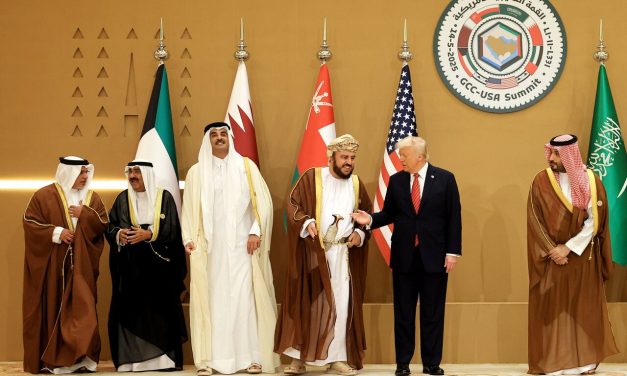
Iran’s Potential Levers of Power

SCFRonline– Opinion: Iran’s geopolitical power is not limited solely to oil and the Strait of Hormuz; the unintended emergence of disruptions in the future global food and energy security chains can also demonstrate Iran’s strategic importance.

The Inseparability of the Lebanese Front from the Axis of Resistance

SCFR Online–Opinion: By providing an extensive network of social, healthcare, educational, and post-war reconstruction services, Hezbollah has established a strong social base for itself among Lebanon’s Shiites and Sunnis, and even beyond that, among other segments of Lebanese society, including Christians. Hezbollah has never been an external actor imposed upon Lebanon; rather, it is a phenomenon fundamentally born out of the occupation and crimes of the Zionist regime and itself influenced by popular resistance.

The Increasing Efforts of the Zionist Regime to Redefine Borders and the Regional Order and Its Consequences

SCFR Online– Opinion: Security and military developments in the region over recent months indicate that the ongoing crises and wars in Gaza, southern Lebanon, and parts of Syrian territory encompass broader dimensions of geopolitical and geostrategic transformations. In this context, the increased military presence and control of the Zionist regime over parts of the territories of these areas, along with proposals regarding the creation of buffer zones or even the expansion of security borders, have raised serious questions about the future of the regional order and its consequences for the countries of West Asia.

Loading

UN General Assembly

Upcoming UNGA Session: A Test of International Will for Practical Action on Palestine

Upcoming UNGA Session: A Test of International Will for Practical Action on Palestine

Strategic Council Online – Interview: A senior analyst in West Asia affairs stated that while a wave of readiness for the official recognition of the State of Palestine by some countries is forming, the upcoming UN General Assembly session has become a decisive stage for the future of the Palestinian issue. At first glance, these moves are considered an essential step towards the potential advancement of the two-state solution and pressuring the Israeli regime to halt illegal settlements and accept the political reality of Palestinian sovereignty. Belgium’s decision to impose 12 firm sanctions against the Israeli regime and recognize the State of Palestine reflects this same perspective, which seeks to open a new political path in the face of the Gaza humanitarian crisis. However, there is another view that considers this diplomatic wave merely a symbolic reaction to public opinion pressure after nearly two years of slaughter and siege in Gaza, believing that as long as the United States stands alongside the Israeli regime, these movements will not lead to the establishment of a real Palestinian state. This viewpoint holds that the expansionist policies of Tel Aviv, the idea of Greater Israel, and the support of Western powers remain the main obstacles to any real change on the ground. Therefore, the September session of the UN General Assembly is considered an important test to gauge the seriousness of the international community in moving beyond symbolism towards practical action.

Signals of Failed US Anti-Palestine Resolution

Strategic Council Online: A resolution that would have condemned the Palestinian group Hamas and its attacks on Israel failed to pass the United Nations on Thursday, despite an aggressive campaign by the United States and Israel to cast it as a vote on peace and terrorism.
Hassan Hanizadeh – Middle East Expert

ÚLTIMAS PUBLICACIONES

Consequences of Declining Trust in the Judiciary in Europe

SCFRonline – Opinion: The increase in public distrust of the French judicial system, which in recent surveys has reached approximately two-thirds of citizens, should be analyzed within a framework broader than temporary dissatisfaction or an emotional reaction to a particular criminal case.
Iran’s Potential Levers of Power

SCFRonline– Opinion: Iran’s geopolitical power is not limited solely to oil and the Strait of Hormuz; the unintended emergence of disruptions in the future global food and energy security chains can also demonstrate Iran’s strategic importance.

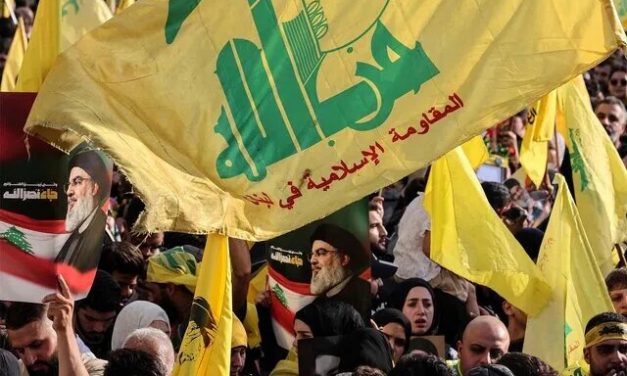
The Inseparability of the Lebanese Front from the Axis of Resistance

SCFR Online–Opinion: By providing an extensive network of social, healthcare, educational, and post-war reconstruction services, Hezbollah has established a strong social base for itself among Lebanon’s Shiites and Sunnis, and even beyond that, among other segments of Lebanese society, including Christians. Hezbollah has never been an external actor imposed upon Lebanon; rather, it is a phenomenon fundamentally born out of the occupation and crimes of the Zionist regime and itself influenced by popular resistance.

The Increasing Efforts of the Zionist Regime to Redefine Borders and the Regional Order and Its Consequences

SCFR Online– Opinion: Security and military developments in the region over recent months indicate that the ongoing crises and wars in Gaza, southern Lebanon, and parts of Syrian territory encompass broader dimensions of geopolitical and geostrategic transformations. In this context, the increased military presence and control of the Zionist regime over parts of the territories of these areas, along with proposals regarding the creation of buffer zones or even the expansion of security borders, have raised serious questions about the future of the regional order and its consequences for the countries of West Asia.

Loading

UN General Assembly

Upcoming UNGA Session: A Test of International Will for Practical Action on Palestine

Upcoming UNGA Session: A Test of International Will for Practical Action on Palestine

Strategic Council Online – Interview: A senior analyst in West Asia affairs stated that while a wave of readiness for the official recognition of the State of Palestine by some countries is forming, the upcoming UN General Assembly session has become a decisive stage for the future of the Palestinian issue. At first glance, these moves are considered an essential step towards the potential advancement of the two-state solution and pressuring the Israeli regime to halt illegal settlements and accept the political reality of Palestinian sovereignty. Belgium’s decision to impose 12 firm sanctions against the Israeli regime and recognize the State of Palestine reflects this same perspective, which seeks to open a new political path in the face of the Gaza humanitarian crisis. However, there is another view that considers this diplomatic wave merely a symbolic reaction to public opinion pressure after nearly two years of slaughter and siege in Gaza, believing that as long as the United States stands alongside the Israeli regime, these movements will not lead to the establishment of a real Palestinian state. This viewpoint holds that the expansionist policies of Tel Aviv, the idea of Greater Israel, and the support of Western powers remain the main obstacles to any real change on the ground. Therefore, the September session of the UN General Assembly is considered an important test to gauge the seriousness of the international community in moving beyond symbolism towards practical action.

Signals of Failed US Anti-Palestine Resolution

Strategic Council Online: A resolution that would have condemned the Palestinian group Hamas and its attacks on Israel failed to pass the United Nations on Thursday, despite an aggressive campaign by the United States and Israel to cast it as a vote on peace and terrorism.
Hassan Hanizadeh – Middle East Expert

ÚLTIMAS PUBLICACIONES

Consequences of Declining Trust in the Judiciary in Europe

SCFRonline – Opinion: The increase in public distrust of the French judicial system, which in recent surveys has reached approximately two-thirds of citizens, should be analyzed within a framework broader than temporary dissatisfaction or an emotional reaction to a particular criminal case.
Iran’s Potential Levers of Power

SCFRonline– Opinion: Iran’s geopolitical power is not limited solely to oil and the Strait of Hormuz; the unintended emergence of disruptions in the future global food and energy security chains can also demonstrate Iran’s strategic importance.

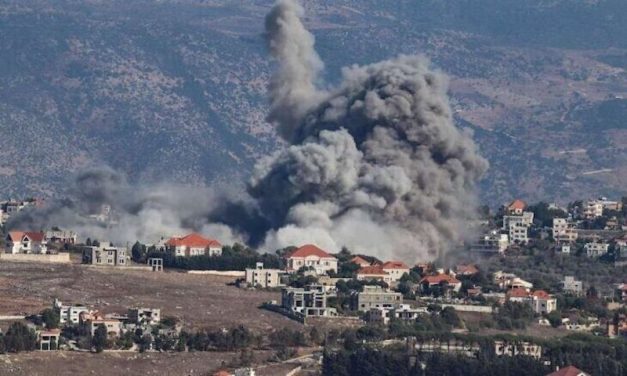
The Inseparability of the Lebanese Front from the Axis of Resistance

SCFR Online–Opinion: By providing an extensive network of social, healthcare, educational, and post-war reconstruction services, Hezbollah has established a strong social base for itself among Lebanon’s Shiites and Sunnis, and even beyond that, among other segments of Lebanese society, including Christians. Hezbollah has never been an external actor imposed upon Lebanon; rather, it is a phenomenon fundamentally born out of the occupation and crimes of the Zionist regime and itself influenced by popular resistance.

The Increasing Efforts of the Zionist Regime to Redefine Borders and the Regional Order and Its Consequences

SCFR Online– Opinion: Security and military developments in the region over recent months indicate that the ongoing crises and wars in Gaza, southern Lebanon, and parts of Syrian territory encompass broader dimensions of geopolitical and geostrategic transformations. In this context, the increased military presence and control of the Zionist regime over parts of the territories of these areas, along with proposals regarding the creation of buffer zones or even the expansion of security borders, have raised serious questions about the future of the regional order and its consequences for the countries of West Asia.

Loading

UN General Assembly

Upcoming UNGA Session: A Test of International Will for Practical Action on Palestine

Upcoming UNGA Session: A Test of International Will for Practical Action on Palestine

Strategic Council Online – Interview: A senior analyst in West Asia affairs stated that while a wave of readiness for the official recognition of the State of Palestine by some countries is forming, the upcoming UN General Assembly session has become a decisive stage for the future of the Palestinian issue. At first glance, these moves are considered an essential step towards the potential advancement of the two-state solution and pressuring the Israeli regime to halt illegal settlements and accept the political reality of Palestinian sovereignty. Belgium’s decision to impose 12 firm sanctions against the Israeli regime and recognize the State of Palestine reflects this same perspective, which seeks to open a new political path in the face of the Gaza humanitarian crisis. However, there is another view that considers this diplomatic wave merely a symbolic reaction to public opinion pressure after nearly two years of slaughter and siege in Gaza, believing that as long as the United States stands alongside the Israeli regime, these movements will not lead to the establishment of a real Palestinian state. This viewpoint holds that the expansionist policies of Tel Aviv, the idea of Greater Israel, and the support of Western powers remain the main obstacles to any real change on the ground. Therefore, the September session of the UN General Assembly is considered an important test to gauge the seriousness of the international community in moving beyond symbolism towards practical action.

Signals of Failed US Anti-Palestine Resolution

Strategic Council Online: A resolution that would have condemned the Palestinian group Hamas and its attacks on Israel failed to pass the United Nations on Thursday, despite an aggressive campaign by the United States and Israel to cast it as a vote on peace and terrorism.
Hassan Hanizadeh – Middle East Expert

ÚLTIMAS PUBLICACIONES

Consequences of Declining Trust in the Judiciary in Europe

SCFRonline – Opinion: The increase in public distrust of the French judicial system, which in recent surveys has reached approximately two-thirds of citizens, should be analyzed within a framework broader than temporary dissatisfaction or an emotional reaction to a particular criminal case.
Iran’s Potential Levers of Power

SCFRonline– Opinion: Iran’s geopolitical power is not limited solely to oil and the Strait of Hormuz; the unintended emergence of disruptions in the future global food and energy security chains can also demonstrate Iran’s strategic importance.

The Inseparability of the Lebanese Front from the Axis of Resistance

SCFR Online–Opinion: By providing an extensive network of social, healthcare, educational, and post-war reconstruction services, Hezbollah has established a strong social base for itself among Lebanon’s Shiites and Sunnis, and even beyond that, among other segments of Lebanese society, including Christians. Hezbollah has never been an external actor imposed upon Lebanon; rather, it is a phenomenon fundamentally born out of the occupation and crimes of the Zionist regime and itself influenced by popular resistance.

The Increasing Efforts of the Zionist Regime to Redefine Borders and the Regional Order and Its Consequences

SCFR Online– Opinion: Security and military developments in the region over recent months indicate that the ongoing crises and wars in Gaza, southern Lebanon, and parts of Syrian territory encompass broader dimensions of geopolitical and geostrategic transformations. In this context, the increased military presence and control of the Zionist regime over parts of the territories of these areas, along with proposals regarding the creation of buffer zones or even the expansion of security borders, have raised serious questions about the future of the regional order and its consequences for the countries of West Asia.

Loading

UN General Assembly

Upcoming UNGA Session: A Test of International Will for Practical Action on Palestine

Upcoming UNGA Session: A Test of International Will for Practical Action on Palestine

Strategic Council Online – Interview: A senior analyst in West Asia affairs stated that while a wave of readiness for the official recognition of the State of Palestine by some countries is forming, the upcoming UN General Assembly session has become a decisive stage for the future of the Palestinian issue. At first glance, these moves are considered an essential step towards the potential advancement of the two-state solution and pressuring the Israeli regime to halt illegal settlements and accept the political reality of Palestinian sovereignty. Belgium’s decision to impose 12 firm sanctions against the Israeli regime and recognize the State of Palestine reflects this same perspective, which seeks to open a new political path in the face of the Gaza humanitarian crisis. However, there is another view that considers this diplomatic wave merely a symbolic reaction to public opinion pressure after nearly two years of slaughter and siege in Gaza, believing that as long as the United States stands alongside the Israeli regime, these movements will not lead to the establishment of a real Palestinian state. This viewpoint holds that the expansionist policies of Tel Aviv, the idea of Greater Israel, and the support of Western powers remain the main obstacles to any real change on the ground. Therefore, the September session of the UN General Assembly is considered an important test to gauge the seriousness of the international community in moving beyond symbolism towards practical action.

Signals of Failed US Anti-Palestine Resolution

Strategic Council Online: A resolution that would have condemned the Palestinian group Hamas and its attacks on Israel failed to pass the United Nations on Thursday, despite an aggressive campaign by the United States and Israel to cast it as a vote on peace and terrorism.
Hassan Hanizadeh – Middle East Expert

ÚLTIMAS PUBLICACIONES

Consequences of Declining Trust in the Judiciary in Europe

SCFRonline – Opinion: The increase in public distrust of the French judicial system, which in recent surveys has reached approximately two-thirds of citizens, should be analyzed within a framework broader than temporary dissatisfaction or an emotional reaction to a particular criminal case.

Iran’s Potential Levers of Power

SCFRonline– Opinion: Iran’s geopolitical power is not limited solely to oil and the Strait of Hormuz; the unintended emergence of disruptions in the future global food and energy security chains can also demonstrate Iran’s strategic importance.

The Inseparability of the Lebanese Front from the Axis of Resistance

SCFR Online–Opinion: By providing an extensive network of social, healthcare, educational, and post-war reconstruction services, Hezbollah has established a strong social base for itself among Lebanon’s Shiites and Sunnis, and even beyond that, among other segments of Lebanese society, including Christians. Hezbollah has never been an external actor imposed upon Lebanon; rather, it is a phenomenon fundamentally born out of the occupation and crimes of the Zionist regime and itself influenced by popular resistance.

The Increasing Efforts of the Zionist Regime to Redefine Borders and the Regional Order and Its Consequences

SCFR Online– Opinion: Security and military developments in the region over recent months indicate that the ongoing crises and wars in Gaza, southern Lebanon, and parts of Syrian territory encompass broader dimensions of geopolitical and geostrategic transformations. In this context, the increased military presence and control of the Zionist regime over parts of the territories of these areas, along with proposals regarding the creation of buffer zones or even the expansion of security borders, have raised serious questions about the future of the regional order and its consequences for the countries of West Asia.

Loading