EU3 and Iran-US Nuclear Talks

2025/05/03 | Note, Politics, top news

Strategic Council Online - Guest Opinion: The recent nuclear talks between Iran and the United States, which are being conducted through the mediation of Oman, have once again attracted the attention of the international community. Although in the past, Iran, due to its differences and problems with the United States, mostly entered into negotiations on nuclear issues with European countries, especially the United Kingdom, France and Germany (EU3), in this period, due to specific regional and international conditions, and mainly due to the US President Donald Trump’s approach these negotiations have been limited to Iran and the United States, and other world powers are not present in the talks at the moment.

Dr. Mohammad Mehdi Mazaheri, University Professor

However, it should be said that the European Troika, as key players in the 2015 nuclear agreement (JCPOA), despite being ignored by Trump, can play a complementary role, like China and Russia, in shaping the diplomatic atmosphere around the Iranian nuclear issue and achieving results out of the negotiations. A review of their recent positions shows that their approach to the ongoing negotiations combines concern, caution, and an attempt to maintain political influence. The positions of the three European countries towards the recent nuclear talks between Iran and the United States seem to be influenced by several key factors:

  1. All-out support for the Israeli regime; in line with the Israeli regime’s officials who are always trying to sensitize the world public opinion to the risk of Iran acquiring a nuclear bomb and, if possible, to turn the new agreement into a pretext for ending Iran’s nuclear program, the European troika also constantly emphasizes preventing Iran from acquiring nuclear weapons and, in fact, in their positions, repeats the concerns and demands of the Israeli regime.
  2. Sensitivity and concern about being left out of the negotiations: The US withdrawal from the JCPOA in 2018 and the current indirect negotiations between Iran and the United States have marginalized Europe’s role. France, in particular, has expressed dissatisfaction with this issue and emphasizes that any agreement must ensure Europe’s security interests. Despite being more cautious, Germany supports the ongoing negotiations and wants them to align with its interests. Given its traditional proximity to US policies, the UK is also trying to play a moderate, cautious, and mediating role. Still, it remains concerned about the consequences of any agreement that European countries are not involved in.
  3. Possible use of the capacity and leverage of the trigger mechanism and sanctions: The E3 have repeatedly threatened to activate the trigger mechanism and reimpose UN sanctions on Iran if European security is compromised or the negotiations fail. This threat has been raised, especially by France, as a pressure lever to influence the negotiation process; However, Europe seems reluctant to activate this mechanism unless it concludes that sanctions may be able to steer a resolution of the Iranian nuclear issue towards its interests. Moreover, since Iran has fulfilled all its JCPOA commitments and safeguards obligations by the International Atomic Energy Agency’s regulations, and its reactions after the US withdrawal from the JCPOA and the failure of European countries to implement their commitments under the JCPOA were completely legal and under the supervision of the Agency, the Troika knows very well that resorting to the trigger mechanism has no logical or acceptable justification for world public opinion.
  4. Regional and non-nuclear concerns: Although Iranian officials have always emphasized that nuclear negotiations should be limited to nuclear issues, European countries, especially France and Britain, raise issues such as Iran’s missile program, support for the axis of resistance, and Iran’s alleged military cooperation with Russia in the Ukraine war as the main obstacles to improving relations with Iran, and they want these issues to be raised and resolved alongside Iran’s nuclear file, which is unacceptable to Iran and understandable to the US.

To implement his election promises and show his superhero and global problem-solver stance, Donald Trump is trying to remove the obstacles and impediments from the agreement process with Iran and focus solely on preventing Iran from obtaining a nuclear bomb. However, the US President is also under intense pressure from domestic extremists in the US and the Zionist lobby. Considering the above, our country’s Foreign Minister must strengthen further his good initiative to justify the three European countries, such as Russia and China, to gain their trust and address their possible concerns through transparent dialogue, and to pursue the support and cooperation of these countries to advance the current negotiations with the US better and resolve the nuclear issue.

Obviously, by removing concerns and resolving the nuclear issue and lifting sanctions, a suitable platform will be provided for expanding Iran’s diverse commercial and economic cooperation with the United States, Europe, China, Russia, and other countries of the world, and implementing various projects in Iran that will include the common and mutual interests of Iran and these countries.

On the other hand, as has been done in recent weeks, Iran can, through greater cooperation with the International Atomic Energy Agency, especially in the field of inspections and providing more accurate reports, remove the excuse of concerns about enrichment from European countries. Separating nuclear from non-nuclear issues is another strategy in dealing with European countries; Iran should emphasize in negotiations with these countries that non-nuclear issues, such as human rights or regional policies, should not be tied to nuclear negotiations, which could be the subject of separate talks in different areas.

This discussion can advance in a way that makes Europe feel that Iran is paying attention to its concerns, without stopping the nuclear negotiations. Engaging with European public opinion is another crucial step in this regard; in a situation where the Iranian opposition abroad and their media have portrayed Iran in a highly negative and gloomy atmosphere in the international community, diplomatic officials should use the tools of public diplomacy to improve the country’s image in the global arena, especially in Europe. Publishing articles and interviews with Iranian officials in reputable European media, holding joint cultural and scientific meetings, and inviting European journalists to visit Iran can help reduce misunderstandings.

Finally, it should be said that at the current stage, to pave the way for the formation of a strong and effective nuclear agreement, Iran must attract the support of these countries by adopting active diplomacy, clarifying its approaches, strengthening economic relations, and prudently separating nuclear from non-nuclear issues, and preventing them from sabotaging its work. In this regard, balancing preserving national interests and pride and creating an atmosphere of trust with Europe is crucial. Success in this task will help advance the nuclear negotiations and strengthen Iran’s position in the international system.
0 Comments

LATEST CONTENT

America’s Zero-Sum Game in Iraq

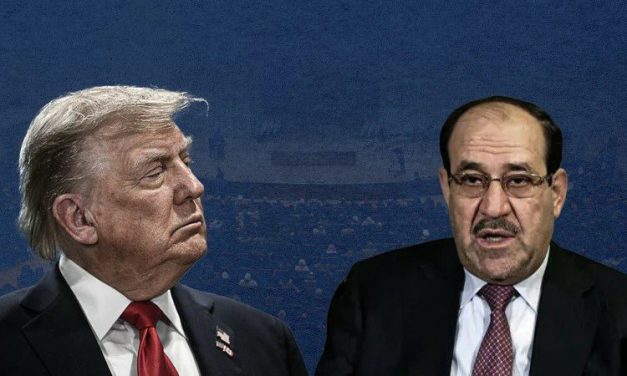
Online Strategic Council – Memoir: The swift selection of Nouri al-Maliki for the premiership constitutes a new phase in Iraq’s political sphere. Multiple factors have played a role in this process, the most important being the prevailing situation in Iraq and the region. Under such circumstances, Iraq requires a powerful and experienced prime minister who can keep the country away from the dangers of wars and crises.

America’s Strategy for Creating Tension in the Asia-Pacific

Strategic Council Online – Opinion: Relations between some countries in the Asia-Pacific region, such as China and Japan or China and Australia, which were previously relatively normal, are trending towards deterioration, and the primary reason for this is the aggressive policies of the United States of America.

The Collapse of the European Security Illusion with the Continuation of the Ukraine War?

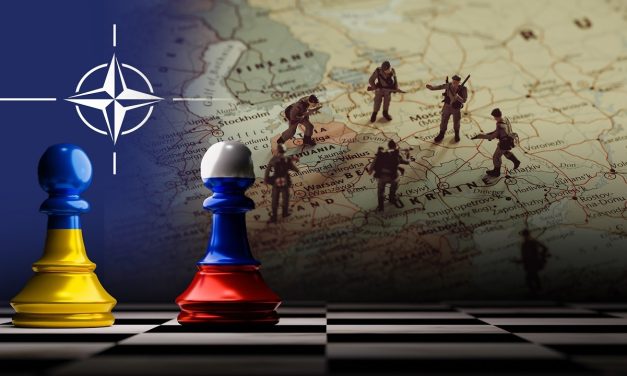
Strategic Council Online – Interview: The Ukraine war has become a new turning point in the political, security, and even commercial relations of allies on both sides of the Atlantic. While this war is nearing its fourth year, many questions still remain regarding its future and its consequences; among them, will the continuation of the Ukraine war lead to the collapse of the European security illusion?

Is Greenland Pushing Europe Toward China?

Strategic Council Online – Interview: A European affairs expert believes that the seizure of Greenland will certainly weaken America’s relations with Europe and its allies. Donald Trump’s view is that he does not need these countries, but if Europe faces significant pressure from the United States, it is natural for it to move toward China.

Alarm Bells Sound for ISIS Revival in Syria: Threat to Iraq and West Asia

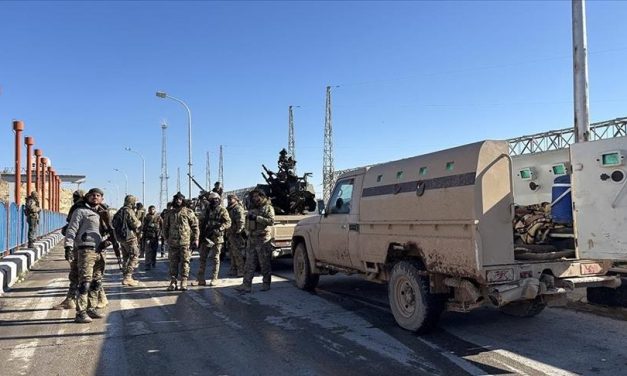
Strategic Council Online – Opinion: Numerous documents and pieces of evidence indicate that ISIS, which in recent years has been the region’s biggest threat to security and stability after the Zionist regime, has once again in recent months become a focal point for political and security exploitation by American and Zionist regime security, intelligence, and political circles.

Afghanistan’s Effective Role in the Economy of Eurasia

Strategic Council Online – Interview: A regional affairs researcher stated: Despite projects such as the Khaf-Herat railway and the Herat-Balkh-Mazar-i-Sharif corridor being on the agenda, insecurity and the absence of an inclusive government remain the most significant obstacles to realizing transit corridors and Afghanistan playing an effective role in the economy of Eurasia.

Loading

Últimas publicaciones

America’s Zero-Sum Game in Iraq

Online Strategic Council – Memoir: The swift selection of Nouri al-Maliki for the premiership constitutes a new phase in Iraq’s political sphere. Multiple factors have played a role in this process, the most important being the prevailing situation in Iraq and the region. Under such circumstances, Iraq requires a powerful and experienced prime minister who can keep the country away from the dangers of wars and crises.

America’s Strategy for Creating Tension in the Asia-Pacific

Strategic Council Online – Opinion: Relations between some countries in the Asia-Pacific region, such as China and Japan or China and Australia, which were previously relatively normal, are trending towards deterioration, and the primary reason for this is the aggressive policies of the United States of America.

The Collapse of the European Security Illusion with the Continuation of the Ukraine War?

Strategic Council Online – Interview: The Ukraine war has become a new turning point in the political, security, and even commercial relations of allies on both sides of the Atlantic. While this war is nearing its fourth year, many questions still remain regarding its future and its consequences; among them, will the continuation of the Ukraine war lead to the collapse of the European security illusion?

Is Greenland Pushing Europe Toward China?

Strategic Council Online – Interview: A European affairs expert believes that the seizure of Greenland will certainly weaken America’s relations with Europe and its allies. Donald Trump’s view is that he does not need these countries, but if Europe faces significant pressure from the United States, it is natural for it to move toward China.

Alarm Bells Sound for ISIS Revival in Syria: Threat to Iraq and West Asia

Strategic Council Online – Opinion: Numerous documents and pieces of evidence indicate that ISIS, which in recent years has been the region’s biggest threat to security and stability after the Zionist regime, has once again in recent months become a focal point for political and security exploitation by American and Zionist regime security, intelligence, and political circles.

Afghanistan’s Effective Role in the Economy of Eurasia

Strategic Council Online – Interview: A regional affairs researcher stated: Despite projects such as the Khaf-Herat railway and the Herat-Balkh-Mazar-i-Sharif corridor being on the agenda, insecurity and the absence of an inclusive government remain the most significant obstacles to realizing transit corridors and Afghanistan playing an effective role in the economy of Eurasia.

Loading

DERNIER CONTENU

America’s Zero-Sum Game in Iraq

Online Strategic Council – Memoir: The swift selection of Nouri al-Maliki for the premiership constitutes a new phase in Iraq’s political sphere. Multiple factors have played a role in this process, the most important being the prevailing situation in Iraq and the region. Under such circumstances, Iraq requires a powerful and experienced prime minister who can keep the country away from the dangers of wars and crises.

America’s Strategy for Creating Tension in the Asia-Pacific

Strategic Council Online – Opinion: Relations between some countries in the Asia-Pacific region, such as China and Japan or China and Australia, which were previously relatively normal, are trending towards deterioration, and the primary reason for this is the aggressive policies of the United States of America.

The Collapse of the European Security Illusion with the Continuation of the Ukraine War?

Strategic Council Online – Interview: The Ukraine war has become a new turning point in the political, security, and even commercial relations of allies on both sides of the Atlantic. While this war is nearing its fourth year, many questions still remain regarding its future and its consequences; among them, will the continuation of the Ukraine war lead to the collapse of the European security illusion?

Is Greenland Pushing Europe Toward China?

Strategic Council Online – Interview: A European affairs expert believes that the seizure of Greenland will certainly weaken America’s relations with Europe and its allies. Donald Trump’s view is that he does not need these countries, but if Europe faces significant pressure from the United States, it is natural for it to move toward China.

Alarm Bells Sound for ISIS Revival in Syria: Threat to Iraq and West Asia

Strategic Council Online – Opinion: Numerous documents and pieces of evidence indicate that ISIS, which in recent years has been the region’s biggest threat to security and stability after the Zionist regime, has once again in recent months become a focal point for political and security exploitation by American and Zionist regime security, intelligence, and political circles.

Afghanistan’s Effective Role in the Economy of Eurasia

Strategic Council Online – Interview: A regional affairs researcher stated: Despite projects such as the Khaf-Herat railway and the Herat-Balkh-Mazar-i-Sharif corridor being on the agenda, insecurity and the absence of an inclusive government remain the most significant obstacles to realizing transit corridors and Afghanistan playing an effective role in the economy of Eurasia.

Loading