جدیدترین مطالب

Iran’s Success in the Narrative Battle in Cyberspace

SCFR Online – Opinion: In the war between Iran and the United States, the main battlefield was not defined solely in the military domain; rather, the battle of narratives in cyberspace—particularly through memes—reached a decisive level.

The Global Energy Shock Situation and Future Scenarios

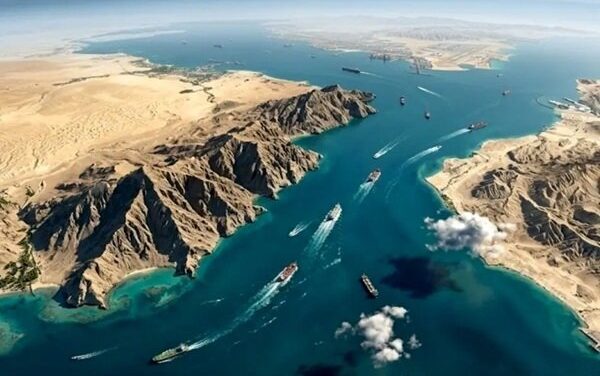
SCFR Online – Opinion: Only one month after the beginning of the Ramadan War, maritime traffic in the Strait of Hormuz decreased dramatically, with Bloomberg announcing a reduction of 103 vessels; Brent oil prices rose by more than 50 percent, and gasoline prices in the United States increased by 31.4 percent. Additionally, benchmark gas prices in Europe showed a 73.4 percent increase.

Al-Zaydi’s Selection as Prime Minister, The Beginning of a New Chapter in Iraq

SCFR Online – Note: After approximately five months of political deadlock and institutional confusion, Ali al-Zaydi has finally been selected as Iraq’s Prime Minister. Al-Zaydi’s selection as Prime Minister represents a positive sign of the completion of the government formation process and the beginning of a new phase in Iraqi politics and governance. The emergence of a young, technocratic figure from the third generation of politicians—in a context where the country has been administered by traditional figures for decades—revives hope that Iraq may perhaps distance itself from the repetitive cycle of crises and experience a new path of stability, efficiency, and regional convergence.

Intensifying Intra-Party Divisions in the United States Regarding the Zionist Regime

SCFR Online – Note: Over recent decades, support for the Zionist regime has been one of the few issues commanding bipartisan consensus in US foreign policy. Since the Cold War era, Republicans and Democrats have generally agreed on the necessity of preserving the security and survival of the Zionist regime as Washington’s most strategic ally in West Asia—and indeed, globally. However, developments in recent years—particularly the Gaza war, escalating regional conflicts, the expansion of tensions into Lebanon, and this regime’s recent warmongering against Iran—have caused this traditional consensus, especially within the Democratic Party, to face significant fractures.

Public Opinion Disappointment of the Zionist Regime Regarding Success in War with Iran

SCFR Online – Opinion: The internal situation of the Israeli regime during the 40-day war can be analyzed from several perspectives. The popularity levels of Benjamin Netanyahu, the Likud Party, and the ruling coalition led by Netanyahu until February 28, 2026, remained approximately the same as during the preceding year. The most recent factor that had somewhat increased Netanyahu’s popularity was the advancement of the 2024 war with Hezbollah Lebanon. Subsequently, his popularity temporarily increased during the 12-day war with Iran, but after the war, it returned to its previous state.

Loading

snap-back mechanism

Deception of EU3 Foreign Ministers in Joint Article on Trigger Mechanism

Deception of EU3 Foreign Ministers in Joint Article on Trigger Mechanism

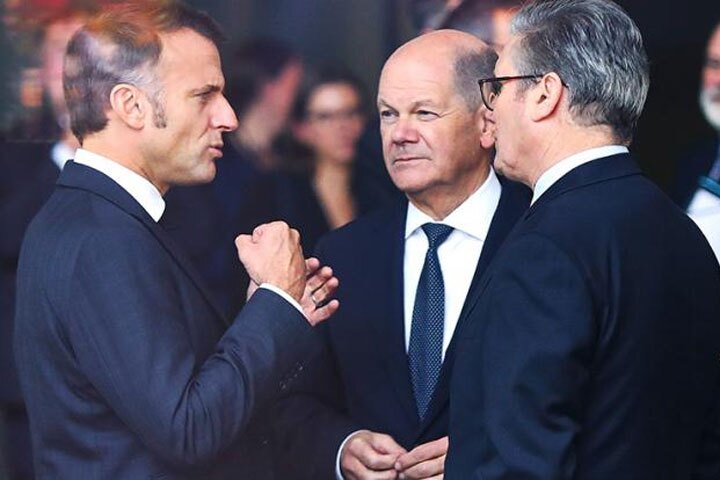
Strategic Council Online – Opinion: The joint article by the foreign ministers of Britain, France, and Germany, recently published in Politico under the title “Why we are seeking to reimpose UN sanctions on Iran,” was an apparent attempt to present a one-sided narrative regarding Iran’s nuclear dossier. While the article emphasized increased uranium stockpiles, limited cooperation with the IAEA, and Iran’s security threats, important facts of our country’s nuclear case were ignored entirely.

Challenges Ahead for Future Cooperation Between Iran and the IAEA

Challenges Ahead for Future Cooperation Between Iran and the IAEA

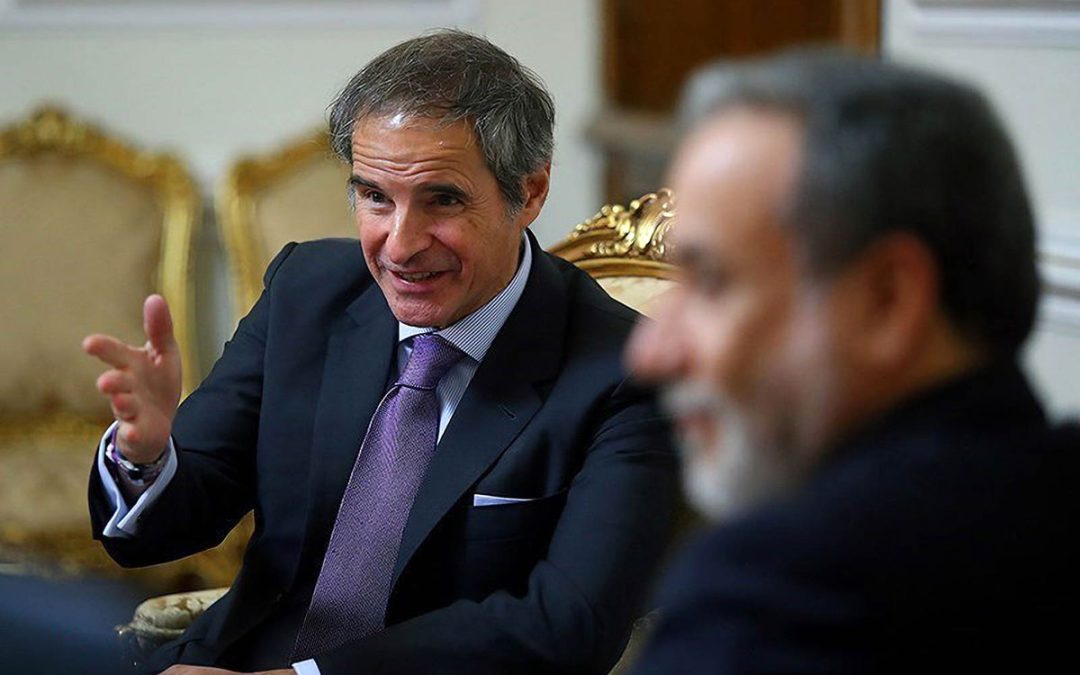
Strategic Council Online – Interview: An international affairs expert stated that the recent attacks by the Israeli regime and the U.S. against Iran’s nuclear facilities are the primary challenge to future cooperation between Iran and the International Atomic Energy Agency (IAEA).

EU3 and Iran-US Nuclear Talks

EU3 and Iran-US Nuclear Talks

Strategic Council Online – Guest Opinion: The recent nuclear talks between Iran and the United States, which are being conducted through the mediation of Oman, have once again attracted the attention of the international community. Although in the past, Iran, due to its differences and problems with the United States, mostly entered into negotiations on nuclear issues with European countries, especially the United Kingdom, France and Germany (EU3), in this period, due to specific regional and international conditions, and mainly due to the US President Donald Trump’s approach these negotiations have been limited to Iran and the United States, and other world powers are not present in the talks at the moment.

Ups & Downs of Macron Foreign Policy on Iran

Ups & Downs of Macron Foreign Policy on Iran

Strategic Council Online – Opinion: Foreign policy of France, as the seventh economy of the world have been overshadowed by many variables during the past four years such as taking office by Trump, outbreak of corona crisis, yellow vests crisis, Brexit, and quick developments taken place in the Middle East region. Such variables have undoubtedly overshadowed the relations and cooperation between the two countries of Iran and France during the period.
Hadi Khazaei, Expert of European Affairs

Iran-West JCPOA Relations in 1399 (2020-2021)

Iran-West JCPOA Relations in 1399 (2020-2021)

Strategic Council Online – Referring to the most important developments between Iran and the West in the year 1399 (2020-2021), an expert on Europe and America affairs said: All developments in 1399 in the field of Iran-West relations have been overshadowed by the Iran Nuclear Agreement (also known as the Joint Comprehensive Plan of Action – (JCPOA).

US Sanctions against Iran, a Tool or a Strategy?

US Sanctions against Iran, a Tool or a Strategy?

Strategic Council Online – National governments and international institutions such as the United Nations and the European Union impose economic sanctions with an aim of forcing, deterring, punishing or discrediting entities that jeopardize their interests or violate the so-called international norms. In fact, the philosophy of the existence of sanctions is a tool for the punishment and consequently forcing the target country to change its behavior. Sanctions are generally seen as a low-cost, low-risk route, and in fact as a course between diplomacy and war.
Peyman Hassani – Researcher at the Office of Economic Diplomacy Studies, Imam Sadegh (AS) University

Future of JCPOA and Obstructions of European Side

Future of JCPOA and Obstructions of European Side

Strategy Council Online – An expert on Europe affairs said that the Europeans considered the Iran Nuclear Agreement a great political and security achievement and for this reason stood up to Donald Trump’s position on withdrawing from what is also known as the Joint Comprehensive Plan of Action (JCPOA).

Scenarios before China-Russia Arms Deals with Iran

Scenarios before China-Russia Arms Deals with Iran

Strategic Council Online – If Joe Biden, Trump’s Democratic rival, wins the presidential elections, we will be witness to a different atmosphere in the arena of international relations and Chinese and Russian arms sales to Iran will be overshadowed by Biden’s return to the Joint Comprehensive Plan of Action (JCPOA). Under such circumstances, Beijing and Moscow will sell conventional and limited arms to Iran more conveniently.
Rahman Qahramanpour – Senior Expert on Geopolitical Affairs

Iran and the US isolation in the General Assembly of the United Nations

Iran and the US isolation in the General Assembly of the United Nations

Strategic Council Online-Interview: The United States is totally alone and isolated in its campaign against Iran, an expert of international relations said adding that “Iran, instead of engaging in direct confrontation with the US, incited in practice the global community against the US and so far, the US has been the loser of this confrontation.”

The JCPOA and the political and legal defeat of the US in the Security Council

The JCPOA and the political and legal defeat of the US in the Security Council

Online Strategic Council-interview: An expert of international relations, while explaining various aspects of the new US letter to the UN to re-impose sanctions against Iran, said “it is surprising that this letter has been send to the UN totally irrespective of the reaction by the international community including the opposition of 13 of the Security Council members.”

أحدث الوظائف

Iran’s Success in the Narrative Battle in Cyberspace

SCFR Online – Opinion: In the war between Iran and the United States, the main battlefield was not defined solely in the military domain; rather, the battle of narratives in cyberspace—particularly through memes—reached a decisive level.

The Global Energy Shock Situation and Future Scenarios

SCFR Online – Opinion: Only one month after the beginning of the Ramadan War, maritime traffic in the Strait of Hormuz decreased dramatically, with Bloomberg announcing a reduction of 103 vessels; Brent oil prices rose by more than 50 percent, and gasoline prices in the United States increased by 31.4 percent. Additionally, benchmark gas prices in Europe showed a 73.4 percent increase.

Al-Zaydi’s Selection as Prime Minister, The Beginning of a New Chapter in Iraq

SCFR Online – Note: After approximately five months of political deadlock and institutional confusion, Ali al-Zaydi has finally been selected as Iraq’s Prime Minister. Al-Zaydi’s selection as Prime Minister represents a positive sign of the completion of the government formation process and the beginning of a new phase in Iraqi politics and governance. The emergence of a young, technocratic figure from the third generation of politicians—in a context where the country has been administered by traditional figures for decades—revives hope that Iraq may perhaps distance itself from the repetitive cycle of crises and experience a new path of stability, efficiency, and regional convergence.

Intensifying Intra-Party Divisions in the United States Regarding the Zionist Regime

SCFR Online – Note: Over recent decades, support for the Zionist regime has been one of the few issues commanding bipartisan consensus in US foreign policy. Since the Cold War era, Republicans and Democrats have generally agreed on the necessity of preserving the security and survival of the Zionist regime as Washington’s most strategic ally in West Asia—and indeed, globally. However, developments in recent years—particularly the Gaza war, escalating regional conflicts, the expansion of tensions into Lebanon, and this regime’s recent warmongering against Iran—have caused this traditional consensus, especially within the Democratic Party, to face significant fractures.

Public Opinion Disappointment of the Zionist Regime Regarding Success in War with Iran

SCFR Online – Opinion: The internal situation of the Israeli regime during the 40-day war can be analyzed from several perspectives. The popularity levels of Benjamin Netanyahu, the Likud Party, and the ruling coalition led by Netanyahu until February 28, 2026, remained approximately the same as during the preceding year. The most recent factor that had somewhat increased Netanyahu’s popularity was the advancement of the 2024 war with Hezbollah Lebanon. Subsequently, his popularity temporarily increased during the 12-day war with Iran, but after the war, it returned to its previous state.

Loading

snap-back mechanism

Deception of EU3 Foreign Ministers in Joint Article on Trigger Mechanism

Deception of EU3 Foreign Ministers in Joint Article on Trigger Mechanism

Strategic Council Online – Opinion: The joint article by the foreign ministers of Britain, France, and Germany, recently published in Politico under the title “Why we are seeking to reimpose UN sanctions on Iran,” was an apparent attempt to present a one-sided narrative regarding Iran’s nuclear dossier. While the article emphasized increased uranium stockpiles, limited cooperation with the IAEA, and Iran’s security threats, important facts of our country’s nuclear case were ignored entirely.

Challenges Ahead for Future Cooperation Between Iran and the IAEA

Challenges Ahead for Future Cooperation Between Iran and the IAEA

Strategic Council Online – Interview: An international affairs expert stated that the recent attacks by the Israeli regime and the U.S. against Iran’s nuclear facilities are the primary challenge to future cooperation between Iran and the International Atomic Energy Agency (IAEA).

EU3 and Iran-US Nuclear Talks

EU3 and Iran-US Nuclear Talks

Strategic Council Online – Guest Opinion: The recent nuclear talks between Iran and the United States, which are being conducted through the mediation of Oman, have once again attracted the attention of the international community. Although in the past, Iran, due to its differences and problems with the United States, mostly entered into negotiations on nuclear issues with European countries, especially the United Kingdom, France and Germany (EU3), in this period, due to specific regional and international conditions, and mainly due to the US President Donald Trump’s approach these negotiations have been limited to Iran and the United States, and other world powers are not present in the talks at the moment.

Ups & Downs of Macron Foreign Policy on Iran

Ups & Downs of Macron Foreign Policy on Iran

Strategic Council Online – Opinion: Foreign policy of France, as the seventh economy of the world have been overshadowed by many variables during the past four years such as taking office by Trump, outbreak of corona crisis, yellow vests crisis, Brexit, and quick developments taken place in the Middle East region. Such variables have undoubtedly overshadowed the relations and cooperation between the two countries of Iran and France during the period.
Hadi Khazaei, Expert of European Affairs

Iran-West JCPOA Relations in 1399 (2020-2021)

Iran-West JCPOA Relations in 1399 (2020-2021)

Strategic Council Online – Referring to the most important developments between Iran and the West in the year 1399 (2020-2021), an expert on Europe and America affairs said: All developments in 1399 in the field of Iran-West relations have been overshadowed by the Iran Nuclear Agreement (also known as the Joint Comprehensive Plan of Action – (JCPOA).

US Sanctions against Iran, a Tool or a Strategy?

US Sanctions against Iran, a Tool or a Strategy?

Strategic Council Online – National governments and international institutions such as the United Nations and the European Union impose economic sanctions with an aim of forcing, deterring, punishing or discrediting entities that jeopardize their interests or violate the so-called international norms. In fact, the philosophy of the existence of sanctions is a tool for the punishment and consequently forcing the target country to change its behavior. Sanctions are generally seen as a low-cost, low-risk route, and in fact as a course between diplomacy and war.
Peyman Hassani – Researcher at the Office of Economic Diplomacy Studies, Imam Sadegh (AS) University

Future of JCPOA and Obstructions of European Side

Future of JCPOA and Obstructions of European Side

Strategy Council Online – An expert on Europe affairs said that the Europeans considered the Iran Nuclear Agreement a great political and security achievement and for this reason stood up to Donald Trump’s position on withdrawing from what is also known as the Joint Comprehensive Plan of Action (JCPOA).

Scenarios before China-Russia Arms Deals with Iran

Scenarios before China-Russia Arms Deals with Iran

Strategic Council Online – If Joe Biden, Trump’s Democratic rival, wins the presidential elections, we will be witness to a different atmosphere in the arena of international relations and Chinese and Russian arms sales to Iran will be overshadowed by Biden’s return to the Joint Comprehensive Plan of Action (JCPOA). Under such circumstances, Beijing and Moscow will sell conventional and limited arms to Iran more conveniently.
Rahman Qahramanpour – Senior Expert on Geopolitical Affairs

Iran and the US isolation in the General Assembly of the United Nations

Iran and the US isolation in the General Assembly of the United Nations

Strategic Council Online-Interview: The United States is totally alone and isolated in its campaign against Iran, an expert of international relations said adding that “Iran, instead of engaging in direct confrontation with the US, incited in practice the global community against the US and so far, the US has been the loser of this confrontation.”

The JCPOA and the political and legal defeat of the US in the Security Council

The JCPOA and the political and legal defeat of the US in the Security Council

Online Strategic Council-interview: An expert of international relations, while explaining various aspects of the new US letter to the UN to re-impose sanctions against Iran, said “it is surprising that this letter has been send to the UN totally irrespective of the reaction by the international community including the opposition of 13 of the Security Council members.”

snap-back mechanism

Deception of EU3 Foreign Ministers in Joint Article on Trigger Mechanism

Deception of EU3 Foreign Ministers in Joint Article on Trigger Mechanism

Strategic Council Online – Opinion: The joint article by the foreign ministers of Britain, France, and Germany, recently published in Politico under the title “Why we are seeking to reimpose UN sanctions on Iran,” was an apparent attempt to present a one-sided narrative regarding Iran’s nuclear dossier. While the article emphasized increased uranium stockpiles, limited cooperation with the IAEA, and Iran’s security threats, important facts of our country’s nuclear case were ignored entirely.

Challenges Ahead for Future Cooperation Between Iran and the IAEA

Challenges Ahead for Future Cooperation Between Iran and the IAEA

Strategic Council Online – Interview: An international affairs expert stated that the recent attacks by the Israeli regime and the U.S. against Iran’s nuclear facilities are the primary challenge to future cooperation between Iran and the International Atomic Energy Agency (IAEA).

EU3 and Iran-US Nuclear Talks

EU3 and Iran-US Nuclear Talks

Strategic Council Online – Guest Opinion: The recent nuclear talks between Iran and the United States, which are being conducted through the mediation of Oman, have once again attracted the attention of the international community. Although in the past, Iran, due to its differences and problems with the United States, mostly entered into negotiations on nuclear issues with European countries, especially the United Kingdom, France and Germany (EU3), in this period, due to specific regional and international conditions, and mainly due to the US President Donald Trump’s approach these negotiations have been limited to Iran and the United States, and other world powers are not present in the talks at the moment.

Ups & Downs of Macron Foreign Policy on Iran

Ups & Downs of Macron Foreign Policy on Iran

Strategic Council Online – Opinion: Foreign policy of France, as the seventh economy of the world have been overshadowed by many variables during the past four years such as taking office by Trump, outbreak of corona crisis, yellow vests crisis, Brexit, and quick developments taken place in the Middle East region. Such variables have undoubtedly overshadowed the relations and cooperation between the two countries of Iran and France during the period.
Hadi Khazaei, Expert of European Affairs

Iran-West JCPOA Relations in 1399 (2020-2021)

Iran-West JCPOA Relations in 1399 (2020-2021)

Strategic Council Online – Referring to the most important developments between Iran and the West in the year 1399 (2020-2021), an expert on Europe and America affairs said: All developments in 1399 in the field of Iran-West relations have been overshadowed by the Iran Nuclear Agreement (also known as the Joint Comprehensive Plan of Action – (JCPOA).

US Sanctions against Iran, a Tool or a Strategy?

US Sanctions against Iran, a Tool or a Strategy?

Strategic Council Online – National governments and international institutions such as the United Nations and the European Union impose economic sanctions with an aim of forcing, deterring, punishing or discrediting entities that jeopardize their interests or violate the so-called international norms. In fact, the philosophy of the existence of sanctions is a tool for the punishment and consequently forcing the target country to change its behavior. Sanctions are generally seen as a low-cost, low-risk route, and in fact as a course between diplomacy and war.
Peyman Hassani – Researcher at the Office of Economic Diplomacy Studies, Imam Sadegh (AS) University

Future of JCPOA and Obstructions of European Side

Future of JCPOA and Obstructions of European Side

Strategy Council Online – An expert on Europe affairs said that the Europeans considered the Iran Nuclear Agreement a great political and security achievement and for this reason stood up to Donald Trump’s position on withdrawing from what is also known as the Joint Comprehensive Plan of Action (JCPOA).

Scenarios before China-Russia Arms Deals with Iran

Scenarios before China-Russia Arms Deals with Iran

Strategic Council Online – If Joe Biden, Trump’s Democratic rival, wins the presidential elections, we will be witness to a different atmosphere in the arena of international relations and Chinese and Russian arms sales to Iran will be overshadowed by Biden’s return to the Joint Comprehensive Plan of Action (JCPOA). Under such circumstances, Beijing and Moscow will sell conventional and limited arms to Iran more conveniently.
Rahman Qahramanpour – Senior Expert on Geopolitical Affairs

Iran and the US isolation in the General Assembly of the United Nations

Iran and the US isolation in the General Assembly of the United Nations

Strategic Council Online-Interview: The United States is totally alone and isolated in its campaign against Iran, an expert of international relations said adding that “Iran, instead of engaging in direct confrontation with the US, incited in practice the global community against the US and so far, the US has been the loser of this confrontation.”

The JCPOA and the political and legal defeat of the US in the Security Council

The JCPOA and the political and legal defeat of the US in the Security Council

Online Strategic Council-interview: An expert of international relations, while explaining various aspects of the new US letter to the UN to re-impose sanctions against Iran, said “it is surprising that this letter has been send to the UN totally irrespective of the reaction by the international community including the opposition of 13 of the Security Council members.”

LATEST CONTENT

Iran’s Success in the Narrative Battle in Cyberspace

SCFR Online – Opinion: In the war between Iran and the United States, the main battlefield was not defined solely in the military domain; rather, the battle of narratives in cyberspace—particularly through memes—reached a decisive level.

The Global Energy Shock Situation and Future Scenarios

SCFR Online – Opinion: Only one month after the beginning of the Ramadan War, maritime traffic in the Strait of Hormuz decreased dramatically, with Bloomberg announcing a reduction of 103 vessels; Brent oil prices rose by more than 50 percent, and gasoline prices in the United States increased by 31.4 percent. Additionally, benchmark gas prices in Europe showed a 73.4 percent increase.

Al-Zaydi’s Selection as Prime Minister, The Beginning of a New Chapter in Iraq

SCFR Online – Note: After approximately five months of political deadlock and institutional confusion, Ali al-Zaydi has finally been selected as Iraq’s Prime Minister. Al-Zaydi’s selection as Prime Minister represents a positive sign of the completion of the government formation process and the beginning of a new phase in Iraqi politics and governance. The emergence of a young, technocratic figure from the third generation of politicians—in a context where the country has been administered by traditional figures for decades—revives hope that Iraq may perhaps distance itself from the repetitive cycle of crises and experience a new path of stability, efficiency, and regional convergence.

Intensifying Intra-Party Divisions in the United States Regarding the Zionist Regime

SCFR Online – Note: Over recent decades, support for the Zionist regime has been one of the few issues commanding bipartisan consensus in US foreign policy. Since the Cold War era, Republicans and Democrats have generally agreed on the necessity of preserving the security and survival of the Zionist regime as Washington’s most strategic ally in West Asia—and indeed, globally. However, developments in recent years—particularly the Gaza war, escalating regional conflicts, the expansion of tensions into Lebanon, and this regime’s recent warmongering against Iran—have caused this traditional consensus, especially within the Democratic Party, to face significant fractures.

Public Opinion Disappointment of the Zionist Regime Regarding Success in War with Iran

SCFR Online – Opinion: The internal situation of the Israeli regime during the 40-day war can be analyzed from several perspectives. The popularity levels of Benjamin Netanyahu, the Likud Party, and the ruling coalition led by Netanyahu until February 28, 2026, remained approximately the same as during the preceding year. The most recent factor that had somewhat increased Netanyahu’s popularity was the advancement of the 2024 war with Hezbollah Lebanon. Subsequently, his popularity temporarily increased during the 12-day war with Iran, but after the war, it returned to its previous state.

Loading

snap-back mechanism

Deception of EU3 Foreign Ministers in Joint Article on Trigger Mechanism

Deception of EU3 Foreign Ministers in Joint Article on Trigger Mechanism

Strategic Council Online – Opinion: The joint article by the foreign ministers of Britain, France, and Germany, recently published in Politico under the title “Why we are seeking to reimpose UN sanctions on Iran,” was an apparent attempt to present a one-sided narrative regarding Iran’s nuclear dossier. While the article emphasized increased uranium stockpiles, limited cooperation with the IAEA, and Iran’s security threats, important facts of our country’s nuclear case were ignored entirely.

Challenges Ahead for Future Cooperation Between Iran and the IAEA

Challenges Ahead for Future Cooperation Between Iran and the IAEA

Strategic Council Online – Interview: An international affairs expert stated that the recent attacks by the Israeli regime and the U.S. against Iran’s nuclear facilities are the primary challenge to future cooperation between Iran and the International Atomic Energy Agency (IAEA).

EU3 and Iran-US Nuclear Talks

EU3 and Iran-US Nuclear Talks

Strategic Council Online – Guest Opinion: The recent nuclear talks between Iran and the United States, which are being conducted through the mediation of Oman, have once again attracted the attention of the international community. Although in the past, Iran, due to its differences and problems with the United States, mostly entered into negotiations on nuclear issues with European countries, especially the United Kingdom, France and Germany (EU3), in this period, due to specific regional and international conditions, and mainly due to the US President Donald Trump’s approach these negotiations have been limited to Iran and the United States, and other world powers are not present in the talks at the moment.

Ups & Downs of Macron Foreign Policy on Iran

Ups & Downs of Macron Foreign Policy on Iran

Strategic Council Online – Opinion: Foreign policy of France, as the seventh economy of the world have been overshadowed by many variables during the past four years such as taking office by Trump, outbreak of corona crisis, yellow vests crisis, Brexit, and quick developments taken place in the Middle East region. Such variables have undoubtedly overshadowed the relations and cooperation between the two countries of Iran and France during the period.
Hadi Khazaei, Expert of European Affairs

Iran-West JCPOA Relations in 1399 (2020-2021)

Iran-West JCPOA Relations in 1399 (2020-2021)

Strategic Council Online – Referring to the most important developments between Iran and the West in the year 1399 (2020-2021), an expert on Europe and America affairs said: All developments in 1399 in the field of Iran-West relations have been overshadowed by the Iran Nuclear Agreement (also known as the Joint Comprehensive Plan of Action – (JCPOA).

US Sanctions against Iran, a Tool or a Strategy?

US Sanctions against Iran, a Tool or a Strategy?

Strategic Council Online – National governments and international institutions such as the United Nations and the European Union impose economic sanctions with an aim of forcing, deterring, punishing or discrediting entities that jeopardize their interests or violate the so-called international norms. In fact, the philosophy of the existence of sanctions is a tool for the punishment and consequently forcing the target country to change its behavior. Sanctions are generally seen as a low-cost, low-risk route, and in fact as a course between diplomacy and war.
Peyman Hassani – Researcher at the Office of Economic Diplomacy Studies, Imam Sadegh (AS) University

Future of JCPOA and Obstructions of European Side

Future of JCPOA and Obstructions of European Side

Strategy Council Online – An expert on Europe affairs said that the Europeans considered the Iran Nuclear Agreement a great political and security achievement and for this reason stood up to Donald Trump’s position on withdrawing from what is also known as the Joint Comprehensive Plan of Action (JCPOA).

Scenarios before China-Russia Arms Deals with Iran

Scenarios before China-Russia Arms Deals with Iran

Strategic Council Online – If Joe Biden, Trump’s Democratic rival, wins the presidential elections, we will be witness to a different atmosphere in the arena of international relations and Chinese and Russian arms sales to Iran will be overshadowed by Biden’s return to the Joint Comprehensive Plan of Action (JCPOA). Under such circumstances, Beijing and Moscow will sell conventional and limited arms to Iran more conveniently.
Rahman Qahramanpour – Senior Expert on Geopolitical Affairs

Iran and the US isolation in the General Assembly of the United Nations

Iran and the US isolation in the General Assembly of the United Nations

Strategic Council Online-Interview: The United States is totally alone and isolated in its campaign against Iran, an expert of international relations said adding that “Iran, instead of engaging in direct confrontation with the US, incited in practice the global community against the US and so far, the US has been the loser of this confrontation.”

The JCPOA and the political and legal defeat of the US in the Security Council

The JCPOA and the political and legal defeat of the US in the Security Council

Online Strategic Council-interview: An expert of international relations, while explaining various aspects of the new US letter to the UN to re-impose sanctions against Iran, said “it is surprising that this letter has been send to the UN totally irrespective of the reaction by the international community including the opposition of 13 of the Security Council members.”

ÚLTIMAS PUBLICACIONES

Iran’s Success in the Narrative Battle in Cyberspace

SCFR Online – Opinion: In the war between Iran and the United States, the main battlefield was not defined solely in the military domain; rather, the battle of narratives in cyberspace—particularly through memes—reached a decisive level.

The Global Energy Shock Situation and Future Scenarios

SCFR Online – Opinion: Only one month after the beginning of the Ramadan War, maritime traffic in the Strait of Hormuz decreased dramatically, with Bloomberg announcing a reduction of 103 vessels; Brent oil prices rose by more than 50 percent, and gasoline prices in the United States increased by 31.4 percent. Additionally, benchmark gas prices in Europe showed a 73.4 percent increase.

Al-Zaydi’s Selection as Prime Minister, The Beginning of a New Chapter in Iraq

SCFR Online – Note: After approximately five months of political deadlock and institutional confusion, Ali al-Zaydi has finally been selected as Iraq’s Prime Minister. Al-Zaydi’s selection as Prime Minister represents a positive sign of the completion of the government formation process and the beginning of a new phase in Iraqi politics and governance. The emergence of a young, technocratic figure from the third generation of politicians—in a context where the country has been administered by traditional figures for decades—revives hope that Iraq may perhaps distance itself from the repetitive cycle of crises and experience a new path of stability, efficiency, and regional convergence.

Intensifying Intra-Party Divisions in the United States Regarding the Zionist Regime

SCFR Online – Note: Over recent decades, support for the Zionist regime has been one of the few issues commanding bipartisan consensus in US foreign policy. Since the Cold War era, Republicans and Democrats have generally agreed on the necessity of preserving the security and survival of the Zionist regime as Washington’s most strategic ally in West Asia—and indeed, globally. However, developments in recent years—particularly the Gaza war, escalating regional conflicts, the expansion of tensions into Lebanon, and this regime’s recent warmongering against Iran—have caused this traditional consensus, especially within the Democratic Party, to face significant fractures.

Public Opinion Disappointment of the Zionist Regime Regarding Success in War with Iran

SCFR Online – Opinion: The internal situation of the Israeli regime during the 40-day war can be analyzed from several perspectives. The popularity levels of Benjamin Netanyahu, the Likud Party, and the ruling coalition led by Netanyahu until February 28, 2026, remained approximately the same as during the preceding year. The most recent factor that had somewhat increased Netanyahu’s popularity was the advancement of the 2024 war with Hezbollah Lebanon. Subsequently, his popularity temporarily increased during the 12-day war with Iran, but after the war, it returned to its previous state.

Loading

snap-back mechanism

Deception of EU3 Foreign Ministers in Joint Article on Trigger Mechanism

Deception of EU3 Foreign Ministers in Joint Article on Trigger Mechanism

Strategic Council Online – Opinion: The joint article by the foreign ministers of Britain, France, and Germany, recently published in Politico under the title “Why we are seeking to reimpose UN sanctions on Iran,” was an apparent attempt to present a one-sided narrative regarding Iran’s nuclear dossier. While the article emphasized increased uranium stockpiles, limited cooperation with the IAEA, and Iran’s security threats, important facts of our country’s nuclear case were ignored entirely.

Challenges Ahead for Future Cooperation Between Iran and the IAEA

Challenges Ahead for Future Cooperation Between Iran and the IAEA

Strategic Council Online – Interview: An international affairs expert stated that the recent attacks by the Israeli regime and the U.S. against Iran’s nuclear facilities are the primary challenge to future cooperation between Iran and the International Atomic Energy Agency (IAEA).

EU3 and Iran-US Nuclear Talks

EU3 and Iran-US Nuclear Talks

Strategic Council Online – Guest Opinion: The recent nuclear talks between Iran and the United States, which are being conducted through the mediation of Oman, have once again attracted the attention of the international community. Although in the past, Iran, due to its differences and problems with the United States, mostly entered into negotiations on nuclear issues with European countries, especially the United Kingdom, France and Germany (EU3), in this period, due to specific regional and international conditions, and mainly due to the US President Donald Trump’s approach these negotiations have been limited to Iran and the United States, and other world powers are not present in the talks at the moment.

Ups & Downs of Macron Foreign Policy on Iran

Ups & Downs of Macron Foreign Policy on Iran

Strategic Council Online – Opinion: Foreign policy of France, as the seventh economy of the world have been overshadowed by many variables during the past four years such as taking office by Trump, outbreak of corona crisis, yellow vests crisis, Brexit, and quick developments taken place in the Middle East region. Such variables have undoubtedly overshadowed the relations and cooperation between the two countries of Iran and France during the period.
Hadi Khazaei, Expert of European Affairs

Iran-West JCPOA Relations in 1399 (2020-2021)

Iran-West JCPOA Relations in 1399 (2020-2021)

Strategic Council Online – Referring to the most important developments between Iran and the West in the year 1399 (2020-2021), an expert on Europe and America affairs said: All developments in 1399 in the field of Iran-West relations have been overshadowed by the Iran Nuclear Agreement (also known as the Joint Comprehensive Plan of Action – (JCPOA).

US Sanctions against Iran, a Tool or a Strategy?

US Sanctions against Iran, a Tool or a Strategy?

Strategic Council Online – National governments and international institutions such as the United Nations and the European Union impose economic sanctions with an aim of forcing, deterring, punishing or discrediting entities that jeopardize their interests or violate the so-called international norms. In fact, the philosophy of the existence of sanctions is a tool for the punishment and consequently forcing the target country to change its behavior. Sanctions are generally seen as a low-cost, low-risk route, and in fact as a course between diplomacy and war.
Peyman Hassani – Researcher at the Office of Economic Diplomacy Studies, Imam Sadegh (AS) University

Future of JCPOA and Obstructions of European Side

Future of JCPOA and Obstructions of European Side

Strategy Council Online – An expert on Europe affairs said that the Europeans considered the Iran Nuclear Agreement a great political and security achievement and for this reason stood up to Donald Trump’s position on withdrawing from what is also known as the Joint Comprehensive Plan of Action (JCPOA).

Scenarios before China-Russia Arms Deals with Iran

Scenarios before China-Russia Arms Deals with Iran

Strategic Council Online – If Joe Biden, Trump’s Democratic rival, wins the presidential elections, we will be witness to a different atmosphere in the arena of international relations and Chinese and Russian arms sales to Iran will be overshadowed by Biden’s return to the Joint Comprehensive Plan of Action (JCPOA). Under such circumstances, Beijing and Moscow will sell conventional and limited arms to Iran more conveniently.
Rahman Qahramanpour – Senior Expert on Geopolitical Affairs

Iran and the US isolation in the General Assembly of the United Nations

Iran and the US isolation in the General Assembly of the United Nations

Strategic Council Online-Interview: The United States is totally alone and isolated in its campaign against Iran, an expert of international relations said adding that “Iran, instead of engaging in direct confrontation with the US, incited in practice the global community against the US and so far, the US has been the loser of this confrontation.”

The JCPOA and the political and legal defeat of the US in the Security Council

The JCPOA and the political and legal defeat of the US in the Security Council

Online Strategic Council-interview: An expert of international relations, while explaining various aspects of the new US letter to the UN to re-impose sanctions against Iran, said “it is surprising that this letter has been send to the UN totally irrespective of the reaction by the international community including the opposition of 13 of the Security Council members.”

ÚLTIMAS PUBLICACIONES

Iran’s Success in the Narrative Battle in Cyberspace

SCFR Online – Opinion: In the war between Iran and the United States, the main battlefield was not defined solely in the military domain; rather, the battle of narratives in cyberspace—particularly through memes—reached a decisive level.

The Global Energy Shock Situation and Future Scenarios

SCFR Online – Opinion: Only one month after the beginning of the Ramadan War, maritime traffic in the Strait of Hormuz decreased dramatically, with Bloomberg announcing a reduction of 103 vessels; Brent oil prices rose by more than 50 percent, and gasoline prices in the United States increased by 31.4 percent. Additionally, benchmark gas prices in Europe showed a 73.4 percent increase.

Al-Zaydi’s Selection as Prime Minister, The Beginning of a New Chapter in Iraq

SCFR Online – Note: After approximately five months of political deadlock and institutional confusion, Ali al-Zaydi has finally been selected as Iraq’s Prime Minister. Al-Zaydi’s selection as Prime Minister represents a positive sign of the completion of the government formation process and the beginning of a new phase in Iraqi politics and governance. The emergence of a young, technocratic figure from the third generation of politicians—in a context where the country has been administered by traditional figures for decades—revives hope that Iraq may perhaps distance itself from the repetitive cycle of crises and experience a new path of stability, efficiency, and regional convergence.

Intensifying Intra-Party Divisions in the United States Regarding the Zionist Regime

SCFR Online – Note: Over recent decades, support for the Zionist regime has been one of the few issues commanding bipartisan consensus in US foreign policy. Since the Cold War era, Republicans and Democrats have generally agreed on the necessity of preserving the security and survival of the Zionist regime as Washington’s most strategic ally in West Asia—and indeed, globally. However, developments in recent years—particularly the Gaza war, escalating regional conflicts, the expansion of tensions into Lebanon, and this regime’s recent warmongering against Iran—have caused this traditional consensus, especially within the Democratic Party, to face significant fractures.

Public Opinion Disappointment of the Zionist Regime Regarding Success in War with Iran

SCFR Online – Opinion: The internal situation of the Israeli regime during the 40-day war can be analyzed from several perspectives. The popularity levels of Benjamin Netanyahu, the Likud Party, and the ruling coalition led by Netanyahu until February 28, 2026, remained approximately the same as during the preceding year. The most recent factor that had somewhat increased Netanyahu’s popularity was the advancement of the 2024 war with Hezbollah Lebanon. Subsequently, his popularity temporarily increased during the 12-day war with Iran, but after the war, it returned to its previous state.

Loading

snap-back mechanism

Deception of EU3 Foreign Ministers in Joint Article on Trigger Mechanism

Deception of EU3 Foreign Ministers in Joint Article on Trigger Mechanism

Strategic Council Online – Opinion: The joint article by the foreign ministers of Britain, France, and Germany, recently published in Politico under the title “Why we are seeking to reimpose UN sanctions on Iran,” was an apparent attempt to present a one-sided narrative regarding Iran’s nuclear dossier. While the article emphasized increased uranium stockpiles, limited cooperation with the IAEA, and Iran’s security threats, important facts of our country’s nuclear case were ignored entirely.

Challenges Ahead for Future Cooperation Between Iran and the IAEA

Challenges Ahead for Future Cooperation Between Iran and the IAEA

Strategic Council Online – Interview: An international affairs expert stated that the recent attacks by the Israeli regime and the U.S. against Iran’s nuclear facilities are the primary challenge to future cooperation between Iran and the International Atomic Energy Agency (IAEA).

EU3 and Iran-US Nuclear Talks

EU3 and Iran-US Nuclear Talks

Strategic Council Online – Guest Opinion: The recent nuclear talks between Iran and the United States, which are being conducted through the mediation of Oman, have once again attracted the attention of the international community. Although in the past, Iran, due to its differences and problems with the United States, mostly entered into negotiations on nuclear issues with European countries, especially the United Kingdom, France and Germany (EU3), in this period, due to specific regional and international conditions, and mainly due to the US President Donald Trump’s approach these negotiations have been limited to Iran and the United States, and other world powers are not present in the talks at the moment.

Ups & Downs of Macron Foreign Policy on Iran

Ups & Downs of Macron Foreign Policy on Iran

Strategic Council Online – Opinion: Foreign policy of France, as the seventh economy of the world have been overshadowed by many variables during the past four years such as taking office by Trump, outbreak of corona crisis, yellow vests crisis, Brexit, and quick developments taken place in the Middle East region. Such variables have undoubtedly overshadowed the relations and cooperation between the two countries of Iran and France during the period.
Hadi Khazaei, Expert of European Affairs

Iran-West JCPOA Relations in 1399 (2020-2021)

Iran-West JCPOA Relations in 1399 (2020-2021)

Strategic Council Online – Referring to the most important developments between Iran and the West in the year 1399 (2020-2021), an expert on Europe and America affairs said: All developments in 1399 in the field of Iran-West relations have been overshadowed by the Iran Nuclear Agreement (also known as the Joint Comprehensive Plan of Action – (JCPOA).

US Sanctions against Iran, a Tool or a Strategy?

US Sanctions against Iran, a Tool or a Strategy?

Strategic Council Online – National governments and international institutions such as the United Nations and the European Union impose economic sanctions with an aim of forcing, deterring, punishing or discrediting entities that jeopardize their interests or violate the so-called international norms. In fact, the philosophy of the existence of sanctions is a tool for the punishment and consequently forcing the target country to change its behavior. Sanctions are generally seen as a low-cost, low-risk route, and in fact as a course between diplomacy and war.
Peyman Hassani – Researcher at the Office of Economic Diplomacy Studies, Imam Sadegh (AS) University

Future of JCPOA and Obstructions of European Side

Future of JCPOA and Obstructions of European Side

Strategy Council Online – An expert on Europe affairs said that the Europeans considered the Iran Nuclear Agreement a great political and security achievement and for this reason stood up to Donald Trump’s position on withdrawing from what is also known as the Joint Comprehensive Plan of Action (JCPOA).

Scenarios before China-Russia Arms Deals with Iran

Scenarios before China-Russia Arms Deals with Iran

Strategic Council Online – If Joe Biden, Trump’s Democratic rival, wins the presidential elections, we will be witness to a different atmosphere in the arena of international relations and Chinese and Russian arms sales to Iran will be overshadowed by Biden’s return to the Joint Comprehensive Plan of Action (JCPOA). Under such circumstances, Beijing and Moscow will sell conventional and limited arms to Iran more conveniently.
Rahman Qahramanpour – Senior Expert on Geopolitical Affairs

Iran and the US isolation in the General Assembly of the United Nations

Iran and the US isolation in the General Assembly of the United Nations

Strategic Council Online-Interview: The United States is totally alone and isolated in its campaign against Iran, an expert of international relations said adding that “Iran, instead of engaging in direct confrontation with the US, incited in practice the global community against the US and so far, the US has been the loser of this confrontation.”

The JCPOA and the political and legal defeat of the US in the Security Council

The JCPOA and the political and legal defeat of the US in the Security Council

Online Strategic Council-interview: An expert of international relations, while explaining various aspects of the new US letter to the UN to re-impose sanctions against Iran, said “it is surprising that this letter has been send to the UN totally irrespective of the reaction by the international community including the opposition of 13 of the Security Council members.”

ÚLTIMAS PUBLICACIONES

Iran’s Success in the Narrative Battle in Cyberspace

SCFR Online – Opinion: In the war between Iran and the United States, the main battlefield was not defined solely in the military domain; rather, the battle of narratives in cyberspace—particularly through memes—reached a decisive level.

The Global Energy Shock Situation and Future Scenarios

SCFR Online – Opinion: Only one month after the beginning of the Ramadan War, maritime traffic in the Strait of Hormuz decreased dramatically, with Bloomberg announcing a reduction of 103 vessels; Brent oil prices rose by more than 50 percent, and gasoline prices in the United States increased by 31.4 percent. Additionally, benchmark gas prices in Europe showed a 73.4 percent increase.

Al-Zaydi’s Selection as Prime Minister, The Beginning of a New Chapter in Iraq

SCFR Online – Note: After approximately five months of political deadlock and institutional confusion, Ali al-Zaydi has finally been selected as Iraq’s Prime Minister. Al-Zaydi’s selection as Prime Minister represents a positive sign of the completion of the government formation process and the beginning of a new phase in Iraqi politics and governance. The emergence of a young, technocratic figure from the third generation of politicians—in a context where the country has been administered by traditional figures for decades—revives hope that Iraq may perhaps distance itself from the repetitive cycle of crises and experience a new path of stability, efficiency, and regional convergence.

Intensifying Intra-Party Divisions in the United States Regarding the Zionist Regime

SCFR Online – Note: Over recent decades, support for the Zionist regime has been one of the few issues commanding bipartisan consensus in US foreign policy. Since the Cold War era, Republicans and Democrats have generally agreed on the necessity of preserving the security and survival of the Zionist regime as Washington’s most strategic ally in West Asia—and indeed, globally. However, developments in recent years—particularly the Gaza war, escalating regional conflicts, the expansion of tensions into Lebanon, and this regime’s recent warmongering against Iran—have caused this traditional consensus, especially within the Democratic Party, to face significant fractures.

Public Opinion Disappointment of the Zionist Regime Regarding Success in War with Iran

SCFR Online – Opinion: The internal situation of the Israeli regime during the 40-day war can be analyzed from several perspectives. The popularity levels of Benjamin Netanyahu, the Likud Party, and the ruling coalition led by Netanyahu until February 28, 2026, remained approximately the same as during the preceding year. The most recent factor that had somewhat increased Netanyahu’s popularity was the advancement of the 2024 war with Hezbollah Lebanon. Subsequently, his popularity temporarily increased during the 12-day war with Iran, but after the war, it returned to its previous state.

Loading

snap-back mechanism

Deception of EU3 Foreign Ministers in Joint Article on Trigger Mechanism

Deception of EU3 Foreign Ministers in Joint Article on Trigger Mechanism

Strategic Council Online – Opinion: The joint article by the foreign ministers of Britain, France, and Germany, recently published in Politico under the title “Why we are seeking to reimpose UN sanctions on Iran,” was an apparent attempt to present a one-sided narrative regarding Iran’s nuclear dossier. While the article emphasized increased uranium stockpiles, limited cooperation with the IAEA, and Iran’s security threats, important facts of our country’s nuclear case were ignored entirely.

Challenges Ahead for Future Cooperation Between Iran and the IAEA

Challenges Ahead for Future Cooperation Between Iran and the IAEA

Strategic Council Online – Interview: An international affairs expert stated that the recent attacks by the Israeli regime and the U.S. against Iran’s nuclear facilities are the primary challenge to future cooperation between Iran and the International Atomic Energy Agency (IAEA).

EU3 and Iran-US Nuclear Talks

EU3 and Iran-US Nuclear Talks

Strategic Council Online – Guest Opinion: The recent nuclear talks between Iran and the United States, which are being conducted through the mediation of Oman, have once again attracted the attention of the international community. Although in the past, Iran, due to its differences and problems with the United States, mostly entered into negotiations on nuclear issues with European countries, especially the United Kingdom, France and Germany (EU3), in this period, due to specific regional and international conditions, and mainly due to the US President Donald Trump’s approach these negotiations have been limited to Iran and the United States, and other world powers are not present in the talks at the moment.

Ups & Downs of Macron Foreign Policy on Iran

Ups & Downs of Macron Foreign Policy on Iran

Strategic Council Online – Opinion: Foreign policy of France, as the seventh economy of the world have been overshadowed by many variables during the past four years such as taking office by Trump, outbreak of corona crisis, yellow vests crisis, Brexit, and quick developments taken place in the Middle East region. Such variables have undoubtedly overshadowed the relations and cooperation between the two countries of Iran and France during the period.
Hadi Khazaei, Expert of European Affairs

Iran-West JCPOA Relations in 1399 (2020-2021)

Iran-West JCPOA Relations in 1399 (2020-2021)

Strategic Council Online – Referring to the most important developments between Iran and the West in the year 1399 (2020-2021), an expert on Europe and America affairs said: All developments in 1399 in the field of Iran-West relations have been overshadowed by the Iran Nuclear Agreement (also known as the Joint Comprehensive Plan of Action – (JCPOA).

US Sanctions against Iran, a Tool or a Strategy?

US Sanctions against Iran, a Tool or a Strategy?

Strategic Council Online – National governments and international institutions such as the United Nations and the European Union impose economic sanctions with an aim of forcing, deterring, punishing or discrediting entities that jeopardize their interests or violate the so-called international norms. In fact, the philosophy of the existence of sanctions is a tool for the punishment and consequently forcing the target country to change its behavior. Sanctions are generally seen as a low-cost, low-risk route, and in fact as a course between diplomacy and war.
Peyman Hassani – Researcher at the Office of Economic Diplomacy Studies, Imam Sadegh (AS) University

Future of JCPOA and Obstructions of European Side

Future of JCPOA and Obstructions of European Side

Strategy Council Online – An expert on Europe affairs said that the Europeans considered the Iran Nuclear Agreement a great political and security achievement and for this reason stood up to Donald Trump’s position on withdrawing from what is also known as the Joint Comprehensive Plan of Action (JCPOA).

Scenarios before China-Russia Arms Deals with Iran

Scenarios before China-Russia Arms Deals with Iran

Strategic Council Online – If Joe Biden, Trump’s Democratic rival, wins the presidential elections, we will be witness to a different atmosphere in the arena of international relations and Chinese and Russian arms sales to Iran will be overshadowed by Biden’s return to the Joint Comprehensive Plan of Action (JCPOA). Under such circumstances, Beijing and Moscow will sell conventional and limited arms to Iran more conveniently.
Rahman Qahramanpour – Senior Expert on Geopolitical Affairs

Iran and the US isolation in the General Assembly of the United Nations

Iran and the US isolation in the General Assembly of the United Nations

Strategic Council Online-Interview: The United States is totally alone and isolated in its campaign against Iran, an expert of international relations said adding that “Iran, instead of engaging in direct confrontation with the US, incited in practice the global community against the US and so far, the US has been the loser of this confrontation.”

The JCPOA and the political and legal defeat of the US in the Security Council

The JCPOA and the political and legal defeat of the US in the Security Council

Online Strategic Council-interview: An expert of international relations, while explaining various aspects of the new US letter to the UN to re-impose sanctions against Iran, said “it is surprising that this letter has been send to the UN totally irrespective of the reaction by the international community including the opposition of 13 of the Security Council members.”

ÚLTIMAS PUBLICACIONES

Iran’s Success in the Narrative Battle in Cyberspace

SCFR Online – Opinion: In the war between Iran and the United States, the main battlefield was not defined solely in the military domain; rather, the battle of narratives in cyberspace—particularly through memes—reached a decisive level.

The Global Energy Shock Situation and Future Scenarios

SCFR Online – Opinion: Only one month after the beginning of the Ramadan War, maritime traffic in the Strait of Hormuz decreased dramatically, with Bloomberg announcing a reduction of 103 vessels; Brent oil prices rose by more than 50 percent, and gasoline prices in the United States increased by 31.4 percent. Additionally, benchmark gas prices in Europe showed a 73.4 percent increase.

Al-Zaydi’s Selection as Prime Minister, The Beginning of a New Chapter in Iraq

SCFR Online – Note: After approximately five months of political deadlock and institutional confusion, Ali al-Zaydi has finally been selected as Iraq’s Prime Minister. Al-Zaydi’s selection as Prime Minister represents a positive sign of the completion of the government formation process and the beginning of a new phase in Iraqi politics and governance. The emergence of a young, technocratic figure from the third generation of politicians—in a context where the country has been administered by traditional figures for decades—revives hope that Iraq may perhaps distance itself from the repetitive cycle of crises and experience a new path of stability, efficiency, and regional convergence.

Intensifying Intra-Party Divisions in the United States Regarding the Zionist Regime

SCFR Online – Note: Over recent decades, support for the Zionist regime has been one of the few issues commanding bipartisan consensus in US foreign policy. Since the Cold War era, Republicans and Democrats have generally agreed on the necessity of preserving the security and survival of the Zionist regime as Washington’s most strategic ally in West Asia—and indeed, globally. However, developments in recent years—particularly the Gaza war, escalating regional conflicts, the expansion of tensions into Lebanon, and this regime’s recent warmongering against Iran—have caused this traditional consensus, especially within the Democratic Party, to face significant fractures.

Public Opinion Disappointment of the Zionist Regime Regarding Success in War with Iran

SCFR Online – Opinion: The internal situation of the Israeli regime during the 40-day war can be analyzed from several perspectives. The popularity levels of Benjamin Netanyahu, the Likud Party, and the ruling coalition led by Netanyahu until February 28, 2026, remained approximately the same as during the preceding year. The most recent factor that had somewhat increased Netanyahu’s popularity was the advancement of the 2024 war with Hezbollah Lebanon. Subsequently, his popularity temporarily increased during the 12-day war with Iran, but after the war, it returned to its previous state.

Loading