Turkey’s Policy Towards Trade Relations with the Zionist Regime

2024/12/08 | Economy, interview, top news

Strategic Council Online—Opinion: Recently, the Turkish Minister of Commerce confirmed that Turkish customs have been completely closed to trade with the Zionist Regime. This news was met with many comments and questions, and one of the most important questions was why Turkey decided to take such a step, how serious it is in practice, and what will be its consequences on the relations between the parties.

Siamak Kakaei – Expert on Turkish Affairs

Although relations between Turkey and the Israeli regime have gone through many ups and downs in the past decade, the outbreak of tension in relations between Ankara and Tel Aviv should be discussed from two perspectives voiced first, the attacks the Israeli regime has carried out against Gaza since 2006 and the reactions Turkey has voiced against this regime. In such a way that in previous years, Turkey used phrases such as terrorist state and state terrorism against the Israeli regime, and Recep Tayyip Erdogan himself has repeatedly used such words, especially after the events of October 7, 2023. He even called Benjamin Netanyahu the butcher of Gaza or a war criminal.

In 2010, another issue that affected the relations between Turkey and the Israeli regime and even laid the foundation for the differences was the Mavi Marmara incident, in which several Turkish crew members and citizens were killed. The ship had been sent to end the siege of Gaza.

After that incident, relations between the two sides continued to be lopsided and tense at the political level. In recent years, they even went to the point of severing relations. But since 2022, another trend in Turkey’s foreign policy approaches toward the Israeli regime began, and Ankara called for the normalization of relations. To the extent that Isaac Herzog, the President of the Zionist regime, went to Turkey, and it was even agreed that meetings would be held between Erdogan and Netanyahu, and a period of normalization of relations between Ankara and Tel Aviv began.

But the events after October 7, 2023, completely changed the atmosphere. Although Turkey initially viewed the developments from a restrained perspective, it did not take long for hostile rhetoric against the Israeli regime to spread in the media and the speeches of Turkish officials, especially Erdogan himself. Practically everything that had been created to normalize relations was forgotten. In this situation, criticism of the Ankara government increased within Turkey, and Ankara’s positions were considered double standard. Critics, such as those from the “New Welfare” movement, said how Erdogan considered the Israeli regime a war criminal, but relations between Turkey and this regime were still in place. They could not tolerate this appeasement until the Turkish government decided in May 2024 to sever trade relations with the Israeli regime and announced that it had closed its customs administration to the export of goods to this regime. But alongside this approach announced by the government in Turkey, critics focused on the ambivalence of Turkey’s policy towards the Gaza issue and the Israeli regime, and reports were published stating that Turkey’s trade relations with the regime had not been severed. Although the Turkish Ministry of Commerce denied this claim, other discussions were covered n in the media. For example, although Turkey has officially announced the severance of trade relations and the closure of its customs, the situation in practice is different. First, the transfer of Azerbaijani oil through the Baku-Tbilisi-Ceyhan pipeline to the ports of the Israeli regime continues, meeting 40 percent of the regime’s oil needs. Second, Turkey had declared its trade relations with the Palestinian Autonomous Region permissible, and doubts arose that some of this trade might go to the Israeli regime. And finally, Turkey’s direct trade with the Israeli regime had been cut off. Still, there were intermediary channels through increased exports of Turkish goods to countries such as Greece and Italy; thus, the trade of these countries with the Israeli regime had increased.

It was even said that Turkish products were being exported to the Israeli regime indirectly. In contrast, the Zionist regime’s institutions, in meetings they held to examine the confrontation and boycott of Turkish goods, announced the following conclusion. Although they were angry about Turkey’s action, they did not prevent the indirect entry of Turkish goods into the occupied territories. They considered the hasty action in this regard to be detrimental to the national interests of the Zionist regime.


However, Turkey, as an active player in the region and concerning the Palestinian issue, does not want to have a direct trade relationship with the Israeli regime under the current circumstances. From another perspective, this approach of Ankara, including Erdogan, is criticized by circles that say Erdogan has reduced the issue of confrontation with the Israeli regime to confrontation with Netanyahu.

For this reason, many analysts believe that Turkey pursues two goals in a perspective related to the future of Palestine and the Israeli regime. First, Turkey is very angry with Hamas and the actions that the Zionist regime has taken in Gaza, and along with that, it tries to play a key role in the future of the Palestinian issue and even the situation in Gaza.

That is, if a ceasefire is established in Gaza in the future, Turkey will think about both the issue of rebuilding Gaza and how it can play a leading role among Islamic countries in the Palestinian issue. A role that is tarnished in the eyes of some other Islamic countries.

Second, it is possible that if Netanyahu does not remain in power in the Israeli regime and the situation in Gaza leads to stability and a ceasefire, over time, discussions about normalizing relations between Ankara and Tel Aviv may resume. However, it will be a complicated process.
0 Comments

LATEST CONTENT

Commercial Exploitation of Peace; The Gaza Committee in Confrontation with International Legitimacy

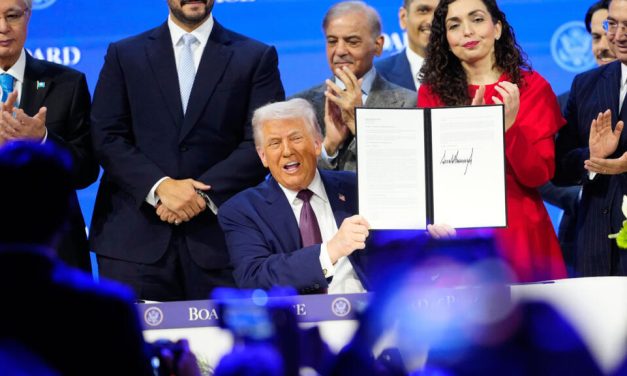
Strategic Council Online – Report: While the second phase of the implementation of the Gaza ceasefire has begun, the establishment of the “Peace Board” chaired by Donald Trump on the sidelines of the Davos meeting (22 January 2026) has become more than a technical mechanism for reconstruction and has turned into a test for the future of the international order.
Despite the signing of the charter by 22 out of 60 invited countries, the limited presence of global leaders at the Davos ceremony and the non-acceptance of this body by the European Union and key Western countries indicate a deep divide in global perceptions of the legitimacy of this mechanism.
In this report, drawing on the analysis of Hadi Borhani, a regional affairs expert, and international data, three strategic questions are addressed: Is the Peace Board an instrument for implementing UN Security Council Resolution 2803 or a substitute for the United Nations? How does the hierarchical architecture of this committee intensify executive challenges in Gaza? And finally, can this body create sustainable peace without the cooperation of Palestinians and with the concentration of power in the hands of a single individual?

America’s Zero-Sum Game in Iraq

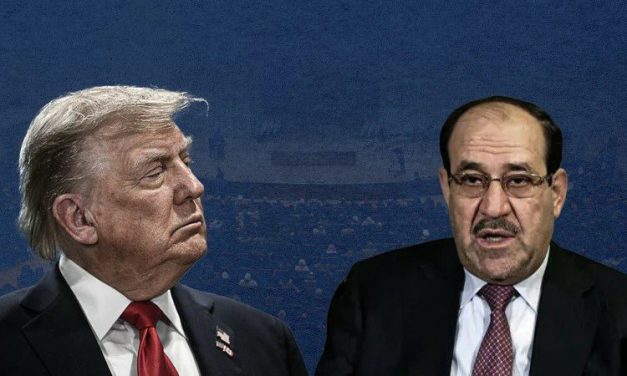
Online Strategic Council – Memoir: The swift selection of Nouri al-Maliki for the premiership constitutes a new phase in Iraq’s political sphere. Multiple factors have played a role in this process, the most important being the prevailing situation in Iraq and the region. Under such circumstances, Iraq requires a powerful and experienced prime minister who can keep the country away from the dangers of wars and crises.

America’s Strategy for Creating Tension in the Asia-Pacific

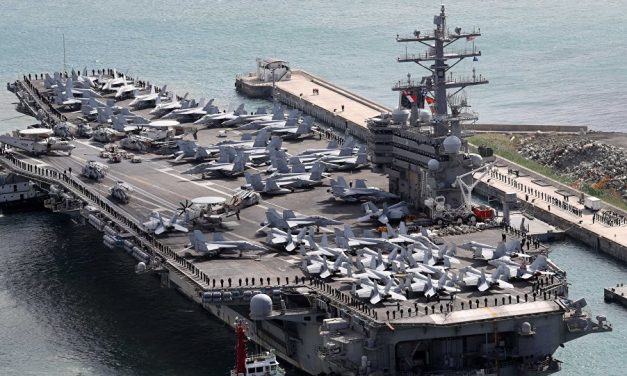
Strategic Council Online – Opinion: Relations between some countries in the Asia-Pacific region, such as China and Japan or China and Australia, which were previously relatively normal, are trending towards deterioration, and the primary reason for this is the aggressive policies of the United States of America.

The Collapse of the European Security Illusion with the Continuation of the Ukraine War?

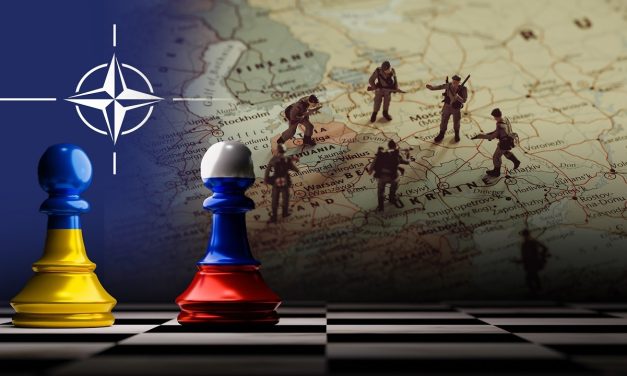
Strategic Council Online – Interview: The Ukraine war has become a new turning point in the political, security, and even commercial relations of allies on both sides of the Atlantic. While this war is nearing its fourth year, many questions still remain regarding its future and its consequences; among them, will the continuation of the Ukraine war lead to the collapse of the European security illusion?

Loading

Últimas publicaciones

Commercial Exploitation of Peace; The Gaza Committee in Confrontation with International Legitimacy

Strategic Council Online – Report: While the second phase of the implementation of the Gaza ceasefire has begun, the establishment of the “Peace Board” chaired by Donald Trump on the sidelines of the Davos meeting (22 January 2026) has become more than a technical mechanism for reconstruction and has turned into a test for the future of the international order.
Despite the signing of the charter by 22 out of 60 invited countries, the limited presence of global leaders at the Davos ceremony and the non-acceptance of this body by the European Union and key Western countries indicate a deep divide in global perceptions of the legitimacy of this mechanism.
In this report, drawing on the analysis of Hadi Borhani, a regional affairs expert, and international data, three strategic questions are addressed: Is the Peace Board an instrument for implementing UN Security Council Resolution 2803 or a substitute for the United Nations? How does the hierarchical architecture of this committee intensify executive challenges in Gaza? And finally, can this body create sustainable peace without the cooperation of Palestinians and with the concentration of power in the hands of a single individual?

America’s Zero-Sum Game in Iraq

Online Strategic Council – Memoir: The swift selection of Nouri al-Maliki for the premiership constitutes a new phase in Iraq’s political sphere. Multiple factors have played a role in this process, the most important being the prevailing situation in Iraq and the region. Under such circumstances, Iraq requires a powerful and experienced prime minister who can keep the country away from the dangers of wars and crises.

America’s Strategy for Creating Tension in the Asia-Pacific

Strategic Council Online – Opinion: Relations between some countries in the Asia-Pacific region, such as China and Japan or China and Australia, which were previously relatively normal, are trending towards deterioration, and the primary reason for this is the aggressive policies of the United States of America.

The Collapse of the European Security Illusion with the Continuation of the Ukraine War?

Strategic Council Online – Interview: The Ukraine war has become a new turning point in the political, security, and even commercial relations of allies on both sides of the Atlantic. While this war is nearing its fourth year, many questions still remain regarding its future and its consequences; among them, will the continuation of the Ukraine war lead to the collapse of the European security illusion?

Loading

DERNIER CONTENU

Commercial Exploitation of Peace; The Gaza Committee in Confrontation with International Legitimacy

Strategic Council Online – Report: While the second phase of the implementation of the Gaza ceasefire has begun, the establishment of the “Peace Board” chaired by Donald Trump on the sidelines of the Davos meeting (22 January 2026) has become more than a technical mechanism for reconstruction and has turned into a test for the future of the international order.
Despite the signing of the charter by 22 out of 60 invited countries, the limited presence of global leaders at the Davos ceremony and the non-acceptance of this body by the European Union and key Western countries indicate a deep divide in global perceptions of the legitimacy of this mechanism.
In this report, drawing on the analysis of Hadi Borhani, a regional affairs expert, and international data, three strategic questions are addressed: Is the Peace Board an instrument for implementing UN Security Council Resolution 2803 or a substitute for the United Nations? How does the hierarchical architecture of this committee intensify executive challenges in Gaza? And finally, can this body create sustainable peace without the cooperation of Palestinians and with the concentration of power in the hands of a single individual?

America’s Zero-Sum Game in Iraq

Online Strategic Council – Memoir: The swift selection of Nouri al-Maliki for the premiership constitutes a new phase in Iraq’s political sphere. Multiple factors have played a role in this process, the most important being the prevailing situation in Iraq and the region. Under such circumstances, Iraq requires a powerful and experienced prime minister who can keep the country away from the dangers of wars and crises.

America’s Strategy for Creating Tension in the Asia-Pacific

Strategic Council Online – Opinion: Relations between some countries in the Asia-Pacific region, such as China and Japan or China and Australia, which were previously relatively normal, are trending towards deterioration, and the primary reason for this is the aggressive policies of the United States of America.

The Collapse of the European Security Illusion with the Continuation of the Ukraine War?

Strategic Council Online – Interview: The Ukraine war has become a new turning point in the political, security, and even commercial relations of allies on both sides of the Atlantic. While this war is nearing its fourth year, many questions still remain regarding its future and its consequences; among them, will the continuation of the Ukraine war lead to the collapse of the European security illusion?

Loading

DERNIER CONTENU

Commercial Exploitation of Peace; The Gaza Committee in Confrontation with International Legitimacy

Strategic Council Online – Report: While the second phase of the implementation of the Gaza ceasefire has begun, the establishment of the “Peace Board” chaired by Donald Trump on the sidelines of the Davos meeting (22 January 2026) has become more than a technical mechanism for reconstruction and has turned into a test for the future of the international order.
Despite the signing of the charter by 22 out of 60 invited countries, the limited presence of global leaders at the Davos ceremony and the non-acceptance of this body by the European Union and key Western countries indicate a deep divide in global perceptions of the legitimacy of this mechanism.
In this report, drawing on the analysis of Hadi Borhani, a regional affairs expert, and international data, three strategic questions are addressed: Is the Peace Board an instrument for implementing UN Security Council Resolution 2803 or a substitute for the United Nations? How does the hierarchical architecture of this committee intensify executive challenges in Gaza? And finally, can this body create sustainable peace without the cooperation of Palestinians and with the concentration of power in the hands of a single individual?

America’s Zero-Sum Game in Iraq

Online Strategic Council – Memoir: The swift selection of Nouri al-Maliki for the premiership constitutes a new phase in Iraq’s political sphere. Multiple factors have played a role in this process, the most important being the prevailing situation in Iraq and the region. Under such circumstances, Iraq requires a powerful and experienced prime minister who can keep the country away from the dangers of wars and crises.

America’s Strategy for Creating Tension in the Asia-Pacific

Strategic Council Online – Opinion: Relations between some countries in the Asia-Pacific region, such as China and Japan or China and Australia, which were previously relatively normal, are trending towards deterioration, and the primary reason for this is the aggressive policies of the United States of America.

The Collapse of the European Security Illusion with the Continuation of the Ukraine War?

Strategic Council Online – Interview: The Ukraine war has become a new turning point in the political, security, and even commercial relations of allies on both sides of the Atlantic. While this war is nearing its fourth year, many questions still remain regarding its future and its consequences; among them, will the continuation of the Ukraine war lead to the collapse of the European security illusion?

Loading

DERNIER CONTENU

Commercial Exploitation of Peace; The Gaza Committee in Confrontation with International Legitimacy

Strategic Council Online – Report: While the second phase of the implementation of the Gaza ceasefire has begun, the establishment of the “Peace Board” chaired by Donald Trump on the sidelines of the Davos meeting (22 January 2026) has become more than a technical mechanism for reconstruction and has turned into a test for the future of the international order.
Despite the signing of the charter by 22 out of 60 invited countries, the limited presence of global leaders at the Davos ceremony and the non-acceptance of this body by the European Union and key Western countries indicate a deep divide in global perceptions of the legitimacy of this mechanism.
In this report, drawing on the analysis of Hadi Borhani, a regional affairs expert, and international data, three strategic questions are addressed: Is the Peace Board an instrument for implementing UN Security Council Resolution 2803 or a substitute for the United Nations? How does the hierarchical architecture of this committee intensify executive challenges in Gaza? And finally, can this body create sustainable peace without the cooperation of Palestinians and with the concentration of power in the hands of a single individual?

America’s Zero-Sum Game in Iraq

Online Strategic Council – Memoir: The swift selection of Nouri al-Maliki for the premiership constitutes a new phase in Iraq’s political sphere. Multiple factors have played a role in this process, the most important being the prevailing situation in Iraq and the region. Under such circumstances, Iraq requires a powerful and experienced prime minister who can keep the country away from the dangers of wars and crises.

America’s Strategy for Creating Tension in the Asia-Pacific

Strategic Council Online – Opinion: Relations between some countries in the Asia-Pacific region, such as China and Japan or China and Australia, which were previously relatively normal, are trending towards deterioration, and the primary reason for this is the aggressive policies of the United States of America.

The Collapse of the European Security Illusion with the Continuation of the Ukraine War?

Strategic Council Online – Interview: The Ukraine war has become a new turning point in the political, security, and even commercial relations of allies on both sides of the Atlantic. While this war is nearing its fourth year, many questions still remain regarding its future and its consequences; among them, will the continuation of the Ukraine war lead to the collapse of the European security illusion?

Loading