Differences in the Perspectives of Europe and America Regarding the Tariff War against China and India

2025/09/23 | Economy, interview, top news

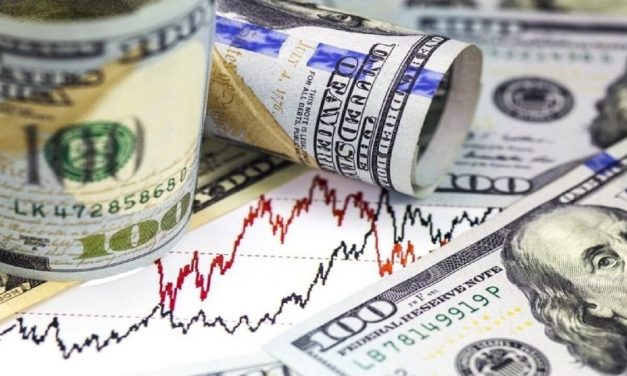
Strategic Council Online - Interview: A strategic affairs expert stated that recently, the United States has asked its allies in the G7 and its partners in the European Union to impose a new round of "significant tariffs" on China and India for purchasing Russian oil. Trump's tariff demands reveal a clear gap in strategy between Washington and Brussels. While the Trump administration prefers to weaken the Kremlin's economy by imposing tariffs on third countries, Europe seeks official sanctions against Moscow's trade and financial partners.

Seyed Reza Mirtaher, in an interview with the website of the Strategic Council on Foreign Relations, stated: “The United States has pursued this approach to intensify pressure on Russia and halt oil purchases from the country, calling for new sanctions against China and India. Of course, before this, in addition to the initial 25% sanctions on Indian goods, Trump once again imposed a 25% punitive tariff on these goods, bringing the total tariffs to nearly 50%, and the reason for this was the continued purchase of oil from Russia.”

According to this expert, Trump has also made similar threats against China, although the issues with China and India are different. This is because today, China is one of the largest exporters to the U.S. and also one of the largest importers from the U.S. Therefore, Trump cannot replicate the same approach he uses with India when dealing with China.

He added, “However, this issue is viewed differently from the European perspective compared to the American approach. Europeans are among the major victims of Trump’s tariff war. Ultimately, under the pressure of Trump’s tariffs, they made concessions, including purchasing natural gas worth hundreds of billions of dollars and increasing tariffs on their own exported goods to the Americans. Today, Trump is also asking Europeans to accompany him in the tariff war against China and India.”

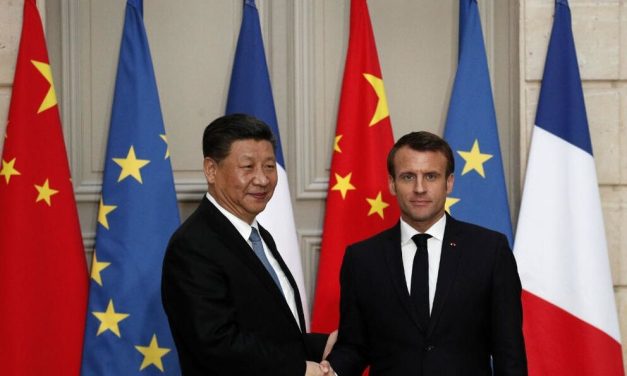
Mirtaher explained that, unlike the U.S., Europe does not view China as a competitor or a geostrategic challenge: “Americans have repeatedly regarded China as their greatest geostrategic challenge of the 21st century in their high-level documents, such as their national security strategy. Meanwhile, Europeans view China not as a threat but as a partner in technology, agriculture, industry, and digital fields, among others. Therefore, this difference in perspective has led Europeans, despite American pressures that have led them to take some actions against China, to still be unwilling to engage in a tariff confrontation with Beijing, especially given the extensive trade and economic interactions between China and Europe.”

This strategic affairs expert emphasized that Europeans have adopted positions different from those of Beijing regarding Moscow, stating: “Europeans believe that Russia, given the ongoing war in Ukraine, has threatened their existence. Therefore, Brussels is more inclined and emphasizes the continuation of the sanctions regime and the announcement of new sanctions against Moscow, believing that this approach will impose maximum pressure on Russia to end the war in Ukraine as soon as possible.”

According to Mirtaher, if Europeans were to follow the American method of punishing Russia’s trade partners instead of Moscow itself, they would be contradicting their own objectives. Thus, it can be said that in the context of the European Union’s relations with China, implementing such an approach would result in extensive losses for the Green Continent (Europe).

He continued: “Therefore, it seems that Europe’s approach to dealing with China and India differs from that of the United States, and based on this, it is unlikely that the European Union will fully accompany the U.S. in imposing punitive tariffs on Delhi and Beijing.”

Mirtaher also explained in response to the question of whether intensified sanctions against Moscow by the White House and possible European cooperation in this matter would impose economic pressure and ultimately lead Russia to accept an end to the war: “While the U.S. and its Western allies have imposed about 25,000 sanctions against Russia since the war in Ukraine began, Russia has skillfully and intelligently managed to meet a large portion of its needs, which were previously supplied by the West, by expanding relations with the East, especially China, despite this high volume of sanctions.”

This international affairs expert pointed out that Russia has changed the direction of its target markets and focused on the East, adding, “Today, China and India are major energy buyers from Russia. Before the Ukraine war, India basically did not purchase oil from Russia. Still, today, the situation has changed, and Russia has very shrewdly reduced and overcome the negative effects of the sanctions. Americans have also concluded that new sanctions will not be effective in ending the Ukraine war and forcing Russia to submit to the terms and demands of the West regarding this war.”

Mirtaher added: “Americans believe that imposing tariffs on Russia’s trade partners, such as China and India, will force these countries to limit their relations with Russia. However, achieving this goal is highly unlikely because the trade and strategic interests resulting from Moscow’s relations with Beijing go beyond what either China or Russia would be willing to concede to Western demands.”

0 Comments

LATEST CONTENT

The Zionist Regime’s Time Bomb Activated in the West Bank

Strategic Council Online – Opinion: In the midst of America’s military deployment to West Asia and the Persian Gulf, which has increased tensions at the regional and global levels, the Zionist regime has seized the opportunity and accelerated the advancement of its ambitious projects, including the process of the illegal annexation of the West Bank to the occupied territories.

With the End of New START, How Will the Future of Nuclear Security Be Shaped?

Strategic Council Online – Opinion: With the collapse of the last pillar of nuclear arms control between Washington and Moscow, the world stands on the threshold of a ruleless order that both carries the scent of unlimited competition and conceals within itself the possibility of new forms of bargaining.

Loading

Últimas publicaciones

The Zionist Regime’s Time Bomb Activated in the West Bank

Strategic Council Online – Opinion: In the midst of America’s military deployment to West Asia and the Persian Gulf, which has increased tensions at the regional and global levels, the Zionist regime has seized the opportunity and accelerated the advancement of its ambitious projects, including the process of the illegal annexation of the West Bank to the occupied territories.

With the End of New START, How Will the Future of Nuclear Security Be Shaped?

Strategic Council Online – Opinion: With the collapse of the last pillar of nuclear arms control between Washington and Moscow, the world stands on the threshold of a ruleless order that both carries the scent of unlimited competition and conceals within itself the possibility of new forms of bargaining.

Loading

DERNIER CONTENU

The Zionist Regime’s Time Bomb Activated in the West Bank

Strategic Council Online – Opinion: In the midst of America’s military deployment to West Asia and the Persian Gulf, which has increased tensions at the regional and global levels, the Zionist regime has seized the opportunity and accelerated the advancement of its ambitious projects, including the process of the illegal annexation of the West Bank to the occupied territories.

With the End of New START, How Will the Future of Nuclear Security Be Shaped?

Strategic Council Online – Opinion: With the collapse of the last pillar of nuclear arms control between Washington and Moscow, the world stands on the threshold of a ruleless order that both carries the scent of unlimited competition and conceals within itself the possibility of new forms of bargaining.

Loading

DERNIER CONTENU

The Zionist Regime’s Time Bomb Activated in the West Bank

Strategic Council Online – Opinion: In the midst of America’s military deployment to West Asia and the Persian Gulf, which has increased tensions at the regional and global levels, the Zionist regime has seized the opportunity and accelerated the advancement of its ambitious projects, including the process of the illegal annexation of the West Bank to the occupied territories.

With the End of New START, How Will the Future of Nuclear Security Be Shaped?

Strategic Council Online – Opinion: With the collapse of the last pillar of nuclear arms control between Washington and Moscow, the world stands on the threshold of a ruleless order that both carries the scent of unlimited competition and conceals within itself the possibility of new forms of bargaining.

Loading

DERNIER CONTENU

The Zionist Regime’s Time Bomb Activated in the West Bank

Strategic Council Online – Opinion: In the midst of America’s military deployment to West Asia and the Persian Gulf, which has increased tensions at the regional and global levels, the Zionist regime has seized the opportunity and accelerated the advancement of its ambitious projects, including the process of the illegal annexation of the West Bank to the occupied territories.

With the End of New START, How Will the Future of Nuclear Security Be Shaped?

Strategic Council Online – Opinion: With the collapse of the last pillar of nuclear arms control between Washington and Moscow, the world stands on the threshold of a ruleless order that both carries the scent of unlimited competition and conceals within itself the possibility of new forms of bargaining.

Loading