جدیدترین مطالب

Iran’s Potential Levers of Power

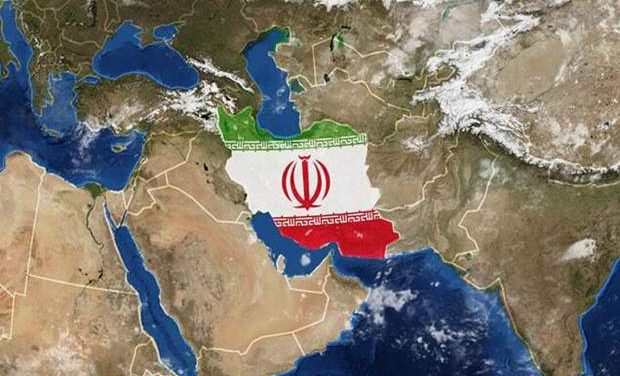
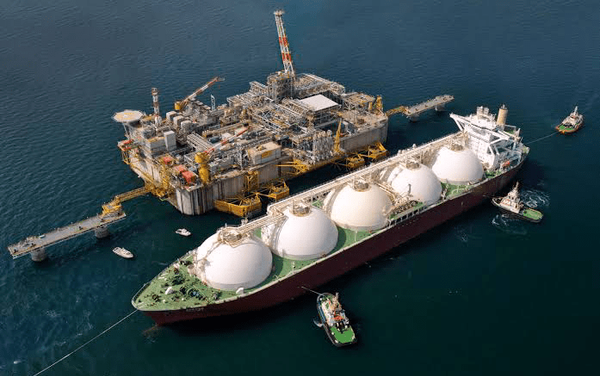
SCFRonline– Opinion: Iran’s geopolitical power is not limited solely to oil and the Strait of Hormuz; the unintended emergence of disruptions in the future global food and energy security chains can also demonstrate Iran’s strategic importance.

The Inseparability of the Lebanese Front from the Axis of Resistance

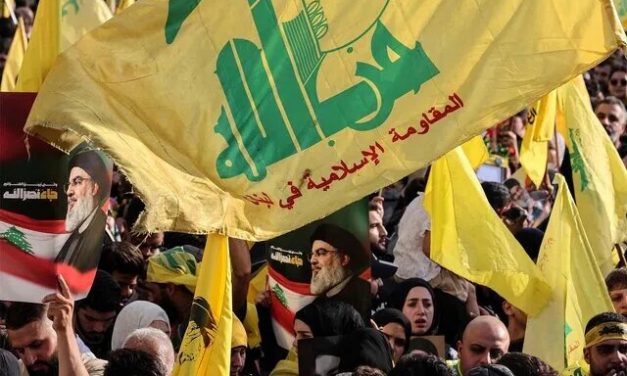
SCFR Online–Opinion: By providing an extensive network of social, healthcare, educational, and post-war reconstruction services, Hezbollah has established a strong social base for itself among Lebanon’s Shiites and Sunnis, and even beyond that, among other segments of Lebanese society, including Christians. Hezbollah has never been an external actor imposed upon Lebanon; rather, it is a phenomenon fundamentally born out of the occupation and crimes of the Zionist regime and itself influenced by popular resistance.

The Increasing Efforts of the Zionist Regime to Redefine Borders and the Regional Order and Its Consequences

SCFR Online– Opinion: Security and military developments in the region over recent months indicate that the ongoing crises and wars in Gaza, southern Lebanon, and parts of Syrian territory encompass broader dimensions of geopolitical and geostrategic transformations. In this context, the increased military presence and control of the Zionist regime over parts of the territories of these areas, along with proposals regarding the creation of buffer zones or even the expansion of security borders, have raised serious questions about the future of the regional order and its consequences for the countries of West Asia.

The Components of Iran’s Deterrence Power

SCFR Online – Opinion: At a time when regional security equations have reached a sensitive stage under the influence of Iran’s strategic confrontation with the United States and the Zionist regime, the question of the nature of Tehran’s defensive power has gained greater significance than ever before. While Washington and Tel Aviv rely on their technological superiority, the Islamic Republic of Iran has presented a model of deterrence that extends beyond the material calculations of the world’s classical militaries. This power, rooted in the connection between “the field” and “the people,” has not only altered the balance of power in recent conflicts but has also disrupted adversaries’ calculations when confronting Iran’s strategic depth.

Loading

Seyed Reza Mirtaher

America’s Strategy for Creating Tension in the Asia-Pacific

America’s Strategy for Creating Tension in the Asia-Pacific

Strategic Council Online – Opinion: Relations between some countries in the Asia-Pacific region, such as China and Japan or China and Australia, which were previously relatively normal, are trending towards deterioration, and the primary reason for this is the aggressive policies of the United States of America.

The Ukraine War and the Decision-Making Crisis in Europe

The Ukraine War and the Decision-Making Crisis in Europe

Strategic Council Online – Opinion: At the European Union summit, it was decided that, to assist Ukraine, instead of using Russia’s frozen assets in European countries, 90 billion euros would be borrowed from financial markets and allocated to Ukraine. This issue is considered a very significant development in the European Union’s policy toward Russia.

Differences in the Perspectives of Europe and America Regarding the Tariff War against China and India

Differences in the Perspectives of Europe and America Regarding the Tariff War against China and India

Strategic Council Online – Interview: A strategic affairs expert stated that recently, the United States has asked its allies in the G7 and its partners in the European Union to impose a new round of “significant tariffs” on China and India for purchasing Russian oil. Trump’s tariff demands reveal a clear gap in strategy between Washington and Brussels. While the Trump administration prefers to weaken the Kremlin’s economy by imposing tariffs on third countries, Europe seeks official sanctions against Moscow’s trade and financial partners.

US plans to create a new offensive capability against China

US plans to create a new offensive capability against China

Strategic Council Online—Interview: An expert on international affairs said the US plan to deploy medium-range missiles in East Asia aims to create an offensive capability against China, adding that naturally, the deployment of these missiles by the United States in countries such as Australia or possibly in Japan and South Korea can lead to China’s counter-reaction and increase the level of tensions between the two countries.

Complete ambiguity in reducing tensions between China and the United States

Complete ambiguity in reducing tensions between China and the United States

Strategic Council Online—Interview: An international affairs expert stated that the Chinese used Blinken’s trip to Beijing as an opportunity to announce their positions and warn the US, adding that the frank, demanding, and critical tone of the Chinese officials in the meetings with the US Secretary of State were evident. The party that insisted on making this trip was the US, and the Chinese basically did not want to do it.

Arming Taiwan, One of the US Pressure Levers against China

Arming Taiwan, One of the US Pressure Levers against China

Strategic Council Online – Interview: An analyst of international affairs called the provision of various types of US military-armament aid to Taiwan one of the foundations of Washington’ towards that island and said: The Chinese have intelligently realized that the US measures must be accompanied by proportionate reactions to make them fully understand that Beijing will not sit idly by the expansion of US-Taiwan relations and the increasing dispatch of US weapons to Taiwan.

أحدث الوظائف

Iran’s Potential Levers of Power

SCFRonline– Opinion: Iran’s geopolitical power is not limited solely to oil and the Strait of Hormuz; the unintended emergence of disruptions in the future global food and energy security chains can also demonstrate Iran’s strategic importance.
The Inseparability of the Lebanese Front from the Axis of Resistance

SCFR Online–Opinion: By providing an extensive network of social, healthcare, educational, and post-war reconstruction services, Hezbollah has established a strong social base for itself among Lebanon’s Shiites and Sunnis, and even beyond that, among other segments of Lebanese society, including Christians. Hezbollah has never been an external actor imposed upon Lebanon; rather, it is a phenomenon fundamentally born out of the occupation and crimes of the Zionist regime and itself influenced by popular resistance.

The Increasing Efforts of the Zionist Regime to Redefine Borders and the Regional Order and Its Consequences

SCFR Online– Opinion: Security and military developments in the region over recent months indicate that the ongoing crises and wars in Gaza, southern Lebanon, and parts of Syrian territory encompass broader dimensions of geopolitical and geostrategic transformations. In this context, the increased military presence and control of the Zionist regime over parts of the territories of these areas, along with proposals regarding the creation of buffer zones or even the expansion of security borders, have raised serious questions about the future of the regional order and its consequences for the countries of West Asia.

The Components of Iran’s Deterrence Power

SCFR Online – Opinion: At a time when regional security equations have reached a sensitive stage under the influence of Iran’s strategic confrontation with the United States and the Zionist regime, the question of the nature of Tehran’s defensive power has gained greater significance than ever before. While Washington and Tel Aviv rely on their technological superiority, the Islamic Republic of Iran has presented a model of deterrence that extends beyond the material calculations of the world’s classical militaries. This power, rooted in the connection between “the field” and “the people,” has not only altered the balance of power in recent conflicts but has also disrupted adversaries’ calculations when confronting Iran’s strategic depth.

Loading

Seyed Reza Mirtaher

America’s Strategy for Creating Tension in the Asia-Pacific

America’s Strategy for Creating Tension in the Asia-Pacific

Strategic Council Online – Opinion: Relations between some countries in the Asia-Pacific region, such as China and Japan or China and Australia, which were previously relatively normal, are trending towards deterioration, and the primary reason for this is the aggressive policies of the United States of America.

The Ukraine War and the Decision-Making Crisis in Europe

The Ukraine War and the Decision-Making Crisis in Europe

Strategic Council Online – Opinion: At the European Union summit, it was decided that, to assist Ukraine, instead of using Russia’s frozen assets in European countries, 90 billion euros would be borrowed from financial markets and allocated to Ukraine. This issue is considered a very significant development in the European Union’s policy toward Russia.

Differences in the Perspectives of Europe and America Regarding the Tariff War against China and India

Differences in the Perspectives of Europe and America Regarding the Tariff War against China and India

Strategic Council Online – Interview: A strategic affairs expert stated that recently, the United States has asked its allies in the G7 and its partners in the European Union to impose a new round of “significant tariffs” on China and India for purchasing Russian oil. Trump’s tariff demands reveal a clear gap in strategy between Washington and Brussels. While the Trump administration prefers to weaken the Kremlin’s economy by imposing tariffs on third countries, Europe seeks official sanctions against Moscow’s trade and financial partners.

US plans to create a new offensive capability against China

US plans to create a new offensive capability against China

Strategic Council Online—Interview: An expert on international affairs said the US plan to deploy medium-range missiles in East Asia aims to create an offensive capability against China, adding that naturally, the deployment of these missiles by the United States in countries such as Australia or possibly in Japan and South Korea can lead to China’s counter-reaction and increase the level of tensions between the two countries.

Complete ambiguity in reducing tensions between China and the United States

Complete ambiguity in reducing tensions between China and the United States

Strategic Council Online—Interview: An international affairs expert stated that the Chinese used Blinken’s trip to Beijing as an opportunity to announce their positions and warn the US, adding that the frank, demanding, and critical tone of the Chinese officials in the meetings with the US Secretary of State were evident. The party that insisted on making this trip was the US, and the Chinese basically did not want to do it.

Arming Taiwan, One of the US Pressure Levers against China

Arming Taiwan, One of the US Pressure Levers against China

Strategic Council Online – Interview: An analyst of international affairs called the provision of various types of US military-armament aid to Taiwan one of the foundations of Washington’ towards that island and said: The Chinese have intelligently realized that the US measures must be accompanied by proportionate reactions to make them fully understand that Beijing will not sit idly by the expansion of US-Taiwan relations and the increasing dispatch of US weapons to Taiwan.

Seyed Reza Mirtaher

America’s Strategy for Creating Tension in the Asia-Pacific

America’s Strategy for Creating Tension in the Asia-Pacific

Strategic Council Online – Opinion: Relations between some countries in the Asia-Pacific region, such as China and Japan or China and Australia, which were previously relatively normal, are trending towards deterioration, and the primary reason for this is the aggressive policies of the United States of America.

The Ukraine War and the Decision-Making Crisis in Europe

The Ukraine War and the Decision-Making Crisis in Europe

Strategic Council Online – Opinion: At the European Union summit, it was decided that, to assist Ukraine, instead of using Russia’s frozen assets in European countries, 90 billion euros would be borrowed from financial markets and allocated to Ukraine. This issue is considered a very significant development in the European Union’s policy toward Russia.

Differences in the Perspectives of Europe and America Regarding the Tariff War against China and India

Differences in the Perspectives of Europe and America Regarding the Tariff War against China and India

Strategic Council Online – Interview: A strategic affairs expert stated that recently, the United States has asked its allies in the G7 and its partners in the European Union to impose a new round of “significant tariffs” on China and India for purchasing Russian oil. Trump’s tariff demands reveal a clear gap in strategy between Washington and Brussels. While the Trump administration prefers to weaken the Kremlin’s economy by imposing tariffs on third countries, Europe seeks official sanctions against Moscow’s trade and financial partners.

US plans to create a new offensive capability against China

US plans to create a new offensive capability against China

Strategic Council Online—Interview: An expert on international affairs said the US plan to deploy medium-range missiles in East Asia aims to create an offensive capability against China, adding that naturally, the deployment of these missiles by the United States in countries such as Australia or possibly in Japan and South Korea can lead to China’s counter-reaction and increase the level of tensions between the two countries.

Complete ambiguity in reducing tensions between China and the United States

Complete ambiguity in reducing tensions between China and the United States

Strategic Council Online—Interview: An international affairs expert stated that the Chinese used Blinken’s trip to Beijing as an opportunity to announce their positions and warn the US, adding that the frank, demanding, and critical tone of the Chinese officials in the meetings with the US Secretary of State were evident. The party that insisted on making this trip was the US, and the Chinese basically did not want to do it.

Arming Taiwan, One of the US Pressure Levers against China

Arming Taiwan, One of the US Pressure Levers against China

Strategic Council Online – Interview: An analyst of international affairs called the provision of various types of US military-armament aid to Taiwan one of the foundations of Washington’ towards that island and said: The Chinese have intelligently realized that the US measures must be accompanied by proportionate reactions to make them fully understand that Beijing will not sit idly by the expansion of US-Taiwan relations and the increasing dispatch of US weapons to Taiwan.

LATEST CONTENT

Iran’s Potential Levers of Power

SCFRonline– Opinion: Iran’s geopolitical power is not limited solely to oil and the Strait of Hormuz; the unintended emergence of disruptions in the future global food and energy security chains can also demonstrate Iran’s strategic importance.
The Inseparability of the Lebanese Front from the Axis of Resistance

SCFR Online–Opinion: By providing an extensive network of social, healthcare, educational, and post-war reconstruction services, Hezbollah has established a strong social base for itself among Lebanon’s Shiites and Sunnis, and even beyond that, among other segments of Lebanese society, including Christians. Hezbollah has never been an external actor imposed upon Lebanon; rather, it is a phenomenon fundamentally born out of the occupation and crimes of the Zionist regime and itself influenced by popular resistance.

The Increasing Efforts of the Zionist Regime to Redefine Borders and the Regional Order and Its Consequences

SCFR Online– Opinion: Security and military developments in the region over recent months indicate that the ongoing crises and wars in Gaza, southern Lebanon, and parts of Syrian territory encompass broader dimensions of geopolitical and geostrategic transformations. In this context, the increased military presence and control of the Zionist regime over parts of the territories of these areas, along with proposals regarding the creation of buffer zones or even the expansion of security borders, have raised serious questions about the future of the regional order and its consequences for the countries of West Asia.

The Components of Iran’s Deterrence Power

SCFR Online – Opinion: At a time when regional security equations have reached a sensitive stage under the influence of Iran’s strategic confrontation with the United States and the Zionist regime, the question of the nature of Tehran’s defensive power has gained greater significance than ever before. While Washington and Tel Aviv rely on their technological superiority, the Islamic Republic of Iran has presented a model of deterrence that extends beyond the material calculations of the world’s classical militaries. This power, rooted in the connection between “the field” and “the people,” has not only altered the balance of power in recent conflicts but has also disrupted adversaries’ calculations when confronting Iran’s strategic depth.

Loading

Seyed Reza Mirtaher

America’s Strategy for Creating Tension in the Asia-Pacific

America’s Strategy for Creating Tension in the Asia-Pacific

Strategic Council Online – Opinion: Relations between some countries in the Asia-Pacific region, such as China and Japan or China and Australia, which were previously relatively normal, are trending towards deterioration, and the primary reason for this is the aggressive policies of the United States of America.

The Ukraine War and the Decision-Making Crisis in Europe

The Ukraine War and the Decision-Making Crisis in Europe

Strategic Council Online – Opinion: At the European Union summit, it was decided that, to assist Ukraine, instead of using Russia’s frozen assets in European countries, 90 billion euros would be borrowed from financial markets and allocated to Ukraine. This issue is considered a very significant development in the European Union’s policy toward Russia.

Differences in the Perspectives of Europe and America Regarding the Tariff War against China and India

Differences in the Perspectives of Europe and America Regarding the Tariff War against China and India

Strategic Council Online – Interview: A strategic affairs expert stated that recently, the United States has asked its allies in the G7 and its partners in the European Union to impose a new round of “significant tariffs” on China and India for purchasing Russian oil. Trump’s tariff demands reveal a clear gap in strategy between Washington and Brussels. While the Trump administration prefers to weaken the Kremlin’s economy by imposing tariffs on third countries, Europe seeks official sanctions against Moscow’s trade and financial partners.

US plans to create a new offensive capability against China

US plans to create a new offensive capability against China

Strategic Council Online—Interview: An expert on international affairs said the US plan to deploy medium-range missiles in East Asia aims to create an offensive capability against China, adding that naturally, the deployment of these missiles by the United States in countries such as Australia or possibly in Japan and South Korea can lead to China’s counter-reaction and increase the level of tensions between the two countries.

Complete ambiguity in reducing tensions between China and the United States

Complete ambiguity in reducing tensions between China and the United States

Strategic Council Online—Interview: An international affairs expert stated that the Chinese used Blinken’s trip to Beijing as an opportunity to announce their positions and warn the US, adding that the frank, demanding, and critical tone of the Chinese officials in the meetings with the US Secretary of State were evident. The party that insisted on making this trip was the US, and the Chinese basically did not want to do it.

Arming Taiwan, One of the US Pressure Levers against China

Arming Taiwan, One of the US Pressure Levers against China

Strategic Council Online – Interview: An analyst of international affairs called the provision of various types of US military-armament aid to Taiwan one of the foundations of Washington’ towards that island and said: The Chinese have intelligently realized that the US measures must be accompanied by proportionate reactions to make them fully understand that Beijing will not sit idly by the expansion of US-Taiwan relations and the increasing dispatch of US weapons to Taiwan.

ÚLTIMAS PUBLICACIONES

Iran’s Potential Levers of Power

SCFRonline– Opinion: Iran’s geopolitical power is not limited solely to oil and the Strait of Hormuz; the unintended emergence of disruptions in the future global food and energy security chains can also demonstrate Iran’s strategic importance.
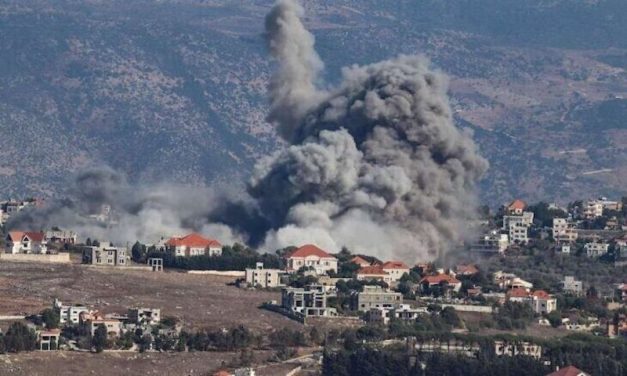
The Inseparability of the Lebanese Front from the Axis of Resistance

SCFR Online–Opinion: By providing an extensive network of social, healthcare, educational, and post-war reconstruction services, Hezbollah has established a strong social base for itself among Lebanon’s Shiites and Sunnis, and even beyond that, among other segments of Lebanese society, including Christians. Hezbollah has never been an external actor imposed upon Lebanon; rather, it is a phenomenon fundamentally born out of the occupation and crimes of the Zionist regime and itself influenced by popular resistance.

The Increasing Efforts of the Zionist Regime to Redefine Borders and the Regional Order and Its Consequences

SCFR Online– Opinion: Security and military developments in the region over recent months indicate that the ongoing crises and wars in Gaza, southern Lebanon, and parts of Syrian territory encompass broader dimensions of geopolitical and geostrategic transformations. In this context, the increased military presence and control of the Zionist regime over parts of the territories of these areas, along with proposals regarding the creation of buffer zones or even the expansion of security borders, have raised serious questions about the future of the regional order and its consequences for the countries of West Asia.

The Components of Iran’s Deterrence Power

SCFR Online – Opinion: At a time when regional security equations have reached a sensitive stage under the influence of Iran’s strategic confrontation with the United States and the Zionist regime, the question of the nature of Tehran’s defensive power has gained greater significance than ever before. While Washington and Tel Aviv rely on their technological superiority, the Islamic Republic of Iran has presented a model of deterrence that extends beyond the material calculations of the world’s classical militaries. This power, rooted in the connection between “the field” and “the people,” has not only altered the balance of power in recent conflicts but has also disrupted adversaries’ calculations when confronting Iran’s strategic depth.

Loading

Seyed Reza Mirtaher

America’s Strategy for Creating Tension in the Asia-Pacific

America’s Strategy for Creating Tension in the Asia-Pacific

Strategic Council Online – Opinion: Relations between some countries in the Asia-Pacific region, such as China and Japan or China and Australia, which were previously relatively normal, are trending towards deterioration, and the primary reason for this is the aggressive policies of the United States of America.

The Ukraine War and the Decision-Making Crisis in Europe

The Ukraine War and the Decision-Making Crisis in Europe

Strategic Council Online – Opinion: At the European Union summit, it was decided that, to assist Ukraine, instead of using Russia’s frozen assets in European countries, 90 billion euros would be borrowed from financial markets and allocated to Ukraine. This issue is considered a very significant development in the European Union’s policy toward Russia.

Differences in the Perspectives of Europe and America Regarding the Tariff War against China and India

Differences in the Perspectives of Europe and America Regarding the Tariff War against China and India

Strategic Council Online – Interview: A strategic affairs expert stated that recently, the United States has asked its allies in the G7 and its partners in the European Union to impose a new round of “significant tariffs” on China and India for purchasing Russian oil. Trump’s tariff demands reveal a clear gap in strategy between Washington and Brussels. While the Trump administration prefers to weaken the Kremlin’s economy by imposing tariffs on third countries, Europe seeks official sanctions against Moscow’s trade and financial partners.

US plans to create a new offensive capability against China

US plans to create a new offensive capability against China

Strategic Council Online—Interview: An expert on international affairs said the US plan to deploy medium-range missiles in East Asia aims to create an offensive capability against China, adding that naturally, the deployment of these missiles by the United States in countries such as Australia or possibly in Japan and South Korea can lead to China’s counter-reaction and increase the level of tensions between the two countries.

Complete ambiguity in reducing tensions between China and the United States

Complete ambiguity in reducing tensions between China and the United States

Strategic Council Online—Interview: An international affairs expert stated that the Chinese used Blinken’s trip to Beijing as an opportunity to announce their positions and warn the US, adding that the frank, demanding, and critical tone of the Chinese officials in the meetings with the US Secretary of State were evident. The party that insisted on making this trip was the US, and the Chinese basically did not want to do it.

Arming Taiwan, One of the US Pressure Levers against China

Arming Taiwan, One of the US Pressure Levers against China

Strategic Council Online – Interview: An analyst of international affairs called the provision of various types of US military-armament aid to Taiwan one of the foundations of Washington’ towards that island and said: The Chinese have intelligently realized that the US measures must be accompanied by proportionate reactions to make them fully understand that Beijing will not sit idly by the expansion of US-Taiwan relations and the increasing dispatch of US weapons to Taiwan.

ÚLTIMAS PUBLICACIONES

Iran’s Potential Levers of Power

SCFRonline– Opinion: Iran’s geopolitical power is not limited solely to oil and the Strait of Hormuz; the unintended emergence of disruptions in the future global food and energy security chains can also demonstrate Iran’s strategic importance.
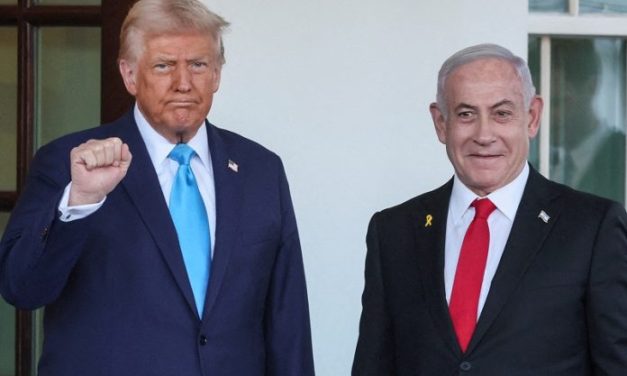
The Inseparability of the Lebanese Front from the Axis of Resistance

SCFR Online–Opinion: By providing an extensive network of social, healthcare, educational, and post-war reconstruction services, Hezbollah has established a strong social base for itself among Lebanon’s Shiites and Sunnis, and even beyond that, among other segments of Lebanese society, including Christians. Hezbollah has never been an external actor imposed upon Lebanon; rather, it is a phenomenon fundamentally born out of the occupation and crimes of the Zionist regime and itself influenced by popular resistance.

The Increasing Efforts of the Zionist Regime to Redefine Borders and the Regional Order and Its Consequences

SCFR Online– Opinion: Security and military developments in the region over recent months indicate that the ongoing crises and wars in Gaza, southern Lebanon, and parts of Syrian territory encompass broader dimensions of geopolitical and geostrategic transformations. In this context, the increased military presence and control of the Zionist regime over parts of the territories of these areas, along with proposals regarding the creation of buffer zones or even the expansion of security borders, have raised serious questions about the future of the regional order and its consequences for the countries of West Asia.

The Components of Iran’s Deterrence Power

SCFR Online – Opinion: At a time when regional security equations have reached a sensitive stage under the influence of Iran’s strategic confrontation with the United States and the Zionist regime, the question of the nature of Tehran’s defensive power has gained greater significance than ever before. While Washington and Tel Aviv rely on their technological superiority, the Islamic Republic of Iran has presented a model of deterrence that extends beyond the material calculations of the world’s classical militaries. This power, rooted in the connection between “the field” and “the people,” has not only altered the balance of power in recent conflicts but has also disrupted adversaries’ calculations when confronting Iran’s strategic depth.

Loading

Seyed Reza Mirtaher

America’s Strategy for Creating Tension in the Asia-Pacific

America’s Strategy for Creating Tension in the Asia-Pacific

Strategic Council Online – Opinion: Relations between some countries in the Asia-Pacific region, such as China and Japan or China and Australia, which were previously relatively normal, are trending towards deterioration, and the primary reason for this is the aggressive policies of the United States of America.

The Ukraine War and the Decision-Making Crisis in Europe

The Ukraine War and the Decision-Making Crisis in Europe

Strategic Council Online – Opinion: At the European Union summit, it was decided that, to assist Ukraine, instead of using Russia’s frozen assets in European countries, 90 billion euros would be borrowed from financial markets and allocated to Ukraine. This issue is considered a very significant development in the European Union’s policy toward Russia.

Differences in the Perspectives of Europe and America Regarding the Tariff War against China and India

Differences in the Perspectives of Europe and America Regarding the Tariff War against China and India

Strategic Council Online – Interview: A strategic affairs expert stated that recently, the United States has asked its allies in the G7 and its partners in the European Union to impose a new round of “significant tariffs” on China and India for purchasing Russian oil. Trump’s tariff demands reveal a clear gap in strategy between Washington and Brussels. While the Trump administration prefers to weaken the Kremlin’s economy by imposing tariffs on third countries, Europe seeks official sanctions against Moscow’s trade and financial partners.

US plans to create a new offensive capability against China

US plans to create a new offensive capability against China

Strategic Council Online—Interview: An expert on international affairs said the US plan to deploy medium-range missiles in East Asia aims to create an offensive capability against China, adding that naturally, the deployment of these missiles by the United States in countries such as Australia or possibly in Japan and South Korea can lead to China’s counter-reaction and increase the level of tensions between the two countries.

Complete ambiguity in reducing tensions between China and the United States

Complete ambiguity in reducing tensions between China and the United States

Strategic Council Online—Interview: An international affairs expert stated that the Chinese used Blinken’s trip to Beijing as an opportunity to announce their positions and warn the US, adding that the frank, demanding, and critical tone of the Chinese officials in the meetings with the US Secretary of State were evident. The party that insisted on making this trip was the US, and the Chinese basically did not want to do it.

Arming Taiwan, One of the US Pressure Levers against China

Arming Taiwan, One of the US Pressure Levers against China

Strategic Council Online – Interview: An analyst of international affairs called the provision of various types of US military-armament aid to Taiwan one of the foundations of Washington’ towards that island and said: The Chinese have intelligently realized that the US measures must be accompanied by proportionate reactions to make them fully understand that Beijing will not sit idly by the expansion of US-Taiwan relations and the increasing dispatch of US weapons to Taiwan.

ÚLTIMAS PUBLICACIONES

Iran’s Potential Levers of Power

SCFRonline– Opinion: Iran’s geopolitical power is not limited solely to oil and the Strait of Hormuz; the unintended emergence of disruptions in the future global food and energy security chains can also demonstrate Iran’s strategic importance.

The Inseparability of the Lebanese Front from the Axis of Resistance

SCFR Online–Opinion: By providing an extensive network of social, healthcare, educational, and post-war reconstruction services, Hezbollah has established a strong social base for itself among Lebanon’s Shiites and Sunnis, and even beyond that, among other segments of Lebanese society, including Christians. Hezbollah has never been an external actor imposed upon Lebanon; rather, it is a phenomenon fundamentally born out of the occupation and crimes of the Zionist regime and itself influenced by popular resistance.

The Increasing Efforts of the Zionist Regime to Redefine Borders and the Regional Order and Its Consequences

SCFR Online– Opinion: Security and military developments in the region over recent months indicate that the ongoing crises and wars in Gaza, southern Lebanon, and parts of Syrian territory encompass broader dimensions of geopolitical and geostrategic transformations. In this context, the increased military presence and control of the Zionist regime over parts of the territories of these areas, along with proposals regarding the creation of buffer zones or even the expansion of security borders, have raised serious questions about the future of the regional order and its consequences for the countries of West Asia.

The Components of Iran’s Deterrence Power

SCFR Online – Opinion: At a time when regional security equations have reached a sensitive stage under the influence of Iran’s strategic confrontation with the United States and the Zionist regime, the question of the nature of Tehran’s defensive power has gained greater significance than ever before. While Washington and Tel Aviv rely on their technological superiority, the Islamic Republic of Iran has presented a model of deterrence that extends beyond the material calculations of the world’s classical militaries. This power, rooted in the connection between “the field” and “the people,” has not only altered the balance of power in recent conflicts but has also disrupted adversaries’ calculations when confronting Iran’s strategic depth.

Loading

Seyed Reza Mirtaher

America’s Strategy for Creating Tension in the Asia-Pacific

America’s Strategy for Creating Tension in the Asia-Pacific

Strategic Council Online – Opinion: Relations between some countries in the Asia-Pacific region, such as China and Japan or China and Australia, which were previously relatively normal, are trending towards deterioration, and the primary reason for this is the aggressive policies of the United States of America.

The Ukraine War and the Decision-Making Crisis in Europe

The Ukraine War and the Decision-Making Crisis in Europe

Strategic Council Online – Opinion: At the European Union summit, it was decided that, to assist Ukraine, instead of using Russia’s frozen assets in European countries, 90 billion euros would be borrowed from financial markets and allocated to Ukraine. This issue is considered a very significant development in the European Union’s policy toward Russia.

Differences in the Perspectives of Europe and America Regarding the Tariff War against China and India

Differences in the Perspectives of Europe and America Regarding the Tariff War against China and India

Strategic Council Online – Interview: A strategic affairs expert stated that recently, the United States has asked its allies in the G7 and its partners in the European Union to impose a new round of “significant tariffs” on China and India for purchasing Russian oil. Trump’s tariff demands reveal a clear gap in strategy between Washington and Brussels. While the Trump administration prefers to weaken the Kremlin’s economy by imposing tariffs on third countries, Europe seeks official sanctions against Moscow’s trade and financial partners.

US plans to create a new offensive capability against China

US plans to create a new offensive capability against China

Strategic Council Online—Interview: An expert on international affairs said the US plan to deploy medium-range missiles in East Asia aims to create an offensive capability against China, adding that naturally, the deployment of these missiles by the United States in countries such as Australia or possibly in Japan and South Korea can lead to China’s counter-reaction and increase the level of tensions between the two countries.

Complete ambiguity in reducing tensions between China and the United States

Complete ambiguity in reducing tensions between China and the United States

Strategic Council Online—Interview: An international affairs expert stated that the Chinese used Blinken’s trip to Beijing as an opportunity to announce their positions and warn the US, adding that the frank, demanding, and critical tone of the Chinese officials in the meetings with the US Secretary of State were evident. The party that insisted on making this trip was the US, and the Chinese basically did not want to do it.

Arming Taiwan, One of the US Pressure Levers against China

Arming Taiwan, One of the US Pressure Levers against China

Strategic Council Online – Interview: An analyst of international affairs called the provision of various types of US military-armament aid to Taiwan one of the foundations of Washington’ towards that island and said: The Chinese have intelligently realized that the US measures must be accompanied by proportionate reactions to make them fully understand that Beijing will not sit idly by the expansion of US-Taiwan relations and the increasing dispatch of US weapons to Taiwan.

ÚLTIMAS PUBLICACIONES

Iran’s Potential Levers of Power

SCFRonline– Opinion: Iran’s geopolitical power is not limited solely to oil and the Strait of Hormuz; the unintended emergence of disruptions in the future global food and energy security chains can also demonstrate Iran’s strategic importance.

The Inseparability of the Lebanese Front from the Axis of Resistance

SCFR Online–Opinion: By providing an extensive network of social, healthcare, educational, and post-war reconstruction services, Hezbollah has established a strong social base for itself among Lebanon’s Shiites and Sunnis, and even beyond that, among other segments of Lebanese society, including Christians. Hezbollah has never been an external actor imposed upon Lebanon; rather, it is a phenomenon fundamentally born out of the occupation and crimes of the Zionist regime and itself influenced by popular resistance.

The Increasing Efforts of the Zionist Regime to Redefine Borders and the Regional Order and Its Consequences

SCFR Online– Opinion: Security and military developments in the region over recent months indicate that the ongoing crises and wars in Gaza, southern Lebanon, and parts of Syrian territory encompass broader dimensions of geopolitical and geostrategic transformations. In this context, the increased military presence and control of the Zionist regime over parts of the territories of these areas, along with proposals regarding the creation of buffer zones or even the expansion of security borders, have raised serious questions about the future of the regional order and its consequences for the countries of West Asia.

The Components of Iran’s Deterrence Power

SCFR Online – Opinion: At a time when regional security equations have reached a sensitive stage under the influence of Iran’s strategic confrontation with the United States and the Zionist regime, the question of the nature of Tehran’s defensive power has gained greater significance than ever before. While Washington and Tel Aviv rely on their technological superiority, the Islamic Republic of Iran has presented a model of deterrence that extends beyond the material calculations of the world’s classical militaries. This power, rooted in the connection between “the field” and “the people,” has not only altered the balance of power in recent conflicts but has also disrupted adversaries’ calculations when confronting Iran’s strategic depth.

Loading