جدیدترین مطالب

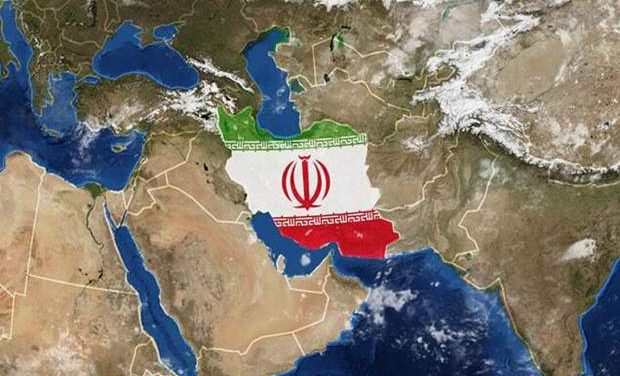
The Components of Iran’s Deterrence Power

SCFR Online – Opinion: At a time when regional security equations have reached a sensitive stage under the influence of Iran’s strategic confrontation with the United States and the Zionist regime, the question of the nature of Tehran’s defensive power has gained greater significance than ever before. While Washington and Tel Aviv rely on their technological superiority, the Islamic Republic of Iran has presented a model of deterrence that extends beyond the material calculations of the world’s classical militaries. This power, rooted in the connection between “the field” and “the people,” has not only altered the balance of power in recent conflicts but has also disrupted adversaries’ calculations when confronting Iran’s strategic depth.

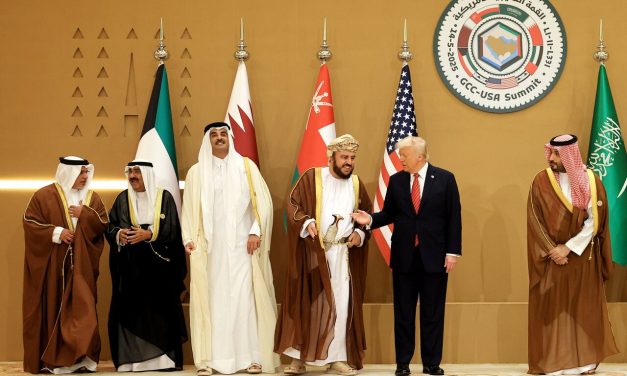
The Persian Gulf; A Cold Battlefield Between Beijing and Washington

SCFR Online – Opinion: The competition in recent years between the United States and China encompasses various geographical regions—including the Indo-Pacific, West Asia, the Arctic and Antarctic, and Africa—as well as multiple domains such as economics and technology. Within this context, a strategic competition has also emerged in the Persian Gulf region across economic, technological, and military spheres.

Europe’s Enduring Dependence on Persian Gulf Energy

SCFR Online – Opinion: The dominant discourse in the field of European energy security over the past two decades has revolved around diversification of supply sources and the gradual reduction of dependence on fossil fuels. This narrative, which gained particular momentum after the Ukraine gas crisis in 2006 and its intensification in 2014 and 2022, was based on the assumption that Europe could free itself from the geopolitical vulnerabilities arising from dependence on specific suppliers through investment in renewable energy, imports of liquefied natural gas from diversified sources, and the establishment of new infrastructure. However, a closer analysis of energy trade data and the structure of the global oil and gas supply chain presents a different picture. Europe has not only failed to meaningfully reduce its dependence on the Persian Gulf, but in some sectors — particularly in liquefied natural gas imports — this dependence has deepened. This reality, which is often overlooked in public discourse, raises fundamental questions about the sustainability of Europe’s energy security strategies and their impact on regional power equations.

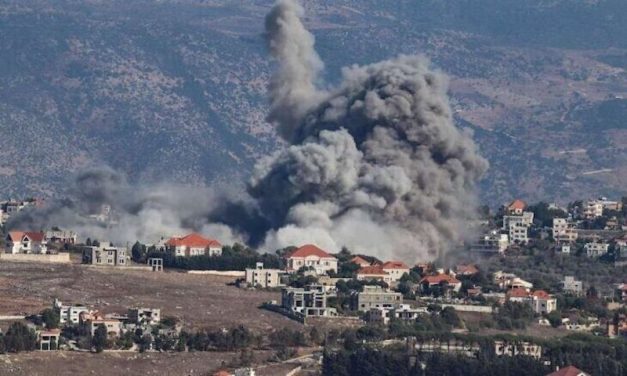
The Challenge of Hezbollah’s Low-Cost “FPV” Drones for the Zionist Regime

SCFR Online – Opinion: In modern warfare, it has always been assumed that the more expensive, and advanced the weapon—particularly from well-known companies—the more certain the victory will be. However, developments on the northern front of occupied Palestine in recent months have challenged this long-held belief. Here, the Zionist regime’s military, despite possessing the most advanced defense systems such as Iron Dome, David’s Sling, and Arrow, as well as fifth-generation F-35 fighter jets, Merkava tanks, and other modern equipment found in few countries worldwide, has effectively been rendered helpless against Hezbollah Lebanon’s few-hundred-dollar drones. Benjamin Netanyahu’s bitter admission regarding the inability to counter this threat, and his order to allocate an unlimited budget to find a solution, underscores the reality that the era of pure superiority through expensive technologies has come to an end.

Loading

Sadr Movement

Prospect of Forming Government in Iraq after Withdrawal of Sadr Movement from Political Process

Prospect of Forming Government in Iraq after Withdrawal of Sadr Movement from Political Process

Strategic Council Online – Interview: An expert on Iraq affairs, stating that the current situation leads the Shiite currents to form a government, noted: Shiite groups seek to form a government with the opportunity that has been created, and increasing the number of seats will give them this opportunity, but it is not clear what policy the Sadr Movement wants to pursue outside the political process towards the formation of the government.

Consequences of Turning Sadrist Movement into a National Opposition in Iraq

Consequences of Turning Sadrist Movement into a National Opposition in Iraq

Strategic Council Online – Opinion: Seven months after Iraq’s parliamentary elections, a new government has not yet been formed. Prolonged government formation, which has led to a continuing political stalemate in Iraq, poses new challenges for the country, which is still in a period of security and political transition despite defeating ISIS.
Hamid Khoshayand – Expert on regional affairs

Consensus Democracy; Solution for Iraq Coming Out of Political Crisis

Consensus Democracy; Solution for Iraq Coming Out of Political Crisis

Strategic Council Online – Interview: An expert on Iraq affairs, commenting on why, despite the elapse of more than three months since the elections in Iraq, the task of important positions in that country such as the presidency and the prime minister has not been determined yet, said: The issue of the division of the main positions of the Iraqi government in this period has also been faced with a fundamental complexity.

Political Developments in Iraq, Prospects for Government Formation

Political Developments in Iraq, Prospects for Government Formation

Strategic Council Online – Interview: An expert on Iraq affairs, saying that the winning groups in the Iraqi elections do not have a stable theoretical and ideological basis and the only factor of consensus between them is common interests, noted: Analysts close to Mustafa al-Kadhimi’s government have acknowledged that his government was in fact the government of the Sadr movement; therefore, the government that is to be formed in the future will be in line with the al-Kadhimi’s government.

US Dangerous Ploy to Keep Covering Force in Iraq

US Dangerous Ploy to Keep Covering Force in Iraq

Strategic Council Online – Opinion: Staying of the US covering forces in Iraq in the future could lead to the escalation of the divisions and internal differences in the country.
Tahmoures Gholami – Expert on the US affairs

Strategic Outcomes of Effort Made by Iraqi Shi’ite Parties to Achieve Political Agreement

Strategic Outcomes of Effort Made by Iraqi Shi’ite Parties to Achieve Political Agreement

Strategic Council Online- Interview: An expert on Iraqi commented on the recent meeting held among Shi’ite parties inside Iraq at Al-Ameri’s house and said:” It seems that timewise, as we distance from the election, Iraqi trends and political groups of the country cope with the results of the election better than ever in the past and go ahead towards political counselling to form the cabinet and select the heads of three powers i.e. President, Speaker of the Parliament and Prime Minister”.

Consequences of Iraqi Election Results on Resistance Groups

Consequences of Iraqi Election Results on Resistance Groups

Strategic Council Online- Interview: Having stated that in the new era, the pressure on the resistance groups in Iraq will be mounted, a university professor said:” driving wedge among Shi’ite groups and intensifying it is the strategy being followed up by opponents as they have been successful so far”.

An Analysis on Iraqi Parliamentary Election

An Analysis on Iraqi Parliamentary Election

Strategic Council Online- Opinion: The fifth parliamentary election in Iraq was held on October 10, 2021, especially amid particular international, regional and domestic situation which was coupled with challenging sidelines. It seems to be normal to some extent in a country like Iraq as a country that practices transition and where the foundations of democracy are not solidified yet.
Hamid Khoshayand, Analyst of international affairs

Iraq in the Direction of New Political Arrangement

Iraq in the Direction of New Political Arrangement

Strategic Council Online- Opinion: The result of the Iraqi parliamentary election drew the attention of observers and political circles because it has changed the political arrangement of the Parliament of the country.
Siamak Kakaei, Expert on Iraq affairs

Political Factions and Prospect of Parliamentary Elections in Iraq

Political Factions and Prospect of Parliamentary Elections in Iraq

Strategic Council Online – Interview: An analyst of Iraq affairs, examining the political factions and the competition between parties and groups in the parliamentary elections to be held in Iraq in October, said: Due to the efforts of some currents and political figures in Iraq to postpone the elections, it seems that the elections in October are faced with ambiguities.

أحدث الوظائف

The Components of Iran’s Deterrence Power

SCFR Online – Opinion: At a time when regional security equations have reached a sensitive stage under the influence of Iran’s strategic confrontation with the United States and the Zionist regime, the question of the nature of Tehran’s defensive power has gained greater significance than ever before. While Washington and Tel Aviv rely on their technological superiority, the Islamic Republic of Iran has presented a model of deterrence that extends beyond the material calculations of the world’s classical militaries. This power, rooted in the connection between “the field” and “the people,” has not only altered the balance of power in recent conflicts but has also disrupted adversaries’ calculations when confronting Iran’s strategic depth.

The Persian Gulf; A Cold Battlefield Between Beijing and Washington

SCFR Online – Opinion: The competition in recent years between the United States and China encompasses various geographical regions—including the Indo-Pacific, West Asia, the Arctic and Antarctic, and Africa—as well as multiple domains such as economics and technology. Within this context, a strategic competition has also emerged in the Persian Gulf region across economic, technological, and military spheres.

Europe’s Enduring Dependence on Persian Gulf Energy

SCFR Online – Opinion: The dominant discourse in the field of European energy security over the past two decades has revolved around diversification of supply sources and the gradual reduction of dependence on fossil fuels. This narrative, which gained particular momentum after the Ukraine gas crisis in 2006 and its intensification in 2014 and 2022, was based on the assumption that Europe could free itself from the geopolitical vulnerabilities arising from dependence on specific suppliers through investment in renewable energy, imports of liquefied natural gas from diversified sources, and the establishment of new infrastructure. However, a closer analysis of energy trade data and the structure of the global oil and gas supply chain presents a different picture. Europe has not only failed to meaningfully reduce its dependence on the Persian Gulf, but in some sectors — particularly in liquefied natural gas imports — this dependence has deepened. This reality, which is often overlooked in public discourse, raises fundamental questions about the sustainability of Europe’s energy security strategies and their impact on regional power equations.

The Challenge of Hezbollah’s Low-Cost “FPV” Drones for the Zionist Regime

SCFR Online – Opinion: In modern warfare, it has always been assumed that the more expensive, and advanced the weapon—particularly from well-known companies—the more certain the victory will be. However, developments on the northern front of occupied Palestine in recent months have challenged this long-held belief. Here, the Zionist regime’s military, despite possessing the most advanced defense systems such as Iron Dome, David’s Sling, and Arrow, as well as fifth-generation F-35 fighter jets, Merkava tanks, and other modern equipment found in few countries worldwide, has effectively been rendered helpless against Hezbollah Lebanon’s few-hundred-dollar drones. Benjamin Netanyahu’s bitter admission regarding the inability to counter this threat, and his order to allocate an unlimited budget to find a solution, underscores the reality that the era of pure superiority through expensive technologies has come to an end.

Loading

Sadr Movement

Prospect of Forming Government in Iraq after Withdrawal of Sadr Movement from Political Process

Prospect of Forming Government in Iraq after Withdrawal of Sadr Movement from Political Process

Strategic Council Online – Interview: An expert on Iraq affairs, stating that the current situation leads the Shiite currents to form a government, noted: Shiite groups seek to form a government with the opportunity that has been created, and increasing the number of seats will give them this opportunity, but it is not clear what policy the Sadr Movement wants to pursue outside the political process towards the formation of the government.

Consequences of Turning Sadrist Movement into a National Opposition in Iraq

Consequences of Turning Sadrist Movement into a National Opposition in Iraq

Strategic Council Online – Opinion: Seven months after Iraq’s parliamentary elections, a new government has not yet been formed. Prolonged government formation, which has led to a continuing political stalemate in Iraq, poses new challenges for the country, which is still in a period of security and political transition despite defeating ISIS.
Hamid Khoshayand – Expert on regional affairs

Consensus Democracy; Solution for Iraq Coming Out of Political Crisis

Consensus Democracy; Solution for Iraq Coming Out of Political Crisis

Strategic Council Online – Interview: An expert on Iraq affairs, commenting on why, despite the elapse of more than three months since the elections in Iraq, the task of important positions in that country such as the presidency and the prime minister has not been determined yet, said: The issue of the division of the main positions of the Iraqi government in this period has also been faced with a fundamental complexity.

Political Developments in Iraq, Prospects for Government Formation

Political Developments in Iraq, Prospects for Government Formation

Strategic Council Online – Interview: An expert on Iraq affairs, saying that the winning groups in the Iraqi elections do not have a stable theoretical and ideological basis and the only factor of consensus between them is common interests, noted: Analysts close to Mustafa al-Kadhimi’s government have acknowledged that his government was in fact the government of the Sadr movement; therefore, the government that is to be formed in the future will be in line with the al-Kadhimi’s government.

US Dangerous Ploy to Keep Covering Force in Iraq

US Dangerous Ploy to Keep Covering Force in Iraq

Strategic Council Online – Opinion: Staying of the US covering forces in Iraq in the future could lead to the escalation of the divisions and internal differences in the country.
Tahmoures Gholami – Expert on the US affairs

Strategic Outcomes of Effort Made by Iraqi Shi’ite Parties to Achieve Political Agreement

Strategic Outcomes of Effort Made by Iraqi Shi’ite Parties to Achieve Political Agreement

Strategic Council Online- Interview: An expert on Iraqi commented on the recent meeting held among Shi’ite parties inside Iraq at Al-Ameri’s house and said:” It seems that timewise, as we distance from the election, Iraqi trends and political groups of the country cope with the results of the election better than ever in the past and go ahead towards political counselling to form the cabinet and select the heads of three powers i.e. President, Speaker of the Parliament and Prime Minister”.

Consequences of Iraqi Election Results on Resistance Groups

Consequences of Iraqi Election Results on Resistance Groups

Strategic Council Online- Interview: Having stated that in the new era, the pressure on the resistance groups in Iraq will be mounted, a university professor said:” driving wedge among Shi’ite groups and intensifying it is the strategy being followed up by opponents as they have been successful so far”.

An Analysis on Iraqi Parliamentary Election

An Analysis on Iraqi Parliamentary Election

Strategic Council Online- Opinion: The fifth parliamentary election in Iraq was held on October 10, 2021, especially amid particular international, regional and domestic situation which was coupled with challenging sidelines. It seems to be normal to some extent in a country like Iraq as a country that practices transition and where the foundations of democracy are not solidified yet.
Hamid Khoshayand, Analyst of international affairs

Iraq in the Direction of New Political Arrangement

Iraq in the Direction of New Political Arrangement

Strategic Council Online- Opinion: The result of the Iraqi parliamentary election drew the attention of observers and political circles because it has changed the political arrangement of the Parliament of the country.
Siamak Kakaei, Expert on Iraq affairs

Political Factions and Prospect of Parliamentary Elections in Iraq

Political Factions and Prospect of Parliamentary Elections in Iraq

Strategic Council Online – Interview: An analyst of Iraq affairs, examining the political factions and the competition between parties and groups in the parliamentary elections to be held in Iraq in October, said: Due to the efforts of some currents and political figures in Iraq to postpone the elections, it seems that the elections in October are faced with ambiguities.

Sadr Movement

Prospect of Forming Government in Iraq after Withdrawal of Sadr Movement from Political Process

Prospect of Forming Government in Iraq after Withdrawal of Sadr Movement from Political Process

Strategic Council Online – Interview: An expert on Iraq affairs, stating that the current situation leads the Shiite currents to form a government, noted: Shiite groups seek to form a government with the opportunity that has been created, and increasing the number of seats will give them this opportunity, but it is not clear what policy the Sadr Movement wants to pursue outside the political process towards the formation of the government.

Consequences of Turning Sadrist Movement into a National Opposition in Iraq

Consequences of Turning Sadrist Movement into a National Opposition in Iraq

Strategic Council Online – Opinion: Seven months after Iraq’s parliamentary elections, a new government has not yet been formed. Prolonged government formation, which has led to a continuing political stalemate in Iraq, poses new challenges for the country, which is still in a period of security and political transition despite defeating ISIS.
Hamid Khoshayand – Expert on regional affairs

Consensus Democracy; Solution for Iraq Coming Out of Political Crisis

Consensus Democracy; Solution for Iraq Coming Out of Political Crisis

Strategic Council Online – Interview: An expert on Iraq affairs, commenting on why, despite the elapse of more than three months since the elections in Iraq, the task of important positions in that country such as the presidency and the prime minister has not been determined yet, said: The issue of the division of the main positions of the Iraqi government in this period has also been faced with a fundamental complexity.

Political Developments in Iraq, Prospects for Government Formation

Political Developments in Iraq, Prospects for Government Formation

Strategic Council Online – Interview: An expert on Iraq affairs, saying that the winning groups in the Iraqi elections do not have a stable theoretical and ideological basis and the only factor of consensus between them is common interests, noted: Analysts close to Mustafa al-Kadhimi’s government have acknowledged that his government was in fact the government of the Sadr movement; therefore, the government that is to be formed in the future will be in line with the al-Kadhimi’s government.

US Dangerous Ploy to Keep Covering Force in Iraq

US Dangerous Ploy to Keep Covering Force in Iraq

Strategic Council Online – Opinion: Staying of the US covering forces in Iraq in the future could lead to the escalation of the divisions and internal differences in the country.
Tahmoures Gholami – Expert on the US affairs

Strategic Outcomes of Effort Made by Iraqi Shi’ite Parties to Achieve Political Agreement

Strategic Outcomes of Effort Made by Iraqi Shi’ite Parties to Achieve Political Agreement

Strategic Council Online- Interview: An expert on Iraqi commented on the recent meeting held among Shi’ite parties inside Iraq at Al-Ameri’s house and said:” It seems that timewise, as we distance from the election, Iraqi trends and political groups of the country cope with the results of the election better than ever in the past and go ahead towards political counselling to form the cabinet and select the heads of three powers i.e. President, Speaker of the Parliament and Prime Minister”.

Consequences of Iraqi Election Results on Resistance Groups

Consequences of Iraqi Election Results on Resistance Groups

Strategic Council Online- Interview: Having stated that in the new era, the pressure on the resistance groups in Iraq will be mounted, a university professor said:” driving wedge among Shi’ite groups and intensifying it is the strategy being followed up by opponents as they have been successful so far”.

An Analysis on Iraqi Parliamentary Election

An Analysis on Iraqi Parliamentary Election

Strategic Council Online- Opinion: The fifth parliamentary election in Iraq was held on October 10, 2021, especially amid particular international, regional and domestic situation which was coupled with challenging sidelines. It seems to be normal to some extent in a country like Iraq as a country that practices transition and where the foundations of democracy are not solidified yet.
Hamid Khoshayand, Analyst of international affairs

Iraq in the Direction of New Political Arrangement

Iraq in the Direction of New Political Arrangement

Strategic Council Online- Opinion: The result of the Iraqi parliamentary election drew the attention of observers and political circles because it has changed the political arrangement of the Parliament of the country.
Siamak Kakaei, Expert on Iraq affairs

Political Factions and Prospect of Parliamentary Elections in Iraq

Political Factions and Prospect of Parliamentary Elections in Iraq

Strategic Council Online – Interview: An analyst of Iraq affairs, examining the political factions and the competition between parties and groups in the parliamentary elections to be held in Iraq in October, said: Due to the efforts of some currents and political figures in Iraq to postpone the elections, it seems that the elections in October are faced with ambiguities.

LATEST CONTENT

The Components of Iran’s Deterrence Power

SCFR Online – Opinion: At a time when regional security equations have reached a sensitive stage under the influence of Iran’s strategic confrontation with the United States and the Zionist regime, the question of the nature of Tehran’s defensive power has gained greater significance than ever before. While Washington and Tel Aviv rely on their technological superiority, the Islamic Republic of Iran has presented a model of deterrence that extends beyond the material calculations of the world’s classical militaries. This power, rooted in the connection between “the field” and “the people,” has not only altered the balance of power in recent conflicts but has also disrupted adversaries’ calculations when confronting Iran’s strategic depth.

The Persian Gulf; A Cold Battlefield Between Beijing and Washington

SCFR Online – Opinion: The competition in recent years between the United States and China encompasses various geographical regions—including the Indo-Pacific, West Asia, the Arctic and Antarctic, and Africa—as well as multiple domains such as economics and technology. Within this context, a strategic competition has also emerged in the Persian Gulf region across economic, technological, and military spheres.

Europe’s Enduring Dependence on Persian Gulf Energy

SCFR Online – Opinion: The dominant discourse in the field of European energy security over the past two decades has revolved around diversification of supply sources and the gradual reduction of dependence on fossil fuels. This narrative, which gained particular momentum after the Ukraine gas crisis in 2006 and its intensification in 2014 and 2022, was based on the assumption that Europe could free itself from the geopolitical vulnerabilities arising from dependence on specific suppliers through investment in renewable energy, imports of liquefied natural gas from diversified sources, and the establishment of new infrastructure. However, a closer analysis of energy trade data and the structure of the global oil and gas supply chain presents a different picture. Europe has not only failed to meaningfully reduce its dependence on the Persian Gulf, but in some sectors — particularly in liquefied natural gas imports — this dependence has deepened. This reality, which is often overlooked in public discourse, raises fundamental questions about the sustainability of Europe’s energy security strategies and their impact on regional power equations.

The Challenge of Hezbollah’s Low-Cost “FPV” Drones for the Zionist Regime

SCFR Online – Opinion: In modern warfare, it has always been assumed that the more expensive, and advanced the weapon—particularly from well-known companies—the more certain the victory will be. However, developments on the northern front of occupied Palestine in recent months have challenged this long-held belief. Here, the Zionist regime’s military, despite possessing the most advanced defense systems such as Iron Dome, David’s Sling, and Arrow, as well as fifth-generation F-35 fighter jets, Merkava tanks, and other modern equipment found in few countries worldwide, has effectively been rendered helpless against Hezbollah Lebanon’s few-hundred-dollar drones. Benjamin Netanyahu’s bitter admission regarding the inability to counter this threat, and his order to allocate an unlimited budget to find a solution, underscores the reality that the era of pure superiority through expensive technologies has come to an end.

Loading

Sadr Movement

Prospect of Forming Government in Iraq after Withdrawal of Sadr Movement from Political Process

Prospect of Forming Government in Iraq after Withdrawal of Sadr Movement from Political Process

Strategic Council Online – Interview: An expert on Iraq affairs, stating that the current situation leads the Shiite currents to form a government, noted: Shiite groups seek to form a government with the opportunity that has been created, and increasing the number of seats will give them this opportunity, but it is not clear what policy the Sadr Movement wants to pursue outside the political process towards the formation of the government.

Consequences of Turning Sadrist Movement into a National Opposition in Iraq

Consequences of Turning Sadrist Movement into a National Opposition in Iraq

Strategic Council Online – Opinion: Seven months after Iraq’s parliamentary elections, a new government has not yet been formed. Prolonged government formation, which has led to a continuing political stalemate in Iraq, poses new challenges for the country, which is still in a period of security and political transition despite defeating ISIS.
Hamid Khoshayand – Expert on regional affairs

Consensus Democracy; Solution for Iraq Coming Out of Political Crisis

Consensus Democracy; Solution for Iraq Coming Out of Political Crisis

Strategic Council Online – Interview: An expert on Iraq affairs, commenting on why, despite the elapse of more than three months since the elections in Iraq, the task of important positions in that country such as the presidency and the prime minister has not been determined yet, said: The issue of the division of the main positions of the Iraqi government in this period has also been faced with a fundamental complexity.

Political Developments in Iraq, Prospects for Government Formation

Political Developments in Iraq, Prospects for Government Formation

Strategic Council Online – Interview: An expert on Iraq affairs, saying that the winning groups in the Iraqi elections do not have a stable theoretical and ideological basis and the only factor of consensus between them is common interests, noted: Analysts close to Mustafa al-Kadhimi’s government have acknowledged that his government was in fact the government of the Sadr movement; therefore, the government that is to be formed in the future will be in line with the al-Kadhimi’s government.

US Dangerous Ploy to Keep Covering Force in Iraq

US Dangerous Ploy to Keep Covering Force in Iraq

Strategic Council Online – Opinion: Staying of the US covering forces in Iraq in the future could lead to the escalation of the divisions and internal differences in the country.
Tahmoures Gholami – Expert on the US affairs

Strategic Outcomes of Effort Made by Iraqi Shi’ite Parties to Achieve Political Agreement

Strategic Outcomes of Effort Made by Iraqi Shi’ite Parties to Achieve Political Agreement

Strategic Council Online- Interview: An expert on Iraqi commented on the recent meeting held among Shi’ite parties inside Iraq at Al-Ameri’s house and said:” It seems that timewise, as we distance from the election, Iraqi trends and political groups of the country cope with the results of the election better than ever in the past and go ahead towards political counselling to form the cabinet and select the heads of three powers i.e. President, Speaker of the Parliament and Prime Minister”.

Consequences of Iraqi Election Results on Resistance Groups

Consequences of Iraqi Election Results on Resistance Groups

Strategic Council Online- Interview: Having stated that in the new era, the pressure on the resistance groups in Iraq will be mounted, a university professor said:” driving wedge among Shi’ite groups and intensifying it is the strategy being followed up by opponents as they have been successful so far”.

An Analysis on Iraqi Parliamentary Election

An Analysis on Iraqi Parliamentary Election

Strategic Council Online- Opinion: The fifth parliamentary election in Iraq was held on October 10, 2021, especially amid particular international, regional and domestic situation which was coupled with challenging sidelines. It seems to be normal to some extent in a country like Iraq as a country that practices transition and where the foundations of democracy are not solidified yet.
Hamid Khoshayand, Analyst of international affairs

Iraq in the Direction of New Political Arrangement

Iraq in the Direction of New Political Arrangement

Strategic Council Online- Opinion: The result of the Iraqi parliamentary election drew the attention of observers and political circles because it has changed the political arrangement of the Parliament of the country.
Siamak Kakaei, Expert on Iraq affairs

Political Factions and Prospect of Parliamentary Elections in Iraq

Political Factions and Prospect of Parliamentary Elections in Iraq

Strategic Council Online – Interview: An analyst of Iraq affairs, examining the political factions and the competition between parties and groups in the parliamentary elections to be held in Iraq in October, said: Due to the efforts of some currents and political figures in Iraq to postpone the elections, it seems that the elections in October are faced with ambiguities.

ÚLTIMAS PUBLICACIONES

The Components of Iran’s Deterrence Power

SCFR Online – Opinion: At a time when regional security equations have reached a sensitive stage under the influence of Iran’s strategic confrontation with the United States and the Zionist regime, the question of the nature of Tehran’s defensive power has gained greater significance than ever before. While Washington and Tel Aviv rely on their technological superiority, the Islamic Republic of Iran has presented a model of deterrence that extends beyond the material calculations of the world’s classical militaries. This power, rooted in the connection between “the field” and “the people,” has not only altered the balance of power in recent conflicts but has also disrupted adversaries’ calculations when confronting Iran’s strategic depth.

The Persian Gulf; A Cold Battlefield Between Beijing and Washington

SCFR Online – Opinion: The competition in recent years between the United States and China encompasses various geographical regions—including the Indo-Pacific, West Asia, the Arctic and Antarctic, and Africa—as well as multiple domains such as economics and technology. Within this context, a strategic competition has also emerged in the Persian Gulf region across economic, technological, and military spheres.

Europe’s Enduring Dependence on Persian Gulf Energy

SCFR Online – Opinion: The dominant discourse in the field of European energy security over the past two decades has revolved around diversification of supply sources and the gradual reduction of dependence on fossil fuels. This narrative, which gained particular momentum after the Ukraine gas crisis in 2006 and its intensification in 2014 and 2022, was based on the assumption that Europe could free itself from the geopolitical vulnerabilities arising from dependence on specific suppliers through investment in renewable energy, imports of liquefied natural gas from diversified sources, and the establishment of new infrastructure. However, a closer analysis of energy trade data and the structure of the global oil and gas supply chain presents a different picture. Europe has not only failed to meaningfully reduce its dependence on the Persian Gulf, but in some sectors — particularly in liquefied natural gas imports — this dependence has deepened. This reality, which is often overlooked in public discourse, raises fundamental questions about the sustainability of Europe’s energy security strategies and their impact on regional power equations.

The Challenge of Hezbollah’s Low-Cost “FPV” Drones for the Zionist Regime

SCFR Online – Opinion: In modern warfare, it has always been assumed that the more expensive, and advanced the weapon—particularly from well-known companies—the more certain the victory will be. However, developments on the northern front of occupied Palestine in recent months have challenged this long-held belief. Here, the Zionist regime’s military, despite possessing the most advanced defense systems such as Iron Dome, David’s Sling, and Arrow, as well as fifth-generation F-35 fighter jets, Merkava tanks, and other modern equipment found in few countries worldwide, has effectively been rendered helpless against Hezbollah Lebanon’s few-hundred-dollar drones. Benjamin Netanyahu’s bitter admission regarding the inability to counter this threat, and his order to allocate an unlimited budget to find a solution, underscores the reality that the era of pure superiority through expensive technologies has come to an end.

Loading

Sadr Movement

Prospect of Forming Government in Iraq after Withdrawal of Sadr Movement from Political Process

Prospect of Forming Government in Iraq after Withdrawal of Sadr Movement from Political Process

Strategic Council Online – Interview: An expert on Iraq affairs, stating that the current situation leads the Shiite currents to form a government, noted: Shiite groups seek to form a government with the opportunity that has been created, and increasing the number of seats will give them this opportunity, but it is not clear what policy the Sadr Movement wants to pursue outside the political process towards the formation of the government.

Consequences of Turning Sadrist Movement into a National Opposition in Iraq

Consequences of Turning Sadrist Movement into a National Opposition in Iraq

Strategic Council Online – Opinion: Seven months after Iraq’s parliamentary elections, a new government has not yet been formed. Prolonged government formation, which has led to a continuing political stalemate in Iraq, poses new challenges for the country, which is still in a period of security and political transition despite defeating ISIS.
Hamid Khoshayand – Expert on regional affairs

Consensus Democracy; Solution for Iraq Coming Out of Political Crisis

Consensus Democracy; Solution for Iraq Coming Out of Political Crisis

Strategic Council Online – Interview: An expert on Iraq affairs, commenting on why, despite the elapse of more than three months since the elections in Iraq, the task of important positions in that country such as the presidency and the prime minister has not been determined yet, said: The issue of the division of the main positions of the Iraqi government in this period has also been faced with a fundamental complexity.

Political Developments in Iraq, Prospects for Government Formation

Political Developments in Iraq, Prospects for Government Formation

Strategic Council Online – Interview: An expert on Iraq affairs, saying that the winning groups in the Iraqi elections do not have a stable theoretical and ideological basis and the only factor of consensus between them is common interests, noted: Analysts close to Mustafa al-Kadhimi’s government have acknowledged that his government was in fact the government of the Sadr movement; therefore, the government that is to be formed in the future will be in line with the al-Kadhimi’s government.

US Dangerous Ploy to Keep Covering Force in Iraq

US Dangerous Ploy to Keep Covering Force in Iraq

Strategic Council Online – Opinion: Staying of the US covering forces in Iraq in the future could lead to the escalation of the divisions and internal differences in the country.
Tahmoures Gholami – Expert on the US affairs

Strategic Outcomes of Effort Made by Iraqi Shi’ite Parties to Achieve Political Agreement

Strategic Outcomes of Effort Made by Iraqi Shi’ite Parties to Achieve Political Agreement

Strategic Council Online- Interview: An expert on Iraqi commented on the recent meeting held among Shi’ite parties inside Iraq at Al-Ameri’s house and said:” It seems that timewise, as we distance from the election, Iraqi trends and political groups of the country cope with the results of the election better than ever in the past and go ahead towards political counselling to form the cabinet and select the heads of three powers i.e. President, Speaker of the Parliament and Prime Minister”.

Consequences of Iraqi Election Results on Resistance Groups

Consequences of Iraqi Election Results on Resistance Groups

Strategic Council Online- Interview: Having stated that in the new era, the pressure on the resistance groups in Iraq will be mounted, a university professor said:” driving wedge among Shi’ite groups and intensifying it is the strategy being followed up by opponents as they have been successful so far”.

An Analysis on Iraqi Parliamentary Election

An Analysis on Iraqi Parliamentary Election

Strategic Council Online- Opinion: The fifth parliamentary election in Iraq was held on October 10, 2021, especially amid particular international, regional and domestic situation which was coupled with challenging sidelines. It seems to be normal to some extent in a country like Iraq as a country that practices transition and where the foundations of democracy are not solidified yet.
Hamid Khoshayand, Analyst of international affairs

Iraq in the Direction of New Political Arrangement

Iraq in the Direction of New Political Arrangement

Strategic Council Online- Opinion: The result of the Iraqi parliamentary election drew the attention of observers and political circles because it has changed the political arrangement of the Parliament of the country.
Siamak Kakaei, Expert on Iraq affairs

Political Factions and Prospect of Parliamentary Elections in Iraq

Political Factions and Prospect of Parliamentary Elections in Iraq

Strategic Council Online – Interview: An analyst of Iraq affairs, examining the political factions and the competition between parties and groups in the parliamentary elections to be held in Iraq in October, said: Due to the efforts of some currents and political figures in Iraq to postpone the elections, it seems that the elections in October are faced with ambiguities.

ÚLTIMAS PUBLICACIONES

The Components of Iran’s Deterrence Power

SCFR Online – Opinion: At a time when regional security equations have reached a sensitive stage under the influence of Iran’s strategic confrontation with the United States and the Zionist regime, the question of the nature of Tehran’s defensive power has gained greater significance than ever before. While Washington and Tel Aviv rely on their technological superiority, the Islamic Republic of Iran has presented a model of deterrence that extends beyond the material calculations of the world’s classical militaries. This power, rooted in the connection between “the field” and “the people,” has not only altered the balance of power in recent conflicts but has also disrupted adversaries’ calculations when confronting Iran’s strategic depth.

The Persian Gulf; A Cold Battlefield Between Beijing and Washington

SCFR Online – Opinion: The competition in recent years between the United States and China encompasses various geographical regions—including the Indo-Pacific, West Asia, the Arctic and Antarctic, and Africa—as well as multiple domains such as economics and technology. Within this context, a strategic competition has also emerged in the Persian Gulf region across economic, technological, and military spheres.

Europe’s Enduring Dependence on Persian Gulf Energy

SCFR Online – Opinion: The dominant discourse in the field of European energy security over the past two decades has revolved around diversification of supply sources and the gradual reduction of dependence on fossil fuels. This narrative, which gained particular momentum after the Ukraine gas crisis in 2006 and its intensification in 2014 and 2022, was based on the assumption that Europe could free itself from the geopolitical vulnerabilities arising from dependence on specific suppliers through investment in renewable energy, imports of liquefied natural gas from diversified sources, and the establishment of new infrastructure. However, a closer analysis of energy trade data and the structure of the global oil and gas supply chain presents a different picture. Europe has not only failed to meaningfully reduce its dependence on the Persian Gulf, but in some sectors — particularly in liquefied natural gas imports — this dependence has deepened. This reality, which is often overlooked in public discourse, raises fundamental questions about the sustainability of Europe’s energy security strategies and their impact on regional power equations.

The Challenge of Hezbollah’s Low-Cost “FPV” Drones for the Zionist Regime

SCFR Online – Opinion: In modern warfare, it has always been assumed that the more expensive, and advanced the weapon—particularly from well-known companies—the more certain the victory will be. However, developments on the northern front of occupied Palestine in recent months have challenged this long-held belief. Here, the Zionist regime’s military, despite possessing the most advanced defense systems such as Iron Dome, David’s Sling, and Arrow, as well as fifth-generation F-35 fighter jets, Merkava tanks, and other modern equipment found in few countries worldwide, has effectively been rendered helpless against Hezbollah Lebanon’s few-hundred-dollar drones. Benjamin Netanyahu’s bitter admission regarding the inability to counter this threat, and his order to allocate an unlimited budget to find a solution, underscores the reality that the era of pure superiority through expensive technologies has come to an end.

Loading

Sadr Movement

Prospect of Forming Government in Iraq after Withdrawal of Sadr Movement from Political Process

Prospect of Forming Government in Iraq after Withdrawal of Sadr Movement from Political Process

Strategic Council Online – Interview: An expert on Iraq affairs, stating that the current situation leads the Shiite currents to form a government, noted: Shiite groups seek to form a government with the opportunity that has been created, and increasing the number of seats will give them this opportunity, but it is not clear what policy the Sadr Movement wants to pursue outside the political process towards the formation of the government.

Consequences of Turning Sadrist Movement into a National Opposition in Iraq

Consequences of Turning Sadrist Movement into a National Opposition in Iraq

Strategic Council Online – Opinion: Seven months after Iraq’s parliamentary elections, a new government has not yet been formed. Prolonged government formation, which has led to a continuing political stalemate in Iraq, poses new challenges for the country, which is still in a period of security and political transition despite defeating ISIS.
Hamid Khoshayand – Expert on regional affairs

Consensus Democracy; Solution for Iraq Coming Out of Political Crisis

Consensus Democracy; Solution for Iraq Coming Out of Political Crisis

Strategic Council Online – Interview: An expert on Iraq affairs, commenting on why, despite the elapse of more than three months since the elections in Iraq, the task of important positions in that country such as the presidency and the prime minister has not been determined yet, said: The issue of the division of the main positions of the Iraqi government in this period has also been faced with a fundamental complexity.

Political Developments in Iraq, Prospects for Government Formation

Political Developments in Iraq, Prospects for Government Formation

Strategic Council Online – Interview: An expert on Iraq affairs, saying that the winning groups in the Iraqi elections do not have a stable theoretical and ideological basis and the only factor of consensus between them is common interests, noted: Analysts close to Mustafa al-Kadhimi’s government have acknowledged that his government was in fact the government of the Sadr movement; therefore, the government that is to be formed in the future will be in line with the al-Kadhimi’s government.

US Dangerous Ploy to Keep Covering Force in Iraq

US Dangerous Ploy to Keep Covering Force in Iraq

Strategic Council Online – Opinion: Staying of the US covering forces in Iraq in the future could lead to the escalation of the divisions and internal differences in the country.
Tahmoures Gholami – Expert on the US affairs

Strategic Outcomes of Effort Made by Iraqi Shi’ite Parties to Achieve Political Agreement

Strategic Outcomes of Effort Made by Iraqi Shi’ite Parties to Achieve Political Agreement

Strategic Council Online- Interview: An expert on Iraqi commented on the recent meeting held among Shi’ite parties inside Iraq at Al-Ameri’s house and said:” It seems that timewise, as we distance from the election, Iraqi trends and political groups of the country cope with the results of the election better than ever in the past and go ahead towards political counselling to form the cabinet and select the heads of three powers i.e. President, Speaker of the Parliament and Prime Minister”.

Consequences of Iraqi Election Results on Resistance Groups

Consequences of Iraqi Election Results on Resistance Groups

Strategic Council Online- Interview: Having stated that in the new era, the pressure on the resistance groups in Iraq will be mounted, a university professor said:” driving wedge among Shi’ite groups and intensifying it is the strategy being followed up by opponents as they have been successful so far”.

An Analysis on Iraqi Parliamentary Election

An Analysis on Iraqi Parliamentary Election

Strategic Council Online- Opinion: The fifth parliamentary election in Iraq was held on October 10, 2021, especially amid particular international, regional and domestic situation which was coupled with challenging sidelines. It seems to be normal to some extent in a country like Iraq as a country that practices transition and where the foundations of democracy are not solidified yet.
Hamid Khoshayand, Analyst of international affairs

Iraq in the Direction of New Political Arrangement

Iraq in the Direction of New Political Arrangement

Strategic Council Online- Opinion: The result of the Iraqi parliamentary election drew the attention of observers and political circles because it has changed the political arrangement of the Parliament of the country.
Siamak Kakaei, Expert on Iraq affairs

Political Factions and Prospect of Parliamentary Elections in Iraq

Political Factions and Prospect of Parliamentary Elections in Iraq

Strategic Council Online – Interview: An analyst of Iraq affairs, examining the political factions and the competition between parties and groups in the parliamentary elections to be held in Iraq in October, said: Due to the efforts of some currents and political figures in Iraq to postpone the elections, it seems that the elections in October are faced with ambiguities.

ÚLTIMAS PUBLICACIONES

The Components of Iran’s Deterrence Power

SCFR Online – Opinion: At a time when regional security equations have reached a sensitive stage under the influence of Iran’s strategic confrontation with the United States and the Zionist regime, the question of the nature of Tehran’s defensive power has gained greater significance than ever before. While Washington and Tel Aviv rely on their technological superiority, the Islamic Republic of Iran has presented a model of deterrence that extends beyond the material calculations of the world’s classical militaries. This power, rooted in the connection between “the field” and “the people,” has not only altered the balance of power in recent conflicts but has also disrupted adversaries’ calculations when confronting Iran’s strategic depth.

The Persian Gulf; A Cold Battlefield Between Beijing and Washington

SCFR Online – Opinion: The competition in recent years between the United States and China encompasses various geographical regions—including the Indo-Pacific, West Asia, the Arctic and Antarctic, and Africa—as well as multiple domains such as economics and technology. Within this context, a strategic competition has also emerged in the Persian Gulf region across economic, technological, and military spheres.

Europe’s Enduring Dependence on Persian Gulf Energy

SCFR Online – Opinion: The dominant discourse in the field of European energy security over the past two decades has revolved around diversification of supply sources and the gradual reduction of dependence on fossil fuels. This narrative, which gained particular momentum after the Ukraine gas crisis in 2006 and its intensification in 2014 and 2022, was based on the assumption that Europe could free itself from the geopolitical vulnerabilities arising from dependence on specific suppliers through investment in renewable energy, imports of liquefied natural gas from diversified sources, and the establishment of new infrastructure. However, a closer analysis of energy trade data and the structure of the global oil and gas supply chain presents a different picture. Europe has not only failed to meaningfully reduce its dependence on the Persian Gulf, but in some sectors — particularly in liquefied natural gas imports — this dependence has deepened. This reality, which is often overlooked in public discourse, raises fundamental questions about the sustainability of Europe’s energy security strategies and their impact on regional power equations.

The Challenge of Hezbollah’s Low-Cost “FPV” Drones for the Zionist Regime

SCFR Online – Opinion: In modern warfare, it has always been assumed that the more expensive, and advanced the weapon—particularly from well-known companies—the more certain the victory will be. However, developments on the northern front of occupied Palestine in recent months have challenged this long-held belief. Here, the Zionist regime’s military, despite possessing the most advanced defense systems such as Iron Dome, David’s Sling, and Arrow, as well as fifth-generation F-35 fighter jets, Merkava tanks, and other modern equipment found in few countries worldwide, has effectively been rendered helpless against Hezbollah Lebanon’s few-hundred-dollar drones. Benjamin Netanyahu’s bitter admission regarding the inability to counter this threat, and his order to allocate an unlimited budget to find a solution, underscores the reality that the era of pure superiority through expensive technologies has come to an end.

Loading

Sadr Movement

Prospect of Forming Government in Iraq after Withdrawal of Sadr Movement from Political Process

Prospect of Forming Government in Iraq after Withdrawal of Sadr Movement from Political Process

Strategic Council Online – Interview: An expert on Iraq affairs, stating that the current situation leads the Shiite currents to form a government, noted: Shiite groups seek to form a government with the opportunity that has been created, and increasing the number of seats will give them this opportunity, but it is not clear what policy the Sadr Movement wants to pursue outside the political process towards the formation of the government.

Consequences of Turning Sadrist Movement into a National Opposition in Iraq

Consequences of Turning Sadrist Movement into a National Opposition in Iraq

Strategic Council Online – Opinion: Seven months after Iraq’s parliamentary elections, a new government has not yet been formed. Prolonged government formation, which has led to a continuing political stalemate in Iraq, poses new challenges for the country, which is still in a period of security and political transition despite defeating ISIS.
Hamid Khoshayand – Expert on regional affairs

Consensus Democracy; Solution for Iraq Coming Out of Political Crisis

Consensus Democracy; Solution for Iraq Coming Out of Political Crisis

Strategic Council Online – Interview: An expert on Iraq affairs, commenting on why, despite the elapse of more than three months since the elections in Iraq, the task of important positions in that country such as the presidency and the prime minister has not been determined yet, said: The issue of the division of the main positions of the Iraqi government in this period has also been faced with a fundamental complexity.

Political Developments in Iraq, Prospects for Government Formation

Political Developments in Iraq, Prospects for Government Formation

Strategic Council Online – Interview: An expert on Iraq affairs, saying that the winning groups in the Iraqi elections do not have a stable theoretical and ideological basis and the only factor of consensus between them is common interests, noted: Analysts close to Mustafa al-Kadhimi’s government have acknowledged that his government was in fact the government of the Sadr movement; therefore, the government that is to be formed in the future will be in line with the al-Kadhimi’s government.

US Dangerous Ploy to Keep Covering Force in Iraq

US Dangerous Ploy to Keep Covering Force in Iraq

Strategic Council Online – Opinion: Staying of the US covering forces in Iraq in the future could lead to the escalation of the divisions and internal differences in the country.
Tahmoures Gholami – Expert on the US affairs

Strategic Outcomes of Effort Made by Iraqi Shi’ite Parties to Achieve Political Agreement

Strategic Outcomes of Effort Made by Iraqi Shi’ite Parties to Achieve Political Agreement

Strategic Council Online- Interview: An expert on Iraqi commented on the recent meeting held among Shi’ite parties inside Iraq at Al-Ameri’s house and said:” It seems that timewise, as we distance from the election, Iraqi trends and political groups of the country cope with the results of the election better than ever in the past and go ahead towards political counselling to form the cabinet and select the heads of three powers i.e. President, Speaker of the Parliament and Prime Minister”.

Consequences of Iraqi Election Results on Resistance Groups

Consequences of Iraqi Election Results on Resistance Groups

Strategic Council Online- Interview: Having stated that in the new era, the pressure on the resistance groups in Iraq will be mounted, a university professor said:” driving wedge among Shi’ite groups and intensifying it is the strategy being followed up by opponents as they have been successful so far”.

An Analysis on Iraqi Parliamentary Election

An Analysis on Iraqi Parliamentary Election

Strategic Council Online- Opinion: The fifth parliamentary election in Iraq was held on October 10, 2021, especially amid particular international, regional and domestic situation which was coupled with challenging sidelines. It seems to be normal to some extent in a country like Iraq as a country that practices transition and where the foundations of democracy are not solidified yet.
Hamid Khoshayand, Analyst of international affairs

Iraq in the Direction of New Political Arrangement

Iraq in the Direction of New Political Arrangement

Strategic Council Online- Opinion: The result of the Iraqi parliamentary election drew the attention of observers and political circles because it has changed the political arrangement of the Parliament of the country.
Siamak Kakaei, Expert on Iraq affairs

Political Factions and Prospect of Parliamentary Elections in Iraq

Political Factions and Prospect of Parliamentary Elections in Iraq

Strategic Council Online – Interview: An analyst of Iraq affairs, examining the political factions and the competition between parties and groups in the parliamentary elections to be held in Iraq in October, said: Due to the efforts of some currents and political figures in Iraq to postpone the elections, it seems that the elections in October are faced with ambiguities.

ÚLTIMAS PUBLICACIONES

The Components of Iran’s Deterrence Power

SCFR Online – Opinion: At a time when regional security equations have reached a sensitive stage under the influence of Iran’s strategic confrontation with the United States and the Zionist regime, the question of the nature of Tehran’s defensive power has gained greater significance than ever before. While Washington and Tel Aviv rely on their technological superiority, the Islamic Republic of Iran has presented a model of deterrence that extends beyond the material calculations of the world’s classical militaries. This power, rooted in the connection between “the field” and “the people,” has not only altered the balance of power in recent conflicts but has also disrupted adversaries’ calculations when confronting Iran’s strategic depth.

The Persian Gulf; A Cold Battlefield Between Beijing and Washington

SCFR Online – Opinion: The competition in recent years between the United States and China encompasses various geographical regions—including the Indo-Pacific, West Asia, the Arctic and Antarctic, and Africa—as well as multiple domains such as economics and technology. Within this context, a strategic competition has also emerged in the Persian Gulf region across economic, technological, and military spheres.

Europe’s Enduring Dependence on Persian Gulf Energy

SCFR Online – Opinion: The dominant discourse in the field of European energy security over the past two decades has revolved around diversification of supply sources and the gradual reduction of dependence on fossil fuels. This narrative, which gained particular momentum after the Ukraine gas crisis in 2006 and its intensification in 2014 and 2022, was based on the assumption that Europe could free itself from the geopolitical vulnerabilities arising from dependence on specific suppliers through investment in renewable energy, imports of liquefied natural gas from diversified sources, and the establishment of new infrastructure. However, a closer analysis of energy trade data and the structure of the global oil and gas supply chain presents a different picture. Europe has not only failed to meaningfully reduce its dependence on the Persian Gulf, but in some sectors — particularly in liquefied natural gas imports — this dependence has deepened. This reality, which is often overlooked in public discourse, raises fundamental questions about the sustainability of Europe’s energy security strategies and their impact on regional power equations.

The Challenge of Hezbollah’s Low-Cost “FPV” Drones for the Zionist Regime

SCFR Online – Opinion: In modern warfare, it has always been assumed that the more expensive, and advanced the weapon—particularly from well-known companies—the more certain the victory will be. However, developments on the northern front of occupied Palestine in recent months have challenged this long-held belief. Here, the Zionist regime’s military, despite possessing the most advanced defense systems such as Iron Dome, David’s Sling, and Arrow, as well as fifth-generation F-35 fighter jets, Merkava tanks, and other modern equipment found in few countries worldwide, has effectively been rendered helpless against Hezbollah Lebanon’s few-hundred-dollar drones. Benjamin Netanyahu’s bitter admission regarding the inability to counter this threat, and his order to allocate an unlimited budget to find a solution, underscores the reality that the era of pure superiority through expensive technologies has come to an end.

Loading