Reasons for the Ineffectiveness of Trump’s “Economic War” against Iran
SCFR Online – Opinion: The intensification of U.S. sanctions against Iran on the eve of the U.S. midterm elections indicates Washington’s inability to achieve its war objectives.


SCFR Online – Opinion: The intensification of U.S. sanctions against Iran on the eve of the U.S. midterm elections indicates Washington’s inability to achieve its war objectives.

SCFR Online – Opinion: The competition between Washington and Beijing over chips and artificial intelligence, simultaneously with the shifting of technological balances, has taken on new economic and security dimensions.
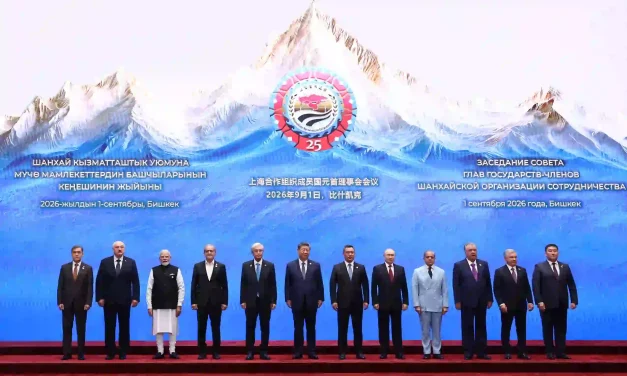
SCFR Online – Opinion: The Shanghai Cooperation Organization summit has created a new opportunity for Iran to transform its membership from a political achievement into economic and transit cooperation.
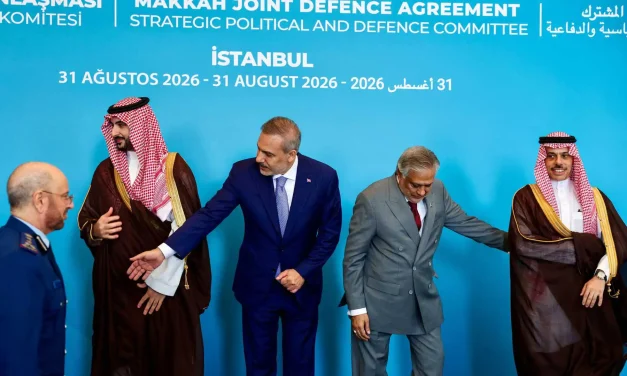
Strategic Council Online – Note: The Makkah Defense Pact can be seen as a sign of regional countries’ efforts to reduce security dependence on extra-regional powers and redefine the balance in West Asia.

SCFR Online – Opinion: The Ukraine war, by exhausting US military capability on one hand and strengthening European defense capacity on the other, has altered the balance of power in the European continent, cast uncertainty over NATO’s future, and is driving it toward a European NATO.
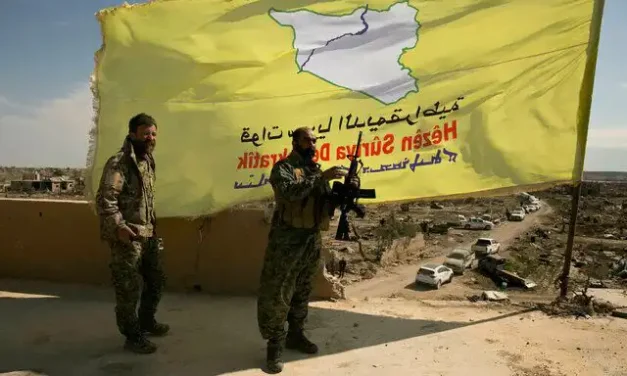
SCFR Online – Opinion: The dissolution of the SDF, although considered an achievement for Turkey’s security, does not put an end to the challenges arising from the Israeli regime’s aggression and expansionism, refugees, and Syria’s fragility.
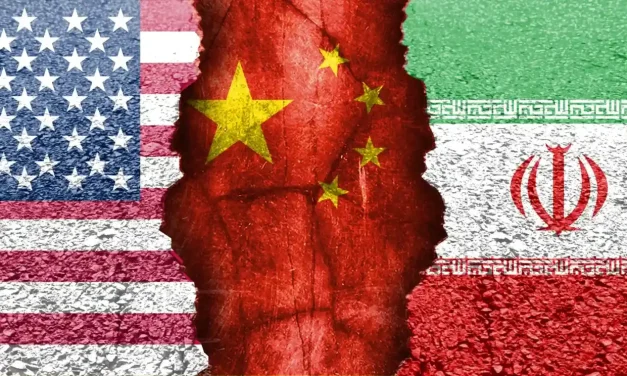
SCFR Online – Opinion: Concurrent with the official commencement of the United States’ economic war against our country, focusing on sanctions instruments, isolation, and economic pressure, what has now become increasingly important is the lack of alignment of other major global powers, especially China, with this policy.
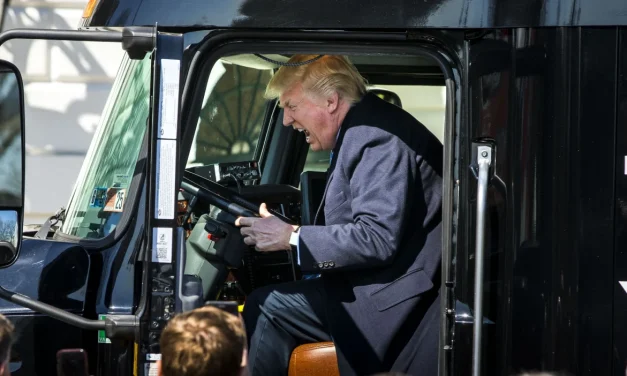
SCFR Online – Opinion: The new US sanctions against Iran, despite extensive propaganda, face serious obstacles to success due to the ineffectiveness of sanctions tools and opposition from some of Tehran’s trading partners.


Strategic Council Online – Interview: An expert of the African issues elaborated the reasons of postponement of Libyan parliamentary election of December 24, 2021 and said:” in this connection, two main reasons could be mentioned; first, the lack of necessary preparations to hold the election and second, lack of enough effort to hold the election by those who were responsible, particularly, Abdul Hamid Dbeibeh himself, the then Prime Minister, and as the person in charge of holding election.

Strategic Council Online – Interview: An expert on Africa affairs, saying that due to numerous political differences, two prime ministers are currently in power in Libya, added: Under the present situation when differences between Libyan groups over the drafting of presidential and parliamentary election laws have escalated, there are serious doubts about the possibility of a successful election.

Strategic Council Online – Opinion: Saudi Arabia has been trying to dominate the Iraqi energy market and move the country away from relying on Iranian gas and electricity, to the extent that Iraqi electricity will soon be connected to the national grid of the Persian Gulf countries.
Hassan Hanizadeh – Expert on Middle East affairs

Strategic Council Online – An expert on Africa affairs commenting on the current situation in Libya and the transitional government said: The government that is currently in power in Libya is known as the transitional government or the government of national unity, and is the result of a process that the United Nations initiated several years ago for state-building in Libya.

Strategic Council Online – The Eastern Mediterranean, border issues as well as the maritime agreement between Turkey and Libya are among the axes that have caused tensions between Greece and Turkey over the past two years. One of the contentious issues between the two neighbors is the internal developments in Libya. The visits of the leaders of both Libyan factions to Turkey and Greece have been met with fringe and controversy, and the crisis in Libya has practically added to the scope of the traditional rivalry between Athens and Ankara. Libya is in a geopolitically sensitive position, and its developments directly affect the security of Africa, the Middle East and Europe. If the Libyan crisis is resolved, the country can increase its oil production in 2 to 3 years and start oil trade with southern Europe.
Mahmoud Fazeli – Analyst of international affairs

Strategic Council Online—Interview: A university professor, referring to the national reconciliation and peace accord in Libya, said conditions of the peace accord in Libya is fragile because the weight and share of Libyan groups have not been properly examined and these issues will be influential in the period after elections.

Strategic Council Online—Interview: An expert of Africa studies says the United Nations Secretary General’s proposal to send international observers to guarantee and monitor the ceasefire in Libya aims to expedite the process of state-building in that country.

Strategic Council Online—Interview: An analyst of Afghan affairs, while referring to the significance of strengthening cooperation between Iran and Afghanistan, said both the main wings in the national unity government of Afghanistan have proper views on the continuation of dialog and depending of links with Tehran.

Strategic Council Online – Turkey is trying to use the leverage of its military presence in Libya to pave the way for political negotiations on political and economic interests, particularly on the sharing of Eastern Mediterranean energy resources.
Hassan Ashrafi – Researcher on Turkey’s affairs

Strategic Council Online-Interview: A university professor says participants in the negotiations in Morocco are serious and determined to resolve the crisis in Libya, adding however that one cannot be optimistic about the outcome of the negotiations as there are ups and downs in the talks and the two sides are aware of the consequences of a war of attrition.
SCFR Online – Opinion: The intensification of U.S. sanctions against Iran on the eve of the U.S. midterm elections indicates Washington’s inability to achieve its war objectives.
SCFR Online – Opinion: The competition between Washington and Beijing over chips and artificial intelligence, simultaneously with the shifting of technological balances, has taken on new economic and security dimensions.
SCFR Online – Opinion: The Shanghai Cooperation Organization summit has created a new opportunity for Iran to transform its membership from a political achievement into economic and transit cooperation.
Strategic Council Online – Note: The Makkah Defense Pact can be seen as a sign of regional countries’ efforts to reduce security dependence on extra-regional powers and redefine the balance in West Asia.
SCFR Online – Opinion: The Ukraine war, by exhausting US military capability on one hand and strengthening European defense capacity on the other, has altered the balance of power in the European continent, cast uncertainty over NATO’s future, and is driving it toward a European NATO.
SCFR Online – Opinion: The dissolution of the SDF, although considered an achievement for Turkey’s security, does not put an end to the challenges arising from the Israeli regime’s aggression and expansionism, refugees, and Syria’s fragility.
SCFR Online – Opinion: Concurrent with the official commencement of the United States’ economic war against our country, focusing on sanctions instruments, isolation, and economic pressure, what has now become increasingly important is the lack of alignment of other major global powers, especially China, with this policy.
SCFR Online – Opinion: The new US sanctions against Iran, despite extensive propaganda, face serious obstacles to success due to the ineffectiveness of sanctions tools and opposition from some of Tehran’s trading partners.
Strategic Council Online – Interview: An expert of the African issues elaborated the reasons of postponement of Libyan parliamentary election of December 24, 2021 and said:” in this connection, two main reasons could be mentioned; first, the lack of necessary preparations to hold the election and second, lack of enough effort to hold the election by those who were responsible, particularly, Abdul Hamid Dbeibeh himself, the then Prime Minister, and as the person in charge of holding election.
Strategic Council Online – Interview: An expert on Africa affairs, saying that due to numerous political differences, two prime ministers are currently in power in Libya, added: Under the present situation when differences between Libyan groups over the drafting of presidential and parliamentary election laws have escalated, there are serious doubts about the possibility of a successful election.
Strategic Council Online – Opinion: Saudi Arabia has been trying to dominate the Iraqi energy market and move the country away from relying on Iranian gas and electricity, to the extent that Iraqi electricity will soon be connected to the national grid of the Persian Gulf countries.
Hassan Hanizadeh – Expert on Middle East affairs
Strategic Council Online – An expert on Africa affairs commenting on the current situation in Libya and the transitional government said: The government that is currently in power in Libya is known as the transitional government or the government of national unity, and is the result of a process that the United Nations initiated several years ago for state-building in Libya.
Strategic Council Online – The Eastern Mediterranean, border issues as well as the maritime agreement between Turkey and Libya are among the axes that have caused tensions between Greece and Turkey over the past two years. One of the contentious issues between the two neighbors is the internal developments in Libya. The visits of the leaders of both Libyan factions to Turkey and Greece have been met with fringe and controversy, and the crisis in Libya has practically added to the scope of the traditional rivalry between Athens and Ankara. Libya is in a geopolitically sensitive position, and its developments directly affect the security of Africa, the Middle East and Europe. If the Libyan crisis is resolved, the country can increase its oil production in 2 to 3 years and start oil trade with southern Europe.
Mahmoud Fazeli – Analyst of international affairs
Strategic Council Online—Interview: A university professor, referring to the national reconciliation and peace accord in Libya, said conditions of the peace accord in Libya is fragile because the weight and share of Libyan groups have not been properly examined and these issues will be influential in the period after elections.
Strategic Council Online—Interview: An expert of Africa studies says the United Nations Secretary General’s proposal to send international observers to guarantee and monitor the ceasefire in Libya aims to expedite the process of state-building in that country.
Strategic Council Online—Interview: An analyst of Afghan affairs, while referring to the significance of strengthening cooperation between Iran and Afghanistan, said both the main wings in the national unity government of Afghanistan have proper views on the continuation of dialog and depending of links with Tehran.
Strategic Council Online – Turkey is trying to use the leverage of its military presence in Libya to pave the way for political negotiations on political and economic interests, particularly on the sharing of Eastern Mediterranean energy resources.
Hassan Ashrafi – Researcher on Turkey’s affairs
Strategic Council Online-Interview: A university professor says participants in the negotiations in Morocco are serious and determined to resolve the crisis in Libya, adding however that one cannot be optimistic about the outcome of the negotiations as there are ups and downs in the talks and the two sides are aware of the consequences of a war of attrition.
Strategic Council Online – Interview: An expert of the African issues elaborated the reasons of postponement of Libyan parliamentary election of December 24, 2021 and said:” in this connection, two main reasons could be mentioned; first, the lack of necessary preparations to hold the election and second, lack of enough effort to hold the election by those who were responsible, particularly, Abdul Hamid Dbeibeh himself, the then Prime Minister, and as the person in charge of holding election.
Strategic Council Online – Interview: An expert on Africa affairs, saying that due to numerous political differences, two prime ministers are currently in power in Libya, added: Under the present situation when differences between Libyan groups over the drafting of presidential and parliamentary election laws have escalated, there are serious doubts about the possibility of a successful election.
Strategic Council Online – Opinion: Saudi Arabia has been trying to dominate the Iraqi energy market and move the country away from relying on Iranian gas and electricity, to the extent that Iraqi electricity will soon be connected to the national grid of the Persian Gulf countries.
Hassan Hanizadeh – Expert on Middle East affairs
Strategic Council Online – An expert on Africa affairs commenting on the current situation in Libya and the transitional government said: The government that is currently in power in Libya is known as the transitional government or the government of national unity, and is the result of a process that the United Nations initiated several years ago for state-building in Libya.
Strategic Council Online – The Eastern Mediterranean, border issues as well as the maritime agreement between Turkey and Libya are among the axes that have caused tensions between Greece and Turkey over the past two years. One of the contentious issues between the two neighbors is the internal developments in Libya. The visits of the leaders of both Libyan factions to Turkey and Greece have been met with fringe and controversy, and the crisis in Libya has practically added to the scope of the traditional rivalry between Athens and Ankara. Libya is in a geopolitically sensitive position, and its developments directly affect the security of Africa, the Middle East and Europe. If the Libyan crisis is resolved, the country can increase its oil production in 2 to 3 years and start oil trade with southern Europe.
Mahmoud Fazeli – Analyst of international affairs
Strategic Council Online—Interview: A university professor, referring to the national reconciliation and peace accord in Libya, said conditions of the peace accord in Libya is fragile because the weight and share of Libyan groups have not been properly examined and these issues will be influential in the period after elections.
Strategic Council Online—Interview: An expert of Africa studies says the United Nations Secretary General’s proposal to send international observers to guarantee and monitor the ceasefire in Libya aims to expedite the process of state-building in that country.
Strategic Council Online—Interview: An analyst of Afghan affairs, while referring to the significance of strengthening cooperation between Iran and Afghanistan, said both the main wings in the national unity government of Afghanistan have proper views on the continuation of dialog and depending of links with Tehran.
Strategic Council Online – Turkey is trying to use the leverage of its military presence in Libya to pave the way for political negotiations on political and economic interests, particularly on the sharing of Eastern Mediterranean energy resources.
Hassan Ashrafi – Researcher on Turkey’s affairs
Strategic Council Online-Interview: A university professor says participants in the negotiations in Morocco are serious and determined to resolve the crisis in Libya, adding however that one cannot be optimistic about the outcome of the negotiations as there are ups and downs in the talks and the two sides are aware of the consequences of a war of attrition.
SCFR Online – Opinion: The intensification of U.S. sanctions against Iran on the eve of the U.S. midterm elections indicates Washington’s inability to achieve its war objectives.
SCFR Online – Opinion: The competition between Washington and Beijing over chips and artificial intelligence, simultaneously with the shifting of technological balances, has taken on new economic and security dimensions.
SCFR Online – Opinion: The Shanghai Cooperation Organization summit has created a new opportunity for Iran to transform its membership from a political achievement into economic and transit cooperation.
Strategic Council Online – Note: The Makkah Defense Pact can be seen as a sign of regional countries’ efforts to reduce security dependence on extra-regional powers and redefine the balance in West Asia.
SCFR Online – Opinion: The Ukraine war, by exhausting US military capability on one hand and strengthening European defense capacity on the other, has altered the balance of power in the European continent, cast uncertainty over NATO’s future, and is driving it toward a European NATO.
SCFR Online – Opinion: The dissolution of the SDF, although considered an achievement for Turkey’s security, does not put an end to the challenges arising from the Israeli regime’s aggression and expansionism, refugees, and Syria’s fragility.
SCFR Online – Opinion: Concurrent with the official commencement of the United States’ economic war against our country, focusing on sanctions instruments, isolation, and economic pressure, what has now become increasingly important is the lack of alignment of other major global powers, especially China, with this policy.
SCFR Online – Opinion: The new US sanctions against Iran, despite extensive propaganda, face serious obstacles to success due to the ineffectiveness of sanctions tools and opposition from some of Tehran’s trading partners.
Strategic Council Online – Interview: An expert of the African issues elaborated the reasons of postponement of Libyan parliamentary election of December 24, 2021 and said:” in this connection, two main reasons could be mentioned; first, the lack of necessary preparations to hold the election and second, lack of enough effort to hold the election by those who were responsible, particularly, Abdul Hamid Dbeibeh himself, the then Prime Minister, and as the person in charge of holding election.
Strategic Council Online – Interview: An expert on Africa affairs, saying that due to numerous political differences, two prime ministers are currently in power in Libya, added: Under the present situation when differences between Libyan groups over the drafting of presidential and parliamentary election laws have escalated, there are serious doubts about the possibility of a successful election.
Strategic Council Online – Opinion: Saudi Arabia has been trying to dominate the Iraqi energy market and move the country away from relying on Iranian gas and electricity, to the extent that Iraqi electricity will soon be connected to the national grid of the Persian Gulf countries.
Hassan Hanizadeh – Expert on Middle East affairs
Strategic Council Online – An expert on Africa affairs commenting on the current situation in Libya and the transitional government said: The government that is currently in power in Libya is known as the transitional government or the government of national unity, and is the result of a process that the United Nations initiated several years ago for state-building in Libya.
Strategic Council Online – The Eastern Mediterranean, border issues as well as the maritime agreement between Turkey and Libya are among the axes that have caused tensions between Greece and Turkey over the past two years. One of the contentious issues between the two neighbors is the internal developments in Libya. The visits of the leaders of both Libyan factions to Turkey and Greece have been met with fringe and controversy, and the crisis in Libya has practically added to the scope of the traditional rivalry between Athens and Ankara. Libya is in a geopolitically sensitive position, and its developments directly affect the security of Africa, the Middle East and Europe. If the Libyan crisis is resolved, the country can increase its oil production in 2 to 3 years and start oil trade with southern Europe.
Mahmoud Fazeli – Analyst of international affairs
Strategic Council Online—Interview: A university professor, referring to the national reconciliation and peace accord in Libya, said conditions of the peace accord in Libya is fragile because the weight and share of Libyan groups have not been properly examined and these issues will be influential in the period after elections.
Strategic Council Online—Interview: An expert of Africa studies says the United Nations Secretary General’s proposal to send international observers to guarantee and monitor the ceasefire in Libya aims to expedite the process of state-building in that country.
Strategic Council Online—Interview: An analyst of Afghan affairs, while referring to the significance of strengthening cooperation between Iran and Afghanistan, said both the main wings in the national unity government of Afghanistan have proper views on the continuation of dialog and depending of links with Tehran.
Strategic Council Online – Turkey is trying to use the leverage of its military presence in Libya to pave the way for political negotiations on political and economic interests, particularly on the sharing of Eastern Mediterranean energy resources.
Hassan Ashrafi – Researcher on Turkey’s affairs
Strategic Council Online-Interview: A university professor says participants in the negotiations in Morocco are serious and determined to resolve the crisis in Libya, adding however that one cannot be optimistic about the outcome of the negotiations as there are ups and downs in the talks and the two sides are aware of the consequences of a war of attrition.
SCFR Online – Opinion: The intensification of U.S. sanctions against Iran on the eve of the U.S. midterm elections indicates Washington’s inability to achieve its war objectives.
SCFR Online – Opinion: The competition between Washington and Beijing over chips and artificial intelligence, simultaneously with the shifting of technological balances, has taken on new economic and security dimensions.
SCFR Online – Opinion: The Shanghai Cooperation Organization summit has created a new opportunity for Iran to transform its membership from a political achievement into economic and transit cooperation.
Strategic Council Online – Note: The Makkah Defense Pact can be seen as a sign of regional countries’ efforts to reduce security dependence on extra-regional powers and redefine the balance in West Asia.
SCFR Online – Opinion: The Ukraine war, by exhausting US military capability on one hand and strengthening European defense capacity on the other, has altered the balance of power in the European continent, cast uncertainty over NATO’s future, and is driving it toward a European NATO.
SCFR Online – Opinion: The dissolution of the SDF, although considered an achievement for Turkey’s security, does not put an end to the challenges arising from the Israeli regime’s aggression and expansionism, refugees, and Syria’s fragility.
SCFR Online – Opinion: Concurrent with the official commencement of the United States’ economic war against our country, focusing on sanctions instruments, isolation, and economic pressure, what has now become increasingly important is the lack of alignment of other major global powers, especially China, with this policy.
SCFR Online – Opinion: The new US sanctions against Iran, despite extensive propaganda, face serious obstacles to success due to the ineffectiveness of sanctions tools and opposition from some of Tehran’s trading partners.
Strategic Council Online – Interview: An expert of the African issues elaborated the reasons of postponement of Libyan parliamentary election of December 24, 2021 and said:” in this connection, two main reasons could be mentioned; first, the lack of necessary preparations to hold the election and second, lack of enough effort to hold the election by those who were responsible, particularly, Abdul Hamid Dbeibeh himself, the then Prime Minister, and as the person in charge of holding election.
Strategic Council Online – Interview: An expert on Africa affairs, saying that due to numerous political differences, two prime ministers are currently in power in Libya, added: Under the present situation when differences between Libyan groups over the drafting of presidential and parliamentary election laws have escalated, there are serious doubts about the possibility of a successful election.
Strategic Council Online – Opinion: Saudi Arabia has been trying to dominate the Iraqi energy market and move the country away from relying on Iranian gas and electricity, to the extent that Iraqi electricity will soon be connected to the national grid of the Persian Gulf countries.
Hassan Hanizadeh – Expert on Middle East affairs
Strategic Council Online – An expert on Africa affairs commenting on the current situation in Libya and the transitional government said: The government that is currently in power in Libya is known as the transitional government or the government of national unity, and is the result of a process that the United Nations initiated several years ago for state-building in Libya.
Strategic Council Online – The Eastern Mediterranean, border issues as well as the maritime agreement between Turkey and Libya are among the axes that have caused tensions between Greece and Turkey over the past two years. One of the contentious issues between the two neighbors is the internal developments in Libya. The visits of the leaders of both Libyan factions to Turkey and Greece have been met with fringe and controversy, and the crisis in Libya has practically added to the scope of the traditional rivalry between Athens and Ankara. Libya is in a geopolitically sensitive position, and its developments directly affect the security of Africa, the Middle East and Europe. If the Libyan crisis is resolved, the country can increase its oil production in 2 to 3 years and start oil trade with southern Europe.
Mahmoud Fazeli – Analyst of international affairs
Strategic Council Online—Interview: A university professor, referring to the national reconciliation and peace accord in Libya, said conditions of the peace accord in Libya is fragile because the weight and share of Libyan groups have not been properly examined and these issues will be influential in the period after elections.
Strategic Council Online—Interview: An expert of Africa studies says the United Nations Secretary General’s proposal to send international observers to guarantee and monitor the ceasefire in Libya aims to expedite the process of state-building in that country.
Strategic Council Online—Interview: An analyst of Afghan affairs, while referring to the significance of strengthening cooperation between Iran and Afghanistan, said both the main wings in the national unity government of Afghanistan have proper views on the continuation of dialog and depending of links with Tehran.
Strategic Council Online – Turkey is trying to use the leverage of its military presence in Libya to pave the way for political negotiations on political and economic interests, particularly on the sharing of Eastern Mediterranean energy resources.
Hassan Ashrafi – Researcher on Turkey’s affairs
Strategic Council Online-Interview: A university professor says participants in the negotiations in Morocco are serious and determined to resolve the crisis in Libya, adding however that one cannot be optimistic about the outcome of the negotiations as there are ups and downs in the talks and the two sides are aware of the consequences of a war of attrition.
SCFR Online – Opinion: The intensification of U.S. sanctions against Iran on the eve of the U.S. midterm elections indicates Washington’s inability to achieve its war objectives.
SCFR Online – Opinion: The competition between Washington and Beijing over chips and artificial intelligence, simultaneously with the shifting of technological balances, has taken on new economic and security dimensions.
SCFR Online – Opinion: The Shanghai Cooperation Organization summit has created a new opportunity for Iran to transform its membership from a political achievement into economic and transit cooperation.
Strategic Council Online – Note: The Makkah Defense Pact can be seen as a sign of regional countries’ efforts to reduce security dependence on extra-regional powers and redefine the balance in West Asia.
SCFR Online – Opinion: The Ukraine war, by exhausting US military capability on one hand and strengthening European defense capacity on the other, has altered the balance of power in the European continent, cast uncertainty over NATO’s future, and is driving it toward a European NATO.
SCFR Online – Opinion: The dissolution of the SDF, although considered an achievement for Turkey’s security, does not put an end to the challenges arising from the Israeli regime’s aggression and expansionism, refugees, and Syria’s fragility.
SCFR Online – Opinion: Concurrent with the official commencement of the United States’ economic war against our country, focusing on sanctions instruments, isolation, and economic pressure, what has now become increasingly important is the lack of alignment of other major global powers, especially China, with this policy.
SCFR Online – Opinion: The new US sanctions against Iran, despite extensive propaganda, face serious obstacles to success due to the ineffectiveness of sanctions tools and opposition from some of Tehran’s trading partners.
Strategic Council Online – Interview: An expert of the African issues elaborated the reasons of postponement of Libyan parliamentary election of December 24, 2021 and said:” in this connection, two main reasons could be mentioned; first, the lack of necessary preparations to hold the election and second, lack of enough effort to hold the election by those who were responsible, particularly, Abdul Hamid Dbeibeh himself, the then Prime Minister, and as the person in charge of holding election.
Strategic Council Online – Interview: An expert on Africa affairs, saying that due to numerous political differences, two prime ministers are currently in power in Libya, added: Under the present situation when differences between Libyan groups over the drafting of presidential and parliamentary election laws have escalated, there are serious doubts about the possibility of a successful election.
Strategic Council Online – Opinion: Saudi Arabia has been trying to dominate the Iraqi energy market and move the country away from relying on Iranian gas and electricity, to the extent that Iraqi electricity will soon be connected to the national grid of the Persian Gulf countries.
Hassan Hanizadeh – Expert on Middle East affairs
Strategic Council Online – An expert on Africa affairs commenting on the current situation in Libya and the transitional government said: The government that is currently in power in Libya is known as the transitional government or the government of national unity, and is the result of a process that the United Nations initiated several years ago for state-building in Libya.
Strategic Council Online – The Eastern Mediterranean, border issues as well as the maritime agreement between Turkey and Libya are among the axes that have caused tensions between Greece and Turkey over the past two years. One of the contentious issues between the two neighbors is the internal developments in Libya. The visits of the leaders of both Libyan factions to Turkey and Greece have been met with fringe and controversy, and the crisis in Libya has practically added to the scope of the traditional rivalry between Athens and Ankara. Libya is in a geopolitically sensitive position, and its developments directly affect the security of Africa, the Middle East and Europe. If the Libyan crisis is resolved, the country can increase its oil production in 2 to 3 years and start oil trade with southern Europe.
Mahmoud Fazeli – Analyst of international affairs
Strategic Council Online—Interview: A university professor, referring to the national reconciliation and peace accord in Libya, said conditions of the peace accord in Libya is fragile because the weight and share of Libyan groups have not been properly examined and these issues will be influential in the period after elections.
Strategic Council Online—Interview: An expert of Africa studies says the United Nations Secretary General’s proposal to send international observers to guarantee and monitor the ceasefire in Libya aims to expedite the process of state-building in that country.
Strategic Council Online—Interview: An analyst of Afghan affairs, while referring to the significance of strengthening cooperation between Iran and Afghanistan, said both the main wings in the national unity government of Afghanistan have proper views on the continuation of dialog and depending of links with Tehran.
Strategic Council Online – Turkey is trying to use the leverage of its military presence in Libya to pave the way for political negotiations on political and economic interests, particularly on the sharing of Eastern Mediterranean energy resources.
Hassan Ashrafi – Researcher on Turkey’s affairs
Strategic Council Online-Interview: A university professor says participants in the negotiations in Morocco are serious and determined to resolve the crisis in Libya, adding however that one cannot be optimistic about the outcome of the negotiations as there are ups and downs in the talks and the two sides are aware of the consequences of a war of attrition.
SCFR Online – Opinion: The intensification of U.S. sanctions against Iran on the eve of the U.S. midterm elections indicates Washington’s inability to achieve its war objectives.
SCFR Online – Opinion: The competition between Washington and Beijing over chips and artificial intelligence, simultaneously with the shifting of technological balances, has taken on new economic and security dimensions.
SCFR Online – Opinion: The Shanghai Cooperation Organization summit has created a new opportunity for Iran to transform its membership from a political achievement into economic and transit cooperation.
Strategic Council Online – Note: The Makkah Defense Pact can be seen as a sign of regional countries’ efforts to reduce security dependence on extra-regional powers and redefine the balance in West Asia.
SCFR Online – Opinion: The Ukraine war, by exhausting US military capability on one hand and strengthening European defense capacity on the other, has altered the balance of power in the European continent, cast uncertainty over NATO’s future, and is driving it toward a European NATO.
SCFR Online – Opinion: The dissolution of the SDF, although considered an achievement for Turkey’s security, does not put an end to the challenges arising from the Israeli regime’s aggression and expansionism, refugees, and Syria’s fragility.
SCFR Online – Opinion: Concurrent with the official commencement of the United States’ economic war against our country, focusing on sanctions instruments, isolation, and economic pressure, what has now become increasingly important is the lack of alignment of other major global powers, especially China, with this policy.
SCFR Online – Opinion: The new US sanctions against Iran, despite extensive propaganda, face serious obstacles to success due to the ineffectiveness of sanctions tools and opposition from some of Tehran’s trading partners.
Strategic Council Online – Interview: An expert of the African issues elaborated the reasons of postponement of Libyan parliamentary election of December 24, 2021 and said:” in this connection, two main reasons could be mentioned; first, the lack of necessary preparations to hold the election and second, lack of enough effort to hold the election by those who were responsible, particularly, Abdul Hamid Dbeibeh himself, the then Prime Minister, and as the person in charge of holding election.
Strategic Council Online – Interview: An expert on Africa affairs, saying that due to numerous political differences, two prime ministers are currently in power in Libya, added: Under the present situation when differences between Libyan groups over the drafting of presidential and parliamentary election laws have escalated, there are serious doubts about the possibility of a successful election.
Strategic Council Online – Opinion: Saudi Arabia has been trying to dominate the Iraqi energy market and move the country away from relying on Iranian gas and electricity, to the extent that Iraqi electricity will soon be connected to the national grid of the Persian Gulf countries.
Hassan Hanizadeh – Expert on Middle East affairs
Strategic Council Online – An expert on Africa affairs commenting on the current situation in Libya and the transitional government said: The government that is currently in power in Libya is known as the transitional government or the government of national unity, and is the result of a process that the United Nations initiated several years ago for state-building in Libya.
Strategic Council Online – The Eastern Mediterranean, border issues as well as the maritime agreement between Turkey and Libya are among the axes that have caused tensions between Greece and Turkey over the past two years. One of the contentious issues between the two neighbors is the internal developments in Libya. The visits of the leaders of both Libyan factions to Turkey and Greece have been met with fringe and controversy, and the crisis in Libya has practically added to the scope of the traditional rivalry between Athens and Ankara. Libya is in a geopolitically sensitive position, and its developments directly affect the security of Africa, the Middle East and Europe. If the Libyan crisis is resolved, the country can increase its oil production in 2 to 3 years and start oil trade with southern Europe.
Mahmoud Fazeli – Analyst of international affairs
Strategic Council Online—Interview: A university professor, referring to the national reconciliation and peace accord in Libya, said conditions of the peace accord in Libya is fragile because the weight and share of Libyan groups have not been properly examined and these issues will be influential in the period after elections.
Strategic Council Online—Interview: An expert of Africa studies says the United Nations Secretary General’s proposal to send international observers to guarantee and monitor the ceasefire in Libya aims to expedite the process of state-building in that country.
Strategic Council Online—Interview: An analyst of Afghan affairs, while referring to the significance of strengthening cooperation between Iran and Afghanistan, said both the main wings in the national unity government of Afghanistan have proper views on the continuation of dialog and depending of links with Tehran.
Strategic Council Online – Turkey is trying to use the leverage of its military presence in Libya to pave the way for political negotiations on political and economic interests, particularly on the sharing of Eastern Mediterranean energy resources.
Hassan Ashrafi – Researcher on Turkey’s affairs
Strategic Council Online-Interview: A university professor says participants in the negotiations in Morocco are serious and determined to resolve the crisis in Libya, adding however that one cannot be optimistic about the outcome of the negotiations as there are ups and downs in the talks and the two sides are aware of the consequences of a war of attrition.
SCFR Online – Opinion: The intensification of U.S. sanctions against Iran on the eve of the U.S. midterm elections indicates Washington’s inability to achieve its war objectives.
SCFR Online – Opinion: The competition between Washington and Beijing over chips and artificial intelligence, simultaneously with the shifting of technological balances, has taken on new economic and security dimensions.
SCFR Online – Opinion: The Shanghai Cooperation Organization summit has created a new opportunity for Iran to transform its membership from a political achievement into economic and transit cooperation.
Strategic Council Online – Note: The Makkah Defense Pact can be seen as a sign of regional countries’ efforts to reduce security dependence on extra-regional powers and redefine the balance in West Asia.
SCFR Online – Opinion: The Ukraine war, by exhausting US military capability on one hand and strengthening European defense capacity on the other, has altered the balance of power in the European continent, cast uncertainty over NATO’s future, and is driving it toward a European NATO.
SCFR Online – Opinion: The dissolution of the SDF, although considered an achievement for Turkey’s security, does not put an end to the challenges arising from the Israeli regime’s aggression and expansionism, refugees, and Syria’s fragility.
SCFR Online – Opinion: Concurrent with the official commencement of the United States’ economic war against our country, focusing on sanctions instruments, isolation, and economic pressure, what has now become increasingly important is the lack of alignment of other major global powers, especially China, with this policy.
SCFR Online – Opinion: The new US sanctions against Iran, despite extensive propaganda, face serious obstacles to success due to the ineffectiveness of sanctions tools and opposition from some of Tehran’s trading partners.