
Ali Akbar Asadi – Faculty Member, Institute for Humanities and Cultural Studies
While Tehran and Washington have experienced severe disputes and tensions in various periods, during the second term of Trump’s presidency, tensions between the two sides have deteriorated to the brink of a full-scale and widespread war between the two countries.
The escalation of Iran-U.S. tensions has not only become the main issue of U.S. foreign policy and Iran’s national security. Still, it has also led to widespread and deep concerns for all regional actors, including the Arab states of the Persian Gulf. These countries, due to their high vulnerability and special position in Iran-U.S. relations, are facing difficult and complex circumstances and options.
Saudi Arabia’s Approach to the Escalation of Iran-U.S. Tensions
Saudi Arabia, as a pivotal actor in the Persian Gulf Cooperation Council, has faced important changes in the domestic and foreign policy arenas in recent years, and these changes have made Riyadh’s strategic choices regarding tensions and conflicts between Iran and the United States very sensitive and high-risk compared to similar instances in previous periods.
During Trump’s first term, the Saudi government openly sided with the U.S. government and coordinated with Washington’s maximum pressure policy against Tehran. However, in the new term, Saudi leaders seek to play different roles and adopt new strategies, which face significant complexities and challenges.
Despite its efforts to maintain a strategic partnership with the United States and to benefit from Washington’s military and security support and guarantees—including by strengthening comprehensive cooperation and granting economic concessions to the Trump administration—Saudi Arabia does not desire maximum alignment and cooperation with Washington in some regional developments, including confrontation and the conduct of military operations against Iran.
The reluctance to normalize relations with the Israeli regime within the framework of the Abraham Accords, non-cooperation with the United States in military operations against Sana’a, as well as differing approaches regarding the Gaza war and opposition to the expansionist policies of the Israeli regime in the region, are among the instances indicating a divergence in perception and certain disagreements between Riyadh and the Trump administration on regional issues.
Riyadh’s Efforts to Prevent the Outbreak of War
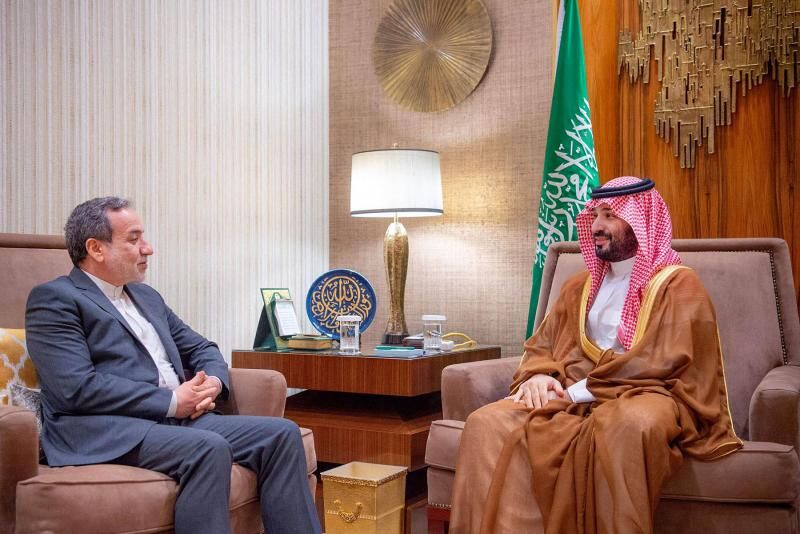
Saudi officials, in their stated positions, emphasize opposition to war and have stated in talks with Iranian officials that they will not allow their territory to be used for aggression against Iran. At the strategic level, the Saudi government has made serious efforts to prevent war and resolve Iran-U.S. disputes through diplomatic means.
Saudi officials have undertaken mediations in this regard and, most importantly, have warned U.S. officials about the destructive consequences of any potential war for the region. With tensions escalating, Saudi leaders have increased consultations and dialogue with various governments in the region and have also been in serious communication with officials of the Trump administration.
In fact, Saudi Arabia, alongside other regional governments such as Turkey, Qatar, and Oman, has expressed concerns and exerted pressure on the Trump administration to downgrade the military option in favor of the diplomatic option.
These efforts, which have been influential in shaping a new round of negotiations between Iran and the United States in Muscat on February 5, 2025, have increased Saudi hope that diplomacy will prevail over war and prevent further regional instability and conflict.
Nevertheless, it appears that communications and dialogues between Saudi officials and Americans are not limited to preventing the outbreak of war; they also likely include options and solutions to mitigate the damage from any potential war and to coordinate and cooperate in this regard. In other words, although Saudi Arabia’s primary priority is preventing war between Iran and the United States, given the uncertainties and serious challenges facing the success of diplomacy, Saudi officials are also preparing themselves for military scenarios to face minimal security and economic damages should a conflict occur.
Factors Driving the Change in Saudi Arabia’s Foreign Policy Strategies
Several major developments and important factors have led to changes in Saudi Arabia’s role and foreign policy strategies in the region in recent years, particularly regarding the Iran-U.S. conflict. The first issue concerns the prioritization of the Vision 2030 program aimed at developing a non-oil economy, which requires maintaining regional stability and security and avoiding conflicts that severely impact economic development.
The second issue is the high vulnerability of Saudi Arabia’s economy and its energy and industrial facilities to an all-out regional war, at a time when the country has doubts about the effectiveness and efficiency of its defense systems and the level of America’s readiness to defend its allies in potential conflicts.
The third issue pertains to Saudi Arabia’s concerns about the consequences of war and the weakening of Iran for the regional balance of power in a situation where the Israeli regime intends to become a hegemonic power in the region through its expansionist and belligerent policies and to control other countries, including Saudi Arabia, using its threatening approaches and power tools.
The fourth factor relates to the concern that there is no clear vision regarding Iran’s situation in the aftermath of a potential conflict with the United States, and scenarios such as chaos, regime change, or even the disintegration of Iran would mean the formation of a new crisis zone on this country’s northern borders, which could cause a long period of instability and insecurity in the region and consequently affect the national security and economic stability of the southern shore of the Persian Gulf.
This text was translated using artificial intelligence and may contain errors. If you notice a clear error that makes the text incomprehensible, please inform the website editors.




0 Comments