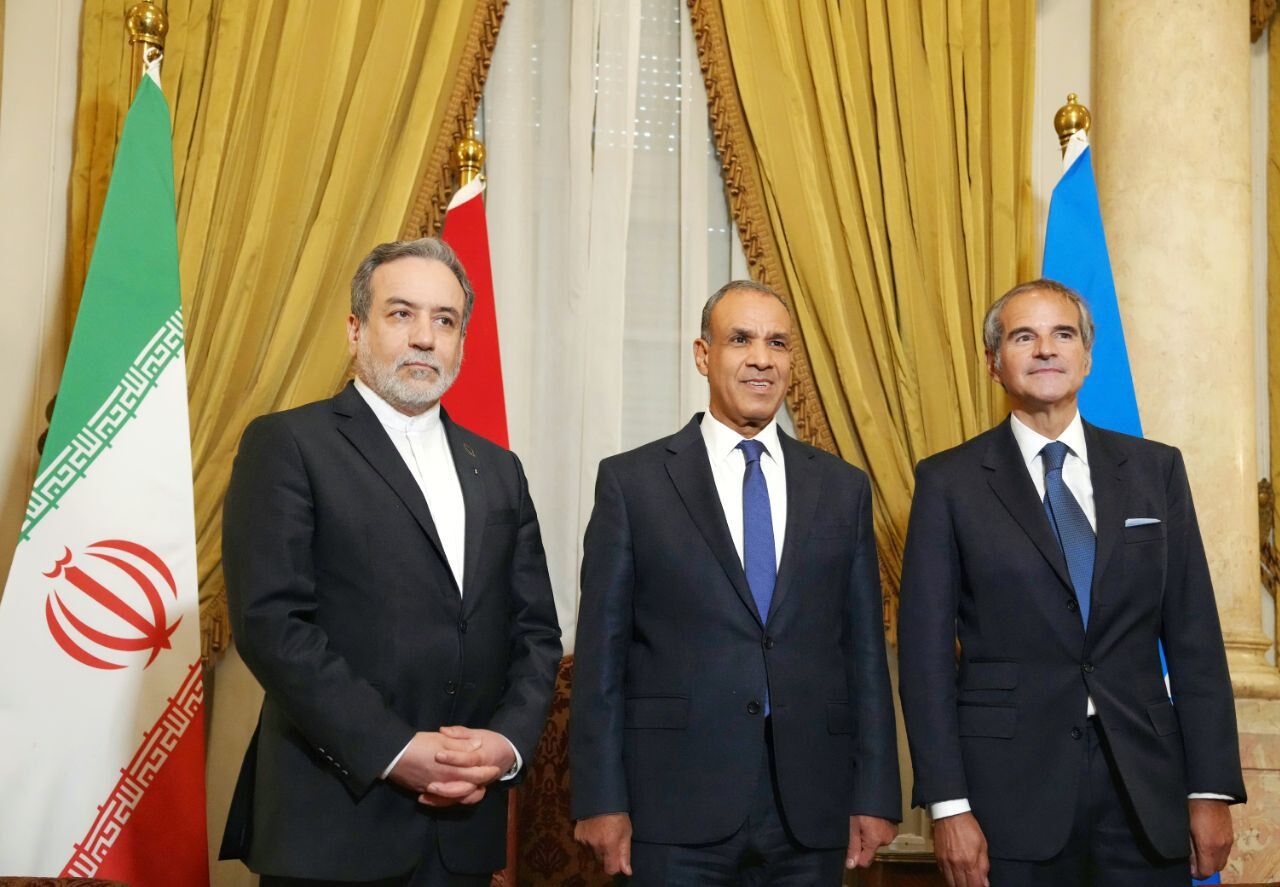
In an interview with the website of the Strategic Council on Foreign Relations, Ahmad Borvayeh stated: Currently, because the Egyptians want to play a more effective role in issues related to Gaza and peace in the region, they are seeking to mediate effectively in regional developments.
Referring to Egypt’s limitations, he said: “This issue makes mediation and its impact depend on the space that different countries allow for Cairo.” For example, in the discussion of Iran-US negotiations, the maneuvering space Americans or Iranians give to Egyptians to play a role will affect the effectiveness of these mediations.
In response to the question of whether Egypt’s mediation is more of a tool for crisis management or a long-term policy, Borvayeh explained: “Regarding Iran, Egypt has both goals in mind. Because the Egyptians know that if the Zionist regime’s military attacks on Iran are repeated, Egypt will suffer, and this will cause the US and the Zionist regime to have a greater role in the region, and their pressure on Gaza will increase.”
This expert added: “The weakening of Iran is undesirable for Cairo because the balance of power in the region is disrupted. Therefore, managing this crisis is a very high priority for them.”
According to Borvayeh, in the long term, Egypt also seeks to expand and stabilize its regional role. Increasing their regional role is very important to them for various reasons. Therefore, they seek to restore this regional role and expand their options at the regional and global levels.
The Egyptian affairs expert, in response to the question of why Cairo has decided to play an active role as a mediator towards Tehran at this juncture, said: “Part of it goes back to the closeness of relations between Iran and Egypt. On the other hand, Cairo’s desire must also be considered, as they wanted to take advantage of the opportunity that arose. It seems that the Westerners had no objection either, and the convergence of these three issues caused the Egyptians to play a more active role.”
Regarding the close relations between Tel Aviv and Cairo and its impact on Egypt playing an independent regional role, he said: “Egypt’s strategic choice since Anwar Sadat has been to reconcile with the Zionist regime, and they do not intend to deviate from this strategic choice. Therefore, naturally, any regional role that Egypt plays will be in line with not harming these foundations of its foreign policy, and this very issue also causes their considerations to be taken into account by the Egyptians.”
Borvayeh added: “However, it must be noted that due to its civilizational and political history, and the competitions and danger it feels from the Zionist regime, Egypt is not satisfied with the Zionist regime becoming the superior power in the region.”
The Egyptian affairs expert, in response to the question of whether Egypt, in playing a mediation role, is also seeking to improve its relations with Saudi Arabia and the UAE, said: “Egypt’s mediation is largely carried out with the green light of the UAE and Saudi Arabia; because these countries are also currently afraid of the consequences of the crisis in relations between Iran and the West and Iran and the US getting out of control, and also Saudi Arabia does not want the regional balance to be disrupted in such a way that the Israeli regime, with the help of the US, becomes the main power in the region, to the extent that these countries are completely forced to go under the domination of the Zionist regime.”
Finally, Borvayeh, explaining the objectives of Egypt’s approach in mediation and what similarities or differences it has with other countries in the Persian Gulf region, explained: “Egypt’s diplomacy is more focused on the issue of Palestine and resolving the Gaza issue, while of course they are also pursuing their own goals in improving their regional standing. At the same time, they see this role-playing as a tool for getting closer to Iran, and perhaps this mediation is even a reason to improve their relations with Tehran.”
Egypt’s Motives and Goals for Mediation in the Region

LATEST CONTENT
Commercial Exploitation of Peace; The Gaza Committee in Confrontation with International Legitimacy
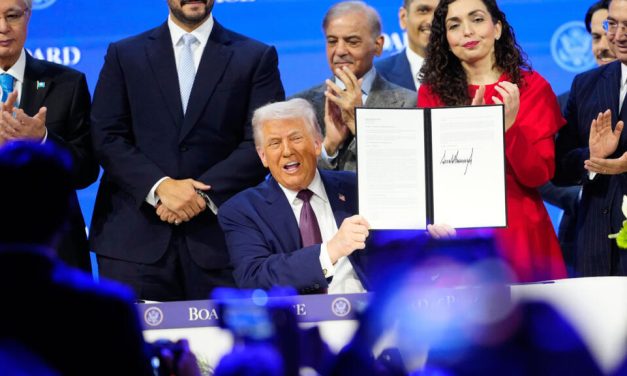
Strategic Council Online – Report: While the second phase of the implementation of the Gaza ceasefire has begun, the establishment of the “Peace Board” chaired by Donald Trump on the sidelines of the Davos meeting (22 January 2026) has become more than a technical mechanism for reconstruction and has turned into a test for the future of the international order.
Despite the signing of the charter by 22 out of 60 invited countries, the limited presence of global leaders at the Davos ceremony and the non-acceptance of this body by the European Union and key Western countries indicate a deep divide in global perceptions of the legitimacy of this mechanism.
In this report, drawing on the analysis of Hadi Borhani, a regional affairs expert, and international data, three strategic questions are addressed: Is the Peace Board an instrument for implementing UN Security Council Resolution 2803 or a substitute for the United Nations? How does the hierarchical architecture of this committee intensify executive challenges in Gaza? And finally, can this body create sustainable peace without the cooperation of Palestinians and with the concentration of power in the hands of a single individual?
America’s Zero-Sum Game in Iraq
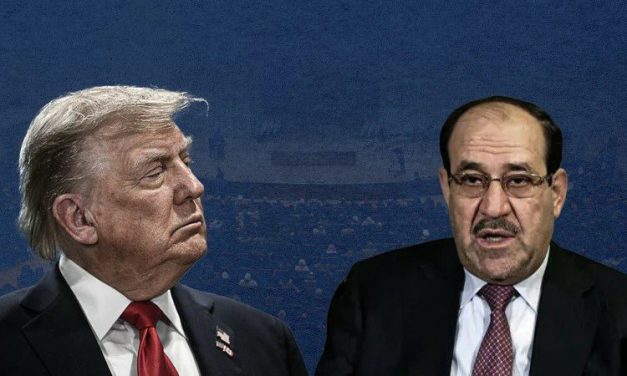
Online Strategic Council – Memoir: The swift selection of Nouri al-Maliki for the premiership constitutes a new phase in Iraq’s political sphere. Multiple factors have played a role in this process, the most important being the prevailing situation in Iraq and the region. Under such circumstances, Iraq requires a powerful and experienced prime minister who can keep the country away from the dangers of wars and crises.
America’s Strategy for Creating Tension in the Asia-Pacific
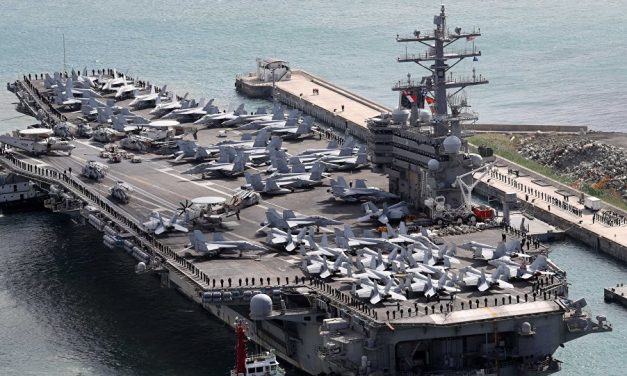
Strategic Council Online – Opinion: Relations between some countries in the Asia-Pacific region, such as China and Japan or China and Australia, which were previously relatively normal, are trending towards deterioration, and the primary reason for this is the aggressive policies of the United States of America.
The Gradual Formation of a New International Order Based on Competition Among Major Powers
Strategic Council Online – Interview: An international affairs expert stated that the decline of the liberal international order began in 2008. Although the liberal international order still governs international relations, an order is emerging to replace it, based on competition among major powers.
The Collapse of the European Security Illusion with the Continuation of the Ukraine War?
Strategic Council Online – Interview: The Ukraine war has become a new turning point in the political, security, and even commercial relations of allies on both sides of the Atlantic. While this war is nearing its fourth year, many questions still remain regarding its future and its consequences; among them, will the continuation of the Ukraine war lead to the collapse of the European security illusion?
Últimas publicaciones
Commercial Exploitation of Peace; The Gaza Committee in Confrontation with International Legitimacy
Strategic Council Online – Report: While the second phase of the implementation of the Gaza ceasefire has begun, the establishment of the “Peace Board” chaired by Donald Trump on the sidelines of the Davos meeting (22 January 2026) has become more than a technical mechanism for reconstruction and has turned into a test for the future of the international order.
Despite the signing of the charter by 22 out of 60 invited countries, the limited presence of global leaders at the Davos ceremony and the non-acceptance of this body by the European Union and key Western countries indicate a deep divide in global perceptions of the legitimacy of this mechanism.
In this report, drawing on the analysis of Hadi Borhani, a regional affairs expert, and international data, three strategic questions are addressed: Is the Peace Board an instrument for implementing UN Security Council Resolution 2803 or a substitute for the United Nations? How does the hierarchical architecture of this committee intensify executive challenges in Gaza? And finally, can this body create sustainable peace without the cooperation of Palestinians and with the concentration of power in the hands of a single individual?
America’s Zero-Sum Game in Iraq
Online Strategic Council – Memoir: The swift selection of Nouri al-Maliki for the premiership constitutes a new phase in Iraq’s political sphere. Multiple factors have played a role in this process, the most important being the prevailing situation in Iraq and the region. Under such circumstances, Iraq requires a powerful and experienced prime minister who can keep the country away from the dangers of wars and crises.
America’s Strategy for Creating Tension in the Asia-Pacific
Strategic Council Online – Opinion: Relations between some countries in the Asia-Pacific region, such as China and Japan or China and Australia, which were previously relatively normal, are trending towards deterioration, and the primary reason for this is the aggressive policies of the United States of America.
The Gradual Formation of a New International Order Based on Competition Among Major Powers
Strategic Council Online – Interview: An international affairs expert stated that the decline of the liberal international order began in 2008. Although the liberal international order still governs international relations, an order is emerging to replace it, based on competition among major powers.
The Collapse of the European Security Illusion with the Continuation of the Ukraine War?
Strategic Council Online – Interview: The Ukraine war has become a new turning point in the political, security, and even commercial relations of allies on both sides of the Atlantic. While this war is nearing its fourth year, many questions still remain regarding its future and its consequences; among them, will the continuation of the Ukraine war lead to the collapse of the European security illusion?
DERNIER CONTENU
Commercial Exploitation of Peace; The Gaza Committee in Confrontation with International Legitimacy
Strategic Council Online – Report: While the second phase of the implementation of the Gaza ceasefire has begun, the establishment of the “Peace Board” chaired by Donald Trump on the sidelines of the Davos meeting (22 January 2026) has become more than a technical mechanism for reconstruction and has turned into a test for the future of the international order.
Despite the signing of the charter by 22 out of 60 invited countries, the limited presence of global leaders at the Davos ceremony and the non-acceptance of this body by the European Union and key Western countries indicate a deep divide in global perceptions of the legitimacy of this mechanism.
In this report, drawing on the analysis of Hadi Borhani, a regional affairs expert, and international data, three strategic questions are addressed: Is the Peace Board an instrument for implementing UN Security Council Resolution 2803 or a substitute for the United Nations? How does the hierarchical architecture of this committee intensify executive challenges in Gaza? And finally, can this body create sustainable peace without the cooperation of Palestinians and with the concentration of power in the hands of a single individual?
America’s Zero-Sum Game in Iraq
Online Strategic Council – Memoir: The swift selection of Nouri al-Maliki for the premiership constitutes a new phase in Iraq’s political sphere. Multiple factors have played a role in this process, the most important being the prevailing situation in Iraq and the region. Under such circumstances, Iraq requires a powerful and experienced prime minister who can keep the country away from the dangers of wars and crises.
America’s Strategy for Creating Tension in the Asia-Pacific
Strategic Council Online – Opinion: Relations between some countries in the Asia-Pacific region, such as China and Japan or China and Australia, which were previously relatively normal, are trending towards deterioration, and the primary reason for this is the aggressive policies of the United States of America.
The Gradual Formation of a New International Order Based on Competition Among Major Powers
Strategic Council Online – Interview: An international affairs expert stated that the decline of the liberal international order began in 2008. Although the liberal international order still governs international relations, an order is emerging to replace it, based on competition among major powers.
The Collapse of the European Security Illusion with the Continuation of the Ukraine War?
Strategic Council Online – Interview: The Ukraine war has become a new turning point in the political, security, and even commercial relations of allies on both sides of the Atlantic. While this war is nearing its fourth year, many questions still remain regarding its future and its consequences; among them, will the continuation of the Ukraine war lead to the collapse of the European security illusion?
DERNIER CONTENU
Commercial Exploitation of Peace; The Gaza Committee in Confrontation with International Legitimacy
Strategic Council Online – Report: While the second phase of the implementation of the Gaza ceasefire has begun, the establishment of the “Peace Board” chaired by Donald Trump on the sidelines of the Davos meeting (22 January 2026) has become more than a technical mechanism for reconstruction and has turned into a test for the future of the international order.
Despite the signing of the charter by 22 out of 60 invited countries, the limited presence of global leaders at the Davos ceremony and the non-acceptance of this body by the European Union and key Western countries indicate a deep divide in global perceptions of the legitimacy of this mechanism.
In this report, drawing on the analysis of Hadi Borhani, a regional affairs expert, and international data, three strategic questions are addressed: Is the Peace Board an instrument for implementing UN Security Council Resolution 2803 or a substitute for the United Nations? How does the hierarchical architecture of this committee intensify executive challenges in Gaza? And finally, can this body create sustainable peace without the cooperation of Palestinians and with the concentration of power in the hands of a single individual?
America’s Zero-Sum Game in Iraq
Online Strategic Council – Memoir: The swift selection of Nouri al-Maliki for the premiership constitutes a new phase in Iraq’s political sphere. Multiple factors have played a role in this process, the most important being the prevailing situation in Iraq and the region. Under such circumstances, Iraq requires a powerful and experienced prime minister who can keep the country away from the dangers of wars and crises.
America’s Strategy for Creating Tension in the Asia-Pacific
Strategic Council Online – Opinion: Relations between some countries in the Asia-Pacific region, such as China and Japan or China and Australia, which were previously relatively normal, are trending towards deterioration, and the primary reason for this is the aggressive policies of the United States of America.
The Gradual Formation of a New International Order Based on Competition Among Major Powers
Strategic Council Online – Interview: An international affairs expert stated that the decline of the liberal international order began in 2008. Although the liberal international order still governs international relations, an order is emerging to replace it, based on competition among major powers.
The Collapse of the European Security Illusion with the Continuation of the Ukraine War?
Strategic Council Online – Interview: The Ukraine war has become a new turning point in the political, security, and even commercial relations of allies on both sides of the Atlantic. While this war is nearing its fourth year, many questions still remain regarding its future and its consequences; among them, will the continuation of the Ukraine war lead to the collapse of the European security illusion?
DERNIER CONTENU
Commercial Exploitation of Peace; The Gaza Committee in Confrontation with International Legitimacy
Strategic Council Online – Report: While the second phase of the implementation of the Gaza ceasefire has begun, the establishment of the “Peace Board” chaired by Donald Trump on the sidelines of the Davos meeting (22 January 2026) has become more than a technical mechanism for reconstruction and has turned into a test for the future of the international order.
Despite the signing of the charter by 22 out of 60 invited countries, the limited presence of global leaders at the Davos ceremony and the non-acceptance of this body by the European Union and key Western countries indicate a deep divide in global perceptions of the legitimacy of this mechanism.
In this report, drawing on the analysis of Hadi Borhani, a regional affairs expert, and international data, three strategic questions are addressed: Is the Peace Board an instrument for implementing UN Security Council Resolution 2803 or a substitute for the United Nations? How does the hierarchical architecture of this committee intensify executive challenges in Gaza? And finally, can this body create sustainable peace without the cooperation of Palestinians and with the concentration of power in the hands of a single individual?
America’s Zero-Sum Game in Iraq
Online Strategic Council – Memoir: The swift selection of Nouri al-Maliki for the premiership constitutes a new phase in Iraq’s political sphere. Multiple factors have played a role in this process, the most important being the prevailing situation in Iraq and the region. Under such circumstances, Iraq requires a powerful and experienced prime minister who can keep the country away from the dangers of wars and crises.
America’s Strategy for Creating Tension in the Asia-Pacific
Strategic Council Online – Opinion: Relations between some countries in the Asia-Pacific region, such as China and Japan or China and Australia, which were previously relatively normal, are trending towards deterioration, and the primary reason for this is the aggressive policies of the United States of America.
The Gradual Formation of a New International Order Based on Competition Among Major Powers
Strategic Council Online – Interview: An international affairs expert stated that the decline of the liberal international order began in 2008. Although the liberal international order still governs international relations, an order is emerging to replace it, based on competition among major powers.
The Collapse of the European Security Illusion with the Continuation of the Ukraine War?
Strategic Council Online – Interview: The Ukraine war has become a new turning point in the political, security, and even commercial relations of allies on both sides of the Atlantic. While this war is nearing its fourth year, many questions still remain regarding its future and its consequences; among them, will the continuation of the Ukraine war lead to the collapse of the European security illusion?
0 Comments