Reasons for the Ineffectiveness of Trump’s “Economic War” against Iran
SCFR Online – Opinion: The intensification of U.S. sanctions against Iran on the eve of the U.S. midterm elections indicates Washington’s inability to achieve its war objectives.


SCFR Online – Opinion: The intensification of U.S. sanctions against Iran on the eve of the U.S. midterm elections indicates Washington’s inability to achieve its war objectives.

SCFR Online – Opinion: The competition between Washington and Beijing over chips and artificial intelligence, simultaneously with the shifting of technological balances, has taken on new economic and security dimensions.
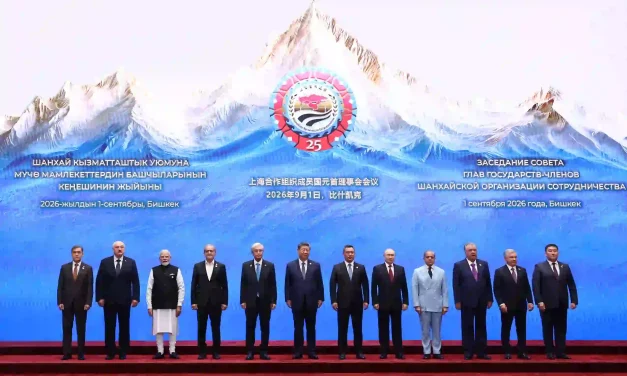
SCFR Online – Opinion: The Shanghai Cooperation Organization summit has created a new opportunity for Iran to transform its membership from a political achievement into economic and transit cooperation.
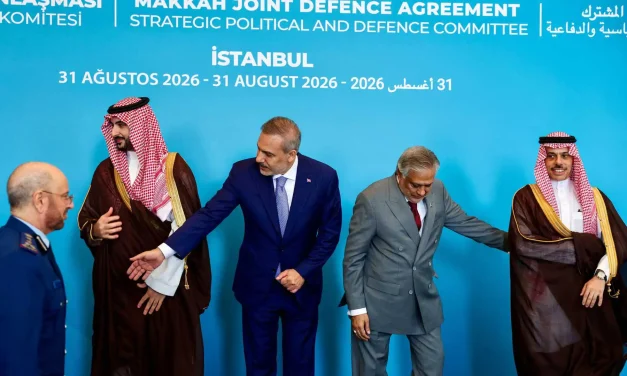
Strategic Council Online – Note: The Makkah Defense Pact can be seen as a sign of regional countries’ efforts to reduce security dependence on extra-regional powers and redefine the balance in West Asia.

SCFR Online – Opinion: The Ukraine war, by exhausting US military capability on one hand and strengthening European defense capacity on the other, has altered the balance of power in the European continent, cast uncertainty over NATO’s future, and is driving it toward a European NATO.
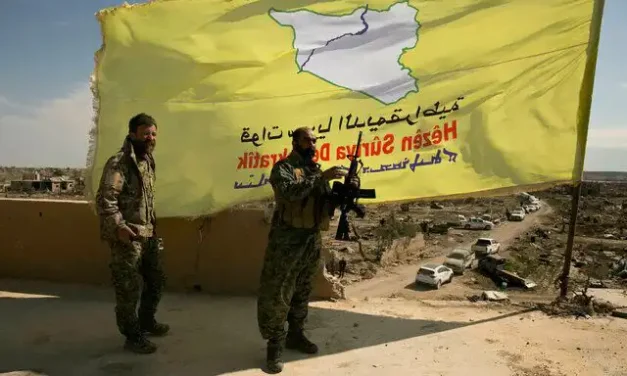
SCFR Online – Opinion: The dissolution of the SDF, although considered an achievement for Turkey’s security, does not put an end to the challenges arising from the Israeli regime’s aggression and expansionism, refugees, and Syria’s fragility.
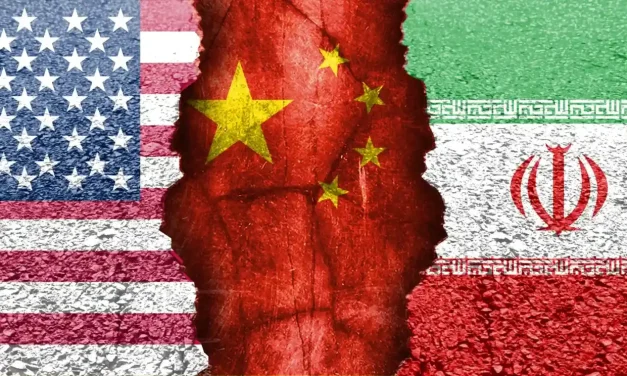
SCFR Online – Opinion: Concurrent with the official commencement of the United States’ economic war against our country, focusing on sanctions instruments, isolation, and economic pressure, what has now become increasingly important is the lack of alignment of other major global powers, especially China, with this policy.

SCFR Online – Opinion: The new US sanctions against Iran, despite extensive propaganda, face serious obstacles to success due to the ineffectiveness of sanctions tools and opposition from some of Tehran’s trading partners.


Strategic Council Online – Interview: An Egyptian affairs expert stated that Cairo has recently established a direct role in mediating the reduction of regional tensions, as well as in reducing or managing tensions between Iran and the West and with the International Atomic Energy Agency.
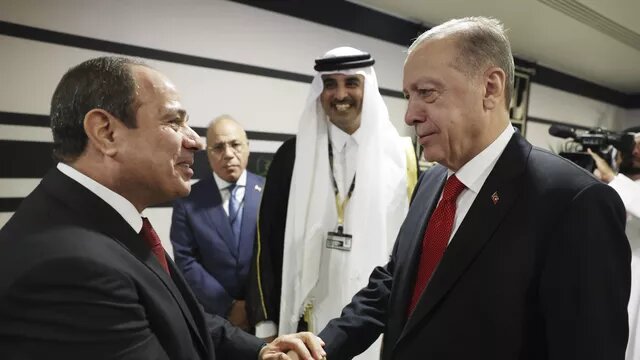
Online Strategic Council – Interview: A senior Egyptian affairs analyst stated that Egypt, the first Arab country to sign a peace agreement with the Zionist regime in 1979, has now adopted a new strategy due to concerns about the regime’s expansionist policies. The developments following the 2023 Gaza war revealed that Tel Aviv, with the unconditional support of the United States, seeks to alter the balance of power in West Asia —a matter that has compelled Cairo to expand its relations with Iran and Turkey, two significant regional powers. By holding joint military exercises with Turkey, mediating in Iran’s nuclear dossier, and seeking military and technological cooperation, Egypt is trying to prevent the Zionists’ hegemony in the region. Although the formation of a trilateral military alliance seems unlikely for now, Cairo’s rapprochement with Tehran and Ankara is considered a potential threat to the Israeli regime. In fact, in the face of regional pressures and border crises, Egypt is seeking to create a strategic balance to curb Tel Aviv’s influence and enhance its own position in the West Asian equations.
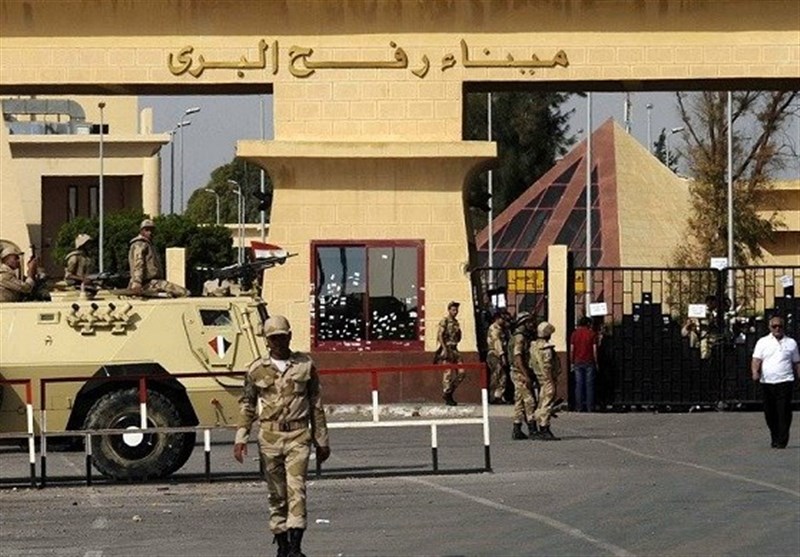
Strategic Council Online Opinion: Egypt’s foreign policy towards West Asia, especially in matters related to Gaza, is influenced by complex strategic factors that include national security, relations with global powers, and the country’s role in regional developments.

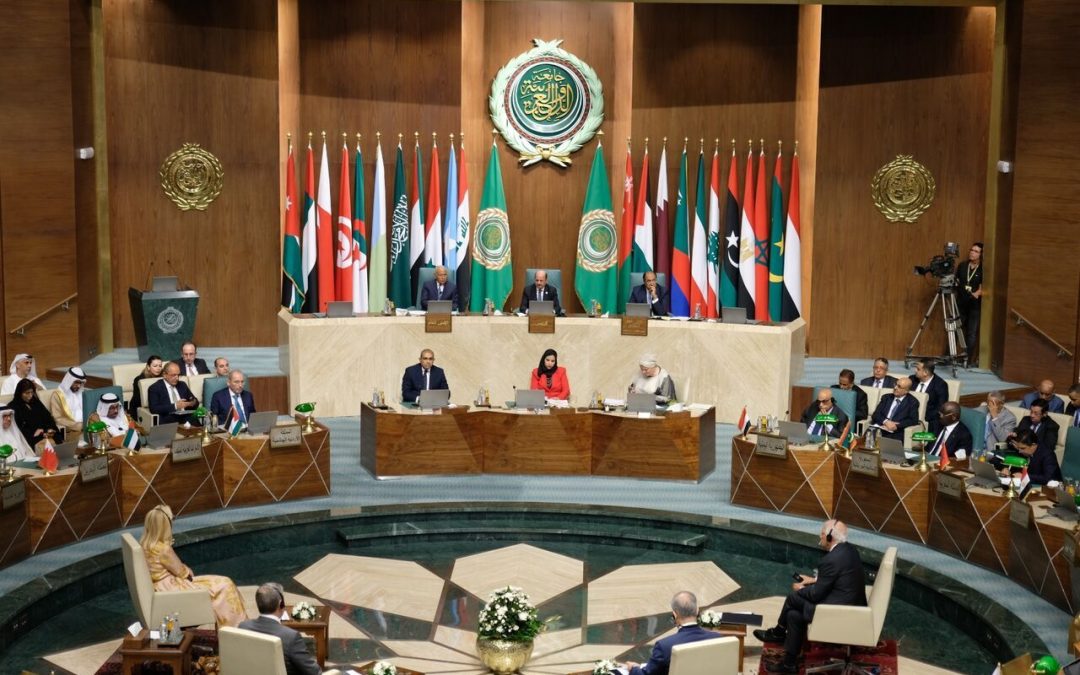
Strategic Council Online – Opinion: Egypt’s comprehensive plan for the reconstruction of Gaza, which was “unveiled” at the recent Arab League summit in Cairo, is the most important plan of the Arab countries in rebuilding Gaza that was approved at this meeting. To implement the proposed plan by Egypt, $53 billion in financial resources have been allocated, almost equal to the cost of rebuilding Gaza.
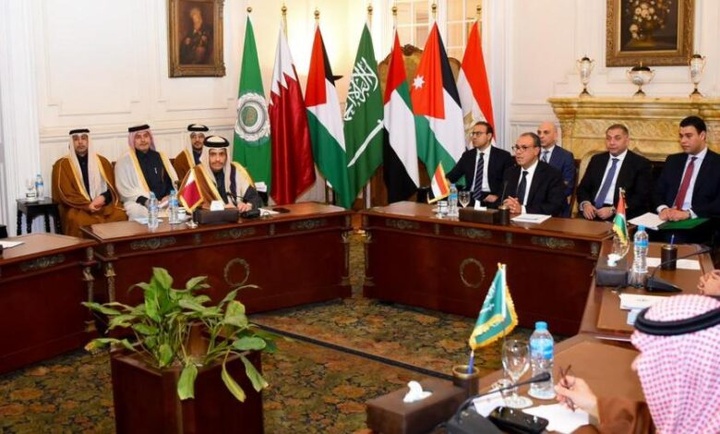
Strategic Council Online – Opinion: Egypt, Jordan, Saudi Arabia, the United Arab Emirates, Qatar, as well as the Palestinian Authority and the Arab League, in a meeting held in Cairo, issued a joint statement rejecting US President Donald Trump’s proposal to transfer Gaza residents to Egypt and Jordan.
Strategic Council Online – Opinion: The Trump administration continues to insist on its plan to clear Gaza of its indigenous population. Given the knowledge and experience of the resistance of the people of Gaza and Palestine, it is already clear that Trump’s plan will ultimately lead nowhere. Global reactions, especially in the region and among Arab and Islamic countries, have presented serious challenges to the advancement of Trump’s plan.
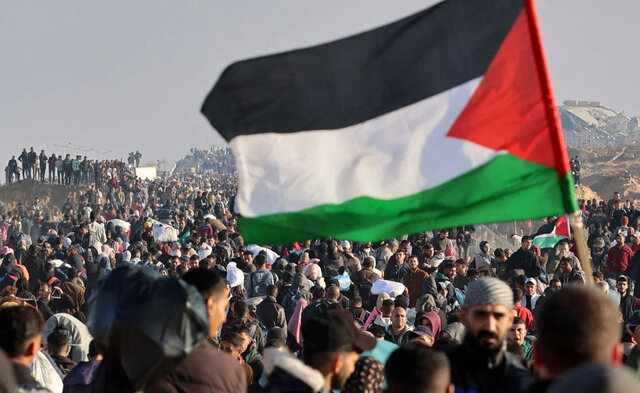
Strategic Council Online – Interview: An expert on regional issues said: The reality in the region, especially in Gaza and the West Bank, does not allow Trump and Netanyahu to stay in this region or move people from this region to another place.

Strategic Council Online – Opinion: Clearing Gaza of the Palestinian population is one of the long-standing aspirations of the Zionist regime. This plan has been the focus of the “Israeli far-right” and “Christian Zionism in America” since the passage of the “Israel as the Jewish Nation-State” law in 2018.

Strategic Council Online – Opinion: Since the first days of the Gaza war, the Zionist regime has been trying to compel the residents of northern Gaza to accept a forced migration” to the Rafah and Egypt crossing by various means, including bombing, destruction, publishing real and virtual announcements, terrorizing, etc.

Strategic Council Online – Opinion: Egypt and Türkiye are going through a developing relationship. In the past seven months, we have witnessed two “important developments” in the relations between Türkiye and Egypt. First, Erdoğan’s visit to Egypt in February was done for the first time after the 2013 events in Egypt and Morsi’s removal from power. Second, the recent visit of Egyptian President Sisi to Turkey in September 1403), which took place after 12 years, can be considered very important and the beginning of a new phase in Egypt-Turkey relations.
SCFR Online – Opinion: The intensification of U.S. sanctions against Iran on the eve of the U.S. midterm elections indicates Washington’s inability to achieve its war objectives.
SCFR Online – Opinion: The competition between Washington and Beijing over chips and artificial intelligence, simultaneously with the shifting of technological balances, has taken on new economic and security dimensions.
SCFR Online – Opinion: The Shanghai Cooperation Organization summit has created a new opportunity for Iran to transform its membership from a political achievement into economic and transit cooperation.
Strategic Council Online – Note: The Makkah Defense Pact can be seen as a sign of regional countries’ efforts to reduce security dependence on extra-regional powers and redefine the balance in West Asia.
SCFR Online – Opinion: The Ukraine war, by exhausting US military capability on one hand and strengthening European defense capacity on the other, has altered the balance of power in the European continent, cast uncertainty over NATO’s future, and is driving it toward a European NATO.
SCFR Online – Opinion: The dissolution of the SDF, although considered an achievement for Turkey’s security, does not put an end to the challenges arising from the Israeli regime’s aggression and expansionism, refugees, and Syria’s fragility.
SCFR Online – Opinion: Concurrent with the official commencement of the United States’ economic war against our country, focusing on sanctions instruments, isolation, and economic pressure, what has now become increasingly important is the lack of alignment of other major global powers, especially China, with this policy.
SCFR Online – Opinion: The new US sanctions against Iran, despite extensive propaganda, face serious obstacles to success due to the ineffectiveness of sanctions tools and opposition from some of Tehran’s trading partners.
Strategic Council Online – Interview: An Egyptian affairs expert stated that Cairo has recently established a direct role in mediating the reduction of regional tensions, as well as in reducing or managing tensions between Iran and the West and with the International Atomic Energy Agency.
Online Strategic Council – Interview: A senior Egyptian affairs analyst stated that Egypt, the first Arab country to sign a peace agreement with the Zionist regime in 1979, has now adopted a new strategy due to concerns about the regime’s expansionist policies. The developments following the 2023 Gaza war revealed that Tel Aviv, with the unconditional support of the United States, seeks to alter the balance of power in West Asia —a matter that has compelled Cairo to expand its relations with Iran and Turkey, two significant regional powers. By holding joint military exercises with Turkey, mediating in Iran’s nuclear dossier, and seeking military and technological cooperation, Egypt is trying to prevent the Zionists’ hegemony in the region. Although the formation of a trilateral military alliance seems unlikely for now, Cairo’s rapprochement with Tehran and Ankara is considered a potential threat to the Israeli regime. In fact, in the face of regional pressures and border crises, Egypt is seeking to create a strategic balance to curb Tel Aviv’s influence and enhance its own position in the West Asian equations.
Strategic Council Online Opinion: Egypt’s foreign policy towards West Asia, especially in matters related to Gaza, is influenced by complex strategic factors that include national security, relations with global powers, and the country’s role in regional developments.
Strategic Council Online – Opinion: Egypt’s comprehensive plan for the reconstruction of Gaza, which was “unveiled” at the recent Arab League summit in Cairo, is the most important plan of the Arab countries in rebuilding Gaza that was approved at this meeting. To implement the proposed plan by Egypt, $53 billion in financial resources have been allocated, almost equal to the cost of rebuilding Gaza.
Strategic Council Online – Opinion: Egypt, Jordan, Saudi Arabia, the United Arab Emirates, Qatar, as well as the Palestinian Authority and the Arab League, in a meeting held in Cairo, issued a joint statement rejecting US President Donald Trump’s proposal to transfer Gaza residents to Egypt and Jordan.
Strategic Council Online – Opinion: The Trump administration continues to insist on its plan to clear Gaza of its indigenous population. Given the knowledge and experience of the resistance of the people of Gaza and Palestine, it is already clear that Trump’s plan will ultimately lead nowhere. Global reactions, especially in the region and among Arab and Islamic countries, have presented serious challenges to the advancement of Trump’s plan.
Strategic Council Online – Interview: An expert on regional issues said: The reality in the region, especially in Gaza and the West Bank, does not allow Trump and Netanyahu to stay in this region or move people from this region to another place.
Strategic Council Online – Opinion: Clearing Gaza of the Palestinian population is one of the long-standing aspirations of the Zionist regime. This plan has been the focus of the “Israeli far-right” and “Christian Zionism in America” since the passage of the “Israel as the Jewish Nation-State” law in 2018.
Strategic Council Online – Opinion: Since the first days of the Gaza war, the Zionist regime has been trying to compel the residents of northern Gaza to accept a forced migration” to the Rafah and Egypt crossing by various means, including bombing, destruction, publishing real and virtual announcements, terrorizing, etc.
Strategic Council Online – Opinion: Egypt and Türkiye are going through a developing relationship. In the past seven months, we have witnessed two “important developments” in the relations between Türkiye and Egypt. First, Erdoğan’s visit to Egypt in February was done for the first time after the 2013 events in Egypt and Morsi’s removal from power. Second, the recent visit of Egyptian President Sisi to Turkey in September 1403), which took place after 12 years, can be considered very important and the beginning of a new phase in Egypt-Turkey relations.
Strategic Council Online – Interview: An Egyptian affairs expert stated that Cairo has recently established a direct role in mediating the reduction of regional tensions, as well as in reducing or managing tensions between Iran and the West and with the International Atomic Energy Agency.
Online Strategic Council – Interview: A senior Egyptian affairs analyst stated that Egypt, the first Arab country to sign a peace agreement with the Zionist regime in 1979, has now adopted a new strategy due to concerns about the regime’s expansionist policies. The developments following the 2023 Gaza war revealed that Tel Aviv, with the unconditional support of the United States, seeks to alter the balance of power in West Asia —a matter that has compelled Cairo to expand its relations with Iran and Turkey, two significant regional powers. By holding joint military exercises with Turkey, mediating in Iran’s nuclear dossier, and seeking military and technological cooperation, Egypt is trying to prevent the Zionists’ hegemony in the region. Although the formation of a trilateral military alliance seems unlikely for now, Cairo’s rapprochement with Tehran and Ankara is considered a potential threat to the Israeli regime. In fact, in the face of regional pressures and border crises, Egypt is seeking to create a strategic balance to curb Tel Aviv’s influence and enhance its own position in the West Asian equations.
Strategic Council Online Opinion: Egypt’s foreign policy towards West Asia, especially in matters related to Gaza, is influenced by complex strategic factors that include national security, relations with global powers, and the country’s role in regional developments.
Strategic Council Online – Opinion: Egypt’s comprehensive plan for the reconstruction of Gaza, which was “unveiled” at the recent Arab League summit in Cairo, is the most important plan of the Arab countries in rebuilding Gaza that was approved at this meeting. To implement the proposed plan by Egypt, $53 billion in financial resources have been allocated, almost equal to the cost of rebuilding Gaza.
Strategic Council Online – Opinion: Egypt, Jordan, Saudi Arabia, the United Arab Emirates, Qatar, as well as the Palestinian Authority and the Arab League, in a meeting held in Cairo, issued a joint statement rejecting US President Donald Trump’s proposal to transfer Gaza residents to Egypt and Jordan.
Strategic Council Online – Opinion: The Trump administration continues to insist on its plan to clear Gaza of its indigenous population. Given the knowledge and experience of the resistance of the people of Gaza and Palestine, it is already clear that Trump’s plan will ultimately lead nowhere. Global reactions, especially in the region and among Arab and Islamic countries, have presented serious challenges to the advancement of Trump’s plan.
Strategic Council Online – Interview: An expert on regional issues said: The reality in the region, especially in Gaza and the West Bank, does not allow Trump and Netanyahu to stay in this region or move people from this region to another place.
Strategic Council Online – Opinion: Clearing Gaza of the Palestinian population is one of the long-standing aspirations of the Zionist regime. This plan has been the focus of the “Israeli far-right” and “Christian Zionism in America” since the passage of the “Israel as the Jewish Nation-State” law in 2018.
Strategic Council Online – Opinion: Since the first days of the Gaza war, the Zionist regime has been trying to compel the residents of northern Gaza to accept a forced migration” to the Rafah and Egypt crossing by various means, including bombing, destruction, publishing real and virtual announcements, terrorizing, etc.
Strategic Council Online – Opinion: Egypt and Türkiye are going through a developing relationship. In the past seven months, we have witnessed two “important developments” in the relations between Türkiye and Egypt. First, Erdoğan’s visit to Egypt in February was done for the first time after the 2013 events in Egypt and Morsi’s removal from power. Second, the recent visit of Egyptian President Sisi to Turkey in September 1403), which took place after 12 years, can be considered very important and the beginning of a new phase in Egypt-Turkey relations.
SCFR Online – Opinion: The intensification of U.S. sanctions against Iran on the eve of the U.S. midterm elections indicates Washington’s inability to achieve its war objectives.
SCFR Online – Opinion: The competition between Washington and Beijing over chips and artificial intelligence, simultaneously with the shifting of technological balances, has taken on new economic and security dimensions.
SCFR Online – Opinion: The Shanghai Cooperation Organization summit has created a new opportunity for Iran to transform its membership from a political achievement into economic and transit cooperation.
Strategic Council Online – Note: The Makkah Defense Pact can be seen as a sign of regional countries’ efforts to reduce security dependence on extra-regional powers and redefine the balance in West Asia.
SCFR Online – Opinion: The Ukraine war, by exhausting US military capability on one hand and strengthening European defense capacity on the other, has altered the balance of power in the European continent, cast uncertainty over NATO’s future, and is driving it toward a European NATO.
SCFR Online – Opinion: The dissolution of the SDF, although considered an achievement for Turkey’s security, does not put an end to the challenges arising from the Israeli regime’s aggression and expansionism, refugees, and Syria’s fragility.
SCFR Online – Opinion: Concurrent with the official commencement of the United States’ economic war against our country, focusing on sanctions instruments, isolation, and economic pressure, what has now become increasingly important is the lack of alignment of other major global powers, especially China, with this policy.
SCFR Online – Opinion: The new US sanctions against Iran, despite extensive propaganda, face serious obstacles to success due to the ineffectiveness of sanctions tools and opposition from some of Tehran’s trading partners.
Strategic Council Online – Interview: An Egyptian affairs expert stated that Cairo has recently established a direct role in mediating the reduction of regional tensions, as well as in reducing or managing tensions between Iran and the West and with the International Atomic Energy Agency.
Online Strategic Council – Interview: A senior Egyptian affairs analyst stated that Egypt, the first Arab country to sign a peace agreement with the Zionist regime in 1979, has now adopted a new strategy due to concerns about the regime’s expansionist policies. The developments following the 2023 Gaza war revealed that Tel Aviv, with the unconditional support of the United States, seeks to alter the balance of power in West Asia —a matter that has compelled Cairo to expand its relations with Iran and Turkey, two significant regional powers. By holding joint military exercises with Turkey, mediating in Iran’s nuclear dossier, and seeking military and technological cooperation, Egypt is trying to prevent the Zionists’ hegemony in the region. Although the formation of a trilateral military alliance seems unlikely for now, Cairo’s rapprochement with Tehran and Ankara is considered a potential threat to the Israeli regime. In fact, in the face of regional pressures and border crises, Egypt is seeking to create a strategic balance to curb Tel Aviv’s influence and enhance its own position in the West Asian equations.
Strategic Council Online Opinion: Egypt’s foreign policy towards West Asia, especially in matters related to Gaza, is influenced by complex strategic factors that include national security, relations with global powers, and the country’s role in regional developments.
Strategic Council Online – Opinion: Egypt’s comprehensive plan for the reconstruction of Gaza, which was “unveiled” at the recent Arab League summit in Cairo, is the most important plan of the Arab countries in rebuilding Gaza that was approved at this meeting. To implement the proposed plan by Egypt, $53 billion in financial resources have been allocated, almost equal to the cost of rebuilding Gaza.
Strategic Council Online – Opinion: Egypt, Jordan, Saudi Arabia, the United Arab Emirates, Qatar, as well as the Palestinian Authority and the Arab League, in a meeting held in Cairo, issued a joint statement rejecting US President Donald Trump’s proposal to transfer Gaza residents to Egypt and Jordan.
Strategic Council Online – Opinion: The Trump administration continues to insist on its plan to clear Gaza of its indigenous population. Given the knowledge and experience of the resistance of the people of Gaza and Palestine, it is already clear that Trump’s plan will ultimately lead nowhere. Global reactions, especially in the region and among Arab and Islamic countries, have presented serious challenges to the advancement of Trump’s plan.
Strategic Council Online – Interview: An expert on regional issues said: The reality in the region, especially in Gaza and the West Bank, does not allow Trump and Netanyahu to stay in this region or move people from this region to another place.
Strategic Council Online – Opinion: Clearing Gaza of the Palestinian population is one of the long-standing aspirations of the Zionist regime. This plan has been the focus of the “Israeli far-right” and “Christian Zionism in America” since the passage of the “Israel as the Jewish Nation-State” law in 2018.
Strategic Council Online – Opinion: Since the first days of the Gaza war, the Zionist regime has been trying to compel the residents of northern Gaza to accept a forced migration” to the Rafah and Egypt crossing by various means, including bombing, destruction, publishing real and virtual announcements, terrorizing, etc.
Strategic Council Online – Opinion: Egypt and Türkiye are going through a developing relationship. In the past seven months, we have witnessed two “important developments” in the relations between Türkiye and Egypt. First, Erdoğan’s visit to Egypt in February was done for the first time after the 2013 events in Egypt and Morsi’s removal from power. Second, the recent visit of Egyptian President Sisi to Turkey in September 1403), which took place after 12 years, can be considered very important and the beginning of a new phase in Egypt-Turkey relations.
SCFR Online – Opinion: The intensification of U.S. sanctions against Iran on the eve of the U.S. midterm elections indicates Washington’s inability to achieve its war objectives.
SCFR Online – Opinion: The competition between Washington and Beijing over chips and artificial intelligence, simultaneously with the shifting of technological balances, has taken on new economic and security dimensions.
SCFR Online – Opinion: The Shanghai Cooperation Organization summit has created a new opportunity for Iran to transform its membership from a political achievement into economic and transit cooperation.
Strategic Council Online – Note: The Makkah Defense Pact can be seen as a sign of regional countries’ efforts to reduce security dependence on extra-regional powers and redefine the balance in West Asia.
SCFR Online – Opinion: The Ukraine war, by exhausting US military capability on one hand and strengthening European defense capacity on the other, has altered the balance of power in the European continent, cast uncertainty over NATO’s future, and is driving it toward a European NATO.
SCFR Online – Opinion: The dissolution of the SDF, although considered an achievement for Turkey’s security, does not put an end to the challenges arising from the Israeli regime’s aggression and expansionism, refugees, and Syria’s fragility.
SCFR Online – Opinion: Concurrent with the official commencement of the United States’ economic war against our country, focusing on sanctions instruments, isolation, and economic pressure, what has now become increasingly important is the lack of alignment of other major global powers, especially China, with this policy.
SCFR Online – Opinion: The new US sanctions against Iran, despite extensive propaganda, face serious obstacles to success due to the ineffectiveness of sanctions tools and opposition from some of Tehran’s trading partners.
Strategic Council Online – Interview: An Egyptian affairs expert stated that Cairo has recently established a direct role in mediating the reduction of regional tensions, as well as in reducing or managing tensions between Iran and the West and with the International Atomic Energy Agency.
Online Strategic Council – Interview: A senior Egyptian affairs analyst stated that Egypt, the first Arab country to sign a peace agreement with the Zionist regime in 1979, has now adopted a new strategy due to concerns about the regime’s expansionist policies. The developments following the 2023 Gaza war revealed that Tel Aviv, with the unconditional support of the United States, seeks to alter the balance of power in West Asia —a matter that has compelled Cairo to expand its relations with Iran and Turkey, two significant regional powers. By holding joint military exercises with Turkey, mediating in Iran’s nuclear dossier, and seeking military and technological cooperation, Egypt is trying to prevent the Zionists’ hegemony in the region. Although the formation of a trilateral military alliance seems unlikely for now, Cairo’s rapprochement with Tehran and Ankara is considered a potential threat to the Israeli regime. In fact, in the face of regional pressures and border crises, Egypt is seeking to create a strategic balance to curb Tel Aviv’s influence and enhance its own position in the West Asian equations.
Strategic Council Online Opinion: Egypt’s foreign policy towards West Asia, especially in matters related to Gaza, is influenced by complex strategic factors that include national security, relations with global powers, and the country’s role in regional developments.
Strategic Council Online – Opinion: Egypt’s comprehensive plan for the reconstruction of Gaza, which was “unveiled” at the recent Arab League summit in Cairo, is the most important plan of the Arab countries in rebuilding Gaza that was approved at this meeting. To implement the proposed plan by Egypt, $53 billion in financial resources have been allocated, almost equal to the cost of rebuilding Gaza.
Strategic Council Online – Opinion: Egypt, Jordan, Saudi Arabia, the United Arab Emirates, Qatar, as well as the Palestinian Authority and the Arab League, in a meeting held in Cairo, issued a joint statement rejecting US President Donald Trump’s proposal to transfer Gaza residents to Egypt and Jordan.
Strategic Council Online – Opinion: The Trump administration continues to insist on its plan to clear Gaza of its indigenous population. Given the knowledge and experience of the resistance of the people of Gaza and Palestine, it is already clear that Trump’s plan will ultimately lead nowhere. Global reactions, especially in the region and among Arab and Islamic countries, have presented serious challenges to the advancement of Trump’s plan.
Strategic Council Online – Interview: An expert on regional issues said: The reality in the region, especially in Gaza and the West Bank, does not allow Trump and Netanyahu to stay in this region or move people from this region to another place.
Strategic Council Online – Opinion: Clearing Gaza of the Palestinian population is one of the long-standing aspirations of the Zionist regime. This plan has been the focus of the “Israeli far-right” and “Christian Zionism in America” since the passage of the “Israel as the Jewish Nation-State” law in 2018.
Strategic Council Online – Opinion: Since the first days of the Gaza war, the Zionist regime has been trying to compel the residents of northern Gaza to accept a forced migration” to the Rafah and Egypt crossing by various means, including bombing, destruction, publishing real and virtual announcements, terrorizing, etc.
Strategic Council Online – Opinion: Egypt and Türkiye are going through a developing relationship. In the past seven months, we have witnessed two “important developments” in the relations between Türkiye and Egypt. First, Erdoğan’s visit to Egypt in February was done for the first time after the 2013 events in Egypt and Morsi’s removal from power. Second, the recent visit of Egyptian President Sisi to Turkey in September 1403), which took place after 12 years, can be considered very important and the beginning of a new phase in Egypt-Turkey relations.
SCFR Online – Opinion: The intensification of U.S. sanctions against Iran on the eve of the U.S. midterm elections indicates Washington’s inability to achieve its war objectives.
SCFR Online – Opinion: The competition between Washington and Beijing over chips and artificial intelligence, simultaneously with the shifting of technological balances, has taken on new economic and security dimensions.
SCFR Online – Opinion: The Shanghai Cooperation Organization summit has created a new opportunity for Iran to transform its membership from a political achievement into economic and transit cooperation.
Strategic Council Online – Note: The Makkah Defense Pact can be seen as a sign of regional countries’ efforts to reduce security dependence on extra-regional powers and redefine the balance in West Asia.
SCFR Online – Opinion: The Ukraine war, by exhausting US military capability on one hand and strengthening European defense capacity on the other, has altered the balance of power in the European continent, cast uncertainty over NATO’s future, and is driving it toward a European NATO.
SCFR Online – Opinion: The dissolution of the SDF, although considered an achievement for Turkey’s security, does not put an end to the challenges arising from the Israeli regime’s aggression and expansionism, refugees, and Syria’s fragility.
SCFR Online – Opinion: Concurrent with the official commencement of the United States’ economic war against our country, focusing on sanctions instruments, isolation, and economic pressure, what has now become increasingly important is the lack of alignment of other major global powers, especially China, with this policy.
SCFR Online – Opinion: The new US sanctions against Iran, despite extensive propaganda, face serious obstacles to success due to the ineffectiveness of sanctions tools and opposition from some of Tehran’s trading partners.
Strategic Council Online – Interview: An Egyptian affairs expert stated that Cairo has recently established a direct role in mediating the reduction of regional tensions, as well as in reducing or managing tensions between Iran and the West and with the International Atomic Energy Agency.
Online Strategic Council – Interview: A senior Egyptian affairs analyst stated that Egypt, the first Arab country to sign a peace agreement with the Zionist regime in 1979, has now adopted a new strategy due to concerns about the regime’s expansionist policies. The developments following the 2023 Gaza war revealed that Tel Aviv, with the unconditional support of the United States, seeks to alter the balance of power in West Asia —a matter that has compelled Cairo to expand its relations with Iran and Turkey, two significant regional powers. By holding joint military exercises with Turkey, mediating in Iran’s nuclear dossier, and seeking military and technological cooperation, Egypt is trying to prevent the Zionists’ hegemony in the region. Although the formation of a trilateral military alliance seems unlikely for now, Cairo’s rapprochement with Tehran and Ankara is considered a potential threat to the Israeli regime. In fact, in the face of regional pressures and border crises, Egypt is seeking to create a strategic balance to curb Tel Aviv’s influence and enhance its own position in the West Asian equations.
Strategic Council Online Opinion: Egypt’s foreign policy towards West Asia, especially in matters related to Gaza, is influenced by complex strategic factors that include national security, relations with global powers, and the country’s role in regional developments.
Strategic Council Online – Opinion: Egypt’s comprehensive plan for the reconstruction of Gaza, which was “unveiled” at the recent Arab League summit in Cairo, is the most important plan of the Arab countries in rebuilding Gaza that was approved at this meeting. To implement the proposed plan by Egypt, $53 billion in financial resources have been allocated, almost equal to the cost of rebuilding Gaza.
Strategic Council Online – Opinion: Egypt, Jordan, Saudi Arabia, the United Arab Emirates, Qatar, as well as the Palestinian Authority and the Arab League, in a meeting held in Cairo, issued a joint statement rejecting US President Donald Trump’s proposal to transfer Gaza residents to Egypt and Jordan.
Strategic Council Online – Opinion: The Trump administration continues to insist on its plan to clear Gaza of its indigenous population. Given the knowledge and experience of the resistance of the people of Gaza and Palestine, it is already clear that Trump’s plan will ultimately lead nowhere. Global reactions, especially in the region and among Arab and Islamic countries, have presented serious challenges to the advancement of Trump’s plan.
Strategic Council Online – Interview: An expert on regional issues said: The reality in the region, especially in Gaza and the West Bank, does not allow Trump and Netanyahu to stay in this region or move people from this region to another place.
Strategic Council Online – Opinion: Clearing Gaza of the Palestinian population is one of the long-standing aspirations of the Zionist regime. This plan has been the focus of the “Israeli far-right” and “Christian Zionism in America” since the passage of the “Israel as the Jewish Nation-State” law in 2018.
Strategic Council Online – Opinion: Since the first days of the Gaza war, the Zionist regime has been trying to compel the residents of northern Gaza to accept a forced migration” to the Rafah and Egypt crossing by various means, including bombing, destruction, publishing real and virtual announcements, terrorizing, etc.
Strategic Council Online – Opinion: Egypt and Türkiye are going through a developing relationship. In the past seven months, we have witnessed two “important developments” in the relations between Türkiye and Egypt. First, Erdoğan’s visit to Egypt in February was done for the first time after the 2013 events in Egypt and Morsi’s removal from power. Second, the recent visit of Egyptian President Sisi to Turkey in September 1403), which took place after 12 years, can be considered very important and the beginning of a new phase in Egypt-Turkey relations.
SCFR Online – Opinion: The intensification of U.S. sanctions against Iran on the eve of the U.S. midterm elections indicates Washington’s inability to achieve its war objectives.
SCFR Online – Opinion: The competition between Washington and Beijing over chips and artificial intelligence, simultaneously with the shifting of technological balances, has taken on new economic and security dimensions.
SCFR Online – Opinion: The Shanghai Cooperation Organization summit has created a new opportunity for Iran to transform its membership from a political achievement into economic and transit cooperation.
Strategic Council Online – Note: The Makkah Defense Pact can be seen as a sign of regional countries’ efforts to reduce security dependence on extra-regional powers and redefine the balance in West Asia.
SCFR Online – Opinion: The Ukraine war, by exhausting US military capability on one hand and strengthening European defense capacity on the other, has altered the balance of power in the European continent, cast uncertainty over NATO’s future, and is driving it toward a European NATO.
SCFR Online – Opinion: The dissolution of the SDF, although considered an achievement for Turkey’s security, does not put an end to the challenges arising from the Israeli regime’s aggression and expansionism, refugees, and Syria’s fragility.
SCFR Online – Opinion: Concurrent with the official commencement of the United States’ economic war against our country, focusing on sanctions instruments, isolation, and economic pressure, what has now become increasingly important is the lack of alignment of other major global powers, especially China, with this policy.
SCFR Online – Opinion: The new US sanctions against Iran, despite extensive propaganda, face serious obstacles to success due to the ineffectiveness of sanctions tools and opposition from some of Tehran’s trading partners.
Strategic Council Online – Interview: An Egyptian affairs expert stated that Cairo has recently established a direct role in mediating the reduction of regional tensions, as well as in reducing or managing tensions between Iran and the West and with the International Atomic Energy Agency.
Online Strategic Council – Interview: A senior Egyptian affairs analyst stated that Egypt, the first Arab country to sign a peace agreement with the Zionist regime in 1979, has now adopted a new strategy due to concerns about the regime’s expansionist policies. The developments following the 2023 Gaza war revealed that Tel Aviv, with the unconditional support of the United States, seeks to alter the balance of power in West Asia —a matter that has compelled Cairo to expand its relations with Iran and Turkey, two significant regional powers. By holding joint military exercises with Turkey, mediating in Iran’s nuclear dossier, and seeking military and technological cooperation, Egypt is trying to prevent the Zionists’ hegemony in the region. Although the formation of a trilateral military alliance seems unlikely for now, Cairo’s rapprochement with Tehran and Ankara is considered a potential threat to the Israeli regime. In fact, in the face of regional pressures and border crises, Egypt is seeking to create a strategic balance to curb Tel Aviv’s influence and enhance its own position in the West Asian equations.
Strategic Council Online Opinion: Egypt’s foreign policy towards West Asia, especially in matters related to Gaza, is influenced by complex strategic factors that include national security, relations with global powers, and the country’s role in regional developments.
Strategic Council Online – Opinion: Egypt’s comprehensive plan for the reconstruction of Gaza, which was “unveiled” at the recent Arab League summit in Cairo, is the most important plan of the Arab countries in rebuilding Gaza that was approved at this meeting. To implement the proposed plan by Egypt, $53 billion in financial resources have been allocated, almost equal to the cost of rebuilding Gaza.
Strategic Council Online – Opinion: Egypt, Jordan, Saudi Arabia, the United Arab Emirates, Qatar, as well as the Palestinian Authority and the Arab League, in a meeting held in Cairo, issued a joint statement rejecting US President Donald Trump’s proposal to transfer Gaza residents to Egypt and Jordan.
Strategic Council Online – Opinion: The Trump administration continues to insist on its plan to clear Gaza of its indigenous population. Given the knowledge and experience of the resistance of the people of Gaza and Palestine, it is already clear that Trump’s plan will ultimately lead nowhere. Global reactions, especially in the region and among Arab and Islamic countries, have presented serious challenges to the advancement of Trump’s plan.
Strategic Council Online – Interview: An expert on regional issues said: The reality in the region, especially in Gaza and the West Bank, does not allow Trump and Netanyahu to stay in this region or move people from this region to another place.
Strategic Council Online – Opinion: Clearing Gaza of the Palestinian population is one of the long-standing aspirations of the Zionist regime. This plan has been the focus of the “Israeli far-right” and “Christian Zionism in America” since the passage of the “Israel as the Jewish Nation-State” law in 2018.
Strategic Council Online – Opinion: Since the first days of the Gaza war, the Zionist regime has been trying to compel the residents of northern Gaza to accept a forced migration” to the Rafah and Egypt crossing by various means, including bombing, destruction, publishing real and virtual announcements, terrorizing, etc.
Strategic Council Online – Opinion: Egypt and Türkiye are going through a developing relationship. In the past seven months, we have witnessed two “important developments” in the relations between Türkiye and Egypt. First, Erdoğan’s visit to Egypt in February was done for the first time after the 2013 events in Egypt and Morsi’s removal from power. Second, the recent visit of Egyptian President Sisi to Turkey in September 1403), which took place after 12 years, can be considered very important and the beginning of a new phase in Egypt-Turkey relations.
SCFR Online – Opinion: The intensification of U.S. sanctions against Iran on the eve of the U.S. midterm elections indicates Washington’s inability to achieve its war objectives.
SCFR Online – Opinion: The competition between Washington and Beijing over chips and artificial intelligence, simultaneously with the shifting of technological balances, has taken on new economic and security dimensions.
SCFR Online – Opinion: The Shanghai Cooperation Organization summit has created a new opportunity for Iran to transform its membership from a political achievement into economic and transit cooperation.
Strategic Council Online – Note: The Makkah Defense Pact can be seen as a sign of regional countries’ efforts to reduce security dependence on extra-regional powers and redefine the balance in West Asia.
SCFR Online – Opinion: The Ukraine war, by exhausting US military capability on one hand and strengthening European defense capacity on the other, has altered the balance of power in the European continent, cast uncertainty over NATO’s future, and is driving it toward a European NATO.
SCFR Online – Opinion: The dissolution of the SDF, although considered an achievement for Turkey’s security, does not put an end to the challenges arising from the Israeli regime’s aggression and expansionism, refugees, and Syria’s fragility.
SCFR Online – Opinion: Concurrent with the official commencement of the United States’ economic war against our country, focusing on sanctions instruments, isolation, and economic pressure, what has now become increasingly important is the lack of alignment of other major global powers, especially China, with this policy.
SCFR Online – Opinion: The new US sanctions against Iran, despite extensive propaganda, face serious obstacles to success due to the ineffectiveness of sanctions tools and opposition from some of Tehran’s trading partners.