Hamid Khoshayand – Regional Affairs Expert
Netanyahu, in response to a question from American podcaster Patrick Bet-David, who asked: “193 countries recognize the Holocaust. In some countries, you can be imprisoned for denying it. If there were to be a government that I would predict would recognize the Armenian massacres, it would be Israel. Why don’t you recognize the Armenian massacres?” replied: “I think we have done it. The Knesset (Israeli parliament) has passed a decision on this matter several times.”
When the journalist insisted that the recognition of the Armenian massacres must come from Netanyahu as Prime Minister, he answered: “I just did it now.”
It is worth noting that over the past years, several draft laws for recognizing the Armenian massacres, usually proposed during periods of tension with Turkey, have been introduced in the Knesset but were never passed.
The Haaretz newspaper, in a published report, emphasized that Netanyahu’s acknowledgment of the Armenian massacres is likely to increase tensions between the Zionist regime and Turkey.
Recently, Netanyahu wrote in a post: “Recep Tayyip Erdoğan, the President of Turkey, who has committed mass killings against the Kurds and holds the world’s unprecedented record for imprisoning opposing journalists, is the last person who can advise us.”
The recognition of the Armenian Genocide by the Prime Minister of the Zionist regime, while seemingly a routine action, is primarily influenced by security, geopolitical, and domestic considerations within the context of the strategic developments occurring in the region in recent months. This move could be an attempt to create a rift in the anti-Zionist coalition, garner international support, and divert public opinion from the internal and international challenges facing this regime.
In analyzing Netanyahu’s objectives behind this action, some of the most important ones are pointed out:
First, Turkey, as one of the supporters of Palestine and a critic of the policies of the Zionist regime, has always played a key role in regional developments and conflicts. Recognizing the Armenian Genocide, which Ankara strongly opposes, can be used as a tool of diplomatic pressure to curb Turkey’s regional influence and balance Erdoğan’s anti-Zionist positions.
Second, the action of the Prime Minister of the Zionist regime indirectly fuels historical sensitivities between Turkey and neighboring countries (such as Armenia and Greece) and diverts Ankara’s focus from the Palestinian issue.
Third, by recognizing the Armenian Genocide, which is welcomed by the public in the West, the Zionist regime tries to improve its image in the eyes of global public opinion, particularly among European countries.
Fourth, this move could pave the way for creating an international consensus against the regional enemies of the Zionist regime, as the issue of the Armenian Genocide is largely accepted as a historical fact in the West.
Fifth, Netanyahu faces serious internal challenges, including widespread anti-government demonstrations, corruption allegations, and deep political divisions. Internationally, the Zionist regime is under increasing pressure due to continued construction in the Occupied Territories and its hardline approach towards Gaza. From this perspective, raising a sensitive historical issue can divert media and public attention elsewhere, thereby reducing current pressures.
Sixth, the Zionist regime has significantly expanded its strategic relations with Greece and Cyprus in recent years. These countries have also long had tense relations with Turkey and recognize the Armenian Genocide. In this framework, Netanyahu’s action can be interpreted as a symbolic step to solidify further the trilateral coalition (the Israeli regime, Greece, and Cyprus) against Turkey’s regional influence.
Seventh, the Israeli regime has always tried to claim a special moral standing for itself by referring to the so-called historical sufferings of Jews (especially the Holocaust). Recognizing the suffering of others (Armenians) could be an attempt to strengthen this standing while overshadowing the narratives of its enemies. This action might be seen as an implicit message conveying: “A regime that understands such tragedies cannot commit similar acts,” which is a response to allegations of human rights violations regarding Palestinians.
What is clear is that the recognition of the Armenian Genocide by the Zionist regime, which had long avoided it for geopolitical reasons, has the potential to act as a spark and severely inflame the anger of Turkish public opinion, which has always been sensitive to this issue.
This action takes place at a time when anti-Zionist sentiment in Turkey is at its peak due to the Gaza war and its unprecedented crimes and human casualties. The combination of these two issues—the recognition of the genocide and the continuation of the Gaza war—could create a massive wave of public protests and media pressure in Turkey.
In such an atmosphere, it seems the Turkish government, in response to public demand, as indicated in its initial reaction, will be forced to adopt a tougher and more serious response against the Zionist regime. This response could include actions at the diplomatic level, such as intensifying anti-Zionist positions in international organizations and even imposing further economic restrictions.
In conclusion, it must be emphasized that Netanyahu’s recognition of the Armenian Genocide is essentially a calculated strategic maneuver in the grand game of regional geopolitics. Its main objectives are also to weaken Turkey, solidify the coalition with Greek and Cypriot allies against Turkey, improve its international image, and divert public attention from internal crises.
The consequences of this action could include intensified tensions with Turkey, the strengthening of anti-Turkey discourse in the West, and, simultaneously, creating a complex moral background for the public diplomacy of the Zionist regime. The success of this strategy will depend on the reactions of regional and international actors, as well as the internal developments of the Zionist regime.
An Analysis of the Recognition of the Armenian Genocide by the Zionist Regime

LATEST CONTENT
Commercial Exploitation of Peace; The Gaza Committee in Confrontation with International Legitimacy
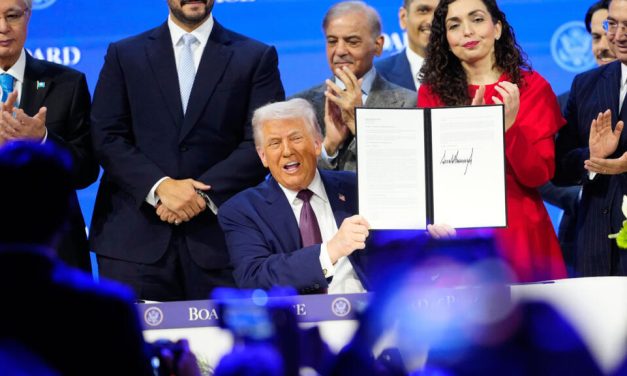
Strategic Council Online – Report: While the second phase of the implementation of the Gaza ceasefire has begun, the establishment of the “Peace Board” chaired by Donald Trump on the sidelines of the Davos meeting (22 January 2026) has become more than a technical mechanism for reconstruction and has turned into a test for the future of the international order.
Despite the signing of the charter by 22 out of 60 invited countries, the limited presence of global leaders at the Davos ceremony and the non-acceptance of this body by the European Union and key Western countries indicate a deep divide in global perceptions of the legitimacy of this mechanism.
In this report, drawing on the analysis of Hadi Borhani, a regional affairs expert, and international data, three strategic questions are addressed: Is the Peace Board an instrument for implementing UN Security Council Resolution 2803 or a substitute for the United Nations? How does the hierarchical architecture of this committee intensify executive challenges in Gaza? And finally, can this body create sustainable peace without the cooperation of Palestinians and with the concentration of power in the hands of a single individual?
America’s Zero-Sum Game in Iraq
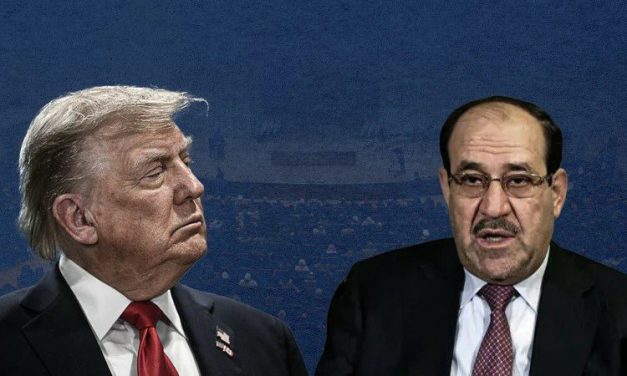
Online Strategic Council – Memoir: The swift selection of Nouri al-Maliki for the premiership constitutes a new phase in Iraq’s political sphere. Multiple factors have played a role in this process, the most important being the prevailing situation in Iraq and the region. Under such circumstances, Iraq requires a powerful and experienced prime minister who can keep the country away from the dangers of wars and crises.
America’s Strategy for Creating Tension in the Asia-Pacific
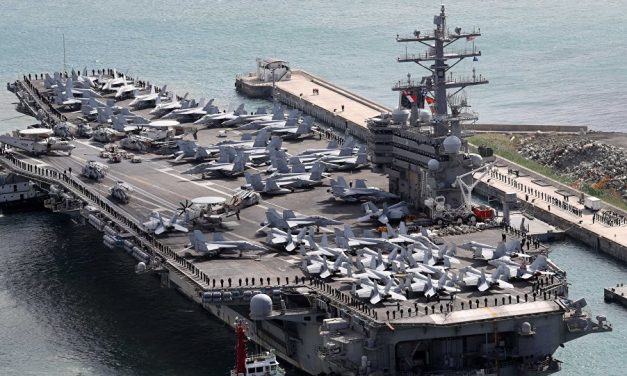
Strategic Council Online – Opinion: Relations between some countries in the Asia-Pacific region, such as China and Japan or China and Australia, which were previously relatively normal, are trending towards deterioration, and the primary reason for this is the aggressive policies of the United States of America.
The Gradual Formation of a New International Order Based on Competition Among Major Powers
Strategic Council Online – Interview: An international affairs expert stated that the decline of the liberal international order began in 2008. Although the liberal international order still governs international relations, an order is emerging to replace it, based on competition among major powers.
The Collapse of the European Security Illusion with the Continuation of the Ukraine War?
Strategic Council Online – Interview: The Ukraine war has become a new turning point in the political, security, and even commercial relations of allies on both sides of the Atlantic. While this war is nearing its fourth year, many questions still remain regarding its future and its consequences; among them, will the continuation of the Ukraine war lead to the collapse of the European security illusion?
Últimas publicaciones
Commercial Exploitation of Peace; The Gaza Committee in Confrontation with International Legitimacy
Strategic Council Online – Report: While the second phase of the implementation of the Gaza ceasefire has begun, the establishment of the “Peace Board” chaired by Donald Trump on the sidelines of the Davos meeting (22 January 2026) has become more than a technical mechanism for reconstruction and has turned into a test for the future of the international order.
Despite the signing of the charter by 22 out of 60 invited countries, the limited presence of global leaders at the Davos ceremony and the non-acceptance of this body by the European Union and key Western countries indicate a deep divide in global perceptions of the legitimacy of this mechanism.
In this report, drawing on the analysis of Hadi Borhani, a regional affairs expert, and international data, three strategic questions are addressed: Is the Peace Board an instrument for implementing UN Security Council Resolution 2803 or a substitute for the United Nations? How does the hierarchical architecture of this committee intensify executive challenges in Gaza? And finally, can this body create sustainable peace without the cooperation of Palestinians and with the concentration of power in the hands of a single individual?
America’s Zero-Sum Game in Iraq
Online Strategic Council – Memoir: The swift selection of Nouri al-Maliki for the premiership constitutes a new phase in Iraq’s political sphere. Multiple factors have played a role in this process, the most important being the prevailing situation in Iraq and the region. Under such circumstances, Iraq requires a powerful and experienced prime minister who can keep the country away from the dangers of wars and crises.
America’s Strategy for Creating Tension in the Asia-Pacific
Strategic Council Online – Opinion: Relations between some countries in the Asia-Pacific region, such as China and Japan or China and Australia, which were previously relatively normal, are trending towards deterioration, and the primary reason for this is the aggressive policies of the United States of America.
The Gradual Formation of a New International Order Based on Competition Among Major Powers
Strategic Council Online – Interview: An international affairs expert stated that the decline of the liberal international order began in 2008. Although the liberal international order still governs international relations, an order is emerging to replace it, based on competition among major powers.
The Collapse of the European Security Illusion with the Continuation of the Ukraine War?
Strategic Council Online – Interview: The Ukraine war has become a new turning point in the political, security, and even commercial relations of allies on both sides of the Atlantic. While this war is nearing its fourth year, many questions still remain regarding its future and its consequences; among them, will the continuation of the Ukraine war lead to the collapse of the European security illusion?
DERNIER CONTENU
Commercial Exploitation of Peace; The Gaza Committee in Confrontation with International Legitimacy
Strategic Council Online – Report: While the second phase of the implementation of the Gaza ceasefire has begun, the establishment of the “Peace Board” chaired by Donald Trump on the sidelines of the Davos meeting (22 January 2026) has become more than a technical mechanism for reconstruction and has turned into a test for the future of the international order.
Despite the signing of the charter by 22 out of 60 invited countries, the limited presence of global leaders at the Davos ceremony and the non-acceptance of this body by the European Union and key Western countries indicate a deep divide in global perceptions of the legitimacy of this mechanism.
In this report, drawing on the analysis of Hadi Borhani, a regional affairs expert, and international data, three strategic questions are addressed: Is the Peace Board an instrument for implementing UN Security Council Resolution 2803 or a substitute for the United Nations? How does the hierarchical architecture of this committee intensify executive challenges in Gaza? And finally, can this body create sustainable peace without the cooperation of Palestinians and with the concentration of power in the hands of a single individual?
America’s Zero-Sum Game in Iraq
Online Strategic Council – Memoir: The swift selection of Nouri al-Maliki for the premiership constitutes a new phase in Iraq’s political sphere. Multiple factors have played a role in this process, the most important being the prevailing situation in Iraq and the region. Under such circumstances, Iraq requires a powerful and experienced prime minister who can keep the country away from the dangers of wars and crises.
America’s Strategy for Creating Tension in the Asia-Pacific
Strategic Council Online – Opinion: Relations between some countries in the Asia-Pacific region, such as China and Japan or China and Australia, which were previously relatively normal, are trending towards deterioration, and the primary reason for this is the aggressive policies of the United States of America.
The Gradual Formation of a New International Order Based on Competition Among Major Powers
Strategic Council Online – Interview: An international affairs expert stated that the decline of the liberal international order began in 2008. Although the liberal international order still governs international relations, an order is emerging to replace it, based on competition among major powers.
The Collapse of the European Security Illusion with the Continuation of the Ukraine War?
Strategic Council Online – Interview: The Ukraine war has become a new turning point in the political, security, and even commercial relations of allies on both sides of the Atlantic. While this war is nearing its fourth year, many questions still remain regarding its future and its consequences; among them, will the continuation of the Ukraine war lead to the collapse of the European security illusion?
DERNIER CONTENU
Commercial Exploitation of Peace; The Gaza Committee in Confrontation with International Legitimacy
Strategic Council Online – Report: While the second phase of the implementation of the Gaza ceasefire has begun, the establishment of the “Peace Board” chaired by Donald Trump on the sidelines of the Davos meeting (22 January 2026) has become more than a technical mechanism for reconstruction and has turned into a test for the future of the international order.
Despite the signing of the charter by 22 out of 60 invited countries, the limited presence of global leaders at the Davos ceremony and the non-acceptance of this body by the European Union and key Western countries indicate a deep divide in global perceptions of the legitimacy of this mechanism.
In this report, drawing on the analysis of Hadi Borhani, a regional affairs expert, and international data, three strategic questions are addressed: Is the Peace Board an instrument for implementing UN Security Council Resolution 2803 or a substitute for the United Nations? How does the hierarchical architecture of this committee intensify executive challenges in Gaza? And finally, can this body create sustainable peace without the cooperation of Palestinians and with the concentration of power in the hands of a single individual?
America’s Zero-Sum Game in Iraq
Online Strategic Council – Memoir: The swift selection of Nouri al-Maliki for the premiership constitutes a new phase in Iraq’s political sphere. Multiple factors have played a role in this process, the most important being the prevailing situation in Iraq and the region. Under such circumstances, Iraq requires a powerful and experienced prime minister who can keep the country away from the dangers of wars and crises.
America’s Strategy for Creating Tension in the Asia-Pacific
Strategic Council Online – Opinion: Relations between some countries in the Asia-Pacific region, such as China and Japan or China and Australia, which were previously relatively normal, are trending towards deterioration, and the primary reason for this is the aggressive policies of the United States of America.
The Gradual Formation of a New International Order Based on Competition Among Major Powers
Strategic Council Online – Interview: An international affairs expert stated that the decline of the liberal international order began in 2008. Although the liberal international order still governs international relations, an order is emerging to replace it, based on competition among major powers.
The Collapse of the European Security Illusion with the Continuation of the Ukraine War?
Strategic Council Online – Interview: The Ukraine war has become a new turning point in the political, security, and even commercial relations of allies on both sides of the Atlantic. While this war is nearing its fourth year, many questions still remain regarding its future and its consequences; among them, will the continuation of the Ukraine war lead to the collapse of the European security illusion?
DERNIER CONTENU
Commercial Exploitation of Peace; The Gaza Committee in Confrontation with International Legitimacy
Strategic Council Online – Report: While the second phase of the implementation of the Gaza ceasefire has begun, the establishment of the “Peace Board” chaired by Donald Trump on the sidelines of the Davos meeting (22 January 2026) has become more than a technical mechanism for reconstruction and has turned into a test for the future of the international order.
Despite the signing of the charter by 22 out of 60 invited countries, the limited presence of global leaders at the Davos ceremony and the non-acceptance of this body by the European Union and key Western countries indicate a deep divide in global perceptions of the legitimacy of this mechanism.
In this report, drawing on the analysis of Hadi Borhani, a regional affairs expert, and international data, three strategic questions are addressed: Is the Peace Board an instrument for implementing UN Security Council Resolution 2803 or a substitute for the United Nations? How does the hierarchical architecture of this committee intensify executive challenges in Gaza? And finally, can this body create sustainable peace without the cooperation of Palestinians and with the concentration of power in the hands of a single individual?
America’s Zero-Sum Game in Iraq
Online Strategic Council – Memoir: The swift selection of Nouri al-Maliki for the premiership constitutes a new phase in Iraq’s political sphere. Multiple factors have played a role in this process, the most important being the prevailing situation in Iraq and the region. Under such circumstances, Iraq requires a powerful and experienced prime minister who can keep the country away from the dangers of wars and crises.
America’s Strategy for Creating Tension in the Asia-Pacific
Strategic Council Online – Opinion: Relations between some countries in the Asia-Pacific region, such as China and Japan or China and Australia, which were previously relatively normal, are trending towards deterioration, and the primary reason for this is the aggressive policies of the United States of America.
The Gradual Formation of a New International Order Based on Competition Among Major Powers
Strategic Council Online – Interview: An international affairs expert stated that the decline of the liberal international order began in 2008. Although the liberal international order still governs international relations, an order is emerging to replace it, based on competition among major powers.
The Collapse of the European Security Illusion with the Continuation of the Ukraine War?
Strategic Council Online – Interview: The Ukraine war has become a new turning point in the political, security, and even commercial relations of allies on both sides of the Atlantic. While this war is nearing its fourth year, many questions still remain regarding its future and its consequences; among them, will the continuation of the Ukraine war lead to the collapse of the European security illusion?
0 Comments