

Sina Raymonde – International Affairs Expert
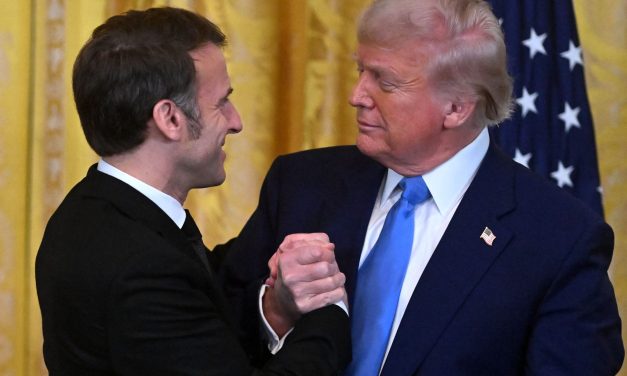
What happened publicly between the presidents of these two countries not only revealed the tensions in America’s relations with its traditional allies but also raised important questions about the future of the international order and America’s role in it. In this note, we examine the results of unconditional trust in America based on historical examples and recent events and assess the best strategy for this country. We will also answer sub-questions about Europe’s position, the reasons for the change in America’s stance on Ukraine, and Washington’s shift in perspective on Europe and competition with Russia and China in the second Trump administration.
Result of unconditional trust in America in international relations
The history of international relations is full of examples of how unconditional trust in America has been detrimental to its allies. One of the most prominent examples was America’s withdrawal from the Iran nuclear deal (JCPOA) during the first Trump administration. This decision not only damaged Europe’s trust in America but also showed that Washington could easily shirk its international obligations. Another example was the sudden withdrawal of American forces from Syria in 2019, which led to an escalation of the crisis in the region and the disappointment of America’s regional allies.
In the case of Ukraine, the United States initially encouraged Kiev to resist Russia with military and financial support. But now, with Trump’s change of position and pressure on Zelensky to accept diplomacy with Russia, this support has declined sharply. This change of position has not only put Ukraine in a vulnerable position but also questioned the trust of other US allies. In other words, unconditional trust in the US can lead to a dangerous dependence that, ultimately, if the domestic priorities or policies of the US administration change, will put allies in a difficult position.
The Best Strategy for the US
Given these realities, the best strategy for the US is to reduce dependence and diversify international relations. Instead of relying entirely on Washington, countries should strengthen regional and international cooperation with other powers. For example, Europe can reduce its dependence on the US by enhancing intra-Union cooperation and expanding relations with different actors. Also, creating security mechanisms independent of NATO can help Europe maintain its ability to defend itself in case of a decrease in US support.
How will Europe deal with the US?
Recent European reactions to the Trump-Zelensky incident indicate that Europe is gradually rethinking its relationship with the US. Following the recent meeting between Trump and Zelensky, EU foreign policy chief Kaia Kalas said, “Today it became clear that the free world needs a new leader,” reflecting Europe’s dissatisfaction with US leadership and a desire for greater independence. Although Europe does not yet view the US as a complete enemy, the continent seems to be moving towards reducing its dependence on Washington and strengthening its position as an independent actor on the international stage.
Reasons for US’s change of position towards Ukraine
The reasons for the US’s change of position towards Ukraine can be traced to several key factors. First, Trump’s “America First” policy has led Washington to focus more on short-term domestic interests than long-term international commitments. Second, domestic pressures and political divisions in the US may also have influenced Trump’s decisions. Third, the growing competition with China and the need to focus resources on this rivalry may have reduced US support for Ukraine.
Changing US Perspective on Europe and competition with Russia and China in the second Trump Administration
In the second Trump administration, the US perspective on Europe and competition with Russia and China seems to have undergone some changes. Trump has openly criticized his European allies and demanded they increase their share of NATO spending. This approach shows that the US will no longer support Europe indefinitely. At the same time, Trump seems more willing to improve relations with Russia, which may be part of a larger strategy to counter China. These changes indicate that the US is redefining its priorities on the international stage.
Conclusion
The recent tense and contentious meeting between Trump and Zelenskyy again showed that unconditional trust in the US can be dangerous. The best strategy visa-vis the US is to reduce dependence and diversify international relations. Europe also seems to be moving towards greater independence and less dependence on Washington. The US’s changing stance on Ukraine and its new view of Europe and competition with Russia and China indicate profound changes in its foreign policy that will force its traditional allies to reconsider their relations with Washington.





0 Comments