Zionist Regime’s Strategy to Exercise Influence in Central Asia

2023/01/09 | interview, News, Politics

Strategic Council Online - Interview: A faculty member of Allameh Tabataba’i University said: The Islamic extremism raised by the Zionist regime in Central Asia and the Caucasus is an excuse aimed at suppressing Islamic movements in the region.

In an interview with the website of the Strategic Council on Foreign Relations, Dr. Hamid Hakim referred to the visit of delegations from Kazakhstan, Uzbekistan, Tajikistan, Kyrgyzstan and Turkmenistan to Tel Aviv regarding cooperation in the fight against terrorism, fundamentalism and drugs and stated: The Zionist regime has taken shape in an environment where it constantly feels being threatened, because it has problems in terms of acceptability and legitimacy. Even if it draws the surrounding governments with it, it cannot draw the support of the people of those countries, and so far this cooperation has not been extended from the people of the countries.

Explaining the approach of the “Ben-Gurion Doctrine” and the effort for peripheral unity with an emphasis on creating strategic depth, the analyst of international affairs added: At the regional level, countries also recognize the Zionist regime as an arm of the West. In fact, the Zionist regime is being faced with those challenges at the regional and trans-regional levels, and for this reason, it pursues increasing influence and presence in regions beyond the Middle East with an aim of increasing global legitimacy and consequently maintaining and surviving its existence.

Stating that the countries of Central Asia believe that development of relations with the Zionist regime leads to the development of relations with the West, Hakim continued: The Central Asian countries and the Caucasus always feel the shadow of Russia over their heads and are afraid of that country. In the upper Russian documents, those areas are also considered as ‘near abroad’ and the backyard. Therefore, those countries try to maintain interaction with the West as much as they can. In addition, considering the need for capital and technology, those countries think that the Zionist regime can meet those needs.

Referring to the importance of the economy and suitable market of Central Asia and the Caucasus, natural resources and the state of geopolitical, political and social factors of those countries for the Zionist regime, he said: Considering the role and influence of Iran and Russia in those regions with regard to their affinities and historical and civilizational similarities, the greater presence of the Zionist regime can have an impact on the presence of Iran and Russia and result in a zero-sum game. On the other hand, the Zionist regime considers those regions as a way to the East and bypassing the Middle East, which creates various interests for it.

The professor of Allameh Tabataba’i University, reminding that the countries of Central Asia are generally Muslim and in themselves have the potential to be on the front against the Zionist regime, added: The presence of the Zionist regime can prevent them from joining this front and create new ways for them to breathe and even put them in front of Iran.

He said: After the collapse of the Soviet Union, the Zionist regime paid special attention to the regions of Central Asia and the Caucasus and has used every opportunity during the past three decades. The Zionist regime moves in non-allergenic, soft and creeping areas in those regions. In the areas where the population is Muslim and are located next to Iran, it does not go to the security and military areas first, and considering the needs of those countries, it focuses more on industrial, agricultural and economic issues during short-term implementation plans, which are aimed at meeting the objectives and interests of its long-term presence.

Emphasizing the difference between the Muslim context of the Central Asian countries and their governments, regarding the holding of anti-terrorism meeting in Tel Aviv and presence of those countries in it, Hakim continued: Such meetings had been held before, but for the people of those countries, such discussions are not acceptable. The Zionist regime is a regime that originated and is one of the founders and executors of state terrorism, and independent institutions and even institutions affiliated to the United Nations have repeatedly criticized and issued resolutions regarding this issue.

He called cooperation of the countries of Central Asia and the Caucasus with the Zionist regime in the field of fighting terrorism and narcotics as the only cooperation at government level and said: Islamic extremism that the Zionist regime raises is aimed at suppressing Islamic movements in the region.

The university professor, saying that cooperation of those countries with the Zionist regime can bring dangers for the governments of that region, emphasized: Considering the expansionist policies of the Zionist regime, presence of the regime undoubtedly has consequences for those countries; among other things, condemnation of such presence by the people of those countries and non-acceptance of cooperation will cause the separation of people and the government in the countries of this region. In addition, such presence causes the sensitivity of some countries in the region.

He continued: Iran should warn against those cases and have active diplomacy in those areas. The issue of paying attention to the neighbors, which has been addressed in the past year, is very valuable, and this trend should be continued, more active and energetic, and implemented by emphasizing economic, cultural and civilizational cooperation.

Hakim added: Iran should define short-term and long-term solutions to increase its presence in those areas through formulation of comprehensive cooperation documents and their follow-up, extraterritorial production and changes in trade tariffs.
0 Comments

Submit a Comment

Your email address will not be published. Required fields are marked *

LATEST CONTENT

America’s Zero-Sum Game in Iraq

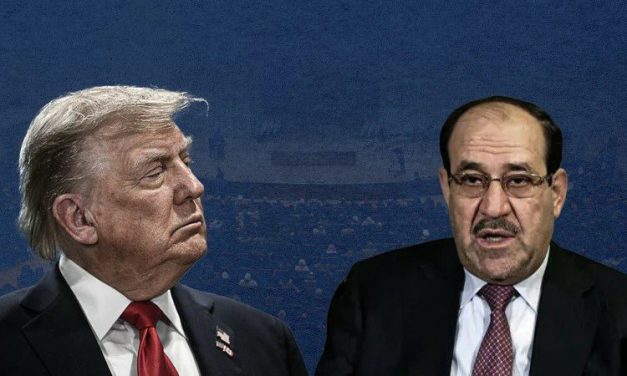
Online Strategic Council – Memoir: The swift selection of Nouri al-Maliki for the premiership constitutes a new phase in Iraq’s political sphere. Multiple factors have played a role in this process, the most important being the prevailing situation in Iraq and the region. Under such circumstances, Iraq requires a powerful and experienced prime minister who can keep the country away from the dangers of wars and crises.

America’s Strategy for Creating Tension in the Asia-Pacific

Strategic Council Online – Opinion: Relations between some countries in the Asia-Pacific region, such as China and Japan or China and Australia, which were previously relatively normal, are trending towards deterioration, and the primary reason for this is the aggressive policies of the United States of America.

The Collapse of the European Security Illusion with the Continuation of the Ukraine War?

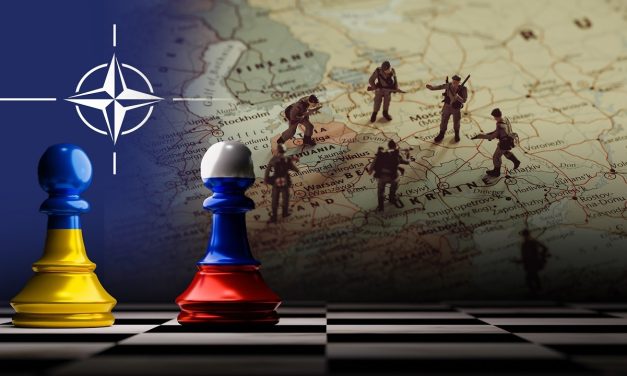
Strategic Council Online – Interview: The Ukraine war has become a new turning point in the political, security, and even commercial relations of allies on both sides of the Atlantic. While this war is nearing its fourth year, many questions still remain regarding its future and its consequences; among them, will the continuation of the Ukraine war lead to the collapse of the European security illusion?

Is Greenland Pushing Europe Toward China?

Strategic Council Online – Interview: A European affairs expert believes that the seizure of Greenland will certainly weaken America’s relations with Europe and its allies. Donald Trump’s view is that he does not need these countries, but if Europe faces significant pressure from the United States, it is natural for it to move toward China.

Alarm Bells Sound for ISIS Revival in Syria: Threat to Iraq and West Asia

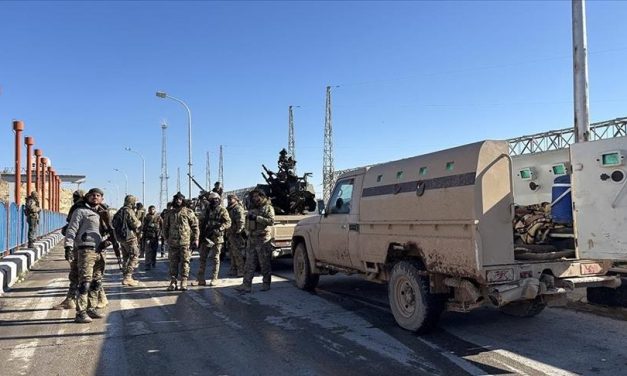
Strategic Council Online – Opinion: Numerous documents and pieces of evidence indicate that ISIS, which in recent years has been the region’s biggest threat to security and stability after the Zionist regime, has once again in recent months become a focal point for political and security exploitation by American and Zionist regime security, intelligence, and political circles.

Afghanistan’s Effective Role in the Economy of Eurasia

Strategic Council Online – Interview: A regional affairs researcher stated: Despite projects such as the Khaf-Herat railway and the Herat-Balkh-Mazar-i-Sharif corridor being on the agenda, insecurity and the absence of an inclusive government remain the most significant obstacles to realizing transit corridors and Afghanistan playing an effective role in the economy of Eurasia.

Loading

Últimas publicaciones

America’s Zero-Sum Game in Iraq

Online Strategic Council – Memoir: The swift selection of Nouri al-Maliki for the premiership constitutes a new phase in Iraq’s political sphere. Multiple factors have played a role in this process, the most important being the prevailing situation in Iraq and the region. Under such circumstances, Iraq requires a powerful and experienced prime minister who can keep the country away from the dangers of wars and crises.

America’s Strategy for Creating Tension in the Asia-Pacific

Strategic Council Online – Opinion: Relations between some countries in the Asia-Pacific region, such as China and Japan or China and Australia, which were previously relatively normal, are trending towards deterioration, and the primary reason for this is the aggressive policies of the United States of America.

The Collapse of the European Security Illusion with the Continuation of the Ukraine War?

Strategic Council Online – Interview: The Ukraine war has become a new turning point in the political, security, and even commercial relations of allies on both sides of the Atlantic. While this war is nearing its fourth year, many questions still remain regarding its future and its consequences; among them, will the continuation of the Ukraine war lead to the collapse of the European security illusion?

Is Greenland Pushing Europe Toward China?

Strategic Council Online – Interview: A European affairs expert believes that the seizure of Greenland will certainly weaken America’s relations with Europe and its allies. Donald Trump’s view is that he does not need these countries, but if Europe faces significant pressure from the United States, it is natural for it to move toward China.

Alarm Bells Sound for ISIS Revival in Syria: Threat to Iraq and West Asia

Strategic Council Online – Opinion: Numerous documents and pieces of evidence indicate that ISIS, which in recent years has been the region’s biggest threat to security and stability after the Zionist regime, has once again in recent months become a focal point for political and security exploitation by American and Zionist regime security, intelligence, and political circles.

Afghanistan’s Effective Role in the Economy of Eurasia

Strategic Council Online – Interview: A regional affairs researcher stated: Despite projects such as the Khaf-Herat railway and the Herat-Balkh-Mazar-i-Sharif corridor being on the agenda, insecurity and the absence of an inclusive government remain the most significant obstacles to realizing transit corridors and Afghanistan playing an effective role in the economy of Eurasia.

Loading

DERNIER CONTENU

America’s Zero-Sum Game in Iraq

Online Strategic Council – Memoir: The swift selection of Nouri al-Maliki for the premiership constitutes a new phase in Iraq’s political sphere. Multiple factors have played a role in this process, the most important being the prevailing situation in Iraq and the region. Under such circumstances, Iraq requires a powerful and experienced prime minister who can keep the country away from the dangers of wars and crises.

America’s Strategy for Creating Tension in the Asia-Pacific

Strategic Council Online – Opinion: Relations between some countries in the Asia-Pacific region, such as China and Japan or China and Australia, which were previously relatively normal, are trending towards deterioration, and the primary reason for this is the aggressive policies of the United States of America.

The Collapse of the European Security Illusion with the Continuation of the Ukraine War?

Strategic Council Online – Interview: The Ukraine war has become a new turning point in the political, security, and even commercial relations of allies on both sides of the Atlantic. While this war is nearing its fourth year, many questions still remain regarding its future and its consequences; among them, will the continuation of the Ukraine war lead to the collapse of the European security illusion?

Is Greenland Pushing Europe Toward China?

Strategic Council Online – Interview: A European affairs expert believes that the seizure of Greenland will certainly weaken America’s relations with Europe and its allies. Donald Trump’s view is that he does not need these countries, but if Europe faces significant pressure from the United States, it is natural for it to move toward China.

Alarm Bells Sound for ISIS Revival in Syria: Threat to Iraq and West Asia

Strategic Council Online – Opinion: Numerous documents and pieces of evidence indicate that ISIS, which in recent years has been the region’s biggest threat to security and stability after the Zionist regime, has once again in recent months become a focal point for political and security exploitation by American and Zionist regime security, intelligence, and political circles.

Afghanistan’s Effective Role in the Economy of Eurasia

Strategic Council Online – Interview: A regional affairs researcher stated: Despite projects such as the Khaf-Herat railway and the Herat-Balkh-Mazar-i-Sharif corridor being on the agenda, insecurity and the absence of an inclusive government remain the most significant obstacles to realizing transit corridors and Afghanistan playing an effective role in the economy of Eurasia.

Loading