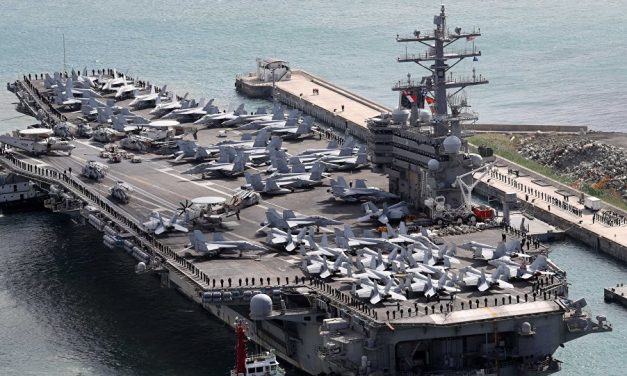
Goals of Pompeo’s Saudi Visit

2020/03/03 | interview, Politics, top news

Strategic Council Online: A university professor cited US Secretary of State Mike Pompeo's goals behind his recent visit to Saudi Arabia, saying the trip was largely meant to prevent Iran from conducting bilateral talks with some countries in the region. He said the US wants to tell Saudi Arabia once again that it does not need to get closer to Iran because Washington will continue its policy of maximum pressure against Iran.

In an interview with the website of the Strategic Council on Foreign Relations, Dr Majid Mohammad Sharifi said regional security, human rights and economic relations were three axes on the agenda of the US State Department for Pompeo’s trip to Saudi Arabia. He said the scope of ​​regional security was completely focused on Iran, and two other issues were on the agenda, especially the human rights issue that Trump was reluctant to enter into, and was put on the official agenda only because of domestic pressure.

Pompeo’s Attempt to Reform Perceptions of Regional Allies

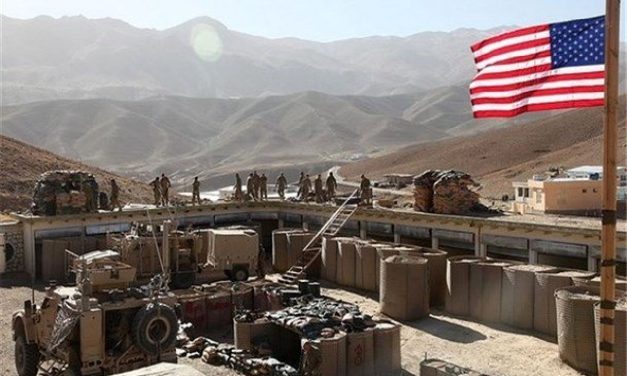
He added: Pompeo paid a symbolic visit to Prince Sultan Air Base, where F-15 jets and Patriot air defence system have been deployed to show that Washington is still behind its regional allies in the face of so-called Iranian threats. Pompeo said the United States remains committed to the security of Saudi Arabia and its allies.

Reminding that what happened over the past year has upset the Riyadh authorities, the professor added: “To some extent, this discourse has developed among the countries of the region that America is no longer their longstanding and committed ally in the face of threats, including attacks on Aramco.

Preventing Direct Talks between Regional Countries and Iran

“It has long been debated in US domestic circles that the policies pursued by Trump, due to the uncertainty of regional countries, are causing the regional alliance against Iran to break down, and some countries are coming to realize that they themselves should solve their problems directly with Iran,” Sharifi said. There have even been arguments by some critics of Trump inside the US, such as the New York Times and the Washington Post, that the United Arab Emirates and Saudi Arabia do not need the US and can solve their own problems with Iran.

“The spread of such rumours and messages exchanged between Iran and Saudi Arabia and some meetings between Iran and the United Arab Emirates has worried the Americans that this would happen. In that case, Washington would face problem in its maximum pressure policy on Iran while one of the pillars of this policy is the cooperation of regional countries, especially the UAE and Saudi Arabia.”

US Senators Offer New Nuclear Plan

Noting that this American measure has been followed up within a discourse with the Europeans, he said that at the recent Munich Security Conference, Lindsey Graham and Robert Menendez, two Republican and Democratic Senators opposed to Iran, have prepared a new nuclear deal that would allow the United States to have nuclear deals with the countries of the region, and at the same time pursue another nuclear deal with Iran and provide it with nuclear fuel in the form of a consortium and with no right to enrich. According to the plan, part of the sanctions on Iran would be lifted and the Senate will examine other issues.

He added: “Robert Menendez said in his remarks that if we prepared such a plan and presented it to Iran but it did not accept it and continued to insist on enrichment it would show that Tehran’s intentions were not peaceful.” They even presented the plan to European countries at the Munich Security Conference, including Britain, France and Germany, and according to Menendez, French President Macron has been very supportive of the plan.

Referring to Menendez’s remarks that the Europeans would join the US camp against Iran and cooperate with Washington in accelerating the trigger mechanism, he added the Americans want the maximum pressure campaign against Iran to continue with all the forces participating in it and not create any gap in it.

Pompeo’s Symbolic Journey to Oman

Referring to Pompeo’s visit to Oman after meeting with Riyadh officials in Saudi Arabia, he said: “The trip to Oman contains a symbolic message to the effect that they were ready to negotiate with Oman concurrently because Oman has acted as a mediator between Iran and the United States. Pompeo is also trying not to allow Oman to be a mediator between Iran and the countries of the region to solve their problems.”

Challenges of US-Saudi Relations

Noting that US-Saudi relations are not very strong and the two sides have expectations from one another that could create problems in ties, Sharifi said: At the same time, he stressed that the US wants Saudi Arabia to remain in the campaign of maximum pressure on Iran. Financial issues are among other matters and there are challenges between the two sides. The Americans desperately need Saudi Arabia in the geopolitical changes they are following via the Deal of the Century.

Describing US-Saudi differences, the university professor also emphasized that the US strongly opposes Saudi sanctions against Qatar. US marines killed in December last year by a Saudi citizen, the murder of Saudi journalist Jamal Khashoggi and detention of an American-Saudi national has caused divisions. However, Saudi Arabia has an important demand from the United States that Americans seem unwilling to fulfil. Riyadh wants the United States to support it like a NATO member state, and commit widespread security obligations as it does to Japan and the Zionist regime.

US-Saudi Alliance Not Strategic, Not Lasting

“So the American-Saudi alliance is not strategic and they have a lot of differences,” he said. In such circumstances, our diplomatic mission is to identify the gaps through delicate measures. Of course, it is very difficult to resolve the issues with Saudi Arabia at one time, but talks can begin from simpler issues. Of course, it is unlikely for relations with Saudi Arabia to be resolved only through peaceful diplomacy.
0 Comments

Submit a Comment

Your email address will not be published. Required fields are marked *

LATEST CONTENT

The Security Equation of Southern Lebanon for the Zionist Regime

Strategic Council Online – Opinion: American-Zionist objectives in the region are not limited to weakening Hezbollah. Efforts to disarm Iraqi resistance groups such as Kata’ib Hezbollah and the Popular Mobilization Forces are also part of their subsequent plans.

Commercial Exploitation of Peace; The Gaza Committee in Confrontation with International Legitimacy

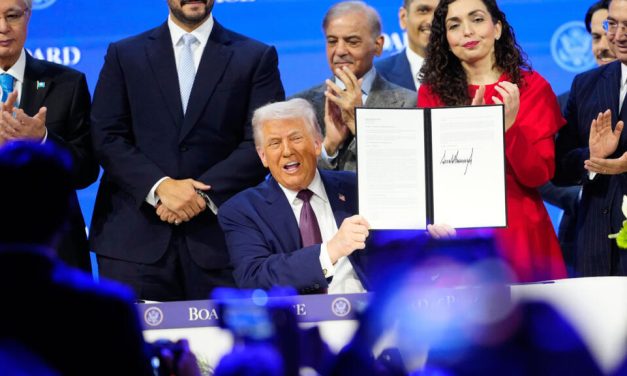
Strategic Council Online – Report: While the second phase of the implementation of the Gaza ceasefire has begun, the establishment of the “Peace Board” chaired by Donald Trump on the sidelines of the Davos meeting (22 January 2026) has become more than a technical mechanism for reconstruction and has turned into a test for the future of the international order.
Despite the signing of the charter by 22 out of 60 invited countries, the limited presence of global leaders at the Davos ceremony and the non-acceptance of this body by the European Union and key Western countries indicate a deep divide in global perceptions of the legitimacy of this mechanism.
In this report, drawing on the analysis of Hadi Borhani, a regional affairs expert, and international data, three strategic questions are addressed: Is the Peace Board an instrument for implementing UN Security Council Resolution 2803 or a substitute for the United Nations? How does the hierarchical architecture of this committee intensify executive challenges in Gaza? And finally, can this body create sustainable peace without the cooperation of Palestinians and with the concentration of power in the hands of a single individual?

America’s Zero-Sum Game in Iraq

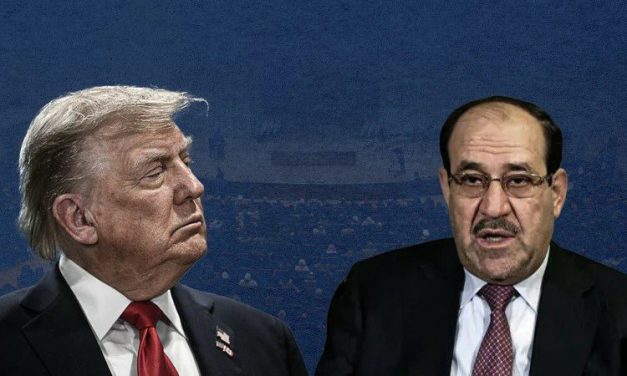
Online Strategic Council – Memoir: The swift selection of Nouri al-Maliki for the premiership constitutes a new phase in Iraq’s political sphere. Multiple factors have played a role in this process, the most important being the prevailing situation in Iraq and the region. Under such circumstances, Iraq requires a powerful and experienced prime minister who can keep the country away from the dangers of wars and crises.

America’s Strategy for Creating Tension in the Asia-Pacific

Strategic Council Online – Opinion: Relations between some countries in the Asia-Pacific region, such as China and Japan or China and Australia, which were previously relatively normal, are trending towards deterioration, and the primary reason for this is the aggressive policies of the United States of America.

Loading

Últimas publicaciones

The Security Equation of Southern Lebanon for the Zionist Regime

Strategic Council Online – Opinion: American-Zionist objectives in the region are not limited to weakening Hezbollah. Efforts to disarm Iraqi resistance groups such as Kata’ib Hezbollah and the Popular Mobilization Forces are also part of their subsequent plans.

Commercial Exploitation of Peace; The Gaza Committee in Confrontation with International Legitimacy

Strategic Council Online – Report: While the second phase of the implementation of the Gaza ceasefire has begun, the establishment of the “Peace Board” chaired by Donald Trump on the sidelines of the Davos meeting (22 January 2026) has become more than a technical mechanism for reconstruction and has turned into a test for the future of the international order.
Despite the signing of the charter by 22 out of 60 invited countries, the limited presence of global leaders at the Davos ceremony and the non-acceptance of this body by the European Union and key Western countries indicate a deep divide in global perceptions of the legitimacy of this mechanism.
In this report, drawing on the analysis of Hadi Borhani, a regional affairs expert, and international data, three strategic questions are addressed: Is the Peace Board an instrument for implementing UN Security Council Resolution 2803 or a substitute for the United Nations? How does the hierarchical architecture of this committee intensify executive challenges in Gaza? And finally, can this body create sustainable peace without the cooperation of Palestinians and with the concentration of power in the hands of a single individual?

America’s Zero-Sum Game in Iraq

Online Strategic Council – Memoir: The swift selection of Nouri al-Maliki for the premiership constitutes a new phase in Iraq’s political sphere. Multiple factors have played a role in this process, the most important being the prevailing situation in Iraq and the region. Under such circumstances, Iraq requires a powerful and experienced prime minister who can keep the country away from the dangers of wars and crises.

America’s Strategy for Creating Tension in the Asia-Pacific

Strategic Council Online – Opinion: Relations between some countries in the Asia-Pacific region, such as China and Japan or China and Australia, which were previously relatively normal, are trending towards deterioration, and the primary reason for this is the aggressive policies of the United States of America.

Loading

DERNIER CONTENU

The Security Equation of Southern Lebanon for the Zionist Regime

Strategic Council Online – Opinion: American-Zionist objectives in the region are not limited to weakening Hezbollah. Efforts to disarm Iraqi resistance groups such as Kata’ib Hezbollah and the Popular Mobilization Forces are also part of their subsequent plans.

Commercial Exploitation of Peace; The Gaza Committee in Confrontation with International Legitimacy

Strategic Council Online – Report: While the second phase of the implementation of the Gaza ceasefire has begun, the establishment of the “Peace Board” chaired by Donald Trump on the sidelines of the Davos meeting (22 January 2026) has become more than a technical mechanism for reconstruction and has turned into a test for the future of the international order.
Despite the signing of the charter by 22 out of 60 invited countries, the limited presence of global leaders at the Davos ceremony and the non-acceptance of this body by the European Union and key Western countries indicate a deep divide in global perceptions of the legitimacy of this mechanism.
In this report, drawing on the analysis of Hadi Borhani, a regional affairs expert, and international data, three strategic questions are addressed: Is the Peace Board an instrument for implementing UN Security Council Resolution 2803 or a substitute for the United Nations? How does the hierarchical architecture of this committee intensify executive challenges in Gaza? And finally, can this body create sustainable peace without the cooperation of Palestinians and with the concentration of power in the hands of a single individual?

America’s Zero-Sum Game in Iraq

Online Strategic Council – Memoir: The swift selection of Nouri al-Maliki for the premiership constitutes a new phase in Iraq’s political sphere. Multiple factors have played a role in this process, the most important being the prevailing situation in Iraq and the region. Under such circumstances, Iraq requires a powerful and experienced prime minister who can keep the country away from the dangers of wars and crises.

America’s Strategy for Creating Tension in the Asia-Pacific

Strategic Council Online – Opinion: Relations between some countries in the Asia-Pacific region, such as China and Japan or China and Australia, which were previously relatively normal, are trending towards deterioration, and the primary reason for this is the aggressive policies of the United States of America.

Loading

DERNIER CONTENU

The Security Equation of Southern Lebanon for the Zionist Regime

Strategic Council Online – Opinion: American-Zionist objectives in the region are not limited to weakening Hezbollah. Efforts to disarm Iraqi resistance groups such as Kata’ib Hezbollah and the Popular Mobilization Forces are also part of their subsequent plans.

Commercial Exploitation of Peace; The Gaza Committee in Confrontation with International Legitimacy

Strategic Council Online – Report: While the second phase of the implementation of the Gaza ceasefire has begun, the establishment of the “Peace Board” chaired by Donald Trump on the sidelines of the Davos meeting (22 January 2026) has become more than a technical mechanism for reconstruction and has turned into a test for the future of the international order.
Despite the signing of the charter by 22 out of 60 invited countries, the limited presence of global leaders at the Davos ceremony and the non-acceptance of this body by the European Union and key Western countries indicate a deep divide in global perceptions of the legitimacy of this mechanism.
In this report, drawing on the analysis of Hadi Borhani, a regional affairs expert, and international data, three strategic questions are addressed: Is the Peace Board an instrument for implementing UN Security Council Resolution 2803 or a substitute for the United Nations? How does the hierarchical architecture of this committee intensify executive challenges in Gaza? And finally, can this body create sustainable peace without the cooperation of Palestinians and with the concentration of power in the hands of a single individual?

America’s Zero-Sum Game in Iraq

Online Strategic Council – Memoir: The swift selection of Nouri al-Maliki for the premiership constitutes a new phase in Iraq’s political sphere. Multiple factors have played a role in this process, the most important being the prevailing situation in Iraq and the region. Under such circumstances, Iraq requires a powerful and experienced prime minister who can keep the country away from the dangers of wars and crises.

America’s Strategy for Creating Tension in the Asia-Pacific

Strategic Council Online – Opinion: Relations between some countries in the Asia-Pacific region, such as China and Japan or China and Australia, which were previously relatively normal, are trending towards deterioration, and the primary reason for this is the aggressive policies of the United States of America.

Loading

DERNIER CONTENU

The Security Equation of Southern Lebanon for the Zionist Regime

Strategic Council Online – Opinion: American-Zionist objectives in the region are not limited to weakening Hezbollah. Efforts to disarm Iraqi resistance groups such as Kata’ib Hezbollah and the Popular Mobilization Forces are also part of their subsequent plans.

Commercial Exploitation of Peace; The Gaza Committee in Confrontation with International Legitimacy

Strategic Council Online – Report: While the second phase of the implementation of the Gaza ceasefire has begun, the establishment of the “Peace Board” chaired by Donald Trump on the sidelines of the Davos meeting (22 January 2026) has become more than a technical mechanism for reconstruction and has turned into a test for the future of the international order.
Despite the signing of the charter by 22 out of 60 invited countries, the limited presence of global leaders at the Davos ceremony and the non-acceptance of this body by the European Union and key Western countries indicate a deep divide in global perceptions of the legitimacy of this mechanism.
In this report, drawing on the analysis of Hadi Borhani, a regional affairs expert, and international data, three strategic questions are addressed: Is the Peace Board an instrument for implementing UN Security Council Resolution 2803 or a substitute for the United Nations? How does the hierarchical architecture of this committee intensify executive challenges in Gaza? And finally, can this body create sustainable peace without the cooperation of Palestinians and with the concentration of power in the hands of a single individual?

America’s Zero-Sum Game in Iraq

Online Strategic Council – Memoir: The swift selection of Nouri al-Maliki for the premiership constitutes a new phase in Iraq’s political sphere. Multiple factors have played a role in this process, the most important being the prevailing situation in Iraq and the region. Under such circumstances, Iraq requires a powerful and experienced prime minister who can keep the country away from the dangers of wars and crises.

America’s Strategy for Creating Tension in the Asia-Pacific

Strategic Council Online – Opinion: Relations between some countries in the Asia-Pacific region, such as China and Japan or China and Australia, which were previously relatively normal, are trending towards deterioration, and the primary reason for this is the aggressive policies of the United States of America.

Loading