جدیدترین مطالب

Europe’s Enduring Dependence on Persian Gulf Energy

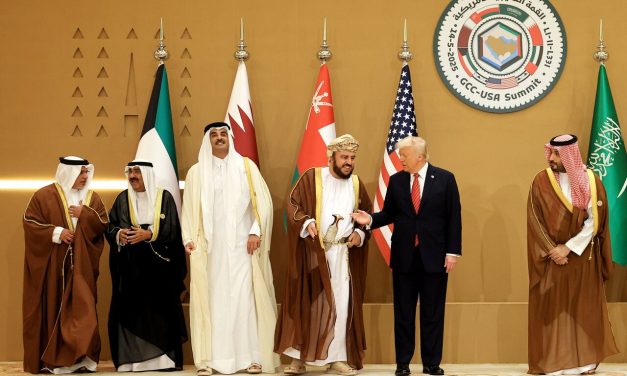
SCFR Online – Opinion: The dominant discourse in the field of European energy security over the past two decades has revolved around diversification of supply sources and the gradual reduction of dependence on fossil fuels. This narrative, which gained particular momentum after the Ukraine gas crisis in 2006 and its intensification in 2014 and 2022, was based on the assumption that Europe could free itself from the geopolitical vulnerabilities arising from dependence on specific suppliers through investment in renewable energy, imports of liquefied natural gas from diversified sources, and the establishment of new infrastructure. However, a closer analysis of energy trade data and the structure of the global oil and gas supply chain presents a different picture. Europe has not only failed to meaningfully reduce its dependence on the Persian Gulf, but in some sectors — particularly in liquefied natural gas imports — this dependence has deepened. This reality, which is often overlooked in public discourse, raises fundamental questions about the sustainability of Europe’s energy security strategies and their impact on regional power equations.

The Challenge of Hezbollah’s Low-Cost “FPV” Drones for the Zionist Regime

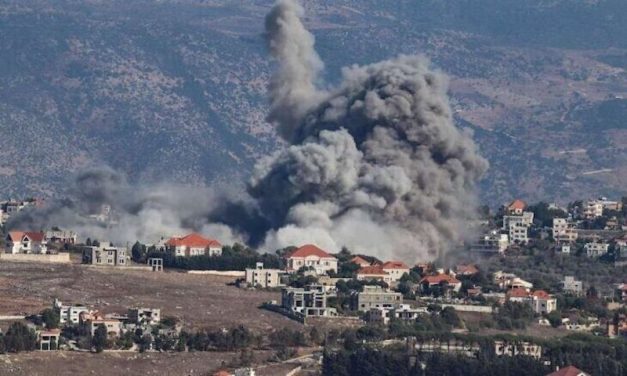
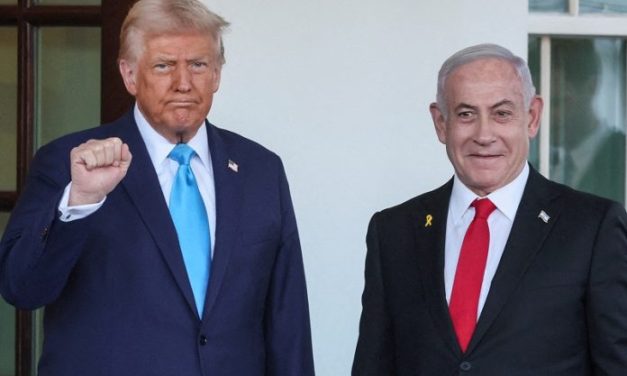
SCFR Online – Opinion: In modern warfare, it has always been assumed that the more expensive, and advanced the weapon—particularly from well-known companies—the more certain the victory will be. However, developments on the northern front of occupied Palestine in recent months have challenged this long-held belief. Here, the Zionist regime’s military, despite possessing the most advanced defense systems such as Iron Dome, David’s Sling, and Arrow, as well as fifth-generation F-35 fighter jets, Merkava tanks, and other modern equipment found in few countries worldwide, has effectively been rendered helpless against Hezbollah Lebanon’s few-hundred-dollar drones. Benjamin Netanyahu’s bitter admission regarding the inability to counter this threat, and his order to allocate an unlimited budget to find a solution, underscores the reality that the era of pure superiority through expensive technologies has come to an end.

The Impact of West Asian Developments on the Ukraine War

SCFR Online – Note: Vladimir Putin, President of Russia, recently announced—more than four years after the commencement of military aggression against Ukraine—that he believes the conflict between Russia and Ukraine is drawing to a close.

Temporary China–U.S. Trade Truce in the Shadow of Fundamental Distrust

SCFR Online – Opinion: The recent visit of the President of the United States to China is significant from various aspects; because China is recognized as the world’s second-largest economic power and a growing economy. The Chinese are also advancing in various fields, including the space sector, artificial intelligence, and military industries; to the extent that in the military sector, whereas they previously lacked an aircraft carrier, they now possess their third aircraft carrier. On the other hand, the United States, as a superpower, has always regarded China as its rival and continues to view it as such today.

Loading

Britain

An Analysis of Elon Musk’s Right-Wing Political Interventions in Britain and Europe

An Analysis of Elon Musk’s Right-Wing Political Interventions in Britain and Europe

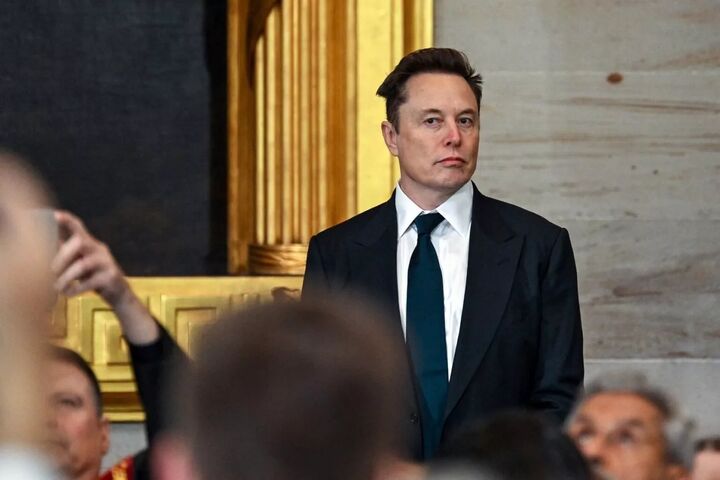
Strategic Council Online – A senior US affairs analyst stated that the overt intervention of billionaire and media mogul Elon Musk in the UK’s internal developments has once again brought the discussion about the role of non-state actors in international politics to the forefront of attention. With his provocative speech at the extreme right-wing rally in London, Musk not only called for the dissolution of parliament and early elections but also effectively sowed the seeds of political violence in the country’s fragile social fabric by promoting a rhetoric of “resistance or destruction.” UK Prime Minister Keir Starmer condemned these remarks, but the matter goes beyond a war of words. The emergence of figures like Musk, who simultaneously possess capital, media influence, and social popularity, has blurred the line between official politics and protest movements. This trend could become a serious challenge to the principle of non-interference in the internal affairs of countries, one of the fundamental principles of the UN Charter. International institutions have been designed primarily to control the actions of states, rather than billionaires who own global platforms. Today, however, developments show that technology and media giants can influence the political developments of countries as independent actors; a reality that could pose new questions to the international order regarding national sovereignty and political security.

An Analysis of Germany’s Wrong Approach to the 12-Day War

An Analysis of Germany’s Wrong Approach to the 12-Day War

Strategic Council Online – Interview: A senior European affairs analyst stated that Germany’s support for the Israeli regime in the 12-day war against Iran stems from its historical commitment to this regime. Friedrich Merz, Germany’s Chancellor from the Christian Democratic Party, firmly backed the Israeli regime’s attacks on Iran in June 2025, calling them a “dirty job for everyone’s benefit” and part of the Israeli regime’s “self-defense.” This stance is rooted in Germany’s historical commitment to the security of the Israeli regime (Staatsräson), which has been reinforced since the Holocaust and Angela Merkel’s 2008 speech at the Knesset. At the G7 summit and a conference in Berlin, Merz cited Iran’s underground facilities, arguing that the attacks were necessary to prevent Iran from obtaining nuclear weapons. Germany’s Foreign Minister, Johann Wadephul, also reiterated support for the Israeli regime’s “right to self-defense.” This position has faced domestic and international criticism. Germany’s unconditional support, aligned with Western geopolitical interests against Iran, signals a shift toward a more aggressive foreign policy. This stance has sparked criticism both at home and abroad.

Impact of Operation Cobweb on the Future Course of the Ukraine War

Impact of Operation Cobweb on the Future Course of the Ukraine War

Strategic Council Online – Interview: While Donald Trump, the President of the United States, was pressuring the parties involved in the Ukraine war to initiate negotiations to end the conflict, Operation Cobweb emerged as an unexpected development that transformed the dynamics of this war. This operation, which led to the destruction of several Russian strategic Tu-22M3 bombers, has raised questions about the future of negotiations, the escalation of tensions, and its strategic implications for Russia’s foreign policy and relations with NATO.

An Analysis of the Possible Approach of the New British Government in Foreign Policy

An Analysis of the Possible Approach of the New British Government in Foreign Policy

Strategic Council Online—Interview: An expert on European issues said: The British Labor Party, led by Keir Starmer, won the election by winning an overwhelming majority of the seats in the House of Commons. On the other hand, the Conservative party, led by Rishi Sunak, has lost 170 seats and is on the way to its heaviest political defeat since the party was founded in the 19th century.

Aims, Dimensions of Saudi Participation in Building New Generation Of Fighter Jets

Aims, Dimensions of Saudi Participation in Building New Generation Of Fighter Jets

Strategic Council Online – Interview: An expert on Saudi affairs stated that Saudi Arabia is trying to join the joint project for building fighter jets with Britain, Italy, and Japan to reduce its dependence on the United States and create a domestic arms industry, adding: Through such measures, part of which is propaganda, Riyadh is trying to show that it has high power and at the same time give warning signs to the United States and show those who want to carry out projects with that country that it has the necessary cards to play in choosing different options.

Britain’s Strategic Effort to Become World Center for AI

Britain’s Strategic Effort to Become World Center for AI

Strategic Council Online – Interview: An expert on international governance of cyberspace stated that at the height of Britain’s need to redefine its power and position in the international system, Rishi Sunak, considering artificial intelligence (AI) as a transformative technology, is making an opportunistic effort to create an achievement for himself, he added: Rather than being a pioneer in artificial intelligence, Britain is trying to be a pioneer in its regulation.

Analysis of the German Government’s Decision to Amend Immigration Law

Analysis of the German Government’s Decision to Amend Immigration Law

Strategic Council Online – Interview: An expert on Europe affairs considered the proposed changes in the German citizenship bill to be an important development in Germany’s approach to immigration and granting citizenship. She said: Contrary to the intensification of anti-immigration policies of some European countries, including Britain, Germany hopes that such reforms will solve the demographic challenges and severe shortage of the labor force in that country.

Analysis of British Strategy against China, Causes of its Escalation against Beijing

Analysis of British Strategy against China, Causes of its Escalation against Beijing

Strategic Council Online – Interview: An analyst of Europe affairs considered the harsh positions of Britain against China in line with the old policy of using political levers for exerting pressure to obtain commercial and economic concessions and said: In the current situation, Britain is no longer able to influence power relations at the global level in the domestic and international arenas, and for this reason, it is trying to prevent further decline in its global position by maintaining its strategic alliance with the United States of America.

Consequences of the Crisis in the Israeli Army

Consequences of the Crisis in the Israeli Army

Strategic Council Online – Opinion: In recent weeks, the Zionist regime has faced a “big and new crisis” within the military and security institutions, which is unprecedented and, according to some Zionist officials, “terrible.”
Hamid Khoshayand – Expert on regional affairs

Germany’s Concern over Becoming a Crisis Party in Ukraine War

Germany’s Concern over Becoming a Crisis Party in Ukraine War

Strategic Council Online – Interview: An expert on Europe affairs says sending German tanks to Ukraine will give Kiev the upper hand in the war and will escalate the conflict by Putin, as well as the possibility of using nuclear weapons in the war, noted: The delivery of Leopard tanks is considered as important when the American Abrams and Challenger tanks are also mentioned. This combination can be a significant and powerful combination for Kiev and even military experts.

أحدث الوظائف

Europe’s Enduring Dependence on Persian Gulf Energy

SCFR Online – Opinion: The dominant discourse in the field of European energy security over the past two decades has revolved around diversification of supply sources and the gradual reduction of dependence on fossil fuels. This narrative, which gained particular momentum after the Ukraine gas crisis in 2006 and its intensification in 2014 and 2022, was based on the assumption that Europe could free itself from the geopolitical vulnerabilities arising from dependence on specific suppliers through investment in renewable energy, imports of liquefied natural gas from diversified sources, and the establishment of new infrastructure. However, a closer analysis of energy trade data and the structure of the global oil and gas supply chain presents a different picture. Europe has not only failed to meaningfully reduce its dependence on the Persian Gulf, but in some sectors — particularly in liquefied natural gas imports — this dependence has deepened. This reality, which is often overlooked in public discourse, raises fundamental questions about the sustainability of Europe’s energy security strategies and their impact on regional power equations.

The Challenge of Hezbollah’s Low-Cost “FPV” Drones for the Zionist Regime

SCFR Online – Opinion: In modern warfare, it has always been assumed that the more expensive, and advanced the weapon—particularly from well-known companies—the more certain the victory will be. However, developments on the northern front of occupied Palestine in recent months have challenged this long-held belief. Here, the Zionist regime’s military, despite possessing the most advanced defense systems such as Iron Dome, David’s Sling, and Arrow, as well as fifth-generation F-35 fighter jets, Merkava tanks, and other modern equipment found in few countries worldwide, has effectively been rendered helpless against Hezbollah Lebanon’s few-hundred-dollar drones. Benjamin Netanyahu’s bitter admission regarding the inability to counter this threat, and his order to allocate an unlimited budget to find a solution, underscores the reality that the era of pure superiority through expensive technologies has come to an end.

The Impact of West Asian Developments on the Ukraine War

SCFR Online – Note: Vladimir Putin, President of Russia, recently announced—more than four years after the commencement of military aggression against Ukraine—that he believes the conflict between Russia and Ukraine is drawing to a close.

Temporary China–U.S. Trade Truce in the Shadow of Fundamental Distrust

SCFR Online – Opinion: The recent visit of the President of the United States to China is significant from various aspects; because China is recognized as the world’s second-largest economic power and a growing economy. The Chinese are also advancing in various fields, including the space sector, artificial intelligence, and military industries; to the extent that in the military sector, whereas they previously lacked an aircraft carrier, they now possess their third aircraft carrier. On the other hand, the United States, as a superpower, has always regarded China as its rival and continues to view it as such today.

Loading

Britain

An Analysis of Elon Musk’s Right-Wing Political Interventions in Britain and Europe

An Analysis of Elon Musk’s Right-Wing Political Interventions in Britain and Europe

Strategic Council Online – A senior US affairs analyst stated that the overt intervention of billionaire and media mogul Elon Musk in the UK’s internal developments has once again brought the discussion about the role of non-state actors in international politics to the forefront of attention. With his provocative speech at the extreme right-wing rally in London, Musk not only called for the dissolution of parliament and early elections but also effectively sowed the seeds of political violence in the country’s fragile social fabric by promoting a rhetoric of “resistance or destruction.” UK Prime Minister Keir Starmer condemned these remarks, but the matter goes beyond a war of words. The emergence of figures like Musk, who simultaneously possess capital, media influence, and social popularity, has blurred the line between official politics and protest movements. This trend could become a serious challenge to the principle of non-interference in the internal affairs of countries, one of the fundamental principles of the UN Charter. International institutions have been designed primarily to control the actions of states, rather than billionaires who own global platforms. Today, however, developments show that technology and media giants can influence the political developments of countries as independent actors; a reality that could pose new questions to the international order regarding national sovereignty and political security.

An Analysis of Germany’s Wrong Approach to the 12-Day War

An Analysis of Germany’s Wrong Approach to the 12-Day War

Strategic Council Online – Interview: A senior European affairs analyst stated that Germany’s support for the Israeli regime in the 12-day war against Iran stems from its historical commitment to this regime. Friedrich Merz, Germany’s Chancellor from the Christian Democratic Party, firmly backed the Israeli regime’s attacks on Iran in June 2025, calling them a “dirty job for everyone’s benefit” and part of the Israeli regime’s “self-defense.” This stance is rooted in Germany’s historical commitment to the security of the Israeli regime (Staatsräson), which has been reinforced since the Holocaust and Angela Merkel’s 2008 speech at the Knesset. At the G7 summit and a conference in Berlin, Merz cited Iran’s underground facilities, arguing that the attacks were necessary to prevent Iran from obtaining nuclear weapons. Germany’s Foreign Minister, Johann Wadephul, also reiterated support for the Israeli regime’s “right to self-defense.” This position has faced domestic and international criticism. Germany’s unconditional support, aligned with Western geopolitical interests against Iran, signals a shift toward a more aggressive foreign policy. This stance has sparked criticism both at home and abroad.

Impact of Operation Cobweb on the Future Course of the Ukraine War

Impact of Operation Cobweb on the Future Course of the Ukraine War

Strategic Council Online – Interview: While Donald Trump, the President of the United States, was pressuring the parties involved in the Ukraine war to initiate negotiations to end the conflict, Operation Cobweb emerged as an unexpected development that transformed the dynamics of this war. This operation, which led to the destruction of several Russian strategic Tu-22M3 bombers, has raised questions about the future of negotiations, the escalation of tensions, and its strategic implications for Russia’s foreign policy and relations with NATO.

An Analysis of the Possible Approach of the New British Government in Foreign Policy

An Analysis of the Possible Approach of the New British Government in Foreign Policy

Strategic Council Online—Interview: An expert on European issues said: The British Labor Party, led by Keir Starmer, won the election by winning an overwhelming majority of the seats in the House of Commons. On the other hand, the Conservative party, led by Rishi Sunak, has lost 170 seats and is on the way to its heaviest political defeat since the party was founded in the 19th century.

Aims, Dimensions of Saudi Participation in Building New Generation Of Fighter Jets

Aims, Dimensions of Saudi Participation in Building New Generation Of Fighter Jets

Strategic Council Online – Interview: An expert on Saudi affairs stated that Saudi Arabia is trying to join the joint project for building fighter jets with Britain, Italy, and Japan to reduce its dependence on the United States and create a domestic arms industry, adding: Through such measures, part of which is propaganda, Riyadh is trying to show that it has high power and at the same time give warning signs to the United States and show those who want to carry out projects with that country that it has the necessary cards to play in choosing different options.

Britain’s Strategic Effort to Become World Center for AI

Britain’s Strategic Effort to Become World Center for AI

Strategic Council Online – Interview: An expert on international governance of cyberspace stated that at the height of Britain’s need to redefine its power and position in the international system, Rishi Sunak, considering artificial intelligence (AI) as a transformative technology, is making an opportunistic effort to create an achievement for himself, he added: Rather than being a pioneer in artificial intelligence, Britain is trying to be a pioneer in its regulation.

Analysis of the German Government’s Decision to Amend Immigration Law

Analysis of the German Government’s Decision to Amend Immigration Law

Strategic Council Online – Interview: An expert on Europe affairs considered the proposed changes in the German citizenship bill to be an important development in Germany’s approach to immigration and granting citizenship. She said: Contrary to the intensification of anti-immigration policies of some European countries, including Britain, Germany hopes that such reforms will solve the demographic challenges and severe shortage of the labor force in that country.

Analysis of British Strategy against China, Causes of its Escalation against Beijing

Analysis of British Strategy against China, Causes of its Escalation against Beijing

Strategic Council Online – Interview: An analyst of Europe affairs considered the harsh positions of Britain against China in line with the old policy of using political levers for exerting pressure to obtain commercial and economic concessions and said: In the current situation, Britain is no longer able to influence power relations at the global level in the domestic and international arenas, and for this reason, it is trying to prevent further decline in its global position by maintaining its strategic alliance with the United States of America.

Consequences of the Crisis in the Israeli Army

Consequences of the Crisis in the Israeli Army

Strategic Council Online – Opinion: In recent weeks, the Zionist regime has faced a “big and new crisis” within the military and security institutions, which is unprecedented and, according to some Zionist officials, “terrible.”
Hamid Khoshayand – Expert on regional affairs

Germany’s Concern over Becoming a Crisis Party in Ukraine War

Germany’s Concern over Becoming a Crisis Party in Ukraine War

Strategic Council Online – Interview: An expert on Europe affairs says sending German tanks to Ukraine will give Kiev the upper hand in the war and will escalate the conflict by Putin, as well as the possibility of using nuclear weapons in the war, noted: The delivery of Leopard tanks is considered as important when the American Abrams and Challenger tanks are also mentioned. This combination can be a significant and powerful combination for Kiev and even military experts.

Britain

An Analysis of Elon Musk’s Right-Wing Political Interventions in Britain and Europe

An Analysis of Elon Musk’s Right-Wing Political Interventions in Britain and Europe

Strategic Council Online – A senior US affairs analyst stated that the overt intervention of billionaire and media mogul Elon Musk in the UK’s internal developments has once again brought the discussion about the role of non-state actors in international politics to the forefront of attention. With his provocative speech at the extreme right-wing rally in London, Musk not only called for the dissolution of parliament and early elections but also effectively sowed the seeds of political violence in the country’s fragile social fabric by promoting a rhetoric of “resistance or destruction.” UK Prime Minister Keir Starmer condemned these remarks, but the matter goes beyond a war of words. The emergence of figures like Musk, who simultaneously possess capital, media influence, and social popularity, has blurred the line between official politics and protest movements. This trend could become a serious challenge to the principle of non-interference in the internal affairs of countries, one of the fundamental principles of the UN Charter. International institutions have been designed primarily to control the actions of states, rather than billionaires who own global platforms. Today, however, developments show that technology and media giants can influence the political developments of countries as independent actors; a reality that could pose new questions to the international order regarding national sovereignty and political security.

An Analysis of Germany’s Wrong Approach to the 12-Day War

An Analysis of Germany’s Wrong Approach to the 12-Day War

Strategic Council Online – Interview: A senior European affairs analyst stated that Germany’s support for the Israeli regime in the 12-day war against Iran stems from its historical commitment to this regime. Friedrich Merz, Germany’s Chancellor from the Christian Democratic Party, firmly backed the Israeli regime’s attacks on Iran in June 2025, calling them a “dirty job for everyone’s benefit” and part of the Israeli regime’s “self-defense.” This stance is rooted in Germany’s historical commitment to the security of the Israeli regime (Staatsräson), which has been reinforced since the Holocaust and Angela Merkel’s 2008 speech at the Knesset. At the G7 summit and a conference in Berlin, Merz cited Iran’s underground facilities, arguing that the attacks were necessary to prevent Iran from obtaining nuclear weapons. Germany’s Foreign Minister, Johann Wadephul, also reiterated support for the Israeli regime’s “right to self-defense.” This position has faced domestic and international criticism. Germany’s unconditional support, aligned with Western geopolitical interests against Iran, signals a shift toward a more aggressive foreign policy. This stance has sparked criticism both at home and abroad.

Impact of Operation Cobweb on the Future Course of the Ukraine War

Impact of Operation Cobweb on the Future Course of the Ukraine War

Strategic Council Online – Interview: While Donald Trump, the President of the United States, was pressuring the parties involved in the Ukraine war to initiate negotiations to end the conflict, Operation Cobweb emerged as an unexpected development that transformed the dynamics of this war. This operation, which led to the destruction of several Russian strategic Tu-22M3 bombers, has raised questions about the future of negotiations, the escalation of tensions, and its strategic implications for Russia’s foreign policy and relations with NATO.

An Analysis of the Possible Approach of the New British Government in Foreign Policy

An Analysis of the Possible Approach of the New British Government in Foreign Policy

Strategic Council Online—Interview: An expert on European issues said: The British Labor Party, led by Keir Starmer, won the election by winning an overwhelming majority of the seats in the House of Commons. On the other hand, the Conservative party, led by Rishi Sunak, has lost 170 seats and is on the way to its heaviest political defeat since the party was founded in the 19th century.

Aims, Dimensions of Saudi Participation in Building New Generation Of Fighter Jets

Aims, Dimensions of Saudi Participation in Building New Generation Of Fighter Jets

Strategic Council Online – Interview: An expert on Saudi affairs stated that Saudi Arabia is trying to join the joint project for building fighter jets with Britain, Italy, and Japan to reduce its dependence on the United States and create a domestic arms industry, adding: Through such measures, part of which is propaganda, Riyadh is trying to show that it has high power and at the same time give warning signs to the United States and show those who want to carry out projects with that country that it has the necessary cards to play in choosing different options.

Britain’s Strategic Effort to Become World Center for AI

Britain’s Strategic Effort to Become World Center for AI

Strategic Council Online – Interview: An expert on international governance of cyberspace stated that at the height of Britain’s need to redefine its power and position in the international system, Rishi Sunak, considering artificial intelligence (AI) as a transformative technology, is making an opportunistic effort to create an achievement for himself, he added: Rather than being a pioneer in artificial intelligence, Britain is trying to be a pioneer in its regulation.

Analysis of the German Government’s Decision to Amend Immigration Law

Analysis of the German Government’s Decision to Amend Immigration Law

Strategic Council Online – Interview: An expert on Europe affairs considered the proposed changes in the German citizenship bill to be an important development in Germany’s approach to immigration and granting citizenship. She said: Contrary to the intensification of anti-immigration policies of some European countries, including Britain, Germany hopes that such reforms will solve the demographic challenges and severe shortage of the labor force in that country.

Analysis of British Strategy against China, Causes of its Escalation against Beijing

Analysis of British Strategy against China, Causes of its Escalation against Beijing

Strategic Council Online – Interview: An analyst of Europe affairs considered the harsh positions of Britain against China in line with the old policy of using political levers for exerting pressure to obtain commercial and economic concessions and said: In the current situation, Britain is no longer able to influence power relations at the global level in the domestic and international arenas, and for this reason, it is trying to prevent further decline in its global position by maintaining its strategic alliance with the United States of America.

Consequences of the Crisis in the Israeli Army

Consequences of the Crisis in the Israeli Army

Strategic Council Online – Opinion: In recent weeks, the Zionist regime has faced a “big and new crisis” within the military and security institutions, which is unprecedented and, according to some Zionist officials, “terrible.”
Hamid Khoshayand – Expert on regional affairs

Germany’s Concern over Becoming a Crisis Party in Ukraine War

Germany’s Concern over Becoming a Crisis Party in Ukraine War

Strategic Council Online – Interview: An expert on Europe affairs says sending German tanks to Ukraine will give Kiev the upper hand in the war and will escalate the conflict by Putin, as well as the possibility of using nuclear weapons in the war, noted: The delivery of Leopard tanks is considered as important when the American Abrams and Challenger tanks are also mentioned. This combination can be a significant and powerful combination for Kiev and even military experts.

LATEST CONTENT

Europe’s Enduring Dependence on Persian Gulf Energy

SCFR Online – Opinion: The dominant discourse in the field of European energy security over the past two decades has revolved around diversification of supply sources and the gradual reduction of dependence on fossil fuels. This narrative, which gained particular momentum after the Ukraine gas crisis in 2006 and its intensification in 2014 and 2022, was based on the assumption that Europe could free itself from the geopolitical vulnerabilities arising from dependence on specific suppliers through investment in renewable energy, imports of liquefied natural gas from diversified sources, and the establishment of new infrastructure. However, a closer analysis of energy trade data and the structure of the global oil and gas supply chain presents a different picture. Europe has not only failed to meaningfully reduce its dependence on the Persian Gulf, but in some sectors — particularly in liquefied natural gas imports — this dependence has deepened. This reality, which is often overlooked in public discourse, raises fundamental questions about the sustainability of Europe’s energy security strategies and their impact on regional power equations.

The Challenge of Hezbollah’s Low-Cost “FPV” Drones for the Zionist Regime

SCFR Online – Opinion: In modern warfare, it has always been assumed that the more expensive, and advanced the weapon—particularly from well-known companies—the more certain the victory will be. However, developments on the northern front of occupied Palestine in recent months have challenged this long-held belief. Here, the Zionist regime’s military, despite possessing the most advanced defense systems such as Iron Dome, David’s Sling, and Arrow, as well as fifth-generation F-35 fighter jets, Merkava tanks, and other modern equipment found in few countries worldwide, has effectively been rendered helpless against Hezbollah Lebanon’s few-hundred-dollar drones. Benjamin Netanyahu’s bitter admission regarding the inability to counter this threat, and his order to allocate an unlimited budget to find a solution, underscores the reality that the era of pure superiority through expensive technologies has come to an end.

The Impact of West Asian Developments on the Ukraine War

SCFR Online – Note: Vladimir Putin, President of Russia, recently announced—more than four years after the commencement of military aggression against Ukraine—that he believes the conflict between Russia and Ukraine is drawing to a close.

Temporary China–U.S. Trade Truce in the Shadow of Fundamental Distrust

SCFR Online – Opinion: The recent visit of the President of the United States to China is significant from various aspects; because China is recognized as the world’s second-largest economic power and a growing economy. The Chinese are also advancing in various fields, including the space sector, artificial intelligence, and military industries; to the extent that in the military sector, whereas they previously lacked an aircraft carrier, they now possess their third aircraft carrier. On the other hand, the United States, as a superpower, has always regarded China as its rival and continues to view it as such today.

Loading

Britain

An Analysis of Elon Musk’s Right-Wing Political Interventions in Britain and Europe

An Analysis of Elon Musk’s Right-Wing Political Interventions in Britain and Europe

Strategic Council Online – A senior US affairs analyst stated that the overt intervention of billionaire and media mogul Elon Musk in the UK’s internal developments has once again brought the discussion about the role of non-state actors in international politics to the forefront of attention. With his provocative speech at the extreme right-wing rally in London, Musk not only called for the dissolution of parliament and early elections but also effectively sowed the seeds of political violence in the country’s fragile social fabric by promoting a rhetoric of “resistance or destruction.” UK Prime Minister Keir Starmer condemned these remarks, but the matter goes beyond a war of words. The emergence of figures like Musk, who simultaneously possess capital, media influence, and social popularity, has blurred the line between official politics and protest movements. This trend could become a serious challenge to the principle of non-interference in the internal affairs of countries, one of the fundamental principles of the UN Charter. International institutions have been designed primarily to control the actions of states, rather than billionaires who own global platforms. Today, however, developments show that technology and media giants can influence the political developments of countries as independent actors; a reality that could pose new questions to the international order regarding national sovereignty and political security.

An Analysis of Germany’s Wrong Approach to the 12-Day War

An Analysis of Germany’s Wrong Approach to the 12-Day War

Strategic Council Online – Interview: A senior European affairs analyst stated that Germany’s support for the Israeli regime in the 12-day war against Iran stems from its historical commitment to this regime. Friedrich Merz, Germany’s Chancellor from the Christian Democratic Party, firmly backed the Israeli regime’s attacks on Iran in June 2025, calling them a “dirty job for everyone’s benefit” and part of the Israeli regime’s “self-defense.” This stance is rooted in Germany’s historical commitment to the security of the Israeli regime (Staatsräson), which has been reinforced since the Holocaust and Angela Merkel’s 2008 speech at the Knesset. At the G7 summit and a conference in Berlin, Merz cited Iran’s underground facilities, arguing that the attacks were necessary to prevent Iran from obtaining nuclear weapons. Germany’s Foreign Minister, Johann Wadephul, also reiterated support for the Israeli regime’s “right to self-defense.” This position has faced domestic and international criticism. Germany’s unconditional support, aligned with Western geopolitical interests against Iran, signals a shift toward a more aggressive foreign policy. This stance has sparked criticism both at home and abroad.

Impact of Operation Cobweb on the Future Course of the Ukraine War

Impact of Operation Cobweb on the Future Course of the Ukraine War

Strategic Council Online – Interview: While Donald Trump, the President of the United States, was pressuring the parties involved in the Ukraine war to initiate negotiations to end the conflict, Operation Cobweb emerged as an unexpected development that transformed the dynamics of this war. This operation, which led to the destruction of several Russian strategic Tu-22M3 bombers, has raised questions about the future of negotiations, the escalation of tensions, and its strategic implications for Russia’s foreign policy and relations with NATO.

An Analysis of the Possible Approach of the New British Government in Foreign Policy

An Analysis of the Possible Approach of the New British Government in Foreign Policy

Strategic Council Online—Interview: An expert on European issues said: The British Labor Party, led by Keir Starmer, won the election by winning an overwhelming majority of the seats in the House of Commons. On the other hand, the Conservative party, led by Rishi Sunak, has lost 170 seats and is on the way to its heaviest political defeat since the party was founded in the 19th century.

Aims, Dimensions of Saudi Participation in Building New Generation Of Fighter Jets

Aims, Dimensions of Saudi Participation in Building New Generation Of Fighter Jets

Strategic Council Online – Interview: An expert on Saudi affairs stated that Saudi Arabia is trying to join the joint project for building fighter jets with Britain, Italy, and Japan to reduce its dependence on the United States and create a domestic arms industry, adding: Through such measures, part of which is propaganda, Riyadh is trying to show that it has high power and at the same time give warning signs to the United States and show those who want to carry out projects with that country that it has the necessary cards to play in choosing different options.

Britain’s Strategic Effort to Become World Center for AI

Britain’s Strategic Effort to Become World Center for AI

Strategic Council Online – Interview: An expert on international governance of cyberspace stated that at the height of Britain’s need to redefine its power and position in the international system, Rishi Sunak, considering artificial intelligence (AI) as a transformative technology, is making an opportunistic effort to create an achievement for himself, he added: Rather than being a pioneer in artificial intelligence, Britain is trying to be a pioneer in its regulation.

Analysis of the German Government’s Decision to Amend Immigration Law

Analysis of the German Government’s Decision to Amend Immigration Law

Strategic Council Online – Interview: An expert on Europe affairs considered the proposed changes in the German citizenship bill to be an important development in Germany’s approach to immigration and granting citizenship. She said: Contrary to the intensification of anti-immigration policies of some European countries, including Britain, Germany hopes that such reforms will solve the demographic challenges and severe shortage of the labor force in that country.

Analysis of British Strategy against China, Causes of its Escalation against Beijing

Analysis of British Strategy against China, Causes of its Escalation against Beijing

Strategic Council Online – Interview: An analyst of Europe affairs considered the harsh positions of Britain against China in line with the old policy of using political levers for exerting pressure to obtain commercial and economic concessions and said: In the current situation, Britain is no longer able to influence power relations at the global level in the domestic and international arenas, and for this reason, it is trying to prevent further decline in its global position by maintaining its strategic alliance with the United States of America.

Consequences of the Crisis in the Israeli Army

Consequences of the Crisis in the Israeli Army

Strategic Council Online – Opinion: In recent weeks, the Zionist regime has faced a “big and new crisis” within the military and security institutions, which is unprecedented and, according to some Zionist officials, “terrible.”
Hamid Khoshayand – Expert on regional affairs

Germany’s Concern over Becoming a Crisis Party in Ukraine War

Germany’s Concern over Becoming a Crisis Party in Ukraine War

Strategic Council Online – Interview: An expert on Europe affairs says sending German tanks to Ukraine will give Kiev the upper hand in the war and will escalate the conflict by Putin, as well as the possibility of using nuclear weapons in the war, noted: The delivery of Leopard tanks is considered as important when the American Abrams and Challenger tanks are also mentioned. This combination can be a significant and powerful combination for Kiev and even military experts.

ÚLTIMAS PUBLICACIONES

Europe’s Enduring Dependence on Persian Gulf Energy

SCFR Online – Opinion: The dominant discourse in the field of European energy security over the past two decades has revolved around diversification of supply sources and the gradual reduction of dependence on fossil fuels. This narrative, which gained particular momentum after the Ukraine gas crisis in 2006 and its intensification in 2014 and 2022, was based on the assumption that Europe could free itself from the geopolitical vulnerabilities arising from dependence on specific suppliers through investment in renewable energy, imports of liquefied natural gas from diversified sources, and the establishment of new infrastructure. However, a closer analysis of energy trade data and the structure of the global oil and gas supply chain presents a different picture. Europe has not only failed to meaningfully reduce its dependence on the Persian Gulf, but in some sectors — particularly in liquefied natural gas imports — this dependence has deepened. This reality, which is often overlooked in public discourse, raises fundamental questions about the sustainability of Europe’s energy security strategies and their impact on regional power equations.

The Challenge of Hezbollah’s Low-Cost “FPV” Drones for the Zionist Regime

SCFR Online – Opinion: In modern warfare, it has always been assumed that the more expensive, and advanced the weapon—particularly from well-known companies—the more certain the victory will be. However, developments on the northern front of occupied Palestine in recent months have challenged this long-held belief. Here, the Zionist regime’s military, despite possessing the most advanced defense systems such as Iron Dome, David’s Sling, and Arrow, as well as fifth-generation F-35 fighter jets, Merkava tanks, and other modern equipment found in few countries worldwide, has effectively been rendered helpless against Hezbollah Lebanon’s few-hundred-dollar drones. Benjamin Netanyahu’s bitter admission regarding the inability to counter this threat, and his order to allocate an unlimited budget to find a solution, underscores the reality that the era of pure superiority through expensive technologies has come to an end.

The Impact of West Asian Developments on the Ukraine War

SCFR Online – Note: Vladimir Putin, President of Russia, recently announced—more than four years after the commencement of military aggression against Ukraine—that he believes the conflict between Russia and Ukraine is drawing to a close.

Temporary China–U.S. Trade Truce in the Shadow of Fundamental Distrust

SCFR Online – Opinion: The recent visit of the President of the United States to China is significant from various aspects; because China is recognized as the world’s second-largest economic power and a growing economy. The Chinese are also advancing in various fields, including the space sector, artificial intelligence, and military industries; to the extent that in the military sector, whereas they previously lacked an aircraft carrier, they now possess their third aircraft carrier. On the other hand, the United States, as a superpower, has always regarded China as its rival and continues to view it as such today.

Loading

Britain

An Analysis of Elon Musk’s Right-Wing Political Interventions in Britain and Europe

An Analysis of Elon Musk’s Right-Wing Political Interventions in Britain and Europe

Strategic Council Online – A senior US affairs analyst stated that the overt intervention of billionaire and media mogul Elon Musk in the UK’s internal developments has once again brought the discussion about the role of non-state actors in international politics to the forefront of attention. With his provocative speech at the extreme right-wing rally in London, Musk not only called for the dissolution of parliament and early elections but also effectively sowed the seeds of political violence in the country’s fragile social fabric by promoting a rhetoric of “resistance or destruction.” UK Prime Minister Keir Starmer condemned these remarks, but the matter goes beyond a war of words. The emergence of figures like Musk, who simultaneously possess capital, media influence, and social popularity, has blurred the line between official politics and protest movements. This trend could become a serious challenge to the principle of non-interference in the internal affairs of countries, one of the fundamental principles of the UN Charter. International institutions have been designed primarily to control the actions of states, rather than billionaires who own global platforms. Today, however, developments show that technology and media giants can influence the political developments of countries as independent actors; a reality that could pose new questions to the international order regarding national sovereignty and political security.

An Analysis of Germany’s Wrong Approach to the 12-Day War

An Analysis of Germany’s Wrong Approach to the 12-Day War

Strategic Council Online – Interview: A senior European affairs analyst stated that Germany’s support for the Israeli regime in the 12-day war against Iran stems from its historical commitment to this regime. Friedrich Merz, Germany’s Chancellor from the Christian Democratic Party, firmly backed the Israeli regime’s attacks on Iran in June 2025, calling them a “dirty job for everyone’s benefit” and part of the Israeli regime’s “self-defense.” This stance is rooted in Germany’s historical commitment to the security of the Israeli regime (Staatsräson), which has been reinforced since the Holocaust and Angela Merkel’s 2008 speech at the Knesset. At the G7 summit and a conference in Berlin, Merz cited Iran’s underground facilities, arguing that the attacks were necessary to prevent Iran from obtaining nuclear weapons. Germany’s Foreign Minister, Johann Wadephul, also reiterated support for the Israeli regime’s “right to self-defense.” This position has faced domestic and international criticism. Germany’s unconditional support, aligned with Western geopolitical interests against Iran, signals a shift toward a more aggressive foreign policy. This stance has sparked criticism both at home and abroad.

Impact of Operation Cobweb on the Future Course of the Ukraine War

Impact of Operation Cobweb on the Future Course of the Ukraine War

Strategic Council Online – Interview: While Donald Trump, the President of the United States, was pressuring the parties involved in the Ukraine war to initiate negotiations to end the conflict, Operation Cobweb emerged as an unexpected development that transformed the dynamics of this war. This operation, which led to the destruction of several Russian strategic Tu-22M3 bombers, has raised questions about the future of negotiations, the escalation of tensions, and its strategic implications for Russia’s foreign policy and relations with NATO.

An Analysis of the Possible Approach of the New British Government in Foreign Policy

An Analysis of the Possible Approach of the New British Government in Foreign Policy

Strategic Council Online—Interview: An expert on European issues said: The British Labor Party, led by Keir Starmer, won the election by winning an overwhelming majority of the seats in the House of Commons. On the other hand, the Conservative party, led by Rishi Sunak, has lost 170 seats and is on the way to its heaviest political defeat since the party was founded in the 19th century.

Aims, Dimensions of Saudi Participation in Building New Generation Of Fighter Jets

Aims, Dimensions of Saudi Participation in Building New Generation Of Fighter Jets

Strategic Council Online – Interview: An expert on Saudi affairs stated that Saudi Arabia is trying to join the joint project for building fighter jets with Britain, Italy, and Japan to reduce its dependence on the United States and create a domestic arms industry, adding: Through such measures, part of which is propaganda, Riyadh is trying to show that it has high power and at the same time give warning signs to the United States and show those who want to carry out projects with that country that it has the necessary cards to play in choosing different options.

Britain’s Strategic Effort to Become World Center for AI

Britain’s Strategic Effort to Become World Center for AI

Strategic Council Online – Interview: An expert on international governance of cyberspace stated that at the height of Britain’s need to redefine its power and position in the international system, Rishi Sunak, considering artificial intelligence (AI) as a transformative technology, is making an opportunistic effort to create an achievement for himself, he added: Rather than being a pioneer in artificial intelligence, Britain is trying to be a pioneer in its regulation.

Analysis of the German Government’s Decision to Amend Immigration Law

Analysis of the German Government’s Decision to Amend Immigration Law

Strategic Council Online – Interview: An expert on Europe affairs considered the proposed changes in the German citizenship bill to be an important development in Germany’s approach to immigration and granting citizenship. She said: Contrary to the intensification of anti-immigration policies of some European countries, including Britain, Germany hopes that such reforms will solve the demographic challenges and severe shortage of the labor force in that country.

Analysis of British Strategy against China, Causes of its Escalation against Beijing

Analysis of British Strategy against China, Causes of its Escalation against Beijing

Strategic Council Online – Interview: An analyst of Europe affairs considered the harsh positions of Britain against China in line with the old policy of using political levers for exerting pressure to obtain commercial and economic concessions and said: In the current situation, Britain is no longer able to influence power relations at the global level in the domestic and international arenas, and for this reason, it is trying to prevent further decline in its global position by maintaining its strategic alliance with the United States of America.

Consequences of the Crisis in the Israeli Army

Consequences of the Crisis in the Israeli Army

Strategic Council Online – Opinion: In recent weeks, the Zionist regime has faced a “big and new crisis” within the military and security institutions, which is unprecedented and, according to some Zionist officials, “terrible.”
Hamid Khoshayand – Expert on regional affairs

Germany’s Concern over Becoming a Crisis Party in Ukraine War

Germany’s Concern over Becoming a Crisis Party in Ukraine War

Strategic Council Online – Interview: An expert on Europe affairs says sending German tanks to Ukraine will give Kiev the upper hand in the war and will escalate the conflict by Putin, as well as the possibility of using nuclear weapons in the war, noted: The delivery of Leopard tanks is considered as important when the American Abrams and Challenger tanks are also mentioned. This combination can be a significant and powerful combination for Kiev and even military experts.

ÚLTIMAS PUBLICACIONES

Europe’s Enduring Dependence on Persian Gulf Energy

SCFR Online – Opinion: The dominant discourse in the field of European energy security over the past two decades has revolved around diversification of supply sources and the gradual reduction of dependence on fossil fuels. This narrative, which gained particular momentum after the Ukraine gas crisis in 2006 and its intensification in 2014 and 2022, was based on the assumption that Europe could free itself from the geopolitical vulnerabilities arising from dependence on specific suppliers through investment in renewable energy, imports of liquefied natural gas from diversified sources, and the establishment of new infrastructure. However, a closer analysis of energy trade data and the structure of the global oil and gas supply chain presents a different picture. Europe has not only failed to meaningfully reduce its dependence on the Persian Gulf, but in some sectors — particularly in liquefied natural gas imports — this dependence has deepened. This reality, which is often overlooked in public discourse, raises fundamental questions about the sustainability of Europe’s energy security strategies and their impact on regional power equations.

The Challenge of Hezbollah’s Low-Cost “FPV” Drones for the Zionist Regime

SCFR Online – Opinion: In modern warfare, it has always been assumed that the more expensive, and advanced the weapon—particularly from well-known companies—the more certain the victory will be. However, developments on the northern front of occupied Palestine in recent months have challenged this long-held belief. Here, the Zionist regime’s military, despite possessing the most advanced defense systems such as Iron Dome, David’s Sling, and Arrow, as well as fifth-generation F-35 fighter jets, Merkava tanks, and other modern equipment found in few countries worldwide, has effectively been rendered helpless against Hezbollah Lebanon’s few-hundred-dollar drones. Benjamin Netanyahu’s bitter admission regarding the inability to counter this threat, and his order to allocate an unlimited budget to find a solution, underscores the reality that the era of pure superiority through expensive technologies has come to an end.

The Impact of West Asian Developments on the Ukraine War

SCFR Online – Note: Vladimir Putin, President of Russia, recently announced—more than four years after the commencement of military aggression against Ukraine—that he believes the conflict between Russia and Ukraine is drawing to a close.

Temporary China–U.S. Trade Truce in the Shadow of Fundamental Distrust

SCFR Online – Opinion: The recent visit of the President of the United States to China is significant from various aspects; because China is recognized as the world’s second-largest economic power and a growing economy. The Chinese are also advancing in various fields, including the space sector, artificial intelligence, and military industries; to the extent that in the military sector, whereas they previously lacked an aircraft carrier, they now possess their third aircraft carrier. On the other hand, the United States, as a superpower, has always regarded China as its rival and continues to view it as such today.

Loading

Britain

An Analysis of Elon Musk’s Right-Wing Political Interventions in Britain and Europe

An Analysis of Elon Musk’s Right-Wing Political Interventions in Britain and Europe

Strategic Council Online – A senior US affairs analyst stated that the overt intervention of billionaire and media mogul Elon Musk in the UK’s internal developments has once again brought the discussion about the role of non-state actors in international politics to the forefront of attention. With his provocative speech at the extreme right-wing rally in London, Musk not only called for the dissolution of parliament and early elections but also effectively sowed the seeds of political violence in the country’s fragile social fabric by promoting a rhetoric of “resistance or destruction.” UK Prime Minister Keir Starmer condemned these remarks, but the matter goes beyond a war of words. The emergence of figures like Musk, who simultaneously possess capital, media influence, and social popularity, has blurred the line between official politics and protest movements. This trend could become a serious challenge to the principle of non-interference in the internal affairs of countries, one of the fundamental principles of the UN Charter. International institutions have been designed primarily to control the actions of states, rather than billionaires who own global platforms. Today, however, developments show that technology and media giants can influence the political developments of countries as independent actors; a reality that could pose new questions to the international order regarding national sovereignty and political security.

An Analysis of Germany’s Wrong Approach to the 12-Day War

An Analysis of Germany’s Wrong Approach to the 12-Day War

Strategic Council Online – Interview: A senior European affairs analyst stated that Germany’s support for the Israeli regime in the 12-day war against Iran stems from its historical commitment to this regime. Friedrich Merz, Germany’s Chancellor from the Christian Democratic Party, firmly backed the Israeli regime’s attacks on Iran in June 2025, calling them a “dirty job for everyone’s benefit” and part of the Israeli regime’s “self-defense.” This stance is rooted in Germany’s historical commitment to the security of the Israeli regime (Staatsräson), which has been reinforced since the Holocaust and Angela Merkel’s 2008 speech at the Knesset. At the G7 summit and a conference in Berlin, Merz cited Iran’s underground facilities, arguing that the attacks were necessary to prevent Iran from obtaining nuclear weapons. Germany’s Foreign Minister, Johann Wadephul, also reiterated support for the Israeli regime’s “right to self-defense.” This position has faced domestic and international criticism. Germany’s unconditional support, aligned with Western geopolitical interests against Iran, signals a shift toward a more aggressive foreign policy. This stance has sparked criticism both at home and abroad.

Impact of Operation Cobweb on the Future Course of the Ukraine War

Impact of Operation Cobweb on the Future Course of the Ukraine War

Strategic Council Online – Interview: While Donald Trump, the President of the United States, was pressuring the parties involved in the Ukraine war to initiate negotiations to end the conflict, Operation Cobweb emerged as an unexpected development that transformed the dynamics of this war. This operation, which led to the destruction of several Russian strategic Tu-22M3 bombers, has raised questions about the future of negotiations, the escalation of tensions, and its strategic implications for Russia’s foreign policy and relations with NATO.

An Analysis of the Possible Approach of the New British Government in Foreign Policy

An Analysis of the Possible Approach of the New British Government in Foreign Policy

Strategic Council Online—Interview: An expert on European issues said: The British Labor Party, led by Keir Starmer, won the election by winning an overwhelming majority of the seats in the House of Commons. On the other hand, the Conservative party, led by Rishi Sunak, has lost 170 seats and is on the way to its heaviest political defeat since the party was founded in the 19th century.

Aims, Dimensions of Saudi Participation in Building New Generation Of Fighter Jets

Aims, Dimensions of Saudi Participation in Building New Generation Of Fighter Jets

Strategic Council Online – Interview: An expert on Saudi affairs stated that Saudi Arabia is trying to join the joint project for building fighter jets with Britain, Italy, and Japan to reduce its dependence on the United States and create a domestic arms industry, adding: Through such measures, part of which is propaganda, Riyadh is trying to show that it has high power and at the same time give warning signs to the United States and show those who want to carry out projects with that country that it has the necessary cards to play in choosing different options.

Britain’s Strategic Effort to Become World Center for AI

Britain’s Strategic Effort to Become World Center for AI

Strategic Council Online – Interview: An expert on international governance of cyberspace stated that at the height of Britain’s need to redefine its power and position in the international system, Rishi Sunak, considering artificial intelligence (AI) as a transformative technology, is making an opportunistic effort to create an achievement for himself, he added: Rather than being a pioneer in artificial intelligence, Britain is trying to be a pioneer in its regulation.

Analysis of the German Government’s Decision to Amend Immigration Law

Analysis of the German Government’s Decision to Amend Immigration Law

Strategic Council Online – Interview: An expert on Europe affairs considered the proposed changes in the German citizenship bill to be an important development in Germany’s approach to immigration and granting citizenship. She said: Contrary to the intensification of anti-immigration policies of some European countries, including Britain, Germany hopes that such reforms will solve the demographic challenges and severe shortage of the labor force in that country.

Analysis of British Strategy against China, Causes of its Escalation against Beijing

Analysis of British Strategy against China, Causes of its Escalation against Beijing

Strategic Council Online – Interview: An analyst of Europe affairs considered the harsh positions of Britain against China in line with the old policy of using political levers for exerting pressure to obtain commercial and economic concessions and said: In the current situation, Britain is no longer able to influence power relations at the global level in the domestic and international arenas, and for this reason, it is trying to prevent further decline in its global position by maintaining its strategic alliance with the United States of America.

Consequences of the Crisis in the Israeli Army

Consequences of the Crisis in the Israeli Army

Strategic Council Online – Opinion: In recent weeks, the Zionist regime has faced a “big and new crisis” within the military and security institutions, which is unprecedented and, according to some Zionist officials, “terrible.”
Hamid Khoshayand – Expert on regional affairs

Germany’s Concern over Becoming a Crisis Party in Ukraine War

Germany’s Concern over Becoming a Crisis Party in Ukraine War

Strategic Council Online – Interview: An expert on Europe affairs says sending German tanks to Ukraine will give Kiev the upper hand in the war and will escalate the conflict by Putin, as well as the possibility of using nuclear weapons in the war, noted: The delivery of Leopard tanks is considered as important when the American Abrams and Challenger tanks are also mentioned. This combination can be a significant and powerful combination for Kiev and even military experts.

ÚLTIMAS PUBLICACIONES

Europe’s Enduring Dependence on Persian Gulf Energy

SCFR Online – Opinion: The dominant discourse in the field of European energy security over the past two decades has revolved around diversification of supply sources and the gradual reduction of dependence on fossil fuels. This narrative, which gained particular momentum after the Ukraine gas crisis in 2006 and its intensification in 2014 and 2022, was based on the assumption that Europe could free itself from the geopolitical vulnerabilities arising from dependence on specific suppliers through investment in renewable energy, imports of liquefied natural gas from diversified sources, and the establishment of new infrastructure. However, a closer analysis of energy trade data and the structure of the global oil and gas supply chain presents a different picture. Europe has not only failed to meaningfully reduce its dependence on the Persian Gulf, but in some sectors — particularly in liquefied natural gas imports — this dependence has deepened. This reality, which is often overlooked in public discourse, raises fundamental questions about the sustainability of Europe’s energy security strategies and their impact on regional power equations.

The Challenge of Hezbollah’s Low-Cost “FPV” Drones for the Zionist Regime

SCFR Online – Opinion: In modern warfare, it has always been assumed that the more expensive, and advanced the weapon—particularly from well-known companies—the more certain the victory will be. However, developments on the northern front of occupied Palestine in recent months have challenged this long-held belief. Here, the Zionist regime’s military, despite possessing the most advanced defense systems such as Iron Dome, David’s Sling, and Arrow, as well as fifth-generation F-35 fighter jets, Merkava tanks, and other modern equipment found in few countries worldwide, has effectively been rendered helpless against Hezbollah Lebanon’s few-hundred-dollar drones. Benjamin Netanyahu’s bitter admission regarding the inability to counter this threat, and his order to allocate an unlimited budget to find a solution, underscores the reality that the era of pure superiority through expensive technologies has come to an end.

The Impact of West Asian Developments on the Ukraine War

SCFR Online – Note: Vladimir Putin, President of Russia, recently announced—more than four years after the commencement of military aggression against Ukraine—that he believes the conflict between Russia and Ukraine is drawing to a close.

Temporary China–U.S. Trade Truce in the Shadow of Fundamental Distrust

SCFR Online – Opinion: The recent visit of the President of the United States to China is significant from various aspects; because China is recognized as the world’s second-largest economic power and a growing economy. The Chinese are also advancing in various fields, including the space sector, artificial intelligence, and military industries; to the extent that in the military sector, whereas they previously lacked an aircraft carrier, they now possess their third aircraft carrier. On the other hand, the United States, as a superpower, has always regarded China as its rival and continues to view it as such today.

Loading

Britain

An Analysis of Elon Musk’s Right-Wing Political Interventions in Britain and Europe

An Analysis of Elon Musk’s Right-Wing Political Interventions in Britain and Europe

Strategic Council Online – A senior US affairs analyst stated that the overt intervention of billionaire and media mogul Elon Musk in the UK’s internal developments has once again brought the discussion about the role of non-state actors in international politics to the forefront of attention. With his provocative speech at the extreme right-wing rally in London, Musk not only called for the dissolution of parliament and early elections but also effectively sowed the seeds of political violence in the country’s fragile social fabric by promoting a rhetoric of “resistance or destruction.” UK Prime Minister Keir Starmer condemned these remarks, but the matter goes beyond a war of words. The emergence of figures like Musk, who simultaneously possess capital, media influence, and social popularity, has blurred the line between official politics and protest movements. This trend could become a serious challenge to the principle of non-interference in the internal affairs of countries, one of the fundamental principles of the UN Charter. International institutions have been designed primarily to control the actions of states, rather than billionaires who own global platforms. Today, however, developments show that technology and media giants can influence the political developments of countries as independent actors; a reality that could pose new questions to the international order regarding national sovereignty and political security.

An Analysis of Germany’s Wrong Approach to the 12-Day War

An Analysis of Germany’s Wrong Approach to the 12-Day War

Strategic Council Online – Interview: A senior European affairs analyst stated that Germany’s support for the Israeli regime in the 12-day war against Iran stems from its historical commitment to this regime. Friedrich Merz, Germany’s Chancellor from the Christian Democratic Party, firmly backed the Israeli regime’s attacks on Iran in June 2025, calling them a “dirty job for everyone’s benefit” and part of the Israeli regime’s “self-defense.” This stance is rooted in Germany’s historical commitment to the security of the Israeli regime (Staatsräson), which has been reinforced since the Holocaust and Angela Merkel’s 2008 speech at the Knesset. At the G7 summit and a conference in Berlin, Merz cited Iran’s underground facilities, arguing that the attacks were necessary to prevent Iran from obtaining nuclear weapons. Germany’s Foreign Minister, Johann Wadephul, also reiterated support for the Israeli regime’s “right to self-defense.” This position has faced domestic and international criticism. Germany’s unconditional support, aligned with Western geopolitical interests against Iran, signals a shift toward a more aggressive foreign policy. This stance has sparked criticism both at home and abroad.

Impact of Operation Cobweb on the Future Course of the Ukraine War

Impact of Operation Cobweb on the Future Course of the Ukraine War

Strategic Council Online – Interview: While Donald Trump, the President of the United States, was pressuring the parties involved in the Ukraine war to initiate negotiations to end the conflict, Operation Cobweb emerged as an unexpected development that transformed the dynamics of this war. This operation, which led to the destruction of several Russian strategic Tu-22M3 bombers, has raised questions about the future of negotiations, the escalation of tensions, and its strategic implications for Russia’s foreign policy and relations with NATO.

An Analysis of the Possible Approach of the New British Government in Foreign Policy

An Analysis of the Possible Approach of the New British Government in Foreign Policy

Strategic Council Online—Interview: An expert on European issues said: The British Labor Party, led by Keir Starmer, won the election by winning an overwhelming majority of the seats in the House of Commons. On the other hand, the Conservative party, led by Rishi Sunak, has lost 170 seats and is on the way to its heaviest political defeat since the party was founded in the 19th century.

Aims, Dimensions of Saudi Participation in Building New Generation Of Fighter Jets

Aims, Dimensions of Saudi Participation in Building New Generation Of Fighter Jets

Strategic Council Online – Interview: An expert on Saudi affairs stated that Saudi Arabia is trying to join the joint project for building fighter jets with Britain, Italy, and Japan to reduce its dependence on the United States and create a domestic arms industry, adding: Through such measures, part of which is propaganda, Riyadh is trying to show that it has high power and at the same time give warning signs to the United States and show those who want to carry out projects with that country that it has the necessary cards to play in choosing different options.

Britain’s Strategic Effort to Become World Center for AI

Britain’s Strategic Effort to Become World Center for AI

Strategic Council Online – Interview: An expert on international governance of cyberspace stated that at the height of Britain’s need to redefine its power and position in the international system, Rishi Sunak, considering artificial intelligence (AI) as a transformative technology, is making an opportunistic effort to create an achievement for himself, he added: Rather than being a pioneer in artificial intelligence, Britain is trying to be a pioneer in its regulation.

Analysis of the German Government’s Decision to Amend Immigration Law

Analysis of the German Government’s Decision to Amend Immigration Law

Strategic Council Online – Interview: An expert on Europe affairs considered the proposed changes in the German citizenship bill to be an important development in Germany’s approach to immigration and granting citizenship. She said: Contrary to the intensification of anti-immigration policies of some European countries, including Britain, Germany hopes that such reforms will solve the demographic challenges and severe shortage of the labor force in that country.

Analysis of British Strategy against China, Causes of its Escalation against Beijing

Analysis of British Strategy against China, Causes of its Escalation against Beijing

Strategic Council Online – Interview: An analyst of Europe affairs considered the harsh positions of Britain against China in line with the old policy of using political levers for exerting pressure to obtain commercial and economic concessions and said: In the current situation, Britain is no longer able to influence power relations at the global level in the domestic and international arenas, and for this reason, it is trying to prevent further decline in its global position by maintaining its strategic alliance with the United States of America.

Consequences of the Crisis in the Israeli Army

Consequences of the Crisis in the Israeli Army

Strategic Council Online – Opinion: In recent weeks, the Zionist regime has faced a “big and new crisis” within the military and security institutions, which is unprecedented and, according to some Zionist officials, “terrible.”
Hamid Khoshayand – Expert on regional affairs

Germany’s Concern over Becoming a Crisis Party in Ukraine War

Germany’s Concern over Becoming a Crisis Party in Ukraine War

Strategic Council Online – Interview: An expert on Europe affairs says sending German tanks to Ukraine will give Kiev the upper hand in the war and will escalate the conflict by Putin, as well as the possibility of using nuclear weapons in the war, noted: The delivery of Leopard tanks is considered as important when the American Abrams and Challenger tanks are also mentioned. This combination can be a significant and powerful combination for Kiev and even military experts.

ÚLTIMAS PUBLICACIONES

Europe’s Enduring Dependence on Persian Gulf Energy

SCFR Online – Opinion: The dominant discourse in the field of European energy security over the past two decades has revolved around diversification of supply sources and the gradual reduction of dependence on fossil fuels. This narrative, which gained particular momentum after the Ukraine gas crisis in 2006 and its intensification in 2014 and 2022, was based on the assumption that Europe could free itself from the geopolitical vulnerabilities arising from dependence on specific suppliers through investment in renewable energy, imports of liquefied natural gas from diversified sources, and the establishment of new infrastructure. However, a closer analysis of energy trade data and the structure of the global oil and gas supply chain presents a different picture. Europe has not only failed to meaningfully reduce its dependence on the Persian Gulf, but in some sectors — particularly in liquefied natural gas imports — this dependence has deepened. This reality, which is often overlooked in public discourse, raises fundamental questions about the sustainability of Europe’s energy security strategies and their impact on regional power equations.

The Challenge of Hezbollah’s Low-Cost “FPV” Drones for the Zionist Regime

SCFR Online – Opinion: In modern warfare, it has always been assumed that the more expensive, and advanced the weapon—particularly from well-known companies—the more certain the victory will be. However, developments on the northern front of occupied Palestine in recent months have challenged this long-held belief. Here, the Zionist regime’s military, despite possessing the most advanced defense systems such as Iron Dome, David’s Sling, and Arrow, as well as fifth-generation F-35 fighter jets, Merkava tanks, and other modern equipment found in few countries worldwide, has effectively been rendered helpless against Hezbollah Lebanon’s few-hundred-dollar drones. Benjamin Netanyahu’s bitter admission regarding the inability to counter this threat, and his order to allocate an unlimited budget to find a solution, underscores the reality that the era of pure superiority through expensive technologies has come to an end.

The Impact of West Asian Developments on the Ukraine War

SCFR Online – Note: Vladimir Putin, President of Russia, recently announced—more than four years after the commencement of military aggression against Ukraine—that he believes the conflict between Russia and Ukraine is drawing to a close.

Temporary China–U.S. Trade Truce in the Shadow of Fundamental Distrust

SCFR Online – Opinion: The recent visit of the President of the United States to China is significant from various aspects; because China is recognized as the world’s second-largest economic power and a growing economy. The Chinese are also advancing in various fields, including the space sector, artificial intelligence, and military industries; to the extent that in the military sector, whereas they previously lacked an aircraft carrier, they now possess their third aircraft carrier. On the other hand, the United States, as a superpower, has always regarded China as its rival and continues to view it as such today.

Loading