Reasons for the Ineffectiveness of Trump’s “Economic War” against Iran
SCFR Online – Opinion: The intensification of U.S. sanctions against Iran on the eve of the U.S. midterm elections indicates Washington’s inability to achieve its war objectives.


SCFR Online – Opinion: The intensification of U.S. sanctions against Iran on the eve of the U.S. midterm elections indicates Washington’s inability to achieve its war objectives.

SCFR Online – Opinion: The competition between Washington and Beijing over chips and artificial intelligence, simultaneously with the shifting of technological balances, has taken on new economic and security dimensions.
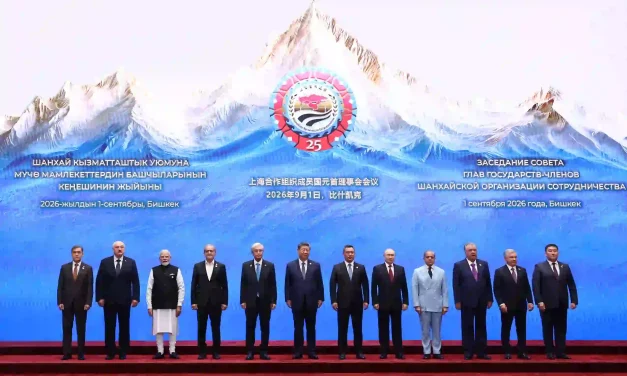
SCFR Online – Opinion: The Shanghai Cooperation Organization summit has created a new opportunity for Iran to transform its membership from a political achievement into economic and transit cooperation.
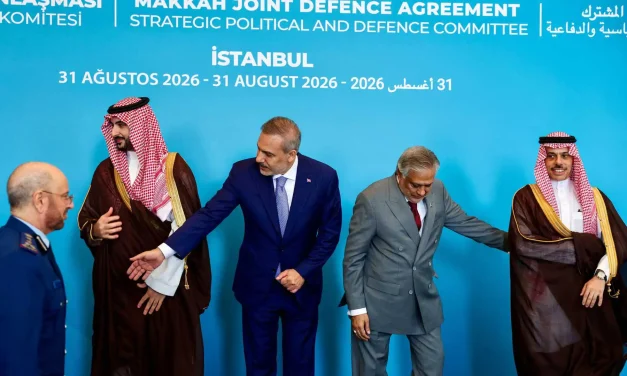
Strategic Council Online – Note: The Makkah Defense Pact can be seen as a sign of regional countries’ efforts to reduce security dependence on extra-regional powers and redefine the balance in West Asia.

SCFR Online – Opinion: The Ukraine war, by exhausting US military capability on one hand and strengthening European defense capacity on the other, has altered the balance of power in the European continent, cast uncertainty over NATO’s future, and is driving it toward a European NATO.
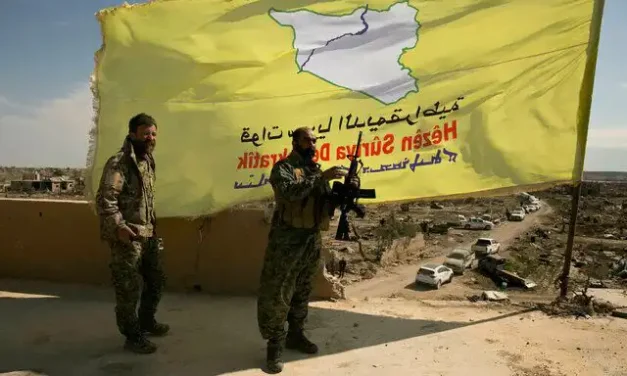
SCFR Online – Opinion: The dissolution of the SDF, although considered an achievement for Turkey’s security, does not put an end to the challenges arising from the Israeli regime’s aggression and expansionism, refugees, and Syria’s fragility.
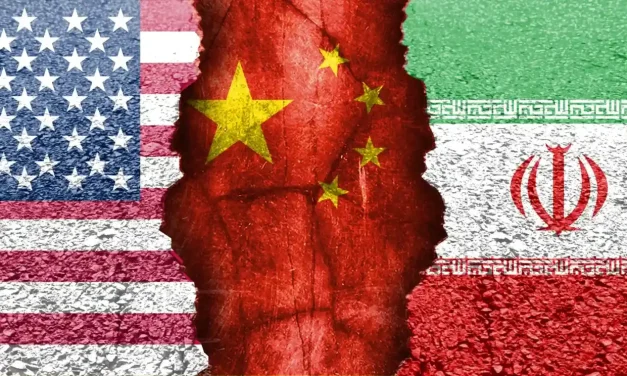
SCFR Online – Opinion: Concurrent with the official commencement of the United States’ economic war against our country, focusing on sanctions instruments, isolation, and economic pressure, what has now become increasingly important is the lack of alignment of other major global powers, especially China, with this policy.
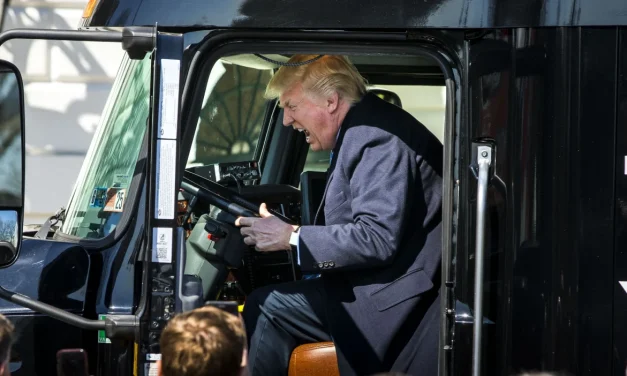
SCFR Online – Opinion: The new US sanctions against Iran, despite extensive propaganda, face serious obstacles to success due to the ineffectiveness of sanctions tools and opposition from some of Tehran’s trading partners.


Strategic Council Online– Opinion: Erdogan’s strategic visit to the Persian Gulf creates an opportunity to strengthen Turkey’s regional role, alongside the economic consequences.

Strategic Council Online—Interview: An expert on Yemen issues said that conducting negotiations between Yemeni political groups will be a big part of Ansarollah’s problems and Yemen’s problems. Despite the influence of regional and international powers, these negotiations seem to be unsuccessful because they are trying to institutionalize the internal crisis in Yemen.

Strategic Council Online – Interview: Director of the Yemen Desk at Mersad Research Institute said that in the current situation, the ceasefire, which is tantamount to the end of the Saudi military aggression, should be considered a fixed issue. He further emphasized: But the end of the internal conflict between the Yemeni groups concerning the partly conflicting interests of those groups and the support of the rival regional parties does not seem to be very accessible for such a capacity to develop their interests in the vital region of Bab al-Mandeb Strait.
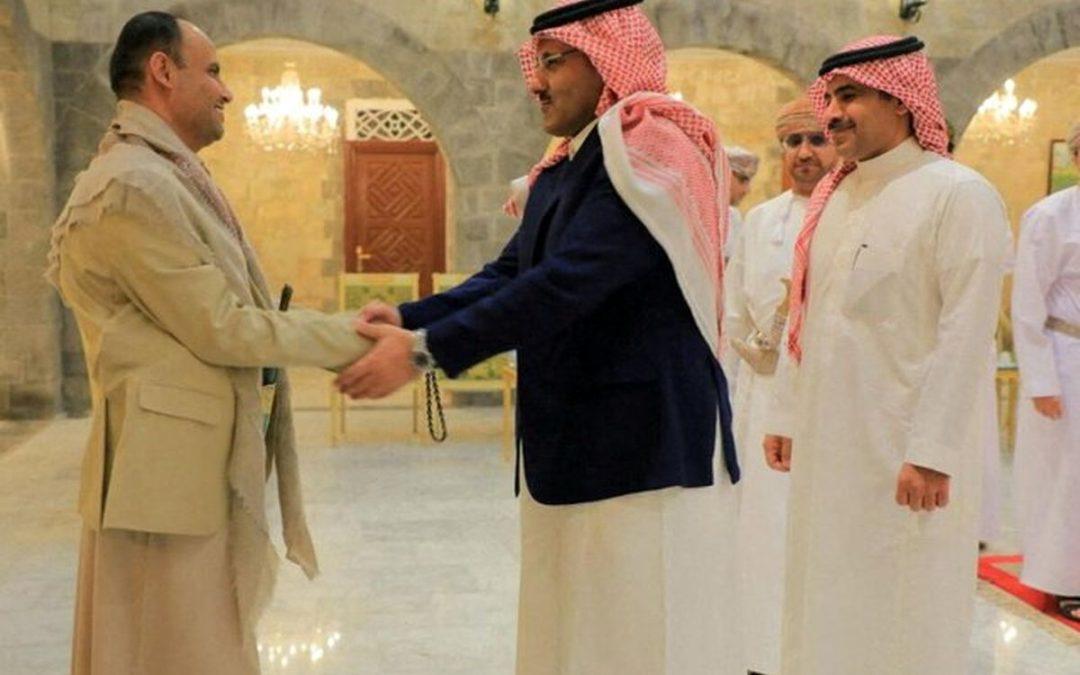
Strategic Council Online – Opinion: In recent weeks, a new round of political and diplomatic developments has begun in the region, the “starting point” of which should be considered the agreement between Iran and Saudi Arabia to resume diplomatic relations. After the meeting of the foreign ministers of the two countries in Beijing, the expert and political delegations of Iran and Saudi Arabia are preparing to reopen the embassies and re-establish bilateral relations.
Barsam Mohammadi – Expert on regional affairs

Strategic Council Online- Opinion: Regional tour of Mohammad Bin Salman to five countries of Oman, Bahrain, UAE, Kuwait and Qatar (Persian Gulf Cooperation Council members) is considered to be the most important political, economic and security momentum of the Crown Prince of Saudi Arabia in the last days of 2021. It is also interpreted as a remedial measure for fragile situation of Saudis at the regional and world levels. It should be noted that one of the objectives of Mohammad Bin Salman was to consult with the authorities of littoral Arab states of Persian Gulf and to make a consensus to confront some of the regional as well as the global issues such as Yemen, Iran, JCPOA revival, etc.
Hamid Khoshayand, Expert of Regional Issues

Strategic Council Online—Interview: “Ansarollah’s recent advance towards al-Bayda province after its advance in Marib province is a significant tactical move,” said a researcher on the Arabian Peninsula on the latest developments in Yemen.

Strategic Council Online- According to the Director Yemen desk, at Mersaad think-tank, with the departure of Omani delegation to Sanaa, there was a promising perspective that war would stop, everybody was waiting for a serious incident in this respect. But with statements of political authorities of Haadi government, and also Sanaa government, it was clear that the talks would lead to nowhere.

Strategic Council Online – Interview: A faculty member of the Faculty of World Studies, University of Tehran, stating that before Saudi Arabia and the government of Mansour Hadi did not consider any rights for the Houthis, said: Now Saudi Arabia’s position has completely changed and it seems that Saudi Arabia has to pay the price to stop the war, which is to pay attention to the rights of the Yemenis.

Strategic Council Online—Interview: An expert of geopolitical issues says rapprochement between Qatar and other countries of the Persian Gulf Cooperation Council and Saudi Arabia’s backtrack in its primary positions and conditions indicated the failure of Riyadh unilateralism.

Strategic Council Online: Ecology, in its simplest sense, is the study of the relationship of the living organisms and their environment. In an ecological environment, demographic phenomena, type of nutrition, shape, size and amount, habits and behavior of animals in that environment are influential in its survival or vulnerability. In addition to the complex internal relationship, the extra systemic relationship of any ecological environment is effective in its survival. If the external systemic relations of a specific ecological environment fluctuate with other environments, its vulnerability is certain.
SCFR Online – Opinion: The intensification of U.S. sanctions against Iran on the eve of the U.S. midterm elections indicates Washington’s inability to achieve its war objectives.
SCFR Online – Opinion: The competition between Washington and Beijing over chips and artificial intelligence, simultaneously with the shifting of technological balances, has taken on new economic and security dimensions.
SCFR Online – Opinion: The Shanghai Cooperation Organization summit has created a new opportunity for Iran to transform its membership from a political achievement into economic and transit cooperation.
Strategic Council Online – Note: The Makkah Defense Pact can be seen as a sign of regional countries’ efforts to reduce security dependence on extra-regional powers and redefine the balance in West Asia.
SCFR Online – Opinion: The Ukraine war, by exhausting US military capability on one hand and strengthening European defense capacity on the other, has altered the balance of power in the European continent, cast uncertainty over NATO’s future, and is driving it toward a European NATO.
SCFR Online – Opinion: The dissolution of the SDF, although considered an achievement for Turkey’s security, does not put an end to the challenges arising from the Israeli regime’s aggression and expansionism, refugees, and Syria’s fragility.
SCFR Online – Opinion: Concurrent with the official commencement of the United States’ economic war against our country, focusing on sanctions instruments, isolation, and economic pressure, what has now become increasingly important is the lack of alignment of other major global powers, especially China, with this policy.
SCFR Online – Opinion: The new US sanctions against Iran, despite extensive propaganda, face serious obstacles to success due to the ineffectiveness of sanctions tools and opposition from some of Tehran’s trading partners.
Strategic Council Online– Opinion: Erdogan’s strategic visit to the Persian Gulf creates an opportunity to strengthen Turkey’s regional role, alongside the economic consequences.
Strategic Council Online—Interview: An expert on Yemen issues said that conducting negotiations between Yemeni political groups will be a big part of Ansarollah’s problems and Yemen’s problems. Despite the influence of regional and international powers, these negotiations seem to be unsuccessful because they are trying to institutionalize the internal crisis in Yemen.
Strategic Council Online – Interview: Director of the Yemen Desk at Mersad Research Institute said that in the current situation, the ceasefire, which is tantamount to the end of the Saudi military aggression, should be considered a fixed issue. He further emphasized: But the end of the internal conflict between the Yemeni groups concerning the partly conflicting interests of those groups and the support of the rival regional parties does not seem to be very accessible for such a capacity to develop their interests in the vital region of Bab al-Mandeb Strait.
Strategic Council Online – Opinion: In recent weeks, a new round of political and diplomatic developments has begun in the region, the “starting point” of which should be considered the agreement between Iran and Saudi Arabia to resume diplomatic relations. After the meeting of the foreign ministers of the two countries in Beijing, the expert and political delegations of Iran and Saudi Arabia are preparing to reopen the embassies and re-establish bilateral relations.
Barsam Mohammadi – Expert on regional affairs
Strategic Council Online- Opinion: Regional tour of Mohammad Bin Salman to five countries of Oman, Bahrain, UAE, Kuwait and Qatar (Persian Gulf Cooperation Council members) is considered to be the most important political, economic and security momentum of the Crown Prince of Saudi Arabia in the last days of 2021. It is also interpreted as a remedial measure for fragile situation of Saudis at the regional and world levels. It should be noted that one of the objectives of Mohammad Bin Salman was to consult with the authorities of littoral Arab states of Persian Gulf and to make a consensus to confront some of the regional as well as the global issues such as Yemen, Iran, JCPOA revival, etc.
Hamid Khoshayand, Expert of Regional Issues
Strategic Council Online—Interview: “Ansarollah’s recent advance towards al-Bayda province after its advance in Marib province is a significant tactical move,” said a researcher on the Arabian Peninsula on the latest developments in Yemen.
Strategic Council Online- According to the Director Yemen desk, at Mersaad think-tank, with the departure of Omani delegation to Sanaa, there was a promising perspective that war would stop, everybody was waiting for a serious incident in this respect. But with statements of political authorities of Haadi government, and also Sanaa government, it was clear that the talks would lead to nowhere.
Strategic Council Online – Interview: A faculty member of the Faculty of World Studies, University of Tehran, stating that before Saudi Arabia and the government of Mansour Hadi did not consider any rights for the Houthis, said: Now Saudi Arabia’s position has completely changed and it seems that Saudi Arabia has to pay the price to stop the war, which is to pay attention to the rights of the Yemenis.
Strategic Council Online—Interview: An expert of geopolitical issues says rapprochement between Qatar and other countries of the Persian Gulf Cooperation Council and Saudi Arabia’s backtrack in its primary positions and conditions indicated the failure of Riyadh unilateralism.
Strategic Council Online: Ecology, in its simplest sense, is the study of the relationship of the living organisms and their environment. In an ecological environment, demographic phenomena, type of nutrition, shape, size and amount, habits and behavior of animals in that environment are influential in its survival or vulnerability. In addition to the complex internal relationship, the extra systemic relationship of any ecological environment is effective in its survival. If the external systemic relations of a specific ecological environment fluctuate with other environments, its vulnerability is certain.
Strategic Council Online– Opinion: Erdogan’s strategic visit to the Persian Gulf creates an opportunity to strengthen Turkey’s regional role, alongside the economic consequences.
Strategic Council Online—Interview: An expert on Yemen issues said that conducting negotiations between Yemeni political groups will be a big part of Ansarollah’s problems and Yemen’s problems. Despite the influence of regional and international powers, these negotiations seem to be unsuccessful because they are trying to institutionalize the internal crisis in Yemen.
Strategic Council Online – Interview: Director of the Yemen Desk at Mersad Research Institute said that in the current situation, the ceasefire, which is tantamount to the end of the Saudi military aggression, should be considered a fixed issue. He further emphasized: But the end of the internal conflict between the Yemeni groups concerning the partly conflicting interests of those groups and the support of the rival regional parties does not seem to be very accessible for such a capacity to develop their interests in the vital region of Bab al-Mandeb Strait.
Strategic Council Online – Opinion: In recent weeks, a new round of political and diplomatic developments has begun in the region, the “starting point” of which should be considered the agreement between Iran and Saudi Arabia to resume diplomatic relations. After the meeting of the foreign ministers of the two countries in Beijing, the expert and political delegations of Iran and Saudi Arabia are preparing to reopen the embassies and re-establish bilateral relations.
Barsam Mohammadi – Expert on regional affairs
Strategic Council Online- Opinion: Regional tour of Mohammad Bin Salman to five countries of Oman, Bahrain, UAE, Kuwait and Qatar (Persian Gulf Cooperation Council members) is considered to be the most important political, economic and security momentum of the Crown Prince of Saudi Arabia in the last days of 2021. It is also interpreted as a remedial measure for fragile situation of Saudis at the regional and world levels. It should be noted that one of the objectives of Mohammad Bin Salman was to consult with the authorities of littoral Arab states of Persian Gulf and to make a consensus to confront some of the regional as well as the global issues such as Yemen, Iran, JCPOA revival, etc.
Hamid Khoshayand, Expert of Regional Issues
Strategic Council Online—Interview: “Ansarollah’s recent advance towards al-Bayda province after its advance in Marib province is a significant tactical move,” said a researcher on the Arabian Peninsula on the latest developments in Yemen.
Strategic Council Online- According to the Director Yemen desk, at Mersaad think-tank, with the departure of Omani delegation to Sanaa, there was a promising perspective that war would stop, everybody was waiting for a serious incident in this respect. But with statements of political authorities of Haadi government, and also Sanaa government, it was clear that the talks would lead to nowhere.
Strategic Council Online – Interview: A faculty member of the Faculty of World Studies, University of Tehran, stating that before Saudi Arabia and the government of Mansour Hadi did not consider any rights for the Houthis, said: Now Saudi Arabia’s position has completely changed and it seems that Saudi Arabia has to pay the price to stop the war, which is to pay attention to the rights of the Yemenis.
Strategic Council Online—Interview: An expert of geopolitical issues says rapprochement between Qatar and other countries of the Persian Gulf Cooperation Council and Saudi Arabia’s backtrack in its primary positions and conditions indicated the failure of Riyadh unilateralism.
Strategic Council Online: Ecology, in its simplest sense, is the study of the relationship of the living organisms and their environment. In an ecological environment, demographic phenomena, type of nutrition, shape, size and amount, habits and behavior of animals in that environment are influential in its survival or vulnerability. In addition to the complex internal relationship, the extra systemic relationship of any ecological environment is effective in its survival. If the external systemic relations of a specific ecological environment fluctuate with other environments, its vulnerability is certain.
SCFR Online – Opinion: The intensification of U.S. sanctions against Iran on the eve of the U.S. midterm elections indicates Washington’s inability to achieve its war objectives.
SCFR Online – Opinion: The competition between Washington and Beijing over chips and artificial intelligence, simultaneously with the shifting of technological balances, has taken on new economic and security dimensions.
SCFR Online – Opinion: The Shanghai Cooperation Organization summit has created a new opportunity for Iran to transform its membership from a political achievement into economic and transit cooperation.
Strategic Council Online – Note: The Makkah Defense Pact can be seen as a sign of regional countries’ efforts to reduce security dependence on extra-regional powers and redefine the balance in West Asia.
SCFR Online – Opinion: The Ukraine war, by exhausting US military capability on one hand and strengthening European defense capacity on the other, has altered the balance of power in the European continent, cast uncertainty over NATO’s future, and is driving it toward a European NATO.
SCFR Online – Opinion: The dissolution of the SDF, although considered an achievement for Turkey’s security, does not put an end to the challenges arising from the Israeli regime’s aggression and expansionism, refugees, and Syria’s fragility.
SCFR Online – Opinion: Concurrent with the official commencement of the United States’ economic war against our country, focusing on sanctions instruments, isolation, and economic pressure, what has now become increasingly important is the lack of alignment of other major global powers, especially China, with this policy.
SCFR Online – Opinion: The new US sanctions against Iran, despite extensive propaganda, face serious obstacles to success due to the ineffectiveness of sanctions tools and opposition from some of Tehran’s trading partners.
Strategic Council Online– Opinion: Erdogan’s strategic visit to the Persian Gulf creates an opportunity to strengthen Turkey’s regional role, alongside the economic consequences.
Strategic Council Online—Interview: An expert on Yemen issues said that conducting negotiations between Yemeni political groups will be a big part of Ansarollah’s problems and Yemen’s problems. Despite the influence of regional and international powers, these negotiations seem to be unsuccessful because they are trying to institutionalize the internal crisis in Yemen.
Strategic Council Online – Interview: Director of the Yemen Desk at Mersad Research Institute said that in the current situation, the ceasefire, which is tantamount to the end of the Saudi military aggression, should be considered a fixed issue. He further emphasized: But the end of the internal conflict between the Yemeni groups concerning the partly conflicting interests of those groups and the support of the rival regional parties does not seem to be very accessible for such a capacity to develop their interests in the vital region of Bab al-Mandeb Strait.
Strategic Council Online – Opinion: In recent weeks, a new round of political and diplomatic developments has begun in the region, the “starting point” of which should be considered the agreement between Iran and Saudi Arabia to resume diplomatic relations. After the meeting of the foreign ministers of the two countries in Beijing, the expert and political delegations of Iran and Saudi Arabia are preparing to reopen the embassies and re-establish bilateral relations.
Barsam Mohammadi – Expert on regional affairs
Strategic Council Online- Opinion: Regional tour of Mohammad Bin Salman to five countries of Oman, Bahrain, UAE, Kuwait and Qatar (Persian Gulf Cooperation Council members) is considered to be the most important political, economic and security momentum of the Crown Prince of Saudi Arabia in the last days of 2021. It is also interpreted as a remedial measure for fragile situation of Saudis at the regional and world levels. It should be noted that one of the objectives of Mohammad Bin Salman was to consult with the authorities of littoral Arab states of Persian Gulf and to make a consensus to confront some of the regional as well as the global issues such as Yemen, Iran, JCPOA revival, etc.
Hamid Khoshayand, Expert of Regional Issues
Strategic Council Online—Interview: “Ansarollah’s recent advance towards al-Bayda province after its advance in Marib province is a significant tactical move,” said a researcher on the Arabian Peninsula on the latest developments in Yemen.
Strategic Council Online- According to the Director Yemen desk, at Mersaad think-tank, with the departure of Omani delegation to Sanaa, there was a promising perspective that war would stop, everybody was waiting for a serious incident in this respect. But with statements of political authorities of Haadi government, and also Sanaa government, it was clear that the talks would lead to nowhere.
Strategic Council Online – Interview: A faculty member of the Faculty of World Studies, University of Tehran, stating that before Saudi Arabia and the government of Mansour Hadi did not consider any rights for the Houthis, said: Now Saudi Arabia’s position has completely changed and it seems that Saudi Arabia has to pay the price to stop the war, which is to pay attention to the rights of the Yemenis.
Strategic Council Online—Interview: An expert of geopolitical issues says rapprochement between Qatar and other countries of the Persian Gulf Cooperation Council and Saudi Arabia’s backtrack in its primary positions and conditions indicated the failure of Riyadh unilateralism.
Strategic Council Online: Ecology, in its simplest sense, is the study of the relationship of the living organisms and their environment. In an ecological environment, demographic phenomena, type of nutrition, shape, size and amount, habits and behavior of animals in that environment are influential in its survival or vulnerability. In addition to the complex internal relationship, the extra systemic relationship of any ecological environment is effective in its survival. If the external systemic relations of a specific ecological environment fluctuate with other environments, its vulnerability is certain.
SCFR Online – Opinion: The intensification of U.S. sanctions against Iran on the eve of the U.S. midterm elections indicates Washington’s inability to achieve its war objectives.
SCFR Online – Opinion: The competition between Washington and Beijing over chips and artificial intelligence, simultaneously with the shifting of technological balances, has taken on new economic and security dimensions.
SCFR Online – Opinion: The Shanghai Cooperation Organization summit has created a new opportunity for Iran to transform its membership from a political achievement into economic and transit cooperation.
Strategic Council Online – Note: The Makkah Defense Pact can be seen as a sign of regional countries’ efforts to reduce security dependence on extra-regional powers and redefine the balance in West Asia.
SCFR Online – Opinion: The Ukraine war, by exhausting US military capability on one hand and strengthening European defense capacity on the other, has altered the balance of power in the European continent, cast uncertainty over NATO’s future, and is driving it toward a European NATO.
SCFR Online – Opinion: The dissolution of the SDF, although considered an achievement for Turkey’s security, does not put an end to the challenges arising from the Israeli regime’s aggression and expansionism, refugees, and Syria’s fragility.
SCFR Online – Opinion: Concurrent with the official commencement of the United States’ economic war against our country, focusing on sanctions instruments, isolation, and economic pressure, what has now become increasingly important is the lack of alignment of other major global powers, especially China, with this policy.
SCFR Online – Opinion: The new US sanctions against Iran, despite extensive propaganda, face serious obstacles to success due to the ineffectiveness of sanctions tools and opposition from some of Tehran’s trading partners.
Strategic Council Online– Opinion: Erdogan’s strategic visit to the Persian Gulf creates an opportunity to strengthen Turkey’s regional role, alongside the economic consequences.
Strategic Council Online—Interview: An expert on Yemen issues said that conducting negotiations between Yemeni political groups will be a big part of Ansarollah’s problems and Yemen’s problems. Despite the influence of regional and international powers, these negotiations seem to be unsuccessful because they are trying to institutionalize the internal crisis in Yemen.
Strategic Council Online – Interview: Director of the Yemen Desk at Mersad Research Institute said that in the current situation, the ceasefire, which is tantamount to the end of the Saudi military aggression, should be considered a fixed issue. He further emphasized: But the end of the internal conflict between the Yemeni groups concerning the partly conflicting interests of those groups and the support of the rival regional parties does not seem to be very accessible for such a capacity to develop their interests in the vital region of Bab al-Mandeb Strait.
Strategic Council Online – Opinion: In recent weeks, a new round of political and diplomatic developments has begun in the region, the “starting point” of which should be considered the agreement between Iran and Saudi Arabia to resume diplomatic relations. After the meeting of the foreign ministers of the two countries in Beijing, the expert and political delegations of Iran and Saudi Arabia are preparing to reopen the embassies and re-establish bilateral relations.
Barsam Mohammadi – Expert on regional affairs
Strategic Council Online- Opinion: Regional tour of Mohammad Bin Salman to five countries of Oman, Bahrain, UAE, Kuwait and Qatar (Persian Gulf Cooperation Council members) is considered to be the most important political, economic and security momentum of the Crown Prince of Saudi Arabia in the last days of 2021. It is also interpreted as a remedial measure for fragile situation of Saudis at the regional and world levels. It should be noted that one of the objectives of Mohammad Bin Salman was to consult with the authorities of littoral Arab states of Persian Gulf and to make a consensus to confront some of the regional as well as the global issues such as Yemen, Iran, JCPOA revival, etc.
Hamid Khoshayand, Expert of Regional Issues
Strategic Council Online—Interview: “Ansarollah’s recent advance towards al-Bayda province after its advance in Marib province is a significant tactical move,” said a researcher on the Arabian Peninsula on the latest developments in Yemen.
Strategic Council Online- According to the Director Yemen desk, at Mersaad think-tank, with the departure of Omani delegation to Sanaa, there was a promising perspective that war would stop, everybody was waiting for a serious incident in this respect. But with statements of political authorities of Haadi government, and also Sanaa government, it was clear that the talks would lead to nowhere.
Strategic Council Online – Interview: A faculty member of the Faculty of World Studies, University of Tehran, stating that before Saudi Arabia and the government of Mansour Hadi did not consider any rights for the Houthis, said: Now Saudi Arabia’s position has completely changed and it seems that Saudi Arabia has to pay the price to stop the war, which is to pay attention to the rights of the Yemenis.
Strategic Council Online—Interview: An expert of geopolitical issues says rapprochement between Qatar and other countries of the Persian Gulf Cooperation Council and Saudi Arabia’s backtrack in its primary positions and conditions indicated the failure of Riyadh unilateralism.
Strategic Council Online: Ecology, in its simplest sense, is the study of the relationship of the living organisms and their environment. In an ecological environment, demographic phenomena, type of nutrition, shape, size and amount, habits and behavior of animals in that environment are influential in its survival or vulnerability. In addition to the complex internal relationship, the extra systemic relationship of any ecological environment is effective in its survival. If the external systemic relations of a specific ecological environment fluctuate with other environments, its vulnerability is certain.
SCFR Online – Opinion: The intensification of U.S. sanctions against Iran on the eve of the U.S. midterm elections indicates Washington’s inability to achieve its war objectives.
SCFR Online – Opinion: The competition between Washington and Beijing over chips and artificial intelligence, simultaneously with the shifting of technological balances, has taken on new economic and security dimensions.
SCFR Online – Opinion: The Shanghai Cooperation Organization summit has created a new opportunity for Iran to transform its membership from a political achievement into economic and transit cooperation.
Strategic Council Online – Note: The Makkah Defense Pact can be seen as a sign of regional countries’ efforts to reduce security dependence on extra-regional powers and redefine the balance in West Asia.
SCFR Online – Opinion: The Ukraine war, by exhausting US military capability on one hand and strengthening European defense capacity on the other, has altered the balance of power in the European continent, cast uncertainty over NATO’s future, and is driving it toward a European NATO.
SCFR Online – Opinion: The dissolution of the SDF, although considered an achievement for Turkey’s security, does not put an end to the challenges arising from the Israeli regime’s aggression and expansionism, refugees, and Syria’s fragility.
SCFR Online – Opinion: Concurrent with the official commencement of the United States’ economic war against our country, focusing on sanctions instruments, isolation, and economic pressure, what has now become increasingly important is the lack of alignment of other major global powers, especially China, with this policy.
SCFR Online – Opinion: The new US sanctions against Iran, despite extensive propaganda, face serious obstacles to success due to the ineffectiveness of sanctions tools and opposition from some of Tehran’s trading partners.
Strategic Council Online– Opinion: Erdogan’s strategic visit to the Persian Gulf creates an opportunity to strengthen Turkey’s regional role, alongside the economic consequences.
Strategic Council Online—Interview: An expert on Yemen issues said that conducting negotiations between Yemeni political groups will be a big part of Ansarollah’s problems and Yemen’s problems. Despite the influence of regional and international powers, these negotiations seem to be unsuccessful because they are trying to institutionalize the internal crisis in Yemen.
Strategic Council Online – Interview: Director of the Yemen Desk at Mersad Research Institute said that in the current situation, the ceasefire, which is tantamount to the end of the Saudi military aggression, should be considered a fixed issue. He further emphasized: But the end of the internal conflict between the Yemeni groups concerning the partly conflicting interests of those groups and the support of the rival regional parties does not seem to be very accessible for such a capacity to develop their interests in the vital region of Bab al-Mandeb Strait.
Strategic Council Online – Opinion: In recent weeks, a new round of political and diplomatic developments has begun in the region, the “starting point” of which should be considered the agreement between Iran and Saudi Arabia to resume diplomatic relations. After the meeting of the foreign ministers of the two countries in Beijing, the expert and political delegations of Iran and Saudi Arabia are preparing to reopen the embassies and re-establish bilateral relations.
Barsam Mohammadi – Expert on regional affairs
Strategic Council Online- Opinion: Regional tour of Mohammad Bin Salman to five countries of Oman, Bahrain, UAE, Kuwait and Qatar (Persian Gulf Cooperation Council members) is considered to be the most important political, economic and security momentum of the Crown Prince of Saudi Arabia in the last days of 2021. It is also interpreted as a remedial measure for fragile situation of Saudis at the regional and world levels. It should be noted that one of the objectives of Mohammad Bin Salman was to consult with the authorities of littoral Arab states of Persian Gulf and to make a consensus to confront some of the regional as well as the global issues such as Yemen, Iran, JCPOA revival, etc.
Hamid Khoshayand, Expert of Regional Issues
Strategic Council Online—Interview: “Ansarollah’s recent advance towards al-Bayda province after its advance in Marib province is a significant tactical move,” said a researcher on the Arabian Peninsula on the latest developments in Yemen.
Strategic Council Online- According to the Director Yemen desk, at Mersaad think-tank, with the departure of Omani delegation to Sanaa, there was a promising perspective that war would stop, everybody was waiting for a serious incident in this respect. But with statements of political authorities of Haadi government, and also Sanaa government, it was clear that the talks would lead to nowhere.
Strategic Council Online – Interview: A faculty member of the Faculty of World Studies, University of Tehran, stating that before Saudi Arabia and the government of Mansour Hadi did not consider any rights for the Houthis, said: Now Saudi Arabia’s position has completely changed and it seems that Saudi Arabia has to pay the price to stop the war, which is to pay attention to the rights of the Yemenis.
Strategic Council Online—Interview: An expert of geopolitical issues says rapprochement between Qatar and other countries of the Persian Gulf Cooperation Council and Saudi Arabia’s backtrack in its primary positions and conditions indicated the failure of Riyadh unilateralism.
Strategic Council Online: Ecology, in its simplest sense, is the study of the relationship of the living organisms and their environment. In an ecological environment, demographic phenomena, type of nutrition, shape, size and amount, habits and behavior of animals in that environment are influential in its survival or vulnerability. In addition to the complex internal relationship, the extra systemic relationship of any ecological environment is effective in its survival. If the external systemic relations of a specific ecological environment fluctuate with other environments, its vulnerability is certain.
SCFR Online – Opinion: The intensification of U.S. sanctions against Iran on the eve of the U.S. midterm elections indicates Washington’s inability to achieve its war objectives.
SCFR Online – Opinion: The competition between Washington and Beijing over chips and artificial intelligence, simultaneously with the shifting of technological balances, has taken on new economic and security dimensions.
SCFR Online – Opinion: The Shanghai Cooperation Organization summit has created a new opportunity for Iran to transform its membership from a political achievement into economic and transit cooperation.
Strategic Council Online – Note: The Makkah Defense Pact can be seen as a sign of regional countries’ efforts to reduce security dependence on extra-regional powers and redefine the balance in West Asia.
SCFR Online – Opinion: The Ukraine war, by exhausting US military capability on one hand and strengthening European defense capacity on the other, has altered the balance of power in the European continent, cast uncertainty over NATO’s future, and is driving it toward a European NATO.
SCFR Online – Opinion: The dissolution of the SDF, although considered an achievement for Turkey’s security, does not put an end to the challenges arising from the Israeli regime’s aggression and expansionism, refugees, and Syria’s fragility.
SCFR Online – Opinion: Concurrent with the official commencement of the United States’ economic war against our country, focusing on sanctions instruments, isolation, and economic pressure, what has now become increasingly important is the lack of alignment of other major global powers, especially China, with this policy.
SCFR Online – Opinion: The new US sanctions against Iran, despite extensive propaganda, face serious obstacles to success due to the ineffectiveness of sanctions tools and opposition from some of Tehran’s trading partners.
Strategic Council Online– Opinion: Erdogan’s strategic visit to the Persian Gulf creates an opportunity to strengthen Turkey’s regional role, alongside the economic consequences.
Strategic Council Online—Interview: An expert on Yemen issues said that conducting negotiations between Yemeni political groups will be a big part of Ansarollah’s problems and Yemen’s problems. Despite the influence of regional and international powers, these negotiations seem to be unsuccessful because they are trying to institutionalize the internal crisis in Yemen.
Strategic Council Online – Interview: Director of the Yemen Desk at Mersad Research Institute said that in the current situation, the ceasefire, which is tantamount to the end of the Saudi military aggression, should be considered a fixed issue. He further emphasized: But the end of the internal conflict between the Yemeni groups concerning the partly conflicting interests of those groups and the support of the rival regional parties does not seem to be very accessible for such a capacity to develop their interests in the vital region of Bab al-Mandeb Strait.
Strategic Council Online – Opinion: In recent weeks, a new round of political and diplomatic developments has begun in the region, the “starting point” of which should be considered the agreement between Iran and Saudi Arabia to resume diplomatic relations. After the meeting of the foreign ministers of the two countries in Beijing, the expert and political delegations of Iran and Saudi Arabia are preparing to reopen the embassies and re-establish bilateral relations.
Barsam Mohammadi – Expert on regional affairs
Strategic Council Online- Opinion: Regional tour of Mohammad Bin Salman to five countries of Oman, Bahrain, UAE, Kuwait and Qatar (Persian Gulf Cooperation Council members) is considered to be the most important political, economic and security momentum of the Crown Prince of Saudi Arabia in the last days of 2021. It is also interpreted as a remedial measure for fragile situation of Saudis at the regional and world levels. It should be noted that one of the objectives of Mohammad Bin Salman was to consult with the authorities of littoral Arab states of Persian Gulf and to make a consensus to confront some of the regional as well as the global issues such as Yemen, Iran, JCPOA revival, etc.
Hamid Khoshayand, Expert of Regional Issues
Strategic Council Online—Interview: “Ansarollah’s recent advance towards al-Bayda province after its advance in Marib province is a significant tactical move,” said a researcher on the Arabian Peninsula on the latest developments in Yemen.
Strategic Council Online- According to the Director Yemen desk, at Mersaad think-tank, with the departure of Omani delegation to Sanaa, there was a promising perspective that war would stop, everybody was waiting for a serious incident in this respect. But with statements of political authorities of Haadi government, and also Sanaa government, it was clear that the talks would lead to nowhere.
Strategic Council Online – Interview: A faculty member of the Faculty of World Studies, University of Tehran, stating that before Saudi Arabia and the government of Mansour Hadi did not consider any rights for the Houthis, said: Now Saudi Arabia’s position has completely changed and it seems that Saudi Arabia has to pay the price to stop the war, which is to pay attention to the rights of the Yemenis.
Strategic Council Online—Interview: An expert of geopolitical issues says rapprochement between Qatar and other countries of the Persian Gulf Cooperation Council and Saudi Arabia’s backtrack in its primary positions and conditions indicated the failure of Riyadh unilateralism.
Strategic Council Online: Ecology, in its simplest sense, is the study of the relationship of the living organisms and their environment. In an ecological environment, demographic phenomena, type of nutrition, shape, size and amount, habits and behavior of animals in that environment are influential in its survival or vulnerability. In addition to the complex internal relationship, the extra systemic relationship of any ecological environment is effective in its survival. If the external systemic relations of a specific ecological environment fluctuate with other environments, its vulnerability is certain.
SCFR Online – Opinion: The intensification of U.S. sanctions against Iran on the eve of the U.S. midterm elections indicates Washington’s inability to achieve its war objectives.
SCFR Online – Opinion: The competition between Washington and Beijing over chips and artificial intelligence, simultaneously with the shifting of technological balances, has taken on new economic and security dimensions.
SCFR Online – Opinion: The Shanghai Cooperation Organization summit has created a new opportunity for Iran to transform its membership from a political achievement into economic and transit cooperation.
Strategic Council Online – Note: The Makkah Defense Pact can be seen as a sign of regional countries’ efforts to reduce security dependence on extra-regional powers and redefine the balance in West Asia.
SCFR Online – Opinion: The Ukraine war, by exhausting US military capability on one hand and strengthening European defense capacity on the other, has altered the balance of power in the European continent, cast uncertainty over NATO’s future, and is driving it toward a European NATO.
SCFR Online – Opinion: The dissolution of the SDF, although considered an achievement for Turkey’s security, does not put an end to the challenges arising from the Israeli regime’s aggression and expansionism, refugees, and Syria’s fragility.
SCFR Online – Opinion: Concurrent with the official commencement of the United States’ economic war against our country, focusing on sanctions instruments, isolation, and economic pressure, what has now become increasingly important is the lack of alignment of other major global powers, especially China, with this policy.
SCFR Online – Opinion: The new US sanctions against Iran, despite extensive propaganda, face serious obstacles to success due to the ineffectiveness of sanctions tools and opposition from some of Tehran’s trading partners.