EU Attempts to Redefine Strategy towards China

2023/04/16 | Economy, interview, top news

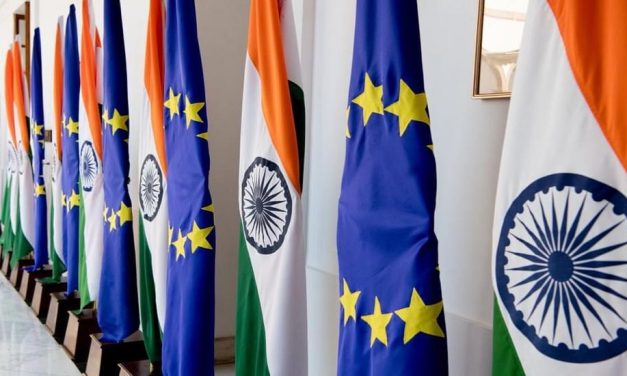
Strategic Council Online - Interview: An expert on Europe affairs saying that the European Union should redefine the terms of its interaction with China noted: The main question is whether the governments of the European Union are ready to unite against China’s new strategy.

Farnaz Eskandari, in an interview with the website of the Strategic Council on Foreign Relations, referred to the remarks of the head of the European Commission that the European Union cannot be separated from China but must reduce the risk and “rebalance” the economic relations and while explaining the primary dependence of Europe on China added: The EU’s trade deficit with China has increased, especially since the COVID-19 pandemic, from 145 billion euro in 2016 to 396 billion euro (432 billion dollars) in 2022.

She added: Imports from China have more than doubled, and exports have increased by 50 percent. China supplies 20 percent of its imports from the European Union, and 9 percent of its exports are destined for Europe.

Saying that Europe is 98 percent dependent on China for the supply of rare earth elements used in wind power generation, hydrogen storage, or batteries, Eskandari added: In many cases, minerals are not mined in China but processed there. Europe plans to process 40 percent of its vital raw materials by 2030.

Referring to the European Union’s dependence on China to supply 80 percent of its solar panels, she noted that Ursula von der Leyen’s attitude towards Russia’s attack on Ukraine is related to her attitude towards China. On March 30, 2023, she gave a speech in Brussels about implementing a coherent security, economic, and trade policy toward China. She stressed that Europe should recognize that the clear objective of the Chinese Communist Party is “systemic change of the international order.” According to von der Leyen, Xi Jinping wants to “make China less dependent on the world and the world more dependent on China.”

According to the analyst of Europe affairs, this view of dependency is critical. Globalization has created various types of dependencies, and for Europeans, especially Germany, the negative side of it became apparent when Putin attacked Ukraine and showed how dependent Europe has become on Russian gas.

Eskandari pointed to the remarks of the European Union foreign policy official who said that they realized the dependencies that were peace-building elements could become weapons against them and added: The European Union foreign policy official believes that Europe should get rid of its dependence on China like its previous dependence on Russia in the age of hydrocarbons.

While pointing to the construction of the Nord Stream pipeline despite repeated warnings from Poland, the Baltic states, Ukraine, and the United States and Putin’s use of it as an essential geostrategic tool, she stated: When Germany stopped the Nord Stream 2 project more than a year ago, Energy prices rose across Europe. Moscow hoped this would weaken European unity vis-à-vis Ukraine, but this did not happen. Governments tried to find alternative sources of Russian energy and accelerated the expansion of renewable energy. However, governments risk becoming similarly dependent on China by focusing on renewable energy.

This analyst of Europe affairs stated: The head of the European Commission believes that Xi wants to create a “powerful countermeasure and deterrence” by intensifying the dependence of international production chains on China. This is especially true for critical raw materials such as lithium or cobalt, sectors such as high-speed rail and renewable energy technology, or emerging technologies – such as quantum computing, robotics, or artificial intelligence – that are important to the economic future and national security.

Saying that such programs should be presented in Europe’s new economic security strategy later this year, she pointed out Europe’s expectation from China to “play a constructive role in the war in Ukraine,” she added: According to Burrell, China has a moral duty to help establish a just peace.

According to Eskandari, the war in Ukraine is a decisive period for Europe, which will determine the future of its relations with China. This period has brought about changes in energy, economic, and security policies. As the president of the European Commission bluntly stated, ‘whether Beijing bolsters or indeed mediates Russia’s war effort, will be a “decisive factor” in EU-China relations for years to come.’

The European affairs analyst added: Europe’s attitude towards China has become more challenging for several years. In 2019, the Commission declared that the EU should treat China as a systematic partner, collaborator, and competitor. This was an intelligent framework for relations at that time, but now it seems that the EU needs to redefine the terms of its engagement with China; as von der Leyen put it, China has entered a period of “reform and opening up” and is moving towards a new era of security and control.

Eskandari reminded: First of all, for the European Union, this means dealing with China as a systemic competitor and adopting policies to reduce the risks caused by it. This does not mean abandoning involvement in climate change or nuclear proliferation issues. It also does not mean economic isolation because those policies are neither realistic nor desirable. The severance of trade relations with Russia also showed that European businesses could not ignore the reliance on the vast Chinese market for sales and profits.

She emphasized: The de-risking approach allows the European Union to act more actively and intelligently. The main question is whether the European Union governments are ready to unite against China’s new strategy.
0 Comments

Submit a Comment

Your email address will not be published. Required fields are marked *

LATEST CONTENT

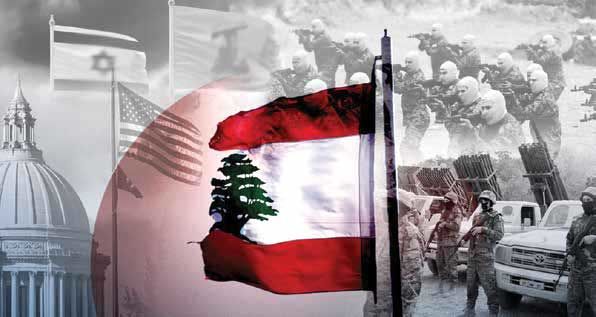
The Security Equation of Southern Lebanon for the Zionist Regime

Strategic Council Online – Opinion: American-Zionist objectives in the region are not limited to weakening Hezbollah. Efforts to disarm Iraqi resistance groups such as Kata’ib Hezbollah and the Popular Mobilization Forces are also part of their subsequent plans.

Commercial Exploitation of Peace; The Gaza Committee in Confrontation with International Legitimacy

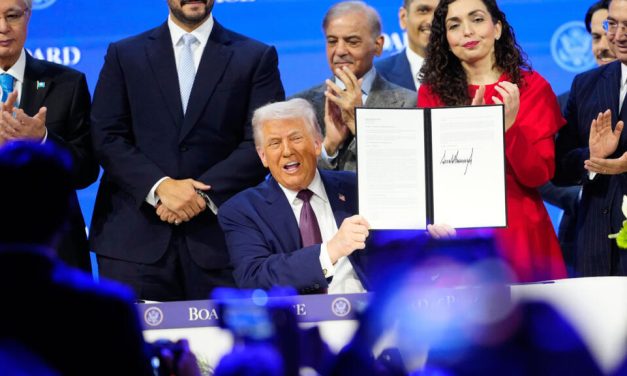
Strategic Council Online – Report: While the second phase of the implementation of the Gaza ceasefire has begun, the establishment of the “Peace Board” chaired by Donald Trump on the sidelines of the Davos meeting (22 January 2026) has become more than a technical mechanism for reconstruction and has turned into a test for the future of the international order.
Despite the signing of the charter by 22 out of 60 invited countries, the limited presence of global leaders at the Davos ceremony and the non-acceptance of this body by the European Union and key Western countries indicate a deep divide in global perceptions of the legitimacy of this mechanism.
In this report, drawing on the analysis of Hadi Borhani, a regional affairs expert, and international data, three strategic questions are addressed: Is the Peace Board an instrument for implementing UN Security Council Resolution 2803 or a substitute for the United Nations? How does the hierarchical architecture of this committee intensify executive challenges in Gaza? And finally, can this body create sustainable peace without the cooperation of Palestinians and with the concentration of power in the hands of a single individual?

America’s Zero-Sum Game in Iraq

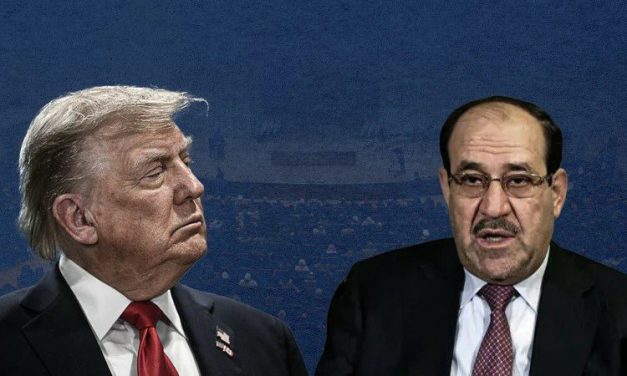
Online Strategic Council – Memoir: The swift selection of Nouri al-Maliki for the premiership constitutes a new phase in Iraq’s political sphere. Multiple factors have played a role in this process, the most important being the prevailing situation in Iraq and the region. Under such circumstances, Iraq requires a powerful and experienced prime minister who can keep the country away from the dangers of wars and crises.

America’s Strategy for Creating Tension in the Asia-Pacific

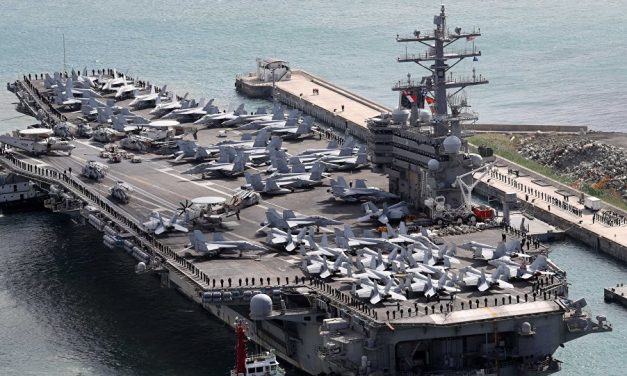
Strategic Council Online – Opinion: Relations between some countries in the Asia-Pacific region, such as China and Japan or China and Australia, which were previously relatively normal, are trending towards deterioration, and the primary reason for this is the aggressive policies of the United States of America.

Loading

Últimas publicaciones

The Security Equation of Southern Lebanon for the Zionist Regime

Strategic Council Online – Opinion: American-Zionist objectives in the region are not limited to weakening Hezbollah. Efforts to disarm Iraqi resistance groups such as Kata’ib Hezbollah and the Popular Mobilization Forces are also part of their subsequent plans.

Commercial Exploitation of Peace; The Gaza Committee in Confrontation with International Legitimacy

Strategic Council Online – Report: While the second phase of the implementation of the Gaza ceasefire has begun, the establishment of the “Peace Board” chaired by Donald Trump on the sidelines of the Davos meeting (22 January 2026) has become more than a technical mechanism for reconstruction and has turned into a test for the future of the international order.
Despite the signing of the charter by 22 out of 60 invited countries, the limited presence of global leaders at the Davos ceremony and the non-acceptance of this body by the European Union and key Western countries indicate a deep divide in global perceptions of the legitimacy of this mechanism.
In this report, drawing on the analysis of Hadi Borhani, a regional affairs expert, and international data, three strategic questions are addressed: Is the Peace Board an instrument for implementing UN Security Council Resolution 2803 or a substitute for the United Nations? How does the hierarchical architecture of this committee intensify executive challenges in Gaza? And finally, can this body create sustainable peace without the cooperation of Palestinians and with the concentration of power in the hands of a single individual?

America’s Zero-Sum Game in Iraq

Online Strategic Council – Memoir: The swift selection of Nouri al-Maliki for the premiership constitutes a new phase in Iraq’s political sphere. Multiple factors have played a role in this process, the most important being the prevailing situation in Iraq and the region. Under such circumstances, Iraq requires a powerful and experienced prime minister who can keep the country away from the dangers of wars and crises.

America’s Strategy for Creating Tension in the Asia-Pacific

Strategic Council Online – Opinion: Relations between some countries in the Asia-Pacific region, such as China and Japan or China and Australia, which were previously relatively normal, are trending towards deterioration, and the primary reason for this is the aggressive policies of the United States of America.

Loading

DERNIER CONTENU

The Security Equation of Southern Lebanon for the Zionist Regime

Strategic Council Online – Opinion: American-Zionist objectives in the region are not limited to weakening Hezbollah. Efforts to disarm Iraqi resistance groups such as Kata’ib Hezbollah and the Popular Mobilization Forces are also part of their subsequent plans.

Commercial Exploitation of Peace; The Gaza Committee in Confrontation with International Legitimacy

Strategic Council Online – Report: While the second phase of the implementation of the Gaza ceasefire has begun, the establishment of the “Peace Board” chaired by Donald Trump on the sidelines of the Davos meeting (22 January 2026) has become more than a technical mechanism for reconstruction and has turned into a test for the future of the international order.
Despite the signing of the charter by 22 out of 60 invited countries, the limited presence of global leaders at the Davos ceremony and the non-acceptance of this body by the European Union and key Western countries indicate a deep divide in global perceptions of the legitimacy of this mechanism.
In this report, drawing on the analysis of Hadi Borhani, a regional affairs expert, and international data, three strategic questions are addressed: Is the Peace Board an instrument for implementing UN Security Council Resolution 2803 or a substitute for the United Nations? How does the hierarchical architecture of this committee intensify executive challenges in Gaza? And finally, can this body create sustainable peace without the cooperation of Palestinians and with the concentration of power in the hands of a single individual?

America’s Zero-Sum Game in Iraq

Online Strategic Council – Memoir: The swift selection of Nouri al-Maliki for the premiership constitutes a new phase in Iraq’s political sphere. Multiple factors have played a role in this process, the most important being the prevailing situation in Iraq and the region. Under such circumstances, Iraq requires a powerful and experienced prime minister who can keep the country away from the dangers of wars and crises.

America’s Strategy for Creating Tension in the Asia-Pacific

Strategic Council Online – Opinion: Relations between some countries in the Asia-Pacific region, such as China and Japan or China and Australia, which were previously relatively normal, are trending towards deterioration, and the primary reason for this is the aggressive policies of the United States of America.

Loading

DERNIER CONTENU

The Security Equation of Southern Lebanon for the Zionist Regime

Strategic Council Online – Opinion: American-Zionist objectives in the region are not limited to weakening Hezbollah. Efforts to disarm Iraqi resistance groups such as Kata’ib Hezbollah and the Popular Mobilization Forces are also part of their subsequent plans.

Commercial Exploitation of Peace; The Gaza Committee in Confrontation with International Legitimacy

Strategic Council Online – Report: While the second phase of the implementation of the Gaza ceasefire has begun, the establishment of the “Peace Board” chaired by Donald Trump on the sidelines of the Davos meeting (22 January 2026) has become more than a technical mechanism for reconstruction and has turned into a test for the future of the international order.
Despite the signing of the charter by 22 out of 60 invited countries, the limited presence of global leaders at the Davos ceremony and the non-acceptance of this body by the European Union and key Western countries indicate a deep divide in global perceptions of the legitimacy of this mechanism.
In this report, drawing on the analysis of Hadi Borhani, a regional affairs expert, and international data, three strategic questions are addressed: Is the Peace Board an instrument for implementing UN Security Council Resolution 2803 or a substitute for the United Nations? How does the hierarchical architecture of this committee intensify executive challenges in Gaza? And finally, can this body create sustainable peace without the cooperation of Palestinians and with the concentration of power in the hands of a single individual?

America’s Zero-Sum Game in Iraq

Online Strategic Council – Memoir: The swift selection of Nouri al-Maliki for the premiership constitutes a new phase in Iraq’s political sphere. Multiple factors have played a role in this process, the most important being the prevailing situation in Iraq and the region. Under such circumstances, Iraq requires a powerful and experienced prime minister who can keep the country away from the dangers of wars and crises.

America’s Strategy for Creating Tension in the Asia-Pacific

Strategic Council Online – Opinion: Relations between some countries in the Asia-Pacific region, such as China and Japan or China and Australia, which were previously relatively normal, are trending towards deterioration, and the primary reason for this is the aggressive policies of the United States of America.

Loading

DERNIER CONTENU

The Security Equation of Southern Lebanon for the Zionist Regime

Strategic Council Online – Opinion: American-Zionist objectives in the region are not limited to weakening Hezbollah. Efforts to disarm Iraqi resistance groups such as Kata’ib Hezbollah and the Popular Mobilization Forces are also part of their subsequent plans.

Commercial Exploitation of Peace; The Gaza Committee in Confrontation with International Legitimacy

Strategic Council Online – Report: While the second phase of the implementation of the Gaza ceasefire has begun, the establishment of the “Peace Board” chaired by Donald Trump on the sidelines of the Davos meeting (22 January 2026) has become more than a technical mechanism for reconstruction and has turned into a test for the future of the international order.
Despite the signing of the charter by 22 out of 60 invited countries, the limited presence of global leaders at the Davos ceremony and the non-acceptance of this body by the European Union and key Western countries indicate a deep divide in global perceptions of the legitimacy of this mechanism.
In this report, drawing on the analysis of Hadi Borhani, a regional affairs expert, and international data, three strategic questions are addressed: Is the Peace Board an instrument for implementing UN Security Council Resolution 2803 or a substitute for the United Nations? How does the hierarchical architecture of this committee intensify executive challenges in Gaza? And finally, can this body create sustainable peace without the cooperation of Palestinians and with the concentration of power in the hands of a single individual?

America’s Zero-Sum Game in Iraq

Online Strategic Council – Memoir: The swift selection of Nouri al-Maliki for the premiership constitutes a new phase in Iraq’s political sphere. Multiple factors have played a role in this process, the most important being the prevailing situation in Iraq and the region. Under such circumstances, Iraq requires a powerful and experienced prime minister who can keep the country away from the dangers of wars and crises.

America’s Strategy for Creating Tension in the Asia-Pacific

Strategic Council Online – Opinion: Relations between some countries in the Asia-Pacific region, such as China and Japan or China and Australia, which were previously relatively normal, are trending towards deterioration, and the primary reason for this is the aggressive policies of the United States of America.

Loading