Prospect of Military Conflict Between Ansar Allah and the Israeli Regime

Strategic Council Online – Interview: A regional affairs expert stated that the months-long history of conflict between the Israeli regime and Ansar Allah has shown that the leaders and structure of Ansar Allah will not collapse, even with continued intense attacks by the U.S. and the Zionist regime, nor with the potential assassination and loss of their leaders. They will continue their resistance and warfare against the Israeli regime. In reality, the Yemeni resistance has demonstrated that the Israeli regime is incapable of defeating or pushing back Ansar Allah from their positions in support of the people of Gaza and Palestine.

Hadi Borhani, in an interview with the website of the Strategic Council on Foreign Relations, stated: The areas under Ansar Allah’s control in Yemen are mostly mountainous and difficult to access, which helps them withstand the regime’s airstrikes. Ansar Allah forces are Zaydis, considered among the most resilient and combative sects within Islamic and Shia denominations, and throughout history, they have emphasized armed struggle against oppression. Additionally, Ansar Allah’s six-year war with Saudi Arabia has taught them the principles of resistance well. Overall, the Yemeni nation, especially Ansar Allah, is self-sacrificing and devoted, willing to live a simple life but never abandoning their struggle and beliefs. They hold a firm conviction to fight the Israeli regime and aid Palestinians, as evidenced by the massive rallies they have every Friday in support of Palestine.

He emphasized that Ansar Allah has shown steadfast resistance against attacks by the Israeli regime and the U.S., adding: Beyond the geographical and individual characteristics of Ansar Allah forces, multiple external factors, including aid from certain countries and grassroots groups, have enabled them to withstand these attacks. In West Asia, there are numerous countries, groups, and organizations supporting Ansar Allah’s resistance against the Israeli regime. Though they may not openly declare their support, many Islamic nations and peoples practically admire Ansar Allah’s struggle and provide military, economic, and political assistance in various ways.

The regional expert highlighted Iran’s explicit political support for Ansar Allah, noting that Iran’s name has consistently been mentioned in this context, and Iranian officials have repeatedly expressed their support for Ansar Allah. However, there are other countries and groups in the region and globally that assist Yemenis in resisting the Israeli regime and the U.S.

Regarding Netanyahu’s recent statements about planning extensive strikes against Ansar Allah, including assassinating its leaders, Borhani said: First, the Israeli regime has a ruthless history of assassinating opposing leaders, with many regional leaders targeted throughout its conflicts. Second, the Israeli regime’s attacks on Yemen reveal its lack of precise intelligence dominance over strategic areas under Ansar Allah’s control, as it has so far failed to target critical Yemeni regions to disrupt Ansar Allah’s missile and drone operations.

Borhani continued: The Israeli regime has only targeted Yemen’s airports, ports, and fuel resources to pressure the population. Otherwise, no significant strikes damaging Ansar Allah’s military centers or missile stockpiles have occurred. The reality is that the Israeli regime has been incapable of delivering a significant, impactful blow to Ansar Allah.

The regional expert stressed: Among Ansar Allah’s forces, there is a spirit of sacrifice and dedication such that even if their leaders are assassinated, they will not abandon their support for Gaza. Ansar Allah’s history shows that assassinating their commanders does not harm their structure or resolve.

On the prospect of conflict between the Israeli regime and Yemen, he noted: Ansar Allah’s military attacks on Ben Gurion Airport, prolonged flight suspensions, and insecurity in occupied territories have inflicted significant political, international, and economic losses on the Israeli regime.

Regarding the possibility of a permanent Gaza ceasefire, Borhani stated: Predicting a lasting ceasefire agreement is difficult, but it appears the Gaza battle is approaching a critical juncture. The Israeli regime is unlikely to sustain this fight much longer. Famine in Gaza is spreading, which global public opinion cannot tolerate. If the Israeli regime does not halt its attacks on Gaza, Yemeni missile and drone strikes will continue, inflicting heavy losses on Netanyahu. However, Ansar Allah’s recent ceasefire with the U.S. was strategic in removing America from direct conflict with the Israeli regime. Ultimately, if Israel continues this war, Ansar Allah will persist in resisting and attacking the occupied territories.
0 Comments

LATEST CONTENT

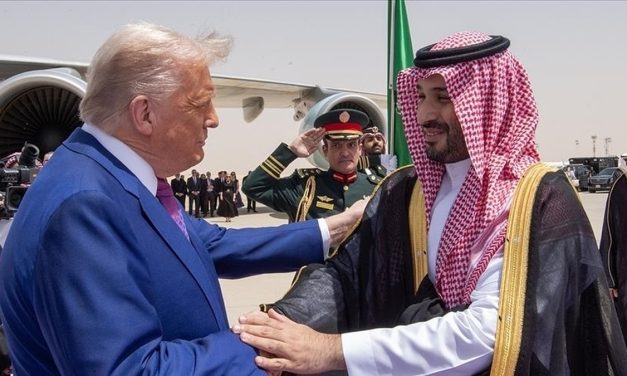
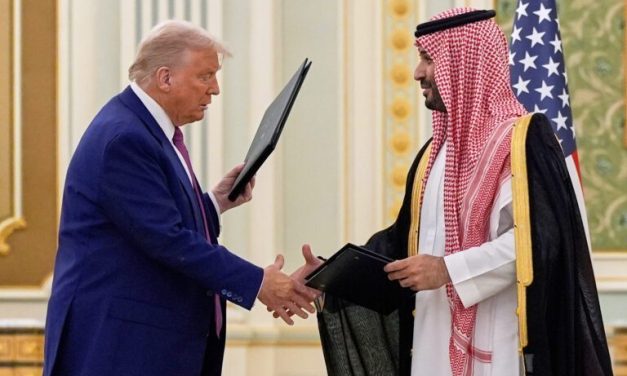
A Look at bin Salman’s Recent Trip to America

Strategic Council Online – Opinion: The recent trip of the Saudi Crown Prince to America was a targeted effort to solidify the strategic partnership with Washington, reduce political uncertainties, and strengthen Riyadh’s political role-playing.

Creating the Right Narrative: A Principled Strategy for Countering the Enemy’s Soft War

Strategic Council Online – Interview: A media expert stated: Given the intensification of the West’s soft war and psychological operations against Iran, our country’s primary strategy must be based on public education, strengthening national cohesion, developing international media, and countering the distortion of history through creating the right narrative.

F-35 Sale to Saudi Arabia: From Promise to Reality

Strategic Council Online – Interview: An international affairs analyst said: The issue of selling the F-35 to Saudi Arabia is not merely a military case, but rather part of a regional engineering that Washington is trying to advance.

Caspian Sea Water Level Drop; A Geopolitical Harm for Coastal Countries

Strategic Council Online – Interview: An expert in geopolitics stated, “The unprecedented drop in the Caspian Sea water level is not only an environmental threat but also a geopolitical alarm bell for Iran and the coastal countries, requiring urgent multilateral cooperation.”

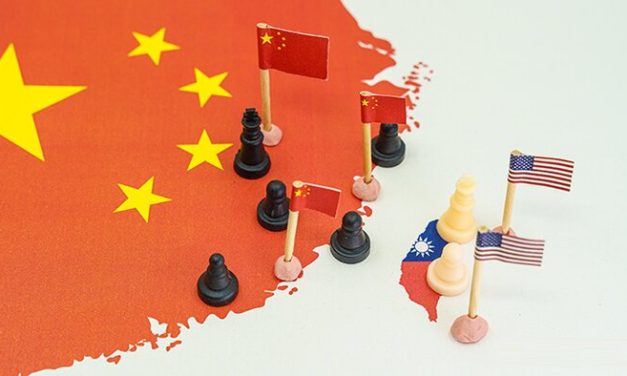
China’s Strategy to Counter the U.S. Effort to Escalate the Taiwan Crisis

Strategic Council Online – Interview: “Any miscalculated move could lead to escalating tensions and uncontrollable crises, but Beijing’s prudence and precise strategies have so far prevented the Taiwan issue from escalating into a crisis similar to that of Ukraine,” said an East Asia analyst.

Iran in the New Eurasian Order

Strategic Council Online – Interview: A geostrategic affairs analyst said: The emerging Eurasian order is not merely an economic plan, but an effort to redefine the global order based on independence, multilateralism, and regional convergence.

Loading

Últimas publicaciones

A Look at bin Salman’s Recent Trip to America

Strategic Council Online – Opinion: The recent trip of the Saudi Crown Prince to America was a targeted effort to solidify the strategic partnership with Washington, reduce political uncertainties, and strengthen Riyadh’s political role-playing.

Creating the Right Narrative: A Principled Strategy for Countering the Enemy’s Soft War

Strategic Council Online – Interview: A media expert stated: Given the intensification of the West’s soft war and psychological operations against Iran, our country’s primary strategy must be based on public education, strengthening national cohesion, developing international media, and countering the distortion of history through creating the right narrative.

F-35 Sale to Saudi Arabia: From Promise to Reality

Strategic Council Online – Interview: An international affairs analyst said: The issue of selling the F-35 to Saudi Arabia is not merely a military case, but rather part of a regional engineering that Washington is trying to advance.

Caspian Sea Water Level Drop; A Geopolitical Harm for Coastal Countries

Strategic Council Online – Interview: An expert in geopolitics stated, “The unprecedented drop in the Caspian Sea water level is not only an environmental threat but also a geopolitical alarm bell for Iran and the coastal countries, requiring urgent multilateral cooperation.”

China’s Strategy to Counter the U.S. Effort to Escalate the Taiwan Crisis

Strategic Council Online – Interview: “Any miscalculated move could lead to escalating tensions and uncontrollable crises, but Beijing’s prudence and precise strategies have so far prevented the Taiwan issue from escalating into a crisis similar to that of Ukraine,” said an East Asia analyst.

Iran in the New Eurasian Order

Strategic Council Online – Interview: A geostrategic affairs analyst said: The emerging Eurasian order is not merely an economic plan, but an effort to redefine the global order based on independence, multilateralism, and regional convergence.

Loading

DERNIER CONTENU

A Look at bin Salman’s Recent Trip to America

Strategic Council Online – Opinion: The recent trip of the Saudi Crown Prince to America was a targeted effort to solidify the strategic partnership with Washington, reduce political uncertainties, and strengthen Riyadh’s political role-playing.

Creating the Right Narrative: A Principled Strategy for Countering the Enemy’s Soft War

Strategic Council Online – Interview: A media expert stated: Given the intensification of the West’s soft war and psychological operations against Iran, our country’s primary strategy must be based on public education, strengthening national cohesion, developing international media, and countering the distortion of history through creating the right narrative.

F-35 Sale to Saudi Arabia: From Promise to Reality

Strategic Council Online – Interview: An international affairs analyst said: The issue of selling the F-35 to Saudi Arabia is not merely a military case, but rather part of a regional engineering that Washington is trying to advance.

Caspian Sea Water Level Drop; A Geopolitical Harm for Coastal Countries

Strategic Council Online – Interview: An expert in geopolitics stated, “The unprecedented drop in the Caspian Sea water level is not only an environmental threat but also a geopolitical alarm bell for Iran and the coastal countries, requiring urgent multilateral cooperation.”

China’s Strategy to Counter the U.S. Effort to Escalate the Taiwan Crisis

Strategic Council Online – Interview: “Any miscalculated move could lead to escalating tensions and uncontrollable crises, but Beijing’s prudence and precise strategies have so far prevented the Taiwan issue from escalating into a crisis similar to that of Ukraine,” said an East Asia analyst.

Iran in the New Eurasian Order

Strategic Council Online – Interview: A geostrategic affairs analyst said: The emerging Eurasian order is not merely an economic plan, but an effort to redefine the global order based on independence, multilateralism, and regional convergence.

Loading