جدیدترین مطالب

Consequences of Declining Trust in the Judiciary in Europe

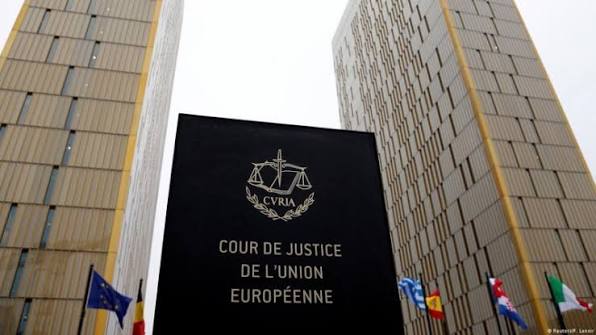
SCFRonline – Opinion: The increase in public distrust of the French judicial system, which in recent surveys has reached approximately two-thirds of citizens, should be analyzed within a framework broader than temporary dissatisfaction or an emotional reaction to a particular criminal case.

Iran’s Potential Levers of Power

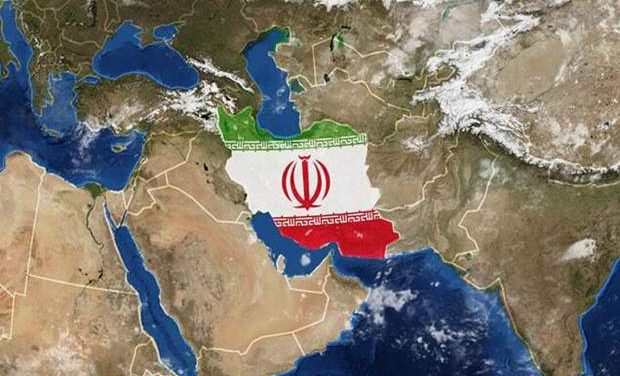
SCFRonline– Opinion: Iran’s geopolitical power is not limited solely to oil and the Strait of Hormuz; the unintended emergence of disruptions in the future global food and energy security chains can also demonstrate Iran’s strategic importance.

The Inseparability of the Lebanese Front from the Axis of Resistance

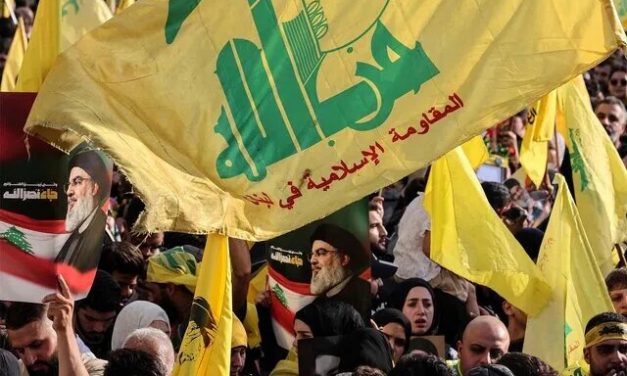
SCFR Online–Opinion: By providing an extensive network of social, healthcare, educational, and post-war reconstruction services, Hezbollah has established a strong social base for itself among Lebanon’s Shiites and Sunnis, and even beyond that, among other segments of Lebanese society, including Christians. Hezbollah has never been an external actor imposed upon Lebanon; rather, it is a phenomenon fundamentally born out of the occupation and crimes of the Zionist regime and itself influenced by popular resistance.

The Increasing Efforts of the Zionist Regime to Redefine Borders and the Regional Order and Its Consequences

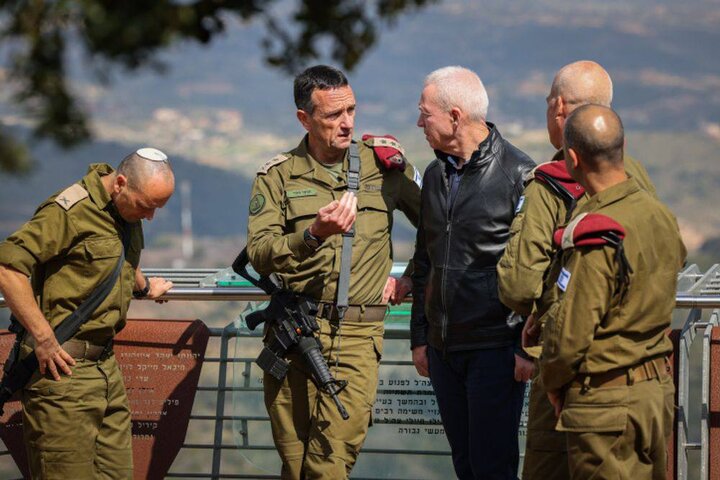
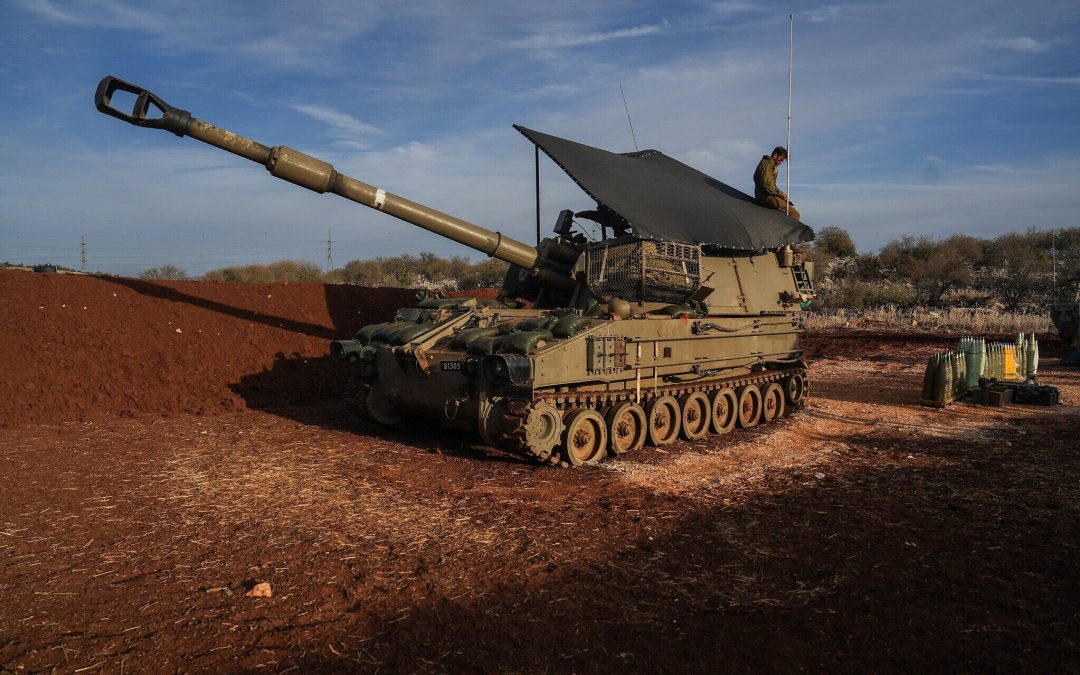
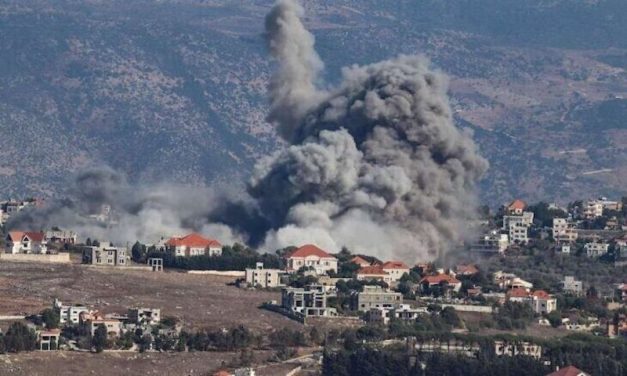
SCFR Online– Opinion: Security and military developments in the region over recent months indicate that the ongoing crises and wars in Gaza, southern Lebanon, and parts of Syrian territory encompass broader dimensions of geopolitical and geostrategic transformations. In this context, the increased military presence and control of the Zionist regime over parts of the territories of these areas, along with proposals regarding the creation of buffer zones or even the expansion of security borders, have raised serious questions about the future of the regional order and its consequences for the countries of West Asia.

Loading

Hadi Borhani

Commercial Exploitation of Peace; The Gaza Committee in Confrontation with International Legitimacy

Commercial Exploitation of Peace; The Gaza Committee in Confrontation with International Legitimacy

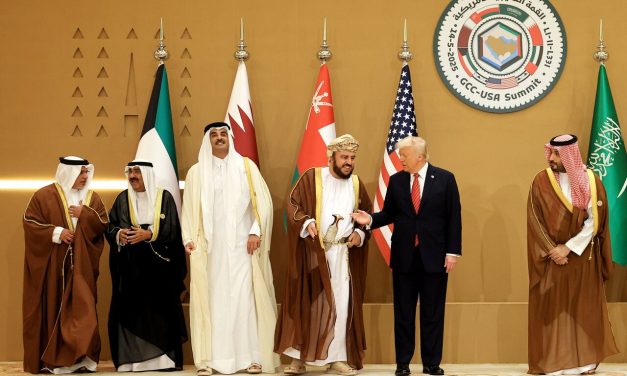
Strategic Council Online – Report: While the second phase of the implementation of the Gaza ceasefire has begun, the establishment of the “Peace Board” chaired by Donald Trump on the sidelines of the Davos meeting (22 January 2026) has become more than a technical mechanism for reconstruction and has turned into a test for the future of the international order.
Despite the signing of the charter by 22 out of 60 invited countries, the limited presence of global leaders at the Davos ceremony and the non-acceptance of this body by the European Union and key Western countries indicate a deep divide in global perceptions of the legitimacy of this mechanism.
In this report, drawing on the analysis of Hadi Borhani, a regional affairs expert, and international data, three strategic questions are addressed: Is the Peace Board an instrument for implementing UN Security Council Resolution 2803 or a substitute for the United Nations? How does the hierarchical architecture of this committee intensify executive challenges in Gaza? And finally, can this body create sustainable peace without the cooperation of Palestinians and with the concentration of power in the hands of a single individual?

A Regional Deterrence Umbrella Against the Threats of the Zionist Regime

A Regional Deterrence Umbrella Against the Threats of the Zionist Regime

Online Strategic Council – Interview: A senior West Asia affairs analyst stated that recent developments in West Asia indicate that the region’s security equations have entered a new stage. The Israeli regime’s attack on Qatar, as a security shock, has made the Arab countries of the Persian Gulf aware of new vulnerabilities and forced them to reconsider their defense strategies. Now, relying on American security guarantees no longer seems sufficient, because emerging regional threats have become more complex and multi-layered than in the past. In this context, Pakistan, with its special position as the only atomic power in the Islamic world, has quickly found a strategic place in the security calculations of the Arab countries. The signing of the strategic defense agreement between Riyadh and Islamabad, followed by a military cooperation meeting between Bahrain and Pakistan in Manama, indicates an increasing trend in security convergence. These cooperations are defined not only to strengthen joint deterrence and counter potential threats, especially from the Israeli regime, but also indicate a shift in the balance of power in the region. Pakistan’s entry into the West Asian equations could have broader implications; on the one hand, it could reduce America’s monopoly on providing regional security, and on the other hand, it could create new axes of cooperation among Islamic powers. Thus, by moving closer to Islamabad, Saudi Arabia and Bahrain are seeking to develop an indigenous defense shield which, in addition to guaranteeing their own security, sends a clear message to regional rivals: the power equations are being rewritten and new actors have entered the scene.

Prospect of Military Conflict Between Ansar Allah and the Israeli Regime

Prospect of Military Conflict Between Ansar Allah and the Israeli Regime

Strategic Council Online – Interview: A regional affairs expert stated that the months-long history of conflict between the Israeli regime and Ansar Allah has shown that the leaders and structure of Ansar Allah will not collapse, even with continued intense attacks by the U.S. and the Zionist regime, nor with the potential assassination and loss of their leaders. They will continue their resistance and warfare against the Israeli regime. In reality, the Yemeni resistance has demonstrated that the Israeli regime is incapable of defeating or pushing back Ansar Allah from their positions in support of the people of Gaza and Palestine.

Analysis of the Show Trial of Israeli Military Officials

Analysis of the Show Trial of Israeli Military Officials

Strategic Council Online – Interview: An expert on regional issues referring to the Israeli regime’s move to try two military officials for violating human rights and humanitarian law, said: the Israeli regime officials believe that domestically they should expel Palestinians, and internationally they should make it seem like a standard action, so they are trying to justify the accusations against them by holding show trials.

Lebanon’s Future After Joseph Aoun’s Election

Lebanon’s Future After Joseph Aoun’s Election

Strategic Council Online—Interview: An expert on regional issues said, “The future of Lebanon depends on the cooperation of the various clans and influential countries in Lebanon.”

Obstacles Facing the Zionist Regime for a Comprehensive Military Attack on Lebanon

Obstacles Facing the Zionist Regime for a Comprehensive Military Attack on Lebanon

Strategic Council Online – Interview: An expert on regional issues said: The Israeli regime is trying to use the concern of the United States and European countries regarding the expansion of the scope of the war into Lebanon to its own advantage to reduce their pressure regarding the current conflict in Gaza and Rafah and prevent further movements of the Hezbollah in escalating its attacks on the Occupied Territories.

أحدث الوظائف

Consequences of Declining Trust in the Judiciary in Europe

SCFRonline – Opinion: The increase in public distrust of the French judicial system, which in recent surveys has reached approximately two-thirds of citizens, should be analyzed within a framework broader than temporary dissatisfaction or an emotional reaction to a particular criminal case.

Iran’s Potential Levers of Power

SCFRonline– Opinion: Iran’s geopolitical power is not limited solely to oil and the Strait of Hormuz; the unintended emergence of disruptions in the future global food and energy security chains can also demonstrate Iran’s strategic importance.

The Inseparability of the Lebanese Front from the Axis of Resistance

SCFR Online–Opinion: By providing an extensive network of social, healthcare, educational, and post-war reconstruction services, Hezbollah has established a strong social base for itself among Lebanon’s Shiites and Sunnis, and even beyond that, among other segments of Lebanese society, including Christians. Hezbollah has never been an external actor imposed upon Lebanon; rather, it is a phenomenon fundamentally born out of the occupation and crimes of the Zionist regime and itself influenced by popular resistance.

The Increasing Efforts of the Zionist Regime to Redefine Borders and the Regional Order and Its Consequences

SCFR Online– Opinion: Security and military developments in the region over recent months indicate that the ongoing crises and wars in Gaza, southern Lebanon, and parts of Syrian territory encompass broader dimensions of geopolitical and geostrategic transformations. In this context, the increased military presence and control of the Zionist regime over parts of the territories of these areas, along with proposals regarding the creation of buffer zones or even the expansion of security borders, have raised serious questions about the future of the regional order and its consequences for the countries of West Asia.

Loading

Hadi Borhani

Commercial Exploitation of Peace; The Gaza Committee in Confrontation with International Legitimacy

Commercial Exploitation of Peace; The Gaza Committee in Confrontation with International Legitimacy

Strategic Council Online – Report: While the second phase of the implementation of the Gaza ceasefire has begun, the establishment of the “Peace Board” chaired by Donald Trump on the sidelines of the Davos meeting (22 January 2026) has become more than a technical mechanism for reconstruction and has turned into a test for the future of the international order.
Despite the signing of the charter by 22 out of 60 invited countries, the limited presence of global leaders at the Davos ceremony and the non-acceptance of this body by the European Union and key Western countries indicate a deep divide in global perceptions of the legitimacy of this mechanism.
In this report, drawing on the analysis of Hadi Borhani, a regional affairs expert, and international data, three strategic questions are addressed: Is the Peace Board an instrument for implementing UN Security Council Resolution 2803 or a substitute for the United Nations? How does the hierarchical architecture of this committee intensify executive challenges in Gaza? And finally, can this body create sustainable peace without the cooperation of Palestinians and with the concentration of power in the hands of a single individual?

A Regional Deterrence Umbrella Against the Threats of the Zionist Regime

A Regional Deterrence Umbrella Against the Threats of the Zionist Regime

Online Strategic Council – Interview: A senior West Asia affairs analyst stated that recent developments in West Asia indicate that the region’s security equations have entered a new stage. The Israeli regime’s attack on Qatar, as a security shock, has made the Arab countries of the Persian Gulf aware of new vulnerabilities and forced them to reconsider their defense strategies. Now, relying on American security guarantees no longer seems sufficient, because emerging regional threats have become more complex and multi-layered than in the past. In this context, Pakistan, with its special position as the only atomic power in the Islamic world, has quickly found a strategic place in the security calculations of the Arab countries. The signing of the strategic defense agreement between Riyadh and Islamabad, followed by a military cooperation meeting between Bahrain and Pakistan in Manama, indicates an increasing trend in security convergence. These cooperations are defined not only to strengthen joint deterrence and counter potential threats, especially from the Israeli regime, but also indicate a shift in the balance of power in the region. Pakistan’s entry into the West Asian equations could have broader implications; on the one hand, it could reduce America’s monopoly on providing regional security, and on the other hand, it could create new axes of cooperation among Islamic powers. Thus, by moving closer to Islamabad, Saudi Arabia and Bahrain are seeking to develop an indigenous defense shield which, in addition to guaranteeing their own security, sends a clear message to regional rivals: the power equations are being rewritten and new actors have entered the scene.

Prospect of Military Conflict Between Ansar Allah and the Israeli Regime

Prospect of Military Conflict Between Ansar Allah and the Israeli Regime

Strategic Council Online – Interview: A regional affairs expert stated that the months-long history of conflict between the Israeli regime and Ansar Allah has shown that the leaders and structure of Ansar Allah will not collapse, even with continued intense attacks by the U.S. and the Zionist regime, nor with the potential assassination and loss of their leaders. They will continue their resistance and warfare against the Israeli regime. In reality, the Yemeni resistance has demonstrated that the Israeli regime is incapable of defeating or pushing back Ansar Allah from their positions in support of the people of Gaza and Palestine.

Analysis of the Show Trial of Israeli Military Officials

Analysis of the Show Trial of Israeli Military Officials

Strategic Council Online – Interview: An expert on regional issues referring to the Israeli regime’s move to try two military officials for violating human rights and humanitarian law, said: the Israeli regime officials believe that domestically they should expel Palestinians, and internationally they should make it seem like a standard action, so they are trying to justify the accusations against them by holding show trials.

Lebanon’s Future After Joseph Aoun’s Election

Lebanon’s Future After Joseph Aoun’s Election

Strategic Council Online—Interview: An expert on regional issues said, “The future of Lebanon depends on the cooperation of the various clans and influential countries in Lebanon.”

Obstacles Facing the Zionist Regime for a Comprehensive Military Attack on Lebanon

Obstacles Facing the Zionist Regime for a Comprehensive Military Attack on Lebanon

Strategic Council Online – Interview: An expert on regional issues said: The Israeli regime is trying to use the concern of the United States and European countries regarding the expansion of the scope of the war into Lebanon to its own advantage to reduce their pressure regarding the current conflict in Gaza and Rafah and prevent further movements of the Hezbollah in escalating its attacks on the Occupied Territories.

Hadi Borhani

Commercial Exploitation of Peace; The Gaza Committee in Confrontation with International Legitimacy

Commercial Exploitation of Peace; The Gaza Committee in Confrontation with International Legitimacy

Strategic Council Online – Report: While the second phase of the implementation of the Gaza ceasefire has begun, the establishment of the “Peace Board” chaired by Donald Trump on the sidelines of the Davos meeting (22 January 2026) has become more than a technical mechanism for reconstruction and has turned into a test for the future of the international order.
Despite the signing of the charter by 22 out of 60 invited countries, the limited presence of global leaders at the Davos ceremony and the non-acceptance of this body by the European Union and key Western countries indicate a deep divide in global perceptions of the legitimacy of this mechanism.
In this report, drawing on the analysis of Hadi Borhani, a regional affairs expert, and international data, three strategic questions are addressed: Is the Peace Board an instrument for implementing UN Security Council Resolution 2803 or a substitute for the United Nations? How does the hierarchical architecture of this committee intensify executive challenges in Gaza? And finally, can this body create sustainable peace without the cooperation of Palestinians and with the concentration of power in the hands of a single individual?

A Regional Deterrence Umbrella Against the Threats of the Zionist Regime

A Regional Deterrence Umbrella Against the Threats of the Zionist Regime

Online Strategic Council – Interview: A senior West Asia affairs analyst stated that recent developments in West Asia indicate that the region’s security equations have entered a new stage. The Israeli regime’s attack on Qatar, as a security shock, has made the Arab countries of the Persian Gulf aware of new vulnerabilities and forced them to reconsider their defense strategies. Now, relying on American security guarantees no longer seems sufficient, because emerging regional threats have become more complex and multi-layered than in the past. In this context, Pakistan, with its special position as the only atomic power in the Islamic world, has quickly found a strategic place in the security calculations of the Arab countries. The signing of the strategic defense agreement between Riyadh and Islamabad, followed by a military cooperation meeting between Bahrain and Pakistan in Manama, indicates an increasing trend in security convergence. These cooperations are defined not only to strengthen joint deterrence and counter potential threats, especially from the Israeli regime, but also indicate a shift in the balance of power in the region. Pakistan’s entry into the West Asian equations could have broader implications; on the one hand, it could reduce America’s monopoly on providing regional security, and on the other hand, it could create new axes of cooperation among Islamic powers. Thus, by moving closer to Islamabad, Saudi Arabia and Bahrain are seeking to develop an indigenous defense shield which, in addition to guaranteeing their own security, sends a clear message to regional rivals: the power equations are being rewritten and new actors have entered the scene.

Prospect of Military Conflict Between Ansar Allah and the Israeli Regime

Prospect of Military Conflict Between Ansar Allah and the Israeli Regime

Strategic Council Online – Interview: A regional affairs expert stated that the months-long history of conflict between the Israeli regime and Ansar Allah has shown that the leaders and structure of Ansar Allah will not collapse, even with continued intense attacks by the U.S. and the Zionist regime, nor with the potential assassination and loss of their leaders. They will continue their resistance and warfare against the Israeli regime. In reality, the Yemeni resistance has demonstrated that the Israeli regime is incapable of defeating or pushing back Ansar Allah from their positions in support of the people of Gaza and Palestine.

Analysis of the Show Trial of Israeli Military Officials

Analysis of the Show Trial of Israeli Military Officials

Strategic Council Online – Interview: An expert on regional issues referring to the Israeli regime’s move to try two military officials for violating human rights and humanitarian law, said: the Israeli regime officials believe that domestically they should expel Palestinians, and internationally they should make it seem like a standard action, so they are trying to justify the accusations against them by holding show trials.

Lebanon’s Future After Joseph Aoun’s Election

Lebanon’s Future After Joseph Aoun’s Election

Strategic Council Online—Interview: An expert on regional issues said, “The future of Lebanon depends on the cooperation of the various clans and influential countries in Lebanon.”

Obstacles Facing the Zionist Regime for a Comprehensive Military Attack on Lebanon

Obstacles Facing the Zionist Regime for a Comprehensive Military Attack on Lebanon

Strategic Council Online – Interview: An expert on regional issues said: The Israeli regime is trying to use the concern of the United States and European countries regarding the expansion of the scope of the war into Lebanon to its own advantage to reduce their pressure regarding the current conflict in Gaza and Rafah and prevent further movements of the Hezbollah in escalating its attacks on the Occupied Territories.

LATEST CONTENT

Consequences of Declining Trust in the Judiciary in Europe

SCFRonline – Opinion: The increase in public distrust of the French judicial system, which in recent surveys has reached approximately two-thirds of citizens, should be analyzed within a framework broader than temporary dissatisfaction or an emotional reaction to a particular criminal case.
Iran’s Potential Levers of Power

SCFRonline– Opinion: Iran’s geopolitical power is not limited solely to oil and the Strait of Hormuz; the unintended emergence of disruptions in the future global food and energy security chains can also demonstrate Iran’s strategic importance.

The Inseparability of the Lebanese Front from the Axis of Resistance

SCFR Online–Opinion: By providing an extensive network of social, healthcare, educational, and post-war reconstruction services, Hezbollah has established a strong social base for itself among Lebanon’s Shiites and Sunnis, and even beyond that, among other segments of Lebanese society, including Christians. Hezbollah has never been an external actor imposed upon Lebanon; rather, it is a phenomenon fundamentally born out of the occupation and crimes of the Zionist regime and itself influenced by popular resistance.

The Increasing Efforts of the Zionist Regime to Redefine Borders and the Regional Order and Its Consequences

SCFR Online– Opinion: Security and military developments in the region over recent months indicate that the ongoing crises and wars in Gaza, southern Lebanon, and parts of Syrian territory encompass broader dimensions of geopolitical and geostrategic transformations. In this context, the increased military presence and control of the Zionist regime over parts of the territories of these areas, along with proposals regarding the creation of buffer zones or even the expansion of security borders, have raised serious questions about the future of the regional order and its consequences for the countries of West Asia.

Loading

Hadi Borhani

Commercial Exploitation of Peace; The Gaza Committee in Confrontation with International Legitimacy

Commercial Exploitation of Peace; The Gaza Committee in Confrontation with International Legitimacy

Strategic Council Online – Report: While the second phase of the implementation of the Gaza ceasefire has begun, the establishment of the “Peace Board” chaired by Donald Trump on the sidelines of the Davos meeting (22 January 2026) has become more than a technical mechanism for reconstruction and has turned into a test for the future of the international order.
Despite the signing of the charter by 22 out of 60 invited countries, the limited presence of global leaders at the Davos ceremony and the non-acceptance of this body by the European Union and key Western countries indicate a deep divide in global perceptions of the legitimacy of this mechanism.
In this report, drawing on the analysis of Hadi Borhani, a regional affairs expert, and international data, three strategic questions are addressed: Is the Peace Board an instrument for implementing UN Security Council Resolution 2803 or a substitute for the United Nations? How does the hierarchical architecture of this committee intensify executive challenges in Gaza? And finally, can this body create sustainable peace without the cooperation of Palestinians and with the concentration of power in the hands of a single individual?

A Regional Deterrence Umbrella Against the Threats of the Zionist Regime

A Regional Deterrence Umbrella Against the Threats of the Zionist Regime

Online Strategic Council – Interview: A senior West Asia affairs analyst stated that recent developments in West Asia indicate that the region’s security equations have entered a new stage. The Israeli regime’s attack on Qatar, as a security shock, has made the Arab countries of the Persian Gulf aware of new vulnerabilities and forced them to reconsider their defense strategies. Now, relying on American security guarantees no longer seems sufficient, because emerging regional threats have become more complex and multi-layered than in the past. In this context, Pakistan, with its special position as the only atomic power in the Islamic world, has quickly found a strategic place in the security calculations of the Arab countries. The signing of the strategic defense agreement between Riyadh and Islamabad, followed by a military cooperation meeting between Bahrain and Pakistan in Manama, indicates an increasing trend in security convergence. These cooperations are defined not only to strengthen joint deterrence and counter potential threats, especially from the Israeli regime, but also indicate a shift in the balance of power in the region. Pakistan’s entry into the West Asian equations could have broader implications; on the one hand, it could reduce America’s monopoly on providing regional security, and on the other hand, it could create new axes of cooperation among Islamic powers. Thus, by moving closer to Islamabad, Saudi Arabia and Bahrain are seeking to develop an indigenous defense shield which, in addition to guaranteeing their own security, sends a clear message to regional rivals: the power equations are being rewritten and new actors have entered the scene.

Prospect of Military Conflict Between Ansar Allah and the Israeli Regime

Prospect of Military Conflict Between Ansar Allah and the Israeli Regime

Strategic Council Online – Interview: A regional affairs expert stated that the months-long history of conflict between the Israeli regime and Ansar Allah has shown that the leaders and structure of Ansar Allah will not collapse, even with continued intense attacks by the U.S. and the Zionist regime, nor with the potential assassination and loss of their leaders. They will continue their resistance and warfare against the Israeli regime. In reality, the Yemeni resistance has demonstrated that the Israeli regime is incapable of defeating or pushing back Ansar Allah from their positions in support of the people of Gaza and Palestine.

Analysis of the Show Trial of Israeli Military Officials

Analysis of the Show Trial of Israeli Military Officials

Strategic Council Online – Interview: An expert on regional issues referring to the Israeli regime’s move to try two military officials for violating human rights and humanitarian law, said: the Israeli regime officials believe that domestically they should expel Palestinians, and internationally they should make it seem like a standard action, so they are trying to justify the accusations against them by holding show trials.

Lebanon’s Future After Joseph Aoun’s Election

Lebanon’s Future After Joseph Aoun’s Election

Strategic Council Online—Interview: An expert on regional issues said, “The future of Lebanon depends on the cooperation of the various clans and influential countries in Lebanon.”

Obstacles Facing the Zionist Regime for a Comprehensive Military Attack on Lebanon

Obstacles Facing the Zionist Regime for a Comprehensive Military Attack on Lebanon

Strategic Council Online – Interview: An expert on regional issues said: The Israeli regime is trying to use the concern of the United States and European countries regarding the expansion of the scope of the war into Lebanon to its own advantage to reduce their pressure regarding the current conflict in Gaza and Rafah and prevent further movements of the Hezbollah in escalating its attacks on the Occupied Territories.

ÚLTIMAS PUBLICACIONES

Consequences of Declining Trust in the Judiciary in Europe

SCFRonline – Opinion: The increase in public distrust of the French judicial system, which in recent surveys has reached approximately two-thirds of citizens, should be analyzed within a framework broader than temporary dissatisfaction or an emotional reaction to a particular criminal case.
Iran’s Potential Levers of Power

SCFRonline– Opinion: Iran’s geopolitical power is not limited solely to oil and the Strait of Hormuz; the unintended emergence of disruptions in the future global food and energy security chains can also demonstrate Iran’s strategic importance.

The Inseparability of the Lebanese Front from the Axis of Resistance

SCFR Online–Opinion: By providing an extensive network of social, healthcare, educational, and post-war reconstruction services, Hezbollah has established a strong social base for itself among Lebanon’s Shiites and Sunnis, and even beyond that, among other segments of Lebanese society, including Christians. Hezbollah has never been an external actor imposed upon Lebanon; rather, it is a phenomenon fundamentally born out of the occupation and crimes of the Zionist regime and itself influenced by popular resistance.

The Increasing Efforts of the Zionist Regime to Redefine Borders and the Regional Order and Its Consequences

SCFR Online– Opinion: Security and military developments in the region over recent months indicate that the ongoing crises and wars in Gaza, southern Lebanon, and parts of Syrian territory encompass broader dimensions of geopolitical and geostrategic transformations. In this context, the increased military presence and control of the Zionist regime over parts of the territories of these areas, along with proposals regarding the creation of buffer zones or even the expansion of security borders, have raised serious questions about the future of the regional order and its consequences for the countries of West Asia.

Loading

Hadi Borhani

Commercial Exploitation of Peace; The Gaza Committee in Confrontation with International Legitimacy

Commercial Exploitation of Peace; The Gaza Committee in Confrontation with International Legitimacy

Strategic Council Online – Report: While the second phase of the implementation of the Gaza ceasefire has begun, the establishment of the “Peace Board” chaired by Donald Trump on the sidelines of the Davos meeting (22 January 2026) has become more than a technical mechanism for reconstruction and has turned into a test for the future of the international order.
Despite the signing of the charter by 22 out of 60 invited countries, the limited presence of global leaders at the Davos ceremony and the non-acceptance of this body by the European Union and key Western countries indicate a deep divide in global perceptions of the legitimacy of this mechanism.
In this report, drawing on the analysis of Hadi Borhani, a regional affairs expert, and international data, three strategic questions are addressed: Is the Peace Board an instrument for implementing UN Security Council Resolution 2803 or a substitute for the United Nations? How does the hierarchical architecture of this committee intensify executive challenges in Gaza? And finally, can this body create sustainable peace without the cooperation of Palestinians and with the concentration of power in the hands of a single individual?

A Regional Deterrence Umbrella Against the Threats of the Zionist Regime

A Regional Deterrence Umbrella Against the Threats of the Zionist Regime

Online Strategic Council – Interview: A senior West Asia affairs analyst stated that recent developments in West Asia indicate that the region’s security equations have entered a new stage. The Israeli regime’s attack on Qatar, as a security shock, has made the Arab countries of the Persian Gulf aware of new vulnerabilities and forced them to reconsider their defense strategies. Now, relying on American security guarantees no longer seems sufficient, because emerging regional threats have become more complex and multi-layered than in the past. In this context, Pakistan, with its special position as the only atomic power in the Islamic world, has quickly found a strategic place in the security calculations of the Arab countries. The signing of the strategic defense agreement between Riyadh and Islamabad, followed by a military cooperation meeting between Bahrain and Pakistan in Manama, indicates an increasing trend in security convergence. These cooperations are defined not only to strengthen joint deterrence and counter potential threats, especially from the Israeli regime, but also indicate a shift in the balance of power in the region. Pakistan’s entry into the West Asian equations could have broader implications; on the one hand, it could reduce America’s monopoly on providing regional security, and on the other hand, it could create new axes of cooperation among Islamic powers. Thus, by moving closer to Islamabad, Saudi Arabia and Bahrain are seeking to develop an indigenous defense shield which, in addition to guaranteeing their own security, sends a clear message to regional rivals: the power equations are being rewritten and new actors have entered the scene.

Prospect of Military Conflict Between Ansar Allah and the Israeli Regime

Prospect of Military Conflict Between Ansar Allah and the Israeli Regime

Strategic Council Online – Interview: A regional affairs expert stated that the months-long history of conflict between the Israeli regime and Ansar Allah has shown that the leaders and structure of Ansar Allah will not collapse, even with continued intense attacks by the U.S. and the Zionist regime, nor with the potential assassination and loss of their leaders. They will continue their resistance and warfare against the Israeli regime. In reality, the Yemeni resistance has demonstrated that the Israeli regime is incapable of defeating or pushing back Ansar Allah from their positions in support of the people of Gaza and Palestine.

Analysis of the Show Trial of Israeli Military Officials

Analysis of the Show Trial of Israeli Military Officials

Strategic Council Online – Interview: An expert on regional issues referring to the Israeli regime’s move to try two military officials for violating human rights and humanitarian law, said: the Israeli regime officials believe that domestically they should expel Palestinians, and internationally they should make it seem like a standard action, so they are trying to justify the accusations against them by holding show trials.

Lebanon’s Future After Joseph Aoun’s Election

Lebanon’s Future After Joseph Aoun’s Election

Strategic Council Online—Interview: An expert on regional issues said, “The future of Lebanon depends on the cooperation of the various clans and influential countries in Lebanon.”

Obstacles Facing the Zionist Regime for a Comprehensive Military Attack on Lebanon

Obstacles Facing the Zionist Regime for a Comprehensive Military Attack on Lebanon

Strategic Council Online – Interview: An expert on regional issues said: The Israeli regime is trying to use the concern of the United States and European countries regarding the expansion of the scope of the war into Lebanon to its own advantage to reduce their pressure regarding the current conflict in Gaza and Rafah and prevent further movements of the Hezbollah in escalating its attacks on the Occupied Territories.

ÚLTIMAS PUBLICACIONES

Consequences of Declining Trust in the Judiciary in Europe

SCFRonline – Opinion: The increase in public distrust of the French judicial system, which in recent surveys has reached approximately two-thirds of citizens, should be analyzed within a framework broader than temporary dissatisfaction or an emotional reaction to a particular criminal case.
Iran’s Potential Levers of Power

SCFRonline– Opinion: Iran’s geopolitical power is not limited solely to oil and the Strait of Hormuz; the unintended emergence of disruptions in the future global food and energy security chains can also demonstrate Iran’s strategic importance.

The Inseparability of the Lebanese Front from the Axis of Resistance

SCFR Online–Opinion: By providing an extensive network of social, healthcare, educational, and post-war reconstruction services, Hezbollah has established a strong social base for itself among Lebanon’s Shiites and Sunnis, and even beyond that, among other segments of Lebanese society, including Christians. Hezbollah has never been an external actor imposed upon Lebanon; rather, it is a phenomenon fundamentally born out of the occupation and crimes of the Zionist regime and itself influenced by popular resistance.

The Increasing Efforts of the Zionist Regime to Redefine Borders and the Regional Order and Its Consequences

SCFR Online– Opinion: Security and military developments in the region over recent months indicate that the ongoing crises and wars in Gaza, southern Lebanon, and parts of Syrian territory encompass broader dimensions of geopolitical and geostrategic transformations. In this context, the increased military presence and control of the Zionist regime over parts of the territories of these areas, along with proposals regarding the creation of buffer zones or even the expansion of security borders, have raised serious questions about the future of the regional order and its consequences for the countries of West Asia.

Loading

Hadi Borhani

Commercial Exploitation of Peace; The Gaza Committee in Confrontation with International Legitimacy

Commercial Exploitation of Peace; The Gaza Committee in Confrontation with International Legitimacy

Strategic Council Online – Report: While the second phase of the implementation of the Gaza ceasefire has begun, the establishment of the “Peace Board” chaired by Donald Trump on the sidelines of the Davos meeting (22 January 2026) has become more than a technical mechanism for reconstruction and has turned into a test for the future of the international order.
Despite the signing of the charter by 22 out of 60 invited countries, the limited presence of global leaders at the Davos ceremony and the non-acceptance of this body by the European Union and key Western countries indicate a deep divide in global perceptions of the legitimacy of this mechanism.
In this report, drawing on the analysis of Hadi Borhani, a regional affairs expert, and international data, three strategic questions are addressed: Is the Peace Board an instrument for implementing UN Security Council Resolution 2803 or a substitute for the United Nations? How does the hierarchical architecture of this committee intensify executive challenges in Gaza? And finally, can this body create sustainable peace without the cooperation of Palestinians and with the concentration of power in the hands of a single individual?

A Regional Deterrence Umbrella Against the Threats of the Zionist Regime

A Regional Deterrence Umbrella Against the Threats of the Zionist Regime

Online Strategic Council – Interview: A senior West Asia affairs analyst stated that recent developments in West Asia indicate that the region’s security equations have entered a new stage. The Israeli regime’s attack on Qatar, as a security shock, has made the Arab countries of the Persian Gulf aware of new vulnerabilities and forced them to reconsider their defense strategies. Now, relying on American security guarantees no longer seems sufficient, because emerging regional threats have become more complex and multi-layered than in the past. In this context, Pakistan, with its special position as the only atomic power in the Islamic world, has quickly found a strategic place in the security calculations of the Arab countries. The signing of the strategic defense agreement between Riyadh and Islamabad, followed by a military cooperation meeting between Bahrain and Pakistan in Manama, indicates an increasing trend in security convergence. These cooperations are defined not only to strengthen joint deterrence and counter potential threats, especially from the Israeli regime, but also indicate a shift in the balance of power in the region. Pakistan’s entry into the West Asian equations could have broader implications; on the one hand, it could reduce America’s monopoly on providing regional security, and on the other hand, it could create new axes of cooperation among Islamic powers. Thus, by moving closer to Islamabad, Saudi Arabia and Bahrain are seeking to develop an indigenous defense shield which, in addition to guaranteeing their own security, sends a clear message to regional rivals: the power equations are being rewritten and new actors have entered the scene.

Prospect of Military Conflict Between Ansar Allah and the Israeli Regime

Prospect of Military Conflict Between Ansar Allah and the Israeli Regime

Strategic Council Online – Interview: A regional affairs expert stated that the months-long history of conflict between the Israeli regime and Ansar Allah has shown that the leaders and structure of Ansar Allah will not collapse, even with continued intense attacks by the U.S. and the Zionist regime, nor with the potential assassination and loss of their leaders. They will continue their resistance and warfare against the Israeli regime. In reality, the Yemeni resistance has demonstrated that the Israeli regime is incapable of defeating or pushing back Ansar Allah from their positions in support of the people of Gaza and Palestine.

Analysis of the Show Trial of Israeli Military Officials

Analysis of the Show Trial of Israeli Military Officials

Strategic Council Online – Interview: An expert on regional issues referring to the Israeli regime’s move to try two military officials for violating human rights and humanitarian law, said: the Israeli regime officials believe that domestically they should expel Palestinians, and internationally they should make it seem like a standard action, so they are trying to justify the accusations against them by holding show trials.

Lebanon’s Future After Joseph Aoun’s Election

Lebanon’s Future After Joseph Aoun’s Election

Strategic Council Online—Interview: An expert on regional issues said, “The future of Lebanon depends on the cooperation of the various clans and influential countries in Lebanon.”

Obstacles Facing the Zionist Regime for a Comprehensive Military Attack on Lebanon

Obstacles Facing the Zionist Regime for a Comprehensive Military Attack on Lebanon

Strategic Council Online – Interview: An expert on regional issues said: The Israeli regime is trying to use the concern of the United States and European countries regarding the expansion of the scope of the war into Lebanon to its own advantage to reduce their pressure regarding the current conflict in Gaza and Rafah and prevent further movements of the Hezbollah in escalating its attacks on the Occupied Territories.

ÚLTIMAS PUBLICACIONES

Consequences of Declining Trust in the Judiciary in Europe

SCFRonline – Opinion: The increase in public distrust of the French judicial system, which in recent surveys has reached approximately two-thirds of citizens, should be analyzed within a framework broader than temporary dissatisfaction or an emotional reaction to a particular criminal case.
Iran’s Potential Levers of Power

SCFRonline– Opinion: Iran’s geopolitical power is not limited solely to oil and the Strait of Hormuz; the unintended emergence of disruptions in the future global food and energy security chains can also demonstrate Iran’s strategic importance.

The Inseparability of the Lebanese Front from the Axis of Resistance

SCFR Online–Opinion: By providing an extensive network of social, healthcare, educational, and post-war reconstruction services, Hezbollah has established a strong social base for itself among Lebanon’s Shiites and Sunnis, and even beyond that, among other segments of Lebanese society, including Christians. Hezbollah has never been an external actor imposed upon Lebanon; rather, it is a phenomenon fundamentally born out of the occupation and crimes of the Zionist regime and itself influenced by popular resistance.

The Increasing Efforts of the Zionist Regime to Redefine Borders and the Regional Order and Its Consequences

SCFR Online– Opinion: Security and military developments in the region over recent months indicate that the ongoing crises and wars in Gaza, southern Lebanon, and parts of Syrian territory encompass broader dimensions of geopolitical and geostrategic transformations. In this context, the increased military presence and control of the Zionist regime over parts of the territories of these areas, along with proposals regarding the creation of buffer zones or even the expansion of security borders, have raised serious questions about the future of the regional order and its consequences for the countries of West Asia.

Loading

Hadi Borhani

Commercial Exploitation of Peace; The Gaza Committee in Confrontation with International Legitimacy

Commercial Exploitation of Peace; The Gaza Committee in Confrontation with International Legitimacy

Strategic Council Online – Report: While the second phase of the implementation of the Gaza ceasefire has begun, the establishment of the “Peace Board” chaired by Donald Trump on the sidelines of the Davos meeting (22 January 2026) has become more than a technical mechanism for reconstruction and has turned into a test for the future of the international order.
Despite the signing of the charter by 22 out of 60 invited countries, the limited presence of global leaders at the Davos ceremony and the non-acceptance of this body by the European Union and key Western countries indicate a deep divide in global perceptions of the legitimacy of this mechanism.
In this report, drawing on the analysis of Hadi Borhani, a regional affairs expert, and international data, three strategic questions are addressed: Is the Peace Board an instrument for implementing UN Security Council Resolution 2803 or a substitute for the United Nations? How does the hierarchical architecture of this committee intensify executive challenges in Gaza? And finally, can this body create sustainable peace without the cooperation of Palestinians and with the concentration of power in the hands of a single individual?

A Regional Deterrence Umbrella Against the Threats of the Zionist Regime

A Regional Deterrence Umbrella Against the Threats of the Zionist Regime

Online Strategic Council – Interview: A senior West Asia affairs analyst stated that recent developments in West Asia indicate that the region’s security equations have entered a new stage. The Israeli regime’s attack on Qatar, as a security shock, has made the Arab countries of the Persian Gulf aware of new vulnerabilities and forced them to reconsider their defense strategies. Now, relying on American security guarantees no longer seems sufficient, because emerging regional threats have become more complex and multi-layered than in the past. In this context, Pakistan, with its special position as the only atomic power in the Islamic world, has quickly found a strategic place in the security calculations of the Arab countries. The signing of the strategic defense agreement between Riyadh and Islamabad, followed by a military cooperation meeting between Bahrain and Pakistan in Manama, indicates an increasing trend in security convergence. These cooperations are defined not only to strengthen joint deterrence and counter potential threats, especially from the Israeli regime, but also indicate a shift in the balance of power in the region. Pakistan’s entry into the West Asian equations could have broader implications; on the one hand, it could reduce America’s monopoly on providing regional security, and on the other hand, it could create new axes of cooperation among Islamic powers. Thus, by moving closer to Islamabad, Saudi Arabia and Bahrain are seeking to develop an indigenous defense shield which, in addition to guaranteeing their own security, sends a clear message to regional rivals: the power equations are being rewritten and new actors have entered the scene.

Prospect of Military Conflict Between Ansar Allah and the Israeli Regime

Prospect of Military Conflict Between Ansar Allah and the Israeli Regime

Strategic Council Online – Interview: A regional affairs expert stated that the months-long history of conflict between the Israeli regime and Ansar Allah has shown that the leaders and structure of Ansar Allah will not collapse, even with continued intense attacks by the U.S. and the Zionist regime, nor with the potential assassination and loss of their leaders. They will continue their resistance and warfare against the Israeli regime. In reality, the Yemeni resistance has demonstrated that the Israeli regime is incapable of defeating or pushing back Ansar Allah from their positions in support of the people of Gaza and Palestine.

Analysis of the Show Trial of Israeli Military Officials

Analysis of the Show Trial of Israeli Military Officials

Strategic Council Online – Interview: An expert on regional issues referring to the Israeli regime’s move to try two military officials for violating human rights and humanitarian law, said: the Israeli regime officials believe that domestically they should expel Palestinians, and internationally they should make it seem like a standard action, so they are trying to justify the accusations against them by holding show trials.

Lebanon’s Future After Joseph Aoun’s Election

Lebanon’s Future After Joseph Aoun’s Election

Strategic Council Online—Interview: An expert on regional issues said, “The future of Lebanon depends on the cooperation of the various clans and influential countries in Lebanon.”

Obstacles Facing the Zionist Regime for a Comprehensive Military Attack on Lebanon

Obstacles Facing the Zionist Regime for a Comprehensive Military Attack on Lebanon

Strategic Council Online – Interview: An expert on regional issues said: The Israeli regime is trying to use the concern of the United States and European countries regarding the expansion of the scope of the war into Lebanon to its own advantage to reduce their pressure regarding the current conflict in Gaza and Rafah and prevent further movements of the Hezbollah in escalating its attacks on the Occupied Territories.

ÚLTIMAS PUBLICACIONES

Consequences of Declining Trust in the Judiciary in Europe

SCFRonline – Opinion: The increase in public distrust of the French judicial system, which in recent surveys has reached approximately two-thirds of citizens, should be analyzed within a framework broader than temporary dissatisfaction or an emotional reaction to a particular criminal case.

Iran’s Potential Levers of Power

SCFRonline– Opinion: Iran’s geopolitical power is not limited solely to oil and the Strait of Hormuz; the unintended emergence of disruptions in the future global food and energy security chains can also demonstrate Iran’s strategic importance.

The Inseparability of the Lebanese Front from the Axis of Resistance

SCFR Online–Opinion: By providing an extensive network of social, healthcare, educational, and post-war reconstruction services, Hezbollah has established a strong social base for itself among Lebanon’s Shiites and Sunnis, and even beyond that, among other segments of Lebanese society, including Christians. Hezbollah has never been an external actor imposed upon Lebanon; rather, it is a phenomenon fundamentally born out of the occupation and crimes of the Zionist regime and itself influenced by popular resistance.

The Increasing Efforts of the Zionist Regime to Redefine Borders and the Regional Order and Its Consequences

SCFR Online– Opinion: Security and military developments in the region over recent months indicate that the ongoing crises and wars in Gaza, southern Lebanon, and parts of Syrian territory encompass broader dimensions of geopolitical and geostrategic transformations. In this context, the increased military presence and control of the Zionist regime over parts of the territories of these areas, along with proposals regarding the creation of buffer zones or even the expansion of security borders, have raised serious questions about the future of the regional order and its consequences for the countries of West Asia.

Loading