Analysis of China’s Concern over NATO Office Opening in Japan

Strategic Council Online - Interview: An expert on international affairs says that China has increased its military and warfare power in the military and security fields rather than looking for alliances and coalitions. She added that: Establishment of a NATO mission in Japan creates the grounds for serious information and management cooperation in that region and conveys the message that NATO is closely monitoring regional trends and long-term plans for East Asia are being formed.

In an interview with the website of the Strategic Council on Foreign Relations, Afifeh Abedi referred to the news published about China’s concerns over the opening of a NATO office in Japan and said: Review of NATO meetings since 2014 shows that while NATO presents Russia as its most immediate and direct threat, has also considered China as an “immediate challenge” that has the potential to become a threat. Under the condition where the US anti-Chinese literature and movements have increased, Beijing evaluates any NATO movement in East Asia against itself.

Saying that Beijing is analyzing the establishment of a NATO office in East Asia in line with the “China containment” project and against its security, she added: In the past years, the idea of “Asian NATO” has been raised in some circles and this organization also invites some East Asian countries, such as Japan, to participate in NATO summits. While NATO is a military and security organization led by the United States, the idea of the Asian NATO is also considered a serious threat to China.

While referring to Japan’s emphasis that despite the opening of the NATO coordination office, it is not intended to become a member of that military pact, the researcher of the Research Institute of the Expediency Council noted: The US resists any action in the direction of change in the world order. In addition, dealing with the increasing power and scope of China’s influence and the security commitment of the United States to Washington’s Asian allies are among the strategies that the United States is considering. The US is trying to disrupt the regional order that China is considering in East Asia and create a new order in that region.

Saying that the US is seeking to transfer threats to China’s surroundings, she emphasized: Washington believes that Beijing is aiming at regional domination, especially in the waters of East Asia. Although many international observers recognize China as an economic power and playing with an emphasis on economic and commercial cooperation, what matters to Washington is that China’s military growth is matching with its economic growth. In addition, it is predicted that the growth of China’s military technology will make that country increasingly capable of projecting extra-regional power.

Recalling that most of the trade of Western countries with their Eastern partners is made through disputed waters with China, Abedi said: China’s military power has created this concern for East Asian countries that this power may also affect their economic interests. Establishing a NATO representative office in East Asia creates serious regional information and management cooperation. It conveys the message that NATO’s active monitoring of regional trends and long-term plans for East Asia is taking shape.

While pointing to the US efforts to create alliances against China in the region and create technological, commercial, and economic restrictions, she added: However, China’s declared policy is still emphasizing economic cooperation and avoiding security-building in East Asia. But the US effort to create a new regional order in East Asia should be considered a structural pressure that can change China’s approach to the movements of the US and NATO in East Asia and the cooperation of some countries in the region.

The researcher of international issues stated that it seems that China’s security and deterrence approach in East Asia is to increase the country’s military power, and pointed out: in the military and security issue, more than pursuing alliances and coalitions, China is expanding its military and weaponry power. While China is trying to make other countries its friends through economic initiatives, at the same time, it is trying to make its military power equal to its economic power.

Regarding the prospect of NATO’s movements in East Asia, Abedi stated: As this military pact in Central Asia has put bilateral and multilateral agreements or limited maneuvers on the agenda, we will also witness such measures in East Asia. But it seems that the scope of those measures will be different. East Asian countries are concerned about any provocative action against China; because, in that region, there is a significant gap in terms of power between China and other neighbors. Also within NATO, there are different views between the United States and its European allies about the nature of China’s threat.

While explaining the arms race created in the East Asian region and the extensive agreements of some countries in the region to buy all kinds of Western weapons, the researcher of the Research Institute of the Expediency Council added: The arms race and the balance of the threat of the West with China in East Asia may push the region to the brink of military tension, but it seems that because the countries of this region often prioritize economic approaches, they do not want to welcome the military crisis in East Asia. As for the North Korean crisis, it has been about three decades since the North Korean nuclear dispute pushed the Korean peninsula to the brink of a full-scale war, but this war has not happened.

She explained that many European countries rely heavily on trade with China and Chinese investment. She added that more than half of NATO allies have agreements with China about the Belt and Road Initiative. These dependencies can influence Europe’s decision-making on increasing the challenge with China. It should not be forgotten that most of Europe’s trade with Asia is done through sea passages that China disputes, but the United States always seeks to define China as a common threat to the West.

According to Abedi, strengthening China’s economic and security relations with Russia will help the United States bring Europe’s considerations closer to its own. Although Europe’s considerations are much more complicated than Washington’s considerations for Beijing, if Washington can create a higher degree of transatlantic coherence with its Eastern allies about the challenging nature of China, the realization of the Asian NATO idea will become more possible. Still, the possibility of realizing this plan cannot be considered in the current situation.
0 Comments

Submit a Comment

Your email address will not be published. Required fields are marked *

LATEST CONTENT

America’s Zero-Sum Game in Iraq

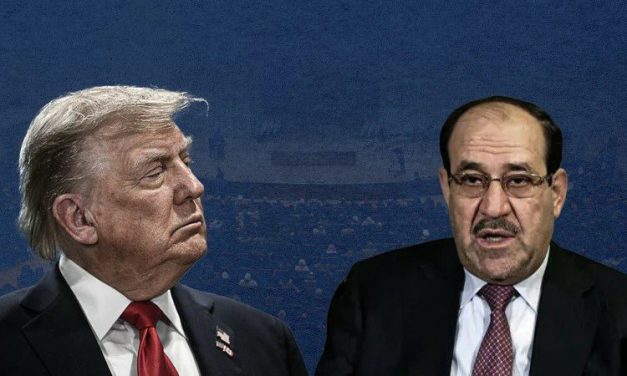
Online Strategic Council – Memoir: The swift selection of Nouri al-Maliki for the premiership constitutes a new phase in Iraq’s political sphere. Multiple factors have played a role in this process, the most important being the prevailing situation in Iraq and the region. Under such circumstances, Iraq requires a powerful and experienced prime minister who can keep the country away from the dangers of wars and crises.

America’s Strategy for Creating Tension in the Asia-Pacific

Strategic Council Online – Opinion: Relations between some countries in the Asia-Pacific region, such as China and Japan or China and Australia, which were previously relatively normal, are trending towards deterioration, and the primary reason for this is the aggressive policies of the United States of America.

The Collapse of the European Security Illusion with the Continuation of the Ukraine War?

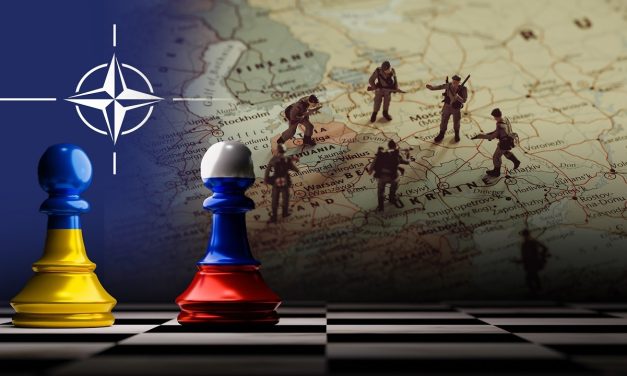
Strategic Council Online – Interview: The Ukraine war has become a new turning point in the political, security, and even commercial relations of allies on both sides of the Atlantic. While this war is nearing its fourth year, many questions still remain regarding its future and its consequences; among them, will the continuation of the Ukraine war lead to the collapse of the European security illusion?

Is Greenland Pushing Europe Toward China?

Strategic Council Online – Interview: A European affairs expert believes that the seizure of Greenland will certainly weaken America’s relations with Europe and its allies. Donald Trump’s view is that he does not need these countries, but if Europe faces significant pressure from the United States, it is natural for it to move toward China.

Alarm Bells Sound for ISIS Revival in Syria: Threat to Iraq and West Asia

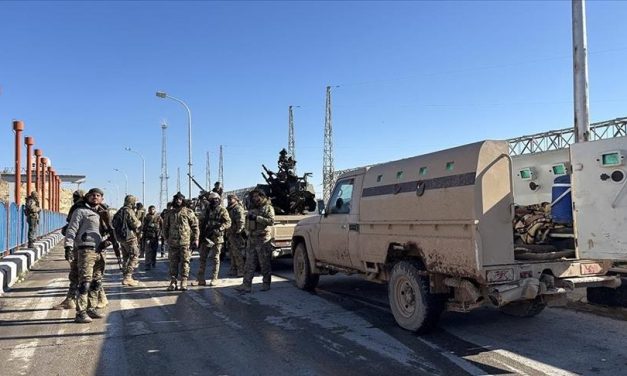
Strategic Council Online – Opinion: Numerous documents and pieces of evidence indicate that ISIS, which in recent years has been the region’s biggest threat to security and stability after the Zionist regime, has once again in recent months become a focal point for political and security exploitation by American and Zionist regime security, intelligence, and political circles.

Afghanistan’s Effective Role in the Economy of Eurasia

Strategic Council Online – Interview: A regional affairs researcher stated: Despite projects such as the Khaf-Herat railway and the Herat-Balkh-Mazar-i-Sharif corridor being on the agenda, insecurity and the absence of an inclusive government remain the most significant obstacles to realizing transit corridors and Afghanistan playing an effective role in the economy of Eurasia.

Loading

Últimas publicaciones

America’s Zero-Sum Game in Iraq

Online Strategic Council – Memoir: The swift selection of Nouri al-Maliki for the premiership constitutes a new phase in Iraq’s political sphere. Multiple factors have played a role in this process, the most important being the prevailing situation in Iraq and the region. Under such circumstances, Iraq requires a powerful and experienced prime minister who can keep the country away from the dangers of wars and crises.

America’s Strategy for Creating Tension in the Asia-Pacific

Strategic Council Online – Opinion: Relations between some countries in the Asia-Pacific region, such as China and Japan or China and Australia, which were previously relatively normal, are trending towards deterioration, and the primary reason for this is the aggressive policies of the United States of America.

The Collapse of the European Security Illusion with the Continuation of the Ukraine War?

Strategic Council Online – Interview: The Ukraine war has become a new turning point in the political, security, and even commercial relations of allies on both sides of the Atlantic. While this war is nearing its fourth year, many questions still remain regarding its future and its consequences; among them, will the continuation of the Ukraine war lead to the collapse of the European security illusion?

Is Greenland Pushing Europe Toward China?

Strategic Council Online – Interview: A European affairs expert believes that the seizure of Greenland will certainly weaken America’s relations with Europe and its allies. Donald Trump’s view is that he does not need these countries, but if Europe faces significant pressure from the United States, it is natural for it to move toward China.

Alarm Bells Sound for ISIS Revival in Syria: Threat to Iraq and West Asia

Strategic Council Online – Opinion: Numerous documents and pieces of evidence indicate that ISIS, which in recent years has been the region’s biggest threat to security and stability after the Zionist regime, has once again in recent months become a focal point for political and security exploitation by American and Zionist regime security, intelligence, and political circles.

Afghanistan’s Effective Role in the Economy of Eurasia

Strategic Council Online – Interview: A regional affairs researcher stated: Despite projects such as the Khaf-Herat railway and the Herat-Balkh-Mazar-i-Sharif corridor being on the agenda, insecurity and the absence of an inclusive government remain the most significant obstacles to realizing transit corridors and Afghanistan playing an effective role in the economy of Eurasia.

Loading

DERNIER CONTENU

America’s Zero-Sum Game in Iraq

Online Strategic Council – Memoir: The swift selection of Nouri al-Maliki for the premiership constitutes a new phase in Iraq’s political sphere. Multiple factors have played a role in this process, the most important being the prevailing situation in Iraq and the region. Under such circumstances, Iraq requires a powerful and experienced prime minister who can keep the country away from the dangers of wars and crises.

America’s Strategy for Creating Tension in the Asia-Pacific

Strategic Council Online – Opinion: Relations between some countries in the Asia-Pacific region, such as China and Japan or China and Australia, which were previously relatively normal, are trending towards deterioration, and the primary reason for this is the aggressive policies of the United States of America.

The Collapse of the European Security Illusion with the Continuation of the Ukraine War?

Strategic Council Online – Interview: The Ukraine war has become a new turning point in the political, security, and even commercial relations of allies on both sides of the Atlantic. While this war is nearing its fourth year, many questions still remain regarding its future and its consequences; among them, will the continuation of the Ukraine war lead to the collapse of the European security illusion?

Is Greenland Pushing Europe Toward China?

Strategic Council Online – Interview: A European affairs expert believes that the seizure of Greenland will certainly weaken America’s relations with Europe and its allies. Donald Trump’s view is that he does not need these countries, but if Europe faces significant pressure from the United States, it is natural for it to move toward China.

Alarm Bells Sound for ISIS Revival in Syria: Threat to Iraq and West Asia

Strategic Council Online – Opinion: Numerous documents and pieces of evidence indicate that ISIS, which in recent years has been the region’s biggest threat to security and stability after the Zionist regime, has once again in recent months become a focal point for political and security exploitation by American and Zionist regime security, intelligence, and political circles.

Afghanistan’s Effective Role in the Economy of Eurasia

Strategic Council Online – Interview: A regional affairs researcher stated: Despite projects such as the Khaf-Herat railway and the Herat-Balkh-Mazar-i-Sharif corridor being on the agenda, insecurity and the absence of an inclusive government remain the most significant obstacles to realizing transit corridors and Afghanistan playing an effective role in the economy of Eurasia.

Loading