جدیدترین مطالب

Iran’s Success in the Narrative Battle in Cyberspace

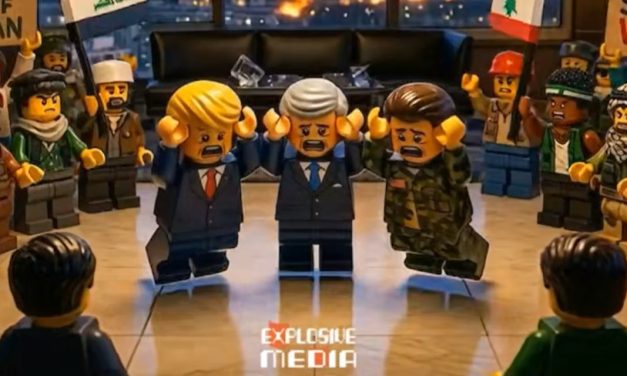
SCFR Online – Opinion: In the war between Iran and the United States, the main battlefield was not defined solely in the military domain; rather, the battle of narratives in cyberspace—particularly through memes—reached a decisive level.
The Global Energy Shock Situation and Future Scenarios

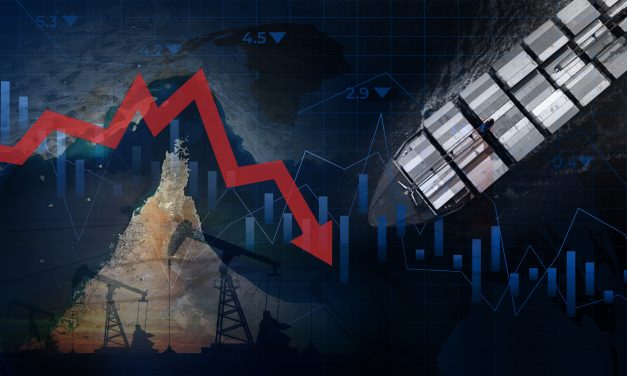
SCFR Online – Opinion: Only one month after the beginning of the Ramadan War, maritime traffic in the Strait of Hormuz decreased dramatically, with Bloomberg announcing a reduction of 103 vessels; Brent oil prices rose by more than 50 percent, and gasoline prices in the United States increased by 31.4 percent. Additionally, benchmark gas prices in Europe showed a 73.4 percent increase.

Al-Zaydi’s Selection as Prime Minister, The Beginning of a New Chapter in Iraq

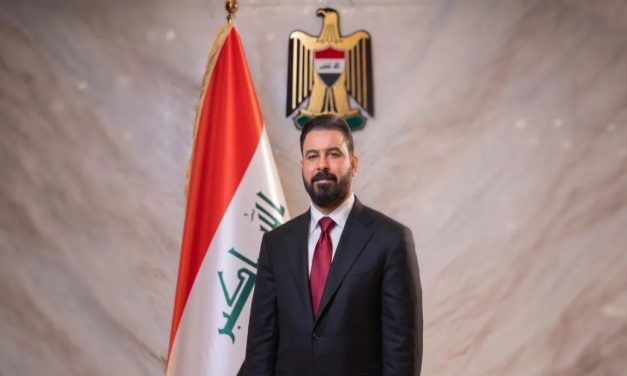
SCFR Online – Note: After approximately five months of political deadlock and institutional confusion, Ali al-Zaydi has finally been selected as Iraq’s Prime Minister. Al-Zaydi’s selection as Prime Minister represents a positive sign of the completion of the government formation process and the beginning of a new phase in Iraqi politics and governance. The emergence of a young, technocratic figure from the third generation of politicians—in a context where the country has been administered by traditional figures for decades—revives hope that Iraq may perhaps distance itself from the repetitive cycle of crises and experience a new path of stability, efficiency, and regional convergence.

Intensifying Intra-Party Divisions in the United States Regarding the Zionist Regime

SCFR Online – Note: Over recent decades, support for the Zionist regime has been one of the few issues commanding bipartisan consensus in US foreign policy. Since the Cold War era, Republicans and Democrats have generally agreed on the necessity of preserving the security and survival of the Zionist regime as Washington’s most strategic ally in West Asia—and indeed, globally. However, developments in recent years—particularly the Gaza war, escalating regional conflicts, the expansion of tensions into Lebanon, and this regime’s recent warmongering against Iran—have caused this traditional consensus, especially within the Democratic Party, to face significant fractures.

Public Opinion Disappointment of the Zionist Regime Regarding Success in War with Iran

SCFR Online – Opinion: The internal situation of the Israeli regime during the 40-day war can be analyzed from several perspectives. The popularity levels of Benjamin Netanyahu, the Likud Party, and the ruling coalition led by Netanyahu until February 28, 2026, remained approximately the same as during the preceding year. The most recent factor that had somewhat increased Netanyahu’s popularity was the advancement of the 2024 war with Hezbollah Lebanon. Subsequently, his popularity temporarily increased during the 12-day war with Iran, but after the war, it returned to its previous state.

Loading

NATO

European Independence from the United States; From Dream to Reality

European Independence from the United States; From Dream to Reality

Strategic Council Online – Opinion: Europe has spoken of “strategic autonomy” for years, but each new crisis reveals that the gap between its aspiration for self-reliance and the reality of its security dependence on the United States remains significantly unbridged.

The Implications of the United States’ New National Security Strategy on Global Order

The Implications of the United States’ New National Security Strategy on Global Order

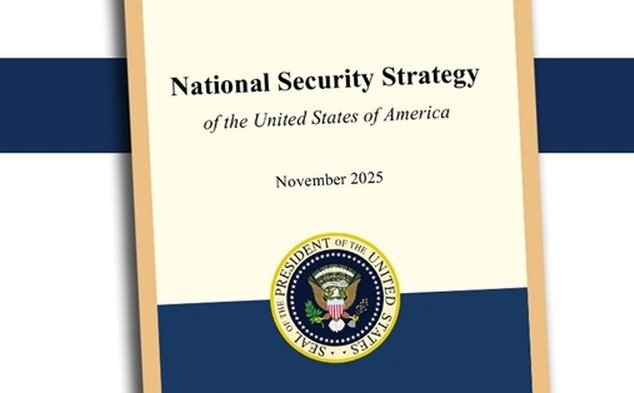
Strategic Council Online – Opinion: The United States’ 2025 National Security Strategy (NSS 2025) is not merely a revision of Washington’s foreign policy, but an official declaration redefining its interests, sphere of influence, and the framework of international relations. This change could shake the foundations of the post-Cold War order and place Europe and NATO in a difficult position.

Examining Political Developments Related to the Ukraine War

Examining Political Developments Related to the Ukraine War

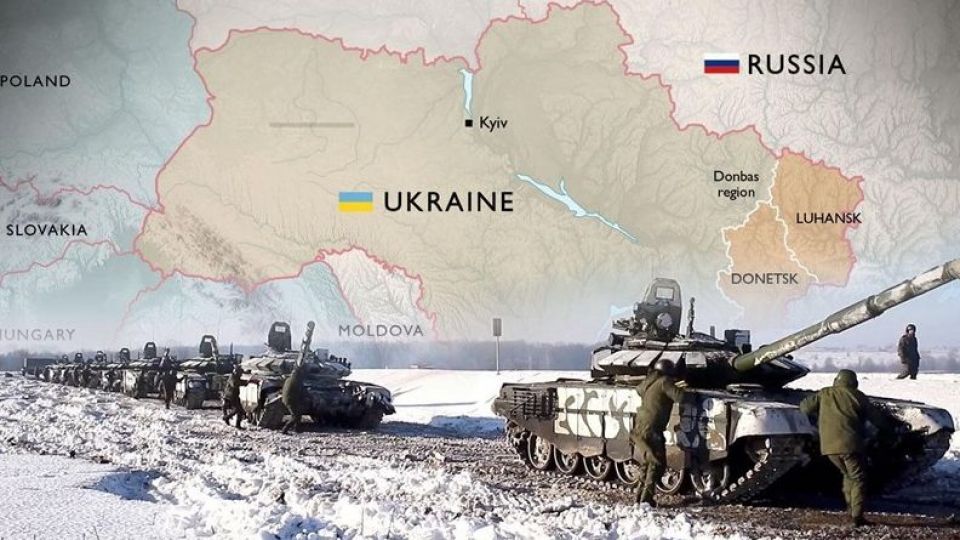
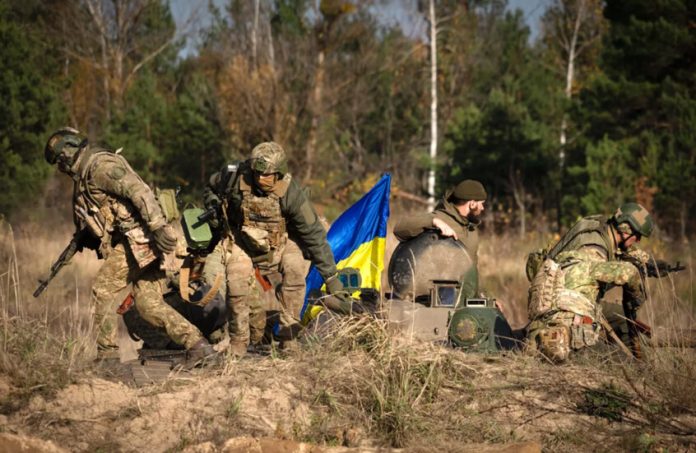
Strategic Council Online – Interview: An international affairs analyst stated: Today, Ukraine is facing a set of structural corruption, intra-European divisions, a shift in America’s approach, and a legitimacy crisis for Zelenskyy, which has propelled the course of the war and the future of the European Union and NATO into an entirely new phase.

The South Caucasus, A New Front in NATO-Russia Competition

The South Caucasus, A New Front in NATO-Russia Competition

Strategic Council Online – Interview: A Caucasus issues analyst stated that increased cooperation between the Republic of Azerbaijan and NATO, along with Western support for Baku, signifies the formation of a new front of geopolitical competition between NATO and Russia in the South Caucasus.

The Stalemate of the Ukraine War on the Battlefield and in Diplomacy

The Stalemate of the Ukraine War on the Battlefield and in Diplomacy

Strategic Council Online– Opinion: Russia’s recent nuclear exercises, under the direct supervision of Vladimir Putin, were not merely a military drill. Instead, they constituted a calculated show of force amidst a weakening diplomatic process and the suspension of a potential Trump-Putin meeting.

A Look at Iran-Europe Relations and Cooperation Capacities

A Look at Iran-Europe Relations and Cooperation Capacities

Online Strategic Council – Interview: A senior European affairs analyst, referring to recent developments, stated: Europe’s role in the new international order is complex, affected by the Ukraine war, and simultaneously possesses capacities for economic and political interaction with Iran.

France at a Crossroads Between Meeting Domestic Public Demands and Playing an International Role

France at a Crossroads Between Meeting Domestic Public Demands and Playing an International Role

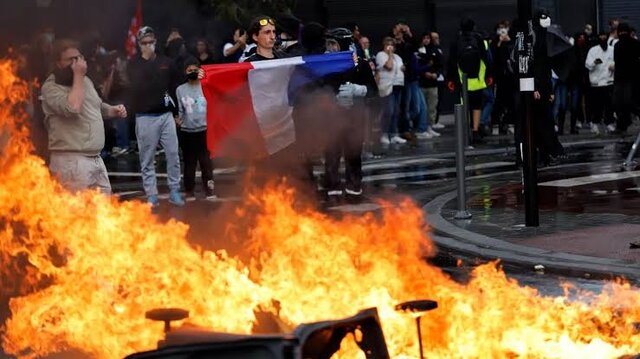
Strategic Council Online – Interview: An international affairs expert stated that the French government’s inability to meet public demands has led to a resurgence of domestic protests. The budget deficit has compelled Emmanuel Macron’s government to implement measures such as reducing public service expenditures, eliminating national holidays, cutting wages, and increasing taxes to offset the shortfall, which has further fueled the protests.

أحدث الوظائف

Iran’s Success in the Narrative Battle in Cyberspace

SCFR Online – Opinion: In the war between Iran and the United States, the main battlefield was not defined solely in the military domain; rather, the battle of narratives in cyberspace—particularly through memes—reached a decisive level.
The Global Energy Shock Situation and Future Scenarios

SCFR Online – Opinion: Only one month after the beginning of the Ramadan War, maritime traffic in the Strait of Hormuz decreased dramatically, with Bloomberg announcing a reduction of 103 vessels; Brent oil prices rose by more than 50 percent, and gasoline prices in the United States increased by 31.4 percent. Additionally, benchmark gas prices in Europe showed a 73.4 percent increase.

Al-Zaydi’s Selection as Prime Minister, The Beginning of a New Chapter in Iraq

SCFR Online – Note: After approximately five months of political deadlock and institutional confusion, Ali al-Zaydi has finally been selected as Iraq’s Prime Minister. Al-Zaydi’s selection as Prime Minister represents a positive sign of the completion of the government formation process and the beginning of a new phase in Iraqi politics and governance. The emergence of a young, technocratic figure from the third generation of politicians—in a context where the country has been administered by traditional figures for decades—revives hope that Iraq may perhaps distance itself from the repetitive cycle of crises and experience a new path of stability, efficiency, and regional convergence.

Intensifying Intra-Party Divisions in the United States Regarding the Zionist Regime

SCFR Online – Note: Over recent decades, support for the Zionist regime has been one of the few issues commanding bipartisan consensus in US foreign policy. Since the Cold War era, Republicans and Democrats have generally agreed on the necessity of preserving the security and survival of the Zionist regime as Washington’s most strategic ally in West Asia—and indeed, globally. However, developments in recent years—particularly the Gaza war, escalating regional conflicts, the expansion of tensions into Lebanon, and this regime’s recent warmongering against Iran—have caused this traditional consensus, especially within the Democratic Party, to face significant fractures.

Public Opinion Disappointment of the Zionist Regime Regarding Success in War with Iran

SCFR Online – Opinion: The internal situation of the Israeli regime during the 40-day war can be analyzed from several perspectives. The popularity levels of Benjamin Netanyahu, the Likud Party, and the ruling coalition led by Netanyahu until February 28, 2026, remained approximately the same as during the preceding year. The most recent factor that had somewhat increased Netanyahu’s popularity was the advancement of the 2024 war with Hezbollah Lebanon. Subsequently, his popularity temporarily increased during the 12-day war with Iran, but after the war, it returned to its previous state.

Loading

NATO

European Independence from the United States; From Dream to Reality

European Independence from the United States; From Dream to Reality

Strategic Council Online – Opinion: Europe has spoken of “strategic autonomy” for years, but each new crisis reveals that the gap between its aspiration for self-reliance and the reality of its security dependence on the United States remains significantly unbridged.

The Implications of the United States’ New National Security Strategy on Global Order

The Implications of the United States’ New National Security Strategy on Global Order

Strategic Council Online – Opinion: The United States’ 2025 National Security Strategy (NSS 2025) is not merely a revision of Washington’s foreign policy, but an official declaration redefining its interests, sphere of influence, and the framework of international relations. This change could shake the foundations of the post-Cold War order and place Europe and NATO in a difficult position.

Examining Political Developments Related to the Ukraine War

Examining Political Developments Related to the Ukraine War

Strategic Council Online – Interview: An international affairs analyst stated: Today, Ukraine is facing a set of structural corruption, intra-European divisions, a shift in America’s approach, and a legitimacy crisis for Zelenskyy, which has propelled the course of the war and the future of the European Union and NATO into an entirely new phase.

The South Caucasus, A New Front in NATO-Russia Competition

The South Caucasus, A New Front in NATO-Russia Competition

Strategic Council Online – Interview: A Caucasus issues analyst stated that increased cooperation between the Republic of Azerbaijan and NATO, along with Western support for Baku, signifies the formation of a new front of geopolitical competition between NATO and Russia in the South Caucasus.

The Stalemate of the Ukraine War on the Battlefield and in Diplomacy

The Stalemate of the Ukraine War on the Battlefield and in Diplomacy

Strategic Council Online– Opinion: Russia’s recent nuclear exercises, under the direct supervision of Vladimir Putin, were not merely a military drill. Instead, they constituted a calculated show of force amidst a weakening diplomatic process and the suspension of a potential Trump-Putin meeting.

A Look at Iran-Europe Relations and Cooperation Capacities

A Look at Iran-Europe Relations and Cooperation Capacities

Online Strategic Council – Interview: A senior European affairs analyst, referring to recent developments, stated: Europe’s role in the new international order is complex, affected by the Ukraine war, and simultaneously possesses capacities for economic and political interaction with Iran.

France at a Crossroads Between Meeting Domestic Public Demands and Playing an International Role

France at a Crossroads Between Meeting Domestic Public Demands and Playing an International Role

Strategic Council Online – Interview: An international affairs expert stated that the French government’s inability to meet public demands has led to a resurgence of domestic protests. The budget deficit has compelled Emmanuel Macron’s government to implement measures such as reducing public service expenditures, eliminating national holidays, cutting wages, and increasing taxes to offset the shortfall, which has further fueled the protests.

NATO

European Independence from the United States; From Dream to Reality

European Independence from the United States; From Dream to Reality

Strategic Council Online – Opinion: Europe has spoken of “strategic autonomy” for years, but each new crisis reveals that the gap between its aspiration for self-reliance and the reality of its security dependence on the United States remains significantly unbridged.

The Implications of the United States’ New National Security Strategy on Global Order

The Implications of the United States’ New National Security Strategy on Global Order

Strategic Council Online – Opinion: The United States’ 2025 National Security Strategy (NSS 2025) is not merely a revision of Washington’s foreign policy, but an official declaration redefining its interests, sphere of influence, and the framework of international relations. This change could shake the foundations of the post-Cold War order and place Europe and NATO in a difficult position.

Examining Political Developments Related to the Ukraine War

Examining Political Developments Related to the Ukraine War

Strategic Council Online – Interview: An international affairs analyst stated: Today, Ukraine is facing a set of structural corruption, intra-European divisions, a shift in America’s approach, and a legitimacy crisis for Zelenskyy, which has propelled the course of the war and the future of the European Union and NATO into an entirely new phase.

The South Caucasus, A New Front in NATO-Russia Competition

The South Caucasus, A New Front in NATO-Russia Competition

Strategic Council Online – Interview: A Caucasus issues analyst stated that increased cooperation between the Republic of Azerbaijan and NATO, along with Western support for Baku, signifies the formation of a new front of geopolitical competition between NATO and Russia in the South Caucasus.

The Stalemate of the Ukraine War on the Battlefield and in Diplomacy

The Stalemate of the Ukraine War on the Battlefield and in Diplomacy

Strategic Council Online– Opinion: Russia’s recent nuclear exercises, under the direct supervision of Vladimir Putin, were not merely a military drill. Instead, they constituted a calculated show of force amidst a weakening diplomatic process and the suspension of a potential Trump-Putin meeting.

A Look at Iran-Europe Relations and Cooperation Capacities

A Look at Iran-Europe Relations and Cooperation Capacities

Online Strategic Council – Interview: A senior European affairs analyst, referring to recent developments, stated: Europe’s role in the new international order is complex, affected by the Ukraine war, and simultaneously possesses capacities for economic and political interaction with Iran.

France at a Crossroads Between Meeting Domestic Public Demands and Playing an International Role

France at a Crossroads Between Meeting Domestic Public Demands and Playing an International Role

Strategic Council Online – Interview: An international affairs expert stated that the French government’s inability to meet public demands has led to a resurgence of domestic protests. The budget deficit has compelled Emmanuel Macron’s government to implement measures such as reducing public service expenditures, eliminating national holidays, cutting wages, and increasing taxes to offset the shortfall, which has further fueled the protests.

LATEST CONTENT

Iran’s Success in the Narrative Battle in Cyberspace

SCFR Online – Opinion: In the war between Iran and the United States, the main battlefield was not defined solely in the military domain; rather, the battle of narratives in cyberspace—particularly through memes—reached a decisive level.

The Global Energy Shock Situation and Future Scenarios

SCFR Online – Opinion: Only one month after the beginning of the Ramadan War, maritime traffic in the Strait of Hormuz decreased dramatically, with Bloomberg announcing a reduction of 103 vessels; Brent oil prices rose by more than 50 percent, and gasoline prices in the United States increased by 31.4 percent. Additionally, benchmark gas prices in Europe showed a 73.4 percent increase.

Al-Zaydi’s Selection as Prime Minister, The Beginning of a New Chapter in Iraq

SCFR Online – Note: After approximately five months of political deadlock and institutional confusion, Ali al-Zaydi has finally been selected as Iraq’s Prime Minister. Al-Zaydi’s selection as Prime Minister represents a positive sign of the completion of the government formation process and the beginning of a new phase in Iraqi politics and governance. The emergence of a young, technocratic figure from the third generation of politicians—in a context where the country has been administered by traditional figures for decades—revives hope that Iraq may perhaps distance itself from the repetitive cycle of crises and experience a new path of stability, efficiency, and regional convergence.

Intensifying Intra-Party Divisions in the United States Regarding the Zionist Regime

SCFR Online – Note: Over recent decades, support for the Zionist regime has been one of the few issues commanding bipartisan consensus in US foreign policy. Since the Cold War era, Republicans and Democrats have generally agreed on the necessity of preserving the security and survival of the Zionist regime as Washington’s most strategic ally in West Asia—and indeed, globally. However, developments in recent years—particularly the Gaza war, escalating regional conflicts, the expansion of tensions into Lebanon, and this regime’s recent warmongering against Iran—have caused this traditional consensus, especially within the Democratic Party, to face significant fractures.

Public Opinion Disappointment of the Zionist Regime Regarding Success in War with Iran

SCFR Online – Opinion: The internal situation of the Israeli regime during the 40-day war can be analyzed from several perspectives. The popularity levels of Benjamin Netanyahu, the Likud Party, and the ruling coalition led by Netanyahu until February 28, 2026, remained approximately the same as during the preceding year. The most recent factor that had somewhat increased Netanyahu’s popularity was the advancement of the 2024 war with Hezbollah Lebanon. Subsequently, his popularity temporarily increased during the 12-day war with Iran, but after the war, it returned to its previous state.

Loading

NATO

European Independence from the United States; From Dream to Reality

European Independence from the United States; From Dream to Reality

Strategic Council Online – Opinion: Europe has spoken of “strategic autonomy” for years, but each new crisis reveals that the gap between its aspiration for self-reliance and the reality of its security dependence on the United States remains significantly unbridged.

The Implications of the United States’ New National Security Strategy on Global Order

The Implications of the United States’ New National Security Strategy on Global Order

Strategic Council Online – Opinion: The United States’ 2025 National Security Strategy (NSS 2025) is not merely a revision of Washington’s foreign policy, but an official declaration redefining its interests, sphere of influence, and the framework of international relations. This change could shake the foundations of the post-Cold War order and place Europe and NATO in a difficult position.

Examining Political Developments Related to the Ukraine War

Examining Political Developments Related to the Ukraine War

Strategic Council Online – Interview: An international affairs analyst stated: Today, Ukraine is facing a set of structural corruption, intra-European divisions, a shift in America’s approach, and a legitimacy crisis for Zelenskyy, which has propelled the course of the war and the future of the European Union and NATO into an entirely new phase.

The South Caucasus, A New Front in NATO-Russia Competition

The South Caucasus, A New Front in NATO-Russia Competition

Strategic Council Online – Interview: A Caucasus issues analyst stated that increased cooperation between the Republic of Azerbaijan and NATO, along with Western support for Baku, signifies the formation of a new front of geopolitical competition between NATO and Russia in the South Caucasus.

The Stalemate of the Ukraine War on the Battlefield and in Diplomacy

The Stalemate of the Ukraine War on the Battlefield and in Diplomacy

Strategic Council Online– Opinion: Russia’s recent nuclear exercises, under the direct supervision of Vladimir Putin, were not merely a military drill. Instead, they constituted a calculated show of force amidst a weakening diplomatic process and the suspension of a potential Trump-Putin meeting.

A Look at Iran-Europe Relations and Cooperation Capacities

A Look at Iran-Europe Relations and Cooperation Capacities

Online Strategic Council – Interview: A senior European affairs analyst, referring to recent developments, stated: Europe’s role in the new international order is complex, affected by the Ukraine war, and simultaneously possesses capacities for economic and political interaction with Iran.

France at a Crossroads Between Meeting Domestic Public Demands and Playing an International Role

France at a Crossroads Between Meeting Domestic Public Demands and Playing an International Role

Strategic Council Online – Interview: An international affairs expert stated that the French government’s inability to meet public demands has led to a resurgence of domestic protests. The budget deficit has compelled Emmanuel Macron’s government to implement measures such as reducing public service expenditures, eliminating national holidays, cutting wages, and increasing taxes to offset the shortfall, which has further fueled the protests.

ÚLTIMAS PUBLICACIONES

Iran’s Success in the Narrative Battle in Cyberspace

SCFR Online – Opinion: In the war between Iran and the United States, the main battlefield was not defined solely in the military domain; rather, the battle of narratives in cyberspace—particularly through memes—reached a decisive level.
The Global Energy Shock Situation and Future Scenarios

SCFR Online – Opinion: Only one month after the beginning of the Ramadan War, maritime traffic in the Strait of Hormuz decreased dramatically, with Bloomberg announcing a reduction of 103 vessels; Brent oil prices rose by more than 50 percent, and gasoline prices in the United States increased by 31.4 percent. Additionally, benchmark gas prices in Europe showed a 73.4 percent increase.

Al-Zaydi’s Selection as Prime Minister, The Beginning of a New Chapter in Iraq

SCFR Online – Note: After approximately five months of political deadlock and institutional confusion, Ali al-Zaydi has finally been selected as Iraq’s Prime Minister. Al-Zaydi’s selection as Prime Minister represents a positive sign of the completion of the government formation process and the beginning of a new phase in Iraqi politics and governance. The emergence of a young, technocratic figure from the third generation of politicians—in a context where the country has been administered by traditional figures for decades—revives hope that Iraq may perhaps distance itself from the repetitive cycle of crises and experience a new path of stability, efficiency, and regional convergence.

Intensifying Intra-Party Divisions in the United States Regarding the Zionist Regime

SCFR Online – Note: Over recent decades, support for the Zionist regime has been one of the few issues commanding bipartisan consensus in US foreign policy. Since the Cold War era, Republicans and Democrats have generally agreed on the necessity of preserving the security and survival of the Zionist regime as Washington’s most strategic ally in West Asia—and indeed, globally. However, developments in recent years—particularly the Gaza war, escalating regional conflicts, the expansion of tensions into Lebanon, and this regime’s recent warmongering against Iran—have caused this traditional consensus, especially within the Democratic Party, to face significant fractures.

Public Opinion Disappointment of the Zionist Regime Regarding Success in War with Iran

SCFR Online – Opinion: The internal situation of the Israeli regime during the 40-day war can be analyzed from several perspectives. The popularity levels of Benjamin Netanyahu, the Likud Party, and the ruling coalition led by Netanyahu until February 28, 2026, remained approximately the same as during the preceding year. The most recent factor that had somewhat increased Netanyahu’s popularity was the advancement of the 2024 war with Hezbollah Lebanon. Subsequently, his popularity temporarily increased during the 12-day war with Iran, but after the war, it returned to its previous state.

Loading

NATO

European Independence from the United States; From Dream to Reality

European Independence from the United States; From Dream to Reality

Strategic Council Online – Opinion: Europe has spoken of “strategic autonomy” for years, but each new crisis reveals that the gap between its aspiration for self-reliance and the reality of its security dependence on the United States remains significantly unbridged.

The Implications of the United States’ New National Security Strategy on Global Order

The Implications of the United States’ New National Security Strategy on Global Order

Strategic Council Online – Opinion: The United States’ 2025 National Security Strategy (NSS 2025) is not merely a revision of Washington’s foreign policy, but an official declaration redefining its interests, sphere of influence, and the framework of international relations. This change could shake the foundations of the post-Cold War order and place Europe and NATO in a difficult position.

Examining Political Developments Related to the Ukraine War

Examining Political Developments Related to the Ukraine War

Strategic Council Online – Interview: An international affairs analyst stated: Today, Ukraine is facing a set of structural corruption, intra-European divisions, a shift in America’s approach, and a legitimacy crisis for Zelenskyy, which has propelled the course of the war and the future of the European Union and NATO into an entirely new phase.

The South Caucasus, A New Front in NATO-Russia Competition

The South Caucasus, A New Front in NATO-Russia Competition

Strategic Council Online – Interview: A Caucasus issues analyst stated that increased cooperation between the Republic of Azerbaijan and NATO, along with Western support for Baku, signifies the formation of a new front of geopolitical competition between NATO and Russia in the South Caucasus.

The Stalemate of the Ukraine War on the Battlefield and in Diplomacy

The Stalemate of the Ukraine War on the Battlefield and in Diplomacy

Strategic Council Online– Opinion: Russia’s recent nuclear exercises, under the direct supervision of Vladimir Putin, were not merely a military drill. Instead, they constituted a calculated show of force amidst a weakening diplomatic process and the suspension of a potential Trump-Putin meeting.

A Look at Iran-Europe Relations and Cooperation Capacities

A Look at Iran-Europe Relations and Cooperation Capacities

Online Strategic Council – Interview: A senior European affairs analyst, referring to recent developments, stated: Europe’s role in the new international order is complex, affected by the Ukraine war, and simultaneously possesses capacities for economic and political interaction with Iran.

France at a Crossroads Between Meeting Domestic Public Demands and Playing an International Role

France at a Crossroads Between Meeting Domestic Public Demands and Playing an International Role

Strategic Council Online – Interview: An international affairs expert stated that the French government’s inability to meet public demands has led to a resurgence of domestic protests. The budget deficit has compelled Emmanuel Macron’s government to implement measures such as reducing public service expenditures, eliminating national holidays, cutting wages, and increasing taxes to offset the shortfall, which has further fueled the protests.

ÚLTIMAS PUBLICACIONES

Iran’s Success in the Narrative Battle in Cyberspace

SCFR Online – Opinion: In the war between Iran and the United States, the main battlefield was not defined solely in the military domain; rather, the battle of narratives in cyberspace—particularly through memes—reached a decisive level.
The Global Energy Shock Situation and Future Scenarios

SCFR Online – Opinion: Only one month after the beginning of the Ramadan War, maritime traffic in the Strait of Hormuz decreased dramatically, with Bloomberg announcing a reduction of 103 vessels; Brent oil prices rose by more than 50 percent, and gasoline prices in the United States increased by 31.4 percent. Additionally, benchmark gas prices in Europe showed a 73.4 percent increase.

Al-Zaydi’s Selection as Prime Minister, The Beginning of a New Chapter in Iraq

SCFR Online – Note: After approximately five months of political deadlock and institutional confusion, Ali al-Zaydi has finally been selected as Iraq’s Prime Minister. Al-Zaydi’s selection as Prime Minister represents a positive sign of the completion of the government formation process and the beginning of a new phase in Iraqi politics and governance. The emergence of a young, technocratic figure from the third generation of politicians—in a context where the country has been administered by traditional figures for decades—revives hope that Iraq may perhaps distance itself from the repetitive cycle of crises and experience a new path of stability, efficiency, and regional convergence.

Intensifying Intra-Party Divisions in the United States Regarding the Zionist Regime

SCFR Online – Note: Over recent decades, support for the Zionist regime has been one of the few issues commanding bipartisan consensus in US foreign policy. Since the Cold War era, Republicans and Democrats have generally agreed on the necessity of preserving the security and survival of the Zionist regime as Washington’s most strategic ally in West Asia—and indeed, globally. However, developments in recent years—particularly the Gaza war, escalating regional conflicts, the expansion of tensions into Lebanon, and this regime’s recent warmongering against Iran—have caused this traditional consensus, especially within the Democratic Party, to face significant fractures.

Public Opinion Disappointment of the Zionist Regime Regarding Success in War with Iran

SCFR Online – Opinion: The internal situation of the Israeli regime during the 40-day war can be analyzed from several perspectives. The popularity levels of Benjamin Netanyahu, the Likud Party, and the ruling coalition led by Netanyahu until February 28, 2026, remained approximately the same as during the preceding year. The most recent factor that had somewhat increased Netanyahu’s popularity was the advancement of the 2024 war with Hezbollah Lebanon. Subsequently, his popularity temporarily increased during the 12-day war with Iran, but after the war, it returned to its previous state.

Loading

NATO

European Independence from the United States; From Dream to Reality

European Independence from the United States; From Dream to Reality

Strategic Council Online – Opinion: Europe has spoken of “strategic autonomy” for years, but each new crisis reveals that the gap between its aspiration for self-reliance and the reality of its security dependence on the United States remains significantly unbridged.

The Implications of the United States’ New National Security Strategy on Global Order

The Implications of the United States’ New National Security Strategy on Global Order

Strategic Council Online – Opinion: The United States’ 2025 National Security Strategy (NSS 2025) is not merely a revision of Washington’s foreign policy, but an official declaration redefining its interests, sphere of influence, and the framework of international relations. This change could shake the foundations of the post-Cold War order and place Europe and NATO in a difficult position.

Examining Political Developments Related to the Ukraine War

Examining Political Developments Related to the Ukraine War

Strategic Council Online – Interview: An international affairs analyst stated: Today, Ukraine is facing a set of structural corruption, intra-European divisions, a shift in America’s approach, and a legitimacy crisis for Zelenskyy, which has propelled the course of the war and the future of the European Union and NATO into an entirely new phase.

The South Caucasus, A New Front in NATO-Russia Competition

The South Caucasus, A New Front in NATO-Russia Competition

Strategic Council Online – Interview: A Caucasus issues analyst stated that increased cooperation between the Republic of Azerbaijan and NATO, along with Western support for Baku, signifies the formation of a new front of geopolitical competition between NATO and Russia in the South Caucasus.

The Stalemate of the Ukraine War on the Battlefield and in Diplomacy

The Stalemate of the Ukraine War on the Battlefield and in Diplomacy

Strategic Council Online– Opinion: Russia’s recent nuclear exercises, under the direct supervision of Vladimir Putin, were not merely a military drill. Instead, they constituted a calculated show of force amidst a weakening diplomatic process and the suspension of a potential Trump-Putin meeting.

A Look at Iran-Europe Relations and Cooperation Capacities

A Look at Iran-Europe Relations and Cooperation Capacities

Online Strategic Council – Interview: A senior European affairs analyst, referring to recent developments, stated: Europe’s role in the new international order is complex, affected by the Ukraine war, and simultaneously possesses capacities for economic and political interaction with Iran.

France at a Crossroads Between Meeting Domestic Public Demands and Playing an International Role

France at a Crossroads Between Meeting Domestic Public Demands and Playing an International Role

Strategic Council Online – Interview: An international affairs expert stated that the French government’s inability to meet public demands has led to a resurgence of domestic protests. The budget deficit has compelled Emmanuel Macron’s government to implement measures such as reducing public service expenditures, eliminating national holidays, cutting wages, and increasing taxes to offset the shortfall, which has further fueled the protests.

ÚLTIMAS PUBLICACIONES

Iran’s Success in the Narrative Battle in Cyberspace

SCFR Online – Opinion: In the war between Iran and the United States, the main battlefield was not defined solely in the military domain; rather, the battle of narratives in cyberspace—particularly through memes—reached a decisive level.
The Global Energy Shock Situation and Future Scenarios

SCFR Online – Opinion: Only one month after the beginning of the Ramadan War, maritime traffic in the Strait of Hormuz decreased dramatically, with Bloomberg announcing a reduction of 103 vessels; Brent oil prices rose by more than 50 percent, and gasoline prices in the United States increased by 31.4 percent. Additionally, benchmark gas prices in Europe showed a 73.4 percent increase.

Al-Zaydi’s Selection as Prime Minister, The Beginning of a New Chapter in Iraq

SCFR Online – Note: After approximately five months of political deadlock and institutional confusion, Ali al-Zaydi has finally been selected as Iraq’s Prime Minister. Al-Zaydi’s selection as Prime Minister represents a positive sign of the completion of the government formation process and the beginning of a new phase in Iraqi politics and governance. The emergence of a young, technocratic figure from the third generation of politicians—in a context where the country has been administered by traditional figures for decades—revives hope that Iraq may perhaps distance itself from the repetitive cycle of crises and experience a new path of stability, efficiency, and regional convergence.

Intensifying Intra-Party Divisions in the United States Regarding the Zionist Regime

SCFR Online – Note: Over recent decades, support for the Zionist regime has been one of the few issues commanding bipartisan consensus in US foreign policy. Since the Cold War era, Republicans and Democrats have generally agreed on the necessity of preserving the security and survival of the Zionist regime as Washington’s most strategic ally in West Asia—and indeed, globally. However, developments in recent years—particularly the Gaza war, escalating regional conflicts, the expansion of tensions into Lebanon, and this regime’s recent warmongering against Iran—have caused this traditional consensus, especially within the Democratic Party, to face significant fractures.

Public Opinion Disappointment of the Zionist Regime Regarding Success in War with Iran

SCFR Online – Opinion: The internal situation of the Israeli regime during the 40-day war can be analyzed from several perspectives. The popularity levels of Benjamin Netanyahu, the Likud Party, and the ruling coalition led by Netanyahu until February 28, 2026, remained approximately the same as during the preceding year. The most recent factor that had somewhat increased Netanyahu’s popularity was the advancement of the 2024 war with Hezbollah Lebanon. Subsequently, his popularity temporarily increased during the 12-day war with Iran, but after the war, it returned to its previous state.

Loading

NATO

European Independence from the United States; From Dream to Reality

European Independence from the United States; From Dream to Reality

Strategic Council Online – Opinion: Europe has spoken of “strategic autonomy” for years, but each new crisis reveals that the gap between its aspiration for self-reliance and the reality of its security dependence on the United States remains significantly unbridged.

The Implications of the United States’ New National Security Strategy on Global Order

The Implications of the United States’ New National Security Strategy on Global Order

Strategic Council Online – Opinion: The United States’ 2025 National Security Strategy (NSS 2025) is not merely a revision of Washington’s foreign policy, but an official declaration redefining its interests, sphere of influence, and the framework of international relations. This change could shake the foundations of the post-Cold War order and place Europe and NATO in a difficult position.

Examining Political Developments Related to the Ukraine War

Examining Political Developments Related to the Ukraine War

Strategic Council Online – Interview: An international affairs analyst stated: Today, Ukraine is facing a set of structural corruption, intra-European divisions, a shift in America’s approach, and a legitimacy crisis for Zelenskyy, which has propelled the course of the war and the future of the European Union and NATO into an entirely new phase.

The South Caucasus, A New Front in NATO-Russia Competition

The South Caucasus, A New Front in NATO-Russia Competition

Strategic Council Online – Interview: A Caucasus issues analyst stated that increased cooperation between the Republic of Azerbaijan and NATO, along with Western support for Baku, signifies the formation of a new front of geopolitical competition between NATO and Russia in the South Caucasus.

The Stalemate of the Ukraine War on the Battlefield and in Diplomacy

The Stalemate of the Ukraine War on the Battlefield and in Diplomacy

Strategic Council Online– Opinion: Russia’s recent nuclear exercises, under the direct supervision of Vladimir Putin, were not merely a military drill. Instead, they constituted a calculated show of force amidst a weakening diplomatic process and the suspension of a potential Trump-Putin meeting.

A Look at Iran-Europe Relations and Cooperation Capacities

A Look at Iran-Europe Relations and Cooperation Capacities

Online Strategic Council – Interview: A senior European affairs analyst, referring to recent developments, stated: Europe’s role in the new international order is complex, affected by the Ukraine war, and simultaneously possesses capacities for economic and political interaction with Iran.

France at a Crossroads Between Meeting Domestic Public Demands and Playing an International Role

France at a Crossroads Between Meeting Domestic Public Demands and Playing an International Role

Strategic Council Online – Interview: An international affairs expert stated that the French government’s inability to meet public demands has led to a resurgence of domestic protests. The budget deficit has compelled Emmanuel Macron’s government to implement measures such as reducing public service expenditures, eliminating national holidays, cutting wages, and increasing taxes to offset the shortfall, which has further fueled the protests.

ÚLTIMAS PUBLICACIONES

Iran’s Success in the Narrative Battle in Cyberspace

SCFR Online – Opinion: In the war between Iran and the United States, the main battlefield was not defined solely in the military domain; rather, the battle of narratives in cyberspace—particularly through memes—reached a decisive level.

The Global Energy Shock Situation and Future Scenarios

SCFR Online – Opinion: Only one month after the beginning of the Ramadan War, maritime traffic in the Strait of Hormuz decreased dramatically, with Bloomberg announcing a reduction of 103 vessels; Brent oil prices rose by more than 50 percent, and gasoline prices in the United States increased by 31.4 percent. Additionally, benchmark gas prices in Europe showed a 73.4 percent increase.

Al-Zaydi’s Selection as Prime Minister, The Beginning of a New Chapter in Iraq

SCFR Online – Note: After approximately five months of political deadlock and institutional confusion, Ali al-Zaydi has finally been selected as Iraq’s Prime Minister. Al-Zaydi’s selection as Prime Minister represents a positive sign of the completion of the government formation process and the beginning of a new phase in Iraqi politics and governance. The emergence of a young, technocratic figure from the third generation of politicians—in a context where the country has been administered by traditional figures for decades—revives hope that Iraq may perhaps distance itself from the repetitive cycle of crises and experience a new path of stability, efficiency, and regional convergence.

Intensifying Intra-Party Divisions in the United States Regarding the Zionist Regime

SCFR Online – Note: Over recent decades, support for the Zionist regime has been one of the few issues commanding bipartisan consensus in US foreign policy. Since the Cold War era, Republicans and Democrats have generally agreed on the necessity of preserving the security and survival of the Zionist regime as Washington’s most strategic ally in West Asia—and indeed, globally. However, developments in recent years—particularly the Gaza war, escalating regional conflicts, the expansion of tensions into Lebanon, and this regime’s recent warmongering against Iran—have caused this traditional consensus, especially within the Democratic Party, to face significant fractures.

Public Opinion Disappointment of the Zionist Regime Regarding Success in War with Iran

SCFR Online – Opinion: The internal situation of the Israeli regime during the 40-day war can be analyzed from several perspectives. The popularity levels of Benjamin Netanyahu, the Likud Party, and the ruling coalition led by Netanyahu until February 28, 2026, remained approximately the same as during the preceding year. The most recent factor that had somewhat increased Netanyahu’s popularity was the advancement of the 2024 war with Hezbollah Lebanon. Subsequently, his popularity temporarily increased during the 12-day war with Iran, but after the war, it returned to its previous state.

Loading