جدیدترین مطالب

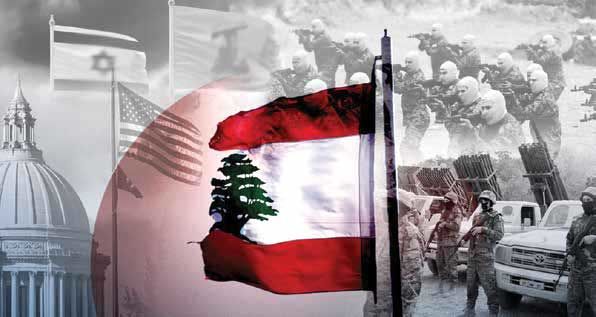
The Security Equation of Southern Lebanon for the Zionist Regime

Strategic Council Online – Opinion: American-Zionist objectives in the region are not limited to weakening Hezbollah. Efforts to disarm Iraqi resistance groups such as Kata’ib Hezbollah and the Popular Mobilization Forces are also part of their subsequent plans.
Commercial Exploitation of Peace; The Gaza Committee in Confrontation with International Legitimacy

Strategic Council Online – Report: While the second phase of the implementation of the Gaza ceasefire has begun, the establishment of the “Peace Board” chaired by Donald Trump on the sidelines of the Davos meeting (22 January 2026) has become more than a technical mechanism for reconstruction and has turned into a test for the future of the international order.
Despite the signing of the charter by 22 out of 60 invited countries, the limited presence of global leaders at the Davos ceremony and the non-acceptance of this body by the European Union and key Western countries indicate a deep divide in global perceptions of the legitimacy of this mechanism.
In this report, drawing on the analysis of Hadi Borhani, a regional affairs expert, and international data, three strategic questions are addressed: Is the Peace Board an instrument for implementing UN Security Council Resolution 2803 or a substitute for the United Nations? How does the hierarchical architecture of this committee intensify executive challenges in Gaza? And finally, can this body create sustainable peace without the cooperation of Palestinians and with the concentration of power in the hands of a single individual?

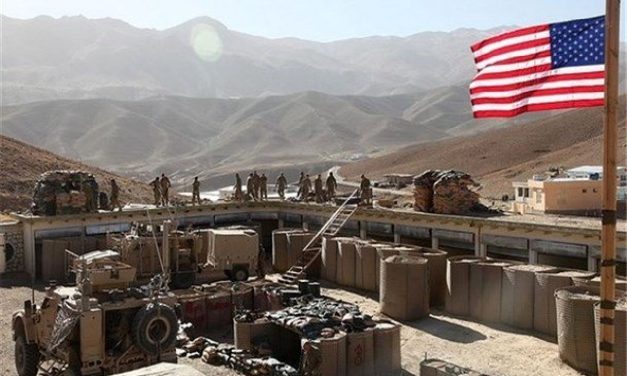
America’s Zero-Sum Game in Iraq

Online Strategic Council – Memoir: The swift selection of Nouri al-Maliki for the premiership constitutes a new phase in Iraq’s political sphere. Multiple factors have played a role in this process, the most important being the prevailing situation in Iraq and the region. Under such circumstances, Iraq requires a powerful and experienced prime minister who can keep the country away from the dangers of wars and crises.

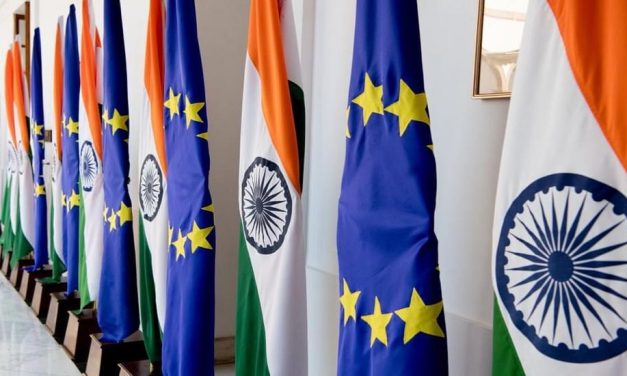
America’s Strategy for Creating Tension in the Asia-Pacific

Strategic Council Online – Opinion: Relations between some countries in the Asia-Pacific region, such as China and Japan or China and Australia, which were previously relatively normal, are trending towards deterioration, and the primary reason for this is the aggressive policies of the United States of America.

Loading

Iran

A Glance at Presidential Election Results in Turkey

A Glance at Presidential Election Results in Turkey

Strategic Council Online – Interview: An analyst of Turkey affairs considered the results of the first round of the elections as a kind of victory for Erdogan and said: With the victory of Kılıçdaroğlu, some regional changes might be witnessed, but in any case, it seems that the winner of the elections will face a series of internal problems and those problems will be aggravated if Kılıçdaroğlu wins.

Karabakh Peace Talks in US, Baku’s Attempt to Discredit Russia in Caucasus

Karabakh Peace Talks in US, Baku’s Attempt to Discredit Russia in Caucasus

Strategic Council Online – Interview: An expert on international law, saying that Baku is trying to discredit Russia in the developments in the Caucasus, referred to the negotiations between Armenia and the Republic of Azerbaijan in the United States and noted: Washington, to compensate for its diplomatic backwardness in the second Karabakh war, is trying to create an alternative to the Russian mechanism and push the developments in a direction that is against the interests of Iran and Russia.

Aims of Recent Qatar Meeting on Afghanistan

Aims of Recent Qatar Meeting on Afghanistan

Strategic Council Online – Interview: A researcher on subcontinental affairs says that the United Nations is looking for a mechanism with a so-called aim of “recognition of the Taliban” to prevent the movement from its extreme behavior. The international view is that by attracting the Taliban, more effective steps can be taken to achieve the target.

Importance and strategic dimensions of Iran’s President visit to Syria

Importance and strategic dimensions of Iran’s President visit to Syria

Strategic Council Online—Opinion: The two-day visit of Mr. Raisi, the president of the Islamic Republic of Iran, to Syria is important from different dimensions. This trip, which has had many reflections in the media and political circles of the region, has a vital role in the implementation of dozens of economic and commercial agreements, as well as the signing of new military and security agreements, which were agreed upon by the parties during the past years but were not fully implemented.
Barsam Mohammadi—Expert in regional issues

Consequences of Moscow-Riyadh Cooperation on Sale of Russian Oil

Consequences of Moscow-Riyadh Cooperation on Sale of Russian Oil

Strategic Council Online – Interview: A faculty member of the Institute of Strategic Studies says there has been a change in the global energy transmission lines after the Ukraine war began. He noted: With the continued shift in the oil trade routes of Russia, India and China have become strategic business partners for Moscow. This development has taken place in the shadow of the decline of the US influence among its key allies in the Middle East.

Strategic Consequences of Syria-Saudi Improved Relations

Strategic Consequences of Syria-Saudi Improved Relations

Strategic Council Online – Opinion: After the breakthrough in diplomatic relations between the Islamic Republic of Iran and Saudi Arabia, West Asia, and the Persian Gulf are witnessing “positive movements”; the countries that used to be on the opposite front have abandoned previous policies and are moving towards interaction and resumption of bilateral relations.
Barsam Mohammadi – Expert on regional affairs

A look into the election contests in Turkiye and its strategic consequences

A look into the election contests in Turkiye and its strategic consequences

Strategic Council Online—Opinion: As the Turkish presidential and parliamentary elections on May 14, 2023, are approaching, the activities of the eligible candidates are expanding. In the Turkish presidential election, four candidates, and in the parliamentary election, 27 parties will compete. The upcoming elections will be the 13th presidential election in Türkiye’s history, the second presidential election since the beginning of the presidential term, and the 28th parliamentary election in this country. The presidency and parliamentary representation term is five years, and the number of people elected representatives is 600.
Mahmoud Fazeli—Analyst of international affairs

Challenges, Key Priorities of Iran’s Foreign Policy in 2023-2024

Challenges, Key Priorities of Iran’s Foreign Policy in 2023-2024

Strategic Council Online – Guest opinion: Amidst talks about Iran’s essential issues and challenges in the current calendar year, what quickly comes into one’s mind is the debate on economic disturbances and people’s livelihood problems. This is even though, in today’s interconnected world, we can safely say that the root of many domestic financial problems lies in foreign policy and international relations of the country; however, this does not mean minimizing the importance of managerial inefficiencies and the weakness and inadequacy of some internal executive and supervisory institutions.
Dr. Mohammad Mehdi Mazaheri – University professor

Growing Concern of Afghanistan’s Neighbors about the Continuation of the Current Process of the Taliban Rule

Growing Concern of Afghanistan’s Neighbors about the Continuation of the Current Process of the Taliban Rule

Strategic Council Online – Interview: A former Iranian diplomat said that the main challenges and concerns of the foreign ministers of neighboring countries of Afghanistan, which had been raised in the first meeting in Samarkand, were prominent in the second meeting as well, adding: The Taliban have come to power by force of arms and all the past concerns are still standing about the future situation of Afghanistan.

An Analysis of Prospects for the End of the War in Yemen

An Analysis of Prospects for the End of the War in Yemen

Strategic Council Online – Opinion: In recent weeks, a new round of political and diplomatic developments has begun in the region, the “starting point” of which should be considered the agreement between Iran and Saudi Arabia to resume diplomatic relations. After the meeting of the foreign ministers of the two countries in Beijing, the expert and political delegations of Iran and Saudi Arabia are preparing to reopen the embassies and re-establish bilateral relations.
Barsam Mohammadi – Expert on regional affairs

أحدث الوظائف

The Security Equation of Southern Lebanon for the Zionist Regime

Strategic Council Online – Opinion: American-Zionist objectives in the region are not limited to weakening Hezbollah. Efforts to disarm Iraqi resistance groups such as Kata’ib Hezbollah and the Popular Mobilization Forces are also part of their subsequent plans.

Commercial Exploitation of Peace; The Gaza Committee in Confrontation with International Legitimacy

Strategic Council Online – Report: While the second phase of the implementation of the Gaza ceasefire has begun, the establishment of the “Peace Board” chaired by Donald Trump on the sidelines of the Davos meeting (22 January 2026) has become more than a technical mechanism for reconstruction and has turned into a test for the future of the international order.
Despite the signing of the charter by 22 out of 60 invited countries, the limited presence of global leaders at the Davos ceremony and the non-acceptance of this body by the European Union and key Western countries indicate a deep divide in global perceptions of the legitimacy of this mechanism.
In this report, drawing on the analysis of Hadi Borhani, a regional affairs expert, and international data, three strategic questions are addressed: Is the Peace Board an instrument for implementing UN Security Council Resolution 2803 or a substitute for the United Nations? How does the hierarchical architecture of this committee intensify executive challenges in Gaza? And finally, can this body create sustainable peace without the cooperation of Palestinians and with the concentration of power in the hands of a single individual?

America’s Zero-Sum Game in Iraq

Online Strategic Council – Memoir: The swift selection of Nouri al-Maliki for the premiership constitutes a new phase in Iraq’s political sphere. Multiple factors have played a role in this process, the most important being the prevailing situation in Iraq and the region. Under such circumstances, Iraq requires a powerful and experienced prime minister who can keep the country away from the dangers of wars and crises.

America’s Strategy for Creating Tension in the Asia-Pacific

Strategic Council Online – Opinion: Relations between some countries in the Asia-Pacific region, such as China and Japan or China and Australia, which were previously relatively normal, are trending towards deterioration, and the primary reason for this is the aggressive policies of the United States of America.

Loading

Iran

A Glance at Presidential Election Results in Turkey

A Glance at Presidential Election Results in Turkey

Strategic Council Online – Interview: An analyst of Turkey affairs considered the results of the first round of the elections as a kind of victory for Erdogan and said: With the victory of Kılıçdaroğlu, some regional changes might be witnessed, but in any case, it seems that the winner of the elections will face a series of internal problems and those problems will be aggravated if Kılıçdaroğlu wins.

Karabakh Peace Talks in US, Baku’s Attempt to Discredit Russia in Caucasus

Karabakh Peace Talks in US, Baku’s Attempt to Discredit Russia in Caucasus

Strategic Council Online – Interview: An expert on international law, saying that Baku is trying to discredit Russia in the developments in the Caucasus, referred to the negotiations between Armenia and the Republic of Azerbaijan in the United States and noted: Washington, to compensate for its diplomatic backwardness in the second Karabakh war, is trying to create an alternative to the Russian mechanism and push the developments in a direction that is against the interests of Iran and Russia.

Aims of Recent Qatar Meeting on Afghanistan

Aims of Recent Qatar Meeting on Afghanistan

Strategic Council Online – Interview: A researcher on subcontinental affairs says that the United Nations is looking for a mechanism with a so-called aim of “recognition of the Taliban” to prevent the movement from its extreme behavior. The international view is that by attracting the Taliban, more effective steps can be taken to achieve the target.

Importance and strategic dimensions of Iran’s President visit to Syria

Importance and strategic dimensions of Iran’s President visit to Syria

Strategic Council Online—Opinion: The two-day visit of Mr. Raisi, the president of the Islamic Republic of Iran, to Syria is important from different dimensions. This trip, which has had many reflections in the media and political circles of the region, has a vital role in the implementation of dozens of economic and commercial agreements, as well as the signing of new military and security agreements, which were agreed upon by the parties during the past years but were not fully implemented.
Barsam Mohammadi—Expert in regional issues

Consequences of Moscow-Riyadh Cooperation on Sale of Russian Oil

Consequences of Moscow-Riyadh Cooperation on Sale of Russian Oil

Strategic Council Online – Interview: A faculty member of the Institute of Strategic Studies says there has been a change in the global energy transmission lines after the Ukraine war began. He noted: With the continued shift in the oil trade routes of Russia, India and China have become strategic business partners for Moscow. This development has taken place in the shadow of the decline of the US influence among its key allies in the Middle East.

Strategic Consequences of Syria-Saudi Improved Relations

Strategic Consequences of Syria-Saudi Improved Relations

Strategic Council Online – Opinion: After the breakthrough in diplomatic relations between the Islamic Republic of Iran and Saudi Arabia, West Asia, and the Persian Gulf are witnessing “positive movements”; the countries that used to be on the opposite front have abandoned previous policies and are moving towards interaction and resumption of bilateral relations.
Barsam Mohammadi – Expert on regional affairs

A look into the election contests in Turkiye and its strategic consequences

A look into the election contests in Turkiye and its strategic consequences

Strategic Council Online—Opinion: As the Turkish presidential and parliamentary elections on May 14, 2023, are approaching, the activities of the eligible candidates are expanding. In the Turkish presidential election, four candidates, and in the parliamentary election, 27 parties will compete. The upcoming elections will be the 13th presidential election in Türkiye’s history, the second presidential election since the beginning of the presidential term, and the 28th parliamentary election in this country. The presidency and parliamentary representation term is five years, and the number of people elected representatives is 600.
Mahmoud Fazeli—Analyst of international affairs

Challenges, Key Priorities of Iran’s Foreign Policy in 2023-2024

Challenges, Key Priorities of Iran’s Foreign Policy in 2023-2024

Strategic Council Online – Guest opinion: Amidst talks about Iran’s essential issues and challenges in the current calendar year, what quickly comes into one’s mind is the debate on economic disturbances and people’s livelihood problems. This is even though, in today’s interconnected world, we can safely say that the root of many domestic financial problems lies in foreign policy and international relations of the country; however, this does not mean minimizing the importance of managerial inefficiencies and the weakness and inadequacy of some internal executive and supervisory institutions.
Dr. Mohammad Mehdi Mazaheri – University professor

Growing Concern of Afghanistan’s Neighbors about the Continuation of the Current Process of the Taliban Rule

Growing Concern of Afghanistan’s Neighbors about the Continuation of the Current Process of the Taliban Rule

Strategic Council Online – Interview: A former Iranian diplomat said that the main challenges and concerns of the foreign ministers of neighboring countries of Afghanistan, which had been raised in the first meeting in Samarkand, were prominent in the second meeting as well, adding: The Taliban have come to power by force of arms and all the past concerns are still standing about the future situation of Afghanistan.

An Analysis of Prospects for the End of the War in Yemen

An Analysis of Prospects for the End of the War in Yemen

Strategic Council Online – Opinion: In recent weeks, a new round of political and diplomatic developments has begun in the region, the “starting point” of which should be considered the agreement between Iran and Saudi Arabia to resume diplomatic relations. After the meeting of the foreign ministers of the two countries in Beijing, the expert and political delegations of Iran and Saudi Arabia are preparing to reopen the embassies and re-establish bilateral relations.
Barsam Mohammadi – Expert on regional affairs

Iran

A Glance at Presidential Election Results in Turkey

A Glance at Presidential Election Results in Turkey

Strategic Council Online – Interview: An analyst of Turkey affairs considered the results of the first round of the elections as a kind of victory for Erdogan and said: With the victory of Kılıçdaroğlu, some regional changes might be witnessed, but in any case, it seems that the winner of the elections will face a series of internal problems and those problems will be aggravated if Kılıçdaroğlu wins.

Karabakh Peace Talks in US, Baku’s Attempt to Discredit Russia in Caucasus

Karabakh Peace Talks in US, Baku’s Attempt to Discredit Russia in Caucasus

Strategic Council Online – Interview: An expert on international law, saying that Baku is trying to discredit Russia in the developments in the Caucasus, referred to the negotiations between Armenia and the Republic of Azerbaijan in the United States and noted: Washington, to compensate for its diplomatic backwardness in the second Karabakh war, is trying to create an alternative to the Russian mechanism and push the developments in a direction that is against the interests of Iran and Russia.

Aims of Recent Qatar Meeting on Afghanistan

Aims of Recent Qatar Meeting on Afghanistan

Strategic Council Online – Interview: A researcher on subcontinental affairs says that the United Nations is looking for a mechanism with a so-called aim of “recognition of the Taliban” to prevent the movement from its extreme behavior. The international view is that by attracting the Taliban, more effective steps can be taken to achieve the target.

Importance and strategic dimensions of Iran’s President visit to Syria

Importance and strategic dimensions of Iran’s President visit to Syria

Strategic Council Online—Opinion: The two-day visit of Mr. Raisi, the president of the Islamic Republic of Iran, to Syria is important from different dimensions. This trip, which has had many reflections in the media and political circles of the region, has a vital role in the implementation of dozens of economic and commercial agreements, as well as the signing of new military and security agreements, which were agreed upon by the parties during the past years but were not fully implemented.
Barsam Mohammadi—Expert in regional issues

Consequences of Moscow-Riyadh Cooperation on Sale of Russian Oil

Consequences of Moscow-Riyadh Cooperation on Sale of Russian Oil

Strategic Council Online – Interview: A faculty member of the Institute of Strategic Studies says there has been a change in the global energy transmission lines after the Ukraine war began. He noted: With the continued shift in the oil trade routes of Russia, India and China have become strategic business partners for Moscow. This development has taken place in the shadow of the decline of the US influence among its key allies in the Middle East.

Strategic Consequences of Syria-Saudi Improved Relations

Strategic Consequences of Syria-Saudi Improved Relations

Strategic Council Online – Opinion: After the breakthrough in diplomatic relations between the Islamic Republic of Iran and Saudi Arabia, West Asia, and the Persian Gulf are witnessing “positive movements”; the countries that used to be on the opposite front have abandoned previous policies and are moving towards interaction and resumption of bilateral relations.
Barsam Mohammadi – Expert on regional affairs

A look into the election contests in Turkiye and its strategic consequences

A look into the election contests in Turkiye and its strategic consequences

Strategic Council Online—Opinion: As the Turkish presidential and parliamentary elections on May 14, 2023, are approaching, the activities of the eligible candidates are expanding. In the Turkish presidential election, four candidates, and in the parliamentary election, 27 parties will compete. The upcoming elections will be the 13th presidential election in Türkiye’s history, the second presidential election since the beginning of the presidential term, and the 28th parliamentary election in this country. The presidency and parliamentary representation term is five years, and the number of people elected representatives is 600.
Mahmoud Fazeli—Analyst of international affairs

Challenges, Key Priorities of Iran’s Foreign Policy in 2023-2024

Challenges, Key Priorities of Iran’s Foreign Policy in 2023-2024

Strategic Council Online – Guest opinion: Amidst talks about Iran’s essential issues and challenges in the current calendar year, what quickly comes into one’s mind is the debate on economic disturbances and people’s livelihood problems. This is even though, in today’s interconnected world, we can safely say that the root of many domestic financial problems lies in foreign policy and international relations of the country; however, this does not mean minimizing the importance of managerial inefficiencies and the weakness and inadequacy of some internal executive and supervisory institutions.
Dr. Mohammad Mehdi Mazaheri – University professor

Growing Concern of Afghanistan’s Neighbors about the Continuation of the Current Process of the Taliban Rule

Growing Concern of Afghanistan’s Neighbors about the Continuation of the Current Process of the Taliban Rule

Strategic Council Online – Interview: A former Iranian diplomat said that the main challenges and concerns of the foreign ministers of neighboring countries of Afghanistan, which had been raised in the first meeting in Samarkand, were prominent in the second meeting as well, adding: The Taliban have come to power by force of arms and all the past concerns are still standing about the future situation of Afghanistan.

An Analysis of Prospects for the End of the War in Yemen

An Analysis of Prospects for the End of the War in Yemen

Strategic Council Online – Opinion: In recent weeks, a new round of political and diplomatic developments has begun in the region, the “starting point” of which should be considered the agreement between Iran and Saudi Arabia to resume diplomatic relations. After the meeting of the foreign ministers of the two countries in Beijing, the expert and political delegations of Iran and Saudi Arabia are preparing to reopen the embassies and re-establish bilateral relations.
Barsam Mohammadi – Expert on regional affairs

LATEST CONTENT

The Security Equation of Southern Lebanon for the Zionist Regime

Strategic Council Online – Opinion: American-Zionist objectives in the region are not limited to weakening Hezbollah. Efforts to disarm Iraqi resistance groups such as Kata’ib Hezbollah and the Popular Mobilization Forces are also part of their subsequent plans.
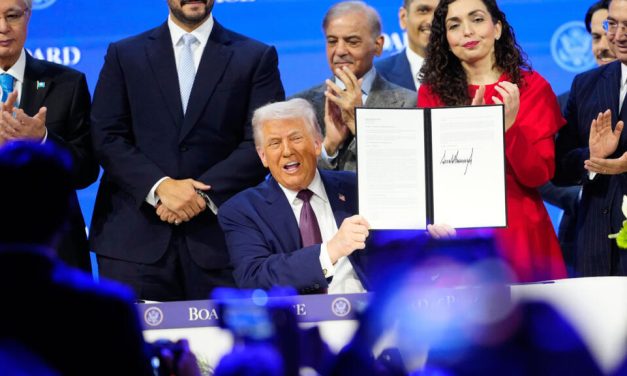
Commercial Exploitation of Peace; The Gaza Committee in Confrontation with International Legitimacy

Strategic Council Online – Report: While the second phase of the implementation of the Gaza ceasefire has begun, the establishment of the “Peace Board” chaired by Donald Trump on the sidelines of the Davos meeting (22 January 2026) has become more than a technical mechanism for reconstruction and has turned into a test for the future of the international order.
Despite the signing of the charter by 22 out of 60 invited countries, the limited presence of global leaders at the Davos ceremony and the non-acceptance of this body by the European Union and key Western countries indicate a deep divide in global perceptions of the legitimacy of this mechanism.
In this report, drawing on the analysis of Hadi Borhani, a regional affairs expert, and international data, three strategic questions are addressed: Is the Peace Board an instrument for implementing UN Security Council Resolution 2803 or a substitute for the United Nations? How does the hierarchical architecture of this committee intensify executive challenges in Gaza? And finally, can this body create sustainable peace without the cooperation of Palestinians and with the concentration of power in the hands of a single individual?

America’s Zero-Sum Game in Iraq

Online Strategic Council – Memoir: The swift selection of Nouri al-Maliki for the premiership constitutes a new phase in Iraq’s political sphere. Multiple factors have played a role in this process, the most important being the prevailing situation in Iraq and the region. Under such circumstances, Iraq requires a powerful and experienced prime minister who can keep the country away from the dangers of wars and crises.

America’s Strategy for Creating Tension in the Asia-Pacific

Strategic Council Online – Opinion: Relations between some countries in the Asia-Pacific region, such as China and Japan or China and Australia, which were previously relatively normal, are trending towards deterioration, and the primary reason for this is the aggressive policies of the United States of America.

Loading

Iran

A Glance at Presidential Election Results in Turkey

A Glance at Presidential Election Results in Turkey

Strategic Council Online – Interview: An analyst of Turkey affairs considered the results of the first round of the elections as a kind of victory for Erdogan and said: With the victory of Kılıçdaroğlu, some regional changes might be witnessed, but in any case, it seems that the winner of the elections will face a series of internal problems and those problems will be aggravated if Kılıçdaroğlu wins.

Karabakh Peace Talks in US, Baku’s Attempt to Discredit Russia in Caucasus

Karabakh Peace Talks in US, Baku’s Attempt to Discredit Russia in Caucasus

Strategic Council Online – Interview: An expert on international law, saying that Baku is trying to discredit Russia in the developments in the Caucasus, referred to the negotiations between Armenia and the Republic of Azerbaijan in the United States and noted: Washington, to compensate for its diplomatic backwardness in the second Karabakh war, is trying to create an alternative to the Russian mechanism and push the developments in a direction that is against the interests of Iran and Russia.

Aims of Recent Qatar Meeting on Afghanistan

Aims of Recent Qatar Meeting on Afghanistan

Strategic Council Online – Interview: A researcher on subcontinental affairs says that the United Nations is looking for a mechanism with a so-called aim of “recognition of the Taliban” to prevent the movement from its extreme behavior. The international view is that by attracting the Taliban, more effective steps can be taken to achieve the target.

Importance and strategic dimensions of Iran’s President visit to Syria

Importance and strategic dimensions of Iran’s President visit to Syria

Strategic Council Online—Opinion: The two-day visit of Mr. Raisi, the president of the Islamic Republic of Iran, to Syria is important from different dimensions. This trip, which has had many reflections in the media and political circles of the region, has a vital role in the implementation of dozens of economic and commercial agreements, as well as the signing of new military and security agreements, which were agreed upon by the parties during the past years but were not fully implemented.
Barsam Mohammadi—Expert in regional issues

Consequences of Moscow-Riyadh Cooperation on Sale of Russian Oil

Consequences of Moscow-Riyadh Cooperation on Sale of Russian Oil

Strategic Council Online – Interview: A faculty member of the Institute of Strategic Studies says there has been a change in the global energy transmission lines after the Ukraine war began. He noted: With the continued shift in the oil trade routes of Russia, India and China have become strategic business partners for Moscow. This development has taken place in the shadow of the decline of the US influence among its key allies in the Middle East.

Strategic Consequences of Syria-Saudi Improved Relations

Strategic Consequences of Syria-Saudi Improved Relations

Strategic Council Online – Opinion: After the breakthrough in diplomatic relations between the Islamic Republic of Iran and Saudi Arabia, West Asia, and the Persian Gulf are witnessing “positive movements”; the countries that used to be on the opposite front have abandoned previous policies and are moving towards interaction and resumption of bilateral relations.
Barsam Mohammadi – Expert on regional affairs

A look into the election contests in Turkiye and its strategic consequences

A look into the election contests in Turkiye and its strategic consequences

Strategic Council Online—Opinion: As the Turkish presidential and parliamentary elections on May 14, 2023, are approaching, the activities of the eligible candidates are expanding. In the Turkish presidential election, four candidates, and in the parliamentary election, 27 parties will compete. The upcoming elections will be the 13th presidential election in Türkiye’s history, the second presidential election since the beginning of the presidential term, and the 28th parliamentary election in this country. The presidency and parliamentary representation term is five years, and the number of people elected representatives is 600.
Mahmoud Fazeli—Analyst of international affairs

Challenges, Key Priorities of Iran’s Foreign Policy in 2023-2024

Challenges, Key Priorities of Iran’s Foreign Policy in 2023-2024

Strategic Council Online – Guest opinion: Amidst talks about Iran’s essential issues and challenges in the current calendar year, what quickly comes into one’s mind is the debate on economic disturbances and people’s livelihood problems. This is even though, in today’s interconnected world, we can safely say that the root of many domestic financial problems lies in foreign policy and international relations of the country; however, this does not mean minimizing the importance of managerial inefficiencies and the weakness and inadequacy of some internal executive and supervisory institutions.
Dr. Mohammad Mehdi Mazaheri – University professor

Growing Concern of Afghanistan’s Neighbors about the Continuation of the Current Process of the Taliban Rule

Growing Concern of Afghanistan’s Neighbors about the Continuation of the Current Process of the Taliban Rule

Strategic Council Online – Interview: A former Iranian diplomat said that the main challenges and concerns of the foreign ministers of neighboring countries of Afghanistan, which had been raised in the first meeting in Samarkand, were prominent in the second meeting as well, adding: The Taliban have come to power by force of arms and all the past concerns are still standing about the future situation of Afghanistan.

An Analysis of Prospects for the End of the War in Yemen

An Analysis of Prospects for the End of the War in Yemen

Strategic Council Online – Opinion: In recent weeks, a new round of political and diplomatic developments has begun in the region, the “starting point” of which should be considered the agreement between Iran and Saudi Arabia to resume diplomatic relations. After the meeting of the foreign ministers of the two countries in Beijing, the expert and political delegations of Iran and Saudi Arabia are preparing to reopen the embassies and re-establish bilateral relations.
Barsam Mohammadi – Expert on regional affairs

ÚLTIMAS PUBLICACIONES

The Security Equation of Southern Lebanon for the Zionist Regime

Strategic Council Online – Opinion: American-Zionist objectives in the region are not limited to weakening Hezbollah. Efforts to disarm Iraqi resistance groups such as Kata’ib Hezbollah and the Popular Mobilization Forces are also part of their subsequent plans.
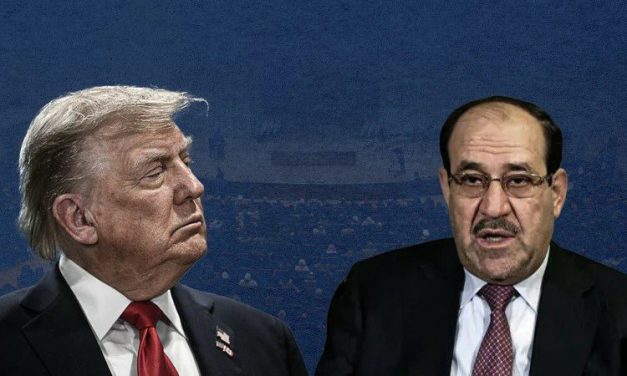
Commercial Exploitation of Peace; The Gaza Committee in Confrontation with International Legitimacy

Strategic Council Online – Report: While the second phase of the implementation of the Gaza ceasefire has begun, the establishment of the “Peace Board” chaired by Donald Trump on the sidelines of the Davos meeting (22 January 2026) has become more than a technical mechanism for reconstruction and has turned into a test for the future of the international order.
Despite the signing of the charter by 22 out of 60 invited countries, the limited presence of global leaders at the Davos ceremony and the non-acceptance of this body by the European Union and key Western countries indicate a deep divide in global perceptions of the legitimacy of this mechanism.
In this report, drawing on the analysis of Hadi Borhani, a regional affairs expert, and international data, three strategic questions are addressed: Is the Peace Board an instrument for implementing UN Security Council Resolution 2803 or a substitute for the United Nations? How does the hierarchical architecture of this committee intensify executive challenges in Gaza? And finally, can this body create sustainable peace without the cooperation of Palestinians and with the concentration of power in the hands of a single individual?

America’s Zero-Sum Game in Iraq

Online Strategic Council – Memoir: The swift selection of Nouri al-Maliki for the premiership constitutes a new phase in Iraq’s political sphere. Multiple factors have played a role in this process, the most important being the prevailing situation in Iraq and the region. Under such circumstances, Iraq requires a powerful and experienced prime minister who can keep the country away from the dangers of wars and crises.

America’s Strategy for Creating Tension in the Asia-Pacific

Strategic Council Online – Opinion: Relations between some countries in the Asia-Pacific region, such as China and Japan or China and Australia, which were previously relatively normal, are trending towards deterioration, and the primary reason for this is the aggressive policies of the United States of America.

Loading

Iran

A Glance at Presidential Election Results in Turkey

A Glance at Presidential Election Results in Turkey

Strategic Council Online – Interview: An analyst of Turkey affairs considered the results of the first round of the elections as a kind of victory for Erdogan and said: With the victory of Kılıçdaroğlu, some regional changes might be witnessed, but in any case, it seems that the winner of the elections will face a series of internal problems and those problems will be aggravated if Kılıçdaroğlu wins.

Karabakh Peace Talks in US, Baku’s Attempt to Discredit Russia in Caucasus

Karabakh Peace Talks in US, Baku’s Attempt to Discredit Russia in Caucasus

Strategic Council Online – Interview: An expert on international law, saying that Baku is trying to discredit Russia in the developments in the Caucasus, referred to the negotiations between Armenia and the Republic of Azerbaijan in the United States and noted: Washington, to compensate for its diplomatic backwardness in the second Karabakh war, is trying to create an alternative to the Russian mechanism and push the developments in a direction that is against the interests of Iran and Russia.

Aims of Recent Qatar Meeting on Afghanistan

Aims of Recent Qatar Meeting on Afghanistan

Strategic Council Online – Interview: A researcher on subcontinental affairs says that the United Nations is looking for a mechanism with a so-called aim of “recognition of the Taliban” to prevent the movement from its extreme behavior. The international view is that by attracting the Taliban, more effective steps can be taken to achieve the target.

Importance and strategic dimensions of Iran’s President visit to Syria

Importance and strategic dimensions of Iran’s President visit to Syria

Strategic Council Online—Opinion: The two-day visit of Mr. Raisi, the president of the Islamic Republic of Iran, to Syria is important from different dimensions. This trip, which has had many reflections in the media and political circles of the region, has a vital role in the implementation of dozens of economic and commercial agreements, as well as the signing of new military and security agreements, which were agreed upon by the parties during the past years but were not fully implemented.
Barsam Mohammadi—Expert in regional issues

Consequences of Moscow-Riyadh Cooperation on Sale of Russian Oil

Consequences of Moscow-Riyadh Cooperation on Sale of Russian Oil

Strategic Council Online – Interview: A faculty member of the Institute of Strategic Studies says there has been a change in the global energy transmission lines after the Ukraine war began. He noted: With the continued shift in the oil trade routes of Russia, India and China have become strategic business partners for Moscow. This development has taken place in the shadow of the decline of the US influence among its key allies in the Middle East.

Strategic Consequences of Syria-Saudi Improved Relations

Strategic Consequences of Syria-Saudi Improved Relations

Strategic Council Online – Opinion: After the breakthrough in diplomatic relations between the Islamic Republic of Iran and Saudi Arabia, West Asia, and the Persian Gulf are witnessing “positive movements”; the countries that used to be on the opposite front have abandoned previous policies and are moving towards interaction and resumption of bilateral relations.
Barsam Mohammadi – Expert on regional affairs

A look into the election contests in Turkiye and its strategic consequences

A look into the election contests in Turkiye and its strategic consequences

Strategic Council Online—Opinion: As the Turkish presidential and parliamentary elections on May 14, 2023, are approaching, the activities of the eligible candidates are expanding. In the Turkish presidential election, four candidates, and in the parliamentary election, 27 parties will compete. The upcoming elections will be the 13th presidential election in Türkiye’s history, the second presidential election since the beginning of the presidential term, and the 28th parliamentary election in this country. The presidency and parliamentary representation term is five years, and the number of people elected representatives is 600.
Mahmoud Fazeli—Analyst of international affairs

Challenges, Key Priorities of Iran’s Foreign Policy in 2023-2024

Challenges, Key Priorities of Iran’s Foreign Policy in 2023-2024

Strategic Council Online – Guest opinion: Amidst talks about Iran’s essential issues and challenges in the current calendar year, what quickly comes into one’s mind is the debate on economic disturbances and people’s livelihood problems. This is even though, in today’s interconnected world, we can safely say that the root of many domestic financial problems lies in foreign policy and international relations of the country; however, this does not mean minimizing the importance of managerial inefficiencies and the weakness and inadequacy of some internal executive and supervisory institutions.
Dr. Mohammad Mehdi Mazaheri – University professor

Growing Concern of Afghanistan’s Neighbors about the Continuation of the Current Process of the Taliban Rule

Growing Concern of Afghanistan’s Neighbors about the Continuation of the Current Process of the Taliban Rule

Strategic Council Online – Interview: A former Iranian diplomat said that the main challenges and concerns of the foreign ministers of neighboring countries of Afghanistan, which had been raised in the first meeting in Samarkand, were prominent in the second meeting as well, adding: The Taliban have come to power by force of arms and all the past concerns are still standing about the future situation of Afghanistan.

An Analysis of Prospects for the End of the War in Yemen

An Analysis of Prospects for the End of the War in Yemen

Strategic Council Online – Opinion: In recent weeks, a new round of political and diplomatic developments has begun in the region, the “starting point” of which should be considered the agreement between Iran and Saudi Arabia to resume diplomatic relations. After the meeting of the foreign ministers of the two countries in Beijing, the expert and political delegations of Iran and Saudi Arabia are preparing to reopen the embassies and re-establish bilateral relations.
Barsam Mohammadi – Expert on regional affairs

ÚLTIMAS PUBLICACIONES

The Security Equation of Southern Lebanon for the Zionist Regime

Strategic Council Online – Opinion: American-Zionist objectives in the region are not limited to weakening Hezbollah. Efforts to disarm Iraqi resistance groups such as Kata’ib Hezbollah and the Popular Mobilization Forces are also part of their subsequent plans.
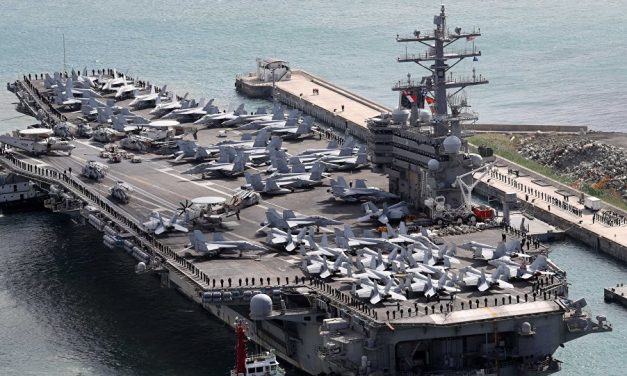
Commercial Exploitation of Peace; The Gaza Committee in Confrontation with International Legitimacy

Strategic Council Online – Report: While the second phase of the implementation of the Gaza ceasefire has begun, the establishment of the “Peace Board” chaired by Donald Trump on the sidelines of the Davos meeting (22 January 2026) has become more than a technical mechanism for reconstruction and has turned into a test for the future of the international order.
Despite the signing of the charter by 22 out of 60 invited countries, the limited presence of global leaders at the Davos ceremony and the non-acceptance of this body by the European Union and key Western countries indicate a deep divide in global perceptions of the legitimacy of this mechanism.
In this report, drawing on the analysis of Hadi Borhani, a regional affairs expert, and international data, three strategic questions are addressed: Is the Peace Board an instrument for implementing UN Security Council Resolution 2803 or a substitute for the United Nations? How does the hierarchical architecture of this committee intensify executive challenges in Gaza? And finally, can this body create sustainable peace without the cooperation of Palestinians and with the concentration of power in the hands of a single individual?

America’s Zero-Sum Game in Iraq

Online Strategic Council – Memoir: The swift selection of Nouri al-Maliki for the premiership constitutes a new phase in Iraq’s political sphere. Multiple factors have played a role in this process, the most important being the prevailing situation in Iraq and the region. Under such circumstances, Iraq requires a powerful and experienced prime minister who can keep the country away from the dangers of wars and crises.

America’s Strategy for Creating Tension in the Asia-Pacific

Strategic Council Online – Opinion: Relations between some countries in the Asia-Pacific region, such as China and Japan or China and Australia, which were previously relatively normal, are trending towards deterioration, and the primary reason for this is the aggressive policies of the United States of America.

Loading

Iran

A Glance at Presidential Election Results in Turkey

A Glance at Presidential Election Results in Turkey

Strategic Council Online – Interview: An analyst of Turkey affairs considered the results of the first round of the elections as a kind of victory for Erdogan and said: With the victory of Kılıçdaroğlu, some regional changes might be witnessed, but in any case, it seems that the winner of the elections will face a series of internal problems and those problems will be aggravated if Kılıçdaroğlu wins.

Karabakh Peace Talks in US, Baku’s Attempt to Discredit Russia in Caucasus

Karabakh Peace Talks in US, Baku’s Attempt to Discredit Russia in Caucasus

Strategic Council Online – Interview: An expert on international law, saying that Baku is trying to discredit Russia in the developments in the Caucasus, referred to the negotiations between Armenia and the Republic of Azerbaijan in the United States and noted: Washington, to compensate for its diplomatic backwardness in the second Karabakh war, is trying to create an alternative to the Russian mechanism and push the developments in a direction that is against the interests of Iran and Russia.

Aims of Recent Qatar Meeting on Afghanistan

Aims of Recent Qatar Meeting on Afghanistan

Strategic Council Online – Interview: A researcher on subcontinental affairs says that the United Nations is looking for a mechanism with a so-called aim of “recognition of the Taliban” to prevent the movement from its extreme behavior. The international view is that by attracting the Taliban, more effective steps can be taken to achieve the target.

Importance and strategic dimensions of Iran’s President visit to Syria

Importance and strategic dimensions of Iran’s President visit to Syria

Strategic Council Online—Opinion: The two-day visit of Mr. Raisi, the president of the Islamic Republic of Iran, to Syria is important from different dimensions. This trip, which has had many reflections in the media and political circles of the region, has a vital role in the implementation of dozens of economic and commercial agreements, as well as the signing of new military and security agreements, which were agreed upon by the parties during the past years but were not fully implemented.
Barsam Mohammadi—Expert in regional issues

Consequences of Moscow-Riyadh Cooperation on Sale of Russian Oil

Consequences of Moscow-Riyadh Cooperation on Sale of Russian Oil

Strategic Council Online – Interview: A faculty member of the Institute of Strategic Studies says there has been a change in the global energy transmission lines after the Ukraine war began. He noted: With the continued shift in the oil trade routes of Russia, India and China have become strategic business partners for Moscow. This development has taken place in the shadow of the decline of the US influence among its key allies in the Middle East.

Strategic Consequences of Syria-Saudi Improved Relations

Strategic Consequences of Syria-Saudi Improved Relations

Strategic Council Online – Opinion: After the breakthrough in diplomatic relations between the Islamic Republic of Iran and Saudi Arabia, West Asia, and the Persian Gulf are witnessing “positive movements”; the countries that used to be on the opposite front have abandoned previous policies and are moving towards interaction and resumption of bilateral relations.
Barsam Mohammadi – Expert on regional affairs

A look into the election contests in Turkiye and its strategic consequences

A look into the election contests in Turkiye and its strategic consequences

Strategic Council Online—Opinion: As the Turkish presidential and parliamentary elections on May 14, 2023, are approaching, the activities of the eligible candidates are expanding. In the Turkish presidential election, four candidates, and in the parliamentary election, 27 parties will compete. The upcoming elections will be the 13th presidential election in Türkiye’s history, the second presidential election since the beginning of the presidential term, and the 28th parliamentary election in this country. The presidency and parliamentary representation term is five years, and the number of people elected representatives is 600.
Mahmoud Fazeli—Analyst of international affairs

Challenges, Key Priorities of Iran’s Foreign Policy in 2023-2024

Challenges, Key Priorities of Iran’s Foreign Policy in 2023-2024

Strategic Council Online – Guest opinion: Amidst talks about Iran’s essential issues and challenges in the current calendar year, what quickly comes into one’s mind is the debate on economic disturbances and people’s livelihood problems. This is even though, in today’s interconnected world, we can safely say that the root of many domestic financial problems lies in foreign policy and international relations of the country; however, this does not mean minimizing the importance of managerial inefficiencies and the weakness and inadequacy of some internal executive and supervisory institutions.
Dr. Mohammad Mehdi Mazaheri – University professor

Growing Concern of Afghanistan’s Neighbors about the Continuation of the Current Process of the Taliban Rule

Growing Concern of Afghanistan’s Neighbors about the Continuation of the Current Process of the Taliban Rule

Strategic Council Online – Interview: A former Iranian diplomat said that the main challenges and concerns of the foreign ministers of neighboring countries of Afghanistan, which had been raised in the first meeting in Samarkand, were prominent in the second meeting as well, adding: The Taliban have come to power by force of arms and all the past concerns are still standing about the future situation of Afghanistan.

An Analysis of Prospects for the End of the War in Yemen

An Analysis of Prospects for the End of the War in Yemen

Strategic Council Online – Opinion: In recent weeks, a new round of political and diplomatic developments has begun in the region, the “starting point” of which should be considered the agreement between Iran and Saudi Arabia to resume diplomatic relations. After the meeting of the foreign ministers of the two countries in Beijing, the expert and political delegations of Iran and Saudi Arabia are preparing to reopen the embassies and re-establish bilateral relations.
Barsam Mohammadi – Expert on regional affairs

ÚLTIMAS PUBLICACIONES

The Security Equation of Southern Lebanon for the Zionist Regime

Strategic Council Online – Opinion: American-Zionist objectives in the region are not limited to weakening Hezbollah. Efforts to disarm Iraqi resistance groups such as Kata’ib Hezbollah and the Popular Mobilization Forces are also part of their subsequent plans.

Commercial Exploitation of Peace; The Gaza Committee in Confrontation with International Legitimacy

Strategic Council Online – Report: While the second phase of the implementation of the Gaza ceasefire has begun, the establishment of the “Peace Board” chaired by Donald Trump on the sidelines of the Davos meeting (22 January 2026) has become more than a technical mechanism for reconstruction and has turned into a test for the future of the international order.
Despite the signing of the charter by 22 out of 60 invited countries, the limited presence of global leaders at the Davos ceremony and the non-acceptance of this body by the European Union and key Western countries indicate a deep divide in global perceptions of the legitimacy of this mechanism.
In this report, drawing on the analysis of Hadi Borhani, a regional affairs expert, and international data, three strategic questions are addressed: Is the Peace Board an instrument for implementing UN Security Council Resolution 2803 or a substitute for the United Nations? How does the hierarchical architecture of this committee intensify executive challenges in Gaza? And finally, can this body create sustainable peace without the cooperation of Palestinians and with the concentration of power in the hands of a single individual?

America’s Zero-Sum Game in Iraq

Online Strategic Council – Memoir: The swift selection of Nouri al-Maliki for the premiership constitutes a new phase in Iraq’s political sphere. Multiple factors have played a role in this process, the most important being the prevailing situation in Iraq and the region. Under such circumstances, Iraq requires a powerful and experienced prime minister who can keep the country away from the dangers of wars and crises.

America’s Strategy for Creating Tension in the Asia-Pacific

Strategic Council Online – Opinion: Relations between some countries in the Asia-Pacific region, such as China and Japan or China and Australia, which were previously relatively normal, are trending towards deterioration, and the primary reason for this is the aggressive policies of the United States of America.

Loading

Iran

A Glance at Presidential Election Results in Turkey

A Glance at Presidential Election Results in Turkey

Strategic Council Online – Interview: An analyst of Turkey affairs considered the results of the first round of the elections as a kind of victory for Erdogan and said: With the victory of Kılıçdaroğlu, some regional changes might be witnessed, but in any case, it seems that the winner of the elections will face a series of internal problems and those problems will be aggravated if Kılıçdaroğlu wins.

Karabakh Peace Talks in US, Baku’s Attempt to Discredit Russia in Caucasus

Karabakh Peace Talks in US, Baku’s Attempt to Discredit Russia in Caucasus

Strategic Council Online – Interview: An expert on international law, saying that Baku is trying to discredit Russia in the developments in the Caucasus, referred to the negotiations between Armenia and the Republic of Azerbaijan in the United States and noted: Washington, to compensate for its diplomatic backwardness in the second Karabakh war, is trying to create an alternative to the Russian mechanism and push the developments in a direction that is against the interests of Iran and Russia.

Aims of Recent Qatar Meeting on Afghanistan

Aims of Recent Qatar Meeting on Afghanistan

Strategic Council Online – Interview: A researcher on subcontinental affairs says that the United Nations is looking for a mechanism with a so-called aim of “recognition of the Taliban” to prevent the movement from its extreme behavior. The international view is that by attracting the Taliban, more effective steps can be taken to achieve the target.

Importance and strategic dimensions of Iran’s President visit to Syria

Importance and strategic dimensions of Iran’s President visit to Syria

Strategic Council Online—Opinion: The two-day visit of Mr. Raisi, the president of the Islamic Republic of Iran, to Syria is important from different dimensions. This trip, which has had many reflections in the media and political circles of the region, has a vital role in the implementation of dozens of economic and commercial agreements, as well as the signing of new military and security agreements, which were agreed upon by the parties during the past years but were not fully implemented.
Barsam Mohammadi—Expert in regional issues

Consequences of Moscow-Riyadh Cooperation on Sale of Russian Oil

Consequences of Moscow-Riyadh Cooperation on Sale of Russian Oil

Strategic Council Online – Interview: A faculty member of the Institute of Strategic Studies says there has been a change in the global energy transmission lines after the Ukraine war began. He noted: With the continued shift in the oil trade routes of Russia, India and China have become strategic business partners for Moscow. This development has taken place in the shadow of the decline of the US influence among its key allies in the Middle East.

Strategic Consequences of Syria-Saudi Improved Relations

Strategic Consequences of Syria-Saudi Improved Relations

Strategic Council Online – Opinion: After the breakthrough in diplomatic relations between the Islamic Republic of Iran and Saudi Arabia, West Asia, and the Persian Gulf are witnessing “positive movements”; the countries that used to be on the opposite front have abandoned previous policies and are moving towards interaction and resumption of bilateral relations.
Barsam Mohammadi – Expert on regional affairs

A look into the election contests in Turkiye and its strategic consequences

A look into the election contests in Turkiye and its strategic consequences

Strategic Council Online—Opinion: As the Turkish presidential and parliamentary elections on May 14, 2023, are approaching, the activities of the eligible candidates are expanding. In the Turkish presidential election, four candidates, and in the parliamentary election, 27 parties will compete. The upcoming elections will be the 13th presidential election in Türkiye’s history, the second presidential election since the beginning of the presidential term, and the 28th parliamentary election in this country. The presidency and parliamentary representation term is five years, and the number of people elected representatives is 600.
Mahmoud Fazeli—Analyst of international affairs

Challenges, Key Priorities of Iran’s Foreign Policy in 2023-2024

Challenges, Key Priorities of Iran’s Foreign Policy in 2023-2024

Strategic Council Online – Guest opinion: Amidst talks about Iran’s essential issues and challenges in the current calendar year, what quickly comes into one’s mind is the debate on economic disturbances and people’s livelihood problems. This is even though, in today’s interconnected world, we can safely say that the root of many domestic financial problems lies in foreign policy and international relations of the country; however, this does not mean minimizing the importance of managerial inefficiencies and the weakness and inadequacy of some internal executive and supervisory institutions.
Dr. Mohammad Mehdi Mazaheri – University professor

Growing Concern of Afghanistan’s Neighbors about the Continuation of the Current Process of the Taliban Rule

Growing Concern of Afghanistan’s Neighbors about the Continuation of the Current Process of the Taliban Rule

Strategic Council Online – Interview: A former Iranian diplomat said that the main challenges and concerns of the foreign ministers of neighboring countries of Afghanistan, which had been raised in the first meeting in Samarkand, were prominent in the second meeting as well, adding: The Taliban have come to power by force of arms and all the past concerns are still standing about the future situation of Afghanistan.

An Analysis of Prospects for the End of the War in Yemen

An Analysis of Prospects for the End of the War in Yemen

Strategic Council Online – Opinion: In recent weeks, a new round of political and diplomatic developments has begun in the region, the “starting point” of which should be considered the agreement between Iran and Saudi Arabia to resume diplomatic relations. After the meeting of the foreign ministers of the two countries in Beijing, the expert and political delegations of Iran and Saudi Arabia are preparing to reopen the embassies and re-establish bilateral relations.
Barsam Mohammadi – Expert on regional affairs

ÚLTIMAS PUBLICACIONES

The Security Equation of Southern Lebanon for the Zionist Regime

Strategic Council Online – Opinion: American-Zionist objectives in the region are not limited to weakening Hezbollah. Efforts to disarm Iraqi resistance groups such as Kata’ib Hezbollah and the Popular Mobilization Forces are also part of their subsequent plans.

Commercial Exploitation of Peace; The Gaza Committee in Confrontation with International Legitimacy

Strategic Council Online – Report: While the second phase of the implementation of the Gaza ceasefire has begun, the establishment of the “Peace Board” chaired by Donald Trump on the sidelines of the Davos meeting (22 January 2026) has become more than a technical mechanism for reconstruction and has turned into a test for the future of the international order.
Despite the signing of the charter by 22 out of 60 invited countries, the limited presence of global leaders at the Davos ceremony and the non-acceptance of this body by the European Union and key Western countries indicate a deep divide in global perceptions of the legitimacy of this mechanism.
In this report, drawing on the analysis of Hadi Borhani, a regional affairs expert, and international data, three strategic questions are addressed: Is the Peace Board an instrument for implementing UN Security Council Resolution 2803 or a substitute for the United Nations? How does the hierarchical architecture of this committee intensify executive challenges in Gaza? And finally, can this body create sustainable peace without the cooperation of Palestinians and with the concentration of power in the hands of a single individual?

America’s Zero-Sum Game in Iraq

Online Strategic Council – Memoir: The swift selection of Nouri al-Maliki for the premiership constitutes a new phase in Iraq’s political sphere. Multiple factors have played a role in this process, the most important being the prevailing situation in Iraq and the region. Under such circumstances, Iraq requires a powerful and experienced prime minister who can keep the country away from the dangers of wars and crises.

America’s Strategy for Creating Tension in the Asia-Pacific

Strategic Council Online – Opinion: Relations between some countries in the Asia-Pacific region, such as China and Japan or China and Australia, which were previously relatively normal, are trending towards deterioration, and the primary reason for this is the aggressive policies of the United States of America.

Loading