جدیدترین مطالب

Iran’s Success in the Narrative Battle in Cyberspace

SCFR Online – Opinion: In the war between Iran and the United States, the main battlefield was not defined solely in the military domain; rather, the battle of narratives in cyberspace—particularly through memes—reached a decisive level.

The Global Energy Shock Situation and Future Scenarios

SCFR Online – Opinion: Only one month after the beginning of the Ramadan War, maritime traffic in the Strait of Hormuz decreased dramatically, with Bloomberg announcing a reduction of 103 vessels; Brent oil prices rose by more than 50 percent, and gasoline prices in the United States increased by 31.4 percent. Additionally, benchmark gas prices in Europe showed a 73.4 percent increase.

Al-Zaydi’s Selection as Prime Minister, The Beginning of a New Chapter in Iraq

SCFR Online – Note: After approximately five months of political deadlock and institutional confusion, Ali al-Zaydi has finally been selected as Iraq’s Prime Minister. Al-Zaydi’s selection as Prime Minister represents a positive sign of the completion of the government formation process and the beginning of a new phase in Iraqi politics and governance. The emergence of a young, technocratic figure from the third generation of politicians—in a context where the country has been administered by traditional figures for decades—revives hope that Iraq may perhaps distance itself from the repetitive cycle of crises and experience a new path of stability, efficiency, and regional convergence.

Intensifying Intra-Party Divisions in the United States Regarding the Zionist Regime

SCFR Online – Note: Over recent decades, support for the Zionist regime has been one of the few issues commanding bipartisan consensus in US foreign policy. Since the Cold War era, Republicans and Democrats have generally agreed on the necessity of preserving the security and survival of the Zionist regime as Washington’s most strategic ally in West Asia—and indeed, globally. However, developments in recent years—particularly the Gaza war, escalating regional conflicts, the expansion of tensions into Lebanon, and this regime’s recent warmongering against Iran—have caused this traditional consensus, especially within the Democratic Party, to face significant fractures.

Public Opinion Disappointment of the Zionist Regime Regarding Success in War with Iran

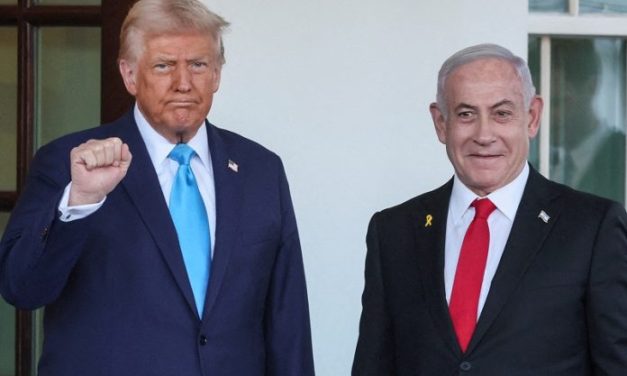
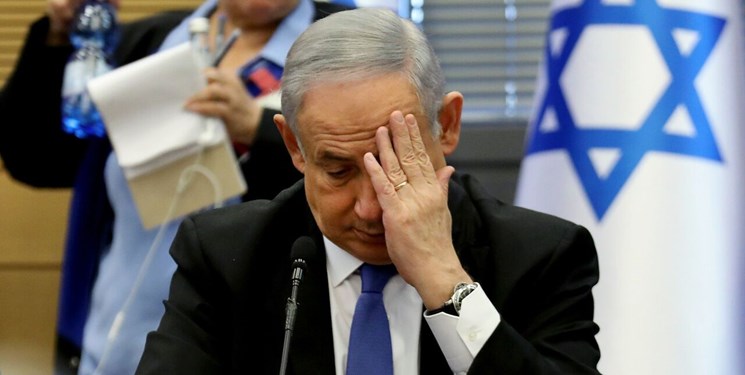
SCFR Online – Opinion: The internal situation of the Israeli regime during the 40-day war can be analyzed from several perspectives. The popularity levels of Benjamin Netanyahu, the Likud Party, and the ruling coalition led by Netanyahu until February 28, 2026, remained approximately the same as during the preceding year. The most recent factor that had somewhat increased Netanyahu’s popularity was the advancement of the 2024 war with Hezbollah Lebanon. Subsequently, his popularity temporarily increased during the 12-day war with Iran, but after the war, it returned to its previous state.

Loading

Security Council

A Look at Recent UNSC Resolution Against the Israeli Regime’s Military Aggression on Qatar

A Look at Recent UNSC Resolution Against the Israeli Regime’s Military Aggression on Qatar

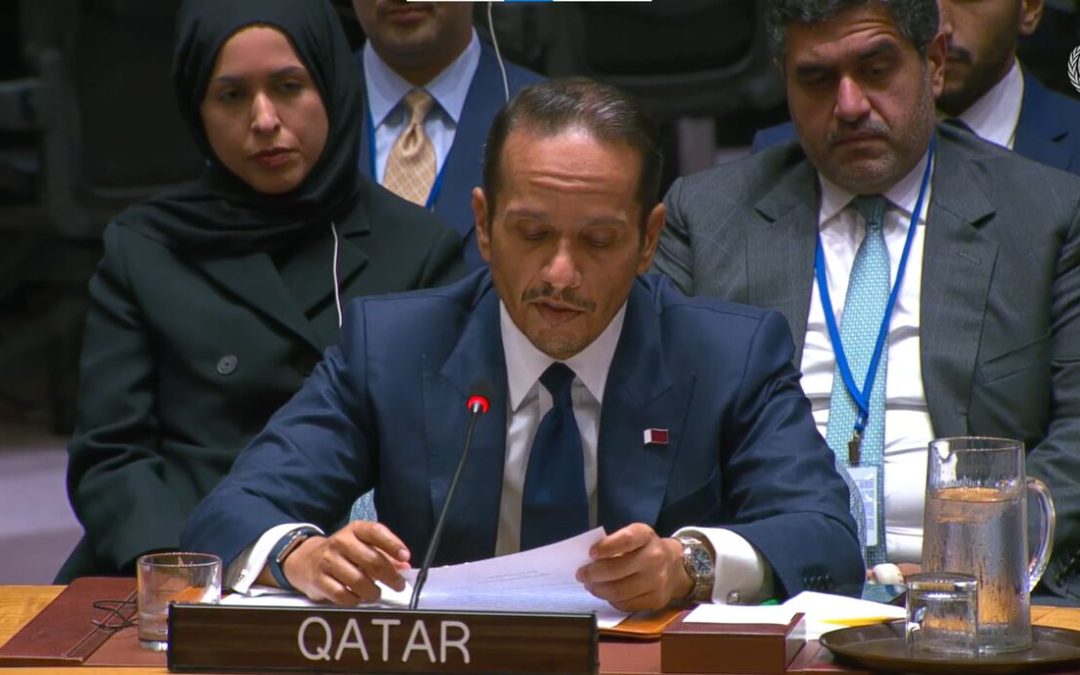
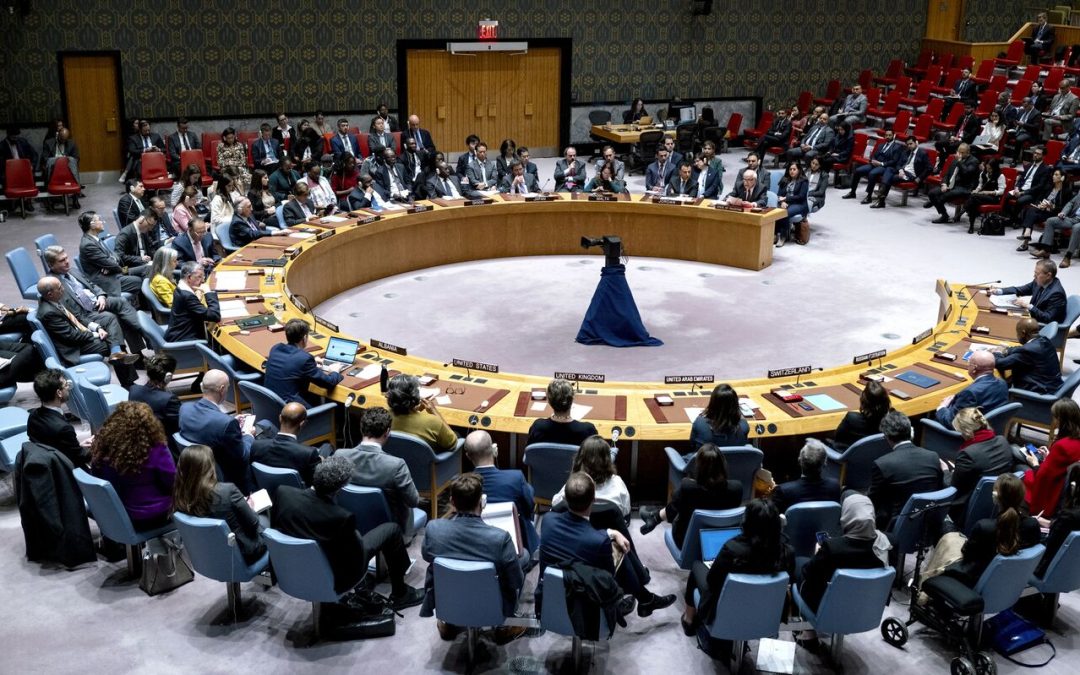
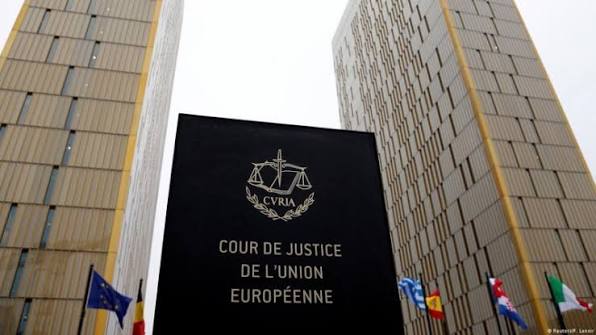
Strategic Council Online – Interview: An international affairs expert stated: The United Nations Security Council recently, in an emergency meeting, condemned the Israeli regime’s attack on Doha and, in a joint statement, called for an immediate cessation of tensions and full respect for Qatar’s national sovereignty. This statement, issued by consensus of all 15 Security Council members, while declaring solidarity with Qatar and speaking about the victimization of civilians and the necessity of a ceasefire in Gaza, did not mention the Israeli regime by name; a silence that itself carries contradictory messages. In other words, this statement was more of a political message to Tel Aviv than a legally binding instrument against the Israeli regime, stating that the international community considers attacking peace mediators a red line. However, currently, there is no will to exert practical pressure on this regime.

Critical Analysis of the Security Council’s Approach Towards the Gaza Crisis

Critical Analysis of the Security Council’s Approach Towards the Gaza Crisis

Strategic Council Online in – Interview: A senior Arab world analyst stated: When 61 thousand people are killed in Gaza and the Security Council is not even willing to issue a simple resolution in condemnation of the Zionist regime, it means the international structure is entirely dysfunctional. In such a situation, it is the nations that must cry out and awaken the global conscience.

The Zionist Regime Has to Accept a Ceasefire in the Gaza War

The Zionist Regime Has to Accept a Ceasefire in the Gaza War

Strategic Council Online – Interview: An expert on West Asian issues said: The recent resolution proposed by the United States to establish a ceasefire in Gaza and release prisoners was approved with 14 positive votes, one abstention (Russia), and no negative votes at the UN Security Council meeting. None of the parties to the Gaza war have yet agreed to this resolution.

An Analysis on the Adoption the IAEA Board of Governors’ Resolution Against Iran

An Analysis on the Adoption the IAEA Board of Governors’ Resolution Against Iran

Strategic Council Online – Interview: An international lawyer and senior expert on international affairs said: The abstention and negative votes to the resolution of the Board of Governors regarding Iran should not overshadow the importance of the resolution’s content. In the past, there had been resolutions that were adopted with a similar voting ratio but that, nevertheless, ultimately left a negative impact on the nuclear dossier by shifting the course towards an unfavorable direction.

An Analysis of UNGA Resolution for Full Membership of Palestine

An Analysis of UNGA Resolution for Full Membership of Palestine

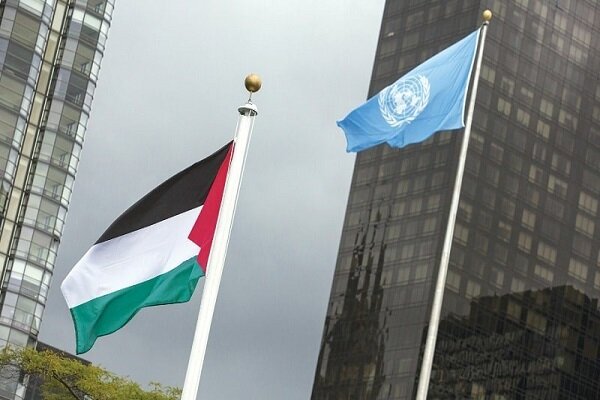
Strategic Council Online – Interview: An expert on international issues said that tearing up the UN Charter by the representative of the Israeli regime in response to the resolution on the full membership of Palestine means that the representative of this regime has admitted the end of what is called the state of Israel.

Cyprus: Need to Break Current Deadlock with Support of International Institutions

Cyprus: Need to Break Current Deadlock with Support of International Institutions

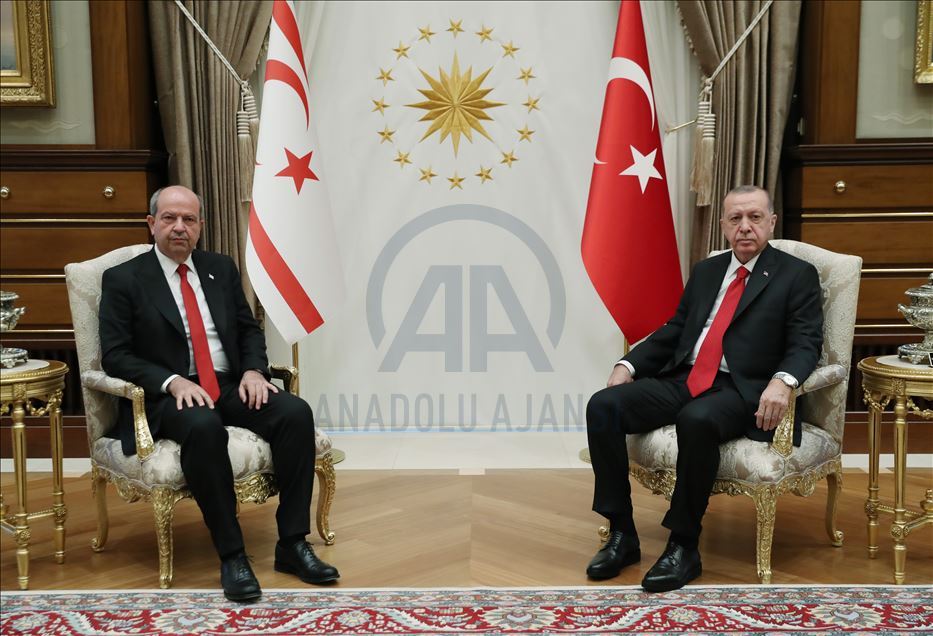
Strategic Council Online – Opinion: The recent report of the UN Secretary-General Antonio Guterres on the peacekeeping forces in Cyprus emphasizes lack of common ground between the two sides for peace talks to reach a common solution which has followed concerns among the Cypriot authorities as well as Greek parties. The Greek Cypriot side does not seem satisfied with the UN Secretary General’s reports as an official document of the UN Security Council published on January 13, because such reports are close to the “two societies” policy and include subjective and non-objective views. According to Nicosia, the correct report should ask all parties to adhere to a common solution to the Cyprus issue, which is the formation of a common bi-regional federation and political equality.
Mahmoud Fazeli – International affairs analyst

The Necessity of Professional and Non-Political Approach of the IAEA towards Iran’s Nuclear Program

The Necessity of Professional and Non-Political Approach of the IAEA towards Iran’s Nuclear Program

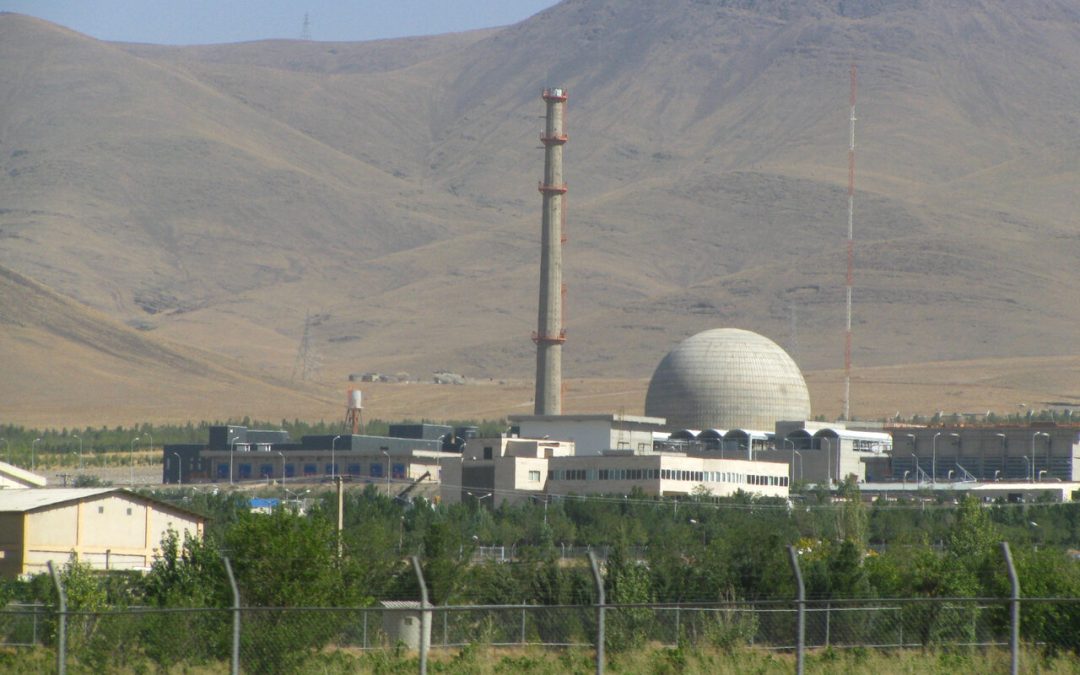
Strategic Council Online—Interview: An expert of international issues says even though the International Atomic Energy Agency has emphasized that it is seeking constructive engagement with Iran, due to pressures by the White House and the Zionist regime, and allegations leveled against Iran, the behavior of the IAEA towards Iran is non-professional and non-technical and is becoming politically-motivated, which is a misguided and wrong attitude.

Consequences of the US defeat in the Security Council

Consequences of the US defeat in the Security Council

Online Strategic Council–editorial: Even though Donald Trump remains adamant in weakening international organizations with his unilateral thinking, the world stands united in recognizing the role of the United Nations and the Security Council in settling disputes. This seems to be a positive development.
Dr Abdorreza Farajirad- Geopolitical analyst

Strategic Implications of US Attempt to Use Trigger Mechanism

Strategic Implications of US Attempt to Use Trigger Mechanism

Strategic Council Online – An international affairs analyst referring to the formation of the International Resistance Front against US unilateral action to activate the trigger mechanism, said: “The Trump administration intends to gamble big with the last leaf at its disposal, but up to this point the issue could be considered the second failure for the Trump administration in its recent campaign against Iran.”

أحدث الوظائف

Iran’s Success in the Narrative Battle in Cyberspace

SCFR Online – Opinion: In the war between Iran and the United States, the main battlefield was not defined solely in the military domain; rather, the battle of narratives in cyberspace—particularly through memes—reached a decisive level.

The Global Energy Shock Situation and Future Scenarios

SCFR Online – Opinion: Only one month after the beginning of the Ramadan War, maritime traffic in the Strait of Hormuz decreased dramatically, with Bloomberg announcing a reduction of 103 vessels; Brent oil prices rose by more than 50 percent, and gasoline prices in the United States increased by 31.4 percent. Additionally, benchmark gas prices in Europe showed a 73.4 percent increase.

Al-Zaydi’s Selection as Prime Minister, The Beginning of a New Chapter in Iraq

SCFR Online – Note: After approximately five months of political deadlock and institutional confusion, Ali al-Zaydi has finally been selected as Iraq’s Prime Minister. Al-Zaydi’s selection as Prime Minister represents a positive sign of the completion of the government formation process and the beginning of a new phase in Iraqi politics and governance. The emergence of a young, technocratic figure from the third generation of politicians—in a context where the country has been administered by traditional figures for decades—revives hope that Iraq may perhaps distance itself from the repetitive cycle of crises and experience a new path of stability, efficiency, and regional convergence.

Intensifying Intra-Party Divisions in the United States Regarding the Zionist Regime

SCFR Online – Note: Over recent decades, support for the Zionist regime has been one of the few issues commanding bipartisan consensus in US foreign policy. Since the Cold War era, Republicans and Democrats have generally agreed on the necessity of preserving the security and survival of the Zionist regime as Washington’s most strategic ally in West Asia—and indeed, globally. However, developments in recent years—particularly the Gaza war, escalating regional conflicts, the expansion of tensions into Lebanon, and this regime’s recent warmongering against Iran—have caused this traditional consensus, especially within the Democratic Party, to face significant fractures.

Public Opinion Disappointment of the Zionist Regime Regarding Success in War with Iran

SCFR Online – Opinion: The internal situation of the Israeli regime during the 40-day war can be analyzed from several perspectives. The popularity levels of Benjamin Netanyahu, the Likud Party, and the ruling coalition led by Netanyahu until February 28, 2026, remained approximately the same as during the preceding year. The most recent factor that had somewhat increased Netanyahu’s popularity was the advancement of the 2024 war with Hezbollah Lebanon. Subsequently, his popularity temporarily increased during the 12-day war with Iran, but after the war, it returned to its previous state.

Loading

Security Council

A Look at Recent UNSC Resolution Against the Israeli Regime’s Military Aggression on Qatar

A Look at Recent UNSC Resolution Against the Israeli Regime’s Military Aggression on Qatar

Strategic Council Online – Interview: An international affairs expert stated: The United Nations Security Council recently, in an emergency meeting, condemned the Israeli regime’s attack on Doha and, in a joint statement, called for an immediate cessation of tensions and full respect for Qatar’s national sovereignty. This statement, issued by consensus of all 15 Security Council members, while declaring solidarity with Qatar and speaking about the victimization of civilians and the necessity of a ceasefire in Gaza, did not mention the Israeli regime by name; a silence that itself carries contradictory messages. In other words, this statement was more of a political message to Tel Aviv than a legally binding instrument against the Israeli regime, stating that the international community considers attacking peace mediators a red line. However, currently, there is no will to exert practical pressure on this regime.

Critical Analysis of the Security Council’s Approach Towards the Gaza Crisis

Critical Analysis of the Security Council’s Approach Towards the Gaza Crisis

Strategic Council Online in – Interview: A senior Arab world analyst stated: When 61 thousand people are killed in Gaza and the Security Council is not even willing to issue a simple resolution in condemnation of the Zionist regime, it means the international structure is entirely dysfunctional. In such a situation, it is the nations that must cry out and awaken the global conscience.

The Zionist Regime Has to Accept a Ceasefire in the Gaza War

The Zionist Regime Has to Accept a Ceasefire in the Gaza War

Strategic Council Online – Interview: An expert on West Asian issues said: The recent resolution proposed by the United States to establish a ceasefire in Gaza and release prisoners was approved with 14 positive votes, one abstention (Russia), and no negative votes at the UN Security Council meeting. None of the parties to the Gaza war have yet agreed to this resolution.

An Analysis on the Adoption the IAEA Board of Governors’ Resolution Against Iran

An Analysis on the Adoption the IAEA Board of Governors’ Resolution Against Iran

Strategic Council Online – Interview: An international lawyer and senior expert on international affairs said: The abstention and negative votes to the resolution of the Board of Governors regarding Iran should not overshadow the importance of the resolution’s content. In the past, there had been resolutions that were adopted with a similar voting ratio but that, nevertheless, ultimately left a negative impact on the nuclear dossier by shifting the course towards an unfavorable direction.

An Analysis of UNGA Resolution for Full Membership of Palestine

An Analysis of UNGA Resolution for Full Membership of Palestine

Strategic Council Online – Interview: An expert on international issues said that tearing up the UN Charter by the representative of the Israeli regime in response to the resolution on the full membership of Palestine means that the representative of this regime has admitted the end of what is called the state of Israel.

Cyprus: Need to Break Current Deadlock with Support of International Institutions

Cyprus: Need to Break Current Deadlock with Support of International Institutions

Strategic Council Online – Opinion: The recent report of the UN Secretary-General Antonio Guterres on the peacekeeping forces in Cyprus emphasizes lack of common ground between the two sides for peace talks to reach a common solution which has followed concerns among the Cypriot authorities as well as Greek parties. The Greek Cypriot side does not seem satisfied with the UN Secretary General’s reports as an official document of the UN Security Council published on January 13, because such reports are close to the “two societies” policy and include subjective and non-objective views. According to Nicosia, the correct report should ask all parties to adhere to a common solution to the Cyprus issue, which is the formation of a common bi-regional federation and political equality.
Mahmoud Fazeli – International affairs analyst

The Necessity of Professional and Non-Political Approach of the IAEA towards Iran’s Nuclear Program

The Necessity of Professional and Non-Political Approach of the IAEA towards Iran’s Nuclear Program

Strategic Council Online—Interview: An expert of international issues says even though the International Atomic Energy Agency has emphasized that it is seeking constructive engagement with Iran, due to pressures by the White House and the Zionist regime, and allegations leveled against Iran, the behavior of the IAEA towards Iran is non-professional and non-technical and is becoming politically-motivated, which is a misguided and wrong attitude.

Consequences of the US defeat in the Security Council

Consequences of the US defeat in the Security Council

Online Strategic Council–editorial: Even though Donald Trump remains adamant in weakening international organizations with his unilateral thinking, the world stands united in recognizing the role of the United Nations and the Security Council in settling disputes. This seems to be a positive development.
Dr Abdorreza Farajirad- Geopolitical analyst

Strategic Implications of US Attempt to Use Trigger Mechanism

Strategic Implications of US Attempt to Use Trigger Mechanism

Strategic Council Online – An international affairs analyst referring to the formation of the International Resistance Front against US unilateral action to activate the trigger mechanism, said: “The Trump administration intends to gamble big with the last leaf at its disposal, but up to this point the issue could be considered the second failure for the Trump administration in its recent campaign against Iran.”

Security Council

A Look at Recent UNSC Resolution Against the Israeli Regime’s Military Aggression on Qatar

A Look at Recent UNSC Resolution Against the Israeli Regime’s Military Aggression on Qatar

Strategic Council Online – Interview: An international affairs expert stated: The United Nations Security Council recently, in an emergency meeting, condemned the Israeli regime’s attack on Doha and, in a joint statement, called for an immediate cessation of tensions and full respect for Qatar’s national sovereignty. This statement, issued by consensus of all 15 Security Council members, while declaring solidarity with Qatar and speaking about the victimization of civilians and the necessity of a ceasefire in Gaza, did not mention the Israeli regime by name; a silence that itself carries contradictory messages. In other words, this statement was more of a political message to Tel Aviv than a legally binding instrument against the Israeli regime, stating that the international community considers attacking peace mediators a red line. However, currently, there is no will to exert practical pressure on this regime.

Critical Analysis of the Security Council’s Approach Towards the Gaza Crisis

Critical Analysis of the Security Council’s Approach Towards the Gaza Crisis

Strategic Council Online in – Interview: A senior Arab world analyst stated: When 61 thousand people are killed in Gaza and the Security Council is not even willing to issue a simple resolution in condemnation of the Zionist regime, it means the international structure is entirely dysfunctional. In such a situation, it is the nations that must cry out and awaken the global conscience.

The Zionist Regime Has to Accept a Ceasefire in the Gaza War

The Zionist Regime Has to Accept a Ceasefire in the Gaza War

Strategic Council Online – Interview: An expert on West Asian issues said: The recent resolution proposed by the United States to establish a ceasefire in Gaza and release prisoners was approved with 14 positive votes, one abstention (Russia), and no negative votes at the UN Security Council meeting. None of the parties to the Gaza war have yet agreed to this resolution.

An Analysis on the Adoption the IAEA Board of Governors’ Resolution Against Iran

An Analysis on the Adoption the IAEA Board of Governors’ Resolution Against Iran

Strategic Council Online – Interview: An international lawyer and senior expert on international affairs said: The abstention and negative votes to the resolution of the Board of Governors regarding Iran should not overshadow the importance of the resolution’s content. In the past, there had been resolutions that were adopted with a similar voting ratio but that, nevertheless, ultimately left a negative impact on the nuclear dossier by shifting the course towards an unfavorable direction.

An Analysis of UNGA Resolution for Full Membership of Palestine

An Analysis of UNGA Resolution for Full Membership of Palestine

Strategic Council Online – Interview: An expert on international issues said that tearing up the UN Charter by the representative of the Israeli regime in response to the resolution on the full membership of Palestine means that the representative of this regime has admitted the end of what is called the state of Israel.

Cyprus: Need to Break Current Deadlock with Support of International Institutions

Cyprus: Need to Break Current Deadlock with Support of International Institutions

Strategic Council Online – Opinion: The recent report of the UN Secretary-General Antonio Guterres on the peacekeeping forces in Cyprus emphasizes lack of common ground between the two sides for peace talks to reach a common solution which has followed concerns among the Cypriot authorities as well as Greek parties. The Greek Cypriot side does not seem satisfied with the UN Secretary General’s reports as an official document of the UN Security Council published on January 13, because such reports are close to the “two societies” policy and include subjective and non-objective views. According to Nicosia, the correct report should ask all parties to adhere to a common solution to the Cyprus issue, which is the formation of a common bi-regional federation and political equality.
Mahmoud Fazeli – International affairs analyst

The Necessity of Professional and Non-Political Approach of the IAEA towards Iran’s Nuclear Program

The Necessity of Professional and Non-Political Approach of the IAEA towards Iran’s Nuclear Program

Strategic Council Online—Interview: An expert of international issues says even though the International Atomic Energy Agency has emphasized that it is seeking constructive engagement with Iran, due to pressures by the White House and the Zionist regime, and allegations leveled against Iran, the behavior of the IAEA towards Iran is non-professional and non-technical and is becoming politically-motivated, which is a misguided and wrong attitude.

Consequences of the US defeat in the Security Council

Consequences of the US defeat in the Security Council

Online Strategic Council–editorial: Even though Donald Trump remains adamant in weakening international organizations with his unilateral thinking, the world stands united in recognizing the role of the United Nations and the Security Council in settling disputes. This seems to be a positive development.
Dr Abdorreza Farajirad- Geopolitical analyst

Strategic Implications of US Attempt to Use Trigger Mechanism

Strategic Implications of US Attempt to Use Trigger Mechanism

Strategic Council Online – An international affairs analyst referring to the formation of the International Resistance Front against US unilateral action to activate the trigger mechanism, said: “The Trump administration intends to gamble big with the last leaf at its disposal, but up to this point the issue could be considered the second failure for the Trump administration in its recent campaign against Iran.”

LATEST CONTENT

Iran’s Success in the Narrative Battle in Cyberspace

SCFR Online – Opinion: In the war between Iran and the United States, the main battlefield was not defined solely in the military domain; rather, the battle of narratives in cyberspace—particularly through memes—reached a decisive level.

The Global Energy Shock Situation and Future Scenarios

SCFR Online – Opinion: Only one month after the beginning of the Ramadan War, maritime traffic in the Strait of Hormuz decreased dramatically, with Bloomberg announcing a reduction of 103 vessels; Brent oil prices rose by more than 50 percent, and gasoline prices in the United States increased by 31.4 percent. Additionally, benchmark gas prices in Europe showed a 73.4 percent increase.

Al-Zaydi’s Selection as Prime Minister, The Beginning of a New Chapter in Iraq

SCFR Online – Note: After approximately five months of political deadlock and institutional confusion, Ali al-Zaydi has finally been selected as Iraq’s Prime Minister. Al-Zaydi’s selection as Prime Minister represents a positive sign of the completion of the government formation process and the beginning of a new phase in Iraqi politics and governance. The emergence of a young, technocratic figure from the third generation of politicians—in a context where the country has been administered by traditional figures for decades—revives hope that Iraq may perhaps distance itself from the repetitive cycle of crises and experience a new path of stability, efficiency, and regional convergence.

Intensifying Intra-Party Divisions in the United States Regarding the Zionist Regime

SCFR Online – Note: Over recent decades, support for the Zionist regime has been one of the few issues commanding bipartisan consensus in US foreign policy. Since the Cold War era, Republicans and Democrats have generally agreed on the necessity of preserving the security and survival of the Zionist regime as Washington’s most strategic ally in West Asia—and indeed, globally. However, developments in recent years—particularly the Gaza war, escalating regional conflicts, the expansion of tensions into Lebanon, and this regime’s recent warmongering against Iran—have caused this traditional consensus, especially within the Democratic Party, to face significant fractures.

Public Opinion Disappointment of the Zionist Regime Regarding Success in War with Iran

SCFR Online – Opinion: The internal situation of the Israeli regime during the 40-day war can be analyzed from several perspectives. The popularity levels of Benjamin Netanyahu, the Likud Party, and the ruling coalition led by Netanyahu until February 28, 2026, remained approximately the same as during the preceding year. The most recent factor that had somewhat increased Netanyahu’s popularity was the advancement of the 2024 war with Hezbollah Lebanon. Subsequently, his popularity temporarily increased during the 12-day war with Iran, but after the war, it returned to its previous state.

Loading

Security Council

A Look at Recent UNSC Resolution Against the Israeli Regime’s Military Aggression on Qatar

A Look at Recent UNSC Resolution Against the Israeli Regime’s Military Aggression on Qatar

Strategic Council Online – Interview: An international affairs expert stated: The United Nations Security Council recently, in an emergency meeting, condemned the Israeli regime’s attack on Doha and, in a joint statement, called for an immediate cessation of tensions and full respect for Qatar’s national sovereignty. This statement, issued by consensus of all 15 Security Council members, while declaring solidarity with Qatar and speaking about the victimization of civilians and the necessity of a ceasefire in Gaza, did not mention the Israeli regime by name; a silence that itself carries contradictory messages. In other words, this statement was more of a political message to Tel Aviv than a legally binding instrument against the Israeli regime, stating that the international community considers attacking peace mediators a red line. However, currently, there is no will to exert practical pressure on this regime.

Critical Analysis of the Security Council’s Approach Towards the Gaza Crisis

Critical Analysis of the Security Council’s Approach Towards the Gaza Crisis

Strategic Council Online in – Interview: A senior Arab world analyst stated: When 61 thousand people are killed in Gaza and the Security Council is not even willing to issue a simple resolution in condemnation of the Zionist regime, it means the international structure is entirely dysfunctional. In such a situation, it is the nations that must cry out and awaken the global conscience.

The Zionist Regime Has to Accept a Ceasefire in the Gaza War

The Zionist Regime Has to Accept a Ceasefire in the Gaza War

Strategic Council Online – Interview: An expert on West Asian issues said: The recent resolution proposed by the United States to establish a ceasefire in Gaza and release prisoners was approved with 14 positive votes, one abstention (Russia), and no negative votes at the UN Security Council meeting. None of the parties to the Gaza war have yet agreed to this resolution.

An Analysis on the Adoption the IAEA Board of Governors’ Resolution Against Iran

An Analysis on the Adoption the IAEA Board of Governors’ Resolution Against Iran

Strategic Council Online – Interview: An international lawyer and senior expert on international affairs said: The abstention and negative votes to the resolution of the Board of Governors regarding Iran should not overshadow the importance of the resolution’s content. In the past, there had been resolutions that were adopted with a similar voting ratio but that, nevertheless, ultimately left a negative impact on the nuclear dossier by shifting the course towards an unfavorable direction.

An Analysis of UNGA Resolution for Full Membership of Palestine

An Analysis of UNGA Resolution for Full Membership of Palestine

Strategic Council Online – Interview: An expert on international issues said that tearing up the UN Charter by the representative of the Israeli regime in response to the resolution on the full membership of Palestine means that the representative of this regime has admitted the end of what is called the state of Israel.

Cyprus: Need to Break Current Deadlock with Support of International Institutions

Cyprus: Need to Break Current Deadlock with Support of International Institutions

Strategic Council Online – Opinion: The recent report of the UN Secretary-General Antonio Guterres on the peacekeeping forces in Cyprus emphasizes lack of common ground between the two sides for peace talks to reach a common solution which has followed concerns among the Cypriot authorities as well as Greek parties. The Greek Cypriot side does not seem satisfied with the UN Secretary General’s reports as an official document of the UN Security Council published on January 13, because such reports are close to the “two societies” policy and include subjective and non-objective views. According to Nicosia, the correct report should ask all parties to adhere to a common solution to the Cyprus issue, which is the formation of a common bi-regional federation and political equality.
Mahmoud Fazeli – International affairs analyst

The Necessity of Professional and Non-Political Approach of the IAEA towards Iran’s Nuclear Program

The Necessity of Professional and Non-Political Approach of the IAEA towards Iran’s Nuclear Program

Strategic Council Online—Interview: An expert of international issues says even though the International Atomic Energy Agency has emphasized that it is seeking constructive engagement with Iran, due to pressures by the White House and the Zionist regime, and allegations leveled against Iran, the behavior of the IAEA towards Iran is non-professional and non-technical and is becoming politically-motivated, which is a misguided and wrong attitude.

Consequences of the US defeat in the Security Council

Consequences of the US defeat in the Security Council

Online Strategic Council–editorial: Even though Donald Trump remains adamant in weakening international organizations with his unilateral thinking, the world stands united in recognizing the role of the United Nations and the Security Council in settling disputes. This seems to be a positive development.
Dr Abdorreza Farajirad- Geopolitical analyst

Strategic Implications of US Attempt to Use Trigger Mechanism

Strategic Implications of US Attempt to Use Trigger Mechanism

Strategic Council Online – An international affairs analyst referring to the formation of the International Resistance Front against US unilateral action to activate the trigger mechanism, said: “The Trump administration intends to gamble big with the last leaf at its disposal, but up to this point the issue could be considered the second failure for the Trump administration in its recent campaign against Iran.”

ÚLTIMAS PUBLICACIONES

Iran’s Success in the Narrative Battle in Cyberspace

SCFR Online – Opinion: In the war between Iran and the United States, the main battlefield was not defined solely in the military domain; rather, the battle of narratives in cyberspace—particularly through memes—reached a decisive level.

The Global Energy Shock Situation and Future Scenarios

SCFR Online – Opinion: Only one month after the beginning of the Ramadan War, maritime traffic in the Strait of Hormuz decreased dramatically, with Bloomberg announcing a reduction of 103 vessels; Brent oil prices rose by more than 50 percent, and gasoline prices in the United States increased by 31.4 percent. Additionally, benchmark gas prices in Europe showed a 73.4 percent increase.

Al-Zaydi’s Selection as Prime Minister, The Beginning of a New Chapter in Iraq

SCFR Online – Note: After approximately five months of political deadlock and institutional confusion, Ali al-Zaydi has finally been selected as Iraq’s Prime Minister. Al-Zaydi’s selection as Prime Minister represents a positive sign of the completion of the government formation process and the beginning of a new phase in Iraqi politics and governance. The emergence of a young, technocratic figure from the third generation of politicians—in a context where the country has been administered by traditional figures for decades—revives hope that Iraq may perhaps distance itself from the repetitive cycle of crises and experience a new path of stability, efficiency, and regional convergence.

Intensifying Intra-Party Divisions in the United States Regarding the Zionist Regime

SCFR Online – Note: Over recent decades, support for the Zionist regime has been one of the few issues commanding bipartisan consensus in US foreign policy. Since the Cold War era, Republicans and Democrats have generally agreed on the necessity of preserving the security and survival of the Zionist regime as Washington’s most strategic ally in West Asia—and indeed, globally. However, developments in recent years—particularly the Gaza war, escalating regional conflicts, the expansion of tensions into Lebanon, and this regime’s recent warmongering against Iran—have caused this traditional consensus, especially within the Democratic Party, to face significant fractures.

Public Opinion Disappointment of the Zionist Regime Regarding Success in War with Iran

SCFR Online – Opinion: The internal situation of the Israeli regime during the 40-day war can be analyzed from several perspectives. The popularity levels of Benjamin Netanyahu, the Likud Party, and the ruling coalition led by Netanyahu until February 28, 2026, remained approximately the same as during the preceding year. The most recent factor that had somewhat increased Netanyahu’s popularity was the advancement of the 2024 war with Hezbollah Lebanon. Subsequently, his popularity temporarily increased during the 12-day war with Iran, but after the war, it returned to its previous state.

Loading

Security Council

A Look at Recent UNSC Resolution Against the Israeli Regime’s Military Aggression on Qatar

A Look at Recent UNSC Resolution Against the Israeli Regime’s Military Aggression on Qatar

Strategic Council Online – Interview: An international affairs expert stated: The United Nations Security Council recently, in an emergency meeting, condemned the Israeli regime’s attack on Doha and, in a joint statement, called for an immediate cessation of tensions and full respect for Qatar’s national sovereignty. This statement, issued by consensus of all 15 Security Council members, while declaring solidarity with Qatar and speaking about the victimization of civilians and the necessity of a ceasefire in Gaza, did not mention the Israeli regime by name; a silence that itself carries contradictory messages. In other words, this statement was more of a political message to Tel Aviv than a legally binding instrument against the Israeli regime, stating that the international community considers attacking peace mediators a red line. However, currently, there is no will to exert practical pressure on this regime.

Critical Analysis of the Security Council’s Approach Towards the Gaza Crisis

Critical Analysis of the Security Council’s Approach Towards the Gaza Crisis

Strategic Council Online in – Interview: A senior Arab world analyst stated: When 61 thousand people are killed in Gaza and the Security Council is not even willing to issue a simple resolution in condemnation of the Zionist regime, it means the international structure is entirely dysfunctional. In such a situation, it is the nations that must cry out and awaken the global conscience.

The Zionist Regime Has to Accept a Ceasefire in the Gaza War

The Zionist Regime Has to Accept a Ceasefire in the Gaza War

Strategic Council Online – Interview: An expert on West Asian issues said: The recent resolution proposed by the United States to establish a ceasefire in Gaza and release prisoners was approved with 14 positive votes, one abstention (Russia), and no negative votes at the UN Security Council meeting. None of the parties to the Gaza war have yet agreed to this resolution.

An Analysis on the Adoption the IAEA Board of Governors’ Resolution Against Iran

An Analysis on the Adoption the IAEA Board of Governors’ Resolution Against Iran

Strategic Council Online – Interview: An international lawyer and senior expert on international affairs said: The abstention and negative votes to the resolution of the Board of Governors regarding Iran should not overshadow the importance of the resolution’s content. In the past, there had been resolutions that were adopted with a similar voting ratio but that, nevertheless, ultimately left a negative impact on the nuclear dossier by shifting the course towards an unfavorable direction.

An Analysis of UNGA Resolution for Full Membership of Palestine

An Analysis of UNGA Resolution for Full Membership of Palestine

Strategic Council Online – Interview: An expert on international issues said that tearing up the UN Charter by the representative of the Israeli regime in response to the resolution on the full membership of Palestine means that the representative of this regime has admitted the end of what is called the state of Israel.

Cyprus: Need to Break Current Deadlock with Support of International Institutions

Cyprus: Need to Break Current Deadlock with Support of International Institutions

Strategic Council Online – Opinion: The recent report of the UN Secretary-General Antonio Guterres on the peacekeeping forces in Cyprus emphasizes lack of common ground between the two sides for peace talks to reach a common solution which has followed concerns among the Cypriot authorities as well as Greek parties. The Greek Cypriot side does not seem satisfied with the UN Secretary General’s reports as an official document of the UN Security Council published on January 13, because such reports are close to the “two societies” policy and include subjective and non-objective views. According to Nicosia, the correct report should ask all parties to adhere to a common solution to the Cyprus issue, which is the formation of a common bi-regional federation and political equality.
Mahmoud Fazeli – International affairs analyst

The Necessity of Professional and Non-Political Approach of the IAEA towards Iran’s Nuclear Program

The Necessity of Professional and Non-Political Approach of the IAEA towards Iran’s Nuclear Program

Strategic Council Online—Interview: An expert of international issues says even though the International Atomic Energy Agency has emphasized that it is seeking constructive engagement with Iran, due to pressures by the White House and the Zionist regime, and allegations leveled against Iran, the behavior of the IAEA towards Iran is non-professional and non-technical and is becoming politically-motivated, which is a misguided and wrong attitude.

Consequences of the US defeat in the Security Council

Consequences of the US defeat in the Security Council

Online Strategic Council–editorial: Even though Donald Trump remains adamant in weakening international organizations with his unilateral thinking, the world stands united in recognizing the role of the United Nations and the Security Council in settling disputes. This seems to be a positive development.
Dr Abdorreza Farajirad- Geopolitical analyst

Strategic Implications of US Attempt to Use Trigger Mechanism

Strategic Implications of US Attempt to Use Trigger Mechanism

Strategic Council Online – An international affairs analyst referring to the formation of the International Resistance Front against US unilateral action to activate the trigger mechanism, said: “The Trump administration intends to gamble big with the last leaf at its disposal, but up to this point the issue could be considered the second failure for the Trump administration in its recent campaign against Iran.”

ÚLTIMAS PUBLICACIONES

Iran’s Success in the Narrative Battle in Cyberspace

SCFR Online – Opinion: In the war between Iran and the United States, the main battlefield was not defined solely in the military domain; rather, the battle of narratives in cyberspace—particularly through memes—reached a decisive level.

The Global Energy Shock Situation and Future Scenarios

SCFR Online – Opinion: Only one month after the beginning of the Ramadan War, maritime traffic in the Strait of Hormuz decreased dramatically, with Bloomberg announcing a reduction of 103 vessels; Brent oil prices rose by more than 50 percent, and gasoline prices in the United States increased by 31.4 percent. Additionally, benchmark gas prices in Europe showed a 73.4 percent increase.

Al-Zaydi’s Selection as Prime Minister, The Beginning of a New Chapter in Iraq

SCFR Online – Note: After approximately five months of political deadlock and institutional confusion, Ali al-Zaydi has finally been selected as Iraq’s Prime Minister. Al-Zaydi’s selection as Prime Minister represents a positive sign of the completion of the government formation process and the beginning of a new phase in Iraqi politics and governance. The emergence of a young, technocratic figure from the third generation of politicians—in a context where the country has been administered by traditional figures for decades—revives hope that Iraq may perhaps distance itself from the repetitive cycle of crises and experience a new path of stability, efficiency, and regional convergence.

Intensifying Intra-Party Divisions in the United States Regarding the Zionist Regime

SCFR Online – Note: Over recent decades, support for the Zionist regime has been one of the few issues commanding bipartisan consensus in US foreign policy. Since the Cold War era, Republicans and Democrats have generally agreed on the necessity of preserving the security and survival of the Zionist regime as Washington’s most strategic ally in West Asia—and indeed, globally. However, developments in recent years—particularly the Gaza war, escalating regional conflicts, the expansion of tensions into Lebanon, and this regime’s recent warmongering against Iran—have caused this traditional consensus, especially within the Democratic Party, to face significant fractures.

Public Opinion Disappointment of the Zionist Regime Regarding Success in War with Iran

SCFR Online – Opinion: The internal situation of the Israeli regime during the 40-day war can be analyzed from several perspectives. The popularity levels of Benjamin Netanyahu, the Likud Party, and the ruling coalition led by Netanyahu until February 28, 2026, remained approximately the same as during the preceding year. The most recent factor that had somewhat increased Netanyahu’s popularity was the advancement of the 2024 war with Hezbollah Lebanon. Subsequently, his popularity temporarily increased during the 12-day war with Iran, but after the war, it returned to its previous state.

Loading

Security Council

A Look at Recent UNSC Resolution Against the Israeli Regime’s Military Aggression on Qatar

A Look at Recent UNSC Resolution Against the Israeli Regime’s Military Aggression on Qatar

Strategic Council Online – Interview: An international affairs expert stated: The United Nations Security Council recently, in an emergency meeting, condemned the Israeli regime’s attack on Doha and, in a joint statement, called for an immediate cessation of tensions and full respect for Qatar’s national sovereignty. This statement, issued by consensus of all 15 Security Council members, while declaring solidarity with Qatar and speaking about the victimization of civilians and the necessity of a ceasefire in Gaza, did not mention the Israeli regime by name; a silence that itself carries contradictory messages. In other words, this statement was more of a political message to Tel Aviv than a legally binding instrument against the Israeli regime, stating that the international community considers attacking peace mediators a red line. However, currently, there is no will to exert practical pressure on this regime.

Critical Analysis of the Security Council’s Approach Towards the Gaza Crisis

Critical Analysis of the Security Council’s Approach Towards the Gaza Crisis

Strategic Council Online in – Interview: A senior Arab world analyst stated: When 61 thousand people are killed in Gaza and the Security Council is not even willing to issue a simple resolution in condemnation of the Zionist regime, it means the international structure is entirely dysfunctional. In such a situation, it is the nations that must cry out and awaken the global conscience.

The Zionist Regime Has to Accept a Ceasefire in the Gaza War

The Zionist Regime Has to Accept a Ceasefire in the Gaza War

Strategic Council Online – Interview: An expert on West Asian issues said: The recent resolution proposed by the United States to establish a ceasefire in Gaza and release prisoners was approved with 14 positive votes, one abstention (Russia), and no negative votes at the UN Security Council meeting. None of the parties to the Gaza war have yet agreed to this resolution.

An Analysis on the Adoption the IAEA Board of Governors’ Resolution Against Iran

An Analysis on the Adoption the IAEA Board of Governors’ Resolution Against Iran

Strategic Council Online – Interview: An international lawyer and senior expert on international affairs said: The abstention and negative votes to the resolution of the Board of Governors regarding Iran should not overshadow the importance of the resolution’s content. In the past, there had been resolutions that were adopted with a similar voting ratio but that, nevertheless, ultimately left a negative impact on the nuclear dossier by shifting the course towards an unfavorable direction.

An Analysis of UNGA Resolution for Full Membership of Palestine

An Analysis of UNGA Resolution for Full Membership of Palestine

Strategic Council Online – Interview: An expert on international issues said that tearing up the UN Charter by the representative of the Israeli regime in response to the resolution on the full membership of Palestine means that the representative of this regime has admitted the end of what is called the state of Israel.

Cyprus: Need to Break Current Deadlock with Support of International Institutions

Cyprus: Need to Break Current Deadlock with Support of International Institutions

Strategic Council Online – Opinion: The recent report of the UN Secretary-General Antonio Guterres on the peacekeeping forces in Cyprus emphasizes lack of common ground between the two sides for peace talks to reach a common solution which has followed concerns among the Cypriot authorities as well as Greek parties. The Greek Cypriot side does not seem satisfied with the UN Secretary General’s reports as an official document of the UN Security Council published on January 13, because such reports are close to the “two societies” policy and include subjective and non-objective views. According to Nicosia, the correct report should ask all parties to adhere to a common solution to the Cyprus issue, which is the formation of a common bi-regional federation and political equality.
Mahmoud Fazeli – International affairs analyst

The Necessity of Professional and Non-Political Approach of the IAEA towards Iran’s Nuclear Program

The Necessity of Professional and Non-Political Approach of the IAEA towards Iran’s Nuclear Program

Strategic Council Online—Interview: An expert of international issues says even though the International Atomic Energy Agency has emphasized that it is seeking constructive engagement with Iran, due to pressures by the White House and the Zionist regime, and allegations leveled against Iran, the behavior of the IAEA towards Iran is non-professional and non-technical and is becoming politically-motivated, which is a misguided and wrong attitude.

Consequences of the US defeat in the Security Council

Consequences of the US defeat in the Security Council

Online Strategic Council–editorial: Even though Donald Trump remains adamant in weakening international organizations with his unilateral thinking, the world stands united in recognizing the role of the United Nations and the Security Council in settling disputes. This seems to be a positive development.
Dr Abdorreza Farajirad- Geopolitical analyst

Strategic Implications of US Attempt to Use Trigger Mechanism

Strategic Implications of US Attempt to Use Trigger Mechanism

Strategic Council Online – An international affairs analyst referring to the formation of the International Resistance Front against US unilateral action to activate the trigger mechanism, said: “The Trump administration intends to gamble big with the last leaf at its disposal, but up to this point the issue could be considered the second failure for the Trump administration in its recent campaign against Iran.”

ÚLTIMAS PUBLICACIONES

Iran’s Success in the Narrative Battle in Cyberspace

SCFR Online – Opinion: In the war between Iran and the United States, the main battlefield was not defined solely in the military domain; rather, the battle of narratives in cyberspace—particularly through memes—reached a decisive level.

The Global Energy Shock Situation and Future Scenarios

SCFR Online – Opinion: Only one month after the beginning of the Ramadan War, maritime traffic in the Strait of Hormuz decreased dramatically, with Bloomberg announcing a reduction of 103 vessels; Brent oil prices rose by more than 50 percent, and gasoline prices in the United States increased by 31.4 percent. Additionally, benchmark gas prices in Europe showed a 73.4 percent increase.

Al-Zaydi’s Selection as Prime Minister, The Beginning of a New Chapter in Iraq

SCFR Online – Note: After approximately five months of political deadlock and institutional confusion, Ali al-Zaydi has finally been selected as Iraq’s Prime Minister. Al-Zaydi’s selection as Prime Minister represents a positive sign of the completion of the government formation process and the beginning of a new phase in Iraqi politics and governance. The emergence of a young, technocratic figure from the third generation of politicians—in a context where the country has been administered by traditional figures for decades—revives hope that Iraq may perhaps distance itself from the repetitive cycle of crises and experience a new path of stability, efficiency, and regional convergence.

Intensifying Intra-Party Divisions in the United States Regarding the Zionist Regime

SCFR Online – Note: Over recent decades, support for the Zionist regime has been one of the few issues commanding bipartisan consensus in US foreign policy. Since the Cold War era, Republicans and Democrats have generally agreed on the necessity of preserving the security and survival of the Zionist regime as Washington’s most strategic ally in West Asia—and indeed, globally. However, developments in recent years—particularly the Gaza war, escalating regional conflicts, the expansion of tensions into Lebanon, and this regime’s recent warmongering against Iran—have caused this traditional consensus, especially within the Democratic Party, to face significant fractures.

Public Opinion Disappointment of the Zionist Regime Regarding Success in War with Iran

SCFR Online – Opinion: The internal situation of the Israeli regime during the 40-day war can be analyzed from several perspectives. The popularity levels of Benjamin Netanyahu, the Likud Party, and the ruling coalition led by Netanyahu until February 28, 2026, remained approximately the same as during the preceding year. The most recent factor that had somewhat increased Netanyahu’s popularity was the advancement of the 2024 war with Hezbollah Lebanon. Subsequently, his popularity temporarily increased during the 12-day war with Iran, but after the war, it returned to its previous state.

Loading

Security Council

A Look at Recent UNSC Resolution Against the Israeli Regime’s Military Aggression on Qatar

A Look at Recent UNSC Resolution Against the Israeli Regime’s Military Aggression on Qatar

Strategic Council Online – Interview: An international affairs expert stated: The United Nations Security Council recently, in an emergency meeting, condemned the Israeli regime’s attack on Doha and, in a joint statement, called for an immediate cessation of tensions and full respect for Qatar’s national sovereignty. This statement, issued by consensus of all 15 Security Council members, while declaring solidarity with Qatar and speaking about the victimization of civilians and the necessity of a ceasefire in Gaza, did not mention the Israeli regime by name; a silence that itself carries contradictory messages. In other words, this statement was more of a political message to Tel Aviv than a legally binding instrument against the Israeli regime, stating that the international community considers attacking peace mediators a red line. However, currently, there is no will to exert practical pressure on this regime.

Critical Analysis of the Security Council’s Approach Towards the Gaza Crisis

Critical Analysis of the Security Council’s Approach Towards the Gaza Crisis

Strategic Council Online in – Interview: A senior Arab world analyst stated: When 61 thousand people are killed in Gaza and the Security Council is not even willing to issue a simple resolution in condemnation of the Zionist regime, it means the international structure is entirely dysfunctional. In such a situation, it is the nations that must cry out and awaken the global conscience.

The Zionist Regime Has to Accept a Ceasefire in the Gaza War

The Zionist Regime Has to Accept a Ceasefire in the Gaza War

Strategic Council Online – Interview: An expert on West Asian issues said: The recent resolution proposed by the United States to establish a ceasefire in Gaza and release prisoners was approved with 14 positive votes, one abstention (Russia), and no negative votes at the UN Security Council meeting. None of the parties to the Gaza war have yet agreed to this resolution.

An Analysis on the Adoption the IAEA Board of Governors’ Resolution Against Iran

An Analysis on the Adoption the IAEA Board of Governors’ Resolution Against Iran

Strategic Council Online – Interview: An international lawyer and senior expert on international affairs said: The abstention and negative votes to the resolution of the Board of Governors regarding Iran should not overshadow the importance of the resolution’s content. In the past, there had been resolutions that were adopted with a similar voting ratio but that, nevertheless, ultimately left a negative impact on the nuclear dossier by shifting the course towards an unfavorable direction.

An Analysis of UNGA Resolution for Full Membership of Palestine

An Analysis of UNGA Resolution for Full Membership of Palestine

Strategic Council Online – Interview: An expert on international issues said that tearing up the UN Charter by the representative of the Israeli regime in response to the resolution on the full membership of Palestine means that the representative of this regime has admitted the end of what is called the state of Israel.

Cyprus: Need to Break Current Deadlock with Support of International Institutions

Cyprus: Need to Break Current Deadlock with Support of International Institutions

Strategic Council Online – Opinion: The recent report of the UN Secretary-General Antonio Guterres on the peacekeeping forces in Cyprus emphasizes lack of common ground between the two sides for peace talks to reach a common solution which has followed concerns among the Cypriot authorities as well as Greek parties. The Greek Cypriot side does not seem satisfied with the UN Secretary General’s reports as an official document of the UN Security Council published on January 13, because such reports are close to the “two societies” policy and include subjective and non-objective views. According to Nicosia, the correct report should ask all parties to adhere to a common solution to the Cyprus issue, which is the formation of a common bi-regional federation and political equality.
Mahmoud Fazeli – International affairs analyst

The Necessity of Professional and Non-Political Approach of the IAEA towards Iran’s Nuclear Program

The Necessity of Professional and Non-Political Approach of the IAEA towards Iran’s Nuclear Program

Strategic Council Online—Interview: An expert of international issues says even though the International Atomic Energy Agency has emphasized that it is seeking constructive engagement with Iran, due to pressures by the White House and the Zionist regime, and allegations leveled against Iran, the behavior of the IAEA towards Iran is non-professional and non-technical and is becoming politically-motivated, which is a misguided and wrong attitude.

Consequences of the US defeat in the Security Council

Consequences of the US defeat in the Security Council

Online Strategic Council–editorial: Even though Donald Trump remains adamant in weakening international organizations with his unilateral thinking, the world stands united in recognizing the role of the United Nations and the Security Council in settling disputes. This seems to be a positive development.
Dr Abdorreza Farajirad- Geopolitical analyst

Strategic Implications of US Attempt to Use Trigger Mechanism

Strategic Implications of US Attempt to Use Trigger Mechanism

Strategic Council Online – An international affairs analyst referring to the formation of the International Resistance Front against US unilateral action to activate the trigger mechanism, said: “The Trump administration intends to gamble big with the last leaf at its disposal, but up to this point the issue could be considered the second failure for the Trump administration in its recent campaign against Iran.”

ÚLTIMAS PUBLICACIONES

Iran’s Success in the Narrative Battle in Cyberspace

SCFR Online – Opinion: In the war between Iran and the United States, the main battlefield was not defined solely in the military domain; rather, the battle of narratives in cyberspace—particularly through memes—reached a decisive level.

The Global Energy Shock Situation and Future Scenarios

SCFR Online – Opinion: Only one month after the beginning of the Ramadan War, maritime traffic in the Strait of Hormuz decreased dramatically, with Bloomberg announcing a reduction of 103 vessels; Brent oil prices rose by more than 50 percent, and gasoline prices in the United States increased by 31.4 percent. Additionally, benchmark gas prices in Europe showed a 73.4 percent increase.

Al-Zaydi’s Selection as Prime Minister, The Beginning of a New Chapter in Iraq

SCFR Online – Note: After approximately five months of political deadlock and institutional confusion, Ali al-Zaydi has finally been selected as Iraq’s Prime Minister. Al-Zaydi’s selection as Prime Minister represents a positive sign of the completion of the government formation process and the beginning of a new phase in Iraqi politics and governance. The emergence of a young, technocratic figure from the third generation of politicians—in a context where the country has been administered by traditional figures for decades—revives hope that Iraq may perhaps distance itself from the repetitive cycle of crises and experience a new path of stability, efficiency, and regional convergence.

Intensifying Intra-Party Divisions in the United States Regarding the Zionist Regime

SCFR Online – Note: Over recent decades, support for the Zionist regime has been one of the few issues commanding bipartisan consensus in US foreign policy. Since the Cold War era, Republicans and Democrats have generally agreed on the necessity of preserving the security and survival of the Zionist regime as Washington’s most strategic ally in West Asia—and indeed, globally. However, developments in recent years—particularly the Gaza war, escalating regional conflicts, the expansion of tensions into Lebanon, and this regime’s recent warmongering against Iran—have caused this traditional consensus, especially within the Democratic Party, to face significant fractures.

Public Opinion Disappointment of the Zionist Regime Regarding Success in War with Iran

SCFR Online – Opinion: The internal situation of the Israeli regime during the 40-day war can be analyzed from several perspectives. The popularity levels of Benjamin Netanyahu, the Likud Party, and the ruling coalition led by Netanyahu until February 28, 2026, remained approximately the same as during the preceding year. The most recent factor that had somewhat increased Netanyahu’s popularity was the advancement of the 2024 war with Hezbollah Lebanon. Subsequently, his popularity temporarily increased during the 12-day war with Iran, but after the war, it returned to its previous state.

Loading