جدیدترین مطالب

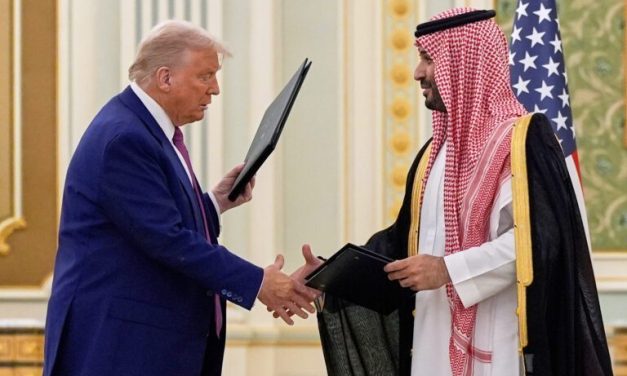
A Look at bin Salman’s Recent Trip to America

Strategic Council Online – Opinion: The recent trip of the Saudi Crown Prince to America was a targeted effort to solidify the strategic partnership with Washington, reduce political uncertainties, and strengthen Riyadh’s political role-playing.

Creating the Right Narrative: A Principled Strategy for Countering the Enemy’s Soft War

Strategic Council Online – Interview: A media expert stated: Given the intensification of the West’s soft war and psychological operations against Iran, our country’s primary strategy must be based on public education, strengthening national cohesion, developing international media, and countering the distortion of history through creating the right narrative.

F-35 Sale to Saudi Arabia: From Promise to Reality

Strategic Council Online – Interview: An international affairs analyst said: The issue of selling the F-35 to Saudi Arabia is not merely a military case, but rather part of a regional engineering that Washington is trying to advance.

Caspian Sea Water Level Drop; A Geopolitical Harm for Coastal Countries

Strategic Council Online – Interview: An expert in geopolitics stated, “The unprecedented drop in the Caspian Sea water level is not only an environmental threat but also a geopolitical alarm bell for Iran and the coastal countries, requiring urgent multilateral cooperation.”

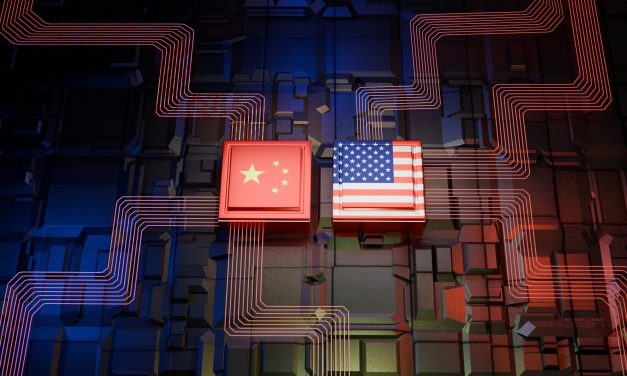
China’s Strategy to Counter the U.S. Effort to Escalate the Taiwan Crisis

Strategic Council Online – Interview: “Any miscalculated move could lead to escalating tensions and uncontrollable crises, but Beijing’s prudence and precise strategies have so far prevented the Taiwan issue from escalating into a crisis similar to that of Ukraine,” said an East Asia analyst.

Iran in the New Eurasian Order

Strategic Council Online – Interview: A geostrategic affairs analyst said: The emerging Eurasian order is not merely an economic plan, but an effort to redefine the global order based on independence, multilateralism, and regional convergence.

Loading

Mohsen Roohisefat

Opportunities and Challenges of Cooperation with Global Alliances

Opportunities and Challenges of Cooperation with Global Alliances

Strategic Council Online – Interview: An international affairs expert stated that Iran’s hybrid and multidimensional diplomacy, if combined with a measured, flexible, and more effective approach, could lead to tangible domestic and international achievements. The world is transitioning toward a multipolar order in which power is more dispersed and distributed among multiple actors. In this context, Iran, by adopting an inclusive policy and emphasizing cooperation with alliances such as BRICS and the Shanghai Cooperation Organization (SCO), seeks to reposition itself in the international system strategically. This policy goes beyond a reaction to the so-called Western-imposed isolation; it signifies a normative decision and choice to establish a fairer and more balanced order based on principles of justice, equality, and respect for national sovereignty. However, excessive reliance on specific alliances and blocs could limit Iran’s strategic options.

Growing Concern of Afghanistan’s Neighbors about the Continuation of the Current Process of the Taliban Rule

Growing Concern of Afghanistan’s Neighbors about the Continuation of the Current Process of the Taliban Rule

Strategic Council Online – Interview: A former Iranian diplomat said that the main challenges and concerns of the foreign ministers of neighboring countries of Afghanistan, which had been raised in the first meeting in Samarkand, were prominent in the second meeting as well, adding: The Taliban have come to power by force of arms and all the past concerns are still standing about the future situation of Afghanistan.

Delhi’s Reasons for Rejecting Request on India-Pakistan Reconciliation

Delhi’s Reasons for Rejecting Request on India-Pakistan Reconciliation

Strategic Council Online – Interview: A former Iranian diplomat said that currently Indians have a superior position and the upper hand against Pakistan and in response to Islamabad request for reconciliation, set conditions and terms. He added: Due to internal problems, now the relations with India and the issue of Kashmir is out of Pakistan’s priority and their main problem is the terrorist and extremist groups that threaten the Islamabad government in Pakistan. The government of Pakistan is interested in creating peace on the Kashmir front so that it can better deal with its internal problems.

Challenges Facing New Pakistani Government for Reducing Tensions with India

Challenges Facing New Pakistani Government for Reducing Tensions with India

Strategic Council Online – Interview: A former Iranian diplomat saying that the Pakistani government needs to create the necessary political environment to attract foreign investment, mobilize the economy, and solve people’s livelihood problems, noted: Although the new Pakistani government is trying to take steps to improve relations with India, the current situation in India and the will of the Pakistani military is a major challenge before this policy of the government.

Collapse of Peaceful Coexistence in India, Consequences of Violence against Muslims

Collapse of Peaceful Coexistence in India, Consequences of Violence against Muslims

Strategic Council Online – Interview: A former Iranian diplomat, stating that the silence of the Indian government has accused New Delhi of collaborating with Hindu extremist groups against Muslims, adding: This situation is ultimately to the detriment of the Indian government and drags the country towards radicalism and extremism.

Causes of Political Tensions in Pakistan & Perspective of Early Elections

Causes of Political Tensions in Pakistan & Perspective of Early Elections

Strategic Council Online – Interview: Having elaborated the causes of the recent political tensions in Pakistan, former diplomat of our country said:” the disputes have been emerged after three years of peaceful relations between the Army and Imran Khan; in the coming 90 days, we will witness important developments. A quite election may be held and Imran khan will probably be re-elected, or following some unrests, a military coup will take place in the country.

Taliban Border Tensions with Pakistan Continues

Taliban Border Tensions with Pakistan Continues

Strategic Council Online – Interview: A former Iranian diplomat, stating that in the current situation we will be witness to the continuation of regional rivalries and differences between Afghanistan, Pakistan and India, said: Although the presence of the Taliban has reduced the level of tension and mistrust between Afghanistan and Pakistan, the Taliban cannot treat Pakistan against their ethnic sentiments, and the two sides are trying to prevent tensions from escalating by managing differences.

Afghanistan crisis; Moscow-Tehran meeting, two harmonious and effective steps

Afghanistan crisis; Moscow-Tehran meeting, two harmonious and effective steps

Strategic Council Online – Interview: Explaining Russia’s approach to Afghanistan at the Moscow meeting on Afghanistan and reviewing its final statement, the former Iranian diplomat stressed the common goals of Iran and Russia regarding Afghanistan and the need for continuous consultations between Russia and Iran.

Threats and Challenges of Pakistani Taliban for Islamabad Gov’t

Threats and Challenges of Pakistani Taliban for Islamabad Gov’t

Strategic Council Online – Interview: A former Iranian diplomat considered Islamabad’s support for the Taliban coming to power in Kabul as a threat to Pakistan’s future and said: The coming to power of the Taliban in Kabul stimulates ethnic sentiments for supporting the Pashtuns in the Pashtun-populated and tribal areas and this will become a great challenge for the government of that country.

أحدث الوظائف

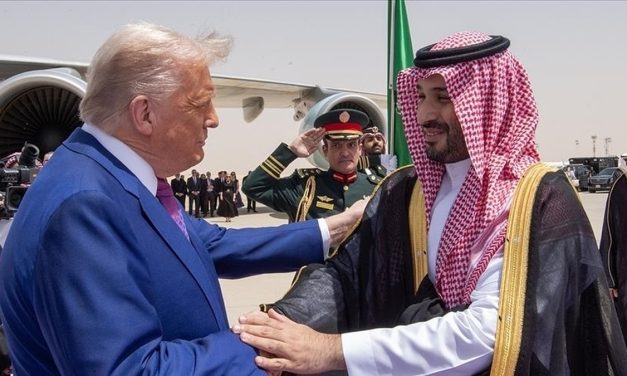
A Look at bin Salman’s Recent Trip to America

Strategic Council Online – Opinion: The recent trip of the Saudi Crown Prince to America was a targeted effort to solidify the strategic partnership with Washington, reduce political uncertainties, and strengthen Riyadh’s political role-playing.
Creating the Right Narrative: A Principled Strategy for Countering the Enemy’s Soft War

Strategic Council Online – Interview: A media expert stated: Given the intensification of the West’s soft war and psychological operations against Iran, our country’s primary strategy must be based on public education, strengthening national cohesion, developing international media, and countering the distortion of history through creating the right narrative.

F-35 Sale to Saudi Arabia: From Promise to Reality

Strategic Council Online – Interview: An international affairs analyst said: The issue of selling the F-35 to Saudi Arabia is not merely a military case, but rather part of a regional engineering that Washington is trying to advance.

Caspian Sea Water Level Drop; A Geopolitical Harm for Coastal Countries

Strategic Council Online – Interview: An expert in geopolitics stated, “The unprecedented drop in the Caspian Sea water level is not only an environmental threat but also a geopolitical alarm bell for Iran and the coastal countries, requiring urgent multilateral cooperation.”

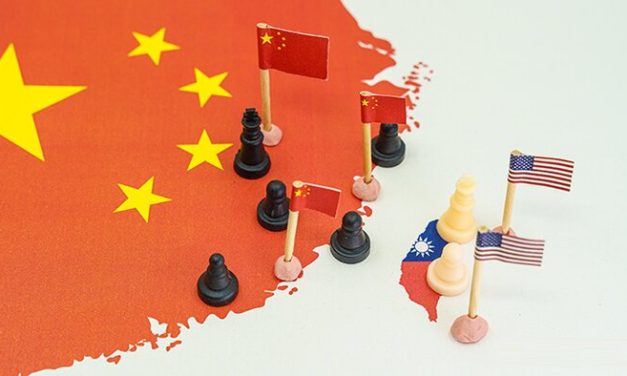
China’s Strategy to Counter the U.S. Effort to Escalate the Taiwan Crisis

Strategic Council Online – Interview: “Any miscalculated move could lead to escalating tensions and uncontrollable crises, but Beijing’s prudence and precise strategies have so far prevented the Taiwan issue from escalating into a crisis similar to that of Ukraine,” said an East Asia analyst.

Iran in the New Eurasian Order

Strategic Council Online – Interview: A geostrategic affairs analyst said: The emerging Eurasian order is not merely an economic plan, but an effort to redefine the global order based on independence, multilateralism, and regional convergence.

Loading

Mohsen Roohisefat

Opportunities and Challenges of Cooperation with Global Alliances

Opportunities and Challenges of Cooperation with Global Alliances

Strategic Council Online – Interview: An international affairs expert stated that Iran’s hybrid and multidimensional diplomacy, if combined with a measured, flexible, and more effective approach, could lead to tangible domestic and international achievements. The world is transitioning toward a multipolar order in which power is more dispersed and distributed among multiple actors. In this context, Iran, by adopting an inclusive policy and emphasizing cooperation with alliances such as BRICS and the Shanghai Cooperation Organization (SCO), seeks to reposition itself in the international system strategically. This policy goes beyond a reaction to the so-called Western-imposed isolation; it signifies a normative decision and choice to establish a fairer and more balanced order based on principles of justice, equality, and respect for national sovereignty. However, excessive reliance on specific alliances and blocs could limit Iran’s strategic options.

Growing Concern of Afghanistan’s Neighbors about the Continuation of the Current Process of the Taliban Rule

Growing Concern of Afghanistan’s Neighbors about the Continuation of the Current Process of the Taliban Rule

Strategic Council Online – Interview: A former Iranian diplomat said that the main challenges and concerns of the foreign ministers of neighboring countries of Afghanistan, which had been raised in the first meeting in Samarkand, were prominent in the second meeting as well, adding: The Taliban have come to power by force of arms and all the past concerns are still standing about the future situation of Afghanistan.

Delhi’s Reasons for Rejecting Request on India-Pakistan Reconciliation

Delhi’s Reasons for Rejecting Request on India-Pakistan Reconciliation

Strategic Council Online – Interview: A former Iranian diplomat said that currently Indians have a superior position and the upper hand against Pakistan and in response to Islamabad request for reconciliation, set conditions and terms. He added: Due to internal problems, now the relations with India and the issue of Kashmir is out of Pakistan’s priority and their main problem is the terrorist and extremist groups that threaten the Islamabad government in Pakistan. The government of Pakistan is interested in creating peace on the Kashmir front so that it can better deal with its internal problems.

Challenges Facing New Pakistani Government for Reducing Tensions with India

Challenges Facing New Pakistani Government for Reducing Tensions with India

Strategic Council Online – Interview: A former Iranian diplomat saying that the Pakistani government needs to create the necessary political environment to attract foreign investment, mobilize the economy, and solve people’s livelihood problems, noted: Although the new Pakistani government is trying to take steps to improve relations with India, the current situation in India and the will of the Pakistani military is a major challenge before this policy of the government.

Collapse of Peaceful Coexistence in India, Consequences of Violence against Muslims

Collapse of Peaceful Coexistence in India, Consequences of Violence against Muslims

Strategic Council Online – Interview: A former Iranian diplomat, stating that the silence of the Indian government has accused New Delhi of collaborating with Hindu extremist groups against Muslims, adding: This situation is ultimately to the detriment of the Indian government and drags the country towards radicalism and extremism.

Causes of Political Tensions in Pakistan & Perspective of Early Elections

Causes of Political Tensions in Pakistan & Perspective of Early Elections

Strategic Council Online – Interview: Having elaborated the causes of the recent political tensions in Pakistan, former diplomat of our country said:” the disputes have been emerged after three years of peaceful relations between the Army and Imran Khan; in the coming 90 days, we will witness important developments. A quite election may be held and Imran khan will probably be re-elected, or following some unrests, a military coup will take place in the country.

Taliban Border Tensions with Pakistan Continues

Taliban Border Tensions with Pakistan Continues

Strategic Council Online – Interview: A former Iranian diplomat, stating that in the current situation we will be witness to the continuation of regional rivalries and differences between Afghanistan, Pakistan and India, said: Although the presence of the Taliban has reduced the level of tension and mistrust between Afghanistan and Pakistan, the Taliban cannot treat Pakistan against their ethnic sentiments, and the two sides are trying to prevent tensions from escalating by managing differences.

Afghanistan crisis; Moscow-Tehran meeting, two harmonious and effective steps

Afghanistan crisis; Moscow-Tehran meeting, two harmonious and effective steps

Strategic Council Online – Interview: Explaining Russia’s approach to Afghanistan at the Moscow meeting on Afghanistan and reviewing its final statement, the former Iranian diplomat stressed the common goals of Iran and Russia regarding Afghanistan and the need for continuous consultations between Russia and Iran.

Threats and Challenges of Pakistani Taliban for Islamabad Gov’t

Threats and Challenges of Pakistani Taliban for Islamabad Gov’t

Strategic Council Online – Interview: A former Iranian diplomat considered Islamabad’s support for the Taliban coming to power in Kabul as a threat to Pakistan’s future and said: The coming to power of the Taliban in Kabul stimulates ethnic sentiments for supporting the Pashtuns in the Pashtun-populated and tribal areas and this will become a great challenge for the government of that country.

Mohsen Roohisefat

Opportunities and Challenges of Cooperation with Global Alliances

Opportunities and Challenges of Cooperation with Global Alliances

Strategic Council Online – Interview: An international affairs expert stated that Iran’s hybrid and multidimensional diplomacy, if combined with a measured, flexible, and more effective approach, could lead to tangible domestic and international achievements. The world is transitioning toward a multipolar order in which power is more dispersed and distributed among multiple actors. In this context, Iran, by adopting an inclusive policy and emphasizing cooperation with alliances such as BRICS and the Shanghai Cooperation Organization (SCO), seeks to reposition itself in the international system strategically. This policy goes beyond a reaction to the so-called Western-imposed isolation; it signifies a normative decision and choice to establish a fairer and more balanced order based on principles of justice, equality, and respect for national sovereignty. However, excessive reliance on specific alliances and blocs could limit Iran’s strategic options.

Growing Concern of Afghanistan’s Neighbors about the Continuation of the Current Process of the Taliban Rule

Growing Concern of Afghanistan’s Neighbors about the Continuation of the Current Process of the Taliban Rule

Strategic Council Online – Interview: A former Iranian diplomat said that the main challenges and concerns of the foreign ministers of neighboring countries of Afghanistan, which had been raised in the first meeting in Samarkand, were prominent in the second meeting as well, adding: The Taliban have come to power by force of arms and all the past concerns are still standing about the future situation of Afghanistan.

Delhi’s Reasons for Rejecting Request on India-Pakistan Reconciliation

Delhi’s Reasons for Rejecting Request on India-Pakistan Reconciliation

Strategic Council Online – Interview: A former Iranian diplomat said that currently Indians have a superior position and the upper hand against Pakistan and in response to Islamabad request for reconciliation, set conditions and terms. He added: Due to internal problems, now the relations with India and the issue of Kashmir is out of Pakistan’s priority and their main problem is the terrorist and extremist groups that threaten the Islamabad government in Pakistan. The government of Pakistan is interested in creating peace on the Kashmir front so that it can better deal with its internal problems.

Challenges Facing New Pakistani Government for Reducing Tensions with India

Challenges Facing New Pakistani Government for Reducing Tensions with India

Strategic Council Online – Interview: A former Iranian diplomat saying that the Pakistani government needs to create the necessary political environment to attract foreign investment, mobilize the economy, and solve people’s livelihood problems, noted: Although the new Pakistani government is trying to take steps to improve relations with India, the current situation in India and the will of the Pakistani military is a major challenge before this policy of the government.

Collapse of Peaceful Coexistence in India, Consequences of Violence against Muslims

Collapse of Peaceful Coexistence in India, Consequences of Violence against Muslims

Strategic Council Online – Interview: A former Iranian diplomat, stating that the silence of the Indian government has accused New Delhi of collaborating with Hindu extremist groups against Muslims, adding: This situation is ultimately to the detriment of the Indian government and drags the country towards radicalism and extremism.

Causes of Political Tensions in Pakistan & Perspective of Early Elections

Causes of Political Tensions in Pakistan & Perspective of Early Elections

Strategic Council Online – Interview: Having elaborated the causes of the recent political tensions in Pakistan, former diplomat of our country said:” the disputes have been emerged after three years of peaceful relations between the Army and Imran Khan; in the coming 90 days, we will witness important developments. A quite election may be held and Imran khan will probably be re-elected, or following some unrests, a military coup will take place in the country.

Taliban Border Tensions with Pakistan Continues

Taliban Border Tensions with Pakistan Continues

Strategic Council Online – Interview: A former Iranian diplomat, stating that in the current situation we will be witness to the continuation of regional rivalries and differences between Afghanistan, Pakistan and India, said: Although the presence of the Taliban has reduced the level of tension and mistrust between Afghanistan and Pakistan, the Taliban cannot treat Pakistan against their ethnic sentiments, and the two sides are trying to prevent tensions from escalating by managing differences.

Afghanistan crisis; Moscow-Tehran meeting, two harmonious and effective steps

Afghanistan crisis; Moscow-Tehran meeting, two harmonious and effective steps

Strategic Council Online – Interview: Explaining Russia’s approach to Afghanistan at the Moscow meeting on Afghanistan and reviewing its final statement, the former Iranian diplomat stressed the common goals of Iran and Russia regarding Afghanistan and the need for continuous consultations between Russia and Iran.

Threats and Challenges of Pakistani Taliban for Islamabad Gov’t

Threats and Challenges of Pakistani Taliban for Islamabad Gov’t

Strategic Council Online – Interview: A former Iranian diplomat considered Islamabad’s support for the Taliban coming to power in Kabul as a threat to Pakistan’s future and said: The coming to power of the Taliban in Kabul stimulates ethnic sentiments for supporting the Pashtuns in the Pashtun-populated and tribal areas and this will become a great challenge for the government of that country.

LATEST CONTENT

A Look at bin Salman’s Recent Trip to America

Strategic Council Online – Opinion: The recent trip of the Saudi Crown Prince to America was a targeted effort to solidify the strategic partnership with Washington, reduce political uncertainties, and strengthen Riyadh’s political role-playing.
Creating the Right Narrative: A Principled Strategy for Countering the Enemy’s Soft War

Strategic Council Online – Interview: A media expert stated: Given the intensification of the West’s soft war and psychological operations against Iran, our country’s primary strategy must be based on public education, strengthening national cohesion, developing international media, and countering the distortion of history through creating the right narrative.

F-35 Sale to Saudi Arabia: From Promise to Reality

Strategic Council Online – Interview: An international affairs analyst said: The issue of selling the F-35 to Saudi Arabia is not merely a military case, but rather part of a regional engineering that Washington is trying to advance.

Caspian Sea Water Level Drop; A Geopolitical Harm for Coastal Countries

Strategic Council Online – Interview: An expert in geopolitics stated, “The unprecedented drop in the Caspian Sea water level is not only an environmental threat but also a geopolitical alarm bell for Iran and the coastal countries, requiring urgent multilateral cooperation.”

China’s Strategy to Counter the U.S. Effort to Escalate the Taiwan Crisis

Strategic Council Online – Interview: “Any miscalculated move could lead to escalating tensions and uncontrollable crises, but Beijing’s prudence and precise strategies have so far prevented the Taiwan issue from escalating into a crisis similar to that of Ukraine,” said an East Asia analyst.

Iran in the New Eurasian Order

Strategic Council Online – Interview: A geostrategic affairs analyst said: The emerging Eurasian order is not merely an economic plan, but an effort to redefine the global order based on independence, multilateralism, and regional convergence.

Loading

Mohsen Roohisefat

Opportunities and Challenges of Cooperation with Global Alliances

Opportunities and Challenges of Cooperation with Global Alliances

Strategic Council Online – Interview: An international affairs expert stated that Iran’s hybrid and multidimensional diplomacy, if combined with a measured, flexible, and more effective approach, could lead to tangible domestic and international achievements. The world is transitioning toward a multipolar order in which power is more dispersed and distributed among multiple actors. In this context, Iran, by adopting an inclusive policy and emphasizing cooperation with alliances such as BRICS and the Shanghai Cooperation Organization (SCO), seeks to reposition itself in the international system strategically. This policy goes beyond a reaction to the so-called Western-imposed isolation; it signifies a normative decision and choice to establish a fairer and more balanced order based on principles of justice, equality, and respect for national sovereignty. However, excessive reliance on specific alliances and blocs could limit Iran’s strategic options.

Growing Concern of Afghanistan’s Neighbors about the Continuation of the Current Process of the Taliban Rule

Growing Concern of Afghanistan’s Neighbors about the Continuation of the Current Process of the Taliban Rule

Strategic Council Online – Interview: A former Iranian diplomat said that the main challenges and concerns of the foreign ministers of neighboring countries of Afghanistan, which had been raised in the first meeting in Samarkand, were prominent in the second meeting as well, adding: The Taliban have come to power by force of arms and all the past concerns are still standing about the future situation of Afghanistan.

Delhi’s Reasons for Rejecting Request on India-Pakistan Reconciliation

Delhi’s Reasons for Rejecting Request on India-Pakistan Reconciliation

Strategic Council Online – Interview: A former Iranian diplomat said that currently Indians have a superior position and the upper hand against Pakistan and in response to Islamabad request for reconciliation, set conditions and terms. He added: Due to internal problems, now the relations with India and the issue of Kashmir is out of Pakistan’s priority and their main problem is the terrorist and extremist groups that threaten the Islamabad government in Pakistan. The government of Pakistan is interested in creating peace on the Kashmir front so that it can better deal with its internal problems.

Challenges Facing New Pakistani Government for Reducing Tensions with India

Challenges Facing New Pakistani Government for Reducing Tensions with India

Strategic Council Online – Interview: A former Iranian diplomat saying that the Pakistani government needs to create the necessary political environment to attract foreign investment, mobilize the economy, and solve people’s livelihood problems, noted: Although the new Pakistani government is trying to take steps to improve relations with India, the current situation in India and the will of the Pakistani military is a major challenge before this policy of the government.

Collapse of Peaceful Coexistence in India, Consequences of Violence against Muslims

Collapse of Peaceful Coexistence in India, Consequences of Violence against Muslims

Strategic Council Online – Interview: A former Iranian diplomat, stating that the silence of the Indian government has accused New Delhi of collaborating with Hindu extremist groups against Muslims, adding: This situation is ultimately to the detriment of the Indian government and drags the country towards radicalism and extremism.

Causes of Political Tensions in Pakistan & Perspective of Early Elections

Causes of Political Tensions in Pakistan & Perspective of Early Elections

Strategic Council Online – Interview: Having elaborated the causes of the recent political tensions in Pakistan, former diplomat of our country said:” the disputes have been emerged after three years of peaceful relations between the Army and Imran Khan; in the coming 90 days, we will witness important developments. A quite election may be held and Imran khan will probably be re-elected, or following some unrests, a military coup will take place in the country.

Taliban Border Tensions with Pakistan Continues

Taliban Border Tensions with Pakistan Continues

Strategic Council Online – Interview: A former Iranian diplomat, stating that in the current situation we will be witness to the continuation of regional rivalries and differences between Afghanistan, Pakistan and India, said: Although the presence of the Taliban has reduced the level of tension and mistrust between Afghanistan and Pakistan, the Taliban cannot treat Pakistan against their ethnic sentiments, and the two sides are trying to prevent tensions from escalating by managing differences.

Afghanistan crisis; Moscow-Tehran meeting, two harmonious and effective steps

Afghanistan crisis; Moscow-Tehran meeting, two harmonious and effective steps

Strategic Council Online – Interview: Explaining Russia’s approach to Afghanistan at the Moscow meeting on Afghanistan and reviewing its final statement, the former Iranian diplomat stressed the common goals of Iran and Russia regarding Afghanistan and the need for continuous consultations between Russia and Iran.

Threats and Challenges of Pakistani Taliban for Islamabad Gov’t

Threats and Challenges of Pakistani Taliban for Islamabad Gov’t

Strategic Council Online – Interview: A former Iranian diplomat considered Islamabad’s support for the Taliban coming to power in Kabul as a threat to Pakistan’s future and said: The coming to power of the Taliban in Kabul stimulates ethnic sentiments for supporting the Pashtuns in the Pashtun-populated and tribal areas and this will become a great challenge for the government of that country.

ÚLTIMAS PUBLICACIONES

A Look at bin Salman’s Recent Trip to America

Strategic Council Online – Opinion: The recent trip of the Saudi Crown Prince to America was a targeted effort to solidify the strategic partnership with Washington, reduce political uncertainties, and strengthen Riyadh’s political role-playing.

Creating the Right Narrative: A Principled Strategy for Countering the Enemy’s Soft War

Strategic Council Online – Interview: A media expert stated: Given the intensification of the West’s soft war and psychological operations against Iran, our country’s primary strategy must be based on public education, strengthening national cohesion, developing international media, and countering the distortion of history through creating the right narrative.

F-35 Sale to Saudi Arabia: From Promise to Reality

Strategic Council Online – Interview: An international affairs analyst said: The issue of selling the F-35 to Saudi Arabia is not merely a military case, but rather part of a regional engineering that Washington is trying to advance.

Caspian Sea Water Level Drop; A Geopolitical Harm for Coastal Countries

Strategic Council Online – Interview: An expert in geopolitics stated, “The unprecedented drop in the Caspian Sea water level is not only an environmental threat but also a geopolitical alarm bell for Iran and the coastal countries, requiring urgent multilateral cooperation.”

China’s Strategy to Counter the U.S. Effort to Escalate the Taiwan Crisis

Strategic Council Online – Interview: “Any miscalculated move could lead to escalating tensions and uncontrollable crises, but Beijing’s prudence and precise strategies have so far prevented the Taiwan issue from escalating into a crisis similar to that of Ukraine,” said an East Asia analyst.

Iran in the New Eurasian Order

Strategic Council Online – Interview: A geostrategic affairs analyst said: The emerging Eurasian order is not merely an economic plan, but an effort to redefine the global order based on independence, multilateralism, and regional convergence.

Loading

Mohsen Roohisefat

Opportunities and Challenges of Cooperation with Global Alliances

Opportunities and Challenges of Cooperation with Global Alliances

Strategic Council Online – Interview: An international affairs expert stated that Iran’s hybrid and multidimensional diplomacy, if combined with a measured, flexible, and more effective approach, could lead to tangible domestic and international achievements. The world is transitioning toward a multipolar order in which power is more dispersed and distributed among multiple actors. In this context, Iran, by adopting an inclusive policy and emphasizing cooperation with alliances such as BRICS and the Shanghai Cooperation Organization (SCO), seeks to reposition itself in the international system strategically. This policy goes beyond a reaction to the so-called Western-imposed isolation; it signifies a normative decision and choice to establish a fairer and more balanced order based on principles of justice, equality, and respect for national sovereignty. However, excessive reliance on specific alliances and blocs could limit Iran’s strategic options.

Growing Concern of Afghanistan’s Neighbors about the Continuation of the Current Process of the Taliban Rule

Growing Concern of Afghanistan’s Neighbors about the Continuation of the Current Process of the Taliban Rule

Strategic Council Online – Interview: A former Iranian diplomat said that the main challenges and concerns of the foreign ministers of neighboring countries of Afghanistan, which had been raised in the first meeting in Samarkand, were prominent in the second meeting as well, adding: The Taliban have come to power by force of arms and all the past concerns are still standing about the future situation of Afghanistan.

Delhi’s Reasons for Rejecting Request on India-Pakistan Reconciliation

Delhi’s Reasons for Rejecting Request on India-Pakistan Reconciliation

Strategic Council Online – Interview: A former Iranian diplomat said that currently Indians have a superior position and the upper hand against Pakistan and in response to Islamabad request for reconciliation, set conditions and terms. He added: Due to internal problems, now the relations with India and the issue of Kashmir is out of Pakistan’s priority and their main problem is the terrorist and extremist groups that threaten the Islamabad government in Pakistan. The government of Pakistan is interested in creating peace on the Kashmir front so that it can better deal with its internal problems.

Challenges Facing New Pakistani Government for Reducing Tensions with India

Challenges Facing New Pakistani Government for Reducing Tensions with India

Strategic Council Online – Interview: A former Iranian diplomat saying that the Pakistani government needs to create the necessary political environment to attract foreign investment, mobilize the economy, and solve people’s livelihood problems, noted: Although the new Pakistani government is trying to take steps to improve relations with India, the current situation in India and the will of the Pakistani military is a major challenge before this policy of the government.

Collapse of Peaceful Coexistence in India, Consequences of Violence against Muslims

Collapse of Peaceful Coexistence in India, Consequences of Violence against Muslims

Strategic Council Online – Interview: A former Iranian diplomat, stating that the silence of the Indian government has accused New Delhi of collaborating with Hindu extremist groups against Muslims, adding: This situation is ultimately to the detriment of the Indian government and drags the country towards radicalism and extremism.

Causes of Political Tensions in Pakistan & Perspective of Early Elections

Causes of Political Tensions in Pakistan & Perspective of Early Elections

Strategic Council Online – Interview: Having elaborated the causes of the recent political tensions in Pakistan, former diplomat of our country said:” the disputes have been emerged after three years of peaceful relations between the Army and Imran Khan; in the coming 90 days, we will witness important developments. A quite election may be held and Imran khan will probably be re-elected, or following some unrests, a military coup will take place in the country.

Taliban Border Tensions with Pakistan Continues

Taliban Border Tensions with Pakistan Continues

Strategic Council Online – Interview: A former Iranian diplomat, stating that in the current situation we will be witness to the continuation of regional rivalries and differences between Afghanistan, Pakistan and India, said: Although the presence of the Taliban has reduced the level of tension and mistrust between Afghanistan and Pakistan, the Taliban cannot treat Pakistan against their ethnic sentiments, and the two sides are trying to prevent tensions from escalating by managing differences.

Afghanistan crisis; Moscow-Tehran meeting, two harmonious and effective steps

Afghanistan crisis; Moscow-Tehran meeting, two harmonious and effective steps

Strategic Council Online – Interview: Explaining Russia’s approach to Afghanistan at the Moscow meeting on Afghanistan and reviewing its final statement, the former Iranian diplomat stressed the common goals of Iran and Russia regarding Afghanistan and the need for continuous consultations between Russia and Iran.

Threats and Challenges of Pakistani Taliban for Islamabad Gov’t

Threats and Challenges of Pakistani Taliban for Islamabad Gov’t

Strategic Council Online – Interview: A former Iranian diplomat considered Islamabad’s support for the Taliban coming to power in Kabul as a threat to Pakistan’s future and said: The coming to power of the Taliban in Kabul stimulates ethnic sentiments for supporting the Pashtuns in the Pashtun-populated and tribal areas and this will become a great challenge for the government of that country.

ÚLTIMAS PUBLICACIONES

A Look at bin Salman’s Recent Trip to America

Strategic Council Online – Opinion: The recent trip of the Saudi Crown Prince to America was a targeted effort to solidify the strategic partnership with Washington, reduce political uncertainties, and strengthen Riyadh’s political role-playing.
Creating the Right Narrative: A Principled Strategy for Countering the Enemy’s Soft War

Strategic Council Online – Interview: A media expert stated: Given the intensification of the West’s soft war and psychological operations against Iran, our country’s primary strategy must be based on public education, strengthening national cohesion, developing international media, and countering the distortion of history through creating the right narrative.

F-35 Sale to Saudi Arabia: From Promise to Reality

Strategic Council Online – Interview: An international affairs analyst said: The issue of selling the F-35 to Saudi Arabia is not merely a military case, but rather part of a regional engineering that Washington is trying to advance.

Caspian Sea Water Level Drop; A Geopolitical Harm for Coastal Countries

Strategic Council Online – Interview: An expert in geopolitics stated, “The unprecedented drop in the Caspian Sea water level is not only an environmental threat but also a geopolitical alarm bell for Iran and the coastal countries, requiring urgent multilateral cooperation.”

China’s Strategy to Counter the U.S. Effort to Escalate the Taiwan Crisis

Strategic Council Online – Interview: “Any miscalculated move could lead to escalating tensions and uncontrollable crises, but Beijing’s prudence and precise strategies have so far prevented the Taiwan issue from escalating into a crisis similar to that of Ukraine,” said an East Asia analyst.

Iran in the New Eurasian Order

Strategic Council Online – Interview: A geostrategic affairs analyst said: The emerging Eurasian order is not merely an economic plan, but an effort to redefine the global order based on independence, multilateralism, and regional convergence.

Loading