جدیدترین مطالب

European Independence from the United States; From Dream to Reality

Strategic Council Online – Opinion: Europe has spoken of “strategic autonomy” for years, but each new crisis reveals that the gap between its aspiration for self-reliance and the reality of its security dependence on the United States remains significantly unbridged.

The Arctic; From Geographical Freezing to Geopolitical Boiling

Strategic Council Online – Opinion: The Arctic is no longer a frozen, remote periphery; it has become a live theater of great-power competition, where sea routes, port infrastructure, the law of the sea, and military deterrence are intertwined, shaping the future of maritime security.

The Zionist Regime’s Time Bomb Activated in the West Bank

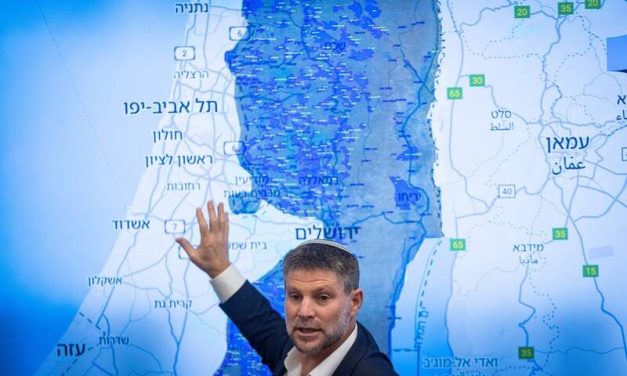
Strategic Council Online – Opinion: In the midst of America’s military deployment to West Asia and the Persian Gulf, which has increased tensions at the regional and global levels, the Zionist regime has seized the opportunity and accelerated the advancement of its ambitious projects, including the process of the illegal annexation of the West Bank to the occupied territories.

Loading

Mohammad Saleh Sedghian

An Analysis of Iraq’s Vision 2050 Plan: Challenges and Opportunities Ahead

An Analysis of Iraq’s Vision 2050 Plan: Challenges and Opportunities Ahead

Online Strategic Council – Interview: A West Asia affairs expert stated that the unveiling of Iraq’s Vision 2050 plan by its Prime Minister, Mohammed Shia’ Al-Sudani, is assessed as a turning point on the path of economic development and reducing the country’s dependence on oil revenues. This plan is designed to create a diversified economy, develop infrastructure, and position Iraq at the heart of Asia-Europe trade corridors. If realized, it could alter the region’s geopolitical equations. In this plan, Al-Sudani has emphasized diverting 20 percent of the Asia-Europe trade through Iraq, which, if successful, will make the country a key player in global trade. On the other hand, environmental crises, security challenges, and the necessity of reforming governance structures in Iraq have made this plan a multidimensional and complex issue. For Iran, the implementation of Vision 2050 not only creates economic opportunities in the fields of energy and transit but also provides the possibility of enhancing political and security cooperation. However, the success of this plan is contingent upon resolving internal obstacles and Baghdad’s smart management of foreign relations, an issue that could improve the future of Iran-Iraq interactions and the regional standing of both countries in the coming decades.

Limiting Palestinian Presence at the United Nations: A Deceptive Effort to Manage the Fate of Palestine

Limiting Palestinian Presence at the United Nations: A Deceptive Effort to Manage the Fate of Palestine

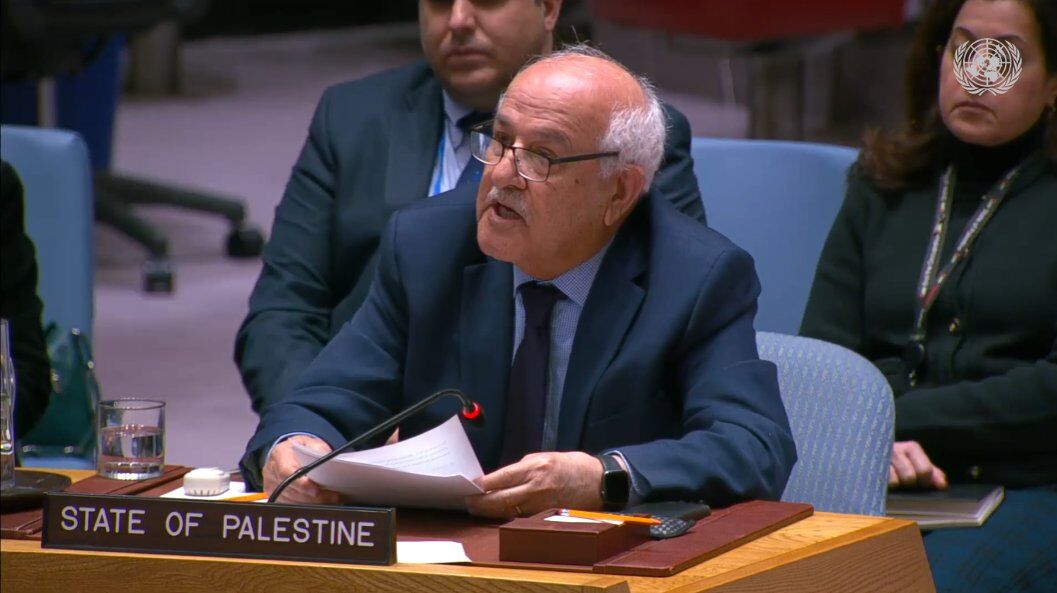
Strategic Council Online – Interview: A West Asia affairs analyst stated that on the eve of the September session of the United Nations General Assembly, the U.S. government limited the presence of the Palestinian delegation at this meeting by canceling the visa of Mahmoud Abbas, the head of the Palestinian Authority. This U.S. action is part of a complex political game between Washington, Tel Aviv, and global public opinion, aiming to question the role of Palestinians in international equations. The U.S. government and Zionist lobbies, by supporting the Israeli regime, have targeted any plan and flourishing of the Palestinian issue on the global stage, while some Western governments, due to public opinion pressure, are trying to advance the process of recognizing Palestine. This U.S. action has sparked widespread international reactions and raised concerns about violations of UN agreements and Washington’s blatant bias in favor of the Israeli regime. The Palestinian Ministry of Foreign Affairs has assessed this decision as a violation of international laws and an obstacle to the legal presence of their representatives at meetings, calling for diplomatic and legal solutions to ensure the participation of the Palestinian delegation. This restriction was imposed while European countries, especially France, Canada, and several other Western nations, are striving to increase diplomatic pressure on the Israeli regime and the U.S. by recognizing the state of Palestine.

Multifaceted Crises of the Zionist Regime and Netanyahu’s Fragile Position

Multifaceted Crises of the Zionist Regime and Netanyahu’s Fragile Position

Strategic Council Online – Interview: A West Asia affairs analyst stated that according to a recent poll by the Maariv newspaper, Netanyahu’s ruling coalition would secure only 49 seats in the Knesset (parliament) if new elections were held, losing one seat, while a minimum of 61 seats is required to form a government. This situation and military and judicial failures will place Netanyahu in the most critical phase of his leadership.

أحدث الوظائف

European Independence from the United States; From Dream to Reality

Strategic Council Online – Opinion: Europe has spoken of “strategic autonomy” for years, but each new crisis reveals that the gap between its aspiration for self-reliance and the reality of its security dependence on the United States remains significantly unbridged.

The Arctic; From Geographical Freezing to Geopolitical Boiling

Strategic Council Online – Opinion: The Arctic is no longer a frozen, remote periphery; it has become a live theater of great-power competition, where sea routes, port infrastructure, the law of the sea, and military deterrence are intertwined, shaping the future of maritime security.

The Zionist Regime’s Time Bomb Activated in the West Bank

Strategic Council Online – Opinion: In the midst of America’s military deployment to West Asia and the Persian Gulf, which has increased tensions at the regional and global levels, the Zionist regime has seized the opportunity and accelerated the advancement of its ambitious projects, including the process of the illegal annexation of the West Bank to the occupied territories.

Loading

Mohammad Saleh Sedghian

An Analysis of Iraq’s Vision 2050 Plan: Challenges and Opportunities Ahead

An Analysis of Iraq’s Vision 2050 Plan: Challenges and Opportunities Ahead

Online Strategic Council – Interview: A West Asia affairs expert stated that the unveiling of Iraq’s Vision 2050 plan by its Prime Minister, Mohammed Shia’ Al-Sudani, is assessed as a turning point on the path of economic development and reducing the country’s dependence on oil revenues. This plan is designed to create a diversified economy, develop infrastructure, and position Iraq at the heart of Asia-Europe trade corridors. If realized, it could alter the region’s geopolitical equations. In this plan, Al-Sudani has emphasized diverting 20 percent of the Asia-Europe trade through Iraq, which, if successful, will make the country a key player in global trade. On the other hand, environmental crises, security challenges, and the necessity of reforming governance structures in Iraq have made this plan a multidimensional and complex issue. For Iran, the implementation of Vision 2050 not only creates economic opportunities in the fields of energy and transit but also provides the possibility of enhancing political and security cooperation. However, the success of this plan is contingent upon resolving internal obstacles and Baghdad’s smart management of foreign relations, an issue that could improve the future of Iran-Iraq interactions and the regional standing of both countries in the coming decades.

Limiting Palestinian Presence at the United Nations: A Deceptive Effort to Manage the Fate of Palestine

Limiting Palestinian Presence at the United Nations: A Deceptive Effort to Manage the Fate of Palestine

Strategic Council Online – Interview: A West Asia affairs analyst stated that on the eve of the September session of the United Nations General Assembly, the U.S. government limited the presence of the Palestinian delegation at this meeting by canceling the visa of Mahmoud Abbas, the head of the Palestinian Authority. This U.S. action is part of a complex political game between Washington, Tel Aviv, and global public opinion, aiming to question the role of Palestinians in international equations. The U.S. government and Zionist lobbies, by supporting the Israeli regime, have targeted any plan and flourishing of the Palestinian issue on the global stage, while some Western governments, due to public opinion pressure, are trying to advance the process of recognizing Palestine. This U.S. action has sparked widespread international reactions and raised concerns about violations of UN agreements and Washington’s blatant bias in favor of the Israeli regime. The Palestinian Ministry of Foreign Affairs has assessed this decision as a violation of international laws and an obstacle to the legal presence of their representatives at meetings, calling for diplomatic and legal solutions to ensure the participation of the Palestinian delegation. This restriction was imposed while European countries, especially France, Canada, and several other Western nations, are striving to increase diplomatic pressure on the Israeli regime and the U.S. by recognizing the state of Palestine.

Multifaceted Crises of the Zionist Regime and Netanyahu’s Fragile Position

Multifaceted Crises of the Zionist Regime and Netanyahu’s Fragile Position

Strategic Council Online – Interview: A West Asia affairs analyst stated that according to a recent poll by the Maariv newspaper, Netanyahu’s ruling coalition would secure only 49 seats in the Knesset (parliament) if new elections were held, losing one seat, while a minimum of 61 seats is required to form a government. This situation and military and judicial failures will place Netanyahu in the most critical phase of his leadership.

Mohammad Saleh Sedghian

An Analysis of Iraq’s Vision 2050 Plan: Challenges and Opportunities Ahead

An Analysis of Iraq’s Vision 2050 Plan: Challenges and Opportunities Ahead

Online Strategic Council – Interview: A West Asia affairs expert stated that the unveiling of Iraq’s Vision 2050 plan by its Prime Minister, Mohammed Shia’ Al-Sudani, is assessed as a turning point on the path of economic development and reducing the country’s dependence on oil revenues. This plan is designed to create a diversified economy, develop infrastructure, and position Iraq at the heart of Asia-Europe trade corridors. If realized, it could alter the region’s geopolitical equations. In this plan, Al-Sudani has emphasized diverting 20 percent of the Asia-Europe trade through Iraq, which, if successful, will make the country a key player in global trade. On the other hand, environmental crises, security challenges, and the necessity of reforming governance structures in Iraq have made this plan a multidimensional and complex issue. For Iran, the implementation of Vision 2050 not only creates economic opportunities in the fields of energy and transit but also provides the possibility of enhancing political and security cooperation. However, the success of this plan is contingent upon resolving internal obstacles and Baghdad’s smart management of foreign relations, an issue that could improve the future of Iran-Iraq interactions and the regional standing of both countries in the coming decades.

Limiting Palestinian Presence at the United Nations: A Deceptive Effort to Manage the Fate of Palestine

Limiting Palestinian Presence at the United Nations: A Deceptive Effort to Manage the Fate of Palestine

Strategic Council Online – Interview: A West Asia affairs analyst stated that on the eve of the September session of the United Nations General Assembly, the U.S. government limited the presence of the Palestinian delegation at this meeting by canceling the visa of Mahmoud Abbas, the head of the Palestinian Authority. This U.S. action is part of a complex political game between Washington, Tel Aviv, and global public opinion, aiming to question the role of Palestinians in international equations. The U.S. government and Zionist lobbies, by supporting the Israeli regime, have targeted any plan and flourishing of the Palestinian issue on the global stage, while some Western governments, due to public opinion pressure, are trying to advance the process of recognizing Palestine. This U.S. action has sparked widespread international reactions and raised concerns about violations of UN agreements and Washington’s blatant bias in favor of the Israeli regime. The Palestinian Ministry of Foreign Affairs has assessed this decision as a violation of international laws and an obstacle to the legal presence of their representatives at meetings, calling for diplomatic and legal solutions to ensure the participation of the Palestinian delegation. This restriction was imposed while European countries, especially France, Canada, and several other Western nations, are striving to increase diplomatic pressure on the Israeli regime and the U.S. by recognizing the state of Palestine.

Multifaceted Crises of the Zionist Regime and Netanyahu’s Fragile Position

Multifaceted Crises of the Zionist Regime and Netanyahu’s Fragile Position

Strategic Council Online – Interview: A West Asia affairs analyst stated that according to a recent poll by the Maariv newspaper, Netanyahu’s ruling coalition would secure only 49 seats in the Knesset (parliament) if new elections were held, losing one seat, while a minimum of 61 seats is required to form a government. This situation and military and judicial failures will place Netanyahu in the most critical phase of his leadership.

LATEST CONTENT

European Independence from the United States; From Dream to Reality

Strategic Council Online – Opinion: Europe has spoken of “strategic autonomy” for years, but each new crisis reveals that the gap between its aspiration for self-reliance and the reality of its security dependence on the United States remains significantly unbridged.

The Arctic; From Geographical Freezing to Geopolitical Boiling

Strategic Council Online – Opinion: The Arctic is no longer a frozen, remote periphery; it has become a live theater of great-power competition, where sea routes, port infrastructure, the law of the sea, and military deterrence are intertwined, shaping the future of maritime security.

The Zionist Regime’s Time Bomb Activated in the West Bank

Strategic Council Online – Opinion: In the midst of America’s military deployment to West Asia and the Persian Gulf, which has increased tensions at the regional and global levels, the Zionist regime has seized the opportunity and accelerated the advancement of its ambitious projects, including the process of the illegal annexation of the West Bank to the occupied territories.

Loading

Mohammad Saleh Sedghian

An Analysis of Iraq’s Vision 2050 Plan: Challenges and Opportunities Ahead

An Analysis of Iraq’s Vision 2050 Plan: Challenges and Opportunities Ahead

Online Strategic Council – Interview: A West Asia affairs expert stated that the unveiling of Iraq’s Vision 2050 plan by its Prime Minister, Mohammed Shia’ Al-Sudani, is assessed as a turning point on the path of economic development and reducing the country’s dependence on oil revenues. This plan is designed to create a diversified economy, develop infrastructure, and position Iraq at the heart of Asia-Europe trade corridors. If realized, it could alter the region’s geopolitical equations. In this plan, Al-Sudani has emphasized diverting 20 percent of the Asia-Europe trade through Iraq, which, if successful, will make the country a key player in global trade. On the other hand, environmental crises, security challenges, and the necessity of reforming governance structures in Iraq have made this plan a multidimensional and complex issue. For Iran, the implementation of Vision 2050 not only creates economic opportunities in the fields of energy and transit but also provides the possibility of enhancing political and security cooperation. However, the success of this plan is contingent upon resolving internal obstacles and Baghdad’s smart management of foreign relations, an issue that could improve the future of Iran-Iraq interactions and the regional standing of both countries in the coming decades.

Limiting Palestinian Presence at the United Nations: A Deceptive Effort to Manage the Fate of Palestine

Limiting Palestinian Presence at the United Nations: A Deceptive Effort to Manage the Fate of Palestine

Strategic Council Online – Interview: A West Asia affairs analyst stated that on the eve of the September session of the United Nations General Assembly, the U.S. government limited the presence of the Palestinian delegation at this meeting by canceling the visa of Mahmoud Abbas, the head of the Palestinian Authority. This U.S. action is part of a complex political game between Washington, Tel Aviv, and global public opinion, aiming to question the role of Palestinians in international equations. The U.S. government and Zionist lobbies, by supporting the Israeli regime, have targeted any plan and flourishing of the Palestinian issue on the global stage, while some Western governments, due to public opinion pressure, are trying to advance the process of recognizing Palestine. This U.S. action has sparked widespread international reactions and raised concerns about violations of UN agreements and Washington’s blatant bias in favor of the Israeli regime. The Palestinian Ministry of Foreign Affairs has assessed this decision as a violation of international laws and an obstacle to the legal presence of their representatives at meetings, calling for diplomatic and legal solutions to ensure the participation of the Palestinian delegation. This restriction was imposed while European countries, especially France, Canada, and several other Western nations, are striving to increase diplomatic pressure on the Israeli regime and the U.S. by recognizing the state of Palestine.

Multifaceted Crises of the Zionist Regime and Netanyahu’s Fragile Position

Multifaceted Crises of the Zionist Regime and Netanyahu’s Fragile Position

Strategic Council Online – Interview: A West Asia affairs analyst stated that according to a recent poll by the Maariv newspaper, Netanyahu’s ruling coalition would secure only 49 seats in the Knesset (parliament) if new elections were held, losing one seat, while a minimum of 61 seats is required to form a government. This situation and military and judicial failures will place Netanyahu in the most critical phase of his leadership.

ÚLTIMAS PUBLICACIONES

European Independence from the United States; From Dream to Reality

Strategic Council Online – Opinion: Europe has spoken of “strategic autonomy” for years, but each new crisis reveals that the gap between its aspiration for self-reliance and the reality of its security dependence on the United States remains significantly unbridged.

The Arctic; From Geographical Freezing to Geopolitical Boiling

Strategic Council Online – Opinion: The Arctic is no longer a frozen, remote periphery; it has become a live theater of great-power competition, where sea routes, port infrastructure, the law of the sea, and military deterrence are intertwined, shaping the future of maritime security.

The Zionist Regime’s Time Bomb Activated in the West Bank

Strategic Council Online – Opinion: In the midst of America’s military deployment to West Asia and the Persian Gulf, which has increased tensions at the regional and global levels, the Zionist regime has seized the opportunity and accelerated the advancement of its ambitious projects, including the process of the illegal annexation of the West Bank to the occupied territories.

Loading

Mohammad Saleh Sedghian

An Analysis of Iraq’s Vision 2050 Plan: Challenges and Opportunities Ahead

An Analysis of Iraq’s Vision 2050 Plan: Challenges and Opportunities Ahead

Online Strategic Council – Interview: A West Asia affairs expert stated that the unveiling of Iraq’s Vision 2050 plan by its Prime Minister, Mohammed Shia’ Al-Sudani, is assessed as a turning point on the path of economic development and reducing the country’s dependence on oil revenues. This plan is designed to create a diversified economy, develop infrastructure, and position Iraq at the heart of Asia-Europe trade corridors. If realized, it could alter the region’s geopolitical equations. In this plan, Al-Sudani has emphasized diverting 20 percent of the Asia-Europe trade through Iraq, which, if successful, will make the country a key player in global trade. On the other hand, environmental crises, security challenges, and the necessity of reforming governance structures in Iraq have made this plan a multidimensional and complex issue. For Iran, the implementation of Vision 2050 not only creates economic opportunities in the fields of energy and transit but also provides the possibility of enhancing political and security cooperation. However, the success of this plan is contingent upon resolving internal obstacles and Baghdad’s smart management of foreign relations, an issue that could improve the future of Iran-Iraq interactions and the regional standing of both countries in the coming decades.

Limiting Palestinian Presence at the United Nations: A Deceptive Effort to Manage the Fate of Palestine

Limiting Palestinian Presence at the United Nations: A Deceptive Effort to Manage the Fate of Palestine

Strategic Council Online – Interview: A West Asia affairs analyst stated that on the eve of the September session of the United Nations General Assembly, the U.S. government limited the presence of the Palestinian delegation at this meeting by canceling the visa of Mahmoud Abbas, the head of the Palestinian Authority. This U.S. action is part of a complex political game between Washington, Tel Aviv, and global public opinion, aiming to question the role of Palestinians in international equations. The U.S. government and Zionist lobbies, by supporting the Israeli regime, have targeted any plan and flourishing of the Palestinian issue on the global stage, while some Western governments, due to public opinion pressure, are trying to advance the process of recognizing Palestine. This U.S. action has sparked widespread international reactions and raised concerns about violations of UN agreements and Washington’s blatant bias in favor of the Israeli regime. The Palestinian Ministry of Foreign Affairs has assessed this decision as a violation of international laws and an obstacle to the legal presence of their representatives at meetings, calling for diplomatic and legal solutions to ensure the participation of the Palestinian delegation. This restriction was imposed while European countries, especially France, Canada, and several other Western nations, are striving to increase diplomatic pressure on the Israeli regime and the U.S. by recognizing the state of Palestine.

Multifaceted Crises of the Zionist Regime and Netanyahu’s Fragile Position

Multifaceted Crises of the Zionist Regime and Netanyahu’s Fragile Position

Strategic Council Online – Interview: A West Asia affairs analyst stated that according to a recent poll by the Maariv newspaper, Netanyahu’s ruling coalition would secure only 49 seats in the Knesset (parliament) if new elections were held, losing one seat, while a minimum of 61 seats is required to form a government. This situation and military and judicial failures will place Netanyahu in the most critical phase of his leadership.

ÚLTIMAS PUBLICACIONES

European Independence from the United States; From Dream to Reality

Strategic Council Online – Opinion: Europe has spoken of “strategic autonomy” for years, but each new crisis reveals that the gap between its aspiration for self-reliance and the reality of its security dependence on the United States remains significantly unbridged.

The Arctic; From Geographical Freezing to Geopolitical Boiling

Strategic Council Online – Opinion: The Arctic is no longer a frozen, remote periphery; it has become a live theater of great-power competition, where sea routes, port infrastructure, the law of the sea, and military deterrence are intertwined, shaping the future of maritime security.

The Zionist Regime’s Time Bomb Activated in the West Bank

Strategic Council Online – Opinion: In the midst of America’s military deployment to West Asia and the Persian Gulf, which has increased tensions at the regional and global levels, the Zionist regime has seized the opportunity and accelerated the advancement of its ambitious projects, including the process of the illegal annexation of the West Bank to the occupied territories.

Loading

Mohammad Saleh Sedghian

An Analysis of Iraq’s Vision 2050 Plan: Challenges and Opportunities Ahead

An Analysis of Iraq’s Vision 2050 Plan: Challenges and Opportunities Ahead

Online Strategic Council – Interview: A West Asia affairs expert stated that the unveiling of Iraq’s Vision 2050 plan by its Prime Minister, Mohammed Shia’ Al-Sudani, is assessed as a turning point on the path of economic development and reducing the country’s dependence on oil revenues. This plan is designed to create a diversified economy, develop infrastructure, and position Iraq at the heart of Asia-Europe trade corridors. If realized, it could alter the region’s geopolitical equations. In this plan, Al-Sudani has emphasized diverting 20 percent of the Asia-Europe trade through Iraq, which, if successful, will make the country a key player in global trade. On the other hand, environmental crises, security challenges, and the necessity of reforming governance structures in Iraq have made this plan a multidimensional and complex issue. For Iran, the implementation of Vision 2050 not only creates economic opportunities in the fields of energy and transit but also provides the possibility of enhancing political and security cooperation. However, the success of this plan is contingent upon resolving internal obstacles and Baghdad’s smart management of foreign relations, an issue that could improve the future of Iran-Iraq interactions and the regional standing of both countries in the coming decades.

Limiting Palestinian Presence at the United Nations: A Deceptive Effort to Manage the Fate of Palestine

Limiting Palestinian Presence at the United Nations: A Deceptive Effort to Manage the Fate of Palestine

Strategic Council Online – Interview: A West Asia affairs analyst stated that on the eve of the September session of the United Nations General Assembly, the U.S. government limited the presence of the Palestinian delegation at this meeting by canceling the visa of Mahmoud Abbas, the head of the Palestinian Authority. This U.S. action is part of a complex political game between Washington, Tel Aviv, and global public opinion, aiming to question the role of Palestinians in international equations. The U.S. government and Zionist lobbies, by supporting the Israeli regime, have targeted any plan and flourishing of the Palestinian issue on the global stage, while some Western governments, due to public opinion pressure, are trying to advance the process of recognizing Palestine. This U.S. action has sparked widespread international reactions and raised concerns about violations of UN agreements and Washington’s blatant bias in favor of the Israeli regime. The Palestinian Ministry of Foreign Affairs has assessed this decision as a violation of international laws and an obstacle to the legal presence of their representatives at meetings, calling for diplomatic and legal solutions to ensure the participation of the Palestinian delegation. This restriction was imposed while European countries, especially France, Canada, and several other Western nations, are striving to increase diplomatic pressure on the Israeli regime and the U.S. by recognizing the state of Palestine.

Multifaceted Crises of the Zionist Regime and Netanyahu’s Fragile Position

Multifaceted Crises of the Zionist Regime and Netanyahu’s Fragile Position

Strategic Council Online – Interview: A West Asia affairs analyst stated that according to a recent poll by the Maariv newspaper, Netanyahu’s ruling coalition would secure only 49 seats in the Knesset (parliament) if new elections were held, losing one seat, while a minimum of 61 seats is required to form a government. This situation and military and judicial failures will place Netanyahu in the most critical phase of his leadership.

ÚLTIMAS PUBLICACIONES

European Independence from the United States; From Dream to Reality

Strategic Council Online – Opinion: Europe has spoken of “strategic autonomy” for years, but each new crisis reveals that the gap between its aspiration for self-reliance and the reality of its security dependence on the United States remains significantly unbridged.

The Arctic; From Geographical Freezing to Geopolitical Boiling

Strategic Council Online – Opinion: The Arctic is no longer a frozen, remote periphery; it has become a live theater of great-power competition, where sea routes, port infrastructure, the law of the sea, and military deterrence are intertwined, shaping the future of maritime security.

The Zionist Regime’s Time Bomb Activated in the West Bank

Strategic Council Online – Opinion: In the midst of America’s military deployment to West Asia and the Persian Gulf, which has increased tensions at the regional and global levels, the Zionist regime has seized the opportunity and accelerated the advancement of its ambitious projects, including the process of the illegal annexation of the West Bank to the occupied territories.

Loading

Mohammad Saleh Sedghian

An Analysis of Iraq’s Vision 2050 Plan: Challenges and Opportunities Ahead

An Analysis of Iraq’s Vision 2050 Plan: Challenges and Opportunities Ahead

Online Strategic Council – Interview: A West Asia affairs expert stated that the unveiling of Iraq’s Vision 2050 plan by its Prime Minister, Mohammed Shia’ Al-Sudani, is assessed as a turning point on the path of economic development and reducing the country’s dependence on oil revenues. This plan is designed to create a diversified economy, develop infrastructure, and position Iraq at the heart of Asia-Europe trade corridors. If realized, it could alter the region’s geopolitical equations. In this plan, Al-Sudani has emphasized diverting 20 percent of the Asia-Europe trade through Iraq, which, if successful, will make the country a key player in global trade. On the other hand, environmental crises, security challenges, and the necessity of reforming governance structures in Iraq have made this plan a multidimensional and complex issue. For Iran, the implementation of Vision 2050 not only creates economic opportunities in the fields of energy and transit but also provides the possibility of enhancing political and security cooperation. However, the success of this plan is contingent upon resolving internal obstacles and Baghdad’s smart management of foreign relations, an issue that could improve the future of Iran-Iraq interactions and the regional standing of both countries in the coming decades.

Limiting Palestinian Presence at the United Nations: A Deceptive Effort to Manage the Fate of Palestine

Limiting Palestinian Presence at the United Nations: A Deceptive Effort to Manage the Fate of Palestine

Strategic Council Online – Interview: A West Asia affairs analyst stated that on the eve of the September session of the United Nations General Assembly, the U.S. government limited the presence of the Palestinian delegation at this meeting by canceling the visa of Mahmoud Abbas, the head of the Palestinian Authority. This U.S. action is part of a complex political game between Washington, Tel Aviv, and global public opinion, aiming to question the role of Palestinians in international equations. The U.S. government and Zionist lobbies, by supporting the Israeli regime, have targeted any plan and flourishing of the Palestinian issue on the global stage, while some Western governments, due to public opinion pressure, are trying to advance the process of recognizing Palestine. This U.S. action has sparked widespread international reactions and raised concerns about violations of UN agreements and Washington’s blatant bias in favor of the Israeli regime. The Palestinian Ministry of Foreign Affairs has assessed this decision as a violation of international laws and an obstacle to the legal presence of their representatives at meetings, calling for diplomatic and legal solutions to ensure the participation of the Palestinian delegation. This restriction was imposed while European countries, especially France, Canada, and several other Western nations, are striving to increase diplomatic pressure on the Israeli regime and the U.S. by recognizing the state of Palestine.

Multifaceted Crises of the Zionist Regime and Netanyahu’s Fragile Position

Multifaceted Crises of the Zionist Regime and Netanyahu’s Fragile Position

Strategic Council Online – Interview: A West Asia affairs analyst stated that according to a recent poll by the Maariv newspaper, Netanyahu’s ruling coalition would secure only 49 seats in the Knesset (parliament) if new elections were held, losing one seat, while a minimum of 61 seats is required to form a government. This situation and military and judicial failures will place Netanyahu in the most critical phase of his leadership.

ÚLTIMAS PUBLICACIONES

European Independence from the United States; From Dream to Reality

Strategic Council Online – Opinion: Europe has spoken of “strategic autonomy” for years, but each new crisis reveals that the gap between its aspiration for self-reliance and the reality of its security dependence on the United States remains significantly unbridged.

The Arctic; From Geographical Freezing to Geopolitical Boiling

Strategic Council Online – Opinion: The Arctic is no longer a frozen, remote periphery; it has become a live theater of great-power competition, where sea routes, port infrastructure, the law of the sea, and military deterrence are intertwined, shaping the future of maritime security.

The Zionist Regime’s Time Bomb Activated in the West Bank

Strategic Council Online – Opinion: In the midst of America’s military deployment to West Asia and the Persian Gulf, which has increased tensions at the regional and global levels, the Zionist regime has seized the opportunity and accelerated the advancement of its ambitious projects, including the process of the illegal annexation of the West Bank to the occupied territories.

Loading