جدیدترین مطالب

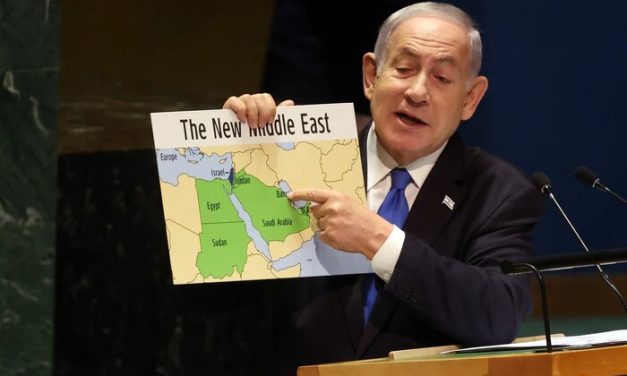
Commercial Exploitation of Peace; The Gaza Committee in Confrontation with International Legitimacy

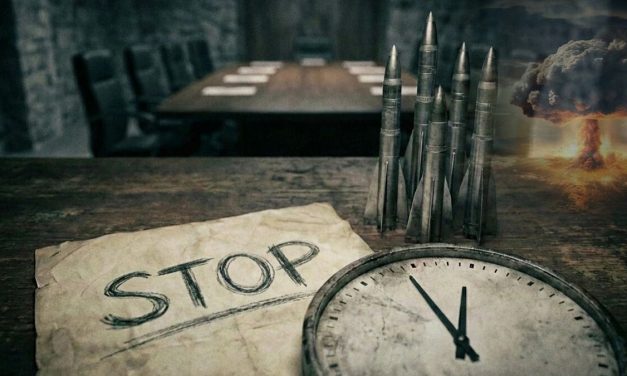
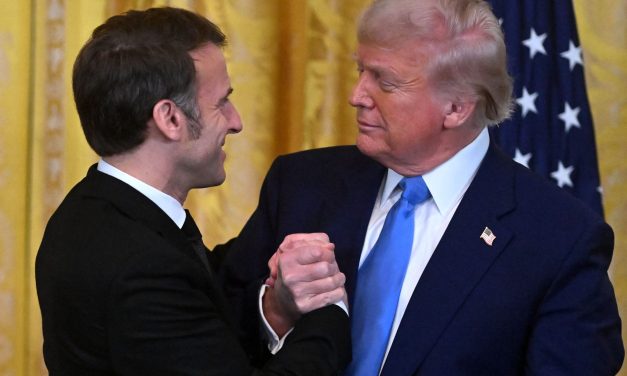
Strategic Council Online – Report: While the second phase of the implementation of the Gaza ceasefire has begun, the establishment of the “Peace Board” chaired by Donald Trump on the sidelines of the Davos meeting (22 January 2026) has become more than a technical mechanism for reconstruction and has turned into a test for the future of the international order.
Despite the signing of the charter by 22 out of 60 invited countries, the limited presence of global leaders at the Davos ceremony and the non-acceptance of this body by the European Union and key Western countries indicate a deep divide in global perceptions of the legitimacy of this mechanism.
In this report, drawing on the analysis of Hadi Borhani, a regional affairs expert, and international data, three strategic questions are addressed: Is the Peace Board an instrument for implementing UN Security Council Resolution 2803 or a substitute for the United Nations? How does the hierarchical architecture of this committee intensify executive challenges in Gaza? And finally, can this body create sustainable peace without the cooperation of Palestinians and with the concentration of power in the hands of a single individual?

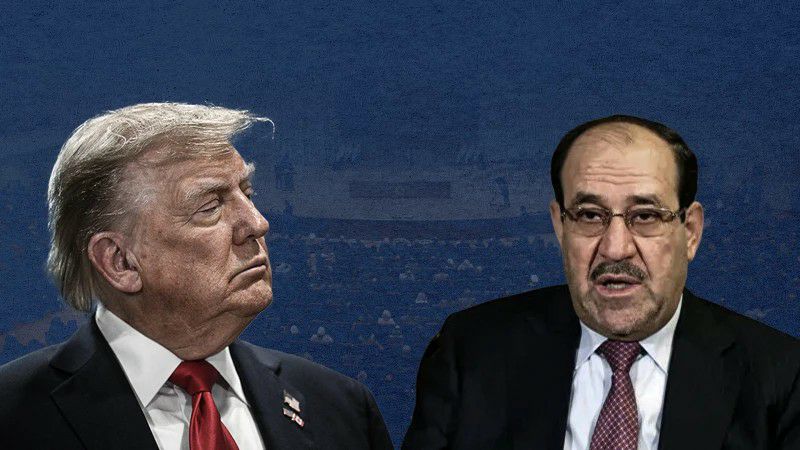
America’s Zero-Sum Game in Iraq

Online Strategic Council – Memoir: The swift selection of Nouri al-Maliki for the premiership constitutes a new phase in Iraq’s political sphere. Multiple factors have played a role in this process, the most important being the prevailing situation in Iraq and the region. Under such circumstances, Iraq requires a powerful and experienced prime minister who can keep the country away from the dangers of wars and crises.

America’s Strategy for Creating Tension in the Asia-Pacific

Strategic Council Online – Opinion: Relations between some countries in the Asia-Pacific region, such as China and Japan or China and Australia, which were previously relatively normal, are trending towards deterioration, and the primary reason for this is the aggressive policies of the United States of America.

The Collapse of the European Security Illusion with the Continuation of the Ukraine War?

Strategic Council Online – Interview: The Ukraine war has become a new turning point in the political, security, and even commercial relations of allies on both sides of the Atlantic. While this war is nearing its fourth year, many questions still remain regarding its future and its consequences; among them, will the continuation of the Ukraine war lead to the collapse of the European security illusion?

Loading

Iraq

America’s Zero-Sum Game in Iraq

America’s Zero-Sum Game in Iraq

Online Strategic Council – Memoir: The swift selection of Nouri al-Maliki for the premiership constitutes a new phase in Iraq’s political sphere. Multiple factors have played a role in this process, the most important being the prevailing situation in Iraq and the region. Under such circumstances, Iraq requires a powerful and experienced prime minister who can keep the country away from the dangers of wars and crises.

The Axis of Resistance and Regional Developments

The Axis of Resistance and Regional Developments

Strategic Council Online – Interview: A West Asia affairs expert said: More than two years after the Al-Aqsa Storm, the question today is: What is the status of the Axis of Resistance, and has it collapsed?

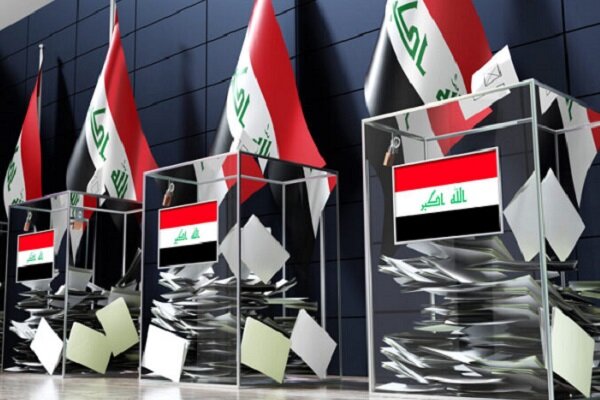
The Strategic Consequences of Iraq’s Recent Elections

The Strategic Consequences of Iraq’s Recent Elections

Strategic Council Online – Interview: An Iraqi affairs analyst stated: Selecting Iraq’s future prime minister, determining foreign policy, and managing the new Baghdad government’s relations with regional countries and the world require internal political consensus following the recent parliamentary elections.

Redefining the Discourse of Resistance After the 12-Day War

Redefining the Discourse of Resistance After the 12-Day War

Strategic Council Online – Interview: A West Asia affairs analyst said: After the 12-day war, Iran, by redefining the discourse of resistance and utilizing media diplomacy, strengthened its soft and regional legitimacy against the Western narrative.

The Impact of the Baghdad-Erbil Agreement on the Balance of Power in Iraq

The Impact of the Baghdad-Erbil Agreement on the Balance of Power in Iraq

Online Strategic Council – Interview: A West Asia affairs expert stated that oil exports from the Kurdistan Region have resumed after a halt of over two years, following a tripartite agreement between Baghdad, Erbil, and oil companies. These exports had been suspended since March 2023 due to a ruling by the Paris arbitration court against Turkey. The court stated that Ankara had violated the 1973 pipeline agreement with Baghdad by allowing Erbil to export oil independently since 2014. The Iraqi Ministry of Oil announced that oil exports have commenced at full capacity and are continuing without any technical issues. The ministry described the recent move as a significant step toward strengthening the management of national wealth. Officials of the Kurdistan Regional Government (KRG) also described this event as historic and a significant achievement for the whole of Iraq. On the other hand, the Baghdad government announced that the resumption of oil exports from the Kurdistan Region could add between $ 400 million and $ 500 million monthly to the federal budget and play a significant role in boosting national revenues.

An Analysis of Iraq’s Vision 2050 Plan: Challenges and Opportunities Ahead

An Analysis of Iraq’s Vision 2050 Plan: Challenges and Opportunities Ahead

Online Strategic Council – Interview: A West Asia affairs expert stated that the unveiling of Iraq’s Vision 2050 plan by its Prime Minister, Mohammed Shia’ Al-Sudani, is assessed as a turning point on the path of economic development and reducing the country’s dependence on oil revenues. This plan is designed to create a diversified economy, develop infrastructure, and position Iraq at the heart of Asia-Europe trade corridors. If realized, it could alter the region’s geopolitical equations. In this plan, Al-Sudani has emphasized diverting 20 percent of the Asia-Europe trade through Iraq, which, if successful, will make the country a key player in global trade. On the other hand, environmental crises, security challenges, and the necessity of reforming governance structures in Iraq have made this plan a multidimensional and complex issue. For Iran, the implementation of Vision 2050 not only creates economic opportunities in the fields of energy and transit but also provides the possibility of enhancing political and security cooperation. However, the success of this plan is contingent upon resolving internal obstacles and Baghdad’s smart management of foreign relations, an issue that could improve the future of Iran-Iraq interactions and the regional standing of both countries in the coming decades.

Consequences of Four Iraqi Shiite Groups Being Placed on the US Terrorist List

Consequences of Four Iraqi Shiite Groups Being Placed on the US Terrorist List

Strategic Council Online– Interview: A senior Iraqi affairs analyst stated that the recent action by the US Department of State in placing four Iraqi Shiite groups on the list of foreign terrorist organizations has not only seriously challenged Iraq’s security dimension but has also broadly overshadowed Baghdad’s political and diplomatic equations. This decision, interpreted as a continuation of Washington’s policy of maximum pressure in the region, could have multi-layered consequences for Iraq’s internal security, foreign relations, and even the balance of power. The groups affected by this decision are part of the official structure of the Popular Mobilization Forces (PMF) and were key players in the defeat of ISIS; therefore, their placement on the terrorist list is not only considered a threat against US interests but also calls into question the legitimacy and cohesion of Iraq’s security forces. This move could cast a shadow over the process of withdrawing US forces from Iraq and provide a pretext for the continuation of Washington’s military presence. Similarly, at the regional level, it further frees the hands of the Israeli regime for aggressive actions.

أحدث الوظائف

Commercial Exploitation of Peace; The Gaza Committee in Confrontation with International Legitimacy

Strategic Council Online – Report: While the second phase of the implementation of the Gaza ceasefire has begun, the establishment of the “Peace Board” chaired by Donald Trump on the sidelines of the Davos meeting (22 January 2026) has become more than a technical mechanism for reconstruction and has turned into a test for the future of the international order.
Despite the signing of the charter by 22 out of 60 invited countries, the limited presence of global leaders at the Davos ceremony and the non-acceptance of this body by the European Union and key Western countries indicate a deep divide in global perceptions of the legitimacy of this mechanism.
In this report, drawing on the analysis of Hadi Borhani, a regional affairs expert, and international data, three strategic questions are addressed: Is the Peace Board an instrument for implementing UN Security Council Resolution 2803 or a substitute for the United Nations? How does the hierarchical architecture of this committee intensify executive challenges in Gaza? And finally, can this body create sustainable peace without the cooperation of Palestinians and with the concentration of power in the hands of a single individual?

America’s Zero-Sum Game in Iraq

Online Strategic Council – Memoir: The swift selection of Nouri al-Maliki for the premiership constitutes a new phase in Iraq’s political sphere. Multiple factors have played a role in this process, the most important being the prevailing situation in Iraq and the region. Under such circumstances, Iraq requires a powerful and experienced prime minister who can keep the country away from the dangers of wars and crises.

America’s Strategy for Creating Tension in the Asia-Pacific

Strategic Council Online – Opinion: Relations between some countries in the Asia-Pacific region, such as China and Japan or China and Australia, which were previously relatively normal, are trending towards deterioration, and the primary reason for this is the aggressive policies of the United States of America.

The Collapse of the European Security Illusion with the Continuation of the Ukraine War?

Strategic Council Online – Interview: The Ukraine war has become a new turning point in the political, security, and even commercial relations of allies on both sides of the Atlantic. While this war is nearing its fourth year, many questions still remain regarding its future and its consequences; among them, will the continuation of the Ukraine war lead to the collapse of the European security illusion?

Loading

Iraq

America’s Zero-Sum Game in Iraq

America’s Zero-Sum Game in Iraq

Online Strategic Council – Memoir: The swift selection of Nouri al-Maliki for the premiership constitutes a new phase in Iraq’s political sphere. Multiple factors have played a role in this process, the most important being the prevailing situation in Iraq and the region. Under such circumstances, Iraq requires a powerful and experienced prime minister who can keep the country away from the dangers of wars and crises.

The Axis of Resistance and Regional Developments

The Axis of Resistance and Regional Developments

Strategic Council Online – Interview: A West Asia affairs expert said: More than two years after the Al-Aqsa Storm, the question today is: What is the status of the Axis of Resistance, and has it collapsed?

The Strategic Consequences of Iraq’s Recent Elections

The Strategic Consequences of Iraq’s Recent Elections

Strategic Council Online – Interview: An Iraqi affairs analyst stated: Selecting Iraq’s future prime minister, determining foreign policy, and managing the new Baghdad government’s relations with regional countries and the world require internal political consensus following the recent parliamentary elections.

Redefining the Discourse of Resistance After the 12-Day War

Redefining the Discourse of Resistance After the 12-Day War

Strategic Council Online – Interview: A West Asia affairs analyst said: After the 12-day war, Iran, by redefining the discourse of resistance and utilizing media diplomacy, strengthened its soft and regional legitimacy against the Western narrative.

The Impact of the Baghdad-Erbil Agreement on the Balance of Power in Iraq

The Impact of the Baghdad-Erbil Agreement on the Balance of Power in Iraq

Online Strategic Council – Interview: A West Asia affairs expert stated that oil exports from the Kurdistan Region have resumed after a halt of over two years, following a tripartite agreement between Baghdad, Erbil, and oil companies. These exports had been suspended since March 2023 due to a ruling by the Paris arbitration court against Turkey. The court stated that Ankara had violated the 1973 pipeline agreement with Baghdad by allowing Erbil to export oil independently since 2014. The Iraqi Ministry of Oil announced that oil exports have commenced at full capacity and are continuing without any technical issues. The ministry described the recent move as a significant step toward strengthening the management of national wealth. Officials of the Kurdistan Regional Government (KRG) also described this event as historic and a significant achievement for the whole of Iraq. On the other hand, the Baghdad government announced that the resumption of oil exports from the Kurdistan Region could add between $ 400 million and $ 500 million monthly to the federal budget and play a significant role in boosting national revenues.

An Analysis of Iraq’s Vision 2050 Plan: Challenges and Opportunities Ahead

An Analysis of Iraq’s Vision 2050 Plan: Challenges and Opportunities Ahead

Online Strategic Council – Interview: A West Asia affairs expert stated that the unveiling of Iraq’s Vision 2050 plan by its Prime Minister, Mohammed Shia’ Al-Sudani, is assessed as a turning point on the path of economic development and reducing the country’s dependence on oil revenues. This plan is designed to create a diversified economy, develop infrastructure, and position Iraq at the heart of Asia-Europe trade corridors. If realized, it could alter the region’s geopolitical equations. In this plan, Al-Sudani has emphasized diverting 20 percent of the Asia-Europe trade through Iraq, which, if successful, will make the country a key player in global trade. On the other hand, environmental crises, security challenges, and the necessity of reforming governance structures in Iraq have made this plan a multidimensional and complex issue. For Iran, the implementation of Vision 2050 not only creates economic opportunities in the fields of energy and transit but also provides the possibility of enhancing political and security cooperation. However, the success of this plan is contingent upon resolving internal obstacles and Baghdad’s smart management of foreign relations, an issue that could improve the future of Iran-Iraq interactions and the regional standing of both countries in the coming decades.

Consequences of Four Iraqi Shiite Groups Being Placed on the US Terrorist List

Consequences of Four Iraqi Shiite Groups Being Placed on the US Terrorist List

Strategic Council Online– Interview: A senior Iraqi affairs analyst stated that the recent action by the US Department of State in placing four Iraqi Shiite groups on the list of foreign terrorist organizations has not only seriously challenged Iraq’s security dimension but has also broadly overshadowed Baghdad’s political and diplomatic equations. This decision, interpreted as a continuation of Washington’s policy of maximum pressure in the region, could have multi-layered consequences for Iraq’s internal security, foreign relations, and even the balance of power. The groups affected by this decision are part of the official structure of the Popular Mobilization Forces (PMF) and were key players in the defeat of ISIS; therefore, their placement on the terrorist list is not only considered a threat against US interests but also calls into question the legitimacy and cohesion of Iraq’s security forces. This move could cast a shadow over the process of withdrawing US forces from Iraq and provide a pretext for the continuation of Washington’s military presence. Similarly, at the regional level, it further frees the hands of the Israeli regime for aggressive actions.

Iraq

America’s Zero-Sum Game in Iraq

America’s Zero-Sum Game in Iraq

Online Strategic Council – Memoir: The swift selection of Nouri al-Maliki for the premiership constitutes a new phase in Iraq’s political sphere. Multiple factors have played a role in this process, the most important being the prevailing situation in Iraq and the region. Under such circumstances, Iraq requires a powerful and experienced prime minister who can keep the country away from the dangers of wars and crises.

The Axis of Resistance and Regional Developments

The Axis of Resistance and Regional Developments

Strategic Council Online – Interview: A West Asia affairs expert said: More than two years after the Al-Aqsa Storm, the question today is: What is the status of the Axis of Resistance, and has it collapsed?

The Strategic Consequences of Iraq’s Recent Elections

The Strategic Consequences of Iraq’s Recent Elections

Strategic Council Online – Interview: An Iraqi affairs analyst stated: Selecting Iraq’s future prime minister, determining foreign policy, and managing the new Baghdad government’s relations with regional countries and the world require internal political consensus following the recent parliamentary elections.

Redefining the Discourse of Resistance After the 12-Day War

Redefining the Discourse of Resistance After the 12-Day War

Strategic Council Online – Interview: A West Asia affairs analyst said: After the 12-day war, Iran, by redefining the discourse of resistance and utilizing media diplomacy, strengthened its soft and regional legitimacy against the Western narrative.

The Impact of the Baghdad-Erbil Agreement on the Balance of Power in Iraq

The Impact of the Baghdad-Erbil Agreement on the Balance of Power in Iraq

Online Strategic Council – Interview: A West Asia affairs expert stated that oil exports from the Kurdistan Region have resumed after a halt of over two years, following a tripartite agreement between Baghdad, Erbil, and oil companies. These exports had been suspended since March 2023 due to a ruling by the Paris arbitration court against Turkey. The court stated that Ankara had violated the 1973 pipeline agreement with Baghdad by allowing Erbil to export oil independently since 2014. The Iraqi Ministry of Oil announced that oil exports have commenced at full capacity and are continuing without any technical issues. The ministry described the recent move as a significant step toward strengthening the management of national wealth. Officials of the Kurdistan Regional Government (KRG) also described this event as historic and a significant achievement for the whole of Iraq. On the other hand, the Baghdad government announced that the resumption of oil exports from the Kurdistan Region could add between $ 400 million and $ 500 million monthly to the federal budget and play a significant role in boosting national revenues.

An Analysis of Iraq’s Vision 2050 Plan: Challenges and Opportunities Ahead

An Analysis of Iraq’s Vision 2050 Plan: Challenges and Opportunities Ahead

Online Strategic Council – Interview: A West Asia affairs expert stated that the unveiling of Iraq’s Vision 2050 plan by its Prime Minister, Mohammed Shia’ Al-Sudani, is assessed as a turning point on the path of economic development and reducing the country’s dependence on oil revenues. This plan is designed to create a diversified economy, develop infrastructure, and position Iraq at the heart of Asia-Europe trade corridors. If realized, it could alter the region’s geopolitical equations. In this plan, Al-Sudani has emphasized diverting 20 percent of the Asia-Europe trade through Iraq, which, if successful, will make the country a key player in global trade. On the other hand, environmental crises, security challenges, and the necessity of reforming governance structures in Iraq have made this plan a multidimensional and complex issue. For Iran, the implementation of Vision 2050 not only creates economic opportunities in the fields of energy and transit but also provides the possibility of enhancing political and security cooperation. However, the success of this plan is contingent upon resolving internal obstacles and Baghdad’s smart management of foreign relations, an issue that could improve the future of Iran-Iraq interactions and the regional standing of both countries in the coming decades.

Consequences of Four Iraqi Shiite Groups Being Placed on the US Terrorist List

Consequences of Four Iraqi Shiite Groups Being Placed on the US Terrorist List

Strategic Council Online– Interview: A senior Iraqi affairs analyst stated that the recent action by the US Department of State in placing four Iraqi Shiite groups on the list of foreign terrorist organizations has not only seriously challenged Iraq’s security dimension but has also broadly overshadowed Baghdad’s political and diplomatic equations. This decision, interpreted as a continuation of Washington’s policy of maximum pressure in the region, could have multi-layered consequences for Iraq’s internal security, foreign relations, and even the balance of power. The groups affected by this decision are part of the official structure of the Popular Mobilization Forces (PMF) and were key players in the defeat of ISIS; therefore, their placement on the terrorist list is not only considered a threat against US interests but also calls into question the legitimacy and cohesion of Iraq’s security forces. This move could cast a shadow over the process of withdrawing US forces from Iraq and provide a pretext for the continuation of Washington’s military presence. Similarly, at the regional level, it further frees the hands of the Israeli regime for aggressive actions.

LATEST CONTENT

Commercial Exploitation of Peace; The Gaza Committee in Confrontation with International Legitimacy

Strategic Council Online – Report: While the second phase of the implementation of the Gaza ceasefire has begun, the establishment of the “Peace Board” chaired by Donald Trump on the sidelines of the Davos meeting (22 January 2026) has become more than a technical mechanism for reconstruction and has turned into a test for the future of the international order.
Despite the signing of the charter by 22 out of 60 invited countries, the limited presence of global leaders at the Davos ceremony and the non-acceptance of this body by the European Union and key Western countries indicate a deep divide in global perceptions of the legitimacy of this mechanism.
In this report, drawing on the analysis of Hadi Borhani, a regional affairs expert, and international data, three strategic questions are addressed: Is the Peace Board an instrument for implementing UN Security Council Resolution 2803 or a substitute for the United Nations? How does the hierarchical architecture of this committee intensify executive challenges in Gaza? And finally, can this body create sustainable peace without the cooperation of Palestinians and with the concentration of power in the hands of a single individual?

America’s Zero-Sum Game in Iraq

Online Strategic Council – Memoir: The swift selection of Nouri al-Maliki for the premiership constitutes a new phase in Iraq’s political sphere. Multiple factors have played a role in this process, the most important being the prevailing situation in Iraq and the region. Under such circumstances, Iraq requires a powerful and experienced prime minister who can keep the country away from the dangers of wars and crises.

America’s Strategy for Creating Tension in the Asia-Pacific

Strategic Council Online – Opinion: Relations between some countries in the Asia-Pacific region, such as China and Japan or China and Australia, which were previously relatively normal, are trending towards deterioration, and the primary reason for this is the aggressive policies of the United States of America.

The Collapse of the European Security Illusion with the Continuation of the Ukraine War?

Strategic Council Online – Interview: The Ukraine war has become a new turning point in the political, security, and even commercial relations of allies on both sides of the Atlantic. While this war is nearing its fourth year, many questions still remain regarding its future and its consequences; among them, will the continuation of the Ukraine war lead to the collapse of the European security illusion?

Loading

Iraq

America’s Zero-Sum Game in Iraq

America’s Zero-Sum Game in Iraq

Online Strategic Council – Memoir: The swift selection of Nouri al-Maliki for the premiership constitutes a new phase in Iraq’s political sphere. Multiple factors have played a role in this process, the most important being the prevailing situation in Iraq and the region. Under such circumstances, Iraq requires a powerful and experienced prime minister who can keep the country away from the dangers of wars and crises.

The Axis of Resistance and Regional Developments

The Axis of Resistance and Regional Developments

Strategic Council Online – Interview: A West Asia affairs expert said: More than two years after the Al-Aqsa Storm, the question today is: What is the status of the Axis of Resistance, and has it collapsed?

The Strategic Consequences of Iraq’s Recent Elections

The Strategic Consequences of Iraq’s Recent Elections

Strategic Council Online – Interview: An Iraqi affairs analyst stated: Selecting Iraq’s future prime minister, determining foreign policy, and managing the new Baghdad government’s relations with regional countries and the world require internal political consensus following the recent parliamentary elections.

Redefining the Discourse of Resistance After the 12-Day War

Redefining the Discourse of Resistance After the 12-Day War

Strategic Council Online – Interview: A West Asia affairs analyst said: After the 12-day war, Iran, by redefining the discourse of resistance and utilizing media diplomacy, strengthened its soft and regional legitimacy against the Western narrative.

The Impact of the Baghdad-Erbil Agreement on the Balance of Power in Iraq

The Impact of the Baghdad-Erbil Agreement on the Balance of Power in Iraq

Online Strategic Council – Interview: A West Asia affairs expert stated that oil exports from the Kurdistan Region have resumed after a halt of over two years, following a tripartite agreement between Baghdad, Erbil, and oil companies. These exports had been suspended since March 2023 due to a ruling by the Paris arbitration court against Turkey. The court stated that Ankara had violated the 1973 pipeline agreement with Baghdad by allowing Erbil to export oil independently since 2014. The Iraqi Ministry of Oil announced that oil exports have commenced at full capacity and are continuing without any technical issues. The ministry described the recent move as a significant step toward strengthening the management of national wealth. Officials of the Kurdistan Regional Government (KRG) also described this event as historic and a significant achievement for the whole of Iraq. On the other hand, the Baghdad government announced that the resumption of oil exports from the Kurdistan Region could add between $ 400 million and $ 500 million monthly to the federal budget and play a significant role in boosting national revenues.

An Analysis of Iraq’s Vision 2050 Plan: Challenges and Opportunities Ahead

An Analysis of Iraq’s Vision 2050 Plan: Challenges and Opportunities Ahead

Online Strategic Council – Interview: A West Asia affairs expert stated that the unveiling of Iraq’s Vision 2050 plan by its Prime Minister, Mohammed Shia’ Al-Sudani, is assessed as a turning point on the path of economic development and reducing the country’s dependence on oil revenues. This plan is designed to create a diversified economy, develop infrastructure, and position Iraq at the heart of Asia-Europe trade corridors. If realized, it could alter the region’s geopolitical equations. In this plan, Al-Sudani has emphasized diverting 20 percent of the Asia-Europe trade through Iraq, which, if successful, will make the country a key player in global trade. On the other hand, environmental crises, security challenges, and the necessity of reforming governance structures in Iraq have made this plan a multidimensional and complex issue. For Iran, the implementation of Vision 2050 not only creates economic opportunities in the fields of energy and transit but also provides the possibility of enhancing political and security cooperation. However, the success of this plan is contingent upon resolving internal obstacles and Baghdad’s smart management of foreign relations, an issue that could improve the future of Iran-Iraq interactions and the regional standing of both countries in the coming decades.

Consequences of Four Iraqi Shiite Groups Being Placed on the US Terrorist List

Consequences of Four Iraqi Shiite Groups Being Placed on the US Terrorist List

Strategic Council Online– Interview: A senior Iraqi affairs analyst stated that the recent action by the US Department of State in placing four Iraqi Shiite groups on the list of foreign terrorist organizations has not only seriously challenged Iraq’s security dimension but has also broadly overshadowed Baghdad’s political and diplomatic equations. This decision, interpreted as a continuation of Washington’s policy of maximum pressure in the region, could have multi-layered consequences for Iraq’s internal security, foreign relations, and even the balance of power. The groups affected by this decision are part of the official structure of the Popular Mobilization Forces (PMF) and were key players in the defeat of ISIS; therefore, their placement on the terrorist list is not only considered a threat against US interests but also calls into question the legitimacy and cohesion of Iraq’s security forces. This move could cast a shadow over the process of withdrawing US forces from Iraq and provide a pretext for the continuation of Washington’s military presence. Similarly, at the regional level, it further frees the hands of the Israeli regime for aggressive actions.

ÚLTIMAS PUBLICACIONES

Commercial Exploitation of Peace; The Gaza Committee in Confrontation with International Legitimacy

Strategic Council Online – Report: While the second phase of the implementation of the Gaza ceasefire has begun, the establishment of the “Peace Board” chaired by Donald Trump on the sidelines of the Davos meeting (22 January 2026) has become more than a technical mechanism for reconstruction and has turned into a test for the future of the international order.
Despite the signing of the charter by 22 out of 60 invited countries, the limited presence of global leaders at the Davos ceremony and the non-acceptance of this body by the European Union and key Western countries indicate a deep divide in global perceptions of the legitimacy of this mechanism.
In this report, drawing on the analysis of Hadi Borhani, a regional affairs expert, and international data, three strategic questions are addressed: Is the Peace Board an instrument for implementing UN Security Council Resolution 2803 or a substitute for the United Nations? How does the hierarchical architecture of this committee intensify executive challenges in Gaza? And finally, can this body create sustainable peace without the cooperation of Palestinians and with the concentration of power in the hands of a single individual?

America’s Zero-Sum Game in Iraq

Online Strategic Council – Memoir: The swift selection of Nouri al-Maliki for the premiership constitutes a new phase in Iraq’s political sphere. Multiple factors have played a role in this process, the most important being the prevailing situation in Iraq and the region. Under such circumstances, Iraq requires a powerful and experienced prime minister who can keep the country away from the dangers of wars and crises.

America’s Strategy for Creating Tension in the Asia-Pacific

Strategic Council Online – Opinion: Relations between some countries in the Asia-Pacific region, such as China and Japan or China and Australia, which were previously relatively normal, are trending towards deterioration, and the primary reason for this is the aggressive policies of the United States of America.

The Collapse of the European Security Illusion with the Continuation of the Ukraine War?

Strategic Council Online – Interview: The Ukraine war has become a new turning point in the political, security, and even commercial relations of allies on both sides of the Atlantic. While this war is nearing its fourth year, many questions still remain regarding its future and its consequences; among them, will the continuation of the Ukraine war lead to the collapse of the European security illusion?

Loading

Iraq

America’s Zero-Sum Game in Iraq

America’s Zero-Sum Game in Iraq

Online Strategic Council – Memoir: The swift selection of Nouri al-Maliki for the premiership constitutes a new phase in Iraq’s political sphere. Multiple factors have played a role in this process, the most important being the prevailing situation in Iraq and the region. Under such circumstances, Iraq requires a powerful and experienced prime minister who can keep the country away from the dangers of wars and crises.

The Axis of Resistance and Regional Developments

The Axis of Resistance and Regional Developments

Strategic Council Online – Interview: A West Asia affairs expert said: More than two years after the Al-Aqsa Storm, the question today is: What is the status of the Axis of Resistance, and has it collapsed?

The Strategic Consequences of Iraq’s Recent Elections

The Strategic Consequences of Iraq’s Recent Elections

Strategic Council Online – Interview: An Iraqi affairs analyst stated: Selecting Iraq’s future prime minister, determining foreign policy, and managing the new Baghdad government’s relations with regional countries and the world require internal political consensus following the recent parliamentary elections.

Redefining the Discourse of Resistance After the 12-Day War

Redefining the Discourse of Resistance After the 12-Day War

Strategic Council Online – Interview: A West Asia affairs analyst said: After the 12-day war, Iran, by redefining the discourse of resistance and utilizing media diplomacy, strengthened its soft and regional legitimacy against the Western narrative.

The Impact of the Baghdad-Erbil Agreement on the Balance of Power in Iraq

The Impact of the Baghdad-Erbil Agreement on the Balance of Power in Iraq

Online Strategic Council – Interview: A West Asia affairs expert stated that oil exports from the Kurdistan Region have resumed after a halt of over two years, following a tripartite agreement between Baghdad, Erbil, and oil companies. These exports had been suspended since March 2023 due to a ruling by the Paris arbitration court against Turkey. The court stated that Ankara had violated the 1973 pipeline agreement with Baghdad by allowing Erbil to export oil independently since 2014. The Iraqi Ministry of Oil announced that oil exports have commenced at full capacity and are continuing without any technical issues. The ministry described the recent move as a significant step toward strengthening the management of national wealth. Officials of the Kurdistan Regional Government (KRG) also described this event as historic and a significant achievement for the whole of Iraq. On the other hand, the Baghdad government announced that the resumption of oil exports from the Kurdistan Region could add between $ 400 million and $ 500 million monthly to the federal budget and play a significant role in boosting national revenues.

An Analysis of Iraq’s Vision 2050 Plan: Challenges and Opportunities Ahead

An Analysis of Iraq’s Vision 2050 Plan: Challenges and Opportunities Ahead

Online Strategic Council – Interview: A West Asia affairs expert stated that the unveiling of Iraq’s Vision 2050 plan by its Prime Minister, Mohammed Shia’ Al-Sudani, is assessed as a turning point on the path of economic development and reducing the country’s dependence on oil revenues. This plan is designed to create a diversified economy, develop infrastructure, and position Iraq at the heart of Asia-Europe trade corridors. If realized, it could alter the region’s geopolitical equations. In this plan, Al-Sudani has emphasized diverting 20 percent of the Asia-Europe trade through Iraq, which, if successful, will make the country a key player in global trade. On the other hand, environmental crises, security challenges, and the necessity of reforming governance structures in Iraq have made this plan a multidimensional and complex issue. For Iran, the implementation of Vision 2050 not only creates economic opportunities in the fields of energy and transit but also provides the possibility of enhancing political and security cooperation. However, the success of this plan is contingent upon resolving internal obstacles and Baghdad’s smart management of foreign relations, an issue that could improve the future of Iran-Iraq interactions and the regional standing of both countries in the coming decades.

Consequences of Four Iraqi Shiite Groups Being Placed on the US Terrorist List

Consequences of Four Iraqi Shiite Groups Being Placed on the US Terrorist List

Strategic Council Online– Interview: A senior Iraqi affairs analyst stated that the recent action by the US Department of State in placing four Iraqi Shiite groups on the list of foreign terrorist organizations has not only seriously challenged Iraq’s security dimension but has also broadly overshadowed Baghdad’s political and diplomatic equations. This decision, interpreted as a continuation of Washington’s policy of maximum pressure in the region, could have multi-layered consequences for Iraq’s internal security, foreign relations, and even the balance of power. The groups affected by this decision are part of the official structure of the Popular Mobilization Forces (PMF) and were key players in the defeat of ISIS; therefore, their placement on the terrorist list is not only considered a threat against US interests but also calls into question the legitimacy and cohesion of Iraq’s security forces. This move could cast a shadow over the process of withdrawing US forces from Iraq and provide a pretext for the continuation of Washington’s military presence. Similarly, at the regional level, it further frees the hands of the Israeli regime for aggressive actions.

ÚLTIMAS PUBLICACIONES

Commercial Exploitation of Peace; The Gaza Committee in Confrontation with International Legitimacy

Strategic Council Online – Report: While the second phase of the implementation of the Gaza ceasefire has begun, the establishment of the “Peace Board” chaired by Donald Trump on the sidelines of the Davos meeting (22 January 2026) has become more than a technical mechanism for reconstruction and has turned into a test for the future of the international order.
Despite the signing of the charter by 22 out of 60 invited countries, the limited presence of global leaders at the Davos ceremony and the non-acceptance of this body by the European Union and key Western countries indicate a deep divide in global perceptions of the legitimacy of this mechanism.
In this report, drawing on the analysis of Hadi Borhani, a regional affairs expert, and international data, three strategic questions are addressed: Is the Peace Board an instrument for implementing UN Security Council Resolution 2803 or a substitute for the United Nations? How does the hierarchical architecture of this committee intensify executive challenges in Gaza? And finally, can this body create sustainable peace without the cooperation of Palestinians and with the concentration of power in the hands of a single individual?

America’s Zero-Sum Game in Iraq

Online Strategic Council – Memoir: The swift selection of Nouri al-Maliki for the premiership constitutes a new phase in Iraq’s political sphere. Multiple factors have played a role in this process, the most important being the prevailing situation in Iraq and the region. Under such circumstances, Iraq requires a powerful and experienced prime minister who can keep the country away from the dangers of wars and crises.

America’s Strategy for Creating Tension in the Asia-Pacific

Strategic Council Online – Opinion: Relations between some countries in the Asia-Pacific region, such as China and Japan or China and Australia, which were previously relatively normal, are trending towards deterioration, and the primary reason for this is the aggressive policies of the United States of America.

The Collapse of the European Security Illusion with the Continuation of the Ukraine War?

Strategic Council Online – Interview: The Ukraine war has become a new turning point in the political, security, and even commercial relations of allies on both sides of the Atlantic. While this war is nearing its fourth year, many questions still remain regarding its future and its consequences; among them, will the continuation of the Ukraine war lead to the collapse of the European security illusion?

Loading

Iraq

America’s Zero-Sum Game in Iraq

America’s Zero-Sum Game in Iraq

Online Strategic Council – Memoir: The swift selection of Nouri al-Maliki for the premiership constitutes a new phase in Iraq’s political sphere. Multiple factors have played a role in this process, the most important being the prevailing situation in Iraq and the region. Under such circumstances, Iraq requires a powerful and experienced prime minister who can keep the country away from the dangers of wars and crises.

The Axis of Resistance and Regional Developments

The Axis of Resistance and Regional Developments

Strategic Council Online – Interview: A West Asia affairs expert said: More than two years after the Al-Aqsa Storm, the question today is: What is the status of the Axis of Resistance, and has it collapsed?

The Strategic Consequences of Iraq’s Recent Elections

The Strategic Consequences of Iraq’s Recent Elections

Strategic Council Online – Interview: An Iraqi affairs analyst stated: Selecting Iraq’s future prime minister, determining foreign policy, and managing the new Baghdad government’s relations with regional countries and the world require internal political consensus following the recent parliamentary elections.

Redefining the Discourse of Resistance After the 12-Day War

Redefining the Discourse of Resistance After the 12-Day War

Strategic Council Online – Interview: A West Asia affairs analyst said: After the 12-day war, Iran, by redefining the discourse of resistance and utilizing media diplomacy, strengthened its soft and regional legitimacy against the Western narrative.

The Impact of the Baghdad-Erbil Agreement on the Balance of Power in Iraq

The Impact of the Baghdad-Erbil Agreement on the Balance of Power in Iraq

Online Strategic Council – Interview: A West Asia affairs expert stated that oil exports from the Kurdistan Region have resumed after a halt of over two years, following a tripartite agreement between Baghdad, Erbil, and oil companies. These exports had been suspended since March 2023 due to a ruling by the Paris arbitration court against Turkey. The court stated that Ankara had violated the 1973 pipeline agreement with Baghdad by allowing Erbil to export oil independently since 2014. The Iraqi Ministry of Oil announced that oil exports have commenced at full capacity and are continuing without any technical issues. The ministry described the recent move as a significant step toward strengthening the management of national wealth. Officials of the Kurdistan Regional Government (KRG) also described this event as historic and a significant achievement for the whole of Iraq. On the other hand, the Baghdad government announced that the resumption of oil exports from the Kurdistan Region could add between $ 400 million and $ 500 million monthly to the federal budget and play a significant role in boosting national revenues.

An Analysis of Iraq’s Vision 2050 Plan: Challenges and Opportunities Ahead

An Analysis of Iraq’s Vision 2050 Plan: Challenges and Opportunities Ahead

Online Strategic Council – Interview: A West Asia affairs expert stated that the unveiling of Iraq’s Vision 2050 plan by its Prime Minister, Mohammed Shia’ Al-Sudani, is assessed as a turning point on the path of economic development and reducing the country’s dependence on oil revenues. This plan is designed to create a diversified economy, develop infrastructure, and position Iraq at the heart of Asia-Europe trade corridors. If realized, it could alter the region’s geopolitical equations. In this plan, Al-Sudani has emphasized diverting 20 percent of the Asia-Europe trade through Iraq, which, if successful, will make the country a key player in global trade. On the other hand, environmental crises, security challenges, and the necessity of reforming governance structures in Iraq have made this plan a multidimensional and complex issue. For Iran, the implementation of Vision 2050 not only creates economic opportunities in the fields of energy and transit but also provides the possibility of enhancing political and security cooperation. However, the success of this plan is contingent upon resolving internal obstacles and Baghdad’s smart management of foreign relations, an issue that could improve the future of Iran-Iraq interactions and the regional standing of both countries in the coming decades.

Consequences of Four Iraqi Shiite Groups Being Placed on the US Terrorist List

Consequences of Four Iraqi Shiite Groups Being Placed on the US Terrorist List

Strategic Council Online– Interview: A senior Iraqi affairs analyst stated that the recent action by the US Department of State in placing four Iraqi Shiite groups on the list of foreign terrorist organizations has not only seriously challenged Iraq’s security dimension but has also broadly overshadowed Baghdad’s political and diplomatic equations. This decision, interpreted as a continuation of Washington’s policy of maximum pressure in the region, could have multi-layered consequences for Iraq’s internal security, foreign relations, and even the balance of power. The groups affected by this decision are part of the official structure of the Popular Mobilization Forces (PMF) and were key players in the defeat of ISIS; therefore, their placement on the terrorist list is not only considered a threat against US interests but also calls into question the legitimacy and cohesion of Iraq’s security forces. This move could cast a shadow over the process of withdrawing US forces from Iraq and provide a pretext for the continuation of Washington’s military presence. Similarly, at the regional level, it further frees the hands of the Israeli regime for aggressive actions.

ÚLTIMAS PUBLICACIONES

Commercial Exploitation of Peace; The Gaza Committee in Confrontation with International Legitimacy

Strategic Council Online – Report: While the second phase of the implementation of the Gaza ceasefire has begun, the establishment of the “Peace Board” chaired by Donald Trump on the sidelines of the Davos meeting (22 January 2026) has become more than a technical mechanism for reconstruction and has turned into a test for the future of the international order.
Despite the signing of the charter by 22 out of 60 invited countries, the limited presence of global leaders at the Davos ceremony and the non-acceptance of this body by the European Union and key Western countries indicate a deep divide in global perceptions of the legitimacy of this mechanism.
In this report, drawing on the analysis of Hadi Borhani, a regional affairs expert, and international data, three strategic questions are addressed: Is the Peace Board an instrument for implementing UN Security Council Resolution 2803 or a substitute for the United Nations? How does the hierarchical architecture of this committee intensify executive challenges in Gaza? And finally, can this body create sustainable peace without the cooperation of Palestinians and with the concentration of power in the hands of a single individual?

America’s Zero-Sum Game in Iraq

Online Strategic Council – Memoir: The swift selection of Nouri al-Maliki for the premiership constitutes a new phase in Iraq’s political sphere. Multiple factors have played a role in this process, the most important being the prevailing situation in Iraq and the region. Under such circumstances, Iraq requires a powerful and experienced prime minister who can keep the country away from the dangers of wars and crises.

America’s Strategy for Creating Tension in the Asia-Pacific

Strategic Council Online – Opinion: Relations between some countries in the Asia-Pacific region, such as China and Japan or China and Australia, which were previously relatively normal, are trending towards deterioration, and the primary reason for this is the aggressive policies of the United States of America.

The Collapse of the European Security Illusion with the Continuation of the Ukraine War?

Strategic Council Online – Interview: The Ukraine war has become a new turning point in the political, security, and even commercial relations of allies on both sides of the Atlantic. While this war is nearing its fourth year, many questions still remain regarding its future and its consequences; among them, will the continuation of the Ukraine war lead to the collapse of the European security illusion?

Loading

Iraq

America’s Zero-Sum Game in Iraq

America’s Zero-Sum Game in Iraq

Online Strategic Council – Memoir: The swift selection of Nouri al-Maliki for the premiership constitutes a new phase in Iraq’s political sphere. Multiple factors have played a role in this process, the most important being the prevailing situation in Iraq and the region. Under such circumstances, Iraq requires a powerful and experienced prime minister who can keep the country away from the dangers of wars and crises.

The Axis of Resistance and Regional Developments

The Axis of Resistance and Regional Developments

Strategic Council Online – Interview: A West Asia affairs expert said: More than two years after the Al-Aqsa Storm, the question today is: What is the status of the Axis of Resistance, and has it collapsed?

The Strategic Consequences of Iraq’s Recent Elections

The Strategic Consequences of Iraq’s Recent Elections

Strategic Council Online – Interview: An Iraqi affairs analyst stated: Selecting Iraq’s future prime minister, determining foreign policy, and managing the new Baghdad government’s relations with regional countries and the world require internal political consensus following the recent parliamentary elections.

Redefining the Discourse of Resistance After the 12-Day War

Redefining the Discourse of Resistance After the 12-Day War

Strategic Council Online – Interview: A West Asia affairs analyst said: After the 12-day war, Iran, by redefining the discourse of resistance and utilizing media diplomacy, strengthened its soft and regional legitimacy against the Western narrative.

The Impact of the Baghdad-Erbil Agreement on the Balance of Power in Iraq

The Impact of the Baghdad-Erbil Agreement on the Balance of Power in Iraq

Online Strategic Council – Interview: A West Asia affairs expert stated that oil exports from the Kurdistan Region have resumed after a halt of over two years, following a tripartite agreement between Baghdad, Erbil, and oil companies. These exports had been suspended since March 2023 due to a ruling by the Paris arbitration court against Turkey. The court stated that Ankara had violated the 1973 pipeline agreement with Baghdad by allowing Erbil to export oil independently since 2014. The Iraqi Ministry of Oil announced that oil exports have commenced at full capacity and are continuing without any technical issues. The ministry described the recent move as a significant step toward strengthening the management of national wealth. Officials of the Kurdistan Regional Government (KRG) also described this event as historic and a significant achievement for the whole of Iraq. On the other hand, the Baghdad government announced that the resumption of oil exports from the Kurdistan Region could add between $ 400 million and $ 500 million monthly to the federal budget and play a significant role in boosting national revenues.

An Analysis of Iraq’s Vision 2050 Plan: Challenges and Opportunities Ahead

An Analysis of Iraq’s Vision 2050 Plan: Challenges and Opportunities Ahead

Online Strategic Council – Interview: A West Asia affairs expert stated that the unveiling of Iraq’s Vision 2050 plan by its Prime Minister, Mohammed Shia’ Al-Sudani, is assessed as a turning point on the path of economic development and reducing the country’s dependence on oil revenues. This plan is designed to create a diversified economy, develop infrastructure, and position Iraq at the heart of Asia-Europe trade corridors. If realized, it could alter the region’s geopolitical equations. In this plan, Al-Sudani has emphasized diverting 20 percent of the Asia-Europe trade through Iraq, which, if successful, will make the country a key player in global trade. On the other hand, environmental crises, security challenges, and the necessity of reforming governance structures in Iraq have made this plan a multidimensional and complex issue. For Iran, the implementation of Vision 2050 not only creates economic opportunities in the fields of energy and transit but also provides the possibility of enhancing political and security cooperation. However, the success of this plan is contingent upon resolving internal obstacles and Baghdad’s smart management of foreign relations, an issue that could improve the future of Iran-Iraq interactions and the regional standing of both countries in the coming decades.

Consequences of Four Iraqi Shiite Groups Being Placed on the US Terrorist List

Consequences of Four Iraqi Shiite Groups Being Placed on the US Terrorist List

Strategic Council Online– Interview: A senior Iraqi affairs analyst stated that the recent action by the US Department of State in placing four Iraqi Shiite groups on the list of foreign terrorist organizations has not only seriously challenged Iraq’s security dimension but has also broadly overshadowed Baghdad’s political and diplomatic equations. This decision, interpreted as a continuation of Washington’s policy of maximum pressure in the region, could have multi-layered consequences for Iraq’s internal security, foreign relations, and even the balance of power. The groups affected by this decision are part of the official structure of the Popular Mobilization Forces (PMF) and were key players in the defeat of ISIS; therefore, their placement on the terrorist list is not only considered a threat against US interests but also calls into question the legitimacy and cohesion of Iraq’s security forces. This move could cast a shadow over the process of withdrawing US forces from Iraq and provide a pretext for the continuation of Washington’s military presence. Similarly, at the regional level, it further frees the hands of the Israeli regime for aggressive actions.

ÚLTIMAS PUBLICACIONES

Commercial Exploitation of Peace; The Gaza Committee in Confrontation with International Legitimacy

Strategic Council Online – Report: While the second phase of the implementation of the Gaza ceasefire has begun, the establishment of the “Peace Board” chaired by Donald Trump on the sidelines of the Davos meeting (22 January 2026) has become more than a technical mechanism for reconstruction and has turned into a test for the future of the international order.
Despite the signing of the charter by 22 out of 60 invited countries, the limited presence of global leaders at the Davos ceremony and the non-acceptance of this body by the European Union and key Western countries indicate a deep divide in global perceptions of the legitimacy of this mechanism.
In this report, drawing on the analysis of Hadi Borhani, a regional affairs expert, and international data, three strategic questions are addressed: Is the Peace Board an instrument for implementing UN Security Council Resolution 2803 or a substitute for the United Nations? How does the hierarchical architecture of this committee intensify executive challenges in Gaza? And finally, can this body create sustainable peace without the cooperation of Palestinians and with the concentration of power in the hands of a single individual?

America’s Zero-Sum Game in Iraq

Online Strategic Council – Memoir: The swift selection of Nouri al-Maliki for the premiership constitutes a new phase in Iraq’s political sphere. Multiple factors have played a role in this process, the most important being the prevailing situation in Iraq and the region. Under such circumstances, Iraq requires a powerful and experienced prime minister who can keep the country away from the dangers of wars and crises.

America’s Strategy for Creating Tension in the Asia-Pacific

Strategic Council Online – Opinion: Relations between some countries in the Asia-Pacific region, such as China and Japan or China and Australia, which were previously relatively normal, are trending towards deterioration, and the primary reason for this is the aggressive policies of the United States of America.

The Collapse of the European Security Illusion with the Continuation of the Ukraine War?

Strategic Council Online – Interview: The Ukraine war has become a new turning point in the political, security, and even commercial relations of allies on both sides of the Atlantic. While this war is nearing its fourth year, many questions still remain regarding its future and its consequences; among them, will the continuation of the Ukraine war lead to the collapse of the European security illusion?

Loading