جدیدترین مطالب

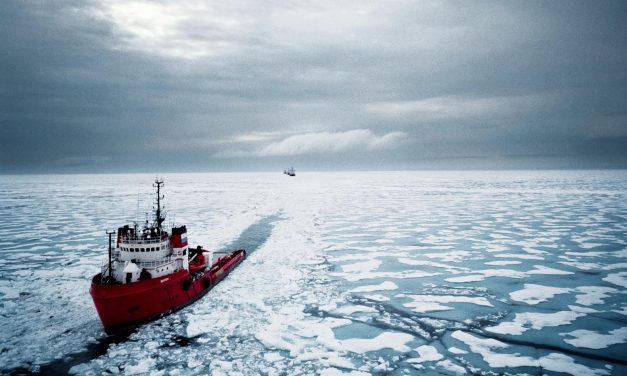
The Arctic; From Geographical Freezing to Geopolitical Boiling

Strategic Council Online – Opinion: The Arctic is no longer a frozen, remote periphery; it has become a live theater of great-power competition, where sea routes, port infrastructure, the law of the sea, and military deterrence are intertwined, shaping the future of maritime security.

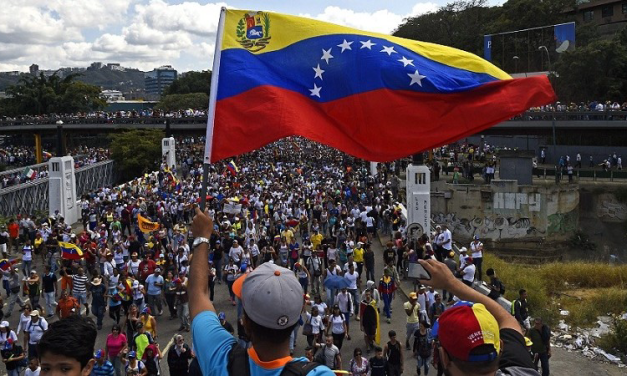
The Zionist Regime’s Time Bomb Activated in the West Bank

Strategic Council Online – Opinion: In the midst of America’s military deployment to West Asia and the Persian Gulf, which has increased tensions at the regional and global levels, the Zionist regime has seized the opportunity and accelerated the advancement of its ambitious projects, including the process of the illegal annexation of the West Bank to the occupied territories.

With the End of New START, How Will the Future of Nuclear Security Be Shaped?

Strategic Council Online – Opinion: With the collapse of the last pillar of nuclear arms control between Washington and Moscow, the world stands on the threshold of a ruleless order that both carries the scent of unlimited competition and conceals within itself the possibility of new forms of bargaining.

Loading

Extremism

Russia’s Strategy towards Afghanistan

Russia’s Strategy towards Afghanistan

Strategic Council Online – Note: The policy that Russia is currently pursuing in Afghanistan is an effort to fill the vacuum created by the US withdrawal from the country by strengthening its presence and influence through political mechanisms and security processes, unlike China, which uses mechanisms of economic, development, and investment programs in Afghanistan’s infrastructure in an effort to fill in the said gap.
Hamid Khoshayand – Analyst of International Affairs

Reasons of expediting the exit of America from Afghanistan

Reasons of expediting the exit of America from Afghanistan

Strategic Council Online—Interview: An expert of Afghanistan issues says on the reasons behind the decision by Joe Biden to withdraw military forces from Afghanistan by September that “it seems the main reason behind this decision is the prolongation of the presence of the US in Afghanistan as the US is present there close to two decades and in the meantime, various administrations in America have failed to realize the slogans they cried in these years.

An Analysis of Biden’s National Security Document and Its Difference from Trump Era

An Analysis of Biden’s National Security Document and Its Difference from Trump Era

Strategic Council Online – A faculty member of the Center for Strategic Studies, referring to the threats mentioned in the interim national security document of the Biden administration, said: This document emphasizes the competition between the great powers and the threat of changing the distribution of power in the international system and in the US foreign policy, unlike in the past, terrorism and extremism are no longer the primary threat to the US national security.

Dimensions of New Tensions between Islamabad & Delhi

Dimensions of New Tensions between Islamabad & Delhi

Strategic Council Online: An Asian affairs analyst attributed the recent tension between Islamabad and New Delhi to the Kashmir issue and to some extent to Afghanistan, saying Kashmir has become a symbolic and prestigious matter for both sides and despite the strong role of the two countries’ military in foreign policy, the BJP’s extreme nationalist stance and its negative view of Muslims will not only fail to resolve the differences between the two countries in the near future but will continue in the form of war of words, as well as political and sometimes military conflicts.

أحدث الوظائف

The Arctic; From Geographical Freezing to Geopolitical Boiling

Strategic Council Online – Opinion: The Arctic is no longer a frozen, remote periphery; it has become a live theater of great-power competition, where sea routes, port infrastructure, the law of the sea, and military deterrence are intertwined, shaping the future of maritime security.
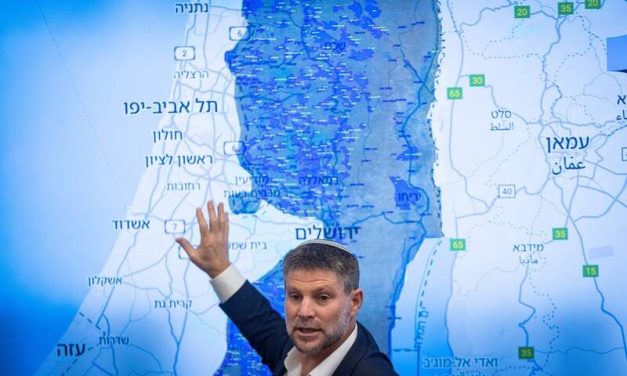
The Zionist Regime’s Time Bomb Activated in the West Bank

Strategic Council Online – Opinion: In the midst of America’s military deployment to West Asia and the Persian Gulf, which has increased tensions at the regional and global levels, the Zionist regime has seized the opportunity and accelerated the advancement of its ambitious projects, including the process of the illegal annexation of the West Bank to the occupied territories.

With the End of New START, How Will the Future of Nuclear Security Be Shaped?

Strategic Council Online – Opinion: With the collapse of the last pillar of nuclear arms control between Washington and Moscow, the world stands on the threshold of a ruleless order that both carries the scent of unlimited competition and conceals within itself the possibility of new forms of bargaining.

Loading

Extremism

Russia’s Strategy towards Afghanistan

Russia’s Strategy towards Afghanistan

Strategic Council Online – Note: The policy that Russia is currently pursuing in Afghanistan is an effort to fill the vacuum created by the US withdrawal from the country by strengthening its presence and influence through political mechanisms and security processes, unlike China, which uses mechanisms of economic, development, and investment programs in Afghanistan’s infrastructure in an effort to fill in the said gap.
Hamid Khoshayand – Analyst of International Affairs

Reasons of expediting the exit of America from Afghanistan

Reasons of expediting the exit of America from Afghanistan

Strategic Council Online—Interview: An expert of Afghanistan issues says on the reasons behind the decision by Joe Biden to withdraw military forces from Afghanistan by September that “it seems the main reason behind this decision is the prolongation of the presence of the US in Afghanistan as the US is present there close to two decades and in the meantime, various administrations in America have failed to realize the slogans they cried in these years.

An Analysis of Biden’s National Security Document and Its Difference from Trump Era

An Analysis of Biden’s National Security Document and Its Difference from Trump Era

Strategic Council Online – A faculty member of the Center for Strategic Studies, referring to the threats mentioned in the interim national security document of the Biden administration, said: This document emphasizes the competition between the great powers and the threat of changing the distribution of power in the international system and in the US foreign policy, unlike in the past, terrorism and extremism are no longer the primary threat to the US national security.

Dimensions of New Tensions between Islamabad & Delhi

Dimensions of New Tensions between Islamabad & Delhi

Strategic Council Online: An Asian affairs analyst attributed the recent tension between Islamabad and New Delhi to the Kashmir issue and to some extent to Afghanistan, saying Kashmir has become a symbolic and prestigious matter for both sides and despite the strong role of the two countries’ military in foreign policy, the BJP’s extreme nationalist stance and its negative view of Muslims will not only fail to resolve the differences between the two countries in the near future but will continue in the form of war of words, as well as political and sometimes military conflicts.

Extremism

Russia’s Strategy towards Afghanistan

Russia’s Strategy towards Afghanistan

Strategic Council Online – Note: The policy that Russia is currently pursuing in Afghanistan is an effort to fill the vacuum created by the US withdrawal from the country by strengthening its presence and influence through political mechanisms and security processes, unlike China, which uses mechanisms of economic, development, and investment programs in Afghanistan’s infrastructure in an effort to fill in the said gap.
Hamid Khoshayand – Analyst of International Affairs

Reasons of expediting the exit of America from Afghanistan

Reasons of expediting the exit of America from Afghanistan

Strategic Council Online—Interview: An expert of Afghanistan issues says on the reasons behind the decision by Joe Biden to withdraw military forces from Afghanistan by September that “it seems the main reason behind this decision is the prolongation of the presence of the US in Afghanistan as the US is present there close to two decades and in the meantime, various administrations in America have failed to realize the slogans they cried in these years.

An Analysis of Biden’s National Security Document and Its Difference from Trump Era

An Analysis of Biden’s National Security Document and Its Difference from Trump Era

Strategic Council Online – A faculty member of the Center for Strategic Studies, referring to the threats mentioned in the interim national security document of the Biden administration, said: This document emphasizes the competition between the great powers and the threat of changing the distribution of power in the international system and in the US foreign policy, unlike in the past, terrorism and extremism are no longer the primary threat to the US national security.

Dimensions of New Tensions between Islamabad & Delhi

Dimensions of New Tensions between Islamabad & Delhi

Strategic Council Online: An Asian affairs analyst attributed the recent tension between Islamabad and New Delhi to the Kashmir issue and to some extent to Afghanistan, saying Kashmir has become a symbolic and prestigious matter for both sides and despite the strong role of the two countries’ military in foreign policy, the BJP’s extreme nationalist stance and its negative view of Muslims will not only fail to resolve the differences between the two countries in the near future but will continue in the form of war of words, as well as political and sometimes military conflicts.

LATEST CONTENT

The Arctic; From Geographical Freezing to Geopolitical Boiling

Strategic Council Online – Opinion: The Arctic is no longer a frozen, remote periphery; it has become a live theater of great-power competition, where sea routes, port infrastructure, the law of the sea, and military deterrence are intertwined, shaping the future of maritime security.

The Zionist Regime’s Time Bomb Activated in the West Bank

Strategic Council Online – Opinion: In the midst of America’s military deployment to West Asia and the Persian Gulf, which has increased tensions at the regional and global levels, the Zionist regime has seized the opportunity and accelerated the advancement of its ambitious projects, including the process of the illegal annexation of the West Bank to the occupied territories.

With the End of New START, How Will the Future of Nuclear Security Be Shaped?

Strategic Council Online – Opinion: With the collapse of the last pillar of nuclear arms control between Washington and Moscow, the world stands on the threshold of a ruleless order that both carries the scent of unlimited competition and conceals within itself the possibility of new forms of bargaining.

Loading

Extremism

Russia’s Strategy towards Afghanistan

Russia’s Strategy towards Afghanistan

Strategic Council Online – Note: The policy that Russia is currently pursuing in Afghanistan is an effort to fill the vacuum created by the US withdrawal from the country by strengthening its presence and influence through political mechanisms and security processes, unlike China, which uses mechanisms of economic, development, and investment programs in Afghanistan’s infrastructure in an effort to fill in the said gap.
Hamid Khoshayand – Analyst of International Affairs

Reasons of expediting the exit of America from Afghanistan

Reasons of expediting the exit of America from Afghanistan

Strategic Council Online—Interview: An expert of Afghanistan issues says on the reasons behind the decision by Joe Biden to withdraw military forces from Afghanistan by September that “it seems the main reason behind this decision is the prolongation of the presence of the US in Afghanistan as the US is present there close to two decades and in the meantime, various administrations in America have failed to realize the slogans they cried in these years.

An Analysis of Biden’s National Security Document and Its Difference from Trump Era

An Analysis of Biden’s National Security Document and Its Difference from Trump Era

Strategic Council Online – A faculty member of the Center for Strategic Studies, referring to the threats mentioned in the interim national security document of the Biden administration, said: This document emphasizes the competition between the great powers and the threat of changing the distribution of power in the international system and in the US foreign policy, unlike in the past, terrorism and extremism are no longer the primary threat to the US national security.

Dimensions of New Tensions between Islamabad & Delhi

Dimensions of New Tensions between Islamabad & Delhi

Strategic Council Online: An Asian affairs analyst attributed the recent tension between Islamabad and New Delhi to the Kashmir issue and to some extent to Afghanistan, saying Kashmir has become a symbolic and prestigious matter for both sides and despite the strong role of the two countries’ military in foreign policy, the BJP’s extreme nationalist stance and its negative view of Muslims will not only fail to resolve the differences between the two countries in the near future but will continue in the form of war of words, as well as political and sometimes military conflicts.

ÚLTIMAS PUBLICACIONES

The Arctic; From Geographical Freezing to Geopolitical Boiling

Strategic Council Online – Opinion: The Arctic is no longer a frozen, remote periphery; it has become a live theater of great-power competition, where sea routes, port infrastructure, the law of the sea, and military deterrence are intertwined, shaping the future of maritime security.

The Zionist Regime’s Time Bomb Activated in the West Bank

Strategic Council Online – Opinion: In the midst of America’s military deployment to West Asia and the Persian Gulf, which has increased tensions at the regional and global levels, the Zionist regime has seized the opportunity and accelerated the advancement of its ambitious projects, including the process of the illegal annexation of the West Bank to the occupied territories.

With the End of New START, How Will the Future of Nuclear Security Be Shaped?

Strategic Council Online – Opinion: With the collapse of the last pillar of nuclear arms control between Washington and Moscow, the world stands on the threshold of a ruleless order that both carries the scent of unlimited competition and conceals within itself the possibility of new forms of bargaining.

Loading

Extremism

Russia’s Strategy towards Afghanistan

Russia’s Strategy towards Afghanistan

Strategic Council Online – Note: The policy that Russia is currently pursuing in Afghanistan is an effort to fill the vacuum created by the US withdrawal from the country by strengthening its presence and influence through political mechanisms and security processes, unlike China, which uses mechanisms of economic, development, and investment programs in Afghanistan’s infrastructure in an effort to fill in the said gap.
Hamid Khoshayand – Analyst of International Affairs

Reasons of expediting the exit of America from Afghanistan

Reasons of expediting the exit of America from Afghanistan

Strategic Council Online—Interview: An expert of Afghanistan issues says on the reasons behind the decision by Joe Biden to withdraw military forces from Afghanistan by September that “it seems the main reason behind this decision is the prolongation of the presence of the US in Afghanistan as the US is present there close to two decades and in the meantime, various administrations in America have failed to realize the slogans they cried in these years.

An Analysis of Biden’s National Security Document and Its Difference from Trump Era

An Analysis of Biden’s National Security Document and Its Difference from Trump Era

Strategic Council Online – A faculty member of the Center for Strategic Studies, referring to the threats mentioned in the interim national security document of the Biden administration, said: This document emphasizes the competition between the great powers and the threat of changing the distribution of power in the international system and in the US foreign policy, unlike in the past, terrorism and extremism are no longer the primary threat to the US national security.

Dimensions of New Tensions between Islamabad & Delhi

Dimensions of New Tensions between Islamabad & Delhi

Strategic Council Online: An Asian affairs analyst attributed the recent tension between Islamabad and New Delhi to the Kashmir issue and to some extent to Afghanistan, saying Kashmir has become a symbolic and prestigious matter for both sides and despite the strong role of the two countries’ military in foreign policy, the BJP’s extreme nationalist stance and its negative view of Muslims will not only fail to resolve the differences between the two countries in the near future but will continue in the form of war of words, as well as political and sometimes military conflicts.

ÚLTIMAS PUBLICACIONES

The Arctic; From Geographical Freezing to Geopolitical Boiling

Strategic Council Online – Opinion: The Arctic is no longer a frozen, remote periphery; it has become a live theater of great-power competition, where sea routes, port infrastructure, the law of the sea, and military deterrence are intertwined, shaping the future of maritime security.

The Zionist Regime’s Time Bomb Activated in the West Bank

Strategic Council Online – Opinion: In the midst of America’s military deployment to West Asia and the Persian Gulf, which has increased tensions at the regional and global levels, the Zionist regime has seized the opportunity and accelerated the advancement of its ambitious projects, including the process of the illegal annexation of the West Bank to the occupied territories.

With the End of New START, How Will the Future of Nuclear Security Be Shaped?

Strategic Council Online – Opinion: With the collapse of the last pillar of nuclear arms control between Washington and Moscow, the world stands on the threshold of a ruleless order that both carries the scent of unlimited competition and conceals within itself the possibility of new forms of bargaining.

Loading

Extremism

Russia’s Strategy towards Afghanistan

Russia’s Strategy towards Afghanistan

Strategic Council Online – Note: The policy that Russia is currently pursuing in Afghanistan is an effort to fill the vacuum created by the US withdrawal from the country by strengthening its presence and influence through political mechanisms and security processes, unlike China, which uses mechanisms of economic, development, and investment programs in Afghanistan’s infrastructure in an effort to fill in the said gap.
Hamid Khoshayand – Analyst of International Affairs

Reasons of expediting the exit of America from Afghanistan

Reasons of expediting the exit of America from Afghanistan

Strategic Council Online—Interview: An expert of Afghanistan issues says on the reasons behind the decision by Joe Biden to withdraw military forces from Afghanistan by September that “it seems the main reason behind this decision is the prolongation of the presence of the US in Afghanistan as the US is present there close to two decades and in the meantime, various administrations in America have failed to realize the slogans they cried in these years.

An Analysis of Biden’s National Security Document and Its Difference from Trump Era

An Analysis of Biden’s National Security Document and Its Difference from Trump Era

Strategic Council Online – A faculty member of the Center for Strategic Studies, referring to the threats mentioned in the interim national security document of the Biden administration, said: This document emphasizes the competition between the great powers and the threat of changing the distribution of power in the international system and in the US foreign policy, unlike in the past, terrorism and extremism are no longer the primary threat to the US national security.

Dimensions of New Tensions between Islamabad & Delhi

Dimensions of New Tensions between Islamabad & Delhi

Strategic Council Online: An Asian affairs analyst attributed the recent tension between Islamabad and New Delhi to the Kashmir issue and to some extent to Afghanistan, saying Kashmir has become a symbolic and prestigious matter for both sides and despite the strong role of the two countries’ military in foreign policy, the BJP’s extreme nationalist stance and its negative view of Muslims will not only fail to resolve the differences between the two countries in the near future but will continue in the form of war of words, as well as political and sometimes military conflicts.

ÚLTIMAS PUBLICACIONES

The Arctic; From Geographical Freezing to Geopolitical Boiling

Strategic Council Online – Opinion: The Arctic is no longer a frozen, remote periphery; it has become a live theater of great-power competition, where sea routes, port infrastructure, the law of the sea, and military deterrence are intertwined, shaping the future of maritime security.
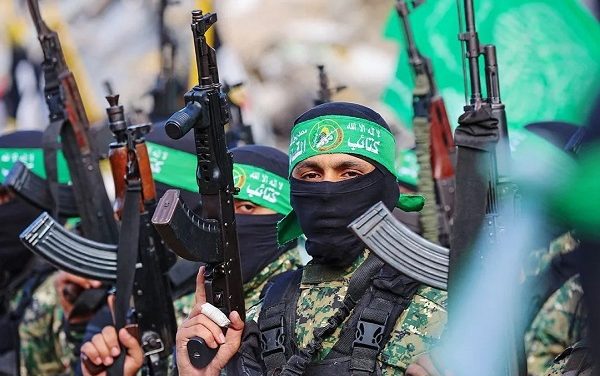
The Zionist Regime’s Time Bomb Activated in the West Bank

Strategic Council Online – Opinion: In the midst of America’s military deployment to West Asia and the Persian Gulf, which has increased tensions at the regional and global levels, the Zionist regime has seized the opportunity and accelerated the advancement of its ambitious projects, including the process of the illegal annexation of the West Bank to the occupied territories.

With the End of New START, How Will the Future of Nuclear Security Be Shaped?

Strategic Council Online – Opinion: With the collapse of the last pillar of nuclear arms control between Washington and Moscow, the world stands on the threshold of a ruleless order that both carries the scent of unlimited competition and conceals within itself the possibility of new forms of bargaining.

Loading

Extremism

Russia’s Strategy towards Afghanistan

Russia’s Strategy towards Afghanistan

Strategic Council Online – Note: The policy that Russia is currently pursuing in Afghanistan is an effort to fill the vacuum created by the US withdrawal from the country by strengthening its presence and influence through political mechanisms and security processes, unlike China, which uses mechanisms of economic, development, and investment programs in Afghanistan’s infrastructure in an effort to fill in the said gap.
Hamid Khoshayand – Analyst of International Affairs

Reasons of expediting the exit of America from Afghanistan

Reasons of expediting the exit of America from Afghanistan

Strategic Council Online—Interview: An expert of Afghanistan issues says on the reasons behind the decision by Joe Biden to withdraw military forces from Afghanistan by September that “it seems the main reason behind this decision is the prolongation of the presence of the US in Afghanistan as the US is present there close to two decades and in the meantime, various administrations in America have failed to realize the slogans they cried in these years.

An Analysis of Biden’s National Security Document and Its Difference from Trump Era

An Analysis of Biden’s National Security Document and Its Difference from Trump Era

Strategic Council Online – A faculty member of the Center for Strategic Studies, referring to the threats mentioned in the interim national security document of the Biden administration, said: This document emphasizes the competition between the great powers and the threat of changing the distribution of power in the international system and in the US foreign policy, unlike in the past, terrorism and extremism are no longer the primary threat to the US national security.

Dimensions of New Tensions between Islamabad & Delhi

Dimensions of New Tensions between Islamabad & Delhi

Strategic Council Online: An Asian affairs analyst attributed the recent tension between Islamabad and New Delhi to the Kashmir issue and to some extent to Afghanistan, saying Kashmir has become a symbolic and prestigious matter for both sides and despite the strong role of the two countries’ military in foreign policy, the BJP’s extreme nationalist stance and its negative view of Muslims will not only fail to resolve the differences between the two countries in the near future but will continue in the form of war of words, as well as political and sometimes military conflicts.

ÚLTIMAS PUBLICACIONES

The Arctic; From Geographical Freezing to Geopolitical Boiling

Strategic Council Online – Opinion: The Arctic is no longer a frozen, remote periphery; it has become a live theater of great-power competition, where sea routes, port infrastructure, the law of the sea, and military deterrence are intertwined, shaping the future of maritime security.

The Zionist Regime’s Time Bomb Activated in the West Bank

Strategic Council Online – Opinion: In the midst of America’s military deployment to West Asia and the Persian Gulf, which has increased tensions at the regional and global levels, the Zionist regime has seized the opportunity and accelerated the advancement of its ambitious projects, including the process of the illegal annexation of the West Bank to the occupied territories.

With the End of New START, How Will the Future of Nuclear Security Be Shaped?

Strategic Council Online – Opinion: With the collapse of the last pillar of nuclear arms control between Washington and Moscow, the world stands on the threshold of a ruleless order that both carries the scent of unlimited competition and conceals within itself the possibility of new forms of bargaining.

Loading