جدیدترین مطالب

The Arctic; From Geographical Freezing to Geopolitical Boiling

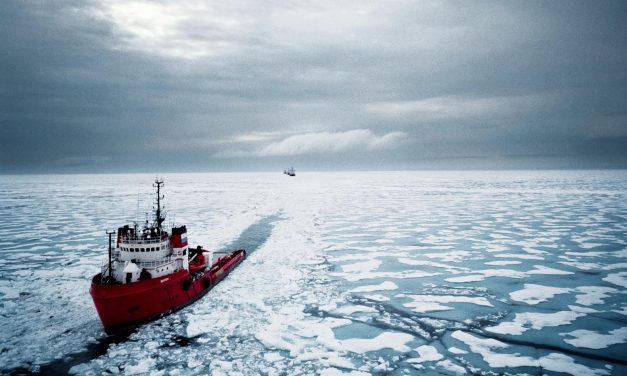
Strategic Council Online – Opinion: The Arctic is no longer a frozen, remote periphery; it has become a live theater of great-power competition, where sea routes, port infrastructure, the law of the sea, and military deterrence are intertwined, shaping the future of maritime security.

The Zionist Regime’s Time Bomb Activated in the West Bank

Strategic Council Online – Opinion: In the midst of America’s military deployment to West Asia and the Persian Gulf, which has increased tensions at the regional and global levels, the Zionist regime has seized the opportunity and accelerated the advancement of its ambitious projects, including the process of the illegal annexation of the West Bank to the occupied territories.

With the End of New START, How Will the Future of Nuclear Security Be Shaped?

Strategic Council Online – Opinion: With the collapse of the last pillar of nuclear arms control between Washington and Moscow, the world stands on the threshold of a ruleless order that both carries the scent of unlimited competition and conceals within itself the possibility of new forms of bargaining.

Loading

Afghanistan

Afghanistan’s Effective Role in the Economy of Eurasia

Afghanistan’s Effective Role in the Economy of Eurasia

Strategic Council Online – Interview: A regional affairs researcher stated: Despite projects such as the Khaf-Herat railway and the Herat-Balkh-Mazar-i-Sharif corridor being on the agenda, insecurity and the absence of an inclusive government remain the most significant obstacles to realizing transit corridors and Afghanistan playing an effective role in the economy of Eurasia.

The Position of Water Diplomacy in Safeguarding Iran’s Water Rights

The Position of Water Diplomacy in Safeguarding Iran’s Water Rights

Strategic Council Online- Interview: An international affairs expert said, “By utilizing multilateral capacities and regional diplomacy, Iran is trying to establish geopolitical balance against the water policies of its neighbors while safeguarding its historical water rights.”

A Look at the U.S. Security Agreement with Qatar

A Look at the U.S. Security Agreement with Qatar

Online Strategic Council – Interview: An expert on Persian Gulf regional issues stated: The White House recently announced that Trump signed an executive order guaranteeing Qatar’s security. The order states that U.S. policy is to deter and respond to any external attack on Qatar’s security and territorial integrity.

Efforts to Retake Bagram Airbase Complete America’s Unfinished Scenario in the Region

Efforts to Retake Bagram Airbase Complete America’s Unfinished Scenario in the Region

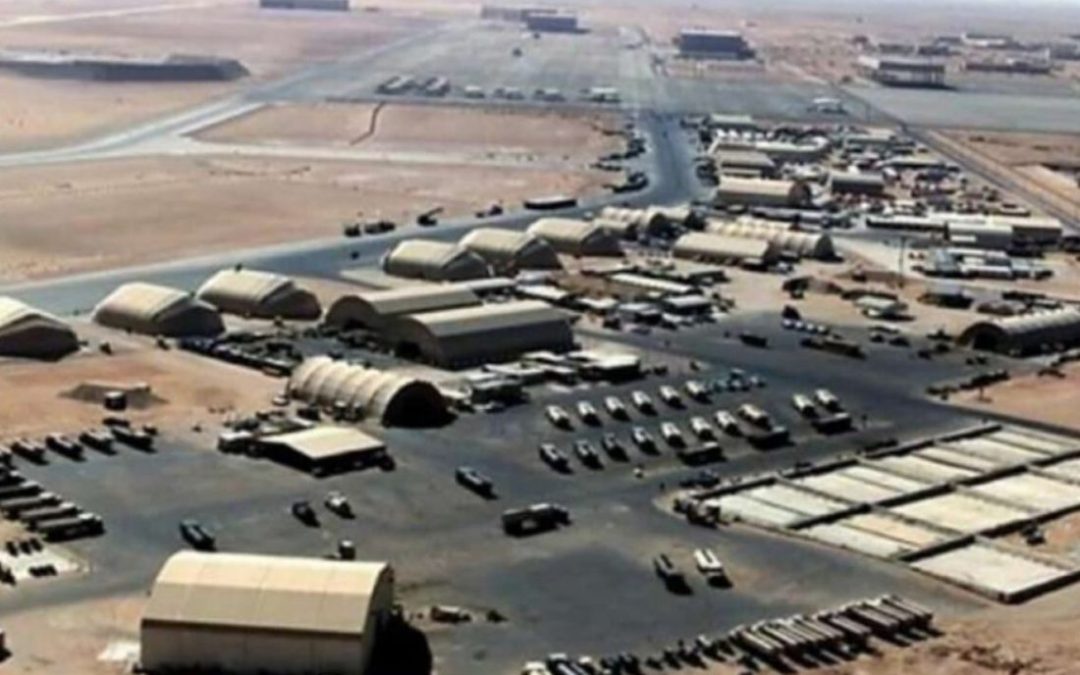
Strategic Council Online – Interview: A senior analyst on Afghan and Pakistani affairs stated that China’s explicit reaction to the new US efforts to retake Bagram Air Base in Afghanistan has once again highlighted the geopolitical competition among major powers in this sensitive region. Beijing has emphasized that any escalation of tensions or creation of confrontation in Afghanistan runs counter to the wishes and interests of the Afghan people and the entire region, and the Afghans themselves must shape the future of Afghanistan. This stance comes as US President Donald Trump has revealed Washington’s plan to return to Bagram, citing the base’s proximity to sensitive Chinese nuclear areas as one of the primary motivations. Analysts believe that a potential US return to Bagram signifies not only the revival of a military presence in Afghanistan but also an effort to curb China’s growing influence and control vital regional trade and security routes; a move that could have broad geopolitical consequences for all of Central and South Asia.

An Analysis of Russia’s Official Recognition of the Taliban

An Analysis of Russia’s Official Recognition of the Taliban

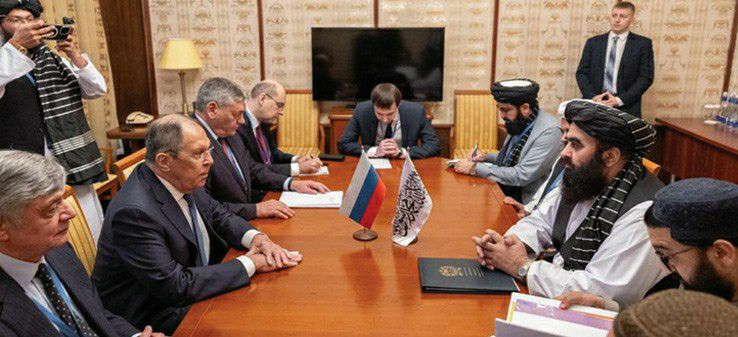
Strategic Council Online – Interview: A former Iranian diplomat stated that Russia’s recognition of the Taliban or the Islamic Emirate of Afghanistan is primarily a security and intelligence matter, and any expansion of political and economic relations with the Taliban will undoubtedly be carried out with Moscow’s specific considerations.

An Analysis of the Resumption of Diplomatic Relations Between Pakistan and Afghanistan

An Analysis of the Resumption of Diplomatic Relations Between Pakistan and Afghanistan

Strategic Council Online– Interview: A senior analyst on South Asian affairs stated that after a period of escalating tensions, which led to the mass expulsion of Afghan refugees from Pakistan and a downgrade in diplomatic relations between Islamabad and Kabul, the two sides have strategically resumed relations at the ambassador level. This development, which followed high-level consultations and coincided with an informal trilateral meeting of the foreign ministers of Pakistan, Afghanistan, and China in Beijing, signals a shared willingness to rebuild trust and deepen security and economic cooperation. This diplomatic shift must be understood as the result of intersecting security, economic, and geopolitical factors.

Intensification of U.S. Surveillance and Confrontation with China’s Threats; Trump’s Goal in Regaining Control of Bagram Air Base

Intensification of U.S. Surveillance and Confrontation with China’s Threats; Trump’s Goal in Regaining Control of Bagram Air Base

Strategic Council Online – Opinion: The recent speech by the U.S. President at the Al Udeid military base in Qatar contained a crucial point. For the umpteenth time in recent weeks, Trump, while criticizing the Biden administration’s policy of shutting down Bagram Air Base in Afghanistan as a mistake, emphasized: “We will keep Bagram Air Base. We will not let it go, because it is only an hour away from China.”

Consequences of  Recent Military Border Tension between Pakistan and Afghanistan

Consequences of Recent Military Border Tension between Pakistan and Afghanistan

Strategic Council Online—Opinion: The recent military border tensions between Pakistan and Afghanistan have characteristics that completely distinguish them from the process of increasing and gradual conflict between the two countries over the past three and a half years and even before that. Their consequences make it necessary for the neighboring countries to consult.

Is the Inter-Afghan Meeting in Istanbul the Think Tank of the Doha Summit?

Is the Inter-Afghan Meeting in Istanbul the Think Tank of the Doha Summit?

Strategic Council Online – Opinion: On Thursday and Friday, November 10th and 11th, around 50 political activists and officials of the former government of Afghanistan gathered in a two-day meeting in Istanbul, Turkey, behind closed doors, to discuss the possibility of resuming the “Inter-Afghan negotiations. The meeting was held with the support of the Turkish government and at the initiative of the “National Dialogue Forum.” The Forum was established by Hekmat Karzai, Mostafa Mastoor, Zabihullah Ziyarmal, Nabila Mosleh, Idris Zaman, Ayoub Irfani, and Freema Nawabi, former officials of the Afghan government in 2022.

Concern about the Presence of ISIS and Anti-Immigration Policies in Europe

Concern about the Presence of ISIS and Anti-Immigration Policies in Europe

Strategic Council Online – Interview: An expert on regional issues said: In the future, we will witness the intensification of anti-immigration policies by European and American countries because these countries believe that many ISIS members are in various forms, especially in the form of immigrants to Europe and American countries have arrived. The following process needs to be addressed.

أحدث الوظائف

The Arctic; From Geographical Freezing to Geopolitical Boiling

Strategic Council Online – Opinion: The Arctic is no longer a frozen, remote periphery; it has become a live theater of great-power competition, where sea routes, port infrastructure, the law of the sea, and military deterrence are intertwined, shaping the future of maritime security.
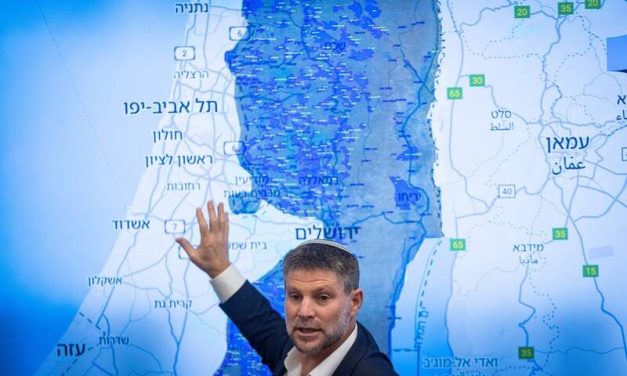
The Zionist Regime’s Time Bomb Activated in the West Bank

Strategic Council Online – Opinion: In the midst of America’s military deployment to West Asia and the Persian Gulf, which has increased tensions at the regional and global levels, the Zionist regime has seized the opportunity and accelerated the advancement of its ambitious projects, including the process of the illegal annexation of the West Bank to the occupied territories.

With the End of New START, How Will the Future of Nuclear Security Be Shaped?

Strategic Council Online – Opinion: With the collapse of the last pillar of nuclear arms control between Washington and Moscow, the world stands on the threshold of a ruleless order that both carries the scent of unlimited competition and conceals within itself the possibility of new forms of bargaining.

Loading

Afghanistan

Afghanistan’s Effective Role in the Economy of Eurasia

Afghanistan’s Effective Role in the Economy of Eurasia

Strategic Council Online – Interview: A regional affairs researcher stated: Despite projects such as the Khaf-Herat railway and the Herat-Balkh-Mazar-i-Sharif corridor being on the agenda, insecurity and the absence of an inclusive government remain the most significant obstacles to realizing transit corridors and Afghanistan playing an effective role in the economy of Eurasia.

The Position of Water Diplomacy in Safeguarding Iran’s Water Rights

The Position of Water Diplomacy in Safeguarding Iran’s Water Rights

Strategic Council Online- Interview: An international affairs expert said, “By utilizing multilateral capacities and regional diplomacy, Iran is trying to establish geopolitical balance against the water policies of its neighbors while safeguarding its historical water rights.”

A Look at the U.S. Security Agreement with Qatar

A Look at the U.S. Security Agreement with Qatar

Online Strategic Council – Interview: An expert on Persian Gulf regional issues stated: The White House recently announced that Trump signed an executive order guaranteeing Qatar’s security. The order states that U.S. policy is to deter and respond to any external attack on Qatar’s security and territorial integrity.

Efforts to Retake Bagram Airbase Complete America’s Unfinished Scenario in the Region

Efforts to Retake Bagram Airbase Complete America’s Unfinished Scenario in the Region

Strategic Council Online – Interview: A senior analyst on Afghan and Pakistani affairs stated that China’s explicit reaction to the new US efforts to retake Bagram Air Base in Afghanistan has once again highlighted the geopolitical competition among major powers in this sensitive region. Beijing has emphasized that any escalation of tensions or creation of confrontation in Afghanistan runs counter to the wishes and interests of the Afghan people and the entire region, and the Afghans themselves must shape the future of Afghanistan. This stance comes as US President Donald Trump has revealed Washington’s plan to return to Bagram, citing the base’s proximity to sensitive Chinese nuclear areas as one of the primary motivations. Analysts believe that a potential US return to Bagram signifies not only the revival of a military presence in Afghanistan but also an effort to curb China’s growing influence and control vital regional trade and security routes; a move that could have broad geopolitical consequences for all of Central and South Asia.

An Analysis of Russia’s Official Recognition of the Taliban

An Analysis of Russia’s Official Recognition of the Taliban

Strategic Council Online – Interview: A former Iranian diplomat stated that Russia’s recognition of the Taliban or the Islamic Emirate of Afghanistan is primarily a security and intelligence matter, and any expansion of political and economic relations with the Taliban will undoubtedly be carried out with Moscow’s specific considerations.

An Analysis of the Resumption of Diplomatic Relations Between Pakistan and Afghanistan

An Analysis of the Resumption of Diplomatic Relations Between Pakistan and Afghanistan

Strategic Council Online– Interview: A senior analyst on South Asian affairs stated that after a period of escalating tensions, which led to the mass expulsion of Afghan refugees from Pakistan and a downgrade in diplomatic relations between Islamabad and Kabul, the two sides have strategically resumed relations at the ambassador level. This development, which followed high-level consultations and coincided with an informal trilateral meeting of the foreign ministers of Pakistan, Afghanistan, and China in Beijing, signals a shared willingness to rebuild trust and deepen security and economic cooperation. This diplomatic shift must be understood as the result of intersecting security, economic, and geopolitical factors.

Intensification of U.S. Surveillance and Confrontation with China’s Threats; Trump’s Goal in Regaining Control of Bagram Air Base

Intensification of U.S. Surveillance and Confrontation with China’s Threats; Trump’s Goal in Regaining Control of Bagram Air Base

Strategic Council Online – Opinion: The recent speech by the U.S. President at the Al Udeid military base in Qatar contained a crucial point. For the umpteenth time in recent weeks, Trump, while criticizing the Biden administration’s policy of shutting down Bagram Air Base in Afghanistan as a mistake, emphasized: “We will keep Bagram Air Base. We will not let it go, because it is only an hour away from China.”

Consequences of  Recent Military Border Tension between Pakistan and Afghanistan

Consequences of Recent Military Border Tension between Pakistan and Afghanistan

Strategic Council Online—Opinion: The recent military border tensions between Pakistan and Afghanistan have characteristics that completely distinguish them from the process of increasing and gradual conflict between the two countries over the past three and a half years and even before that. Their consequences make it necessary for the neighboring countries to consult.

Is the Inter-Afghan Meeting in Istanbul the Think Tank of the Doha Summit?

Is the Inter-Afghan Meeting in Istanbul the Think Tank of the Doha Summit?

Strategic Council Online – Opinion: On Thursday and Friday, November 10th and 11th, around 50 political activists and officials of the former government of Afghanistan gathered in a two-day meeting in Istanbul, Turkey, behind closed doors, to discuss the possibility of resuming the “Inter-Afghan negotiations. The meeting was held with the support of the Turkish government and at the initiative of the “National Dialogue Forum.” The Forum was established by Hekmat Karzai, Mostafa Mastoor, Zabihullah Ziyarmal, Nabila Mosleh, Idris Zaman, Ayoub Irfani, and Freema Nawabi, former officials of the Afghan government in 2022.

Concern about the Presence of ISIS and Anti-Immigration Policies in Europe

Concern about the Presence of ISIS and Anti-Immigration Policies in Europe

Strategic Council Online – Interview: An expert on regional issues said: In the future, we will witness the intensification of anti-immigration policies by European and American countries because these countries believe that many ISIS members are in various forms, especially in the form of immigrants to Europe and American countries have arrived. The following process needs to be addressed.

Afghanistan

Afghanistan’s Effective Role in the Economy of Eurasia

Afghanistan’s Effective Role in the Economy of Eurasia

Strategic Council Online – Interview: A regional affairs researcher stated: Despite projects such as the Khaf-Herat railway and the Herat-Balkh-Mazar-i-Sharif corridor being on the agenda, insecurity and the absence of an inclusive government remain the most significant obstacles to realizing transit corridors and Afghanistan playing an effective role in the economy of Eurasia.

The Position of Water Diplomacy in Safeguarding Iran’s Water Rights

The Position of Water Diplomacy in Safeguarding Iran’s Water Rights

Strategic Council Online- Interview: An international affairs expert said, “By utilizing multilateral capacities and regional diplomacy, Iran is trying to establish geopolitical balance against the water policies of its neighbors while safeguarding its historical water rights.”

A Look at the U.S. Security Agreement with Qatar

A Look at the U.S. Security Agreement with Qatar

Online Strategic Council – Interview: An expert on Persian Gulf regional issues stated: The White House recently announced that Trump signed an executive order guaranteeing Qatar’s security. The order states that U.S. policy is to deter and respond to any external attack on Qatar’s security and territorial integrity.

Efforts to Retake Bagram Airbase Complete America’s Unfinished Scenario in the Region

Efforts to Retake Bagram Airbase Complete America’s Unfinished Scenario in the Region

Strategic Council Online – Interview: A senior analyst on Afghan and Pakistani affairs stated that China’s explicit reaction to the new US efforts to retake Bagram Air Base in Afghanistan has once again highlighted the geopolitical competition among major powers in this sensitive region. Beijing has emphasized that any escalation of tensions or creation of confrontation in Afghanistan runs counter to the wishes and interests of the Afghan people and the entire region, and the Afghans themselves must shape the future of Afghanistan. This stance comes as US President Donald Trump has revealed Washington’s plan to return to Bagram, citing the base’s proximity to sensitive Chinese nuclear areas as one of the primary motivations. Analysts believe that a potential US return to Bagram signifies not only the revival of a military presence in Afghanistan but also an effort to curb China’s growing influence and control vital regional trade and security routes; a move that could have broad geopolitical consequences for all of Central and South Asia.

An Analysis of Russia’s Official Recognition of the Taliban

An Analysis of Russia’s Official Recognition of the Taliban

Strategic Council Online – Interview: A former Iranian diplomat stated that Russia’s recognition of the Taliban or the Islamic Emirate of Afghanistan is primarily a security and intelligence matter, and any expansion of political and economic relations with the Taliban will undoubtedly be carried out with Moscow’s specific considerations.

An Analysis of the Resumption of Diplomatic Relations Between Pakistan and Afghanistan

An Analysis of the Resumption of Diplomatic Relations Between Pakistan and Afghanistan

Strategic Council Online– Interview: A senior analyst on South Asian affairs stated that after a period of escalating tensions, which led to the mass expulsion of Afghan refugees from Pakistan and a downgrade in diplomatic relations between Islamabad and Kabul, the two sides have strategically resumed relations at the ambassador level. This development, which followed high-level consultations and coincided with an informal trilateral meeting of the foreign ministers of Pakistan, Afghanistan, and China in Beijing, signals a shared willingness to rebuild trust and deepen security and economic cooperation. This diplomatic shift must be understood as the result of intersecting security, economic, and geopolitical factors.

Intensification of U.S. Surveillance and Confrontation with China’s Threats; Trump’s Goal in Regaining Control of Bagram Air Base

Intensification of U.S. Surveillance and Confrontation with China’s Threats; Trump’s Goal in Regaining Control of Bagram Air Base

Strategic Council Online – Opinion: The recent speech by the U.S. President at the Al Udeid military base in Qatar contained a crucial point. For the umpteenth time in recent weeks, Trump, while criticizing the Biden administration’s policy of shutting down Bagram Air Base in Afghanistan as a mistake, emphasized: “We will keep Bagram Air Base. We will not let it go, because it is only an hour away from China.”

Consequences of  Recent Military Border Tension between Pakistan and Afghanistan

Consequences of Recent Military Border Tension between Pakistan and Afghanistan

Strategic Council Online—Opinion: The recent military border tensions between Pakistan and Afghanistan have characteristics that completely distinguish them from the process of increasing and gradual conflict between the two countries over the past three and a half years and even before that. Their consequences make it necessary for the neighboring countries to consult.

Is the Inter-Afghan Meeting in Istanbul the Think Tank of the Doha Summit?

Is the Inter-Afghan Meeting in Istanbul the Think Tank of the Doha Summit?

Strategic Council Online – Opinion: On Thursday and Friday, November 10th and 11th, around 50 political activists and officials of the former government of Afghanistan gathered in a two-day meeting in Istanbul, Turkey, behind closed doors, to discuss the possibility of resuming the “Inter-Afghan negotiations. The meeting was held with the support of the Turkish government and at the initiative of the “National Dialogue Forum.” The Forum was established by Hekmat Karzai, Mostafa Mastoor, Zabihullah Ziyarmal, Nabila Mosleh, Idris Zaman, Ayoub Irfani, and Freema Nawabi, former officials of the Afghan government in 2022.

Concern about the Presence of ISIS and Anti-Immigration Policies in Europe

Concern about the Presence of ISIS and Anti-Immigration Policies in Europe

Strategic Council Online – Interview: An expert on regional issues said: In the future, we will witness the intensification of anti-immigration policies by European and American countries because these countries believe that many ISIS members are in various forms, especially in the form of immigrants to Europe and American countries have arrived. The following process needs to be addressed.

LATEST CONTENT

The Arctic; From Geographical Freezing to Geopolitical Boiling

Strategic Council Online – Opinion: The Arctic is no longer a frozen, remote periphery; it has become a live theater of great-power competition, where sea routes, port infrastructure, the law of the sea, and military deterrence are intertwined, shaping the future of maritime security.

The Zionist Regime’s Time Bomb Activated in the West Bank

Strategic Council Online – Opinion: In the midst of America’s military deployment to West Asia and the Persian Gulf, which has increased tensions at the regional and global levels, the Zionist regime has seized the opportunity and accelerated the advancement of its ambitious projects, including the process of the illegal annexation of the West Bank to the occupied territories.

With the End of New START, How Will the Future of Nuclear Security Be Shaped?

Strategic Council Online – Opinion: With the collapse of the last pillar of nuclear arms control between Washington and Moscow, the world stands on the threshold of a ruleless order that both carries the scent of unlimited competition and conceals within itself the possibility of new forms of bargaining.

Loading

Afghanistan

Afghanistan’s Effective Role in the Economy of Eurasia

Afghanistan’s Effective Role in the Economy of Eurasia

Strategic Council Online – Interview: A regional affairs researcher stated: Despite projects such as the Khaf-Herat railway and the Herat-Balkh-Mazar-i-Sharif corridor being on the agenda, insecurity and the absence of an inclusive government remain the most significant obstacles to realizing transit corridors and Afghanistan playing an effective role in the economy of Eurasia.

The Position of Water Diplomacy in Safeguarding Iran’s Water Rights

The Position of Water Diplomacy in Safeguarding Iran’s Water Rights

Strategic Council Online- Interview: An international affairs expert said, “By utilizing multilateral capacities and regional diplomacy, Iran is trying to establish geopolitical balance against the water policies of its neighbors while safeguarding its historical water rights.”

A Look at the U.S. Security Agreement with Qatar

A Look at the U.S. Security Agreement with Qatar

Online Strategic Council – Interview: An expert on Persian Gulf regional issues stated: The White House recently announced that Trump signed an executive order guaranteeing Qatar’s security. The order states that U.S. policy is to deter and respond to any external attack on Qatar’s security and territorial integrity.

Efforts to Retake Bagram Airbase Complete America’s Unfinished Scenario in the Region

Efforts to Retake Bagram Airbase Complete America’s Unfinished Scenario in the Region

Strategic Council Online – Interview: A senior analyst on Afghan and Pakistani affairs stated that China’s explicit reaction to the new US efforts to retake Bagram Air Base in Afghanistan has once again highlighted the geopolitical competition among major powers in this sensitive region. Beijing has emphasized that any escalation of tensions or creation of confrontation in Afghanistan runs counter to the wishes and interests of the Afghan people and the entire region, and the Afghans themselves must shape the future of Afghanistan. This stance comes as US President Donald Trump has revealed Washington’s plan to return to Bagram, citing the base’s proximity to sensitive Chinese nuclear areas as one of the primary motivations. Analysts believe that a potential US return to Bagram signifies not only the revival of a military presence in Afghanistan but also an effort to curb China’s growing influence and control vital regional trade and security routes; a move that could have broad geopolitical consequences for all of Central and South Asia.

An Analysis of Russia’s Official Recognition of the Taliban

An Analysis of Russia’s Official Recognition of the Taliban

Strategic Council Online – Interview: A former Iranian diplomat stated that Russia’s recognition of the Taliban or the Islamic Emirate of Afghanistan is primarily a security and intelligence matter, and any expansion of political and economic relations with the Taliban will undoubtedly be carried out with Moscow’s specific considerations.

An Analysis of the Resumption of Diplomatic Relations Between Pakistan and Afghanistan

An Analysis of the Resumption of Diplomatic Relations Between Pakistan and Afghanistan

Strategic Council Online– Interview: A senior analyst on South Asian affairs stated that after a period of escalating tensions, which led to the mass expulsion of Afghan refugees from Pakistan and a downgrade in diplomatic relations between Islamabad and Kabul, the two sides have strategically resumed relations at the ambassador level. This development, which followed high-level consultations and coincided with an informal trilateral meeting of the foreign ministers of Pakistan, Afghanistan, and China in Beijing, signals a shared willingness to rebuild trust and deepen security and economic cooperation. This diplomatic shift must be understood as the result of intersecting security, economic, and geopolitical factors.

Intensification of U.S. Surveillance and Confrontation with China’s Threats; Trump’s Goal in Regaining Control of Bagram Air Base

Intensification of U.S. Surveillance and Confrontation with China’s Threats; Trump’s Goal in Regaining Control of Bagram Air Base

Strategic Council Online – Opinion: The recent speech by the U.S. President at the Al Udeid military base in Qatar contained a crucial point. For the umpteenth time in recent weeks, Trump, while criticizing the Biden administration’s policy of shutting down Bagram Air Base in Afghanistan as a mistake, emphasized: “We will keep Bagram Air Base. We will not let it go, because it is only an hour away from China.”

Consequences of  Recent Military Border Tension between Pakistan and Afghanistan

Consequences of Recent Military Border Tension between Pakistan and Afghanistan

Strategic Council Online—Opinion: The recent military border tensions between Pakistan and Afghanistan have characteristics that completely distinguish them from the process of increasing and gradual conflict between the two countries over the past three and a half years and even before that. Their consequences make it necessary for the neighboring countries to consult.

Is the Inter-Afghan Meeting in Istanbul the Think Tank of the Doha Summit?

Is the Inter-Afghan Meeting in Istanbul the Think Tank of the Doha Summit?

Strategic Council Online – Opinion: On Thursday and Friday, November 10th and 11th, around 50 political activists and officials of the former government of Afghanistan gathered in a two-day meeting in Istanbul, Turkey, behind closed doors, to discuss the possibility of resuming the “Inter-Afghan negotiations. The meeting was held with the support of the Turkish government and at the initiative of the “National Dialogue Forum.” The Forum was established by Hekmat Karzai, Mostafa Mastoor, Zabihullah Ziyarmal, Nabila Mosleh, Idris Zaman, Ayoub Irfani, and Freema Nawabi, former officials of the Afghan government in 2022.

Concern about the Presence of ISIS and Anti-Immigration Policies in Europe

Concern about the Presence of ISIS and Anti-Immigration Policies in Europe

Strategic Council Online – Interview: An expert on regional issues said: In the future, we will witness the intensification of anti-immigration policies by European and American countries because these countries believe that many ISIS members are in various forms, especially in the form of immigrants to Europe and American countries have arrived. The following process needs to be addressed.

ÚLTIMAS PUBLICACIONES

The Arctic; From Geographical Freezing to Geopolitical Boiling

Strategic Council Online – Opinion: The Arctic is no longer a frozen, remote periphery; it has become a live theater of great-power competition, where sea routes, port infrastructure, the law of the sea, and military deterrence are intertwined, shaping the future of maritime security.

The Zionist Regime’s Time Bomb Activated in the West Bank

Strategic Council Online – Opinion: In the midst of America’s military deployment to West Asia and the Persian Gulf, which has increased tensions at the regional and global levels, the Zionist regime has seized the opportunity and accelerated the advancement of its ambitious projects, including the process of the illegal annexation of the West Bank to the occupied territories.

With the End of New START, How Will the Future of Nuclear Security Be Shaped?

Strategic Council Online – Opinion: With the collapse of the last pillar of nuclear arms control between Washington and Moscow, the world stands on the threshold of a ruleless order that both carries the scent of unlimited competition and conceals within itself the possibility of new forms of bargaining.

Loading

Afghanistan

Afghanistan’s Effective Role in the Economy of Eurasia

Afghanistan’s Effective Role in the Economy of Eurasia

Strategic Council Online – Interview: A regional affairs researcher stated: Despite projects such as the Khaf-Herat railway and the Herat-Balkh-Mazar-i-Sharif corridor being on the agenda, insecurity and the absence of an inclusive government remain the most significant obstacles to realizing transit corridors and Afghanistan playing an effective role in the economy of Eurasia.

The Position of Water Diplomacy in Safeguarding Iran’s Water Rights

The Position of Water Diplomacy in Safeguarding Iran’s Water Rights

Strategic Council Online- Interview: An international affairs expert said, “By utilizing multilateral capacities and regional diplomacy, Iran is trying to establish geopolitical balance against the water policies of its neighbors while safeguarding its historical water rights.”

A Look at the U.S. Security Agreement with Qatar

A Look at the U.S. Security Agreement with Qatar

Online Strategic Council – Interview: An expert on Persian Gulf regional issues stated: The White House recently announced that Trump signed an executive order guaranteeing Qatar’s security. The order states that U.S. policy is to deter and respond to any external attack on Qatar’s security and territorial integrity.

Efforts to Retake Bagram Airbase Complete America’s Unfinished Scenario in the Region

Efforts to Retake Bagram Airbase Complete America’s Unfinished Scenario in the Region

Strategic Council Online – Interview: A senior analyst on Afghan and Pakistani affairs stated that China’s explicit reaction to the new US efforts to retake Bagram Air Base in Afghanistan has once again highlighted the geopolitical competition among major powers in this sensitive region. Beijing has emphasized that any escalation of tensions or creation of confrontation in Afghanistan runs counter to the wishes and interests of the Afghan people and the entire region, and the Afghans themselves must shape the future of Afghanistan. This stance comes as US President Donald Trump has revealed Washington’s plan to return to Bagram, citing the base’s proximity to sensitive Chinese nuclear areas as one of the primary motivations. Analysts believe that a potential US return to Bagram signifies not only the revival of a military presence in Afghanistan but also an effort to curb China’s growing influence and control vital regional trade and security routes; a move that could have broad geopolitical consequences for all of Central and South Asia.

An Analysis of Russia’s Official Recognition of the Taliban

An Analysis of Russia’s Official Recognition of the Taliban

Strategic Council Online – Interview: A former Iranian diplomat stated that Russia’s recognition of the Taliban or the Islamic Emirate of Afghanistan is primarily a security and intelligence matter, and any expansion of political and economic relations with the Taliban will undoubtedly be carried out with Moscow’s specific considerations.

An Analysis of the Resumption of Diplomatic Relations Between Pakistan and Afghanistan

An Analysis of the Resumption of Diplomatic Relations Between Pakistan and Afghanistan

Strategic Council Online– Interview: A senior analyst on South Asian affairs stated that after a period of escalating tensions, which led to the mass expulsion of Afghan refugees from Pakistan and a downgrade in diplomatic relations between Islamabad and Kabul, the two sides have strategically resumed relations at the ambassador level. This development, which followed high-level consultations and coincided with an informal trilateral meeting of the foreign ministers of Pakistan, Afghanistan, and China in Beijing, signals a shared willingness to rebuild trust and deepen security and economic cooperation. This diplomatic shift must be understood as the result of intersecting security, economic, and geopolitical factors.

Intensification of U.S. Surveillance and Confrontation with China’s Threats; Trump’s Goal in Regaining Control of Bagram Air Base

Intensification of U.S. Surveillance and Confrontation with China’s Threats; Trump’s Goal in Regaining Control of Bagram Air Base

Strategic Council Online – Opinion: The recent speech by the U.S. President at the Al Udeid military base in Qatar contained a crucial point. For the umpteenth time in recent weeks, Trump, while criticizing the Biden administration’s policy of shutting down Bagram Air Base in Afghanistan as a mistake, emphasized: “We will keep Bagram Air Base. We will not let it go, because it is only an hour away from China.”

Consequences of  Recent Military Border Tension between Pakistan and Afghanistan

Consequences of Recent Military Border Tension between Pakistan and Afghanistan

Strategic Council Online—Opinion: The recent military border tensions between Pakistan and Afghanistan have characteristics that completely distinguish them from the process of increasing and gradual conflict between the two countries over the past three and a half years and even before that. Their consequences make it necessary for the neighboring countries to consult.

Is the Inter-Afghan Meeting in Istanbul the Think Tank of the Doha Summit?

Is the Inter-Afghan Meeting in Istanbul the Think Tank of the Doha Summit?

Strategic Council Online – Opinion: On Thursday and Friday, November 10th and 11th, around 50 political activists and officials of the former government of Afghanistan gathered in a two-day meeting in Istanbul, Turkey, behind closed doors, to discuss the possibility of resuming the “Inter-Afghan negotiations. The meeting was held with the support of the Turkish government and at the initiative of the “National Dialogue Forum.” The Forum was established by Hekmat Karzai, Mostafa Mastoor, Zabihullah Ziyarmal, Nabila Mosleh, Idris Zaman, Ayoub Irfani, and Freema Nawabi, former officials of the Afghan government in 2022.

Concern about the Presence of ISIS and Anti-Immigration Policies in Europe

Concern about the Presence of ISIS and Anti-Immigration Policies in Europe

Strategic Council Online – Interview: An expert on regional issues said: In the future, we will witness the intensification of anti-immigration policies by European and American countries because these countries believe that many ISIS members are in various forms, especially in the form of immigrants to Europe and American countries have arrived. The following process needs to be addressed.

ÚLTIMAS PUBLICACIONES

The Arctic; From Geographical Freezing to Geopolitical Boiling

Strategic Council Online – Opinion: The Arctic is no longer a frozen, remote periphery; it has become a live theater of great-power competition, where sea routes, port infrastructure, the law of the sea, and military deterrence are intertwined, shaping the future of maritime security.

The Zionist Regime’s Time Bomb Activated in the West Bank

Strategic Council Online – Opinion: In the midst of America’s military deployment to West Asia and the Persian Gulf, which has increased tensions at the regional and global levels, the Zionist regime has seized the opportunity and accelerated the advancement of its ambitious projects, including the process of the illegal annexation of the West Bank to the occupied territories.

With the End of New START, How Will the Future of Nuclear Security Be Shaped?

Strategic Council Online – Opinion: With the collapse of the last pillar of nuclear arms control between Washington and Moscow, the world stands on the threshold of a ruleless order that both carries the scent of unlimited competition and conceals within itself the possibility of new forms of bargaining.

Loading

Afghanistan

Afghanistan’s Effective Role in the Economy of Eurasia

Afghanistan’s Effective Role in the Economy of Eurasia

Strategic Council Online – Interview: A regional affairs researcher stated: Despite projects such as the Khaf-Herat railway and the Herat-Balkh-Mazar-i-Sharif corridor being on the agenda, insecurity and the absence of an inclusive government remain the most significant obstacles to realizing transit corridors and Afghanistan playing an effective role in the economy of Eurasia.

The Position of Water Diplomacy in Safeguarding Iran’s Water Rights

The Position of Water Diplomacy in Safeguarding Iran’s Water Rights

Strategic Council Online- Interview: An international affairs expert said, “By utilizing multilateral capacities and regional diplomacy, Iran is trying to establish geopolitical balance against the water policies of its neighbors while safeguarding its historical water rights.”

A Look at the U.S. Security Agreement with Qatar

A Look at the U.S. Security Agreement with Qatar

Online Strategic Council – Interview: An expert on Persian Gulf regional issues stated: The White House recently announced that Trump signed an executive order guaranteeing Qatar’s security. The order states that U.S. policy is to deter and respond to any external attack on Qatar’s security and territorial integrity.

Efforts to Retake Bagram Airbase Complete America’s Unfinished Scenario in the Region

Efforts to Retake Bagram Airbase Complete America’s Unfinished Scenario in the Region

Strategic Council Online – Interview: A senior analyst on Afghan and Pakistani affairs stated that China’s explicit reaction to the new US efforts to retake Bagram Air Base in Afghanistan has once again highlighted the geopolitical competition among major powers in this sensitive region. Beijing has emphasized that any escalation of tensions or creation of confrontation in Afghanistan runs counter to the wishes and interests of the Afghan people and the entire region, and the Afghans themselves must shape the future of Afghanistan. This stance comes as US President Donald Trump has revealed Washington’s plan to return to Bagram, citing the base’s proximity to sensitive Chinese nuclear areas as one of the primary motivations. Analysts believe that a potential US return to Bagram signifies not only the revival of a military presence in Afghanistan but also an effort to curb China’s growing influence and control vital regional trade and security routes; a move that could have broad geopolitical consequences for all of Central and South Asia.

An Analysis of Russia’s Official Recognition of the Taliban

An Analysis of Russia’s Official Recognition of the Taliban

Strategic Council Online – Interview: A former Iranian diplomat stated that Russia’s recognition of the Taliban or the Islamic Emirate of Afghanistan is primarily a security and intelligence matter, and any expansion of political and economic relations with the Taliban will undoubtedly be carried out with Moscow’s specific considerations.

An Analysis of the Resumption of Diplomatic Relations Between Pakistan and Afghanistan

An Analysis of the Resumption of Diplomatic Relations Between Pakistan and Afghanistan

Strategic Council Online– Interview: A senior analyst on South Asian affairs stated that after a period of escalating tensions, which led to the mass expulsion of Afghan refugees from Pakistan and a downgrade in diplomatic relations between Islamabad and Kabul, the two sides have strategically resumed relations at the ambassador level. This development, which followed high-level consultations and coincided with an informal trilateral meeting of the foreign ministers of Pakistan, Afghanistan, and China in Beijing, signals a shared willingness to rebuild trust and deepen security and economic cooperation. This diplomatic shift must be understood as the result of intersecting security, economic, and geopolitical factors.

Intensification of U.S. Surveillance and Confrontation with China’s Threats; Trump’s Goal in Regaining Control of Bagram Air Base

Intensification of U.S. Surveillance and Confrontation with China’s Threats; Trump’s Goal in Regaining Control of Bagram Air Base

Strategic Council Online – Opinion: The recent speech by the U.S. President at the Al Udeid military base in Qatar contained a crucial point. For the umpteenth time in recent weeks, Trump, while criticizing the Biden administration’s policy of shutting down Bagram Air Base in Afghanistan as a mistake, emphasized: “We will keep Bagram Air Base. We will not let it go, because it is only an hour away from China.”

Consequences of  Recent Military Border Tension between Pakistan and Afghanistan

Consequences of Recent Military Border Tension between Pakistan and Afghanistan

Strategic Council Online—Opinion: The recent military border tensions between Pakistan and Afghanistan have characteristics that completely distinguish them from the process of increasing and gradual conflict between the two countries over the past three and a half years and even before that. Their consequences make it necessary for the neighboring countries to consult.

Is the Inter-Afghan Meeting in Istanbul the Think Tank of the Doha Summit?

Is the Inter-Afghan Meeting in Istanbul the Think Tank of the Doha Summit?

Strategic Council Online – Opinion: On Thursday and Friday, November 10th and 11th, around 50 political activists and officials of the former government of Afghanistan gathered in a two-day meeting in Istanbul, Turkey, behind closed doors, to discuss the possibility of resuming the “Inter-Afghan negotiations. The meeting was held with the support of the Turkish government and at the initiative of the “National Dialogue Forum.” The Forum was established by Hekmat Karzai, Mostafa Mastoor, Zabihullah Ziyarmal, Nabila Mosleh, Idris Zaman, Ayoub Irfani, and Freema Nawabi, former officials of the Afghan government in 2022.

Concern about the Presence of ISIS and Anti-Immigration Policies in Europe

Concern about the Presence of ISIS and Anti-Immigration Policies in Europe

Strategic Council Online – Interview: An expert on regional issues said: In the future, we will witness the intensification of anti-immigration policies by European and American countries because these countries believe that many ISIS members are in various forms, especially in the form of immigrants to Europe and American countries have arrived. The following process needs to be addressed.

ÚLTIMAS PUBLICACIONES

The Arctic; From Geographical Freezing to Geopolitical Boiling

Strategic Council Online – Opinion: The Arctic is no longer a frozen, remote periphery; it has become a live theater of great-power competition, where sea routes, port infrastructure, the law of the sea, and military deterrence are intertwined, shaping the future of maritime security.
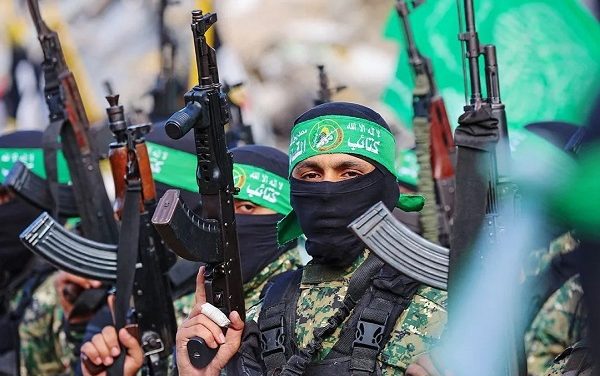
The Zionist Regime’s Time Bomb Activated in the West Bank

Strategic Council Online – Opinion: In the midst of America’s military deployment to West Asia and the Persian Gulf, which has increased tensions at the regional and global levels, the Zionist regime has seized the opportunity and accelerated the advancement of its ambitious projects, including the process of the illegal annexation of the West Bank to the occupied territories.

With the End of New START, How Will the Future of Nuclear Security Be Shaped?

Strategic Council Online – Opinion: With the collapse of the last pillar of nuclear arms control between Washington and Moscow, the world stands on the threshold of a ruleless order that both carries the scent of unlimited competition and conceals within itself the possibility of new forms of bargaining.

Loading

Afghanistan

Afghanistan’s Effective Role in the Economy of Eurasia

Afghanistan’s Effective Role in the Economy of Eurasia

Strategic Council Online – Interview: A regional affairs researcher stated: Despite projects such as the Khaf-Herat railway and the Herat-Balkh-Mazar-i-Sharif corridor being on the agenda, insecurity and the absence of an inclusive government remain the most significant obstacles to realizing transit corridors and Afghanistan playing an effective role in the economy of Eurasia.

The Position of Water Diplomacy in Safeguarding Iran’s Water Rights

The Position of Water Diplomacy in Safeguarding Iran’s Water Rights

Strategic Council Online- Interview: An international affairs expert said, “By utilizing multilateral capacities and regional diplomacy, Iran is trying to establish geopolitical balance against the water policies of its neighbors while safeguarding its historical water rights.”

A Look at the U.S. Security Agreement with Qatar

A Look at the U.S. Security Agreement with Qatar

Online Strategic Council – Interview: An expert on Persian Gulf regional issues stated: The White House recently announced that Trump signed an executive order guaranteeing Qatar’s security. The order states that U.S. policy is to deter and respond to any external attack on Qatar’s security and territorial integrity.

Efforts to Retake Bagram Airbase Complete America’s Unfinished Scenario in the Region

Efforts to Retake Bagram Airbase Complete America’s Unfinished Scenario in the Region

Strategic Council Online – Interview: A senior analyst on Afghan and Pakistani affairs stated that China’s explicit reaction to the new US efforts to retake Bagram Air Base in Afghanistan has once again highlighted the geopolitical competition among major powers in this sensitive region. Beijing has emphasized that any escalation of tensions or creation of confrontation in Afghanistan runs counter to the wishes and interests of the Afghan people and the entire region, and the Afghans themselves must shape the future of Afghanistan. This stance comes as US President Donald Trump has revealed Washington’s plan to return to Bagram, citing the base’s proximity to sensitive Chinese nuclear areas as one of the primary motivations. Analysts believe that a potential US return to Bagram signifies not only the revival of a military presence in Afghanistan but also an effort to curb China’s growing influence and control vital regional trade and security routes; a move that could have broad geopolitical consequences for all of Central and South Asia.

An Analysis of Russia’s Official Recognition of the Taliban

An Analysis of Russia’s Official Recognition of the Taliban

Strategic Council Online – Interview: A former Iranian diplomat stated that Russia’s recognition of the Taliban or the Islamic Emirate of Afghanistan is primarily a security and intelligence matter, and any expansion of political and economic relations with the Taliban will undoubtedly be carried out with Moscow’s specific considerations.

An Analysis of the Resumption of Diplomatic Relations Between Pakistan and Afghanistan

An Analysis of the Resumption of Diplomatic Relations Between Pakistan and Afghanistan

Strategic Council Online– Interview: A senior analyst on South Asian affairs stated that after a period of escalating tensions, which led to the mass expulsion of Afghan refugees from Pakistan and a downgrade in diplomatic relations between Islamabad and Kabul, the two sides have strategically resumed relations at the ambassador level. This development, which followed high-level consultations and coincided with an informal trilateral meeting of the foreign ministers of Pakistan, Afghanistan, and China in Beijing, signals a shared willingness to rebuild trust and deepen security and economic cooperation. This diplomatic shift must be understood as the result of intersecting security, economic, and geopolitical factors.

Intensification of U.S. Surveillance and Confrontation with China’s Threats; Trump’s Goal in Regaining Control of Bagram Air Base

Intensification of U.S. Surveillance and Confrontation with China’s Threats; Trump’s Goal in Regaining Control of Bagram Air Base

Strategic Council Online – Opinion: The recent speech by the U.S. President at the Al Udeid military base in Qatar contained a crucial point. For the umpteenth time in recent weeks, Trump, while criticizing the Biden administration’s policy of shutting down Bagram Air Base in Afghanistan as a mistake, emphasized: “We will keep Bagram Air Base. We will not let it go, because it is only an hour away from China.”

Consequences of  Recent Military Border Tension between Pakistan and Afghanistan

Consequences of Recent Military Border Tension between Pakistan and Afghanistan

Strategic Council Online—Opinion: The recent military border tensions between Pakistan and Afghanistan have characteristics that completely distinguish them from the process of increasing and gradual conflict between the two countries over the past three and a half years and even before that. Their consequences make it necessary for the neighboring countries to consult.

Is the Inter-Afghan Meeting in Istanbul the Think Tank of the Doha Summit?

Is the Inter-Afghan Meeting in Istanbul the Think Tank of the Doha Summit?

Strategic Council Online – Opinion: On Thursday and Friday, November 10th and 11th, around 50 political activists and officials of the former government of Afghanistan gathered in a two-day meeting in Istanbul, Turkey, behind closed doors, to discuss the possibility of resuming the “Inter-Afghan negotiations. The meeting was held with the support of the Turkish government and at the initiative of the “National Dialogue Forum.” The Forum was established by Hekmat Karzai, Mostafa Mastoor, Zabihullah Ziyarmal, Nabila Mosleh, Idris Zaman, Ayoub Irfani, and Freema Nawabi, former officials of the Afghan government in 2022.

Concern about the Presence of ISIS and Anti-Immigration Policies in Europe

Concern about the Presence of ISIS and Anti-Immigration Policies in Europe

Strategic Council Online – Interview: An expert on regional issues said: In the future, we will witness the intensification of anti-immigration policies by European and American countries because these countries believe that many ISIS members are in various forms, especially in the form of immigrants to Europe and American countries have arrived. The following process needs to be addressed.

ÚLTIMAS PUBLICACIONES

The Arctic; From Geographical Freezing to Geopolitical Boiling

Strategic Council Online – Opinion: The Arctic is no longer a frozen, remote periphery; it has become a live theater of great-power competition, where sea routes, port infrastructure, the law of the sea, and military deterrence are intertwined, shaping the future of maritime security.

The Zionist Regime’s Time Bomb Activated in the West Bank

Strategic Council Online – Opinion: In the midst of America’s military deployment to West Asia and the Persian Gulf, which has increased tensions at the regional and global levels, the Zionist regime has seized the opportunity and accelerated the advancement of its ambitious projects, including the process of the illegal annexation of the West Bank to the occupied territories.

With the End of New START, How Will the Future of Nuclear Security Be Shaped?

Strategic Council Online – Opinion: With the collapse of the last pillar of nuclear arms control between Washington and Moscow, the world stands on the threshold of a ruleless order that both carries the scent of unlimited competition and conceals within itself the possibility of new forms of bargaining.

Loading