

Farshid Bagherian, in an interview with the website of the Strategic Council on Foreign Relations, referring to the new agreement between Turkey and Iraq regarding water transfer in exchange for oil exports, stated: “The issue of water in West Asia is no longer merely an environmental matter and has turned into a geopolitical tool.”
This analyst noted: “Turkey, by implementing extensive dam-building projects on the Tigris and Euphrates, as well as constructing the Karakurt, Tuzluca, and Süleymanşehir dams upstream of the Aras River, uses water as a lever for geopolitical pressure.”
Bagherian added: “This policy has endangered the national security and the livelihood of the northwestern and western provinces of Iran. Therefore, it is essential to strengthen the role of Iran’s water diplomacy in countering it.”
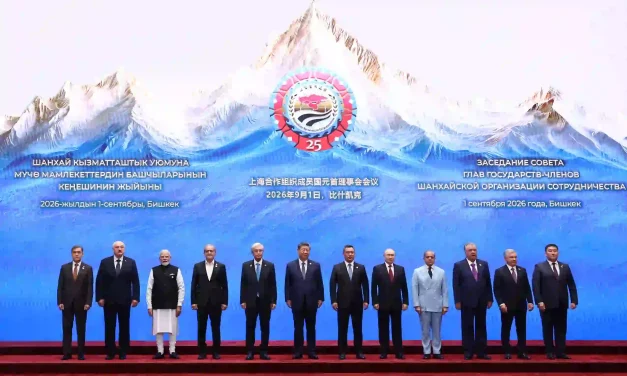
He emphasized: “Iran, by utilizing regional and multilateral capacities, can moderate the unilateral policies of its neighbors. Cooperation with downstream countries such as Iraq, Syria, Armenia, and the Republic of Azerbaijan, as well as using institutions like the Shanghai Cooperation Organization, BRICS, and ECO, has provided grounds for dialogue and collective coordination in the field of natural resources.”
Bagherian added: “Iran’s water diplomacy can help preserve historical rights and the security of water resources through dialogue and multilateral interaction. By focusing on managing internal resources and protecting infrastructure, Iran can address threats arising from foreign dam-building projects and water-for-energy deal policies and defend its rights. However, it must be acknowledged that we are experiencing fifty years of drought in the West Asia region; to the extent that central regions of Turkey like Ankara and Istanbul are also facing a water crisis and have even implemented water rationing policies at times; therefore, the issue of water scarcity is not limited to Iran.”
Pursuing Iran’s Water Rights
Bagherian, referring to Iran’s recent diplomatic actions, noted: “The trip of Kazem Gharibabadi, Deputy Foreign Minister, to Afghanistan played an important role in pursuing the issue of Hirmand water rights and engaging with the Taliban government. During this trip, the matter of adhering to the 1972 agreement and delivering 820 million cubic meters of water annually to Iran was seriously pursued.”
He added: “Through focusing on active diplomacy, Iran must obligate the Afghan government to adhere to its historical commitments and prevent its unilateral actions to reduce water flow. This diplomacy has been based on legal engagement, direct negotiations, and utilizing the capacities of regional organizations, including the Shanghai Cooperation Organization and BRICS.”
He also referred to the 30th meeting of the Hirmand Water Commissioners’ summit, scheduled to take place in Tehran in the coming days. Bagherian further noted: “This meeting has provided an opportunity to strengthen regional cooperation, examine common problems, and advance Iran’s water diplomacy policies. Iran’s active presence in this summit and interaction with neighboring countries demonstrates Tehran’s commitment to the responsible management of water resources and preventing environmental and security crises.”
Water Threats and Strategies to Deal with Them
Farshid Bagherian stated: “Iran must seriously use the capacities of international law to pursue its water rights. The 1972 Hirmand Agreement between Iran and Afghanistan, as a historical legal basis, specifies the binding nature of observing Iran’s water rights and prevents any unilateral change of river courses by upstream governments.”
He emphasized: “In addition to this agreement, Iran can refer to the 1997 United Nations Convention on the Law of the Non-Navigational Uses of International Watercourses, which prohibits upstream countries from imposing political, security, or geopolitical restrictions against downstream countries.”
Bagherian stressed: “The principles of the Fourth Geneva Convention of 1949, particularly the provisions related to the protection of water resources and not using them against civilian populations, provide a legal framework at the international level to guarantee Iran’s water rights. Referring to these treaties and conventions is considered an effective tool in water diplomacy and legal pressure against any action contrary to international law.”
Referring to Turkey’s “water for energy” policy and similar deals in Iraq and Afghanistan and their consequences and damages, he said: “Of course, one cannot ignore the dangers and consequences of regional actors competing over water resources; dangers that over these years have led to both the drying up of wetlands and the phenomenon of sand and dust storms in the country.”
Bagherian, referring to active water diplomacy from Tehran and holding meetings with relevant neighbors, added: “The continuation of such meetings and multilateral cooperation will allow Iran to pursue water-related issues regionally and strategically.”
He noted: “These measures will enable Tehran to protect its national interests and vital resources against the unilateral policies of neighboring countries.”
He also emphasized: “Alongside regional diplomacy, Iran must focus on developing internal infrastructure and managing its water resources. Projects such as water desalination in the south, transferring water from the Sea of Oman to Sistan and Baluchestan, and strengthening irrigation networks and dam construction have been strategic steps to ensure the security of our country’s water resources.”





0 Comments